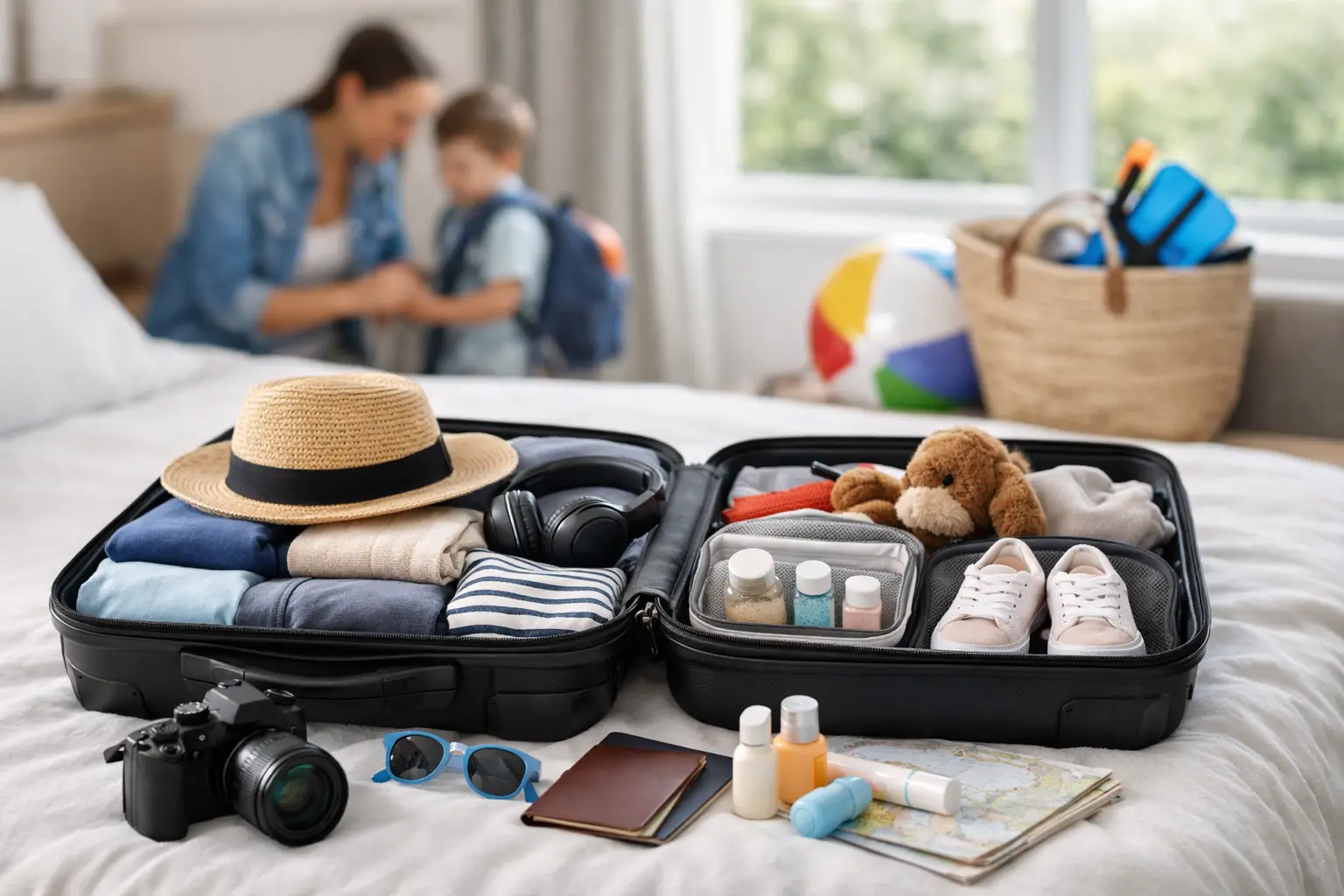
Anyone who has stood at the gate with a tired toddler, a delayed flight, and a checked bag full of the things they actually need knows this fast: the best carry on packing list family travelers use is not about packing more. It is about packing the right things where you can reach them without turning the aisle into a scavenger hunt.
For families, carry-on packing is part comfort plan, part backup plan, and part sanity saver. If your luggage gets delayed, your seat assignment changes, or your child spills juice on the only clean shirt you packed for the day, your carry-on is what keeps the trip moving. That matters whether you are flying to a beach resort, heading out on a multi-generational vacation, or trying to survive a connection with young kids and zero patience for surprises.
What makes the best carry on packing list for family travel
A strong family carry-on setup does three jobs at once. First, it covers the flight itself with snacks, entertainment, and comfort items. Second, it protects you from common travel problems like delays, lost luggage, and motion sickness. Third, it gives each traveler enough essentials to get through the first day or two without depending on checked bags.
That last part is where many families miss the mark. Parents often load one giant bag with everybody’s supplies. It feels efficient until one adult is in row 10, the bag is in row 28, and the baby needs wipes now. The better approach is to split key items across bags so each person has what they are most likely to need within easy reach.
Think of your family carry-on plan in layers. One personal item should handle in-seat needs. One larger carry-on should hold shared essentials and backup clothing. If older kids are traveling, a small backpack for each child can lighten your load and give them a sense of responsibility.
The must-haves every family should pack in a carry-on
Start with travel documents and the non-negotiables. IDs, passports, boarding passes, insurance details, hotel confirmations, medications, and a payment card should stay in one zippered pouch that is easy to grab. If you are traveling internationally or with children whose documents you do not use often, check this pouch a day before departure, not while the rideshare is waiting outside.
Next comes medication. Pack all prescriptions in your carry-on, never in checked luggage. Add pain reliever, motion sickness options, allergy medicine, bandages, and anything your family regularly needs. A pre-stocked travel health kit keeps the basics ready for every trip, so packing day stays quick. If one child gets ear pain during descent or another spikes a fever after landing, you do not want to start your trip searching an airport shop at midnight.
Clothing matters more than people think. Every family carry-on should include one full change of clothes for each child and at least a fresh top, underwear, and socks for each adult. For babies and toddlers, double it. Delays, spills, diaper blowouts, and weather changes do not care about your original outfit plan.
A few comfort items go a long way. A light sweatshirt, travel blanket, or compact jacket helps with chilly cabins. Neck pillows are helpful for some travelers, but they also take up space, so this is a classic it depends item. If your child truly sleeps better with one, pack it. If not, skip it and save room.
Electronics should earn their place. Phones, chargers, a portable battery, kid headphones, and a tablet if you use one are the basics. Download shows, games, and offline maps before you leave home. Airport Wi-Fi is unreliable at the exact moment you need it most.
Then there is food. Pack snacks you know your kids will actually eat, not the idealized healthy options they reject on a normal Tuesday. Think protein bars, crackers, pretzels, dried fruit, applesauce pouches, and anything non-messy that travels well. Bring an empty water bottle for each person and fill it after security.
A practical carry-on setup by bag type
The easiest family packing system uses three zones: parent essentials, kid essentials, and shared backup supplies.
Parent personal item
This is the bag that stays under the seat and should include documents, wallets, medication, wipes, sanitizer, snacks for the next few hours, charging gear, and one or two entertainment items you may need to hand over quickly. If you are traveling with a baby, keep bottles, formula, pacifiers, and a small diaper kit here too.
Avoid overloading this bag with bulky extras. If you have to pull out six things just to reach passports, it is working against you.
Shared family carry-on
This goes in the overhead bin and acts as your backup supply center. Pack extra clothes, additional diapers, larger snack reserves, a compact first-aid kit, sleep items, and any toiletries that meet airline rules. This is also the right place for swimwear if you may hit the pool soon after arrival, especially on resort trips where check-in and luggage timing do not always line up perfectly.
Kids’ backpacks
If your children are old enough, let them carry a few things of their own. A sweatshirt, water bottle, headphones, one comfort item, and simple activities are enough. Do not hand a six-year-old a bag full of trip-critical supplies unless you are fully prepared to carry it yourself by gate C17.
The best carry on packing list family travelers can actually use
If you want one simple working list, this is the version we recommend for most family flights:
- Travel documents and payment cards
- Prescription medications and basic over-the-counter medicine
- One to two changes of clothes for each child
- One light change of clothes for each adult
- Diapers, wipes, and changing supplies if needed
- Snacks for the airport, flight, and arrival window
- Empty water bottles
- Chargers, portable battery, headphones, and downloaded entertainment
- Small toiletries and hand sanitizer
- Comfort items like a blanket, stuffed animal, or sweatshirt
- Plastic bags for wet clothes, trash, or surprise messes
- Basic first-aid supplies
This list is intentionally practical. You can always customize it for your destination, but if these basics are covered, most family travel problems become manageable instead of trip-defining.
How to adjust for age, trip type, and length
Not every family trip needs the same carry-on strategy. A long-haul international flight with a baby is a different operation than a two-hour domestic flight with tweens.
For babies and toddlers, pack with delay time in mind, not scheduled flight time. If the flight is three hours, prepare for six. Bring more diapers than feels reasonable, extra formula or snacks, and at least two outfit changes. Young children create most of the variables, so build margin into every category.
For school-age kids, boredom becomes the bigger issue. A mix of activities works better than one big entertainment hope. Think coloring, sticker books, card games, and downloaded shows. Rotate options instead of revealing everything at once.
For teens, the challenge is usually devices, comfort, and charging access. Give them responsibility for their own chargers, headphones, and hoodie, but remind them that one dead phone can turn a smooth travel day into a very dramatic one.
Trip style matters too. If you are headed to a beach destination, put swimsuits and sandals in the carry-on. If you are going somewhere cold, keep one layer accessible for arrival. For theme park travel, prioritize weather flexibility, portable snacks, and a refillable bottle. For cruises, your carry-on should also cover the first several hours before your luggage reaches the cabin.
Common family carry-on mistakes to avoid
The biggest mistake is packing for every possible scenario and ending up with bags too heavy to manage. Families do need backups, but they also need mobility. If boarding feels like moving apartments, trim down.
Another common issue is packing all essentials in one bag. Spread out the truly important items. That way, if one carry-on is gate-checked or hard to reach, your whole plan does not collapse.
Parents also tend to forget arrival needs. Your flight is only part of the travel day. Think through customs lines, baggage claim waits, transfer rides, and late hotel check-ins. The best carry-on setup supports the whole transition, not just the time in the air.
Finally, do not wait until midnight before departure to test your system. Pack early enough to lift the bags, zip them easily, and make a few cuts. A smart family packing plan should feel organized, not heroic.
When a little planning saves a lot of stress
Carry-on packing is one of those travel details that seems small until it affects everything. Get it right, and delays feel manageable, kids stay more comfortable, and arrival day starts smoother. Get it wrong, and even a short flight can feel longer than the vacation itself.
At K&S The Travel Crusaders, we believe families travel best when the details are handled before wheels up. A thoughtful carry-on plan gives you breathing room, and that is often what turns a hectic travel day into a confident one. Pack for comfort, pack for real life, and give yourself the kind of backup plan your future airport self will be grateful for.