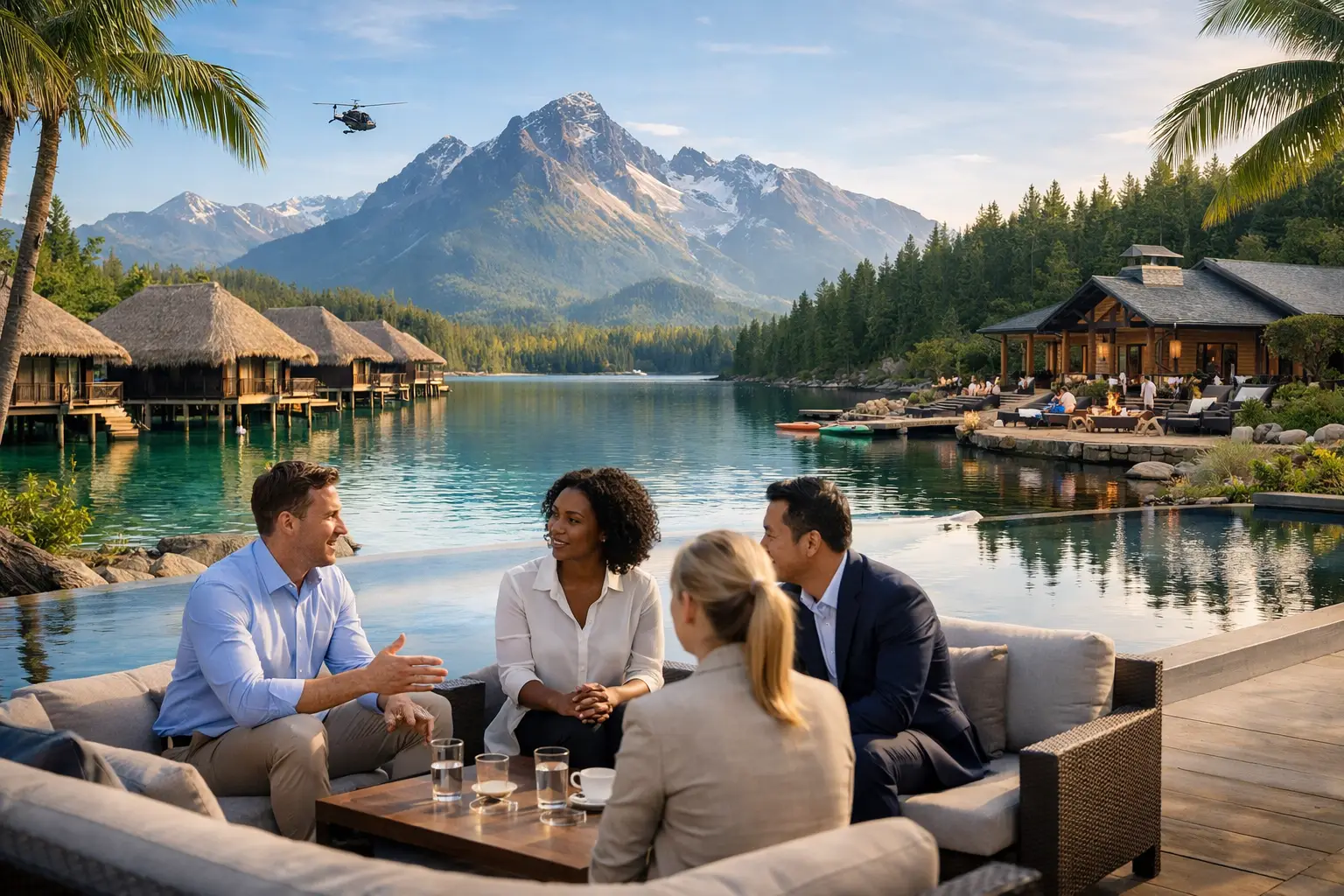
When teams ask about the best corporate retreat destinations, they are rarely just asking where to go. They are asking where people will actually connect, where the agenda will feel productive instead of forced, and where the travel logistics will not eat up half the budget before anyone checks in. That is what makes retreat planning different from booking a regular business trip.
A strong corporate retreat destination has to do more than look good in photos. It needs the right flight access, meeting-friendly hotels or resorts, group dining options, downtime that appeals to different personalities, and enough flexibility to support your real goal – whether that is strategic planning, team bonding, client entertainment, or rewarding top performers. Some teams need a polished luxury setting. Others need a laid-back place where people can breathe.
What makes the best corporate retreat destinations work
The best retreats strike a balance between ease and atmosphere. If the destination is too complicated to reach, people arrive tired and behind schedule. If it is too packed with distractions, your agenda can lose momentum. If it feels too corporate, people never fully relax.
That is why destination choice should start with a few practical questions. How many travel days can your team realistically spare? Are you planning around a mix of executives, remote employees, and support staff with different budgets and schedules? Do you need strong meeting infrastructure, or is this more about relationship building and celebration?
A beachfront resort in Mexico can be excellent for morale and incentive-style retreats, but maybe not ideal if your team only has two nights and wants minimal passport logistics. A mountain lodge in Colorado may create the right focused environment for strategic planning, but it may be less appealing if your group wants nightlife and warm weather. It depends on what success looks like for your company.
10 best corporate retreat destinations to consider
1. Scottsdale, Arizona
Scottsdale works well for companies that want sunshine, upscale resorts, and easy meeting logistics without leaving the US. The area is packed with group-friendly properties that understand corporate events, and the flight access is solid from most major US cities.
What makes Scottsdale stand out is variety. You can hold morning meetings, schedule spa time or golf in the afternoon, and still keep the evening polished with private dinners and desert experiences. It tends to be a strong choice for leadership retreats, client-facing events, and teams that want a premium feel without going fully international.
2. San Diego, California
San Diego is one of the safest bets for a balanced retreat. The weather is reliable, the vibe is relaxed, and there is enough structure for business without the destination feeling stiff. It is especially helpful for companies trying to please a wide range of personalities.
Beach activities, harbor cruises, casual networking dinners, and polished meeting spaces all fit naturally here. The trade-off is cost. San Diego can get expensive, especially during peak seasons, so it works best when the budget allows for a little breathing room.
3. Nashville, Tennessee
If your company wants energy, personality, and easy domestic access, Nashville deserves a close look. It is a smart option for sales teams, fast-growing companies, and groups that want to mix strategy with social time.
The city makes evening programming easy. Live music, private events, and restaurant buyouts can add excitement without forcing awkward team-building exercises. That said, if your retreat is meant to be quiet and reflective, Nashville may feel too active. This is a destination for teams that want momentum.
4. Cancun, Mexico
Cancun remains one of the best corporate retreat destinations for companies that want all-inclusive convenience and a true getaway feel. For many teams, that simplicity matters. Group meals, accommodations, and activities can be easier to manage when everything is built into one property.
It is particularly effective for incentive trips, annual celebrations, and morale-focused retreats. The main consideration is tone. Cancun can be as polished or as party-focused as you make it, so resort selection matters. The right property creates a professional, high-end environment. The wrong one can send a very different message.
5. Miami, Florida
Miami works best when you want style, strong airlift, and a destination that feels like a reward. It can support serious business goals, but it also carries a high-energy social identity that needs to fit your company culture.
For executive retreats, brand launches, and teams that enjoy a vibrant setting, Miami delivers. Luxury hotels, rooftop venues, beach access, and top-tier dining create a memorable experience. The downside is that costs can climb quickly, and the city can feel overstimulating for groups that need focused, low-distraction planning time.
6. Denver, Colorado
Denver is a practical pick for companies that want a central US location with outdoor appeal. The airport is well connected, and the city gives teams access to both urban meeting spaces and nearby mountain experiences.
This destination works well for companies that want a little adventure without committing to a remote lodge. You can combine conference-style productivity with hiking, brewery tours, or scenic drives. Weather can be a factor depending on the season, so timing matters more here than in places with year-round consistency.
7. Austin, Texas
Austin is a strong retreat destination for creative teams, tech companies, and organizations that want a less formal atmosphere. It has enough infrastructure to support large groups, but it still feels fresh and human.
Food, music, and local experiences are easy wins here, and the city is great for blending structured meetings with casual networking. If your team wants polished luxury above all else, Austin may not be the first choice. But if you want a destination that feels current, collaborative, and approachable, it is a smart one.
8. Lake Tahoe, California and Nevada
Lake Tahoe is ideal for retreats that need breathing room. The natural setting helps teams step away from routine, and that often leads to better conversations than another hotel ballroom near the office ever could.
It is especially good for leadership teams, planning sessions, and groups that value outdoor activities. In winter, skiing adds an incentive element. In warmer months, lake activities and scenic relaxation take over. The trade-off is accessibility. Depending on where your team is coming from, travel can be less direct than major city destinations.
9. Orlando, Florida
Orlando is often overlooked for corporate retreats because people associate it only with theme parks. In reality, it is one of the most efficient group travel destinations in the country. Hotel inventory is deep, meeting infrastructure is strong, and pricing can be more flexible than in some coastal hotspots.
For large teams, training events, and retreats that need simple logistics, Orlando performs well. You can still build in fun, but the real strength here is operational ease. If your goal is high-end exclusivity, there may be better fits. If your goal is smooth execution, Orlando earns its place.
10. Puerto Rico
Puerto Rico offers a valuable middle ground for US-based companies that want a Caribbean feel without the same level of international complexity. For many travelers, that makes group coordination easier while still giving the retreat a true destination feel.
This is a good match for companies that want culture, beach access, and strong resort options. Old San Juan adds character, and resort areas offer plenty of room for meetings and downtime. As with any island destination, weather season and flight schedules should be reviewed carefully before locking in dates.
How to choose from the best corporate retreat destinations
The right destination comes down to goals, budget, and group dynamics. If this retreat is about rewarding performance, people usually respond best to destinations that feel elevated and restorative. If it is about planning next quarter’s strategy, convenience and meeting flow matter more than flashy extras.
Budget should also be looked at beyond room rates. Airfare, transfers, private event costs, food minimums, resort fees, and off-site activities can shift the true price quickly. A destination that looks affordable at first glance may become expensive once all the moving parts are added in.
Group makeup matters just as much. A leadership team may welcome a boutique resort with a tight agenda. A larger mixed-department group may need easier air access, flexible dining, and activities that do not exclude people based on fitness level, comfort, or travel experience. This is where a planning-first approach saves time and frustration.
At K&S The Travel Crusaders, that is often the real value in retreat planning – not just picking a place, but matching the place to the purpose so the trip actually works once real people start booking flights and showing up.
Planning details that can make or break the trip
Even the best corporate retreat destinations fall flat when the logistics are rushed. Flight arrival windows should support your agenda. Hotel contracts should match the way your team will actually use meeting rooms and food functions. Free time needs to be intentional, not just empty.
It also helps to think about energy levels. A packed itinerary looks productive on paper, but teams often need space between sessions to process ideas and connect naturally. The best retreats leave room for both structure and breathing room.
If you are planning for a remote or hybrid team, destination clarity matters even more. People are more likely to commit when the plan is simple, the value is obvious, and the experience feels worth the travel time. That is why clear budgeting, strong communication, and a destination that fits your company culture should be decided early.
The best retreat is not always the farthest, fanciest, or most expensive one. It is the one that gets your team in the right environment to think better, connect better, and return to work with more trust and direction. Start there, and the destination becomes a tool, not just a backdrop.
Comments
One response to “10 Best Corporate Retreat Destinations”
[…] corporate retreats and incentive trips, 6 to 9 months is a strong target. Business groups sometimes move faster than […]