
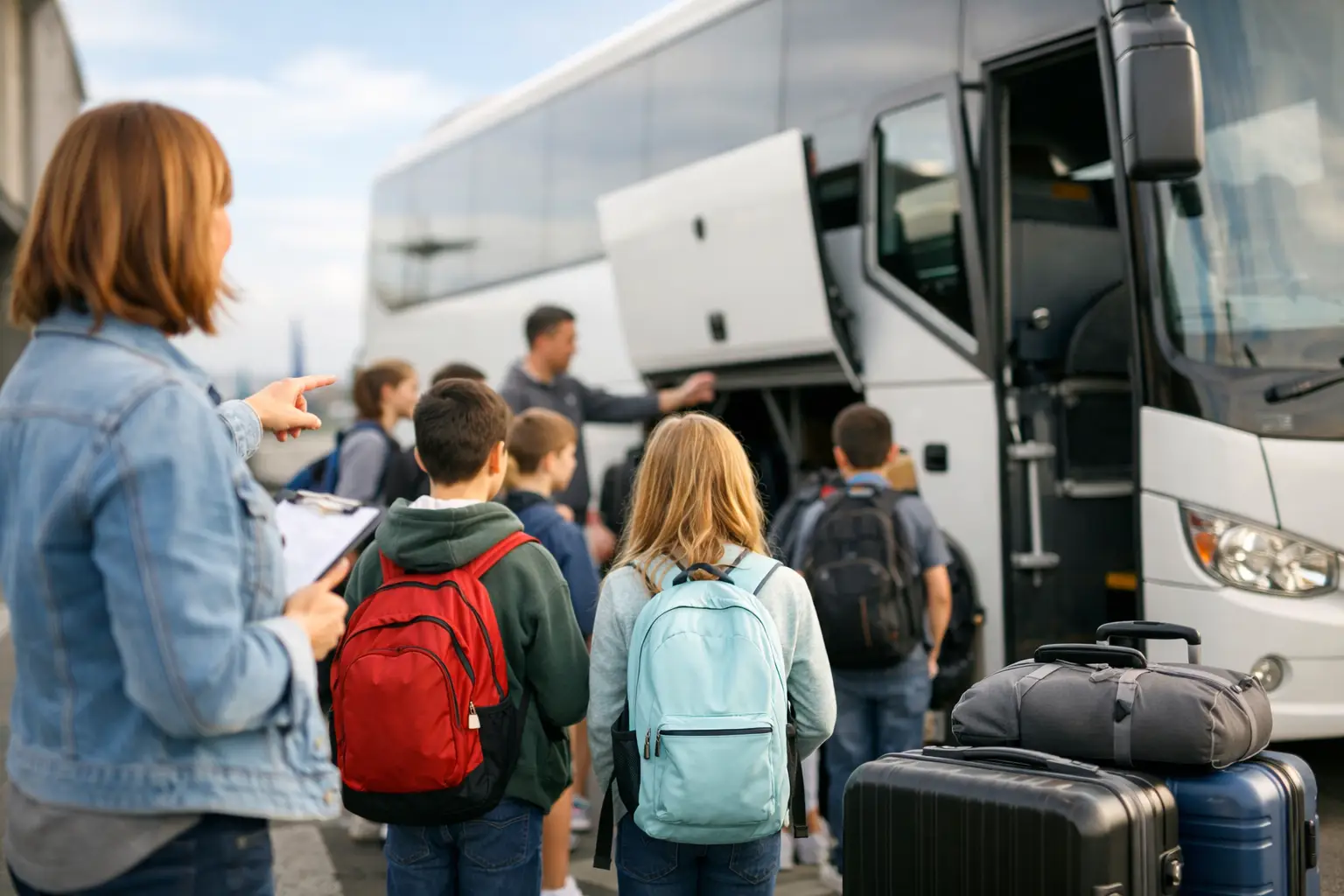
The moment a school trip gets a green light, the real work starts. A solid school group travel logistics guide is not about picking a fun destination first – it is about building a plan that keeps students safe, schedules realistic, budgets clear, and chaperones fully prepared before anyone boards a bus or plane.
School travel can be one of the most rewarding experiences a student has all year. It can also turn stressful fast when the itinerary is too packed, rooming lists change three times, or one missing permission form holds up the entire departure. Good logistics are what make the educational experience possible. When the planning is tight, students get the adventure and organizers get peace of mind.
Why school group travel logistics matter early
The biggest mistake many organizers make is treating logistics like a final checklist instead of the foundation of the trip. In reality, transportation, payment schedules, supervision ratios, and communication plans shape everything else. If those pieces are not settled early, even a great destination can become hard to manage.
This is especially true for school groups because you are not planning for one traveler or one family. You are balancing school policies, parent expectations, student behavior, staffing, budget limits, and supplier deadlines at the same time. That is why the strongest trips usually start with a planning timeline, not a brochure.
Start with the trip framework
Before you compare hotels or attractions, define the non-negotiables. What is the purpose of the trip? A performance tour, college visit, language immersion program, competition, or educational city experience will each require a different pace and structure. Once the goal is clear, the logistics get easier to organize.
Trip length matters more than many groups expect. A one-night regional trip may allow tighter scheduling and lower staffing needs. A four- or five-day trip requires more attention to meal planning, downtime, medical needs, and student fatigue. There is always a trade-off between seeing more and managing the group well. The most successful itineraries leave room to breathe.
Budget is the next key decision. Families need realistic pricing from the start, not a best-case estimate that climbs later. Build the trip around total expected cost, including transportation, hotel, attraction tickets, meals, gratuities where applicable, travel protection options, and contingency funds. If fundraising will be part of the plan, it helps to decide early how much of the cost can reasonably be offset.
Building a workable school group travel logistics guide timeline
A good timeline protects you from rushed decisions. For most school trips, planning should begin months in advance, and sometimes longer for peak travel seasons or large groups. Flights, motor coaches, and student-friendly hotels can fill quickly, especially during spring travel windows.
9 to 12 months out
This is when you define the destination, target dates, estimated headcount, and educational purpose. It is also the best time to review school district requirements and determine who must approve the trip. If the trip requires passports, this early window matters even more.
6 to 8 months out
This is the booking phase for major travel components. Transportation and lodging should be secured first because they influence the full schedule. Once those are set, you can shape sightseeing, campus tours, performances, or workshops around arrival and departure times.
3 to 5 months out
Now the trip becomes more detailed. Rooming plans start to take shape, payment reminders go out, dietary needs are collected, and organizers begin confirming student eligibility and behavior expectations. This is also the right time to lock in chaperone assignments so adults know their responsibilities well before travel day.
Final 30 days
This is confirmation season. Recheck manifests, share emergency contacts, review medications and special accommodations, and send final schedules to families. Every organizer wants to avoid last-minute surprises, but this is the stage where they usually appear, so leave margin for adjustments.
Transportation is where logistics get real
Transportation decisions affect the budget, supervision, and energy level of the group. A motor coach may be the simplest choice for regional trips because it keeps everyone together and reduces airport variables. Air travel can save time on longer trips, but it introduces baggage rules, tighter identification requirements, and less flexibility when delays happen.
For larger groups, it helps to think beyond price alone. The cheapest option is not always the easiest to manage. A flight with multiple connections may lower the fare but increase the risk of split groups or missed schedules. A hotel farther from activities may reduce nightly cost but create extra transit time and more opportunities for delays.
Arrival and departure timing matter too. Very early departures may look efficient on paper, but tired students and chaperones are harder to manage. Whenever possible, choose transportation that supports the group experience instead of squeezing every dollar out of the line item.
Lodging, rooming, and supervision
Hotels for school groups need to be evaluated differently than hotels for leisure travelers. Proximity, security, room layout, group meal access, and after-hours supervision often matter more than fancy amenities. A property that works beautifully for a family vacation may be a poor fit for student travel.
Rooming lists deserve more attention than they usually get. Last-minute roommate changes can ripple through the whole plan, affecting occupancy, pricing, and chaperone placement. Build a process for collecting room requests, but make it clear that organizer approval comes first. Student compatibility, medical concerns, and supervision needs should outweigh preferences.
Chaperone distribution is another place where experience matters. Adults should be positioned with clear coverage across floors, buses, and activity groups. It is not enough to assign names and hope for the best. Every chaperone should understand curfew expectations, check-in procedures, emergency response steps, and who to call if a problem comes up.
Communication keeps parents confident
Families are far more comfortable saying yes to a trip when the information is organized and consistent. That means one communication plan, one payment schedule, and one clear source for updates. Confusion creates distrust quickly, especially when parents are sending their children out of town.
A strong communication system includes trip expectations, behavioral standards, packing guidance, departure details, and emergency contact procedures. It should also explain what is included in the trip price and what is not. Parents do not like surprise costs, and neither do organizers.
This is one area where a planning-first partner can make a major difference. Agencies that regularly handle group coordination can help organize moving parts before they become problems. For schools that want support from planning through booking, K&S The Travel Crusaders offers that kind of hands-on guidance at https://kandsthetravelcrusaders.com.
Safety planning is part of the itinerary
A practical school group travel logistics guide always includes safety planning, not as a side note but as part of the operating plan. Student medical needs, allergies, medications, mobility concerns, and emergency response procedures should be documented before departure. Chaperones need access to the information they need, while still protecting student privacy appropriately.
Behavior expectations should be explained early and repeated often. Students make better choices when the rules are clear, consistent, and connected to consequences. This includes hotel conduct, bus or flight behavior, public safety awareness, and phone-use expectations during group activities.
It also helps to plan for the ordinary disruptions that happen on nearly every trip. A late bus, a forgotten charger, a student who packed poorly, or weather that forces a schedule change may not be major crises, but they can throw off the day if no backup plan exists. The goal is not to eliminate every issue. The goal is to stay calm and keep the trip moving.
The best itineraries leave room for reality
There is always pressure to fit in one more museum, one more photo stop, or one more activity. But school groups rarely benefit from an itinerary that runs minute by minute with no cushion. Students need breaks. Chaperones need transition time. Cities are unpredictable. Traffic does not care about your schedule.
A better approach is to prioritize the experiences that matter most and build the day around those. If the trip objective is educational, make sure the key learning moments are protected. If it is performance-based, protect rehearsal and rest time. If it is a reward trip, let the pace reflect that. The best logistics support the purpose of the trip instead of competing with it.
Final details that save the day
Some of the most valuable planning work happens in the small details. Printed and digital copies of manifests, labeled luggage plans, bus rosters, meal counts, and student contact cards may not feel exciting, but they prevent confusion when the group is tired or moving fast.
The same goes for assigning simple responsibilities. One adult tracks headcounts. Another manages medication check-ins. Another monitors schedule changes. Shared responsibility makes the trip stronger than expecting one organizer to carry everything alone.
A well-planned school trip gives students memories they talk about for years. It also gives organizers something just as valuable – confidence that the experience will run well because the details were handled with care from the beginning.
