
No two days at Disney theme parks look alike, and a Disney World autistic toddler doesn’t need to keep up with anyone else’s schedule.
The goal is a family vacation where your child feels safe, supported, and included. You don’t need to see every parade, ride every attraction, or stay until fireworks. Magic Kingdom, Animal Kingdom, and Hollywood Studios may each call for a different pace.
A slower plan, familiar routines, and real breaks can turn a stressful park day into a comfortable family memory.
Key Takeaways
- Plan around your autistic toddler’s comfort, regulation, naps, and safety—not a packed ride schedule.
- Preview attractions and prepare familiar snacks, comfort items, headphones, medications, and downloaded entertainment before your trip.
- DAS, stroller-as-wheelchair tags, and Rider Switch may support different needs, but each has specific rules and does not remove wait times entirely.
- Choose a resort and transportation plan that make breaks, quiet time, and leaving the parks easier for your family.
- Keep plans flexible, watch for sensory overload, and change course when your toddler needs a break.
Planning for an Autistic Toddler Starts at Home
Start vacation planning with a short wish list. Pick one or two experiences your toddler may enjoy, then leave plenty of open time around them. Consider the types of environments and experiences available at Animal Kingdom when choosing your priorities. A full day at Magic Kingdom can be exciting, but it can also bring crowds, heat, loud music, and long walks before lunch.
Watch ride videos together before your trip. You don’t need to show every attraction. Preview the rides you are considering with your autistic child and look for darkness, sudden drops, loud sounds, flashing lights, or enclosed spaces. This can help you identify sensory issues and possible triggers, though every child may respond differently. It also gives you a better idea of what may trigger sensory overload.
Disney also has neurodivergent guest planning resources that can help you prepare for attractions, transportation, and park services.

Bring familiar items your child already uses at home. New toys can be fun, but comfort items often matter more when the day gets busy.
Keep the important items in one easy-to-find pouch:
- Noise-reducing headphones or ear defenders your child has worn before.
- A favorite small toy, fidget, stuffed animal, or comfort blanket.
- Familiar snacks, wipes, a change of clothes, and any medications.
- A portable charger, charging cord, and devices with downloaded shows or music.
Your phone may hold park tickets, maps, food orders, return times, and messages between adults. A dead phone can make a manageable day much harder.
If your toddler still naps, protect that nap. Plan to return to the resort, use the stroller for quiet time, or book a slower afternoon. Missing one ride is easier than recovering from an overtired toddler in a crowded queue.
Use DAS, Stroller Tags, and Rider Switch for Different Needs
The Disability Access Service, often called a DAS pass, may help guests whose developmental disability, such as autism spectrum disorder, makes a traditional standby line difficult. Autistic guests and guests with cognitive disabilities are not automatically eligible, because Disney evaluates each person’s queue-related needs. It changes where your child waits. It does not eliminate wait times or create a no-wait vacation.
For a Disney World autistic toddler, a parent or guardian starts the registration process through Disney’s live video chat. Your child needs to be present on camera. Disney allows families to start the process up to 60 days before their first park day. For current procedures, contact Disney’s guest services team and review Disney’s official DAS information before your trip.
During the conversation, describe what happens to your autistic child in a conventional queue. Focus on your child’s actual needs, such as difficulty remaining safely in a crowded enclosed line, unpredictable waits, or distress when they cannot move away from noise.
If approved, DAS lets you request one attraction return time at a time in the My Disney Experience app. Your family waits elsewhere, then returns when the time is ready. The registered guest must be present and ride with the group.
DAS gives your toddler a different place to wait. It does not replace snacks, regulation tools, breaks, or a backup plan.
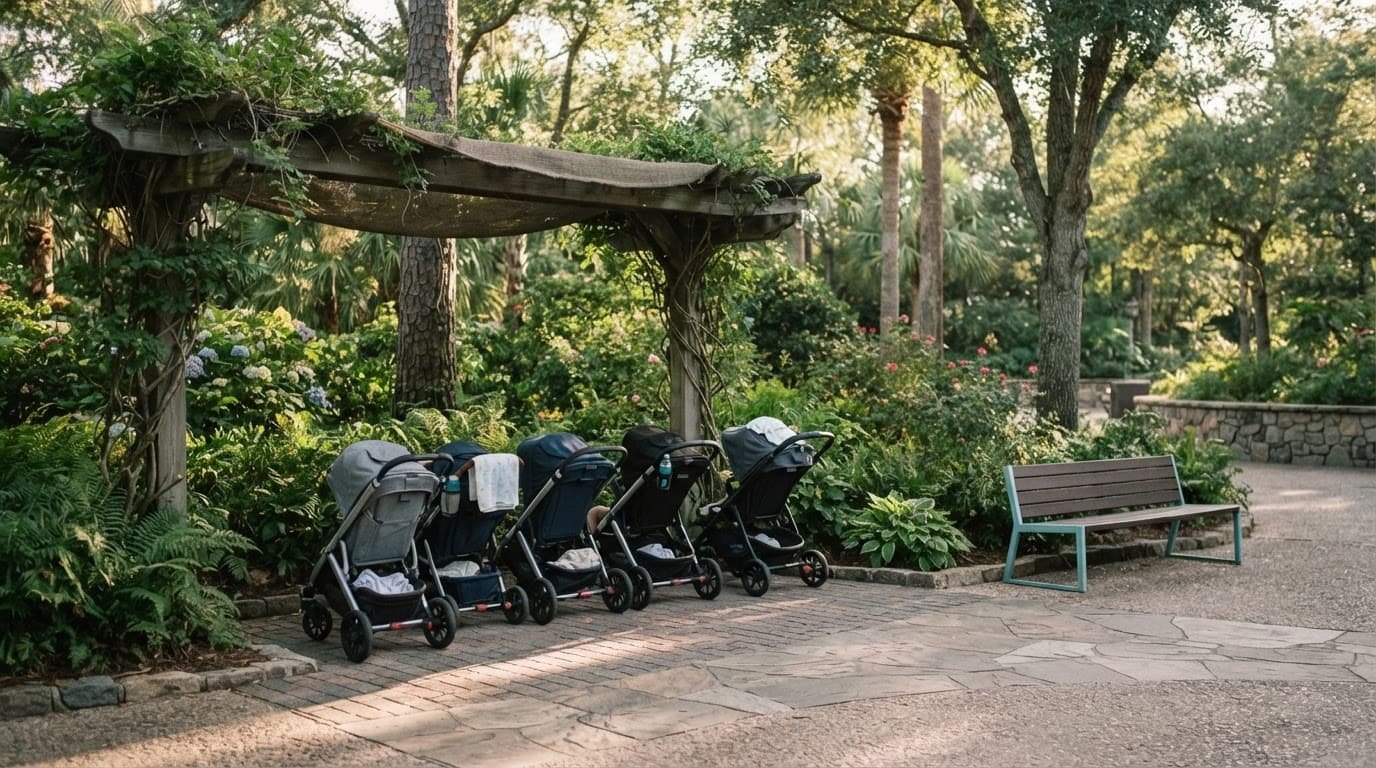
A special needs stroller can also make a major difference. If your child’s stroller is needed for mobility, safety, or regulation, ask Guest Relations about having it tagged as a wheelchair. A stroller-as-wheelchair tag may allow it into queues that can safely accommodate it.
That does not mean an oversized stroller can enter every standard ride line. Some attractions have narrow or inaccessible queues. A Cast Member can explain the alternate entry process at that attraction. If you rent a large special needs stroller, call Disney or your rental company before the trip to confirm the details.
Rider Switch helps when you have another child, or when one adult wants to ride while your toddler cannot. Tell the Cast Member at the attraction entrance. One adult rides first while another adult stays with the toddler. Then the waiting adult can use Rider Switch without going through the full line again.
Choose a Resort That Makes Breaks Easy
Your hotel is more than a place to sleep. It is where naps happen, wet clothes pile up, familiar breakfasts are served, and everyone comes down after a busy day.
A Disney resort hotel can make midday breaks easier because you are already on Disney property. The trade-off is that buses, monorails, Skyliner stations, security lines, and resort crowds can still be a lot for a toddler.
Here is a simple way to compare your options.
| Stay Style | May Work Best When | Watch For |
|---|---|---|
| On-site Disney stay | You want easier park access and fewer driving decisions | Transportation waits, transfers, and larger resort layouts |
| Port Orleans Resort, French Quarter | You want a smaller moderate resort with manageable walking paths | It may not have the room layout of a family suite |
| Art of Animation family suite | You need extra sleep space, two bathrooms, and a kitchenette | The resort’s bold theme and busy common areas may feel intense |
| Off-site hotel or vacation rental | Your child needs a quieter room, full kitchen, or private vehicle | Driving, tolls, parking, and traffic add daily steps |
If you bring a special needs stroller, check elevator access, room storage, walking distances, and transportation logistics before booking.
Disney’s Port Orleans Resort, French Quarter is often a comfortable choice for families who want a smaller footprint. The walk to food, buses, and the pool is often easier than at a large resort.
Art of Animation can be helpful for bigger families because the suites have a separate bedroom, extra sleeping space, two bathrooms, and a kitchenette. That room can help when a toddler needs an early bedtime and older siblings are still awake.
A private rental car may give your family more control. You can leave when your child needs to leave, keep familiar music playing, and avoid a crowded bus. Still, driving adds Florida traffic, toll roads, parking fees, and a tired drive home after the parks. Choose the option that makes your family’s breaks easiest.
Build Park Days Around Regulation, Not Ride Counts
An autistic child may do best with one park per day. Park Hopper tickets can sound flexible, but changing parks in busy theme parks adds walking, crowds, security lines, and transitions.
At Magic Kingdom, stay in one area for a while instead of crossing the park for every ride. Fantasyland can offer a gentler morning with Dumbo, “it’s a small world,” the carousel, and a snack break nearby.
Preview theme park rides by darkness, sound, motion, and intensity, not only height requirements. Space Mountain is dark and jolty. Haunted Mansion has spooky scenes, darkness, and loud effects. TRON Lightcycle / Run has a fast launch and intense sound. Attractions in Toy Story Land and Star Wars: Galaxy’s Edge can also feel busy and loud.
Your child may love these experiences. Or they may be too much. Preview them, trust your child’s reactions, and skip anything that feels like a risk.
For a calmer reset, leave the busiest walkways. At Hollywood Studios, Walt Disney Presents can offer a sensory friendly break with seating, air conditioning, and a slower pace. At Animal Kingdom, shaded trails and quiet snack breaks can be better than rushing toward another attraction.
Elopement planning matters in any busy theme park. Take a current photo of your child each morning. Use a temporary ID tattoo, clothing label, or wristband with your phone number. If your toddler wanders, get help immediately.
Teach one simple safety rule before the trip: if you cannot see Mom, Dad, or your grown-up, stop and find a cast member.
Keep Food and Paid Add-Ons Simple
Picky eating does not need to become a daily battle. Bring familiar shelf-stable snacks, plan meals around foods your child accepts, and avoid making each meal a new experience.
For severe food allergies, review menus for dietary needs before your trip and speak with a cast member or restaurant manager when you arrive. Mobile Order can reduce line stress, but it doesn’t replace allergy-safety conversations. Check pickup windows early during lunch and dinner.
Some families may recognize the former name Genie Plus, but the current paid option is Lightning Lane Multi Pass. It’s separate from DAS and costs extra. It can help if your family has a few true must-do rides, but it can also create another clock to watch.
EPCOT may be worth considering for Multi Pass if Remy’s Ratatouille Adventure, Frozen Ever After, or Soarin’ are important to your family. Otherwise, a slower day with fewer timed plans may feel better.
For more practical support before you go, the Disney World With Autism Guide on Etsy includes ideas for park days, breaks, and accessibility planning. You can also find the guide in its Amazon edition.
Frequently Asked Questions
Is Disney World a good vacation for an autistic toddler?
Disney World can be a meaningful vacation when the plan is adjusted to your child’s needs. Shorter park days, familiar routines, quiet breaks, and fewer must-do attractions may make the experience more comfortable.
Can an autistic toddler qualify for DAS at Disney World?
Autism or another developmental disability does not automatically qualify a guest for DAS. Disney evaluates the child’s individual difficulty with traditional queues, and families should review the current registration process with Disney before traveling.
Can I use a stroller as a wheelchair at Disney World?
If your child needs a stroller for mobility, safety, or regulation, ask Guest Relations about a stroller-as-wheelchair tag. The tag may allow the stroller into some accessible queues, but it does not guarantee access to every attraction line.
How can I prevent sensory overload at Disney World?
Preview rides for darkness, loud sounds, flashing lights, motion, and enclosed spaces before the trip. Bring familiar regulation tools, schedule real breaks, protect naps, and leave crowded areas when your child begins showing signs of distress.
Should we stay at a Disney resort with an autistic toddler?
An on-site resort can make midday breaks and transportation easier, but buses, security lines, and large resort layouts may still feel overwhelming. Compare on-site, off-site, and vacation rental options based on room space, quiet, transportation, and how easily your family can leave the parks.
A Disney Trip That Fits Your Toddler
Disney World can be loud, crowded, and full of changes. It can also be a meaningful family vacation when it respects your child’s real needs.
Plan fewer must-dos. Protect naps and quiet time. Use the supports that fit your family, then leave room to change course.
The best Disney day is not the busiest one. It is the day when your toddler feels comfortable, safe, and included.