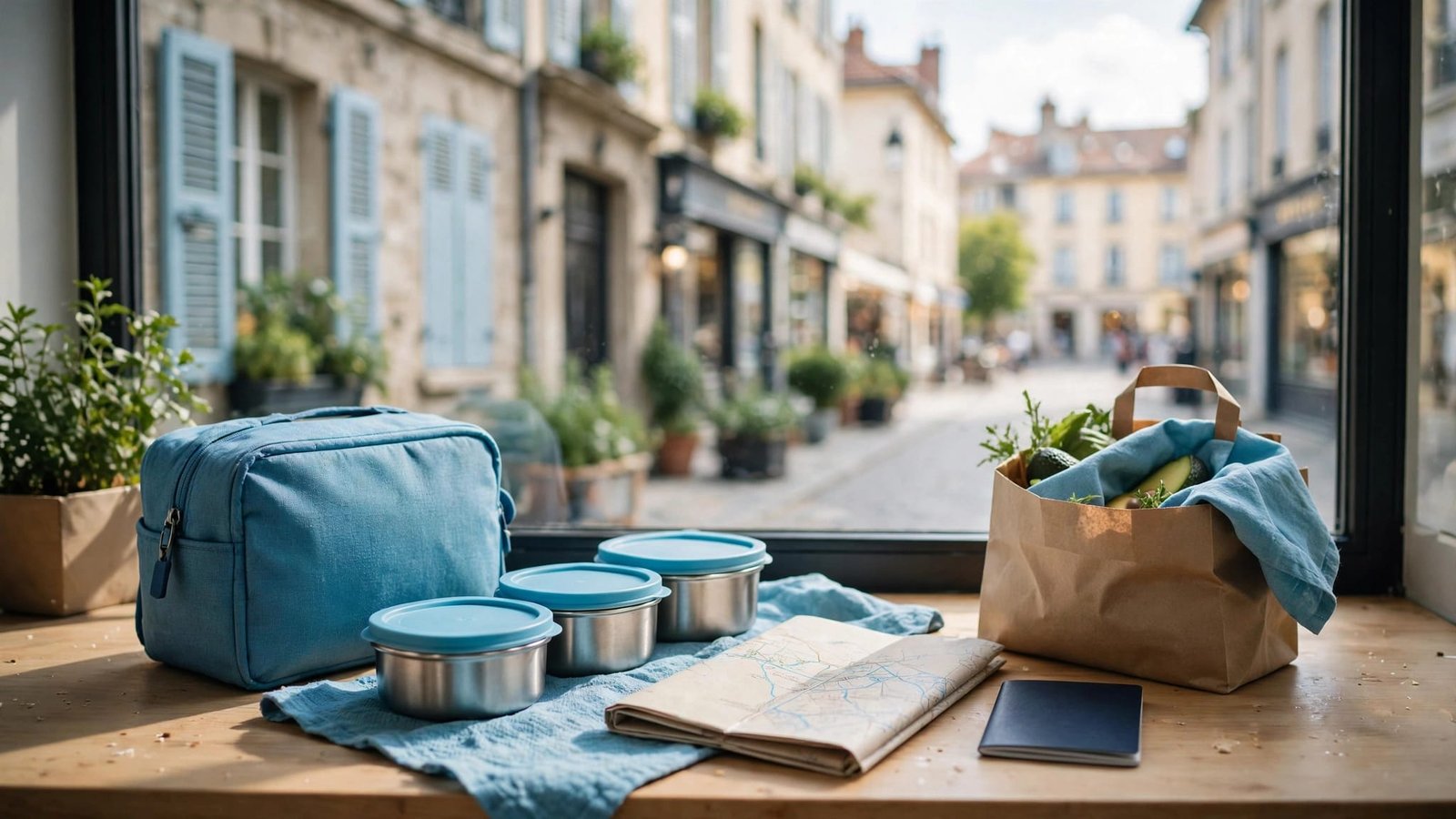
You deserve a vacation where finding your next safe meal doesn’t take over the day. A practical celiac travel plan starts with dependable food, suitable lodging, and backup options you can reach easily.
You can’t control every kitchen, but you can reduce avoidable gluten exposure and keep familiar meals close by. We’re here to help you plan a trip that supports your needs. Start with the destination and accommodations, before filling your schedule with activities.
Key Takeaways for a More Comfortable Trip
- Keep full gluten-free meals in your carry-on, with extra food for delays.
- Choose lodging with reliable refrigeration, grocery access, and space to prepare simple meals.
- Ask about kitchen procedures, not only gluten-free ingredients. Shared fryers, toasters, and serving utensils can make otherwise suitable food unsafe.
Make celiac travel easier before booking
Which countries are useful starting points?
Italy, Ireland, the UK, and New Zealand offer helpful dining or labeling support. This shortlist favors restaurant awareness first, then clear food-labeling rules. It isn’t a universal safety ranking.
| Destination | What helps travelers | Where to focus your planning |
|---|---|---|
| Italy | Strong celiac awareness and the Italian Celiac Association’s restaurant program | Restaurants participating in the AIC dining network |
| Ireland | Required information about 14 regulated allergens | Ingredient information plus kitchen procedures |
| UK | Regulated gluten-free labeling | Labeled groceries and restaurants with clear cross-contact practices |
| New Zealand | A no-detectable-gluten labeling standard | Labeled food and dependable grocery access |
Even in Italy, a restaurant’s location doesn’t establish whether its kitchen can meet a traveler’s needs. Contact the restaurant to ask about ingredients and cross-contact practices.
Compare neighborhoods, not just countries
Give each neighborhood one point for five practical features: suitable restaurants, nearby groceries, kitchen-equipped lodging, manageable transportation, and accessible medical care.
A neighborhood meeting four or five needs is a stronger starting point than an isolated property with one dining option. This is a planning tool, not a safety certification.
Use Find Me Gluten Free to locate possible dining options, then contact restaurants directly. Treat listings as research leads, not confirmation that a restaurant can prevent gluten exposure.
Include kitchen access and grocery transportation in your budget. Our dietary-needs booking guide covers accommodations, supplier communication, and backup arrangements.
Pack Safe Meals for Travel Days
Bring food that can replace a meal
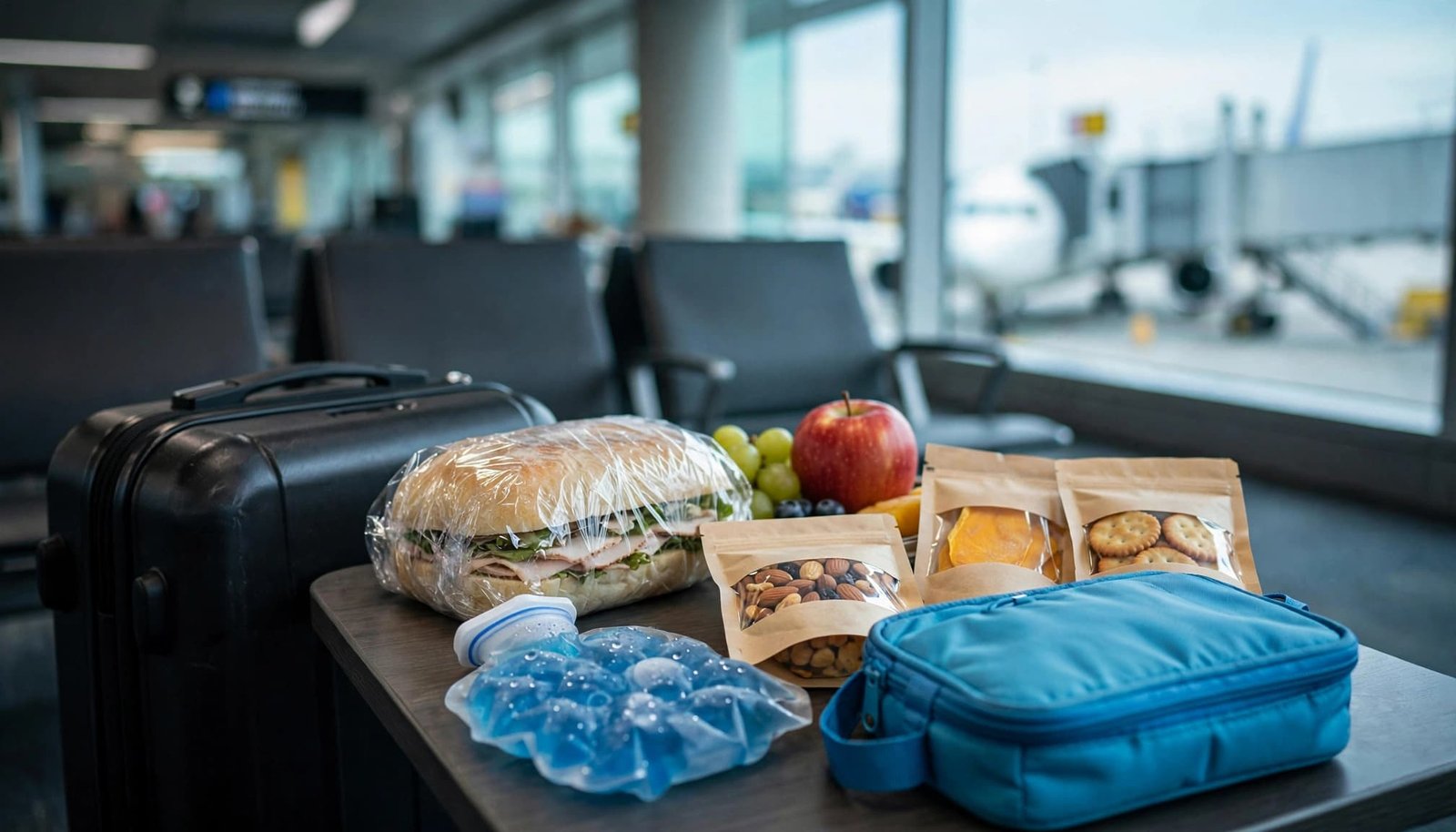
Pack sandwiches, wraps, or a bento box in your carry-on rather than relying on airport or airplane food. Add familiar shelf-stable snacks for delays and the first evening.
Choose foods you already tolerate. Travel day isn’t the time to try an unfamiliar product or depend on a restaurant you haven’t assessed.
Keep medication, prescription copies, and essential supplies in your personal bag. Checked luggage can arrive late, even when your flight arrives on time.
Keep perishable food cold
For a road trip or long travel day, use an insulated cooler and ice packs for sandwiches, dairy, and cooked meals. Keep refrigerated food at 40°F or below. Don’t leave it unrefrigerated for more than two hours, or one hour above 90°F.
Keep packed meals sealed and separate from gluten-containing foods to prevent cross-contamination. Carry food together so it’s easy to inspect at security. International customs restrictions are separate from airport screening rules. Declare remaining food when required.
Our Trip Rescue Shop travel supplies include strollers and cleaning supplies for unexpected sick-on-vacation moments. Pack items that support your usual routine without crowding out essential food and medication.
Handle Airport Security and Airline Meals
Know which foods count as liquids
Under TSA’s food screening rules, solid foods can generally travel in carry-on luggage. Peanut butter, hummus, yogurt, and similar spreadable foods count as liquids or gels.
For ordinary screening, use containers of 3.4 ounces (100 ml) or smaller, inside your quart-size liquids bag. The limit applies to container size, so a partly empty container over 3.4 ounces still exceeds it.
A medical provider’s letter of medical necessity can help explain your need for safe food. It doesn’t guarantee an exemption. Tell the officer about medically necessary liquids before screening; additional inspection may apply.
Keep ordinary ice packs frozen solid. A frozen water bottle may be refused if it’s partly melted or slushy.
Request the meal early, then inspect it
Request a gluten-free meal at booking and again at check-in. For international flights, allow at least three days as a planning buffer.
Deadlines differ. United’s special-meal policy requires at least 24 hours’ notice. American Airlines accepts requests starting 30 days ahead and no later than 20 hours before takeoff on eligible flights.
Remind the flight attendant about your gluten-free airline meal. Check every item on the tray, including rolls, muffins, sauces, and packaged snacks.
A gluten-free meal request doesn’t confirm that every tray item is suitable for celiac disease or free from cross-contamination.
United also says its gluten-friendly meal isn’t guaranteed to be completely gluten-free. Keep your packed meal available.
Choose Lodging That Supports Your Meals
A refrigerator can simplify your day
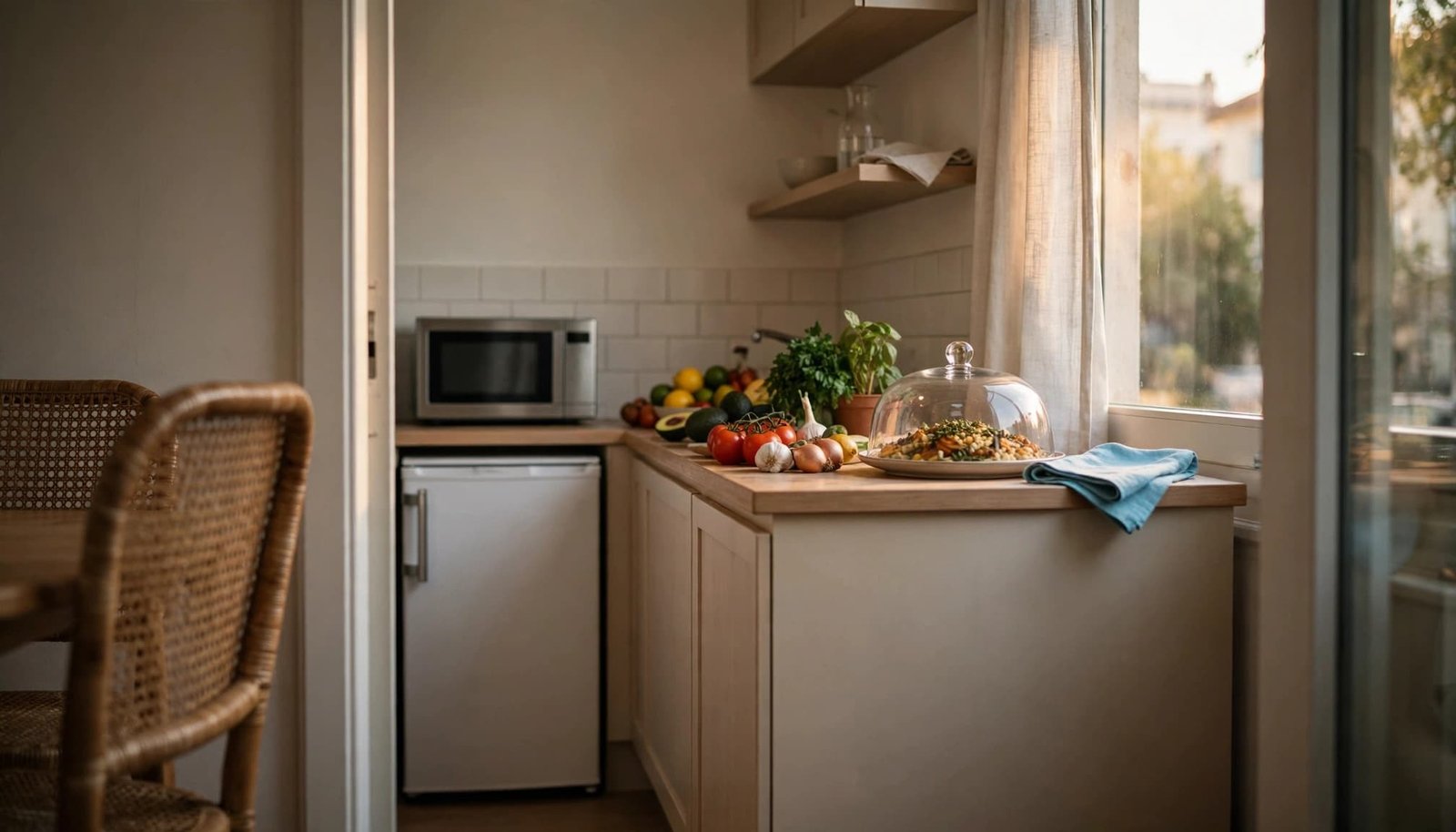
A mini fridge, microwave, or full kitchen gives you more control over breakfast, snacks, and late arrivals. Choose lodging close to a grocery store instead of depending entirely on resort dining.
A beverage cooler may not keep perishable food at a safe temperature. Request a refrigerator intended for food storage. Medication may need separate refrigeration based on its storage instructions.
Plan for shared kitchen equipment
Wash counters, utensils, and cookware with soap and water before preparing food. These steps can reduce cross-contamination risk, but they don’t guarantee safety. Bring a clean cutting board if the rental’s equipment is difficult to clean.
Use an intact toaster bag for gluten-free bread in a shared toaster. A dedicated gluten-free toaster is a better choice when available.
Keep your bread, utensils, and spreads separate from companions’ gluten-containing foods. Shared butter and jam can collect crumbs. Sanitizer doesn’t make gluten residue safe.
Find Restaurants That Understand Celiac Disease
Ask about preparation before ordering
Find Me Gluten Free helps locate dedicated gluten-free restaurants, celiac-friendly options, and airport dining. Read recent reviews from other travelers, but treat them as leads rather than proof.
Save nearby grocery stores in Google Maps, too. A dependable grocery meal can be more useful than another restaurant recommendation.
Ask a chef, manager, or dining supervisor direct questions:
- Can the kitchen prepare this meal using clean equipment and a separate preparation area?
- Are fries cooked in a dedicated fryer, separate from breaded foods?
- Are sauces, seasonings, pasta water, and serving utensils suitable for this order?
Fast-food fries from a shared fryer aren’t safe for people who need to avoid gluten. Open salad bars and buffets also carry a high risk of cross-contamination because guests and staff share utensils.
Explain your needs in the local language
Carry a printed travel advisory or translation card that explains celiac disease, wheat, barley, rye, and cross-contact. Keep a copy on your phone.
Google Translate can help with menus and labels, but it doesn’t replace a clear conversation about preparation. Celiac disease is an autoimmune condition, not a wheat allergy. Wheat-free food can still contain barley or rye.
If staff can’t explain their procedures, use your backup option. You’re allowed to leave without ordering.
Plan Road Trips, Trains, and Cruises
For a road trip, keep a cooler within reach and plan meal stops before hunger becomes urgent. Find Me Gluten Free can help identify possible stops, but confirm current kitchen procedures directly. Include grocery stops and bathroom breaks, and don’t leave perishable food in a parked car.
On trains, bring meals you can eat without heating. Dining-car choices may be limited, and shared preparation areas need the same questions as any restaurant kitchen.
For cruises, record celiac disease with the reservation and meet the dining manager after boarding. Discuss ingredients, dedicated preparation, and how your request reaches the kitchen.
Plated meals prepared for your needs are preferable to an open buffet. Plan shore-excursion meals separately, because an onboard dining arrangement doesn’t guarantee a safe meal ashore. Bring permitted packaged snacks so a delayed excursion doesn’t leave you without food.
Support Your Whole Family’s Routine
Travel is easier when companions understand the plan. Explain why shared snacks, crumbs, and utensils matter. Agree on meal timing and keep your safe food separate.
Families managing autism or sensory needs alongside celiac disease may benefit from familiar breakfasts, predictable transitions, and quieter meal times. Our special needs travel planning supports practical arrangements around your family’s needs.
For Disney trips, our 57-page Disney World with Autism: The Complete Family Guide is available as an Etsy PDF family guide and an Amazon autism travel ebook. It covers family planning, sensory breaks, and pacing, rather than celiac nutrition or treatment.
Common Questions About Gluten-Free Travel
Is there a most celiac-friendly city?
There’s no single city that’s safest for every traveler. Your neighborhood, kitchen arrangements, and restaurant procedures matter more than a destination’s reputation. Italy is a useful starting point because of its strong celiac awareness and organized dining support.
How do gluten-free labels differ abroad?
New Zealand requires food labeled gluten-free to contain no detectable gluten, as described in the Celiac Disease Foundation’s international labeling overview. That is a testing standard, not a promise about every restaurant meal.
In the UK, gluten-free labeling law allows 20 parts per million or less. Labels help with product selection, but restaurant cross-contact still needs attention.
What should I do after suspected gluten exposure?
Stop eating the suspected food, rest, and maintain fluids as tolerated. Follow your clinician’s symptom guidance. There isn’t a proven travel product that makes gluten exposure harmless.
Seek medical care for severe pain, repeated vomiting, dehydration, or symptoms that are unusual for you.
Build a Vacation That Works for You
A comfortable gluten-free vacation starts with dependable meals and realistic backups. Suitable lodging, clear kitchen conversations, and food within reach give you more room to enjoy your trip.
We can help coordinate accommodations, transportation, and a flexible schedule around your needs. Start planning your vacation with support that keeps your family’s comfort in mind.
Leave a Reply