Your vacation doesn’t need a full schedule to give your family meaningful memories. Planning a family vacation in Portland, Maine, starts with familiar supports, comfortable lodging, and activities your child can enjoy at their own pace.
We help families plan a Portland stay around sensory needs, communication, food, sleep, and recovery time. Start with a few manageable choices, then leave room for your family to change the day.
Key Takeaways
- Choose one main outing each day, with enough time for meals and a room break.
- The Children’s Museum & Theatre of Maine offers dedicated sensory-friendly programming; other attractions require a needs-based approach.
- Keep medication, communication tools, familiar snacks, and comfort items within reach.
- Use Maine-specific resources, since several Portland-area directories list Oregon providers.
Build Your Portland Trip Around Familiar Routines
Keep Arrival Day Comfortable
Travel already brings transitions. Give your family time to arrive, unpack, eat familiar food, and settle into the room. Save the museum visit or special dinner for another day.
For driving trips, plan bathroom and movement stops around your child’s tolerance. A stop every two or three hours is a useful starting point, with shorter stretches when needed. Our autism-friendly road trip planning offers additional ideas for manageable travel days.
Prepare for Changes Without Overplanning
Use photos and a simple visual schedule to introduce the hotel, transportation, and first outing. Include a clear way to show that plans have changed.
Keep your child’s communication system available throughout the trip. Offer manageable choices, such as another exhibit or a snack break. Older children and autistic adults should help choose their activities and supports.
Share early signs of overload with every traveling caregiver. Your family shouldn’t have to explain the same needs each morning.
Portland Activities With Different Sensory Demands
The museum is the only attraction in this section with a dedicated sensory program.
Children’s Museum & Theatre of Maine
Address: 250 Thompsons Point Road, Portland.
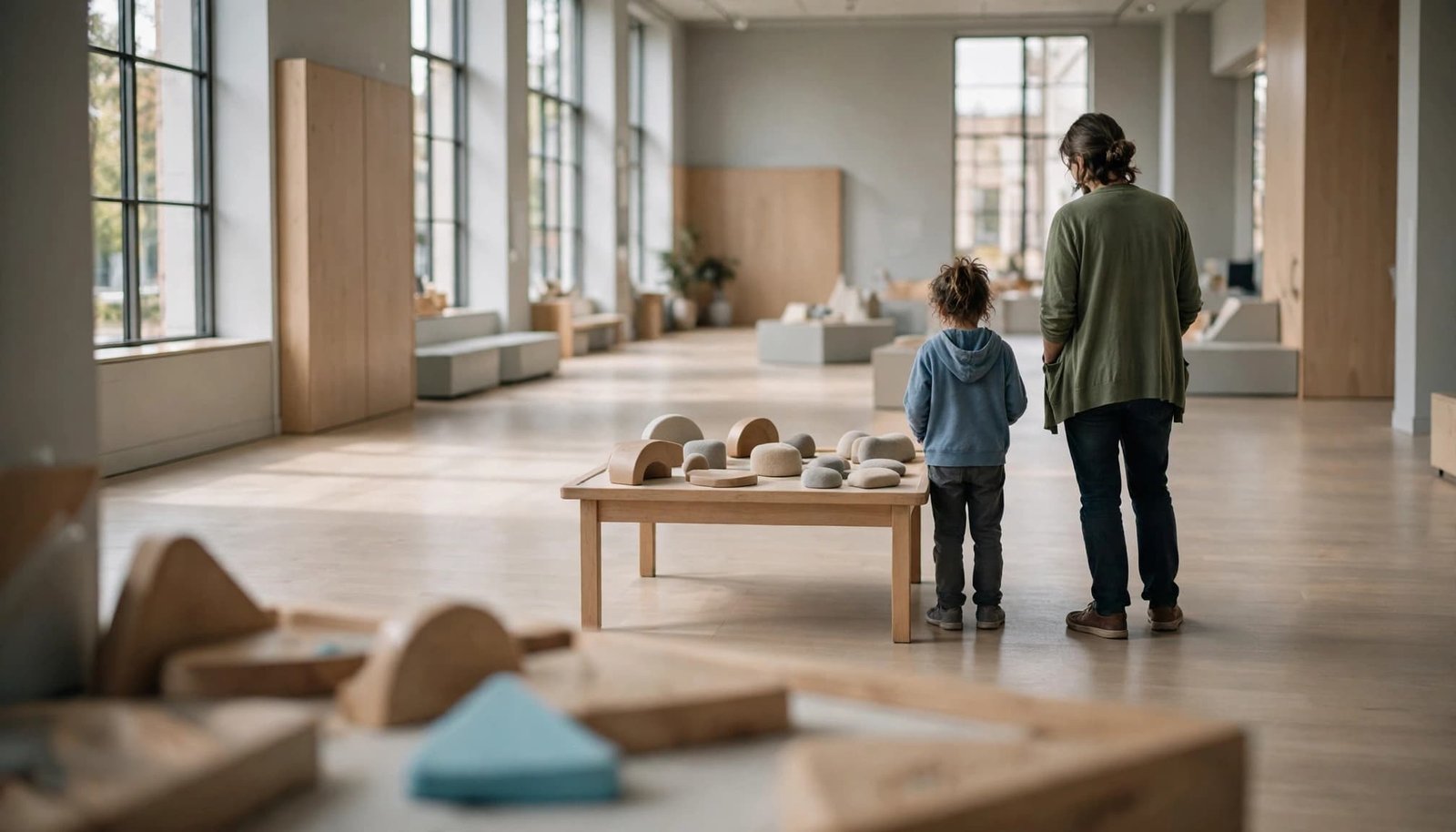
The museum offers interactive play and discovery. Its Play Your Way program provides a quieter experience for families affected by autism, sensory processing differences, and other challenges.
For October travelers, Sensory-Friendly Halloween takes place October 30, 2026, from 4:30 to 6:30 p.m. This free event includes indoor trick-or-treating, sensory slime, art, and exhibit exploration. Reservations are highly recommended. Choose activities your child enjoys, and skip unfamiliar textures when needed.
Portland Museum of Art
Address: 7 Congress Square, Portland.
The Portland Museum of Art may suit children, teens, or adults who enjoy looking at paintings. A short visit to one chosen gallery may feel more manageable than exploring the entire building.
The museum isn’t presented here as a verified autism-specific program. Gallery rules, lighting, other visitors, and standing time still matter. Let your child choose when to finish, even if that means leaving early.
Maine Narrow Gauge Railroad
Address: 65 Thames Street, Portland.
This coastal railroad offers train rides and ocean views. It may appeal to a family member with a strong interest in trains.
Train sounds, movement, and limited opportunities to leave during a ride are important considerations. A museum outing offers more control for travelers who need quick access to a quiet room.
Confirm current schedules, entry requirements, and accessibility details directly with each venue before visiting.
Choose Lodging That Supports Real Breaks
Make the Room Part of Your Plan
A comfortable room gives your family somewhere familiar to return between outings. Prioritize a manageable trip between lodging and your main activity.
Useful room requests include a location away from elevators, space for mobility equipment, and flexible housekeeping. A refrigerator supports familiar foods. Separate sleeping space can help families with different bedtimes.
Sensory needs can include bedding, light, scents, and hallway noise. Choose room features around what already supports rest at home.
Keep Meals Predictable
Portland’s food scene doesn’t need to become a daily challenge. Familiar breakfasts, packed snacks, and simple dinners can protect your family’s energy.
For a diagnosed food allergy, keep prescribed medication accessible and share the written emergency plan with caregivers. Event descriptions such as “allergy-aware” don’t replace your child’s individual safety needs.
A room break only helps when the travel back doesn’t use up the rest your child needs.
Budget for convenience where it supports comfort, rather than adding activities your family may feel pressured to complete.
A Flexible Three-Day Portland Family Plan
Use this schedule as a starting point, with meals and rest kept familiar.
| Day | Main Plan | Space for Recovery |
|---|---|---|
| Arrival | Travel, check-in, unpacking, familiar dinner | Keep the evening unscheduled. |
| First full day | Children’s Museum & Theatre of Maine | Return to the room after the outing. |
| Second full day | Choose the art museum or railroad | Leave the afternoon open for rest or a repeat favorite. |
Choose the option that fits your family member’s interests and sensory preferences. The goal is a manageable day, not completing every attraction.
Rain doesn’t need to trigger a full replacement itinerary. A familiar show, quiet play, or time together in the room can be enough.
A successful outing can also be brief. Leave while your child still has energy for the transition back. Repeating a favorite experience may feel better than introducing another unfamiliar place. Keep departure day light, too, so packing and travel don’t compete with another demanding outing.
Maine Autism Resources: Services Versus Vacation Activities
Local clinical and adult-service resources have a different purpose from visitor attractions. They aren’t drop-in vacation programs.
MaineHealth Autism and Developmental Disorder Care
The MaineHealth Glickman Lauder Center is at 37 Andover Road, Portland, with phone 207-661-3600.
MaineHealth’s developmental-disorder services support children, adolescents, and adults with an autism or intellectual-disability diagnosis and significant behavioral-health needs. Services include psychiatry, psychology, developmental pediatrics, and outpatient support.
Outpatient care requires a primary- or specialty-care provider referral. Referral questions go to 207-661-3600, option 6. This is a clinical pathway, not short-term entertainment, childcare, or a vacation accommodation.
Maine Adult Developmental-Disability Services
Maine DHHS’s adult intake and eligibility process includes eligibility criteria and an application packet. The Portland office is at 151 Jetport Boulevard, Suite 100, with phone 207-822-2225.
Eligibility includes a qualifying diagnosis, adaptive-functioning limitations, and related functional deficits that began before age 22. These services have formal eligibility requirements.
For an adult traveler, keep vacation decisions separate from service enrollment. Support their communication preferences, independence, and choice about participating in family activities.
Avoid Portland, Oregon Directory Confusion
Beaming Health’s Portland listing uses the After-School / Community Activities category, Mayo Medical Plan, and ZIP code 97221. That ZIP code points to Portland, Oregon, not Portland, Maine.
The category describes community activities, but it doesn’t verify Maine vacation options. The listing rates Mind and Minds Play and Skills Center 5.00 from one review and Children of the Sea 4.00 from 29 reviews. Other entries include A Hope for Autism Foundation, Special Olympics Oregon chapters, Lindamood-Bell Learning Processes, Family and Community Together, and The Arc Portland Metro. These listings don’t confirm that community activities are available during a Maine vacation.
Portland, Maine’s Age-Friendly Summit page belongs to Health and Human Services Elder Services. It includes summit registration and an “Age-Friendly Businesses” button. Its focus on older adults doesn’t establish autism accommodations for children.
Cause IQ’s developmental-disability directory has a different purpose. It draws on tax-exempt organizations that file Form 990, Form 990-EZ, or Form 990-PF. Its sources include OCR-processed paper returns, XML electronic returns, an IRS extract, and the Business Master File.
The directory’s category for developmentally disabled centers corresponds to P82, Developmentally Disabled Centers and Services, in the National Taxonomy of Exempt Entities. Cause IQ assigns NTEE codes with internally developed algorithms and reports more than 200 customers.
These details describe nonprofit classification, not noise levels, visitor access, age suitability, or sensory-friendly programming. For your vacation, look for a named Maine location and a clearly described activity.
Pack Supports You Already Know Work
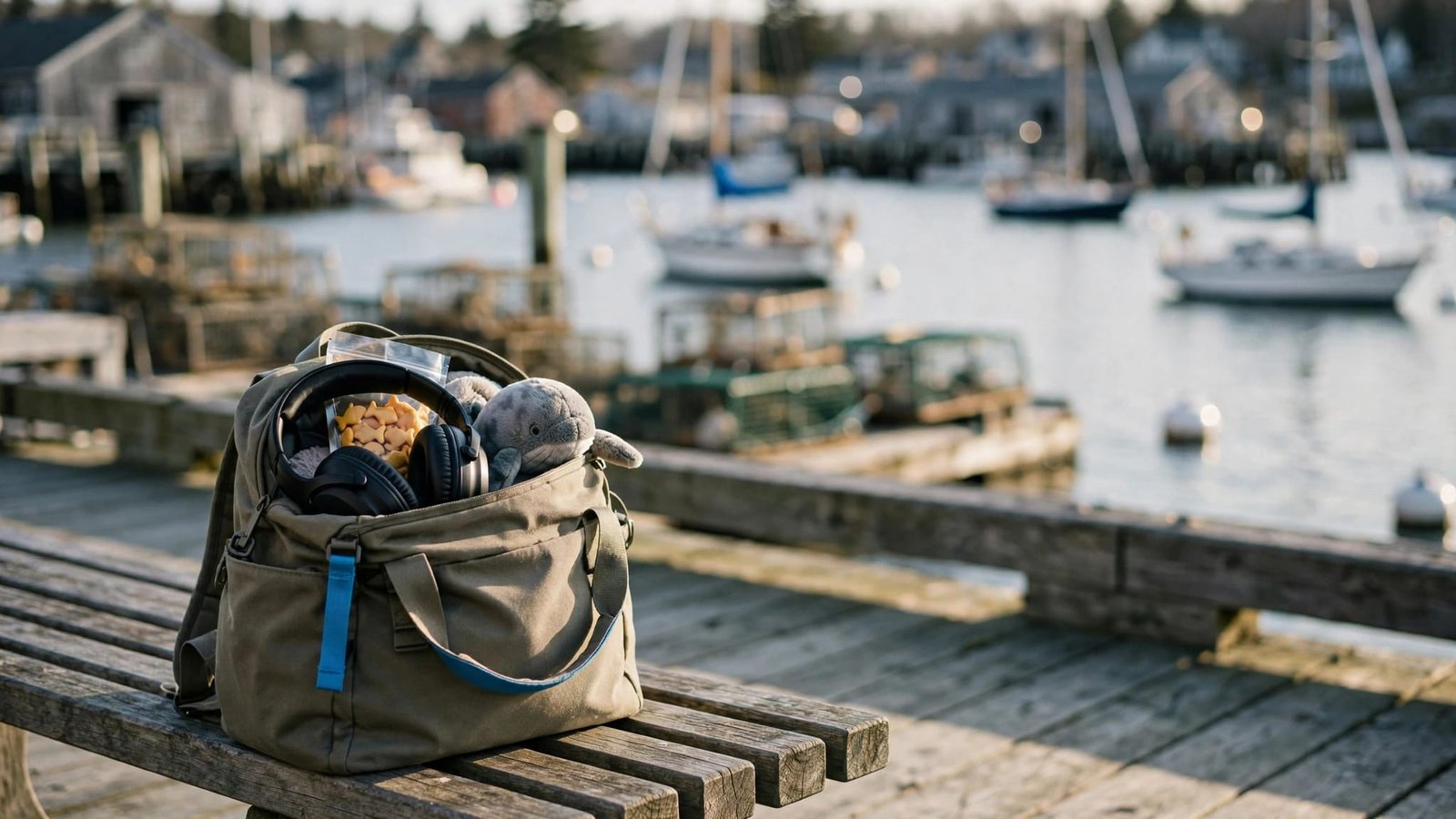
Keep a small outing bag ready with headphones, familiar snacks, water, wipes, medication, spare clothing, and a comfort item. Add communication tools and charging equipment. A printed choice board can provide backup if a device loses power.
Keep essentials close during transportation. A helpful bag won’t reduce stress if it’s buried under luggage when your child needs it.
Our Trip Rescue Shop offers travel supplies, including strollers and cleaning supplies for unexpected messes or illness on vacation. Choose gear your family needs, with familiar supports taking priority over extra purchases.
If Disney is also in your travel plans, our 57-page Disney World with Autism: The Complete Family Guide covers DAS preparation, quiet spots, transitions, and pacing. It’s available through our Disney guide on Etsy and Disney family guide on Amazon.
Kellie’s personalized special-needs travel planning draws on firsthand family experience, real-world travel-planning experience, and her B.A. in Child Development. She helps families consider accommodations, transportation, and a pace that fits their needs.
A Portland Vacation That Fits Your Family
An autism-friendly Portland, Maine, vacation works better when your family has comfortable choices and enough time to recover. Choose activities around real interests, protect familiar routines, and make leaving early an easy option.
We can help you create a personalized family travel plan. A short museum visit, familiar dinner, and comfortable evening can be a full and enjoyable vacation day.
Frequently Asked Questions
What Activities Support Children Without Adding Pressure?
Choose activities connected to your child’s interests, with manageable transitions and opportunities to stop. Museum exploration, looking at art, and a train experience offer different choices.
Optional life-skills practice can include choosing a snack or communicating a break. Vacation doesn’t need to become a therapy assignment.
Which Books Does Beaming Health Recommend?
Beaming Health recommends The Reason I Jump for insight into a nonspeaking person’s experience. One person’s account doesn’t describe every autistic traveler.
It also recommends Bianca Toeps’s But You Don’t Look Autistic At All for its combination of personal experience and scientific discussion.
Which Movies and Shows Does Beaming Health Suggest?
Beaming Health recommends Inside Out for discussing emotions and says many neurodiverse families enjoy it.
Its television suggestions include Hero Elementary for young children, Songs for Littles for toddlers developing language, and Ranking of Kings for anime and fantasy fans. Choose familiar content your child enjoys for downtime.
Leave a Reply