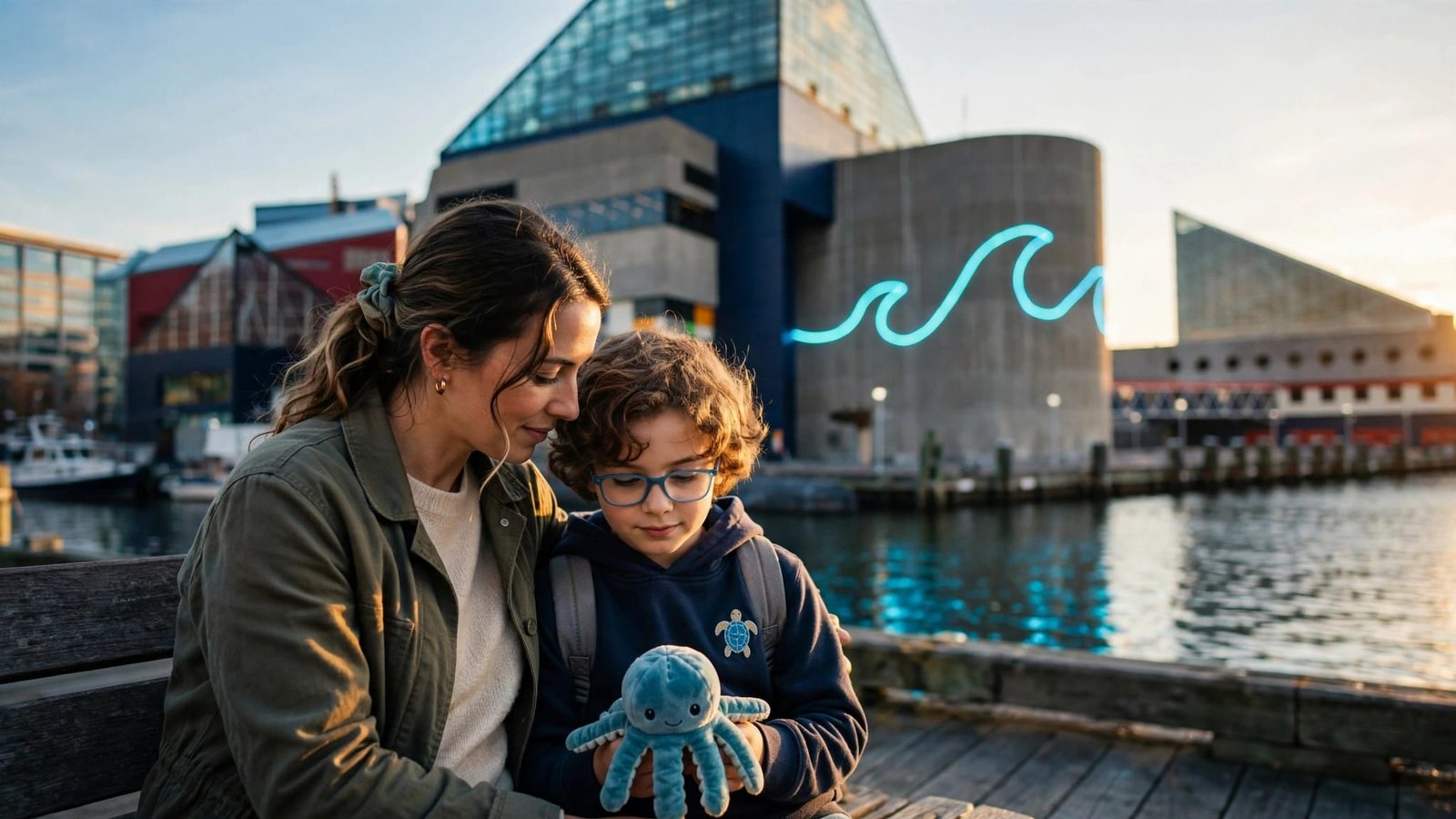
Your first Baltimore family vacation doesn’t need a packed schedule to be memorable. An autism-friendly Baltimore trip starts with familiar supports, manageable outings, and enough time to rest.
For families traveling with a child on the autism spectrum, busy attractions, unfamiliar meals, and changing routines can make travel harder. Choose one main activity each day, keep the first day flexible, and build the rest around your family’s comfort.
Key Takeaways
- Choose attractions with documented sensory-friendly supports, including the National Aquarium and Port Discovery.
- Keep arrival day simple, protect familiar food and sleep routines, and make returning to your room easy.
- Request TSA Cares assistance before flying, and keep communication tools, medication, snacks, and comfort items within reach.
Plan an Autism-Friendly Baltimore Vacation Around Your Child
Start With Familiar Needs and Interests
Many autistic children experience sensitivities to sounds, lights, textures, or crowded spaces. Sensory-friendly settings may offer quieter rooms, softer lighting, and predictable routines.
Needs and preferences vary among children on the autism spectrum. Your child’s interests matter more than a destination label. A child who enjoys watching fish may appreciate the aquarium, while another may prefer outdoor movement or hands-on play.
Write down preferred foods, bathroom needs, communication supports, and early signs of overload. Include interests such as maps, animals, climbing, and water to help choose activities your child will enjoy.
Understand What Accommodation Labels Mean
“Autism-friendly” describes an effort to welcome autistic guests. It doesn’t automatically mean a venue has completed a certification program.
An autism-certified label refers to a specific program or organization. Programs differ, and certification doesn’t guarantee that every area will suit every child.
Focus on the actual support: trained staff, sensory bags, quieter admission periods, and places to take breaks.
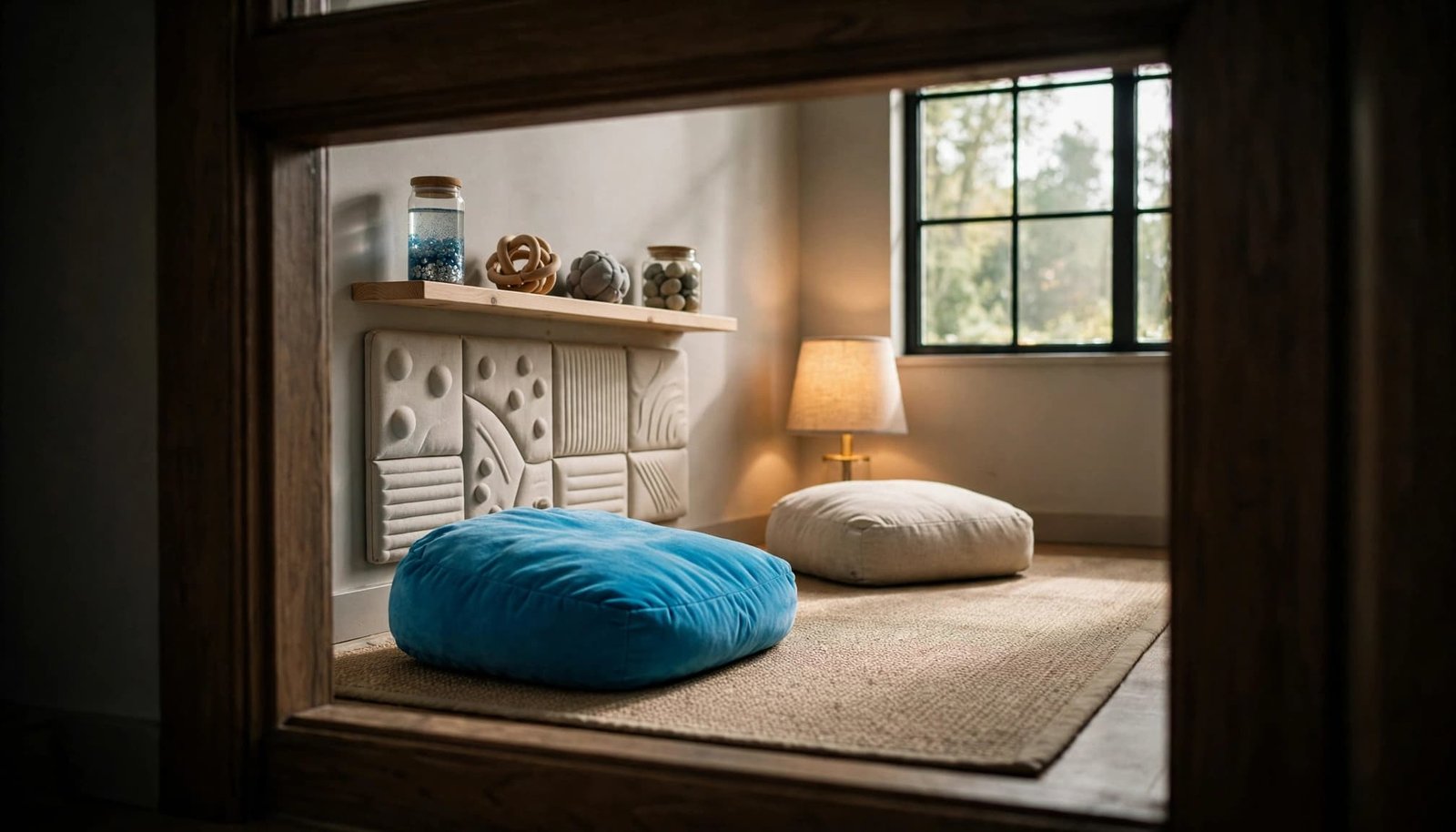
A sensory room is one possible support. Some children recover better outdoors or in a familiar hotel room.
Baltimore Attractions With Documented Sensory Supports
These attractions offer different experiences and documented types of support.
| Attraction | Documented accommodations | Activity style |
|---|---|---|
| National Aquarium | Sensory bags, staff training, social story, disability early-entry program | Animal viewing and walking |
| Port Discovery | Sensory-modified sessions, limited admission, sensory kits, quiet zone | Hands-on play and movement |
Choose an activity style first, then use the listed accommodations to plan your visit. Check each attraction’s current schedule and confirm what any sensory hours or other access program includes. These programs have different names and features, so don’t assume the same supports apply at both attractions.
National Aquarium: Plan a Focused Visit
The National Aquarium is KultureCity Sensory Inclusive-certified. Its documented supports include trained staff, sensory bags, and a social story to help your child preview the visit.
The National Aquarium accessibility program lists entry 30 minutes before opening on the first Saturday and Sunday of each month for guests with disabilities and their parties. Check the current schedule before your visit.
Choose a few priority exhibits instead of planning to see everything. The aquarium can include crowds, changing light levels, and indoor walking. Leave time for breaks and an early departure.
Port Discovery: Choose Supported Play
Port Discovery Children’s Museum offers sensory-friendly sessions with limited attendance, sound and lighting adjustments, sensory kits, staff support, and a quiet zone.
Its sensory-friendly museum programs list monthly Sensory Friendly Sundays. Weekly Access & Inclusion Afternoons are for qualifying groups and require pre-registration. Check the current schedule and program requirements before you go.
Hands-on play can suit children who enjoy movement and exploration. Give your child time to settle into one activity before introducing another.
Outdoor Options in Baltimore and Southern Maryland
Outdoor time offers more room to move, but weather, unfamiliar surfaces, and environmental sounds can still affect your child.
The National Aquarium Harbor Wetland, at 501 East Pratt Street, offers an outdoor nature option near the Inner Harbor. It can fit into a short waterfront visit without adding another cross-city journey.
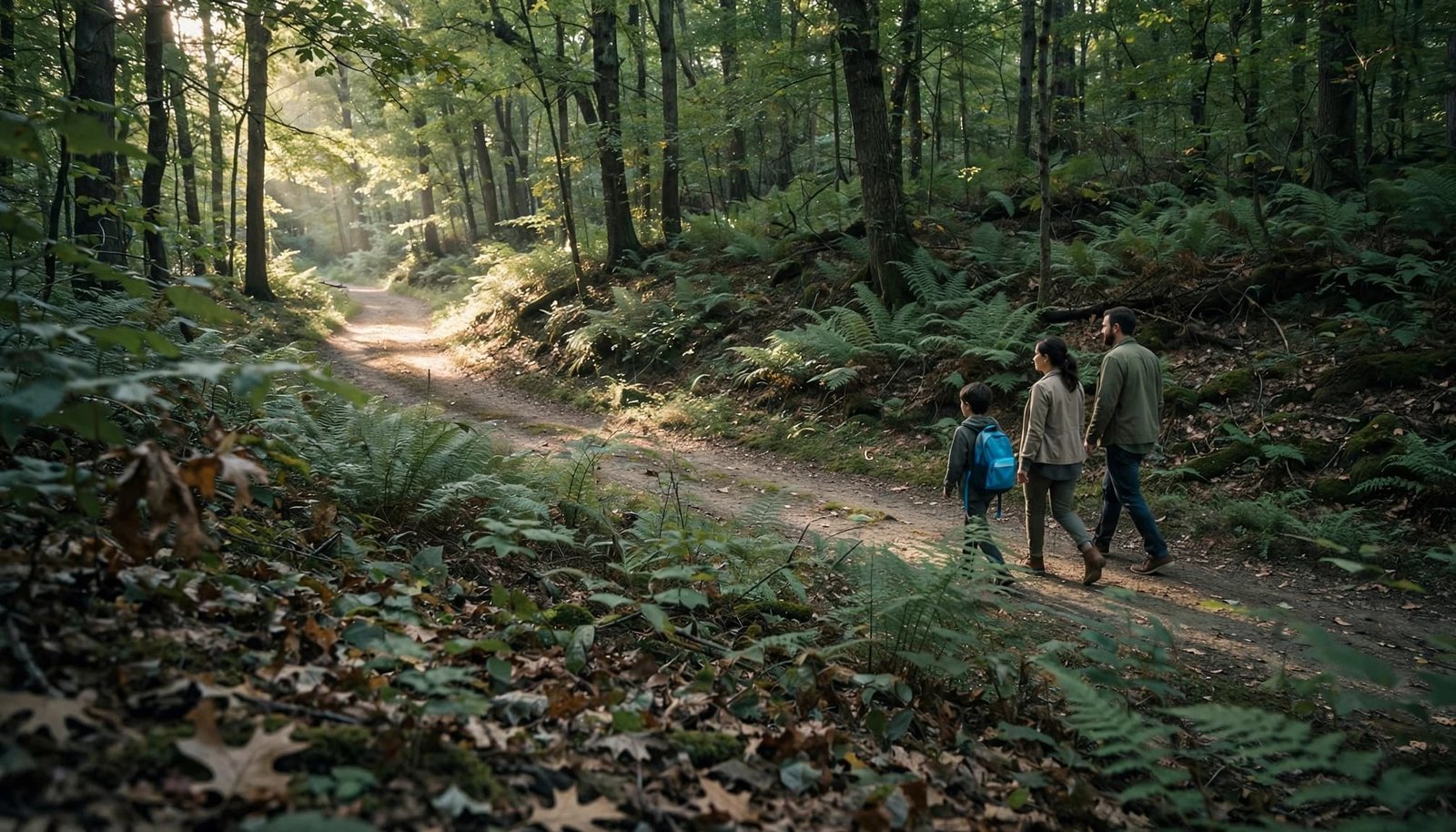
If your trip includes the Waldorf area, Cedarville State Forest is a separate Southern Maryland outing. Its trails offer opportunities for a short walk at your child’s pace. Day-use hours are sunrise to sunset.
An early morning or weekday visit may suit your child, though it doesn’t guarantee fewer people or a quiet experience. Choose a sensory-friendly activity and timing based on your child’s needs. Start with a short walk and turn back while everyone still has energy.
Sky Zone’s Sensory Hours program offers a quieter, inclusive jumping experience. Movement-focused activities may suit children who prefer them to a forest walk. Check current Sensory Hours and availability before planning a visit.
Choose a Comfortable Hotel and a Realistic Itinerary
Make Your Room a Useful Home Base
A comfortable room gives your family somewhere familiar to recover between outings. Choose a location that keeps the return trip manageable.
For families focusing on waterfront attractions, staying near the Inner Harbor can reduce transportation changes. Downtown streets still involve traffic, crossings, and crowds.
Check current travel times, walking distances, and transfer needs between your lodging and planned attractions. These details can help you choose outings that fit your family’s energy and routine.
Include room preferences in your booking request, such as distance from elevators or a quieter location. Ask whether the hotel has sensory-friendly room features or a sensory room, then verify what is available. A refrigerator can help with familiar foods, and separate sleeping space may support different bedtime routines.
Pack one or two familiar bedtime items. Keep meals and sleep as close to your usual rhythm as the trip allows. Check menus in advance, plan around familiar foods, and choose meal times that fit your child’s routine.
Keep the First Two Days Simple
Use arrival day for transportation, settling into your room, familiar food, and rest. A short walk can be optional rather than another commitment.
On your first full day, choose the National Aquarium or Port Discovery as your main outing. If you plan around sensory hours, confirm dates and schedules before making them the anchor of your day. Leave the afternoon open for recovery, a brief outdoor stop, or returning to the hotel.
Show your child a simple sequence: breakfast, travel, attraction, lunch, room. Include a way to show when plans change.
Returning to the hotel belongs in the plan. It doesn’t need to wait until your child is overwhelmed.
Prepare for Airport Security and Everyday Travel Needs
Request TSA Cares Before Flying
For U.S. departures, TSA Cares assistance helps travelers with disabilities, medical conditions, and other needs that affect screening. When possible, contact the program at least 72 hours before travel.
Explain practical needs, such as one-step directions, extra processing time, AAC communication, sensitivity to touch, or having a parent stay nearby.
Every traveler still completes screening. TSA Cares doesn’t guarantee a shorter line, a Passenger Support Specialist, or a specific screening outcome.
If two adults are traveling, agree on roles beforehand. One can manage documents and bins while the other supports your child.
Keep Your Everyday Supplies Accessible
Pack familiar headphones or ear defenders, accepted snacks, medication, communication tools, spare clothing, and charging supplies.
Keep these items accessible during transportation and outings. Familiar tools are more useful than several new sensory products introduced on travel day.
Our Trip Rescue Shop includes travel supplies such as strollers and cleaning items for unexpected illness away from home. Choose supplies that fit your family’s needs and available space.
Carry These Habits Into Future Disney Trips
The same preparation habits can help on longer family vacations: clear transitions, familiar foods, and scheduled recovery time.
For Disney-specific planning, our 57-page Disney World with Autism: The Complete Family Guide covers DAS preparation, quiet spots, pacing, and in-park planning. It’s available as a Disney autism guide PDF on Etsy and through our Disney family guide on Amazon.
Baltimore Autism Resources Beyond Vacation Attractions
Autism Society of Baltimore-Chesapeake
The Autism Society of Baltimore-Chesapeake is a volunteer organization founded in 1976. It provides information, advocacy, and support for autistic people and their families.
Its community focus can help families find connections beyond a vacation itinerary. Support isn’t limited to parents of young children.
The national Autism Society is the country’s oldest grassroots autism organization. Its 75 local affiliates serve more than half a million people in the autism community each year.
Community organizations and educational providers have different roles. Neither is a drop-in vacation activity.
The Children’s Guild and Its Autism Center
The Children’s Guild School of Baltimore is a non-public special education day school approved by the Maryland State Department of Education. It serves students ages 5 through 21 with autism, emotional disabilities, and learning disabilities.
The Janet and Frank Kelly Autism Center serves children and youth ages 5 through 22 in the Baltimore-Washington corridor. The autism center provides educational services for this age group.
At the autism center, teaching combines the TEACCH approach with Visual Language Learning. These methods use structure and visual information to support learning and understanding.
These are educational services, separate from the museums and outings families can include in a Baltimore visit.
Resort Options Near Baltimore and Farther Away
Great Wolf Lodge in Perryville opened in June 2023. It offers an overnight water-park option in Maryland, separate from a downtown Baltimore stay.
An indoor water park involves splashing, echoes, activity, and transitions. Before booking Great Wolf Lodge, consider how your child responds to those conditions.
Autism-certified resorts train staff according to their certification requirements. An autism-friendly resort may welcome autistic travelers without holding that certification. Ask which organization issued an autism-certified resort’s designation and what the designation covers.
Beaches properties in Turks and Caicos and Jamaica offer certified autism support. Their inclusive Kids Camp is included at no extra cost. Families may request a one-on-one Beaches Buddy, subject to availability. Confirm current program details and conditions with the resort before booking.
Our autism-friendly resort planning guidance covers rooms, meals, sensory needs, and family routines. These details matter even when a resort has certification.
A resort label can help narrow your choices. Your child’s comfort with the setting should guide the final decision.
Frequently Asked Questions
What’s a Good First Outing in Baltimore?
Choose the National Aquarium if your child is interested in aquatic animals, or Port Discovery for hands-on play. Both describe sensory supports. Start with a limited visit rather than combining both attractions on the same day.
Can Autistic Adults Use These Resources?
Sensory needs continue into adulthood. The National Aquarium’s disability early-entry program includes guests with disabilities and their parties. The Autism Society of Baltimore-Chesapeake also supports autistic individuals, not only children.
What Should We Do if Our Child Becomes Overwhelmed?
Reduce demands and move away from the busiest area. Offer familiar communication tools and a simple choice, such as taking a break or returning to the room. Your child’s preferred response may vary, so avoid adding several new instructions during distress.
A Baltimore Vacation That Fits Your Family
A successful autism-friendly Baltimore vacation leaves room for comfort and flexibility. One enjoyable outing, familiar meals, and time to recover can make a meaningful family day.
Our personalized special needs travel planning draws on firsthand family experience, real-world vacation-planning experience, and Kellie’s B.A. in Child Development. We’re happy to help you build a trip around your family’s needs.
You don’t need to see everything to enjoy Baltimore together.
Leave a Reply