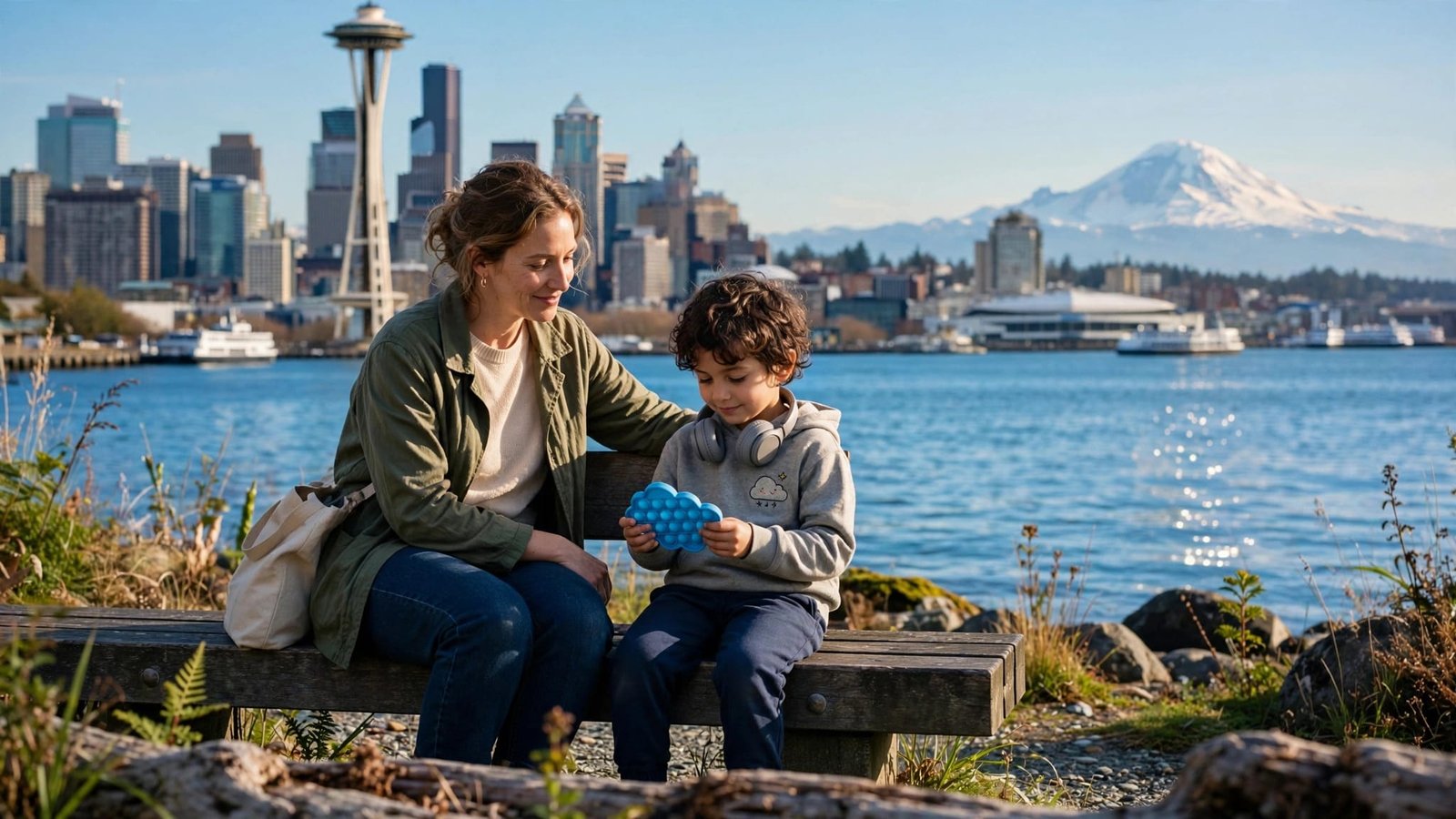
A Seattle vacation can feel more manageable when your child’s comfort comes first. For some families, a Sensory-Friendly plan includes familiar routines, activities your child enjoys, and room to rest.
Seattle offers library sensory supports, accessible performances, museums, and inclusive recreation programs. Your child doesn’t need to enjoy every attraction for the vacation to feel special.
Start with your autistic child’s interests and support needs, then build a flexible plan around them.
Key Takeaways
- Choose one main outing each day, with familiar meals and enough time for a comfortable break.
- Use Seattle Public Library sensory kits and show-specific Sensory Guides when those supports fit your family.
- Choose lodging, transportation, and activities around your child’s communication, sensory, mobility, and rest needs.
Planning an Autism-Friendly Seattle Vacation
A Sensory-Friendly label is a helpful starting point. Your child’s preferences should guide each choice.
Start With Your Child’s Interests
Consider what your child enjoys at home. Dinosaurs, painting, books, music, or hands-on activities can help you choose a meaningful outing.
Then consider group size, noise tolerance, indoor or outdoor settings, activity length, and structure. A predictable class may suit one child. Another may prefer an open-ended visit with an easy exit.
Include your child in these decisions through conversation, pictures, or their usual communication tools.
Make Transitions Easier
Use a simple visual schedule that shows the outing, meal, break, and return to your room. Include an optional activity without making it a requirement.
Bring familiar supports and protect routines that matter most. Our personalized special needs travel planning helps families coordinate accommodations, transportation, and pacing around individual needs.
Seattle Public Library Offers Useful Sensory Supports
A library visit can be a comfortable addition to your Seattle itinerary. Seattle Public Library gives your family an indoor option without the pressure of a long attraction visit.
Sensory Kits and the Northeast Branch Wall
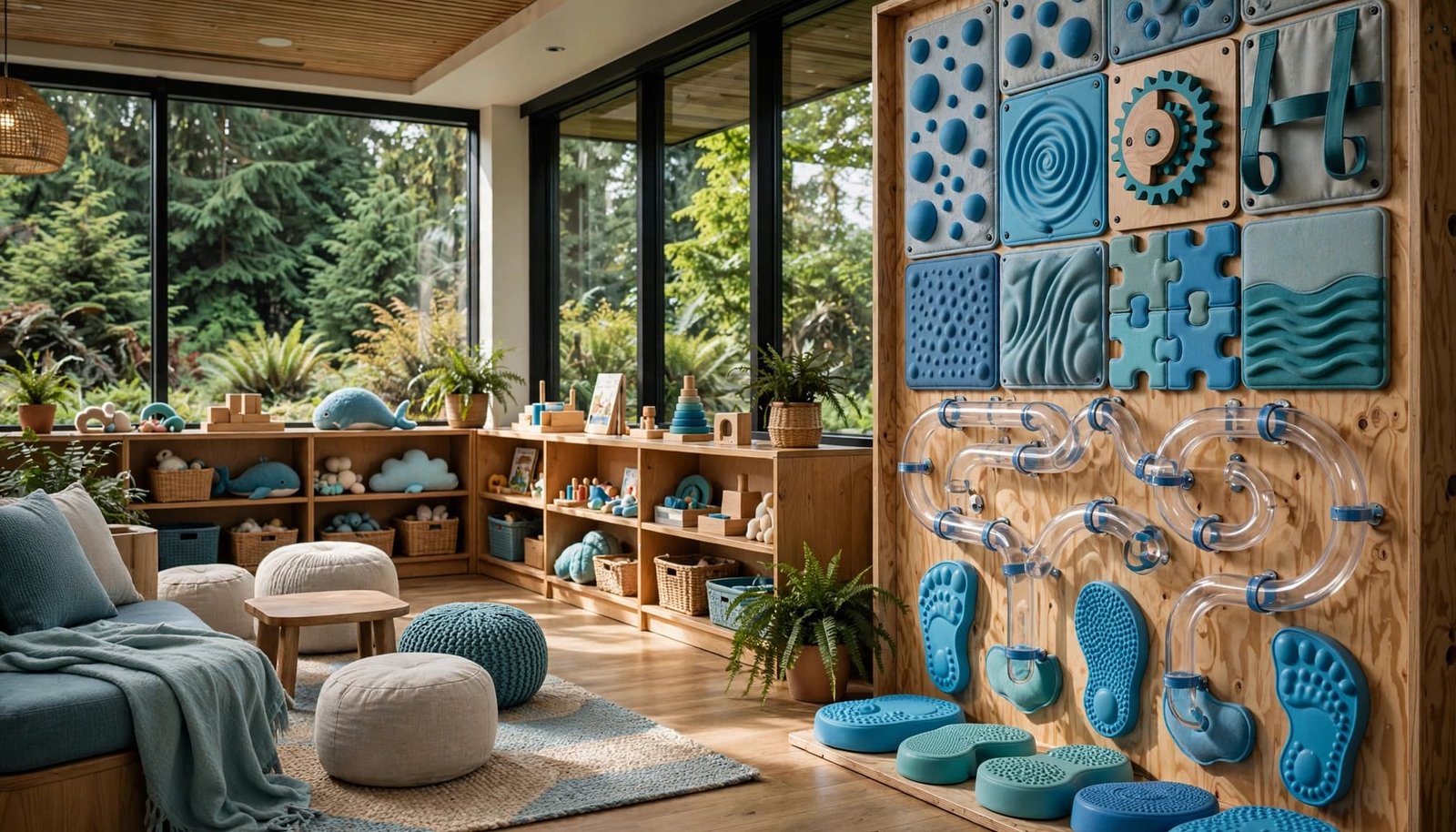
Seattle Public Library’s sensory kits and sensory walls include tools for different preferences. The library lists kits at all 26 branches and in the Central Library Children’s Center. They’re for in-library use only.
Ask staff about sensory kits before your visit. Items include noise-reducing earmuffs, fidgets, sunglasses, visual timers, magnetic drawing boards, and a weighted stuffed animal.
The Northeast Branch children’s area has an interactive sensory wall with auditory, tactile, and visual elements. Activity stations also guide children through body movements. Ask staff about visiting the sensory wall before you go.
Accessibility Beyond Sensory Tools
The Library Equal Access Program, or LEAP, supports patrons with disabilities who use library services and programs.
Accessibility Toolkits are available at branches. Ask staff which assistive software is available on public computers, including ZoomText screen-magnification software and JAWS screen-reading software.
These resources can support family members with different access needs. A library has everyday sounds and activity, so keep your child’s familiar tools nearby.
Seattle Theater Access Options in October 2026
Seattle has several performing arts organizations with sensory-accessible programming. A Sensory Guide describes a show, while a Sensory-Friendly performance may offer a more flexible environment.
These Seattle-area performing arts accessibility options can help you find sensory-accessible choices.
| Venue or program | Sensory access options |
|---|---|
| Seattle Rep, Seattle Children’s Theatre, Broadway at the Paramount, Pacific Northwest Ballet, Seattle Opera | Guides for most shows; select Sensory-Friendly performances |
| The 5th Avenue Theatre | Guides for most shows; select Sensory-Inclusive performances |
Offerings vary by production and date. A venue may have a Sensory-Friendly performance for one production and standard performances for another. Check each venue’s official site for current accessibility details.
When Are Sensory Guides Published?
Sensory Guides are typically published within a day or so of Opening Night, after the show is audited during a preview or opening night.
A Social Narrative can explain arrival, seating, and what happens during a visit. A Sensory Guide describes effects, sound, lighting, and emotional content. A relaxed performance may offer more flexible house rules.
Seattle Children’s Theatre and the 5th Avenue Theatre provide access information on their official sites.
Tickets and Performance Details
Buy directly through the venue box office to reduce fraud risk.
Keep the venue-issued date, start time, and street address in your itinerary during the week before the show. Older listings can remain online after schedules change.
ASL interpretation and audio description address different access needs. They don’t automatically indicate sensory access.
Confirm whether ASL interpretation is available for your date, and check whether audio description is offered. Each option has its own schedule.
Prepare for a Comfortable Theater Visit
Choose a performance that fits your child’s interests and attention span. A daytime show may work better than an evening performance after a busy sightseeing day.
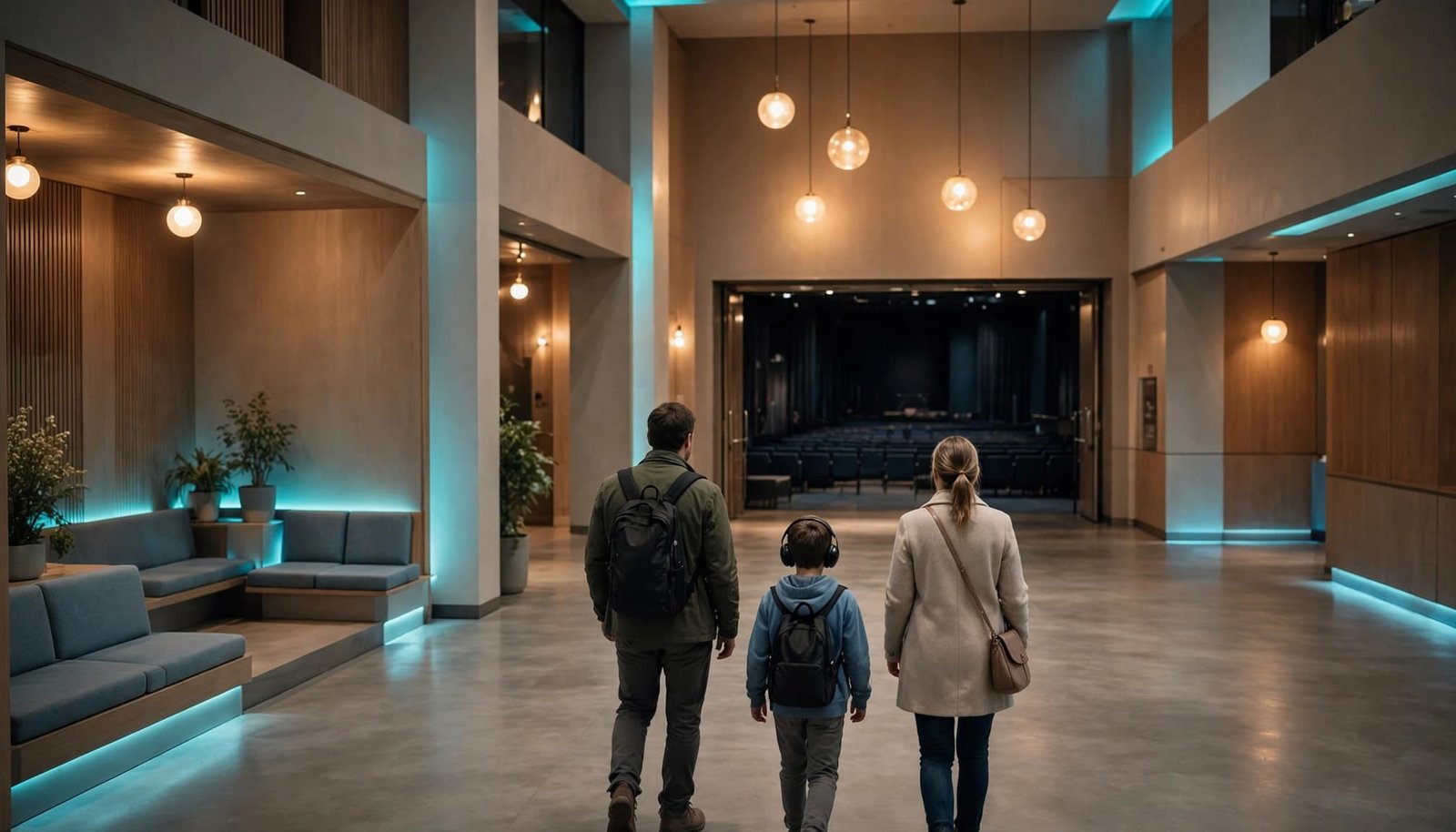
Seattle Theatre Group’s performance accessibility services include a Sensory Guide and Social Narrative for some Broadway performances.
Some productions offer a Sensory-Friendly format with lower sound levels, low-level house lighting, and lobby sensory supports. Personal comfort objects and other supports may be welcome, but options vary by production.
For Seattle Children’s Theatre or 5th Avenue Theatre, ask directly about a Sensory-Friendly or Sensory-Accessible performance and confirm current details. Check whether sensory access, ASL interpretation, and audio description are available for your chosen show.
Leave time for arrival, the restroom, and settling into seats. Familiar ear defenders or a comfort item can help.
An accessible performance can still include an intense story or unfamiliar sounds. Review the production details to see whether the show fits your child.
Choose Seattle Museums Around Your Child’s Interests
Museums can work well when the subject interests your child and the visit stays manageable. These are interest-based choices, not designated sensory-friendly sessions.
The Burke Museum explores dinosaurs, Northwest history, and Native American life. Choose a subject your child enjoys rather than trying to cover every gallery. Check the museum’s official website for current hours, location, and visitor-access details before you go.
The Frye Art Museum features American and European paintings, along with rotating exhibitions. A short visit may suit a child who enjoys looking at art. Check its official website for current hours, location, and visitor-access details.
The Connections Museum displays historic telephones, telegraphs, and switchboards. Check its official website for current hours, location, and visitor-access details before planning a visit.
Keep museum days simple. A familiar lunch and rest afterward can be enough.
Make Your Hotel, Meals, and Transportation Work Together
An autism-friendly Seattle itinerary needs a comfortable place to recover between outings. The return trip matters as much as the attraction.
Choose a Useful Hotel Setup
Prioritize a location near your main activities and familiar food options. A refrigerator, enough sleeping space, and a room away from busy gathering areas may support your routines.
Protect sleep and allow an easier arrival day. Unpacking comfort items and eating a familiar meal can take priority over sightseeing.
For dining, choose surroundings your child tolerates. Takeout in the room is a useful option when a restaurant feels too demanding.
Reduce Transportation Pressure
Seattle’s hills, traffic, and busy transit spaces can add effort to a short outing. Choose transportation around walking tolerance, mobility needs, and comfort with crowds.
Include waiting and boarding in your visual schedule. Keep headphones, snacks, and communication tools accessible rather than buried in luggage.
For children who may wander, agree on adult responsibilities during transitions. Give everyone a clear plan for leaving together.
Recreation, Classes, and Camps for Longer Visits
Families staying longer may want a class, inclusive recreation activity, or camp. A useful program supports participation in ways that fit your child.
Where Can Families Find Options?
Seattle Children’s updates its list, Summer Camps and Year-Round Recreation for Individuals With Autism or Intellectual or Developmental Disabilities, annually. The Arc Washington camp resources offer another starting point.
School staff, therapy centers, clinics, and parent support groups can suggest local opportunities based on your child’s interests.
City and county parks departments offer relatively low-cost recreation, including disability programming. Seattle Parks Specialized Programs includes youth outings, fitness, adaptive dance, and summer camps. Some programs are designed for people with intellectual or developmental disabilities, but eligibility and age ranges vary. Check current offerings and accessibility policies with each organization.
Discuss Support Before Enrolling
Contact the organization before enrolling to discuss your child’s needs and how they would be included. General program descriptions don’t always explain daily support.
Useful questions include:
- How are communication needs, movement breaks, and schedule changes supported?
- What help is available with self-care, and how are distress or safety concerns handled?
- Can a familiar support person attend, and what role would they have?
Some camps, classes, and clubs allow a support person to assist with self-care, communication, or behavior support.
A Flexible Seattle Vacation Rhythm
Keep arrival day light. Settle into your room, have a familiar meal, and introduce the next day’s plan.
On a museum day, choose one interest-based visit. Allow time afterward for lunch and a hotel break. Treat another stop as optional.
On a performance day, protect energy before the show. A library visit may be an option, but it doesn’t need to fill the morning.
Outdoor recreation, such as a park visit, can be a Sensory-Friendly option when fresh air and movement suit your child. Outdoor settings aren’t comfortable for everyone, and weather, playground noise, and supervision needs all affect the experience.
Pack Familiar Supports and Practical Backups
Bring the items your child already uses: ear defenders, a comfort item, accepted snacks, medication, and communication supports. For AAC users, keep the device charged and a familiar backup method accessible.
A small day bag should also hold water, a charger, and spare clothing. Pack supplies for spills or an unexpected illness without overloading your bag.
Our Trip Rescue Shop offers practical travel items, including strollers and cleaning supplies for sick-on-vacation moments.
Planning Disney travel, too? Our Disney World with Autism: The Complete Family Guide covers DAS preparation, quiet spots, transitions, pacing, and in-park planning. It’s available as a Disney autism guide PDF on Etsy and through our Disney family guide on Amazon.
Frequently Asked Questions
Does My Child Need a Diagnosis to Use Library Sensory Kits?
No. Seattle Public Library sensory kits are available to anyone, regardless of age or diagnosis. They remain inside the library during use.
Is a Sensory Guide the Same as a Relaxed Performance?
No. A guide describes sensory impacts. A relaxed performance has a designated, more flexible format, with accommodations that depend on the production.
What If We Need to Leave an Activity Early?
Use your planned exit and give your child time to recover. Returning to the room or skipping another stop is a reasonable part of family travel.
A Seattle Vacation That Fits Your Family
A comfortable Seattle trip leaves space for your child’s interests, familiar routines, and changing energy. Useful access supports and flexible pacing help your family enjoy time together.
Our recommendations draw on firsthand family experience, real-world travel planning, and Kellie’s B.A. in Child Development. We’re happy to help you build a personalized Seattle plan that puts your family’s needs first.
Leave a Reply