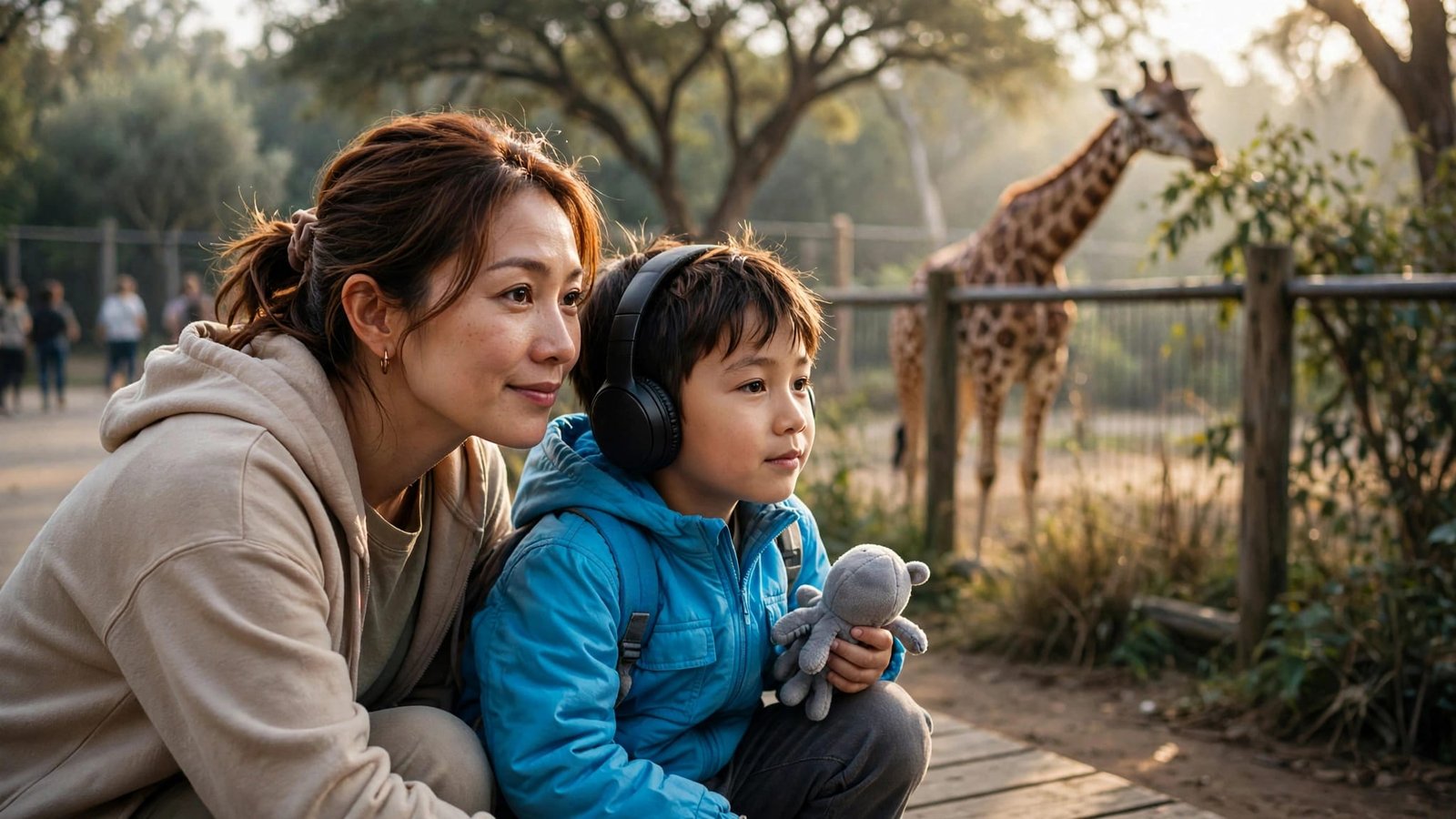
A calmer zoo visit works better when you choose a manageable route, bring familiar supports, and leave room for breaks that match your child’s sensory needs.
Noise, crowds, heat, and unexpected transitions can make an outing difficult, even for a child who loves animals. We encourage families to plan around their child’s comfort rather than a full exhibit list.
Start by choosing the visit format that gives your family the support and flexibility you need.
Key Takeaways
- Sensory-friendly mornings may offer smaller crowds, early entry, or quieter attractions, while sensory-inclusive zoos provide ongoing support.
- Familiar headphones, communication tools, snacks, and a clear stopping point can make the day more comfortable.
- Choose a few favorite animals and protect time for rest. Leaving early is a reasonable part of your plan.
Choose an Autism-Friendly Zoo Visit That Fits
Sensory needs vary. One child may enjoy outdoor animal sounds but struggle with crowded indoor buildings. Another may find the entrance line harder than the exhibits.
Noise and overstimulation can also affect people with dementia, PTSD, and other conditions. Sensory accommodations support many visitors, not only autistic children.
Sensory-Friendly Mornings and Days
A sensory-friendly morning usually changes the visiting conditions during a specific session. That may mean limited attendance, access before regular opening, or reduced attraction sounds.
Some sessions may focus on one area rather than the entire zoo. Choose the format that addresses your child’s hardest moments. Smaller crowds won’t remove heat, walking, or every unexpected animal sound.
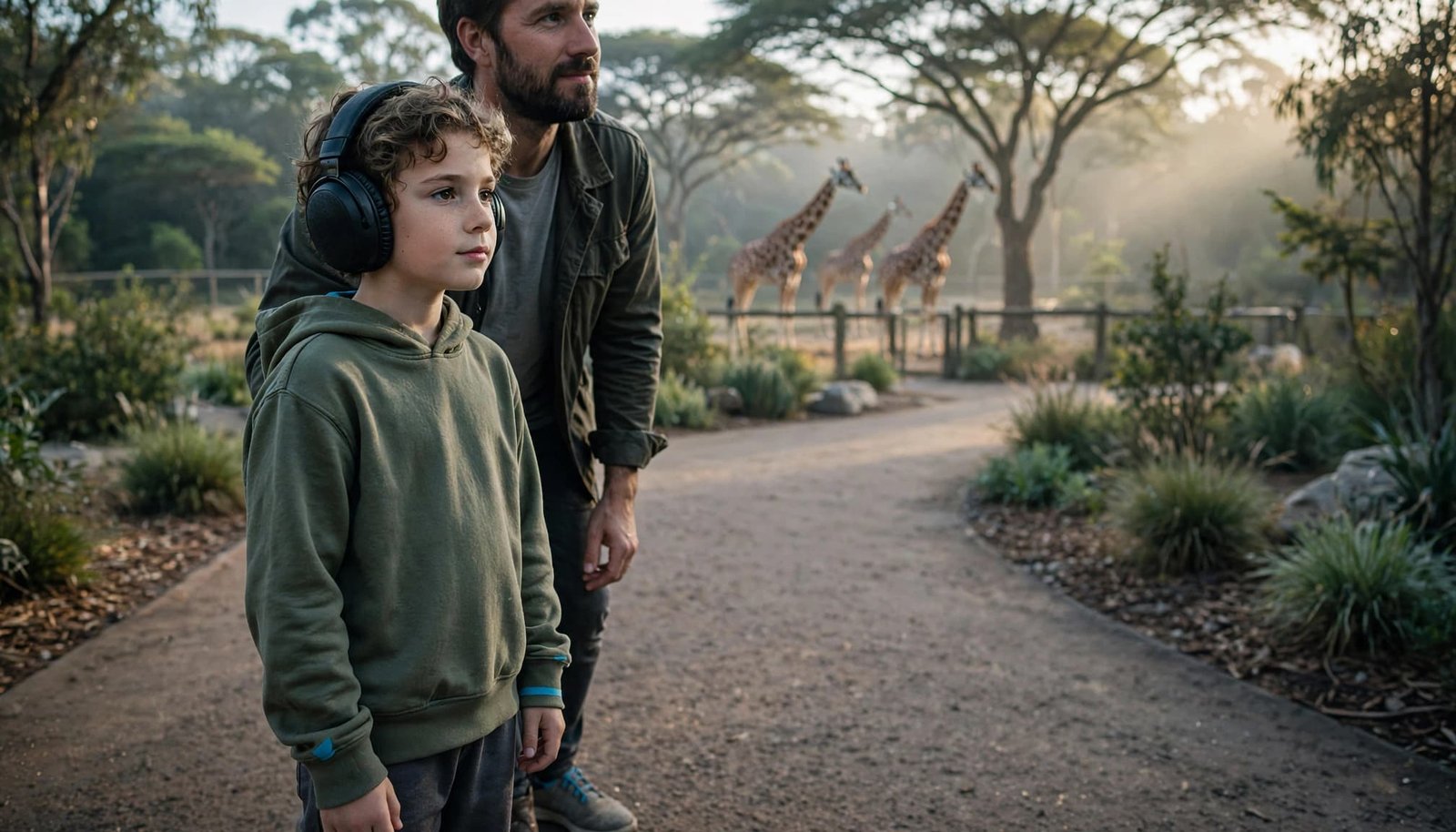
Standard Visits With Sensory Supports
A sensory-inclusive zoo offers resources during ordinary visits. These may include trained staff, sensory bags, visual previews, and designated quieter areas.
This option can suit families who need flexible timing or prefer self-paced exploration. Certification doesn’t mean the zoo is silent. Your own supports and a shorter route still matter.
Compare Sensory-Friendly Zoo Programs
These named programs offer different kinds of support. These sensory-friendly days and other dated sessions are separate from resources available during regular visits; check each listing to confirm whether the ticket includes admission.
| Zoo and region | Program or support | Timing and cost | Registration |
|---|---|---|---|
| Central Park Zoo, New York City | “Good morning to Zoo!” at Tisch Children’s Zoo | Selected Saturdays or Sundays, 9:30-10:30 a.m.; $20 non-member or $16 member per person | Each attendee needs a ticket; all-day admission included |
| Lincoln Park Zoo, Chicago | Sensory-Friendly Mornings with limited attendance and entire-zoo access | Before regular opening; free | Advance registration required |
| Lincoln Park Zoo, Chicago | Sensory-Friendly Days at Farm-in-the-Zoo | 10 a.m.-2 p.m.; free | Registration required |
| Turtle Back Zoo, New Jersey | Previously offered limited-capacity Sensory-Friendly Morning | Past event format: 8-10 a.m. | Advance registration was required |
| Philadelphia Zoo, Pennsylvania | Quiet Areas Map and sensory resources | Standard-visit resources | Separate from a special-event reservation |
| Los Angeles Zoo, California | KultureCity sensory-inclusive support | Standard-visit resources | Separate from a special-event reservation |
| Lincoln Children’s Zoo, Nebraska | KultureCity sensory-inclusive support | Standard-visit resources | Separate from a special-event reservation |
Central Park Zoo lists an October 31, 2026, “FaBOOlous Farm Friends” session. Its program isn’t an every-weekend offering.
Lincoln Park Zoo’s sensory-friendly programs include low-sensory farm activities. Animals may choose not to be visible. No upcoming Farm-in-the-Zoo dates are listed.
Turtle Back’s past morning format included a carousel and train without music or whistles, plus café beverages starting at 9 a.m. That format isn’t a scheduled October 2026 session.
What KultureCity Support Means for Your Family
KultureCity’s “certified sensory inclusive” designation means staff receive training to recognize guests with sensory needs and respond to sensory overload. It gives families a useful starting point for planning.
Trained Staff and Practical Help
A trained staff member can help your family find sensory resources or a quieter place. Certification doesn’t provide one-to-one supervision or guarantee that every exhibit will feel comfortable.
Los Angeles Zoo’s accessibility services include KultureCity sensory support. Lincoln Children’s Zoo became Nebraska’s first Sensory Inclusive certified organization, as described in its KultureCity certification announcement.
LA Zoo’s announcement described more than 900 certified venues across five countries. KultureCity’s Lincoln announcement cited more than 1,000 venues across six countries. These figures come from separate announcements, rather than a current network count.
Sensory Bags and Familiar Tools
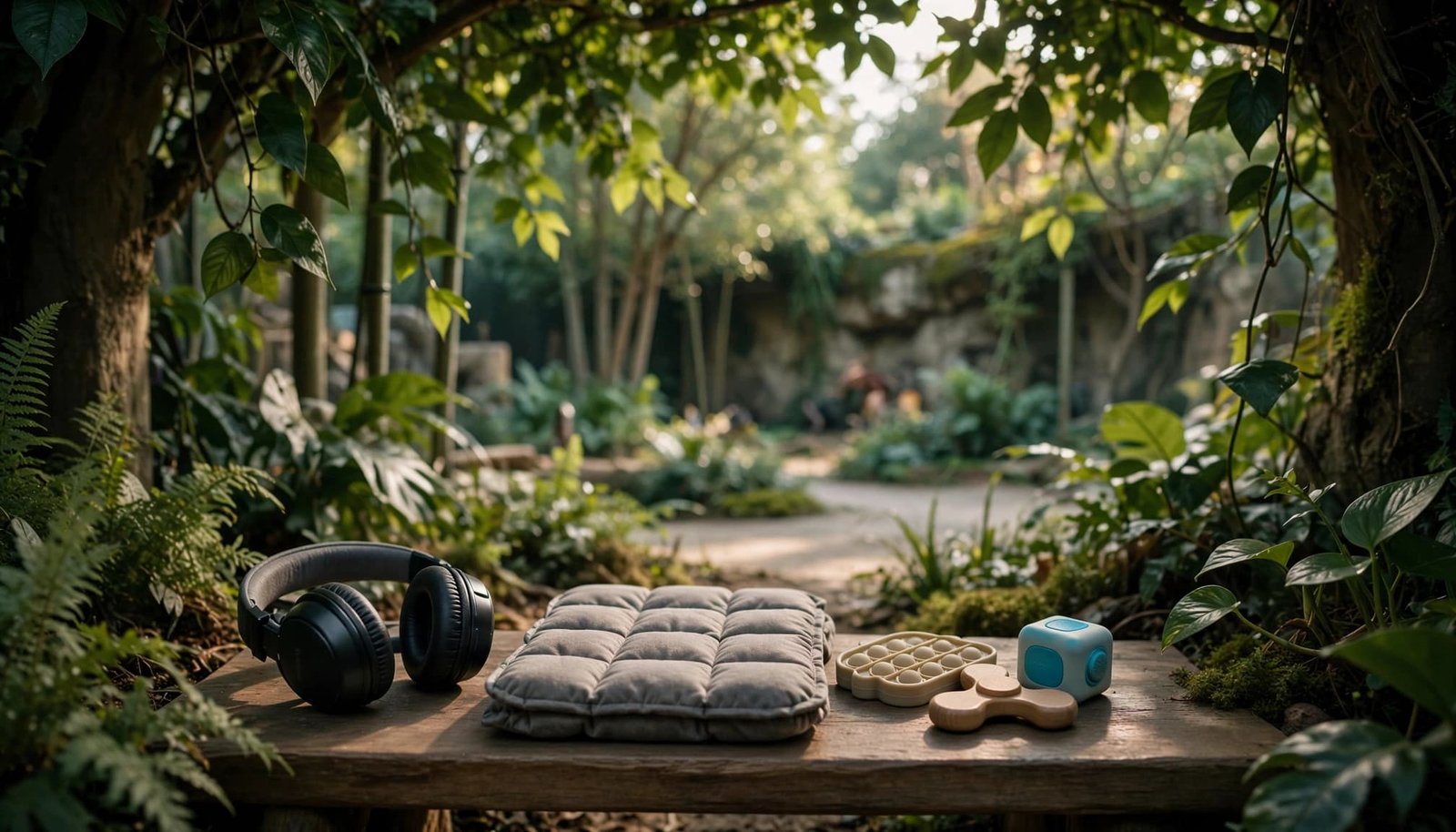
KultureCity sensory bags include noise-canceling headphones from Puro Sound Labs, fidget tools, verbal cue cards, and weighted lap pads. Individual zoo kits and borrowing arrangements can differ.
Philadelphia Zoo’s bags include noise-reducing headphones, sunglasses, fidgets, and non-verbal cue cards. They’re free to borrow with an ID deposit and sign-out sheet, at the Membership Booth and Mobility Rentals.
Borrowed tools are helpful, but bring your child’s familiar supports when possible. Trying unfamiliar headphones during an overwhelming moment can add another adjustment.
Find Quiet Areas Before You Need Them
Locate a break space as part of your arrival routine. Include bathrooms, sensory-bag pickup, and the nearest exit before starting your animal route.
Quiet Areas Aren’t Always Private Rooms
Philadelphia Zoo publishes a Quiet Areas Map to help families plan a calmer route. Its sensory information also identifies quiet zones and headphone zones.
Central Park Zoo identifies a lower-activity garden at the southwest corner of the Sea Lion Pool. Its Tisch Children’s Zoo quiet-area map provides another planning reference.
Philadelphia’s Quiet Areas Map can guide route choices. A shaded bench or quieter path doesn’t offer the privacy or sound control of an enclosed sensory room.
Identify Loud or Dark Spaces
Indoor galleries can bring echoes, dim lighting, narrow viewing areas, and sudden sounds. Trains, carousels, gift shops, and food areas may also add stimulation.
Central Park Zoo identifies the Tropic Zone, Penguin building, Central Garden and sea lions, and 4D Theater as headphone zones. Treat these as places to prepare for, rather than required stops.
An outdoor-focused route may give your family more room to pause and change direction.
Prepare Your Child With a Simple Visit Plan
A predictable routine and familiar supports can help with sensory regulation. Keep preparation brief enough that your child can use it without feeling overloaded.
Download the free KultureCity App before visiting. It lets families explore participating venues’ sensory features and access a Social Story preview where available.
Use photos and a simple visual schedule to show arrival, animals, a break, and departure. Include the possibility that an animal may be resting or out of view.
- Choose one or two animal areas your child wants to see. Keep additional exhibits optional.
- Preview the entrance and first stop. Explain any ticket line or security step shown in the visit information.
- Practice communicating “break,” “bathroom,” and “finished” using your child’s usual words, cards, gestures, or AAC device.
- Plan a familiar snack and rest before your child typically becomes tired or hungry.
- Make departure clear. A familiar timer, visual cue, or short reminder can support the transition back to the car.
For a first visit, a short route with one planned break is a reasonable starting point. You can stay longer if your child is comfortable.
Avoid promising animal feeding, close encounters, or a particular animal’s appearance. Give your child choices you can support, such as returning to a favorite viewing area or taking a break.
Pack for Food, Walking, and Unexpected Messes
Bring headphones, familiar fidgets, sunglasses, communication supports, water, medication, and a comfort item. Pack charging equipment for devices your child uses throughout the day.
A printed communication backup can help if a battery runs low. Keep essential items together so another caregiver can find them quickly.
Plan breakfast and a familiar meal around the visit. Include food needs in your route rather than waiting until everyone is hungry.
Allow time for parking, unloading, and the walk to the entrance. Choose a route that works for your family’s stroller or wheelchair needs, with bathrooms and rest stops along the way.
A stroller can offer a familiar resting place during a long outing. Our Trip Rescue travel shop offers stroller options and travel supplies, including cleaning supplies for unexpected illness on vacation.
Extra clothes and wipes can also make spills, weather changes, and messy snacks easier to manage.
What to Do When the Zoo Becomes Overwhelming
Respond to your child’s familiar signs of stress. These might include covering their ears, moving away, becoming less responsive, or asking to leave.
Reduce demands and move toward a quieter space when it’s safe. Use short, familiar language and offer the supports your child already accepts.
Avoid adding several questions or unfamiliar tools at once. Give your child time to communicate in their usual way.
A sensory-friendly session can reduce crowds, but an early start may still be difficult for a child whose sleep or breakfast routine changes.
If a break doesn’t help, end the visit. You don’t need to complete another exhibit to make the outing worthwhile.
For families managing wandering concerns, our autism travel safety plan offers preparation ideas. Clear caregiver responsibilities are especially helpful near entrances, crowded paths, and transitions.
Carry a Calmer Plan Into Your Family Vacation
Protect the time after the zoo, too. Avoid placing another demanding attraction immediately afterward. A familiar meal, hotel break, or quiet afternoon can give your family time to rest.
We bring firsthand family experience and real-world travel planning to our special needs vacation planning. We help families consider transportation, accommodations, pacing, and individual support needs.
Planning Disney alongside your zoo outing? Our 57-page Disney World with Autism: The Complete Family Guide covers DAS preparation, quiet spots, transitions, pacing, and in-park planning.
It’s available as a Disney autism guide on Etsy and a Disney autism guide on Amazon. The same focus on familiar supports and manageable transitions can help you prepare for other family outings.
Frequently Asked Questions
What’s the difference between a sensory-friendly session and a sensory-inclusive zoo?
A sensory-friendly session changes conditions during a specific visit, often with limited attendance, early entry, or reduced sounds. A sensory-inclusive zoo offers resources during regular visits, such as trained staff, sensory bags, and quieter areas.
Does sensory-inclusive certification mean the zoo will be quiet?
No. Certification means staff receive training to recognize sensory needs and respond to sensory overload. Crowds, animal sounds, and busy exhibits may still feel difficult.
What should I bring for a sensory-friendly zoo visit?
Bring familiar supports your child uses, such as headphones, fidgets, communication tools, sunglasses, and a comfort item. Water, medication, a familiar snack, and charging equipment can also help.
What should I do if my child becomes overwhelmed?
Reduce demands and move to a quieter space when it’s safe. Use familiar language and supports, and end the visit if a break doesn’t help.
Make Comfort the Measure of a Good Zoo Day
A calmer zoo visit starts with your child’s needs, a manageable route, and room to change plans. Sensory programs and borrowed tools can support that plan.
Your family may enjoy several exhibits or spend most of the visit watching one favorite animal. Both can be meaningful experiences.
Keep comfort and connection at the center of the day. The exhibit count can wait.
Leave a Reply