
Blog

  • How to Choose Romantic Getaway Packages

    How to Choose Romantic Getaway Packages

    A beach candlelight dinner looks great in photos. What matters more is whether your room is actually private, your transfers show up on time, and the package fits the kind of trip you want to have together.

    That is where romantic getaway packages can either make planning easier or leave couples paying for extras they never wanted. The best package is not the one with the longest list of perks. It is the one that matches your budget, your travel style, and the pace you want for the trip.

    What romantic getaway packages should actually include

    A good package should remove decisions, not create more of them. For most couples, that means the essentials are handled first: flights or transportation, resort or hotel stay, airport transfers if needed, and a clear outline of what is included before booking.

    From there, value depends on the trip. If you want a no-stress beach escape, all-inclusive dining and drinks may be worth it. If you are planning a city stay, a package with daily breakfast and a central hotel might make more sense than paying for resort-style extras you will barely use.

    The strongest romantic getaway packages usually include a few meaningful upgrades instead of a pile of filler. Think spa credits you will actually use, a room category worth the difference, late checkout, or one private experience that gives the trip a special feel. Champagne in the room is nice. A well-timed itinerary is better.

    Why the cheapest package is not always the best deal

    Price matters, especially when you are balancing travel with real-life expenses, wedding costs, or limited vacation time. But the lowest number on the screen often hides the most friction.

    Sometimes a lower-priced package means inconvenient flight times, a room with no view, extra transfer fees, or a property that looks romantic online but feels crowded and worn in person. Couples often end up spending more after booking because the original package did not include the pieces that make the trip comfortable.

    This is where comparison gets important. Ask what is included, what will cost extra on arrival, and whether the package protects your time as much as your budget. Saving a few hundred dollars can feel less impressive when it starts with a 5 a.m. departure and ends with added fees at check-in.

    The best romantic getaway packages depend on your travel style

    Not every couple defines romantic the same way. Some want a quiet adults-only resort where every detail is handled. Others want a boutique hotel in a walkable city with room to explore on their own. A package only works when it reflects that difference.

    For couples who want ease

    If your goal is to unplug and stop making decisions, an all-inclusive resort package is often the best fit. Meals, drinks, entertainment, and many on-site activities are already bundled, which keeps the trip simple and predictable. This works especially well for honeymooners or busy couples who do not want to coordinate every dinner reservation and excursion.

    The trade-off is that some all-inclusive options can feel standardized. If you care more about local culture than resort convenience, too much time on one property may start to feel limiting.

    For couples who want experience first

    If you are more excited by neighborhoods, food, sightseeing, and off-property activities, a custom package with flights, hotel, and a few curated experiences is usually the smarter choice. You keep the convenience of a planned trip without paying for all-inclusive features you may not use.

    This style works well for destinations like New York City, Charleston, Napa Valley, or San Juan, where the experience happens beyond the hotel walls.

    For couples celebrating something big

    Anniversaries, proposals, mini-moons, and milestone birthdays deserve more than a generic promo. In these cases, look for packages that leave room for personalization. A private dinner, upgraded suite, couples massage, or coordinated surprise can make the trip feel memorable without turning it into an overplanned schedule.

    That is often where working with a travel advisor helps. You are not just buying inventory. You are shaping the trip around the reason you are taking it.

    What to compare before you book

    A package can sound complete and still leave big questions unanswered. Before you commit, look beyond the headline price and compare the full travel experience.

    Start with the property itself. Adults-only matters for some couples and not for others. Room location matters more than many travelers expect, especially at large resorts. An oceanfront room and a garden-view room may create two very different moods, even at the same price point.

    Next, check timing. A three-night package with awkward flight schedules can leave you with barely two full days to enjoy the trip. That matters if you are planning around work, childcare, or a short holiday weekend.

    Then review inclusions with a practical eye. Is airport transportation round-trip? Are resort fees covered? Are dining reservations required? Is that spa credit usable on the services you want, or does it come with restrictions that make it hard to redeem?

    These are not small details. They shape whether the trip feels smooth or full of little annoyances.

    When custom planning beats prebuilt romantic getaway packages

    Prebuilt packages are useful when they are clean, well-priced, and close to what you already want. But they are not always built around real travelers. They are often designed around supplier inventory first.

    That is why custom planning becomes valuable for couples with specific needs. Maybe you need nonstop flights because your time off is tight. Maybe one of you wants luxury while the other wants to stay within a clear budget. Maybe you want a split stay with both beach time and city time. Those are the moments when a custom package usually delivers better value than a one-size-fits-all offer.

    At K&S The Travel Crusaders, that planning-first approach is the difference. Instead of pushing couples toward whatever happens to be on promotion, the focus is on building a trip that fits the budget, pace, and experience you actually want so you can travel with confidence.

    Common mistakes couples make with romantic travel

    One common mistake is choosing a destination before talking about the kind of trip both people want. If one person is imagining quiet pool days and the other wants excursions every morning, even a beautiful package can miss the mark.

    Another mistake is underestimating total trip cost. Packages simplify pricing, but they do not erase spending on baggage, excursions, upgraded dining, travel protection, airport parking, or pet care at home. A realistic budget gives you more freedom to enjoy the trip once you arrive.

    The last mistake is waiting too long. The best room categories, flight schedules, and seasonal promotions tend to go first. That is especially true for holiday weekends, honeymoon season, and peak beach travel dates. Booking early usually gives you better choices, not just better prices.

    How to book a package that feels worth it

    Start by getting clear on the purpose of the trip. Is this a quick reset, a honeymoon, a surprise celebration, or a long-overdue vacation? Once that is clear, it becomes easier to filter out packages that look appealing but do not fit.

    From there, define your non-negotiables. That might be adults-only, a private balcony, nonstop flights, a certain price range, or enough free time to actually relax. When you know what matters most, you are less likely to be swayed by flashy extras.

    Finally, get help if the details are starting to pile up. Romantic travel should feel exciting, not like another project to manage after work. A well-planned package saves time, reduces second-guessing, and makes room for the part you are actually looking forward to – being together.

    The right trip does not need to be extravagant to feel special. It just needs to fit your life, your budget, and your idea of what time away should feel like.

  • Educational Travel Programs for Students

    Educational Travel Programs for Students

    A class trip can be the moment history stops feeling like a chapter and starts feeling real. Students remember the battlefield they walked, the language they had to use at lunch, or the science center that made a lesson click in a way a worksheet never could. That is why educational travel programs for students continue to matter – not as extras, but as experiences that can change how young people learn, connect, and grow.

    For schools, families, and group organizers, the value is clear. The challenge is everything that comes after the idea. Budgets, permission forms, rooming lists, transportation, safety plans, and timing can turn a great concept into a stressful project fast. The strongest student trips work because the learning goals and the logistics are planned together from the start.

    Why educational travel programs for students work

    The best student travel programs do more than get kids out of the classroom. They give context to what students are already studying and create space for skills that are harder to teach at a desk. A student who visits Washington, DC may come home with a better grasp of government, but also with stronger independence, time management, and confidence in new settings.

    That said, not every trip produces the same result. A packed itinerary with no breathing room can leave students exhausted. A destination that sounds exciting but does not connect to the curriculum may feel more like a reward trip than an educational one. There is nothing wrong with fun – students should absolutely enjoy the experience – but the most successful programs have a clear purpose behind every major stop.

    Travel also teaches students how to move through the world with awareness. They learn how to stay on schedule, respect shared spaces, interact with different communities, and represent their school well. Those lessons stay useful long after the trip ends.

    What makes a student travel program truly educational

    A strong program starts with one basic question: what should students gain from this trip that they could not gain as easily at home? Sometimes the answer is academic. A performing arts group may need to see professional productions, attend workshops, or perform in a new venue. A STEM-focused trip might center on museums, labs, or engineering landmarks. For language learners, immersion matters because students must listen, respond, and adapt in real time.

    Sometimes the value is broader. Middle school and high school students often benefit from trips that build maturity and shared responsibility. Even a domestic program can push students to become better problem-solvers, better roommates, and better team members.

    The educational piece becomes stronger when organizers build in reflection. That might be group discussion on the bus, a simple travel journal, or a short assignment tied to the destination. Students do not need every minute scripted, but they do need help connecting what they are seeing to what they are learning.

    Choosing the right destination and format

    There is no single best destination for every group. It depends on student age, learning goals, budget, and how much complexity the organizers can realistically manage. A fifth-grade trip to a nearby historic city may be far more effective than an ambitious international itinerary that stretches the budget and the group’s comfort level.

    Domestic travel often works well for schools that want lower risk, simpler logistics, and tighter costs. Cities like Washington, DC, New York, Boston, Orlando, and Chicago can support history, civics, arts, science, and leadership goals in different ways. Students get a meaningful experience without the extra paperwork and planning that international travel usually requires.

    International programs can be powerful when the group is ready for them. They tend to offer deeper cultural exposure and stronger opportunities for language practice and global awareness. They also come with trade-offs. Passports, entry requirements, longer flights, different meal expectations, and stricter planning timelines can add pressure for both families and organizers. For some groups, that extra lift is worth it. For others, a well-designed domestic program delivers better value.

    Planning around budget without losing quality

    Budget is often the point where good ideas stall. The key is to treat cost as a planning factor, not a reason to give up. Educational trips do not have to be luxury experiences to be meaningful, but they do need to be realistic.

    The first step is clarity. Families need to know what is included, what deadlines matter, and which extra costs may come up during the trip. Confusion causes hesitation, and hesitation slows sign-ups. The more transparent the pricing structure, the easier it is for families to commit with confidence.

    It also helps to decide early what matters most. If the educational priority is access to a major event, performance, or guided experience, that may deserve a larger share of the budget. If the goal is broad exposure to a destination, organizers may have more flexibility on hotel style or meal structure. Not every line item carries the same value.

    Fundraising can help, but it should support the plan, not rescue a weak one. If a trip only works under perfect fundraising conditions, the budget may be too tight from the beginning. A better approach is to build a program that is affordable first, then use fundraising to make it easier for more students to participate.

    Safety, supervision, and parent trust

    Parents do not just want an exciting trip. They want to know their child will be well supported from departure to return. That means safety planning cannot be an afterthought.

    Clear supervision ratios matter. So do rooming policies, check-in procedures, emergency contacts, medical information handling, transportation details, and behavioral expectations. Students usually enjoy trips more when boundaries are clear because they know what is expected and what support is available.

    Communication matters just as much as the plan itself. Parents are more comfortable when they know who is leading the trip, how updates will be shared, and what happens if schedules change. Organizers do not need to promise perfection. Travel sometimes includes delays, weather issues, or itinerary adjustments. What families want is preparation, communication, and competent decision-making.

    This is where expert coordination makes a real difference. When group flights, hotel blocks, meal planning, attraction timing, and ground transportation are aligned well, the trip feels calm. Students stay focused on the experience instead of getting stuck in avoidable confusion.

    How schools and organizers can reduce planning stress

    The easiest way to lose momentum on a student trip is to let too many details stay loose for too long. Once a school or group leader decides to move forward, structure helps. Set the trip goals, establish the target price range, decide who the trip is for, and build the timeline backward from the travel dates.

    From there, think like both an educator and a planner. What should the students experience? What can the group manage well? Those are not always the same question. A trip with fewer stops and better pacing often creates a stronger experience than one that tries to do everything.

    It also helps to work with a travel partner who understands group movement, not just vacation booking. Student programs involve different pressure points than a family getaway or honeymoon. Deadlines affect multiple households. Room assignments have to be accurate. Motor coach timing, attraction entry windows, and meal coordination all need to line up. A consultative planning approach keeps those pieces connected.

    For organizers who want support without losing control of the vision, that balance matters. The goal is not to hand off the educational purpose. The goal is to let experienced trip planners handle the heavy logistics so teachers, school leaders, and coordinators can focus on the students.

    When to start planning educational travel programs for students

    Earlier is almost always better. Student group travel has moving parts, and the strongest options tend to come with better lead time. Starting early gives families more time to budget, gives organizers more flexibility with itinerary choices, and reduces the risk of last-minute compromises.

    It also creates room for better communication. Parents can ask questions, students can prepare, and schools can align the trip to academic calendars and testing schedules. Rushed planning usually leads to limited choices and more stress than necessary.

    If your school, organization, or student group is considering a travel experience, start with the purpose and let the logistics follow that goal. When the right plan is in place, educational travel becomes more than a trip on the calendar. It becomes one of the experiences students talk about for years because it showed them what learning looks like in real life.

    When you are ready to make that happen, thoughtful planning is what turns a good idea into a trip everyone can feel confident about.

  • Destination Wedding DJ Travel Package Guide

    Destination Wedding DJ Travel Package Guide

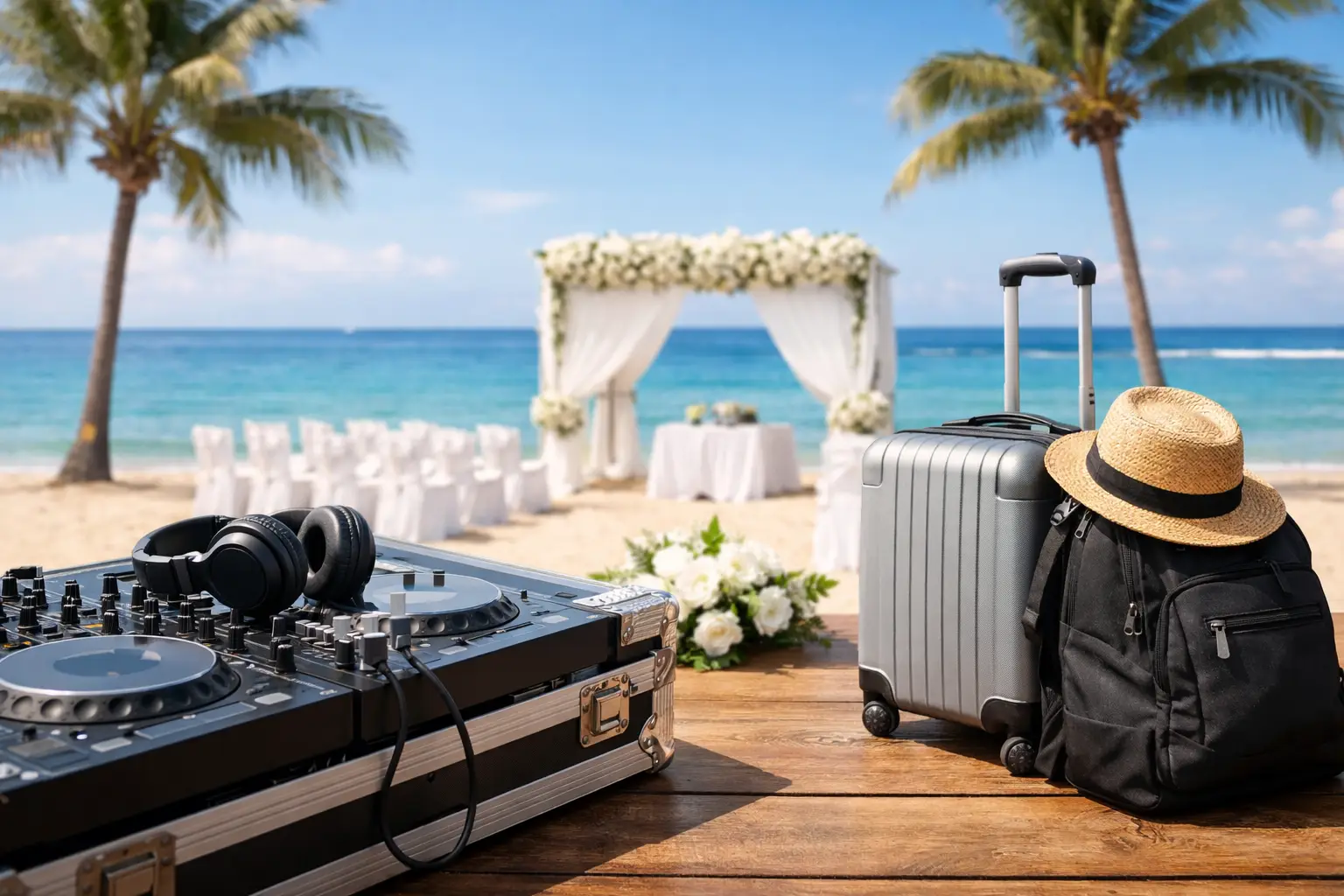
    A packed dance floor in Cancun sounds effortless in the photos. Behind the scenes, though, a destination wedding DJ travel package has to account for flights, resort rules, backup gear, setup timing, customs questions, and one very real issue couples do not always see coming – what happens if the DJ arrives but the equipment does not.

    That is why this decision is not just about music. It is about logistics, guest experience, and whether your reception actually feels smooth once everyone is finally in the same place. If you are planning a wedding away from home, the right package can save time, reduce stress, and keep your celebration from feeling pieced together.

    What a destination wedding DJ travel package really covers

    A lot of couples hear the phrase and assume it simply means DJ services plus airfare. Sometimes it does. More often, the quality of the package comes down to what is bundled, what is excluded, and who is managing the moving parts.

    A strong package usually combines performance services with the travel side of the event. That can include the DJ’s flights, hotel stay, ground transportation, equipment transport, setup and breakdown, ceremony audio, reception sound, microphones for speeches, and planning support before the wedding day. Some also include timeline coordination with the resort, planner, or venue team.

    This matters because destination weddings create more pressure around timing. At a local venue, a vendor can often swing back for forgotten gear or adjust to a delayed setup. In another country or across several states, those quick fixes disappear. The package needs to be built around reliability, not just price.

    Why bundling DJ and travel planning makes sense

    For destination weddings, vendor coordination and guest travel often overlap more than couples expect. Arrival days affect rehearsal timing. Resort check-in policies affect vendor access. Transportation windows affect setup. Even the welcome party can shape what music services you actually need.

    That is why a bundled destination wedding DJ travel package can be so useful. Instead of having one company handling room blocks and another trying to figure out event access later, you have a more connected planning process. Travel details stop living in a separate lane from the wedding experience itself.

    This is especially helpful for couples planning from a distance. If you are working full time, managing a budget, and fielding questions from family members, fewer handoffs usually means fewer mistakes. A planning-first approach also gives you a better shot at catching the details early, before they become expensive changes.

    The biggest pricing factors couples should expect

    There is no single flat rate for a destination wedding DJ travel package, and that is a good thing. Pricing should reflect the real scope of the event, not a generic bundle that leaves you paying extra later.

    Location is the obvious factor. A wedding in Jamaica, Mexico, or the Dominican Republic may involve international flights, import rules, resort vendor fees, and overnight stays. A domestic destination wedding in Florida or California may be simpler on paper but still carry high hotel and transportation costs.

    The event schedule also changes the price. If you only need reception coverage, that is one level of service. If you want ceremony audio, cocktail hour music, reception MC support, and a welcome event, the package should be priced around the actual time and equipment involved.

    Equipment needs matter too. A beachfront ceremony has different sound demands than a ballroom reception. Weather exposure, power access, and backup equipment all affect what the DJ needs to bring or arrange locally. Couples sometimes focus on the headline number and miss the bigger question – does this quote cover the setup your event truly needs?

    What to ask before you book a destination wedding DJ travel package

    The right questions can save you from vague proposals and last-minute add-ons. Start with the practical side. Ask what travel costs are included, whether airfare is estimated or fixed, how hotel nights are calculated, and whether airport transfers are part of the package.

    Then move into operations. Ask whether backup equipment is included, what happens if a flight is delayed, whether the DJ has worked with resorts before, and how communication with the venue will be handled. If your ceremony and reception are in different spaces, ask whether the quote includes multiple setups or just one.

    Music planning deserves its own conversation. Ask how custom your playlist can be, how requests are handled, and whether the DJ also serves as the MC. Not every couple wants a high-energy, interactive style. Some want elegant, low-pressure guidance. Others want a party that starts fast and stays loud. The package should support your vibe, not force someone else’s template onto your wedding.

    Resort rules can change everything

    One of the most overlooked parts of a destination wedding DJ travel package is venue policy. Resorts and all-inclusive properties often have strict vendor rules. Some charge outside vendor fees. Some require advance paperwork. Some restrict setup windows or equipment types. A few strongly prefer in-house AV teams, which can complicate outside DJ services.

    This does not mean you should give up on bringing your own DJ. It means you need clarity early. If the venue allows outside vendors, confirm the exact requirements in writing. If the venue pushes in-house sound, compare that option carefully. In-house can be easier, but it is not always more personalized or better suited to the atmosphere you want.

    This is where experienced coordination makes a real difference. A well-built package should account for venue rules before you are deep into contracts and deposits. That is one reason couples appreciate a partner that understands both event service and travel logistics.

    Timing matters more than couples think

    For local weddings, many people assume vendors can arrive the day of and everything will be fine. For destination weddings, that is risky. Flights change. Weather shifts. Airport delays happen. Luggage gets held up.

    A smart destination wedding DJ travel package should build in enough arrival cushion to protect the event. That may mean the DJ arrives one or two days before the wedding. Yes, it can increase lodging costs. It can also dramatically reduce the chance of a stressful, preventable problem.

    The same goes for setup timing. Beach ceremonies, rooftop receptions, and private resort spaces often have tighter access windows than couples realize. If the package includes a realistic setup plan, not just performance hours, you are already in better shape.

    The trade-off between local vendors and bringing your own DJ

    This choice depends on your priorities. A local resort DJ may cost less and involve fewer travel variables. They may already know the venue layout, staff, and technical setup. If your goal is simplicity above all else, that can be a solid option.

    Bringing your own DJ usually makes more sense when personalization is the priority. Maybe you already know their style. Maybe you want a stronger MC presence, specific music curation, or better continuity across your wedding events. Maybe you simply do not want to gamble on an unfamiliar vendor for one of the biggest parts of the celebration.

    Neither path is automatically right. The best choice depends on budget, destination, venue policy, and how much control you want over the guest experience.

    Why this package works best when planning starts early

    Destination weddings reward early decisions. The earlier you define your venue, event timeline, guest count, and music priorities, the easier it is to build a package that fits your trip instead of patching together services later.

    Early planning also helps you make smarter budget choices. You can compare a fully bundled package against separate bookings, understand where the real costs sit, and avoid paying premium rates for rushed arrangements. For many couples, this is where the value becomes clear. The package is not just a convenience play. It is a way to make the whole wedding feel more manageable.

    At K&S The Travel Crusaders, that is exactly where the combined DJ and travel model stands out. When one team is looking at both the celebration and the trip details, couples get more than a vendor list. They get a clearer path from idea to booked, coordinated experience.

    A destination wedding DJ travel package should feel like support, not extra complexity

    If a quote leaves you confused, the package probably needs work. You should be able to see what is included, what is flexible, and what could affect the final cost. Most of all, you should feel confident that the music and the travel details are being planned together, not treated like separate problems.

    A destination wedding should feel exciting, not fragile. When your DJ travel package is built with real logistics in mind, you give yourself room to enjoy the countdown, trust the plan, and actually be present when the first song starts.

  • Hidden Costs of All Inclusive Resorts

    Hidden Costs of All Inclusive Resorts

    You thought you were paying one price for a stress-free beach escape, then the extras started showing up – airport transfers, premium dining, spa access, tips, excursions, and fees you did not notice during checkout. The hidden costs of all inclusive resorts can turn a seemingly great deal into a trip that feels more expensive than expected, especially for couples, families, and groups trying to stay on budget.

    That does not mean all-inclusive resorts are a bad value. In many cases, they are absolutely worth it. The key is knowing what is really included, what costs extra, and whether the package matches the way you actually travel. A honeymoon couple looking for romance, a family juggling picky eaters and activities, and a school or corporate group managing a set budget will all define value differently.

    Why the hidden costs of all inclusive resorts catch travelers off guard

    Most travelers are not confused by the big price. They are caught off guard by the small decisions that add up fast once the trip is underway. An all-inclusive resort often covers lodging, standard meals, basic drinks, and some on-site entertainment. That sounds simple enough. But many resorts use tiers, restrictions, and add-ons that only become obvious when you are already committed.

    The word “inclusive” does a lot of heavy lifting in travel marketing. It creates the expectation that nearly everything is handled. Sometimes that is mostly true. Sometimes it means the basics are covered, while the more memorable parts of the trip sit behind another paywall.

    This is where planning matters. If you know your priorities before booking, the price becomes easier to evaluate. If you book based on the headline rate alone, you are more likely to overspend later.

    What usually costs extra at all-inclusive resorts

    Not every resort charges for the same things, but a few categories come up again and again.

    Airport transfers and transportation

    Many travelers assume the resort price includes transportation from the airport. Sometimes it does. Sometimes it does not. Private transfers, shared shuttles, ferry connections, and late-night transportation can all become separate charges.

    For families and groups, this matters even more. A transfer that looks affordable for two people can get expensive when you are moving six relatives, a wedding party, or a student group with luggage. If flights arrive at different times, costs can rise quickly.

    Premium restaurants and specialty dining

    A resort may advertise multiple restaurants, but access is not always equal. Some specialty restaurants require reservations, upcharges, or a longer minimum stay. Others limit how many times you can dine there during your trip.

    This can feel minor until you are celebrating something important. If you booked a honeymoon or anniversary getaway expecting romantic dinners each night, finding out that the best restaurants cost extra changes the math.

    Top-shelf liquor and upgraded beverages

    Basic drinks are often included, but premium wine, higher-end spirits, fresh juice bars, and specialty coffee shops may not be. Resorts vary a lot here. One property may include a wide beverage selection, while another keeps the inclusive menu pretty narrow.

    For some travelers, this is no big deal. For others, especially adults expecting a more elevated experience, drink upgrades can quietly become a meaningful daily expense.

    Room service, minibar upgrades, and better room locations

    Room service is a common surprise. At some resorts, it is fully included. At others, there is a delivery fee, a limited free menu, or extra charges outside certain hours. The same goes for minibars, premium snacks, and alcohol stocked in the room.

    Room category is another area where travelers overspend without realizing it. The entry-level room may be far from the beach, pool, or elevators. Upgrading to an ocean view, swim-up suite, family-friendly section, or adults-only wing can change your total significantly. Sometimes that upgrade is worth every penny. Sometimes it is solving a problem you did not know existed at booking.

    Spa services, water sports, and off-site excursions

    This is where the biggest hidden costs of all inclusive resorts often show up. Massages, hydrotherapy areas, motorized water sports, private cabanas, snorkeling trips, catamaran cruises, and cultural tours are rarely part of the base rate.

    These extras are often some of the most memorable parts of a vacation, so they are tempting for good reason. But if you know you want them, they should be part of your upfront budget, not treated like a surprise later.

    Fees that do not feel optional

    Some resort extras are easy to skip. Others feel harder to avoid.

    Resort fees, environmental taxes, and local tourism charges

    Depending on the destination, you may run into mandatory government taxes or local tourism fees that are collected at check-in or check-out. Some resorts also apply service charges or resort fees that were easy to miss in the booking details.

    These charges are not always huge, but they matter when you are pricing options side by side. A property with a lower nightly rate can end up costing more once those required fees are added.

    Gratuities and tipping expectations

    Some all-inclusive resorts say tips are included. Others allow or encourage additional tipping. Even when gratuities are technically built in, many travelers still tip bartenders, housekeeping, drivers, and servers for better service.

    There is no one right answer here because customs vary by resort and destination. But from a budgeting standpoint, it is smart to assume you may spend something on tips, especially if attentive service matters to you.

    Wi-Fi, childcare, and kids club limitations

    Families often run into this one. Basic resort access may be included, but supervised childcare, evening babysitting, or special kids programming may cost extra. Some kids clubs have age restrictions or limited hours, which can affect how much value parents actually get.

    Wi-Fi is less commonly a paid extra than it used to be, but premium speed packages and reliable in-room connectivity can still be an issue, especially for corporate travelers or anyone planning to work during part of the trip.

    When all-inclusive can still be the better deal

    It is easy to focus on the hidden charges and miss the bigger picture. Plenty of travelers still come out ahead with an all-inclusive resort, especially when they want convenience and predictable core costs.

    For families, having meals, snacks, and entertainment in one place can reduce stress and simplify the day. For couples, the right resort can create an easy, romantic experience without constant planning. For groups, bundling major trip elements often makes budgeting and coordination much easier.

    The catch is that not every all-inclusive is a fit for every travel style. If you love exploring local restaurants, spending full days off property, or keeping your hotel simple, an all-inclusive may not give you the best value. You could end up paying for convenience you barely use.

    How to spot hidden costs before you book

    The best way to avoid surprise expenses is to ask sharper questions before you commit. Instead of asking, “What is included?” ask, “What is most commonly purchased in addition to the package?” That wording tends to get more honest answers.

    It also helps to think through your actual trip, not the fantasy version. Will you want airport transfers? Do you care about premium dining? Are you likely to book excursions? Will the kids need supervised activities? Are you celebrating something that makes room upgrades more important? Once you know your likely behavior, you can compare resorts based on real trip cost, not just advertised rate.

    This is one reason working with a planning-first travel advisor helps. At K&S The Travel Crusaders, the goal is not just to get a trip booked. It is to help travelers book the right trip with eyes open, so the budget works from start to finish and the experience matches the occasion.

    A smarter way to budget for all-inclusive travel

    A good rule is to separate your vacation budget into two buckets. The first is your locked-in travel cost – resort, flights, transfers, and any known fees. The second is your experience budget – tips, excursions, specialty meals, spa time, and upgrades.

    That simple shift makes a big difference. It gives you a more honest picture of affordability and helps you decide where to spend with purpose. Maybe you skip the premium room so you can afford a private sunset dinner. Maybe you choose a resort with fewer restaurants but stronger family programming. Maybe your group picks a property with airport transfers included because logistics matter more than luxury.

    The right booking is not always the cheapest one. It is the one that fits your priorities without creating stress once you arrive.

    A beautiful resort should feel like a break, not a budgeting ambush. When you understand the hidden costs before you book, you can travel with confidence, protect your budget, and actually enjoy the all-inclusive experience you thought you were buying in the first place.

  • Travel Trends for 2026 Honeymoons

    Travel Trends for 2026 Honeymoons

    A week on the beach is still a classic honeymoon. But couples planning now are asking better questions. They want to know which experiences will feel worth the money, how to avoid burnout after the wedding, and what kind of trip will still feel special when everyone else is chasing the same highlights. That is exactly why travel trends for 2026 honeymoons matter – they show where romance, value, and smart planning are starting to meet.

    For 2026, the honeymoon shift is not about doing more. It is about choosing better. Couples are leaning toward trips that feel personal, balanced, and easier to enjoy without spending the entire engagement buried in research.

    Travel trends for 2026 honeymoons are getting more personal

    The biggest change is this: couples are moving away from one-size-fits-all honeymoon packages. They still want beautiful resorts, great food, and memorable views, but they also want the trip to reflect who they are together.

    That means one couple may choose a luxury all-inclusive in the Caribbean with spa days and a private catamaran sail, while another may split the honeymoon between a European city and a quiet coastal town. Neither choice is more romantic than the other. The better option is the one that matches your energy, budget, and idea of quality time.

    This is where planning matters. A honeymoon should not feel like a copy of someone else’s social media reel. The strongest itineraries for 2026 are built around pace, priorities, and real preferences. If you love food, culinary experiences may matter more than an overwater villa. If you are exhausted after wedding planning, nonstop sightseeing may be the wrong fit, even if the destination looks amazing on paper.

    Longer stays, fewer stops

    For years, many couples tried to squeeze everything into one trip. They wanted adventure, luxury, nightlife, relaxation, and bucket-list excursions all packed into a short window. In 2026, more honeymooners are choosing fewer hotel changes and longer stays in one or two places.

    There is a practical reason for that. Constant transfers can eat into your trip and add stress right when you are supposed to be unwinding. A slower itinerary gives you space to actually enjoy the destination instead of racing through it.

    This does not mean multi-stop honeymoons are out. They still work well when the routing is smart. A city-and-beach combination can be fantastic if flights, transfers, and hotel timing are handled carefully. But couples are getting more selective. If moving around adds hassle without improving the experience, they are skipping it.

    Experience-first romance is beating generic luxury

    Luxury still matters, but couples are defining it differently. For many, luxury in 2026 means privacy, ease, and meaningful moments rather than just the most expensive room category.

    A private dinner on the beach, a couples massage after a long travel day, a guided winery visit, or a sunset sail can feel more memorable than paying extra for features you barely use. Honeymooners are also paying closer attention to the overall flow of the trip. Easy airport transfers, adults-only sections, late checkouts, and well-timed excursions can make a honeymoon feel far more elevated.

    That is an important trade-off to understand. Sometimes upgrading the experience gives you a better honeymoon than upgrading the room. Sometimes the room is the experience, especially for couples booking iconic stays. It depends on the destination and how much time you plan to spend at the resort.

    Shoulder season bookings are becoming the smart move

    Another clear trend is timing. More couples are open to shoulder season travel if it means better value, lighter crowds, and a more relaxed atmosphere.

    This matters because wedding dates do not always line up with the ideal travel window for a destination. Couples are increasingly separating the wedding from the honeymoon instead of forcing a trip during peak pricing or less favorable weather. A delayed honeymoon is no longer seen as a backup plan. In many cases, it is the smarter choice.

    For example, a couple getting married during a busy holiday period might wait a few weeks or a few months to travel. That can open up better room availability, better service levels, and more room in the budget for upgraded experiences. The key is planning around your actual goals, not just tradition.

    Budget clarity is shaping better decisions

    One of the most useful travel trends for 2026 honeymoons is that couples are getting more realistic about what things cost. That is a good thing.

    Instead of asking for a dream trip with no clear financial range, more couples are starting with a target budget and then building the strongest honeymoon within it. That leads to better recommendations and fewer surprises.

    Budget-conscious does not mean low quality. It means knowing where your money matters most. Maybe you want nonstop flights because you do not want a long connection after the wedding. Maybe you are happy with a garden-view room if it lets you add a special excursion. Maybe an all-inclusive saves money overall, while a European honeymoon gives you more flexibility but requires closer tracking of meals, transportation, and extras.

    The point is not to cut corners. The point is to spend with intention. When couples understand the real cost of airfare, resort fees, transfers, excursions, and travel protection, they make stronger choices and enjoy the trip more.

    Wellness is staying on the honeymoon list

    Wellness travel is no longer reserved for spa-focused travelers. In 2026, it is becoming part of the honeymoon standard.

    For some couples, that means booking a resort with a strong spa program, yoga classes, hydrotherapy, or healthy dining options. For others, it simply means choosing a destination and itinerary that help them slow down. Less rushing, more rest. Less pressure to perform vacation perfection, more room to actually connect.

    This trend makes sense after the pace of wedding planning. Many couples are arriving at the honeymoon needing recovery as much as celebration. A packed itinerary can still work for adventurous travelers, but more people are building in true downtime on purpose.

    Smaller, private moments are winning

    Big public experiences still have their place, but many honeymooners are looking for more intimate ways to celebrate. Private tours, adults-only spaces, villa-style stays, and customized add-ons are gaining ground because they create a feeling of exclusivity without necessarily requiring ultra-luxury budgets.

    This is especially appealing in destinations that remain popular year after year. You may not be able to avoid every crowd, but you can design parts of the trip to feel personal. A resort dinner reservation at the right time, a room with better privacy, or a curated local experience can change the whole tone of the honeymoon.

    Couples are also asking more questions before they book. Is the resort lively or quiet? Is it designed for nightlife, relaxation, or both? Are there enough dining options for a week-long stay? These details shape the experience more than marketing photos do.

    Flexibility is still a major planning priority

    If the past few years taught travelers anything, it is that flexibility matters. Honeymooners in 2026 are paying closer attention to booking terms, supplier reliability, and what support they will have if plans change.

    That does not mean travel is unstable. It means smart travelers are preparing well. Flights can shift. Weather can affect certain destinations. Entry requirements and resort policies can change. Couples want to know they have a plan, not just a booking confirmation.

    This is where working with a planning-first travel advisor can make a real difference. Instead of piecing together flights, hotels, transfers, and extras from multiple sources, couples are choosing guided planning that keeps the trip organized from start to finish. For busy professionals, first-time international travelers, and couples juggling wedding logistics, that support can save a lot of stress.

    At K&S The Travel Crusaders, that planning approach is a big part of helping couples travel with confidence. The goal is not just to book a honeymoon. It is to make sure the honeymoon actually works.

    What couples should do now if they want a 2026 honeymoon

    If you are planning ahead, start with three decisions: your realistic budget, your preferred travel window, and the kind of honeymoon pace you want. Those answers shape everything else.

    Then think beyond the destination name. Ask what kind of experience you want to have there. Do you want full relaxation, a mix of culture and beach time, or something more active? Would you rather invest in a standout resort or in special experiences outside the room? These are the choices that turn a good honeymoon into the right one.

    The best travel trends are not about following a crowd. They help you notice what matters, avoid expensive mismatches, and plan a trip that fits your real life. If 2026 honeymoons are heading anywhere, they are heading toward smarter choices, better pacing, and more personal experiences – which is exactly how a once-in-a-lifetime trip should feel.

  • Family Flight Packing Checklist That Works

    Family Flight Packing Checklist That Works

    The fastest way to make a family vacation feel stressful is to start it at the airport with a missing charger, no change of clothes, and a child asking for a snack during boarding. Family flights are rarely ruined by one big mistake. More often, they get complicated by five small things nobody packed.

    That is why a smart packing plan matters more than packing more. When you are flying with kids, every item needs a job. The goal is not to bring everything. The goal is to bring the right things in the right bag, so the trip starts smoothly and stays manageable when plans shift.

    A packing checklist for family flights starts with the carry-on

    Parents often focus on the destination wardrobe first, but the most important bag is the one that stays with you on the plane. Delays happen. Spills happen. Tired kids happen. If your checked suitcase disappears for a day, your carry-on should still get your family through the first 24 hours without panic.

    Start with documents and essentials that are hard to replace. That usually means IDs, passports if needed, boarding details, health insurance cards, medications, and any paperwork tied to your trip. Keep them together in one easy-to-reach pouch instead of scattering them across backpacks and tote bags.

    Then think in terms of comfort and problem-solving. Pack one change of clothes for each young child, and at least an extra shirt for adults if you are traveling with babies or toddlers. Add wipes, tissues, diapers or pull-ups if needed, and a small bag for trash or soiled clothing. These are not glamorous items, but they are the reason a rough travel moment stays a small inconvenience instead of becoming a full meltdown.

    Snacks matter more than many parents expect. Flights get delayed, airport food lines get long, and kids are rarely patient when they are hungry. Choose snacks that travel well, are not too messy, and feel familiar. This is not the moment to test a new protein bar your child may reject at gate B12.

    What to pack in checked luggage for a family trip

    Once the carry-on is covered, your checked bags can handle the bulkier items. Clothing should match your actual itinerary, not your vacation fantasy. If your family has one beach day and six casual sightseeing days, pack for that reality. Overpacking usually starts when every person gets a full set of what-if outfits.

    A practical approach is to pack versatile clothes that can mix and match. Neutral basics make this easier, especially for younger kids who may need outfit changes. Shoes take up more room than almost anything else, so keep it tight. Most trips only need a travel pair, a comfortable walking pair, and one trip-specific option like sandals or dress shoes.

    Toiletries should be streamlined too. Families often save space by sharing basics like toothpaste, sunscreen, shampoo, and lotion instead of packing duplicates for every person. The exception is anything that must be child-specific because of skin sensitivity, allergies, or routine. That is one of those it-depends situations where convenience should never override what works for your child.

    If you are checking a bag for the whole family, use packing cubes or zip pouches to separate each person’s items. This keeps the suitcase from turning into a daily scavenger hunt in your hotel room. It also makes repacking for the return flight much easier.

    The family flight packing checklist for kids by age

    Children do not all need the same flight setup, and packing goes much better when you stop treating all kids as one category.

    For babies, think about feeding, diapering, sleep, and temperature changes. Formula, bottles, bibs, burp cloths, pacifiers, and a familiar blanket or comfort item often matter more than extra outfits. If your baby is sensitive to noise or overstimulation, baby-safe headphones or a favorite calming toy can be worth the space.

    For toddlers, movement and distraction are the real priorities. Pack a few small activities rather than one big exciting item they may lose interest in after ten minutes. Stickers, reusable activity books, crayons, or a downloaded show can carry you through more of the flight than a bulky toy. Also bring one comfort item they already love. Airports are busy and unfamiliar, and routines get thrown off fast.

    For school-age kids, a little ownership helps. Let them carry a small backpack with approved snacks, headphones, a tablet or books, and one sweatshirt. They feel more in control, and you are not digging through every bag for every request. Just make sure the backpack is actually manageable for them and not loaded with things you will end up carrying.

    For teens, chargers are usually as important as clothes. Double-check devices, cords, portable battery packs if allowed, and downloaded entertainment. Teens may not need as much hands-on help during the flight, but they still need clear expectations about what goes in the carry-on and what cannot be easily replaced.

    What families forget most often

    The most commonly forgotten items are not usually dramatic. They are the simple things that save time and stress during transitions.

    Phone chargers and device cords top the list. Families often remember the tablet and forget the cable. The same goes for headphones. Pack them together in one tech pouch so you are not searching every pocket before takeoff.

    Medication is another big one. Keep daily prescriptions, pain relievers, motion sickness remedies, and child-safe fever medicine in your carry-on, not checked luggage. If someone in your family relies on a medication, that item is not optional and should be packed first.

    Parents also forget how cold planes can feel, especially to tired kids. A light hoodie, socks, or soft blanket can make a huge difference. It does not need to be bulky. It just needs to be available when the cabin temperature drops and your child decides they are done being flexible.

    How to avoid overpacking without underpreparing

    This is where many families struggle. Nobody wants to be the parent who forgot pajamas or diapers, but bringing too much creates its own stress. Heavy bags, disorganized suitcases, and too many carry-ons can make every airport handoff harder.

    The best way to avoid overpacking is to count needs by day and activity. If you are gone for five days, pack five base outfits per child, then add one backup set for younger kids or one laundry plan for longer trips. Adults can usually pack even lighter, especially if outfits can repeat with different shoes or layers.

    Another helpful rule is to pack for the most likely scenario, not every possible one. Yes, your child might suddenly need three extra outfits in one day. But if that is not typical, packing six emergency sets is probably not the answer. Balance comes from knowing your family honestly, not from following somebody else’s social media packing list.

    If you want less stress, pack earlier than you think you need to. A rushed packing job leads to duplicates, forgotten essentials, and last-minute purchases at airport prices. Even laying everything out the night before helps you see what is missing and what is unnecessary.

    A smarter system for packing personal items

    The easiest family travel days usually come from a simple system. Give every bag a purpose.

    One bag should handle documents, wallets, medications, and valuables. One should be the in-flight family support bag with snacks, wipes, entertainment, and comfort items. If older kids carry their own backpacks, keep their bags focused on personal comfort and entertainment, not critical shared items.

    That way, if one child wanders off with their backpack to the bathroom with another adult, you still have the passports and medicine where you need them. It sounds basic, but this kind of bag planning is what keeps airport logistics from getting messy.

    If your trip includes connections, early departures, or a long travel day, this system matters even more. The more moving parts in the itinerary, the less you want to rely on memory.

    When it helps to get expert support

    Family travel gets more complicated when you are juggling multiple kids, a group itinerary, special requests, or a big occasion attached to the trip. Packing is only one part of that puzzle. Flights, transfer timing, seating, accommodations, and destination logistics all affect how smoothly your day goes.

    That is why planning-first support can make such a difference. At K&S The Travel Crusaders, we believe families travel with confidence when the details are handled early, not when they are solved in a rush at the airport. A good packing checklist for family flights works best when it is part of a well-organized trip from the start.

    A well-packed family is not the one carrying the most. It is the one that can handle a delay, a spill, a hungry child, or a gate change without the whole trip going sideways. Pack for comfort, pack for reality, and give yourself the kind of travel day that feels manageable from takeoff forward.

  • Group Airfare or Individual Booking?

    Group Airfare or Individual Booking?

    Trying to move 10, 20, or 50 travelers on the same trip can turn one simple flight search into a full-time job. One person wants the earliest departure, another needs to stay under a strict budget, and someone always asks if waiting another week will drop the fare. This is where the question gets real fast: should you lock in group airfare or let everyone book on their own?

    The honest answer is that group airfare vs individual booking is not just about price. It is about control, timing, flexibility, payment structure, and how much risk your group can handle if plans shift. For school travel, destination weddings, corporate retreats, family reunions, and even large celebratory getaways, the best choice depends on what matters most to your travelers.

    Group airfare vs individual booking: what changes in real life?

    Group airfare usually means working with an airline or travel professional to reserve space for a set number of travelers. In many cases, the group rate is built for 10 or more passengers flying together on the same itinerary. Instead of every traveler searching and purchasing separately, the flight arrangement is coordinated as one group contract or booking structure.

    Individual booking is exactly what it sounds like. Each traveler buys their own ticket, whether they follow a shared recommendation or not. That can happen on the same airline, on different airlines, or on completely different schedules if people prioritize price, convenience, or reward points differently.

    On paper, individual booking can look easier because everyone handles their own purchase. In practice, that only works smoothly when the group is small, flexible, and comfortable with a little inconsistency. Once you add minors, tight event schedules, multiple families, or a company agenda, the cracks start to show.

    When group airfare makes the most sense

    Group airfare tends to work best when coordination matters more than chasing the absolute lowest fare for each person. School groups are a strong example. If students and chaperones need to arrive together, sit within the same general section, and follow a clear travel plan, a group setup creates structure that individual booking usually cannot.

    The same is true for corporate travel tied to meetings, retreats, or incentive trips. If the event starts at a specific time and missed arrivals create expensive ripple effects, keeping travelers aligned is often worth more than a small difference in ticket price.

    Wedding groups and destination celebrations can also benefit. Guests may still choose to opt in or out, but having a coordinated airfare option gives everyone a simpler path. It reduces the back-and-forth, helps avoid wildly different arrival times, and makes airport transfers easier to organize.

    Another advantage is payment timing. Some group airfare contracts allow names to be added later or deposits to be made before final payment is due. That extra breathing room can be a major help when you are collecting commitments from a large group.

    That said, group airfare is not automatically cheaper. This surprises a lot of travelers. The value often comes from terms and coordination rather than a dramatic discount.

    When individual booking can be the smarter move

    If your group does not need to travel on the exact same flight, individual booking may offer more flexibility and sometimes lower prices. Airlines constantly adjust fares based on demand, inventory, and travel dates. A traveler who books early and watches the market may grab a better deal than a formal group block.

    This can work well for family vacations where relatives are flying from different cities, honeymoon add-ons where guests are extending their stay, or friend groups that care more about saving money than landing at the same moment.

    Individual booking is also useful when travelers want to use points, airline credits, elite status perks, or preferred departure times. One couple may want extra legroom, another family may need a different return date, and someone else may only fly a specific carrier. Separate bookings give each person room to make the trip fit their needs.

    The trade-off is that flexibility for the individual usually means more complexity for the organizer. If your group needs shared transfers, coordinated check-in, or a tight event schedule, those separate decisions can create a headache later.

    Price is only one piece of the decision

    A lot of travelers start with one question: which option is cheaper? Fair question, but it is not the only one that matters.

    With group airfare, the per-person fare may be competitive, but the bigger win is often predictability. You may get protected space, clearer deadlines, and a more organized booking process. That can be worth a great deal if airfare is only one part of a larger travel plan with hotel blocks, tours, ground transportation, and event timelines.

    With individual booking, some travelers may absolutely pay less, especially if they book at different times, use miles, or live near multiple airports. But price gaps within the group can create frustration. It is common for one traveler to book early and score a lower fare while another waits two days and pays much more for the same route.

    So the better question is not just, “Which costs less?” It is, “What will this choice cost us in time, stress, and risk if something goes sideways?”

    The biggest trade-offs to think about

    Flexibility

    Individual booking wins on personal choice. Travelers can pick flight times, seat upgrades, and even extend their stay. Group airfare is more structured, which is helpful for logistics but less ideal for travelers who want custom plans.

    Coordination

    Group airfare wins when arrival windows matter. For schools, weddings, and work trips, having people on one plan makes the rest of the itinerary easier to manage.

    Payment and commitment

    Group arrangements can offer more breathing room upfront, depending on the airline and contract terms. Individual booking usually requires each traveler to pay in full at the time of purchase, which can slow down commitment or lead to delays.

    Changes and cancellations

    This is where details matter. Group contracts can have different rules than public fares, and those rules are not always better or worse across the board. Individual tickets can also vary widely depending on the fare type. You need to compare the actual terms, not make assumptions.

    How to choose the right option for your group

    Start with the purpose of the trip. If this is a school program, a corporate event, or a destination celebration with fixed dates and shared transportation, group airfare is usually the safer foundation. If this is a relaxed family vacation where travelers are coming from different cities and staying different lengths of time, individual booking may fit better.

    Next, look at your traveler count and complexity level. A group of 10 adults with flexible schedules is very different from 25 students, 6 chaperones, and a strict arrival deadline. The more moving parts you have, the more valuable a coordinated airfare strategy becomes.

    Then think about your planning bandwidth. If one organizer is already handling hotels, activities, rooming lists, and transportation, adding dozens of separate flight confirmations can become overwhelming. This is often the moment when professional support makes the whole trip feel manageable.

    For many groups, the best answer is actually a hybrid approach. Core travelers might use a group airfare option while others book individually based on their home airport, rewards balance, or extended travel plans. That gives the trip structure without forcing every traveler into the same mold.

    Why expert guidance helps with group airfare vs individual booking

    The hardest part is not understanding the difference. It is judging which option will create the fewest problems later.

    That is why planning-first support matters. A travel advisor can look beyond the fare and evaluate timelines, cancellation terms, airport choices, baggage needs, traveler ages, and how flights connect to the rest of the trip. For a brand like K&S The Travel Crusaders, that kind of guidance is the real value. It takes a stressful, detail-heavy decision and turns it into a clear plan that fits your group instead of forcing your group to fit a generic booking method.

    If you are booking for a honeymoon group, family reunion, student trip, or company retreat, the smartest choice is the one that supports the full travel experience, not just the airfare line item. The right flight strategy should make the rest of the trip easier from day one.

    Before anyone starts clicking purchase, pause and ask one simple question: do you need the cheapest ticket, or do you need the trip to run smoothly? That answer usually points you in the right direction.

  • How to Pick a Travel Destination

    How to Pick a Travel Destination

    Some trips fall apart before they ever get booked because the destination decision gets stuck in limbo. One person wants beaches, another wants museums, the budget is fuzzy, the dates are tight, and suddenly planning feels harder than the trip itself. If that sounds familiar, the good news is this: choosing the right destination does not have to be overwhelming when you make the decision in the right order.

    The best destination is not always the most popular one or the place flooding your social feed. It is the place that fits your budget, your travelers, your energy level, and the kind of memories you actually want to make. That is where smart planning starts.

    How to choose travel destinations without second-guessing yourself

    If you are wondering how to choose travel destinations, start by getting honest about the purpose of the trip. A honeymoon, a family vacation, a school group program, and a corporate retreat may all involve flights and hotels, but they do not need the same kind of destination.

    A honeymoon usually calls for privacy, ease, and a little romance built into the experience. A family trip may need kid-friendly activities, shorter transfer times, and room options that make sense for everyone. Group travel often depends on logistics first – flight access, safety, transportation, and whether the schedule can work for a larger number of people. Business travel may need convenience, reliable service, and spaces where work can happen without friction.

    When travelers skip this step, they often end up choosing a place that looks exciting but creates stress on the ground. A destination can be beautiful and still be wrong for your trip.

    Start with the trip goals, not the map

    Before comparing destinations, decide what success looks like. Ask yourself what you want this trip to feel like when it is happening, not just how it will look in photos.

    Do you want rest, adventure, romance, learning, celebration, or a little bit of everything? Are you hoping for a packed itinerary or more freedom? Do you want to explore a city every day or stay in one resort and fully unplug?

    This matters because destinations carry different rhythms. Some places are built for easy, all-in-one convenience. Others reward travelers who enjoy moving around, planning activities, and handling more details. Neither is better. It depends on how much effort you want to put into the trip while you are taking it.

    For couples, this often comes down to the balance between romance and activity. For families, it is usually a question of convenience versus variety. For school and corporate groups, it is often structure versus flexibility.

    Let your budget narrow the field

    Budget does more than determine where you can go. It shapes what kind of trip you will have once you get there.

    A destination that seems affordable at first may become expensive once you add airfare, transfers, meals, excursions, baggage fees, or the number of rooms your group needs. On the other hand, a place with a higher upfront price may offer better overall value if it includes more and reduces the need for constant add-on spending.

    This is where many travelers get tripped up. They choose a destination based on the cost of the flight or the hotel rate alone, then realize too late that the full trip does not match their budget.

    A better approach is to set a realistic total budget first, then look at destinations that fit inside it comfortably. If your budget is tight, you may need to choose between a shorter trip to a premium destination and a longer trip somewhere more affordable. If you are planning for a family or group, that trade-off becomes even more important because every extra cost multiplies quickly.

    Think about timing before you fall in love with a place

    Timing can make or break a destination. Weather, crowds, local events, school calendars, and hurricane or rainy seasons all affect the experience.

    That does not mean off-season travel is a bad idea. In many cases, it can be a smart move if you want lower prices and fewer crowds. But off-season travel works best when you understand what you are trading for those savings. Maybe the weather is less predictable. Maybe some attractions run on reduced hours. Maybe the beach is still beautiful, but it is not the ideal month for water activities.

    If your travel dates are fixed, let that guide your destination options early. This is especially important for honeymooners working around wedding dates, families planning around school breaks, and groups coordinating multiple schedules. The right destination in the wrong month can feel like the wrong destination.

    Match the destination to the people traveling

    This is where practical planning saves a lot of frustration. A destination needs to fit the travelers, not just the person making the booking.

    For couples, ask whether you both want the same pace. One traveler may picture candlelit dinners and spa days, while the other wants excursions from sunrise to sunset. The best destination often offers room for both.

    For families, consider ages, attention spans, and how much downtime your group needs. A destination with long transfers, late dinner culture, or nonstop walking may sound great for adults but feel exhausting with younger children. Multi-generational trips need even more flexibility, especially if grandparents, teens, and little kids are all part of the plan.

    For school groups and corporate travel, ease matters. You need destinations that support organized movement, clear scheduling, and manageable transportation. A place that is amazing for independent travelers may be difficult for a large group to navigate efficiently.

    How to choose travel destinations by travel style

    One of the smartest ways to narrow your options is to define your travel style clearly. This helps you move beyond broad ideas like “I want somewhere fun” and get specific enough to make a confident choice.

    Some travelers want a resort experience where most details are taken care of in one place. Others want a destination that allows them to explore neighborhoods, local food, and culture in a more independent way. Some people are happiest by the water. Others would rather be in the mountains, in a historic city, or at a theme park with a full schedule.

    There is also a comfort factor to think about. International travel can be exciting, but not every traveler wants the same level of complexity. Passport readiness, flight length, language differences, transportation systems, and unfamiliar customs may all affect what feels manageable. For first-time travelers, choosing a destination with a smoother learning curve can build confidence and make the trip more enjoyable.

    Research the experience, not just the destination name

    Once you have a short list, look past the headline appeal. Instead of asking whether a destination is popular, ask what the actual day-to-day experience will be like.

    How long does it take to get there from your home airport? Will you need multiple transfers? Is the destination easy to navigate once you arrive? Are dining and activity options close together, or will every outing require extra planning and transportation?

    This is also the moment to think about safety, accessibility, and convenience. If you are traveling with children, seniors, students, or coworkers, these details matter as much as scenery. A trip that looks amazing online but feels difficult to manage in real life can quickly lose its appeal.

    That is why planning-first guidance matters so much. At K&S The Travel Crusaders, the goal is not just to help clients pick somewhere nice. It is to help them choose a destination that works from start to finish so they can travel with confidence.

    Give yourself a final decision filter

    If you are stuck between two or three good options, use a simple filter. Ask which destination best fits your budget, your dates, your group, and your main goal without requiring too many compromises.

    That last part is important. Every trip involves some compromise, but the right destination should still feel easy to say yes to. If one option keeps creating concerns around price, timing, flight schedules, or traveler needs, it may not be the best fit right now.

    Sometimes the smartest choice is not the dream destination on your list. It is the one that delivers the best overall experience for this season of life, this budget, and this specific group. There is wisdom in choosing the trip that can actually be enjoyed instead of the one that becomes stressful to pull off.

    A great destination does not just sound exciting. It supports the kind of trip you want to have, the people you are traveling with, and the level of effort you want to spend getting there. When you choose from that perspective, booking gets easier and the whole trip starts to feel more real. If you are ready to stop guessing and start planning, the right destination is usually closer than it seems.

  • How to Choose the Right Retreat Venue

    How to Choose the Right Retreat Venue

    A corporate retreat can go sideways long before anyone boards a flight. Usually, the problem is not the agenda, the meals, or even the weather. It starts with the venue.

    The wrong property creates friction at every stage. Rooms are too spread out, meeting space feels cramped, Wi-Fi fails when your team needs it most, or the location adds hours of avoidable travel stress. The right venue does the opposite. It supports your goals, keeps the group comfortable, and makes the entire retreat feel organized from the start.

    That is why the corporate retreat venue selection process should never begin with pretty photos. It should begin with clarity.

    Start the corporate retreat venue selection process with the retreat goal

    Before you compare resorts, hotels, or off-site properties, define what the retreat needs to accomplish. A leadership planning session has very different venue requirements than a company-wide celebration or a hybrid work meetup built around team bonding.

    If the goal is focused strategy work, privacy and strong meeting infrastructure matter more than a long list of amenities. If the retreat is meant to reward employees and strengthen morale, the experience outside the meeting room carries more weight. If you are bringing together multiple departments that rarely meet in person, layout matters more than people expect. A property that keeps everyone in separate wings or buildings can quietly weaken connection.

    This first step sounds simple, but it saves money and time. When your objective is clear, you can say no faster. A beautiful beach resort may be a poor fit for a retreat that needs all-day workshops and breakout rooms. A business hotel near the airport may be efficient, but it can feel flat if your real goal is to energize the team.

    Set the non-negotiables before you shop

    Once the purpose is clear, separate must-haves from nice-to-haves. This is where smart planners avoid the most common mistakes.

    Your non-negotiables usually fall into a few categories: budget, travel time, attendee count, room types, meeting space, food needs, accessibility, and tech support. Some groups also need strong duty-of-care standards, especially if employees are flying in from different states or traveling internationally.

    It helps to be specific. “Good meeting space” is vague. “A main room for 60 people, two breakout rooms, built-in AV, and reliable Wi-Fi” is useful. “Reasonable budget” is also too loose. Build a target price per attendee that includes lodging, meeting space, meals, transportation, and any resort or service fees.

    This is also the moment to decide what trade-offs you are willing to make. If your budget is tight, do you want to prioritize easier flights or upgraded accommodations? If your team is traveling for only two nights, a direct-flight destination may be worth more than a lower room rate. It depends on what will protect attendance, energy, and overall experience.

    Think about the full travel day, not just the destination

    A venue can look perfect on paper and still be wrong because the travel flow is miserable.

    For US-based teams, one of the biggest factors is how easy it is for people to get there. That means looking beyond the city name. Consider airport access, direct flight options, transfer times, arrival windows, and whether the property is realistic for travelers coming from multiple regions.

    A mountain lodge three hours from the airport may sound inspiring, but that extra ground transfer can drain the team before the retreat even begins. On the other hand, a nearby airport hotel may save time but fail to create the sense of reset that leadership wants.

    The best answer often sits in the middle. Look for locations that feel distinct from the daily routine without becoming a logistical burden. This is where working with a planning-first travel partner can make a major difference. Coordinating air, ground transfers, room blocks, and schedules as one plan is often what turns a complicated retreat into a manageable one.

    Evaluate the venue through the attendee experience

    The corporate retreat venue selection process should always include a simple question: what will this feel like for the people attending?

    That goes beyond comfort. It includes pace, flow, and the small details that shape whether the retreat feels thoughtful or frustrating.

    Start with guest rooms. Are they consistent in quality, or will some team members end up in noticeably better accommodations? Then look at the distance between sleeping rooms, meeting areas, dining spaces, and activity zones. A compact layout can be a major advantage, especially for short retreats where every hour counts.

    Food matters more than many planners expect. If meals are slow, limited, or hard to customize, the mood shifts quickly. Make sure the venue can handle dietary restrictions, group timing, and service expectations. For some teams, private dining or semi-private group space is worth the extra cost because it keeps the retreat on schedule and makes conversation easier.

    Then consider the downtime. Retreats should have breathing room. Even highly productive events benefit from a venue that offers easy ways to recharge, whether that means outdoor space, a spa, wellness options, team activities, or simply a setting that feels calm and different from the office.

    Don’t let meeting space become an afterthought

    Many venues sell the destination first and the function second. For corporate groups, that can be a problem.

    Meeting space should be reviewed with the same care as the guest rooms. Ask about room setup flexibility, soundproofing, lighting, power access, temperature control, and on-site support. A ballroom may technically fit your group but still feel sterile or oversized. A smaller room may create energy but leave no space for breakout exercises.

    You also want to know what is included and what costs extra. Wi-Fi, screens, microphones, flip charts, staging, and technician support are not always bundled the way people assume. Hidden AV and service fees can push a venue out of range quickly.

    If your agenda includes both work sessions and social events, ask how easily the venue can support transitions. Moving from a morning strategy session to a casual lunch, then into an afternoon activity or evening reception, should feel smooth. The less time you spend relocating people, the more value you get from the retreat.

    Compare value, not just price

    A lower room rate does not always mean lower total cost.

    One property may seem affordable until you add transportation, mandatory catering minimums, resort fees, parking, AV rentals, and service charges. Another may have a higher nightly rate but include breakfast, meeting packages, airport proximity, and group-friendly concessions that reduce the final spend.

    This is why venue comparison should be done side by side, with the full picture visible. Look at the total estimated cost per person and the operational effort required to run the retreat there. A venue that saves your internal team hours of coordination may be the better value, even if the headline price is higher.

    This is also where negotiation matters. Group contracts often have room for flexibility in concessions, attrition terms, upgrades, and meeting inclusions. The right venue is not just the one you like most. It is the one that can support your retreat goals at terms your team can actually manage.

    Use a practical shortlisting process

    Once you have a broad list of options, narrow it down to two or three serious contenders. More than that usually creates decision fatigue.

    For each finalist, score the venue against your core criteria: goal fit, travel ease, attendee experience, meeting functionality, and total cost. If one property is strongest in experience but weaker in access, decide whether that trade-off is acceptable. If another wins on logistics but feels generic, ask whether the retreat still achieves the kind of impact leadership wants.

    Photos and brochures should never be the final deciding factor. Site visits are ideal when timing and budget allow. If not, request detailed floor plans, recent meeting photos, sample banquet menus, and a clear breakdown of fees. Ask direct questions. How many corporate groups does the property host? What happens if flights are delayed? How quickly can the team respond to last-minute changes?

    The answers often tell you more than the marketing does.

    A good venue supports the retreat you are trying to build

    The best retreat venues do not just house your event. They actively support it.

    They make it easier for people to arrive, connect, focus, and enjoy the experience. They reduce friction instead of adding it. And they help your team leave feeling that the time away was worth it.

    At K&S The Travel Crusaders, we know group travel works best when the planning starts with people, purpose, and logistics – not guesswork. If you approach venue selection that way, you will make better decisions sooner and create a retreat your team can actually look forward to.

    A great retreat starts before check-in, with a venue choice that makes the rest of the plan easier.

  • Permission Slips for Student Travel

    Permission Slips for Student Travel

    A school trip can be fully booked, well supervised, and packed with learning value – and still hit a wall because one form was incomplete. That is the reality of student group travel. Permission slips are not a side task. They are one of the documents that keep a trip moving, protect students, and help organizers respond quickly if something changes.

    For teachers, school administrators, coaches, and group leaders, permission slips for student travel are part legal safeguard, part communication tool, and part planning checkpoint. When done well, they reduce confusion for families and give your team the details needed to manage transportation, health concerns, and emergency contact needs with confidence.

    Why permission slips for student travel matter so much

    A permission slip does more than collect a parent signature. It creates a written record that a student has approval to participate, and it gives families a clear picture of what the trip involves. That matters whether the group is taking a quick day trip to a museum or flying across the country for a student program.

    The biggest benefit is clarity. Parents want to know where their child is going, how they are getting there, when they will return, who is supervising the trip, and how to reach someone if needed. Schools need confirmation that families received that information and agreed to the plan.

    There is also a risk management side to this. If a student has allergies, medication needs, activity restrictions, or special instructions, the permission slip process is often where those details first become visible to the travel organizer. That is not just paperwork. It can directly affect room assignments, meal planning, transportation decisions, and staffing.

    Still, the exact form and process can depend on the school district, destination, and trip type. A local bus trip may require one level of approval. An overnight or out-of-state trip may require much more documentation. International travel usually adds another layer entirely.

    What to include in permission slips for student travel

    The strongest forms are simple enough for parents to complete quickly but detailed enough to be useful in real situations. If the form is too vague, your staff ends up chasing missing information later. If it is too long or confusing, families may overlook key sections.

    At a minimum, permission slips for student travel should clearly state the student name, trip destination, trip dates, departure and return times, mode of transportation, and the name of the school or organizing group. They should also identify the supervising adults and provide primary contact information for the trip.

    A good permission slip should also include a parent or guardian authorization statement, emergency contact details, medical information relevant to travel, and a place to note allergies, medications, or mobility needs. Depending on the trip, it may also need behavior expectations, cost acknowledgment, and consent for specific activities.

    Some schools include liability language or a medical treatment authorization section. That can be especially helpful if emergency care becomes necessary while a parent cannot be reached immediately. Still, wording matters, and schools should use language approved by their own district or legal counsel rather than copying another organization’s form.

    Trip details should be specific, not broad

    One of the most common mistakes is using general wording like field trip or educational travel experience without enough specifics. Families need concrete details. If students will leave campus at 6:00 a.m., return after 9:00 p.m., stay overnight, attend multiple venues, or participate in physical activities, say so plainly.

    That level of detail protects everyone. It sets expectations early and reduces the chance of a parent saying they did not realize what the trip involved.

    Medical sections deserve extra attention

    Medical information should be easy to read and easy to use. If a student needs inhalers, EpiPens, prescription medication, or dietary accommodations, organizers need that information before travel day. Last-minute discoveries create stress and can force avoidable changes.

    This is also where planning and paperwork have to work together. A form can collect information, but the trip leader still needs a process for reviewing it, storing it securely, and making sure the right adults have access when needed.

    Common mistakes that create last-minute problems

    Most permission slip issues are not dramatic. They are small errors that pile up fast. A missing signature, an outdated phone number, incomplete medication details, or a form turned in the night before departure can all slow the group down.

    Another frequent issue is treating the permission slip like the only document needed. In reality, some student trips also require school waivers, medical forms, code-of-conduct agreements, travel insurance details, or ID documentation. For domestic air travel, students may need acceptable identification depending on age and airline requirements. For international travel, the document checklist grows significantly.

    There is also the challenge of families assuming verbal approval is enough. It is not. Written consent matters because it gives the school and travel organizer a confirmed record. If your process allows digital submission, that can help improve response times, but only if your school accepts electronic signatures and has a reliable system for storing records.

    Day trips, overnight trips, and international travel are not the same

    This is where many organizers get caught off guard. A permission slip for a local academic competition should not look exactly like one for a multiday performance tour or an overseas educational program.

    For day trips, the form can usually stay more streamlined, with core travel details, contact information, and medical notes. Overnight trips often need more depth, including lodging details, curfew expectations, roommate guidance, packing notes, and clearer behavior standards.

    International student travel is a different level of planning. Families may need passport information, destination-specific health guidance, insurance details, and emergency communication protocols. In some cases, a notarized parental consent letter may also be recommended or required, especially if a minor is traveling without a parent or legal guardian. That is separate from a school permission slip and should not be assumed to be covered by the same form.

    Because the requirements can vary so much, group leaders should never rely on a generic template alone. The better approach is to match the form to the actual trip.

    How to make the process easier for families and staff

    The best permission slip system is not necessarily the fanciest one. It is the one families understand and staff can manage without confusion. Start with a clean form, plain language, and a firm deadline that gives you time to review submissions before departure.

    It also helps to send trip information and forms together, rather than forcing parents to piece details together from multiple emails. If a family has to search through old messages to figure out where the bus is leaving from, your process is already making the trip harder than it needs to be.

    Many organizers benefit from using a checklist approach behind the scenes. Not a complicated public-facing document, just an internal way to confirm who submitted forms, who still owes medical details, and which students require special accommodations. That is especially valuable for larger groups where one missing item can be overlooked until the final hour.

    When student travel is more complex, support from an experienced planning partner can make a real difference. K&S The Travel Crusaders helps groups think through the moving parts that families may never see – timelines, travel coordination, rooming considerations, and communication details that keep the trip on track.

    A practical standard for school group leaders

    If you are organizing student travel, think of the permission slip as one part of a larger readiness check. Ask yourself whether the form tells families what they need to know, whether it captures what your staff needs to manage the trip safely, and whether the information can be accessed quickly if plans shift.

    That last point matters more than people expect. Buses run late. Weather changes. Students get sick. Plans adjust. When that happens, clear records help leaders act fast instead of scrambling through emails or paper stacks.

    A well-built permission slip will not solve every travel problem, but it will prevent many of the most common ones. More importantly, it gives families reassurance that the trip is being handled with care from the start.

    When parents feel informed and organizers feel prepared, student travel becomes what it should be – exciting, educational, and much easier to manage.