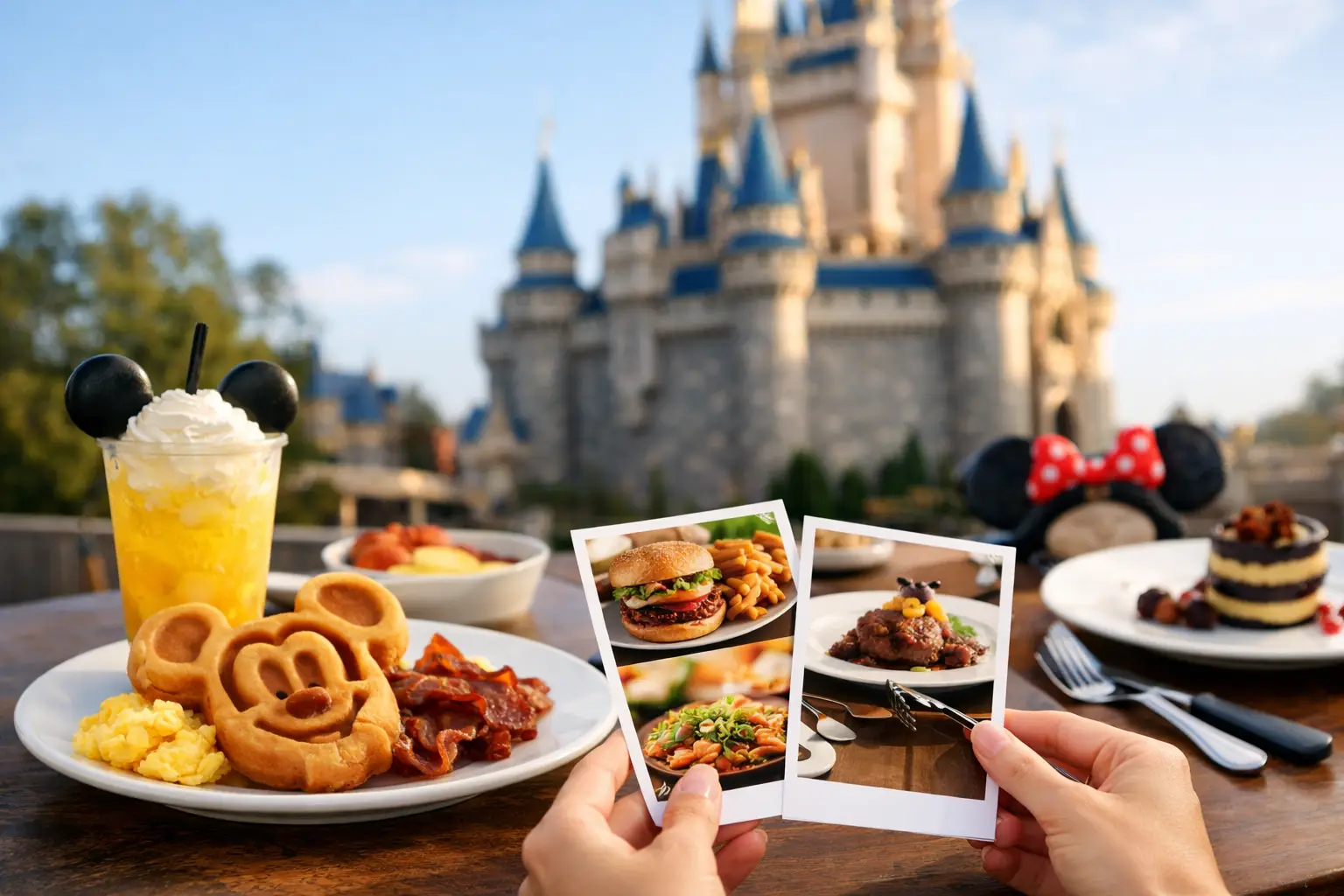
You can feel the budget pressure at Disney fast – especially once you start adding up breakfast in the park, a character meal, a late-night snack, and that must-have Mickey bar. A smart Disney dining plan comparison helps you figure out whether prepaying for meals will actually save money or just make vacation spending feel easier.
For most travelers, that distinction matters. Some families want every major cost settled before they leave home. Some couples care more about flexibility than squeezing every dollar. And if you are coordinating a bigger trip with grandparents, kids, or multiple rooms, food planning can become one of the biggest stress points unless you sort it out early.
What a Disney dining plan comparison really needs to cover
A lot of dining plan advice stops at credit counts, but that is only part of the decision. The better question is how your group actually eats. Do you want grab-and-go meals so you can maximize ride time, or do you picture sit-down dinners as part of the experience? Are your kids adventurous eaters, or are you going to end up chasing familiar options and simple meals?
In most cases, comparing Disney dining plans comes down to four things: how many table-service meals you want, whether snacks are part of your daily rhythm, how much convenience matters to you, and whether your group is disciplined enough to use all the credits.
If you will happily mobile order lunch, snack through the afternoon, and keep moving, a lighter plan tends to make more sense. If your vacation style includes character breakfasts, themed dinners, and a slower pace, the standard plan starts looking more attractive.
Disney dining plan comparison: Quick-Service Plan vs Standard Plan
The two most common options travelers compare are the Quick-Service Dining Plan and the standard Disney Dining Plan. Both prepay your meals, but they support very different vacation styles.
Quick-Service Dining Plan
This plan is usually the better fit for families who want simplicity without spending a lot of time on reservations. It generally includes two quick-service meals and one snack or nonalcoholic drink per person, per night of stay, plus a resort-refillable mug.
Quick-service credits work well for guests who want flexibility. You can eat at food courts, many counter-service restaurants in the parks, and several casual resort dining spots. That means less time locked into dining reservations and more freedom to adjust your day.
The trade-off is obvious. You give up most sit-down restaurant experiences, including many of the meals people remember most. If your ideal Disney day includes a character dinner or a themed restaurant where the meal itself is part of the event, the quick-service plan can feel limiting.
Standard Disney Dining Plan
The standard plan usually includes one quick-service meal, one table-service meal, one snack or nonalcoholic drink per person, per night of stay, plus the refillable mug. This is the plan many first-time visitors look at because it feels like the classic Disney vacation package.
For travelers who want at least one reserved meal each day, this plan can be a strong fit. It works especially well for families wanting character dining, couples planning signature-feeling evenings without paying every meal out of pocket on the spot, and multi-generational groups who appreciate a scheduled break.
The downside is that table-service dining takes time. A sit-down meal can easily take 60 to 90 minutes, sometimes longer. That is not automatically bad, but it is a real cost if your priority is rides, park hopping, or flexible afternoons.
Who gets the best value from each plan
The best plan is not always the one with the highest dollar value on paper. It is the one that matches how you already want to travel.
Best for the Quick-Service Plan
This plan usually makes the most sense for families with younger kids who do better with shorter meal stops, groups visiting for shorter trips, and travelers who are very park-focused. It can also be a strong pick for budget-conscious guests who like the predictability of prepaying but do not want to commit to table-service reservations every day.
It is also helpful if your group is hard to pin down. School or sports groups, for example, often benefit from quicker meals and simpler coordination, even though Disney dining rules should always be checked against the exact group setup.
Best for the Standard Plan
The standard plan tends to work best for guests who already know they want table-service meals. Families planning character experiences often land here because those meals can be expensive if paid out of pocket. Couples celebrating an anniversary, honeymoon, or special trip may also prefer the built-in structure of one nicer meal a day.
This plan can also reduce decision fatigue. When your meal is already accounted for, you are less likely to second-guess every restaurant price while standing in the park with tired kids and low phone battery.
The biggest mistake people make in a Disney dining plan comparison
They assume every credit is equal in value.
It is not. Some quick-service meals are relatively inexpensive, while others offer a much better return. The same goes for table-service credits. If you use a table-service credit on a lower-priced meal when you could have used it at a more expensive character dining experience, the math changes.
That does not mean you should chase value at every meal. Vacation should still feel fun. But it does mean the plan works best when you have at least a rough idea of where you want to eat.
Another common issue is overestimating appetite. Disney portions can be substantial, and many guests do not eat three full meals a day in the heat. If your family typically shares food, skips breakfast, or leans toward light meals, a dining plan may give you more food than you need.
Hidden factors that matter more than price
A strong Disney dining plan comparison should include convenience, not just cost. Prepaid meals can make a trip feel smoother because the major food spending is already handled. For many families, that peace of mind is valuable on its own.
There is also a psychological benefit. When meals are already built into the package, it becomes easier to say yes to experiences you might otherwise hesitate over, especially for first-time visitors who are unsure what typical Disney meal costs look like.
Still, flexibility matters too. Dining plans are less useful if your group likes to leave the parks for off-site dining, split meals often, or keep every day open-ended. In those cases, paying out of pocket may fit better even if a plan looks appealing at first glance.
How to choose the right plan for your trip
Start with your priorities, not the brochure. If your top goal is convenience and predictable spending, either plan can help. If your top goal is maximizing ride time, lean toward quick service. If dining is part of the vacation experience, the standard plan deserves a serious look.
Next, map out a realistic version of your day. Think about when your group actually eats, how patient everyone is with reservations, and whether one table-service meal per day sounds relaxing or exhausting. Disney planning goes better when you choose based on behavior, not vacation fantasy.
Then consider your party makeup. Families with toddlers often need flexibility. Families with tweens and teens may burn through quick-service meals happily and still want snacks. Couples may prefer the standard plan if they see meals as part of the romance and atmosphere. Larger family groups often benefit from having food decisions simplified in advance, especially when budgets differ from one household to another.
This is where personalized planning really helps. A good advisor can match the plan to your resort stay, park strategy, reservation goals, and budget instead of just quoting the package and hoping it fits.
Is the Disney dining plan worth it?
Sometimes yes. Sometimes no. That answer is not evasive – it is honest.
If you want convenience, like having major costs prepaid, and know you will use the credits well, a Disney dining plan can absolutely be worth it. If you are casual about meals, prefer spontaneous choices, or are unlikely to use every credit, paying out of pocket may be the smarter move.
The most successful Disney trips usually come from choosing the plan that supports your style instead of forcing your style to fit the plan. That is especially true for busy families and milestone trips where the goal is less stress, not more spreadsheet work.
If you want your vacation to feel organized without feeling rigid, take the time to compare how you actually travel. The right answer is the one that lets you enjoy Disney with confidence – and spend less time worrying about every meal once you arrive.