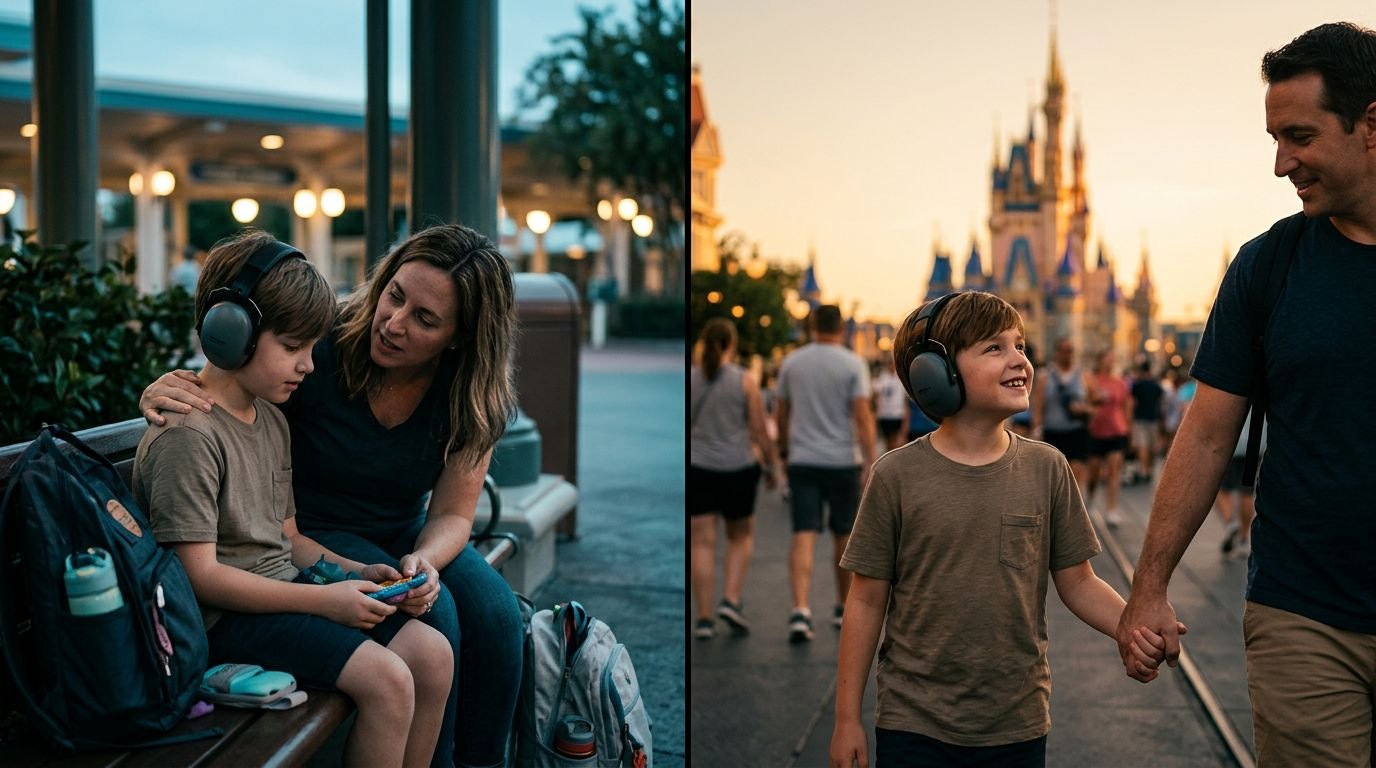
The shortest line at a theme park is not always the calmest choice. disney early entry autism planning starts with your child’s sleep, energy, crowd tolerance, and transition needs.
At Walt Disney World, early entry can offer a gentler start, but it still requires an early wake-up and a busy entrance. Rope drop may work better when your child is rested and ready for a focused plan.
For a Disney vacation, choose the option that makes the morning manageable. Extra Magic Hours was a former program, so don’t confuse it with today’s early-entry benefit.
Key Takeaways
- Disney’s Early Theme Park Entry gives eligible Disney Resort hotel guests a 30-minute head start, but it is not a disability accommodation.
- Rope drop or an arrival at official opening may be a better fit when an autistic child needs more sleep or a slower morning transition.
- DAS is separate from early entry, rope drop, and Lightning Lane options; it provides an alternate place to wait for eligible guests who cannot tolerate a conventional queue.
- Plan for sensory breaks, familiar comfort items, snacks, headphones, and a clear exit strategy before the park day begins.
- Choose one morning priority and protect your child’s comfort instead of trying to maximize the number of attractions completed.
Disney early entry autism: picking the calmer start
Guests staying at a Disney Resort hotel receive Early Theme Park Entry, which gives them access 30 minutes before the official opening time. It is available every day of your resort stay, including check-in and check-out days. This current program replaced the former extra magic hours benefit, which offered longer access on select days.
That earlier start may help an autistic child who struggles in crowded parks. You may have time for one popular attraction, a favorite character area, or a calm walk through a land before larger crowds arrive.
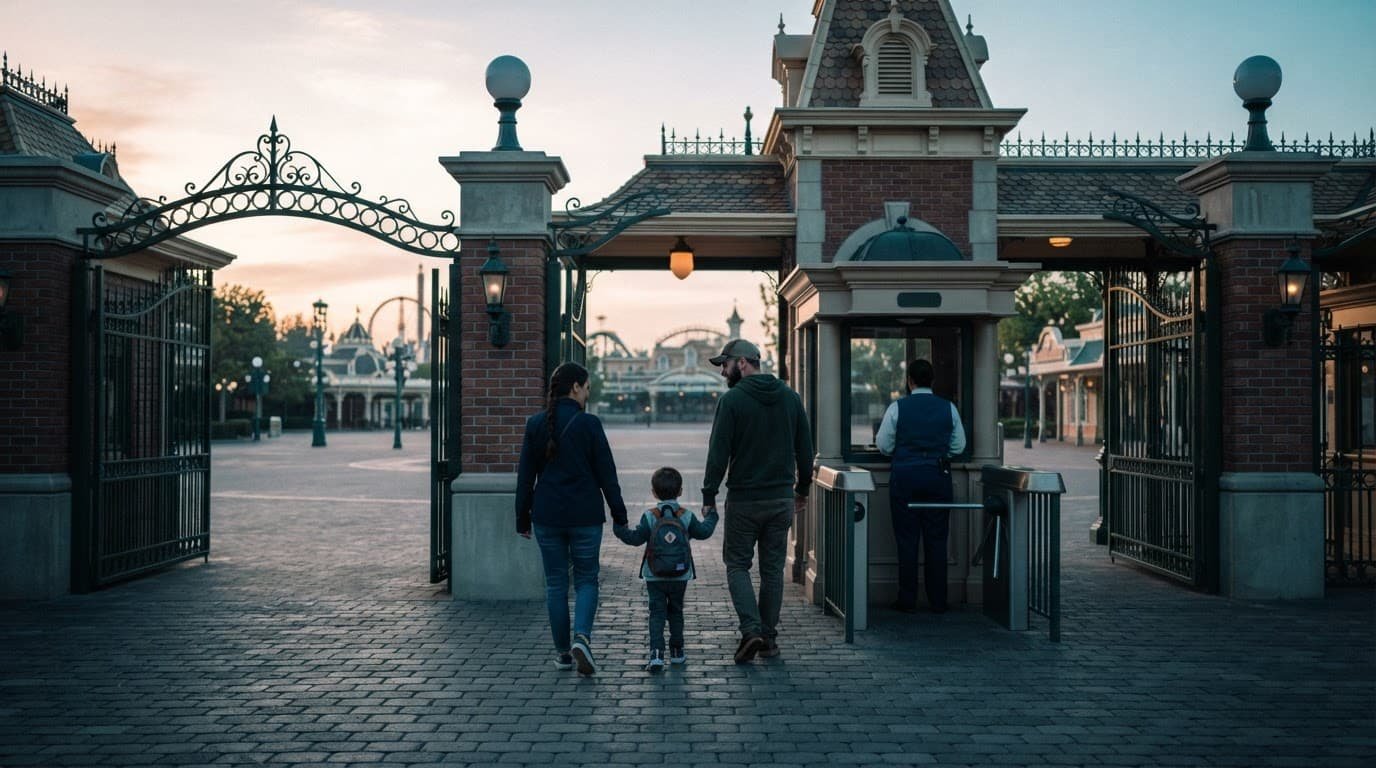
Rope drop means arriving before the official opening so you are ready when all guests can enter. It is free and can still be a smart choice for off-site families. Check the day’s park hours before leaving, since opening times can vary. The hard part is waiting at security, standing at the entrance, and hearing excitement before the gates open.
Here is a simple comparison to help you decide:
| Morning option | What it offers | Best fit for |
|---|---|---|
| Early entry | A 30-minute head start for eligible resort guests | Children who can handle an earlier start and benefit from lighter crowds |
| Official opening | Entry at the official opening time for all ticketed guests | Families staying off-site or those with one clear first ride |
| A later arrival | Less pressure during a difficult morning | Children who need extra sleep, breakfast time, or a slower transition |
Early entry is a hotel benefit, not a disability accommodation. Your child does not need to use it for the trip to be successful.
Your morning strategy should never begin with rushing. If your child gets overwhelmed by being hurried, skip the race to the first ride. Have breakfast in the room, use familiar headphones, and arrive when your family is ready. A calm 10:00 a.m. arrival can be better than a 7:00 a.m. meltdown.
Use DAS as a separate queue support
The disability access service (DAS) is separate from Early Theme Park Entry, rope drop, and paid Lightning Lane options. It is intended for guests who cannot tolerate a conventional queue because of a developmental disability, including needs associated with the autism spectrum.
If your child is eligible, your family can request a return time through the mydisneyexperience app (the official My Disney Experience app). Instead of remaining in the standby queue, you can wait in an alternate location. That may mean getting a snack, sitting in shade, visiting a quieter area, or returning to the resort if the wait is long enough.
Disney’s guest services information, including the current DAS details, explains that registration happens through a live video chat. You can begin the process up to 60 days before your first park day, once tickets are linked to your Disney account. The guest who needs DAS must be present during the call, even when the guest is a child.
Keep the conversation focused on what makes a conventional line difficult. You do not need to prepare a speech or bring medical records. Explain the real, functional challenges, such as sensory overload, inability to stay safely in a queue, anxiety during long waits, or communication needs.
DAS does not mean no waiting. Your family generally manages one return time at a time, and the schedule is based on standby wait times. It gives your child a different place to wait.
For extra support before you travel, the Disney World With Autism Guide PDF includes practical ideas for park days, breaks, DAS, and accessibility needs. You can also find the Disney autism travel guide on Amazon for an easy planning reference.
Make the entrance and transitions easier
When traveling with children, prepare an autistic child for the entrance before leaving the hotel. The park entrance can be one of the loudest parts of the day. Security checks, strollers, music, conversations, bags, and directions create intense sensory input. Explain the sequence simply: first security, then park entry, then a calm spot to look at the map.
Try something simple: “First we go through security. Then we scan into the park. Then we will find a calm spot and look at the map.”
Watch short park videos together before the trip. Practice wearing headphones at home. Let your child choose a comfort item for the park bag. Familiarity can make a new place feel less uncertain.
Pack a small reset kit that stays easy to reach:
- Headphones or ear defenders your child has already worn successfully.
- A favorite fidget, hoodie, stuffed animal, or soft comfort item.
- Familiar snacks, water, and any needed medication.
- A portable charger, charging cord, and communication device.
- A low-tech communication card with words such as “break,” “wait,” “all done,” and “help.”
The mydisneyexperience app matters all day. It holds tickets, park maps, mobile food orders, a DAS return time, Lightning Lane plans, and wait times. Keep one adult responsible for the app when virtual queues or other app plans are involved. Too many people refreshing phones can make a tense moment worse.
For wandering concerns, take a current photo of your child each morning. Keep your phone number and communication needs on an ID card, a comfortable tag, or a medical alert bracelet if appropriate for your child. Make a simple family rule about who stays with your child during busy transitions.
A park day can change quickly. A clear exit plan is often more useful than a perfect ride plan.
Find breaks before your child needs one
Do not wait for sensory overload to become a full crisis. Build breaks into the day before lunch, before fireworks, and after a demanding attraction.
A sensory seeker may need movement or a specific sensory break, while another child may prefer less input. Animal Kingdom’s Maharajah Jungle Trek and Gorilla Falls Exploration Trail can offer a slower walking pace than crowded main paths. At EPCOT, The Land pavilion has indoor areas that may feel more comfortable outside peak meal times. At Hollywood Studios, Walt Disney Presents offers indoor seating and a predictable short film.
Magic Kingdom has fewer truly quiet corners, so a longer resort break may be the better choice. You do not need to stay in the park because you paid for a ticket. Leaving early is always allowed.
When a meltdown starts, reduce the number of words. Move away from the crowd if possible. Offer water, a familiar snack, headphones, or a simple choice such as “bench or hotel?” Do not try to save the schedule in that moment.
Why an on-site Disney Resort can help
A Disney resort hotel can make an early start possible, but the bigger benefit is the ability to reset. The phrase extra magic hours refers to a former program, not a current benefit. When a child needs a quiet room, clean clothes, a familiar show, or time away from people, being close matters.
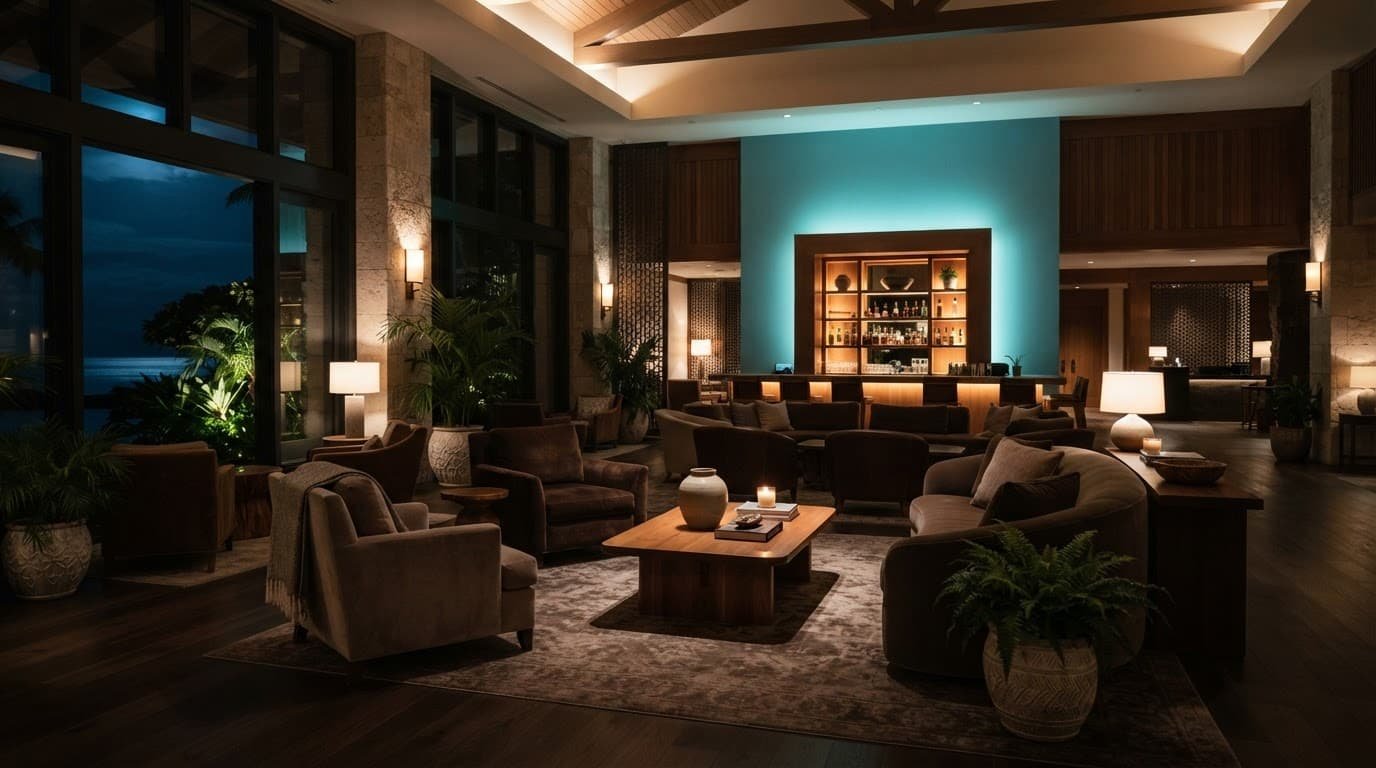
Disney’s Port Orleans Resort, French Quarter is a smaller moderate resort with manageable walks to the food court, pool, and bus stop. Disney’s Art of Animation Resort can help larger families because its family suites include extra sleeping space, two bathrooms, and a kitchenette.
For some families, choosing an on site resort with easy access to transportation and food can make returning to the room for breaks easier. Requesting a room close to transportation, food, or an elevator can also reduce daily stress. Requests are not guaranteed, but it is worth adding your needs to the reservation.
Nighttime park time can be another way to use fringe hours. Crowds may thin later in the evening, and Florida temperatures are often cooler. Still, do not force a late night after an early morning. Some children love the quieter final hour. Others are done long before dinner.
Build a morning with one priority, not ten
Choose one must-do attraction for the first part of the day. Everything else is a bonus.
If you use early entry, head to that one ride and avoid crossing the park for a second goal. If you rope drop, compare the entrance wait and current wait times before deciding whether it’s worth it. If not, use the morning for a familiar ride, a quiet snack, or a character experience instead.
Some older or retired planning systems used terms such as extra magic hours, fastpass reservations, and a fastpass window. Verify current Lightning Lane options and park policies before planning around them.
Lightning Lane Multi Pass is separate from DAS and costs extra. It can help if your family has a few must-do attractions and can manage scheduled return windows. It can also create another clock to watch. Buy it only when it makes the day feel easier.
A low-stress morning strategy isn’t about doing more before 9:00 a.m. It’s about using the calmest part of the day in a way that works for your child.
Frequently Asked Questions
Is Disney Early Theme Park Entry an autism accommodation?
No. Early Theme Park Entry is a benefit for guests staying at eligible Disney Resort hotels, not a disability accommodation. Your child does not need to use it for your vacation to be successful.
Is early entry or rope drop better for an autistic child?
It depends on your child’s sleep needs, energy level, and tolerance for crowds and waiting. Early entry may offer lighter crowds, while rope drop or a later arrival may work better when an early wake-up would create stress.
Can an autistic child use DAS instead of waiting in a regular queue?
If eligible, DAS allows your family to request a return time and wait somewhere other than the conventional queue. It does not eliminate waiting, and DAS is separate from Early Theme Park Entry and Lightning Lane options.
What should we bring for a Disney park day?
Pack items your child already uses successfully, such as headphones, a comfort item, familiar snacks, water, medication, and communication supports. Keep a small reset kit easy to reach during transitions or sensory overload.
What should we do if our child becomes overwhelmed in the park?
Use fewer words, move away from the crowd, and offer a familiar support such as water, a snack, headphones, or a quiet break. Leave the park or return to the resort if that is what your child needs; an early exit is always an acceptable part of the plan.
A Disney Morning That Fits Your Family
Early entry can be a wonderful tool for families who want lower crowds and a short head start. An opening-time arrival can work just as well with a simple plan and realistic expectations.
The best Disney day has room for headphones, snacks, quiet time, changed plans, and an early exit when needed. Your child’s comfort is the priority, not the number of rides completed.