
A festival day at EPCOT can be colorful, tasty, and full of great family memories. It can also bring louder crowds, unfamiliar food smells, long walks, heat, and a lot of choices at once. Proper theme park preparation helps your family enjoy the parts of the day that matter without trying to push through every booth, ride, show, and photo spot.
Thorough EPCOT autism planning gives your child room to take breaks, change direction, and feel comfortable. If you want a tailored approach, working with a special needs travel planner can help you structure a stress-free itinerary.
Start with a few priorities, then build the rest of the day around your child’s normal pace.
Key Takeaways
- Pick a few must-do experiences instead of trying to see all of EPCOT in one festival day.
- Use quiet indoor attractions, familiar snacks, and quiet break areas alongside effective sensory overload management before your child becomes overwhelmed.
- Keep World Celebration, World Nature, World Discovery, and World Showcase plans grouped by location.
- Review Disability Access Service options before your trip, but remember that a calm schedule matters most.
- Use mobile ordering, a portable charger, and a small sensory kit to reduce avoidable stress.
EPCOT Autism Planning Starts Before You Enter the Park
EPCOT is much larger than it looks on a map. During a festival, it can also feel busier because guests are moving between food booths, concerts, shopping areas, and popular attractions.
That does not mean your family should skip it. It means you should plan for the real version of EPCOT, not the version where everyone walks miles without needing a break.
Before the trip, show your child ride-through videos and photos or videos of Spaceship Earth, the park entrance, the attractions you hope to ride, and the type of food booths you may see. A simple visual plan, much like using visual schedules for kids, can make a big difference. It does not need to be fancy. A short list on your phone works well.
Try wording it in a predictable order:
- Ride the bus, Skyliner, monorail, or walk to EPCOT.
- Go through security and scan into the park.
- Ride one attraction or visit one favorite area.
- Have a snack and take a break.
- Choose what comes next.
Let your child help choose one or two priorities. Maybe it is riding Soarin’ Around the World. Maybe it is meeting a character, seeing the aquarium, or finding a favorite drink. That choice gives them something familiar to hold onto when the festival feels like a lot.
Disney offers planning resources for neurodivergent guests, including information that can help families prepare before arrival. You can also consult a trusted authorized Disney vacation planner or review a reliable Disney World autism guide for extra tips. Make sure you handle tasks like pre-registering for DAS well before your travel dates, not while standing at the park entrance.
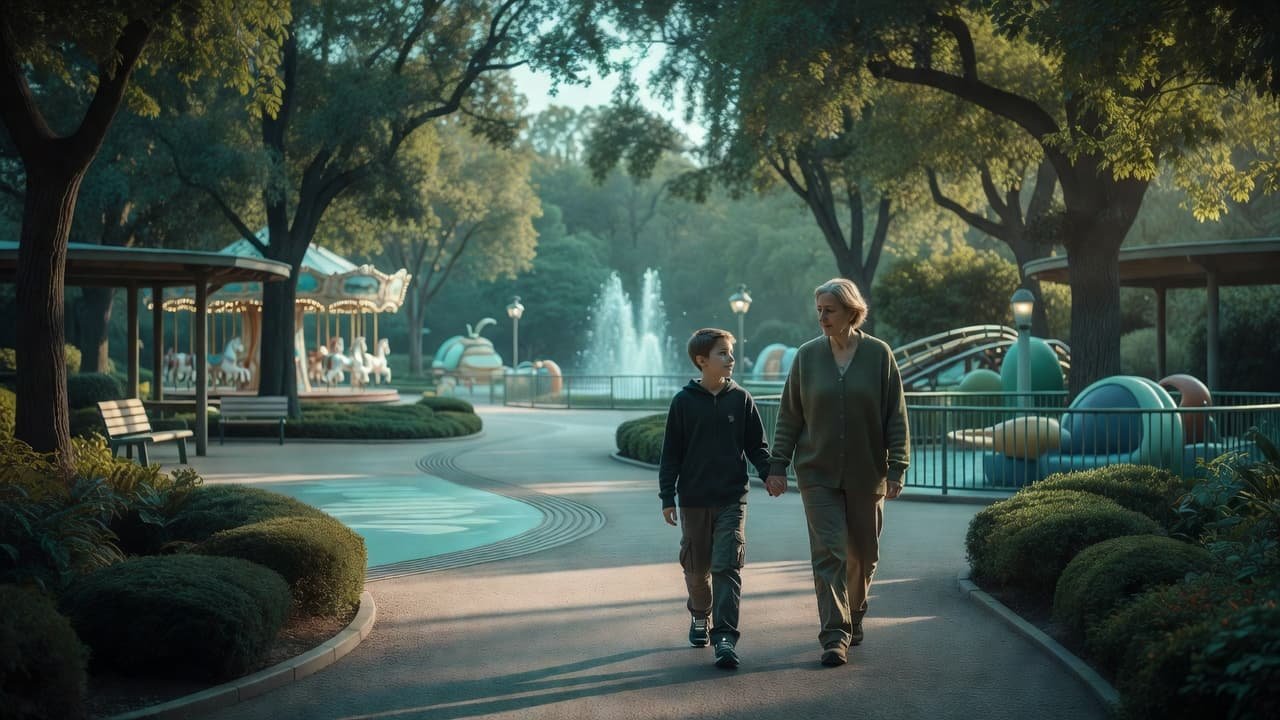
Your plan should also include a simple exit option and elopement prevention strategies for crowded areas. Know how you will return to your resort if your child reaches their limit early. A bus ride, Skyliner ride, Minnie Van, or rideshare may be the right choice on a hard afternoon. You are not wasting a ticket if you leave. You are protecting the rest of the vacation.
A successful EPCOT day is not measured by how long you stay. It is measured by whether your family had more good moments than hard ones.
Choose Festival Timing That Fits Your Family
EPCOT festivals change throughout the year, but they often have the same big ingredients: food kiosks, music, merchandise, special displays, and extra people in World Showcase.
Festival mornings are usually easier than late afternoons and evenings. The park may feel more open after rope drop, especially in World Celebration and World Nature. You can ride an attraction, visit the aquarium, and take an early snack break before World Showcase gets crowded.
Weekends can bring local guests and larger groups. Effective theme park crowd management often means looking at the calendar before you book. If your travel schedule allows it, a Tuesday, Wednesday, or Thursday may feel more manageable than a Saturday. There are no guarantees at Disney World, but weekday mornings often give families more breathing room.
Think about weather, too. EPCOT has wide open walkways and limited shade in some areas. Florida heat can make sound, crowds, clothing, and waiting feel worse. Helpful neurodiverse travel tips include paying close attention to sensory triggers during peak sun hours, because a child who handles a busy morning well may struggle after two hot hours outside.
Plan your biggest activity first. If you have members of your party with different ride tolerances, you can utilize the rider switch program to keep the day moving smoothly. Then use the middle of the day for indoor attractions, lunch, your resort pool, or a quiet return to the room.
If your family is staying at an EPCOT-area resort, a midday break can be especially helpful. Families at Disney’s BoardWalk Inn, Beach Club Resort, Yacht Club Resort, Swan, Dolphin, or Swan Reserve may be able to walk or use the Friendship Boats. That can make leaving and returning feel less overwhelming.
A full-day schedule is not required. Sometimes a strong EPCOT plan is a morning visit, a resort reset, and an early evening return only if everyone is still doing well.
Build Your Day by EPCOT Neighborhoods
One of the biggest mistakes families make is booking attractions all over the park without looking at the walking distance. EPCOT has wonderful experiences, but they are spread out.
Remy’s Ratatouille Adventure is in the France pavilion. Frozen Ever After is in Norway. Soarin’ Around the World is in The Land pavilion. Guardians of the Galaxy: Cosmic Rewind is in World Discovery. Those are not quick walks from one another.
For autism families, less backtracking usually means less stress.
Start Near the Front of the Park
World Celebration, World Nature, and World Discovery are good choices for your first part of the day. Spaceship Earth, Living with the Land, The Seas with Nemo & Friends, and Journey of Water, Inspired by Moana can give your family a mix of attractions and open spaces.
The Seas pavilion is often a helpful reset. The aquarium has visual interest, cooler indoor air, and quiet break areas where your family can slow down. Living with the Land is another calmer ride for many guests, offering a gentle, seated experience and a nice break from outdoor walking.
Soarin’ Around the World is popular, but it includes motion, wind effects, a large screen, and scent effects. Some children love it. Others may find it too intense. Watch ride-through videos at home and decide if it fits your child.
Save World Showcase for a Short, Flexible Visit
World Showcase is where festival activity becomes most noticeable. Food booths, music, crowded pathways, and strong food scents can create a lot of sensory input.
Do not feel pressure to complete every country. Choose two or three areas that make sense for your family. For example, you could visit Mexico for the Gran Fiesta Tour, Norway for Frozen Ever After, then stop. Or start in France for Remy’s Ratatouille Adventure and a snack before moving slowly toward the front of the park.
Mexico’s pavilion can be a useful indoor stop because it is dark, air-conditioned, and has seating. Still, the interior can be loud and visually busy. France has beautiful details and popular festival booths, but it can become crowded around Remy’s Ratatouille Adventure.
Build extra time into every transition. Bathroom stops, sunscreen, snack breaks, and an unexpected need to sit down are part of the plan, not a delay.
Use DAS and Lightning Lane With Realistic Expectations
Disability Access Service, often called DAS, may help some guests with developmental disabilities such as autism who cannot wait in a conventional queue for an extended time. Eligibility is decided individually through a conversation with Disney.
Current procedures can change, so review Disney’s Disability Access Service information before your trip. The guest requesting Disability Access Service must be part of the registration conversation. After entering the park, return times are managed in the My Disney Experience app.
DAS does not mean immediate ride access. It gives you a return time that is generally similar to the attraction’s standby wait. Your family can wait elsewhere instead of standing in the physical queue, or you can utilize the rider switch program when a member of your party cannot board an attraction.
That time can be used well. Get a drink. Sit in shade. Visit a nearby shop. Watch the fountains. Take a bathroom break. Let your child use a familiar fidget or headphones.
You can generally hold one DAS return time at a time. After your family uses it, request another if it still fits the day. The DAS guest must be present and ride with the group.
Disney also provides a detailed cognitive disabilities planning guide. It is useful for reviewing attraction considerations, accessibility details, and practical park information before you travel, and you can also consult the official cognitive disabilities guide for extra support.
Lightning Lane Multi Pass is separate from DAS and costs extra. It can be useful when your family has a few must-do rides and can manage scheduled return windows. It is not needed every day. At EPCOT, it may make sense if riding Remy’s Ratatouille Adventure, Frozen Ever After, or Soarin’ is important to your family.
Do not buy an add-on because it sounds like the right Disney choice. Buy it only if it makes your day feel easier. A slower schedule, lower walking demands, and frequent breaks often matter more.
Keep a portable charger in your park bag. Your phone may hold tickets, DAS return times, mobile food orders, maps, dining reservations, and family messages. A dead phone can make a manageable day much harder.
Festival Food Without the Mealtime Pressure
EPCOT festivals are built around food. That can be exciting for adventurous eaters, but it can also cause stress for children with selective eating, food sensitivities, or strong preferences.
You do not need to eat around the festival booths all day. Familiar meals are still available at EPCOT, and that matters.
When you look for autism-friendly restaurants, Sunshine Seasons in The Land pavilion is a practical option for many families. It offers indoor seating, air conditioning, and several meal choices in one place. Connections Cafe near the front of the park can also work for a drink, pastry, or familiar quick bite.
In World Showcase, quick-service locations often provide easy dietary accommodations before relying on booths. Regal Eagle Smokehouse in The American Adventure pavilion, La Cantina de San Angel in Mexico, and Les Halles Boulangerie-Patisserie in France are often easier than trying to build a full meal from small festival portions.
Using mobile food ordering helps because you can look through options at a quieter time. You can place an order without standing in another line, then pick it up when your child is ready. If a dining room feels too loud, find an outdoor table away from the main crowd flow.
Festival booths are better treated as optional extras. Let your child choose one item to try, if they want to. Bring familiar snacks so hunger does not force a difficult food decision.
A refillable water bottle is also worth carrying. Heat and dehydration can quickly change a child’s mood and energy. Cold water, a salty snack, and ten minutes sitting down can prevent a hard moment later.
For more family-focused help, the Disney World With Autism Guide PDF on Etsy includes practical ideas for DAS, sensory needs, and flexible Disney days. The Amazon version of the Disney autism travel guide is another option for families who prefer to plan with a comprehensive Disney World autism guide in hand.
Pack for Sensory Needs, Weather, and Waiting
A good park bag is not about packing everything. It is about bringing the things your child already knows and trusts.
Headphones, ear defenders, a favorite fidget, a soft hoodie, sunglasses, and a familiar snack can be more useful than a bag full of new surprises. Florida weather changes fast, so pack lightweight ponchos, dry socks in a zip bag, and an extra shirt if wet clothing causes discomfort.
Keep devices, headphones, and chargers together in one pouch. Many families remember the tablet but forget the charging cord. Download shows, games, music, or calming videos, along with visual schedules for kids, before leaving the resort.
A small comfort kit may include:
- Noise-canceling headphones, ear defenders, sensory toys and headphones your child has used before.
- A favorite fidget, stuffed animal, comfort item, or soft layer.
- Familiar snacks, water, medication, and any needed care items.
- A portable charger and charging cord for your phone and devices.
If your child uses a stroller beyond the typical age, you can use a stroller as wheelchair option by asking Guest Relations about tagging it. Securing a stroller as wheelchair tag makes it easier to bring the stroller through attraction queues when it is needed as a mobility or regulation support.
EPCOT autism planning is easier when you prepare for normal challenges. A sudden rainstorm, a loud concert, a long restroom line, or a ride closure should not ruin the whole day.
Know Where to Pause Before Things Get Hard
Do not wait for a full meltdown before taking a break. Watch for your child’s early signs, which are essential for effective sensory overload management. They may become quieter, more talkative, frustrated, repetitive, tired, or unwilling to make choices.
When you notice those signs, lower the demands. Sit down. Get water. Step inside. Skip the next reservation if it no longer fits.
The Seas pavilion, The Land pavilion, and the American Adventure area can offer a change of pace. You may also find quiet break areas on paths away from the busiest festival booths. Look for a bench, some shade, and a place where your child does not need to perform or decide anything.
Keep your language simple. “We are taking a break now” is easier than offering five options. After a few minutes, ask one clear question: “Do you want to ride something, have a snack, or go back to the hotel?”
Your child does not have to earn a break by finishing one more ride, country, or food booth.
A flexible plan protects parents, too. You do not have to solve every problem alone. Cast Members, Guest Relations, and Guest Experience Team members can answer questions when plans change.
Frequently Asked Questions
How can I prepare my autistic child for an EPCOT festival day?
Before your trip, review ride-through videos, photos of the park entrance, and visual schedules together. Let your child choose one or two must-do experiences so they have something familiar to look forward to when the crowds feel overwhelming.
Can we use Disability Access Service (DAS) during EPCOT festivals?
Yes, DAS is available for eligible guests who cannot wait in a conventional queue. You must complete the registration conversation before your travel dates, and return times are managed conveniently through the My Disney Experience app.
What are some good quiet areas to take a break in EPCOT?
The Seas pavilion and The Land pavilion are excellent indoor spots for sensory resets. You can also find quieter benches and shade away from the main festival pathways in World Showcase to help your child decompress.
Do we have to eat only at the festival food booths?
No, you can easily find familiar foods and quick-service meals at locations like Sunshine Seasons, Connections Cafe, or Regal Eagle Smokehouse. Festival booths are best treated as optional extras alongside your child’s trusted snacks.
A Calmer Festival Day Is Still a Full Disney Day
The goal of EPCOT autism planning is not to create a perfect schedule. It is to give your family a comfortable rhythm with enough structure to feel prepared and enough freedom to change course.
Choose a few meaningful experiences. Keep your plans close together. Pack familiar comfort items, plan real breaks, and let your child’s energy guide the day.
The best festival memory may be a favorite ride, a quiet aquarium visit, or a snack enjoyed in the shade. A calmer family day is always worth more than a longer checklist. If you want help organizing the details, working with an authorized Disney vacation planner can make the process much easier.