
A first theme park visit can be exciting, loud, crowded, and full of waiting. Your autistic child may be thrilled to see familiar Sesame Street friends, then need a break sooner than expected.
Sesame Place autism planning works best when you build the day around your child’s individual needs, not a long list of rides. For autism travel, a short and flexible plan may include only a few preferred experiences, a calm lunch, and an early exit. That can still be a wonderful first visit.
Key Takeaways
- Review the current accessibility and sensory information before you buy tickets or make a travel plan.
- Pick one or two must-do experiences, then keep everything else optional.
- Stop at the Welcome Center or Guest Services early if your child may need ride access support.
- Find quiet rooms before sensory overload starts, not after.
- Pack the sensory tools, comfort items, food supports, and communication tools your child already uses at home.
- A successful day does not mean staying until closing time. It means your family felt safe, supported, and able to enjoy the moments that fit.
Sesame Place autism planning before you leave home
Start with what you already know about your child’s needs. Autism travel works best when you plan around familiar routines and supports. Think about sound, crowds, heat, waiting, food, water, sensory sensitivities, and transitions. Autism looks different for every child, teen, and adult, so another family’s park plan may not fit yours.
Choose the park and set simple priorities
Sesame Place Philadelphia can work well for families planning a Northeast drive. Sesame Place San Diego may fit a Southern California trip. Both parks have Certified Autism Center status through the International Board of Credentialing and Continuing Education Standards, or IBCCES.
Choose two priorities for the morning. That could be a favorite ride, a character experience, or a show. Let your child pick between two choices when possible. “Would you like the carousel or the parade?” is often easier than a big open-ended question.
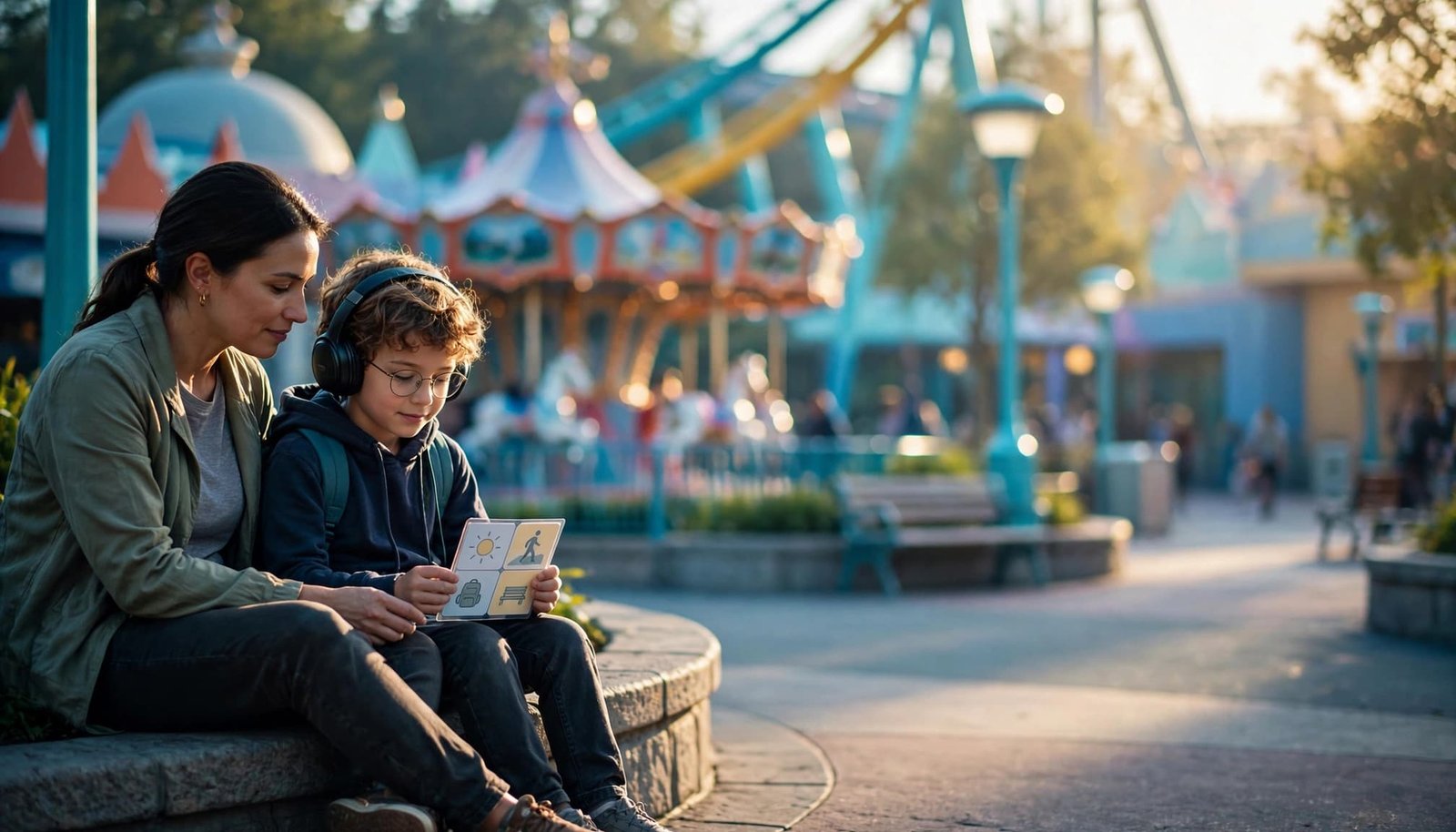
Use a short visual schedule
Keep the plan honest and flexible. A simple schedule might say: breakfast, drive, security, one ride, snack, quiet break, lunch, then decide what comes next.
If sensory processing issues make transitions or unpredictable changes harder, show your child photos or short videos of the park entrance, rides, water areas, and characters. Practice headphones, a fidget, or a comfort item before travel day. Don’t promise an exact ride order. Check current park details directly before travel, since attraction availability, weather procedures, and policies can change.
What Certified Autism Center status means
A Certified Autism Center is helpful, but it isn’t a promise of an empty park, a private ride, or a perfect day. It means the park has completed IBCCES training and accessibility planning requirements. It also reflects the park’s commitment to theme park inclusivity.
Sesame Place parks were recertified in 2024, according to the IBCCES Sesame Place recertification announcement. Confirm current certification details, services, and attraction procedures with Sesame Place before visiting.
That Certified Autism Center designation reflects park training and procedures. It doesn’t mean every employee is certified staff, a clinician, or individually certified to meet every need.
Staff have autism and sensory training
Sesame Place states that its training helps team members build the knowledge, skills, temperament, and expertise needed to assist guests with special needs, especially autistic guests and families.
That can make it easier to ask about practical autism accommodations, calmer seating areas, or clear directions. Be direct. Tell a team member what your child needs in that moment.
Read the current guides before tickets
The sensory guides can help you compare sound, lighting, motion, water, touch, and queue conditions. Consider your child’s sensory sensitivities, and use the information to build sensory awareness around likely triggers and helpful supports.
The Sesame Place San Diego autism resources page includes its sensory planning information. Philadelphia families should review current park information before arrival because policies and attraction procedures can change.
A certification supports your planning. It doesn’t replace asking practical questions about the exact ride, show, food need, or sensory support your child may need that day.
Find quiet rooms and sensory supports early
Don’t wait for a hard moment to figure out where to go. Find the quiet space and low-sensory areas as part of your arrival routine, along with bathrooms, food locations, and the nearest exit.
Philadelphia’s Low Sensory Room
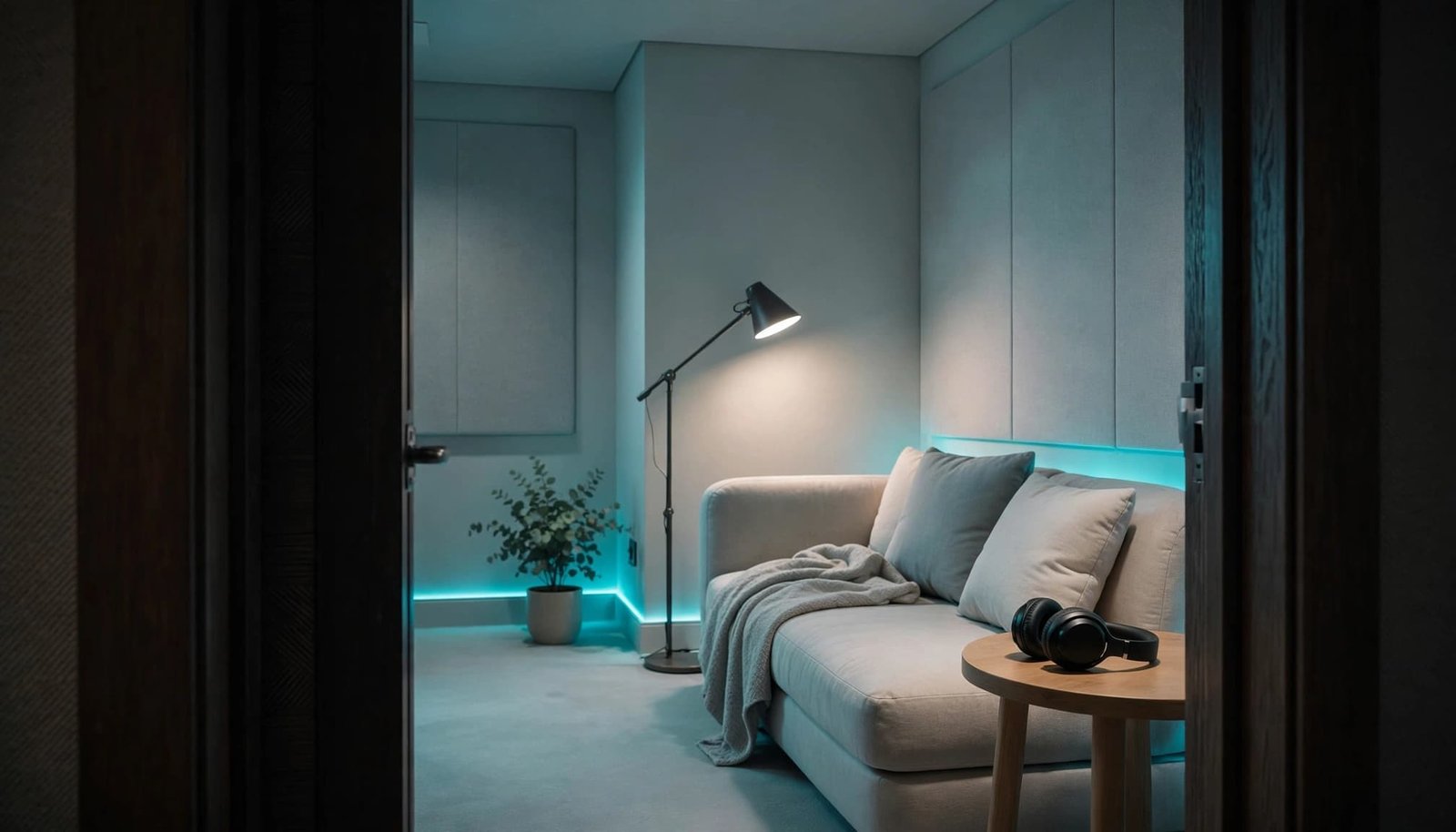
Sesame Place Philadelphia lists a Low Sensory Room inside the Family Care Center near Big Bird’s Burger & Bites and Big Bird’s Rambling River. It has adjustable lighting and comfortable seating.
The room is locked for privacy, and access details can change. Ask the park directly for the current access code and hours before arrival, even if you hope you won’t need it. Knowing where it is can take pressure off everyone.
San Diego’s two quiet rooms
Sesame Place San Diego lists two quiet rooms near the First Aid Station behind Sesame Souvenirs. Build those locations into your park map, then confirm current room hours directly with the park before you leave home.
A quiet room is a reset space, not a punishment or a sign that the day failed. Your child may need five minutes, or they may need an hour. Follow their energy level.
Headphones and familiar sensory tools
Philadelphia offers KidCo noise-cancelling headphones for single-day use. Loaner availability can change, so confirm details directly with the park before arrival. Bringing your child’s own familiar headphones is often the safer choice.
Pack fidgets, a comfort item, sunglasses, a communication device, wipes, a small towel, a change of clothes, medication, and a portable charger. The K&S Travel Shop has practical travel items, including stroller and cleanup supplies for families who need a better-packed park bag.
Understand the Ride Accessibility Program
The Ride Accessibility Program focuses on amusement ride safety. It matches a guest’s abilities with the manufacturer’s ride safety requirements. It isn’t automatic ride access or a front-of-the-line pass.
Sesame Place Philadelphia’s current process appears in its accessibility guide. Guests with physical, mobility, or cognitive disabilities may need a valid IBCCES Accessibility Card before speaking with the Welcome Center.
A diagnosis of autism spectrum disorder alone doesn’t determine access. The program considers each guest’s abilities, barriers, and ride-safety requirements. Verify the current IBCCES card process and ride procedures directly with Sesame Place before visiting.
Arrive early enough to ask questions without rushing. Explain the real barrier, such as difficulty tolerating a traditional line, enclosed queues, mobility needs, or restraint-related safety concerns. Staff can explain which attractions may offer a Special Access Pass and what the guest must do to ride safely. A Special Access Pass isn’t front-of-the-line access.
A ride can be the wrong fit even if your child meets the height requirement. Consider sensory sensitivities, darkness, loud sound effects, water, motion, wait conditions, restraints, and whether your child can follow ride instructions.
Plan food and special dietary needs
Food is often one of the biggest parts of a successful park day. Hunger, unfamiliar choices, long food lines, and a delayed meal can make an already busy afternoon much harder.
Bring water and confirm food exceptions
Sesame Place Philadelphia allows bottled or refillable water. The park may make exceptions for food allergies, baby food, and formula. Contact Sesame Place directly before your visit if your child needs specialized dietary items.
Food, cooler, allergy, baby food, and specialized-item policies may differ by park or even by page. Call Sesame Place directly before packing food or a cooler. Don’t assume the same food policy applies at both Sesame Place parks.
Give dining extra time
The park recommends requesting dietary accommodations at least three days before your visit. Ask about ingredient information for allergies and a calmer place to sit if your child needs more space.
Bring any permitted familiar snacks that help your child stay regulated. Keep the meal plan simple. A preferred snack in a quiet spot can be better than waiting through a crowded restaurant line.
Make parades, shows, and characters work for your child
Parades and character moments can be wonderful. They can also bring music, cheering, close interactions, heat, crowds, and a lot of unpredictability. Your child doesn’t need to touch, greet, or pose with a character for the moment to count.
Pick a lower-sensory parade spot
For Philadelphia’s low-sensory parade viewing, the park recommends sitting near the beginning by the blue gate near Oscar’s Wacky Taxi or several rows back for less volume.
Arrive before the crowd builds. Stand near an exit if your child may want to leave quickly. Headphones can help, but leaving before the parade ends is always okay.
Check current low-sensory programming
Philadelphia has offered sensory-friendly shows and other reduced-sensory experiences, including a 9:30 a.m. Dine with Elmo & Friends breakfast and a 12:15 p.m. Welcome to the Party! show at Abby’s Paradise Theater. Check the current calendar before you book because showtimes and offerings change.
The park has also recognized autism awareness month and World Autism Day. Families can check the current schedule for character experiences such as Meet Julia, though availability and fit can vary. Treat special events as a possible bonus, not the only reason for your visit. A regular park day can still work well with a slower pace.
A flexible first-visit schedule
For autism travel, a shorter first day is often the better choice. Staying nearby can make a planned midday hotel reset possible, especially if your child needs a quiet room, familiar food, or a nap.
Try this simple park-day rhythm:
- Arrive near opening, complete the Ride Accessibility Program steps if needed, and find the quiet room.
- Start with one familiar or lower-intensity attraction before crowds build.
- Take a snack and bathroom break before your child looks tired or hungry.
- Choose a second priority, then stop for lunch in a calmer area.
- Check current show offerings and times, then decide whether to stay for a sensory-friendly show, see a character from a distance, return to the hotel, or head home.
If your family is also planning Disney, the Disney autism guide ebook covers sensory preparation, flexible schedules, and park-day breaks. You can also find it on Etsy or Amazon.
Frequently Asked Questions
Are quiet rooms available at Sesame Place?
Yes. Philadelphia lists its Low Sensory Room in the Family Care Center. San Diego lists two quiet rooms near First Aid, behind Sesame Souvenirs. Room locations and procedures can change, so check the current official Sesame Place information and contact Guest Services before visiting. Find the location early because a child may not be able to wait while you search during sensory overload.
Can we bring outside food for an autistic child?
Philadelphia currently allows water, while food rules may differ in San Diego. The park may approve exceptions for allergies, baby food, formula, and special dietary needs. Contact Guest Services before arrival to confirm current food exceptions, cooler rules, bag policies, and your child’s exact needs.
Is the Ride Accessibility Program based on an autism diagnosis?
No. The program considers a guest’s individual abilities and ride safety requirements, not an autism diagnosis. Accessibility-card requirements and attraction procedures can change, so check the current official information before visiting. Bring the current IBCCES Accessibility Card if required, then speak with the Welcome Center about barriers your child faces in a traditional queue or ride environment.
A Calm Day Is a Successful Day
The best Sesame Place visit is not the one with every ride checked off. It is the one where your child feels supported enough to enjoy a few moments that matter.
Prepare early, keep your priorities small, and use breaks before stress builds. Your family’s comfort matters more than a packed park schedule.
Leave a Reply