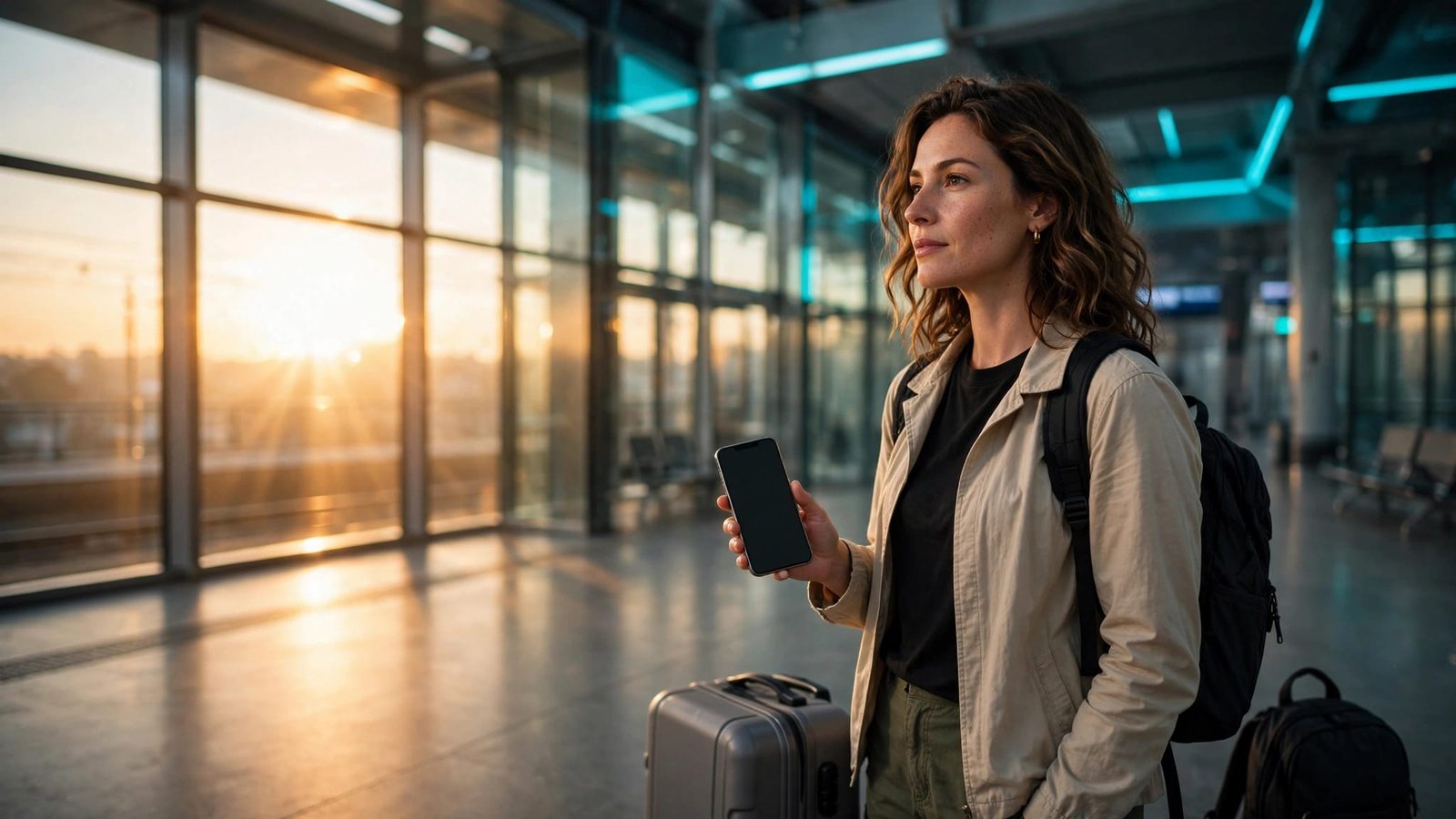
Your first trip alone does not need a travel planning spreadsheet, a perfect wardrobe, or a fearless personality. It needs a short packing list, a safe place to sleep, a way to get around, and enough room to change your mind.
Solo travel planning can feel big when you are booking every detail for yourself. Start small, make a few smart choices early, and you’ll feel more prepared before you ever leave home.
Key Takeaways
- Start with one clear goal, keep your first solo trip short, and plan your first 24 hours before filling in the rest of your itinerary.
- Choose a beginner-friendly destination with reliable transportation, a convenient home base, recent accommodation reviews, and current official travel information.
- Build a realistic budget that includes meals, local transportation, phone service, insurance, accessibility needs, and an emergency reserve.
- Protect your documents, health, money, and digital information with backups, separate payment cards, offline maps, travel insurance details, and trusted emergency contacts.
- Keep your schedule flexible, prioritize rest and comfort, and use practical safety habits without letting fear control the trip.
Start Your Solo Travel Planning With One Simple Goal
Do not plan a trip around everything you might see. Plan it around how you want the trip to feel.
Maybe you want a long weekend in a walkable city. Maybe you want to prove to yourself that you can take an international trip alone. Maybe you want quiet mornings, good food, and no one asking what you want to do next.
Pick one main goal before opening ten browser tabs. Let it guide your destination, budget, accommodation, transportation, and daily pace.

Photo by Lara Jameson
Keep Your First Trip Short
A first solo trip does not need to be two weeks away. Three to five nights gives you enough time to settle in without feeling trapped if you get homesick or tired.
A nearby U.S. city is a great first step. If you are ready for an international trip, choose one destination with simple transportation and a comfortable tourist area.
You can always take a longer trip later. The goal is not to prove anything. The goal is to come home thinking, “I can do this again.”
Plan the First 24 Hours First
The first day is where nerves tend to show up. Book your flight or train and your first night of accommodation before planning museums or restaurants.
Confirm your airport or station transportation, save the accommodation address, and keep a backup contact available. Know where you are sleeping and how you are getting there.
That simple plan takes a lot of pressure off.
Choose a Beginner-Friendly Solo Travel Destination
For a solo traveler, the best destination for your first trip is not always the place with the most famous landmarks. It is the place where you can get from the airport to your hotel without panic.
Look for a destination with reliable public transportation, clear signs, safe central neighborhoods, and plenty of accommodation choices. Japan, Singapore, Portugal, Ireland, Iceland, Australia, and New Zealand are often popular choices for people traveling alone. Suitability depends on the neighborhood, season, transit, personal needs, and current conditions.
Destinations with reputable guided activities can also be easier for a beginner. Joining a group tour offers structure while leaving room to explore independently.
Look Beyond Pretty Photos
A beautiful destination can still be hard to manage if it has limited transportation, language barriers, long transfer times, or remote lodging.
Ask yourself a few honest questions:
- Can I get from the airport to my hotel without renting a car?
- Can I walk to restaurants, shops, and transportation?
- Is there a good selection of hotels with recent reviews?
- Will I feel comfortable asking for help if I need it?
Read recent reviews for recurring problems, misleading listings, or tourist traps. If you’re a digital nomad, also check internet reliability, visa limits, and workspace availability.
Compare a current travel guide with official government and local transport sources. Check the U.S. State Department travel advisories before you book an international trip. Verify the current travel advisory, entry rules, visa requirements, and local safety information through authoritative sources before booking. Advisory levels range from Level 1, exercise normal precautions, to Level 4, do not travel.
Choose One Home Base
Trying to move hotels every two nights can make a solo trip feel like work. Pick one central hotel or neighborhood and take day trips if you want variety.
A hotel near a train station or major transit line may cost more. It can also save you money on taxis, save time, and make late nights feel safer.
A convenient hotel is not a luxury when you are alone. It is part of your safety and comfort plan.
Build a Travel Budget That Includes Real Life
A travel budget is more than airfare and a hotel total. Include meals, local transportation, activities, tips, phone service, luggage fees, and room for surprises.
Start with the amount you can comfortably spend. Then divide it into simple categories.
| Budget Category | What to Include |
|---|---|
| Transportation | Flights, train tickets, airport transfers, buses, rideshares, and accessibility needs |
| Lodging | Hotel, taxes, resort fees, early check-in, baggage storage, and accessible rooms |
| Daily spending | Food, coffee, attractions, shopping, tips, and laundry |
| Trip costs | Visa fees, data or eSIM costs, ATM fees, and other destination-specific charges |
| Travel insurance | Premiums, deductibles, medical coverage, cancellation protection, and exclusions, which vary by policy and destination |
| Emergency reserve | Medical needs, a missed train, a new phone charger, or an extra hotel night |
Accessibility needs may include adapted transportation, mobility equipment, or support services. Research these costs before booking when they apply to your trip.
The emergency reserve matters. Travel plans change. A delayed flight, rainy day, or canceled tour shouldn’t ruin your trip.
Pay in a Way That Gives You Options
Carry two payment cards and keep them in different places. Bring a small amount of local currency for the first day, but don’t exchange all your money at the airport.
Check destination-specific cash requirements before departure. Some locations still require cash for transit, small businesses, entrance fees, or local permits.
Airport exchange counters often have less favorable rates. Use an ATM attached to a major bank or inside a secure location when you need more cash. Confirm foreign transaction, withdrawal, and international usage fees with your bank before departure. Also, make sure it won’t freeze your card for unexpected international charges.
Keep a written list of your card issuers’ emergency phone numbers separate from your wallet.
Book Transportation With Your Arrival in Mind
Treat flight booking as part of your arrival plan, not just a search for the lowest fare. A cheap ticket may involve a risky connection, a confusing airport layout, or a midnight arrival. Consider your realistic energy levels before choosing an itinerary.
If possible, arrive during daylight or early evening. You’ll have more transportation choices and more businesses open. You’ll also have extra energy to solve a problem if something goes wrong.
Plan the Route From Airport to Bed
Before departure, look up the airport-to-hotel route. Decide whether you’ll use public transportation, an official taxi stand, a hotel transfer, a rideshare, or a pre-booked car service.
Before departure, make a quick arrival checklist. Confirm the terminal, transportation pickup point, late-arrival instructions, luggage plan, and a backup route.
Carry enough local currency for the first fare or a backup payment. This helps if cards, ATMs, or mobile service aren’t available.
Save screenshots of the directions in case your phone has no signal. A tool such as Rome2Rio can help you compare flights, trains, buses, ferries, and driving routes before you commit.
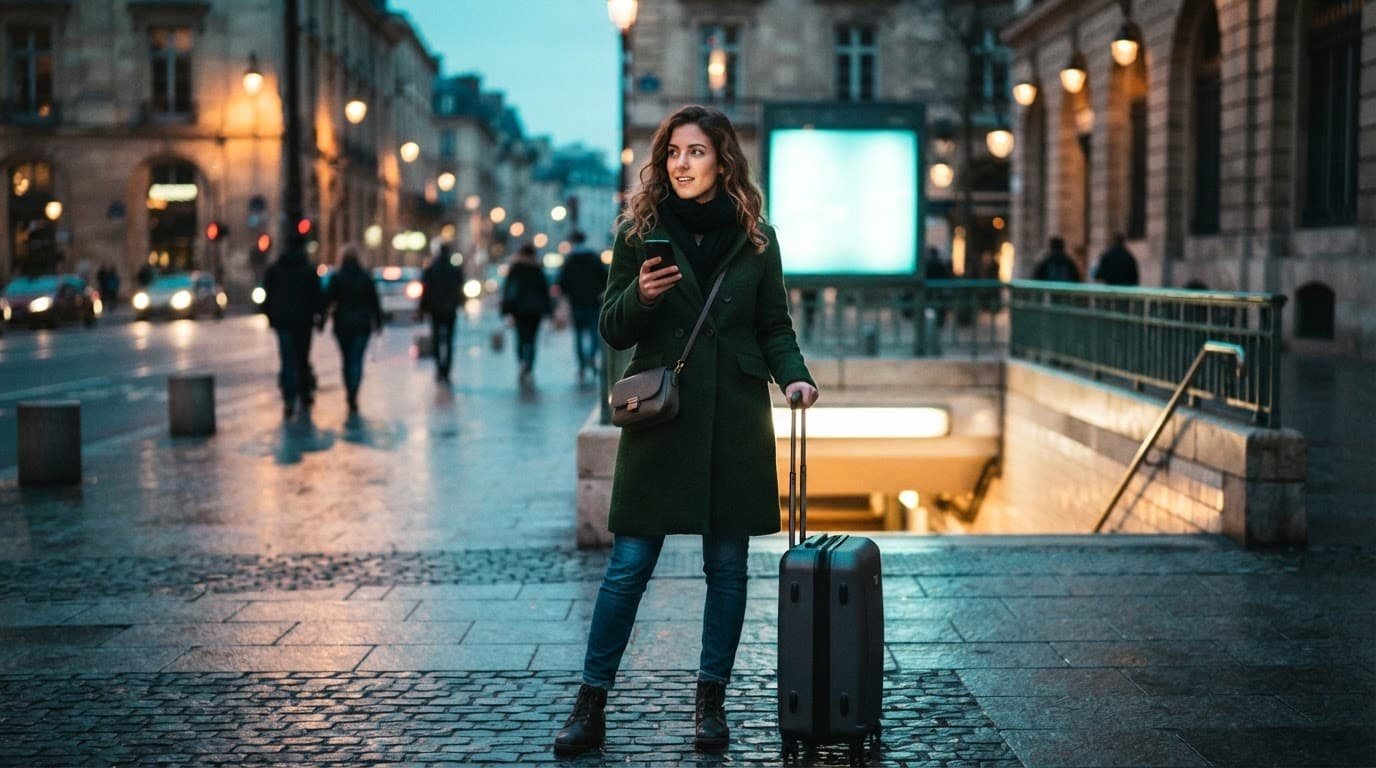
If you arrive late, don’t wander around searching for a better deal. Go directly to your booked accommodation using the transportation plan you chose before the trip.
Give Yourself Permission to Spend More
Sometimes paying more for a direct flight, a central arrival point, or an official transfer is sensible. These options can reduce connection risk and simplify the final part of your journey. Choose them when they make arrival safer, clearer, or less exhausting.
You are not failing at budget travel if you choose comfort. You are building a trip that feels manageable.
Pick Accommodation That Makes You Feel Secure
Your hotel is your home base. It is where you can rest, charge your phone, shower, regroup, and take a break from being “on.”
For a solo traveler, a secure, convenient home base can matter more than the cheapest nightly rate. When booking accommodation, prioritize location, recent reviews, and reliable arrival support. Read comments about cleanliness, neighborhood safety, late check-in, noise, and transportation access.
Look for These Practical Details
A 24-hour front desk can help if your flight is delayed, but check the actual reception hours before arrival. An in-room safe is useful, but don’t rely on it for every important document. Confirm elevator access, luggage storage, and cancellation terms before you book.
A room close to transit, food, and pharmacies can make a huge difference. Check recent comments about neighborhood conditions, especially at night.
Use the hotel address to verify the actual walking route from the nearest station. A property may look close on a map but require confusing turns, steep hills, or isolated streets.
If you choose a hostel, look for a female-only dorm or a private room if that helps you sleep better. Lock your belongings, and bring your own small padlock if the property uses lockers.
Protect Your Documents, Health, and Digital Information
A lost passport or dead phone can feel scary when you are alone. A few backup steps can make the situation easier to handle.
Follow the State Department international travel checklist before an overseas trip. It recommends keeping copies of important documents so they are easier to replace if something is lost or stolen.
Check your travel document before departure, including passport validity, visas, permits, and copies. Verify destination-specific passport validity, visa, vaccination, medication, and entry requirements through the destination’s official government or consular sources.
Create a Backup Folder Before You Leave
Save secure digital copies of your passport, identification, travel insurance details, flight confirmations, hotel addresses, and emergency contacts. Keep a paper copy of key details in a separate bag.
Save your insurer’s assistance number, and confirm travel insurance covers medical care, evacuation, cancellation, and pre-existing conditions. Add contacts for your bank, airline, accommodation, local emergency services, and embassy or consulate.
Leave your itinerary and contact information with someone you trust. The CDC also recommends leaving copies of important documents and plans with someone at home in its before-you-travel guidance.
Download offline maps for your destination before you board the plane. Save your hotel, airport, train station, pharmacy, embassy or consulate, and a nearby grocery store.
Use your packing list to confirm your essential documents, medications, charging cable, and phone are ready.
Keep Your Phone Working
Your phone may hold your boarding pass, hotel details, maps, payment cards, messages, and emergency contacts. Bring a portable power bank and charging cable in your personal item.
Use a strong passcode. Avoid handling banking or private information while connected to public Wi-Fi. If you use a shared computer at a hotel or airport, never log into your financial accounts.
Take Safety Seriously Without Letting Fear Run the Trip
These solo travel tips keep safety practical: stay aware, protect your belongings, and trust your instincts. Preparation matters, but it shouldn’t keep you locked in your hotel room.
As a solo traveler, tell someone where you are going each day. Keep your bag zipped. Do not flash large amounts of cash. If a person or area makes you uncomfortable, leave.
Practical travel safety tips
Send a quick message to a trusted person when you arrive at your hotel, head out for the day, and return for the night. You do not need to report every move. A simple check-in gives someone a basic idea of your plans.
U.S. travelers going abroad can also enroll in the Smart Traveler Enrollment Program, known as STEP. It is a free service that can send alerts and help the embassy contact you during an emergency.
Keep your travel insurance policy number and emergency-assistance details easy to access. Before you leave, check current official government advisories and learn the local emergency numbers. Don’t assume U.S.-based procedures apply everywhere.
For more practical reminders, this guide to first-time solo travel mistakes to avoid is useful before you leave.
Watch Your Drink and Your Surroundings
Do not leave a drink unattended. Use licensed transportation or hotel-recommended services. If you book a group tour, choose a reputable, well-reviewed operator. Confirm the operator, meeting point, transport, and return arrangements before you go.
You do not need to be suspicious of everyone. Sit near other travelers when you are waiting in an unfamiliar station, and leave when something feels wrong.
Make a Flexible Travel Itinerary, Not a Packed Schedule
Your first solo trip should not feel like a race. Choose one main activity per day, then add a few nearby options. A group tour can fill one flexible slot without making your schedule rigid.
If you book a museum at 10 a.m., do not schedule lunch across town at noon. Keep a simple backup plan for closures, missed reservations, bad weather, or low energy. Give yourself time to get lost, stop for coffee, use the restroom, and enjoy what you did not plan for.
Group Your Plans by Area
Slow travel works well when you group plans by area, leaving room for rest, weather changes, and spontaneous discoveries.
Pick one neighborhood or part of the city for each day. Add your top attraction, one food choice, and one backup option.
This keeps you from spending your trip crossing the city again and again. It also gives you room to change plans if the weather changes or you find something you enjoy more.
Use a travel app such as TripIt, a notes app, or one simple document. Choose one reliable place for confirmation numbers, addresses, ticket times, transportation details, and emergency details.
Plan Rest Before You Need It
Introverts and experienced travelers both need recovery time. A full day of public transportation, crowds, new sounds, and decision-making can add up fast.
Schedule a slow morning, an afternoon at your hotel, or a quiet meal. You do not have to earn rest by seeing enough attractions first.

Get Comfortable With Eating and Exploring Alone
Solo dining can feel awkward at first because you notice yourself more than anyone else does. Most people are focused on their own meal, their own phone, and their own plans.
Bring a book, sit at the bar if the restaurant has one, or choose a casual cafe. You can also order takeout and enjoy it in a park, hotel lounge, or your room.
Meet People Without Giving Up Your Space
You don’t need to make friends to have a good trip. Still, a group tour or small activity can make a new place feel friendlier.
Book experiences that interest you, not activities just because they promise new friends. Look for reputable operators, clear meeting points, manageable group sizes, and recent reviews.
Choose an experience with an easy way to leave if you feel uncomfortable. It’s easier to talk when you already share a reason for being there.
Keep your accommodation address private when meeting new acquaintances. Arrange a check-in with someone you trust after an evening activity.
Some days you may want conversation or a structured activity. Other days, you may want headphones and complete privacy. Both are normal.
Pack for Comfort, Not for Every Possible Moment
Start with a packing list tailored to walking, local weather, medication, and comfort. Packing light can make airport transfers and train stations easier. Don’t pack so lightly that you leave behind what helps you feel well.
Bring comfortable walking shoes, a light layer, medication in original containers, a refillable water bottle, copies of key documents, a portable power bank, and a small crossbody or day bag.
Before leaving, check airline carry-on restrictions and liquid limits. Review the weather, laundry access, and destination-specific electrical or medication rules, including any medication documentation requirements.
Keep your most important items in your carry-on. Your carry-on packing list should include your passport, medication, phone charger, payment cards, and one change of clothes.
For travel basics that are easy to forget, Trip Rescue Shop offers practical items for trips, including strollers and cleaning supplies for unexpected sick-on-vacation moments.
Make Space for Your Personal Needs
A travel plan should fit the person taking the trip. Pack noise-canceling headphones, familiar snacks, a comfort item, or extra medication when your individual needs call for them. Check current airline, border, and medical guidance first.
The same thinking helps families planning a Disney vacation with sensory needs. The Disney World with Autism Guide on Etsy and the Disney World autism guide on Amazon offer practical ideas for park breaks, planning, and flexible travel days.
Frequently Asked Questions
How long should a first solo trip be?
Three to five nights is often enough for a first solo trip. It gives you time to settle in while keeping the experience manageable if you feel tired or homesick.
How do I choose a safe destination for solo travel?
Look for reliable public transportation, clear signs, central neighborhoods, recent accommodation reviews, and easy access to food and essential services. Check current government travel advisories, entry rules, visa requirements, and local safety information before booking.
What should I plan before my first solo trip?
Plan your transportation, first night of accommodation, route from the airport or station, travel documents, emergency contacts, and backup payment options. Knowing where you will sleep and how you will get there removes much of the stress from arrival.
How can I stay safe while traveling alone?
Share your basic plans with someone you trust, protect your belongings, use reputable transportation and tour operators, and leave any situation or area that makes you uncomfortable. Keep travel insurance and emergency details easy to access, and check local emergency numbers before you leave.
How much should I plan each day?
Choose one main activity per day and group plans by area instead of creating a packed schedule. Leave space for rest, weather changes, missed reservations, and spontaneous discoveries.
Final Thoughts on Planning Your First Solo Trip
The strongest solo travel plan is not the busiest one. It supports a safe arrival, suitable accommodation, realistic spending, backed-up documents, and clear emergency contacts. It also keeps communication simple and gives you permission to rest.
Your first trip alone may not go exactly as planned. That is okay. With solo travel planning built around comfort, safety, and realistic priorities, you can handle more than you think.