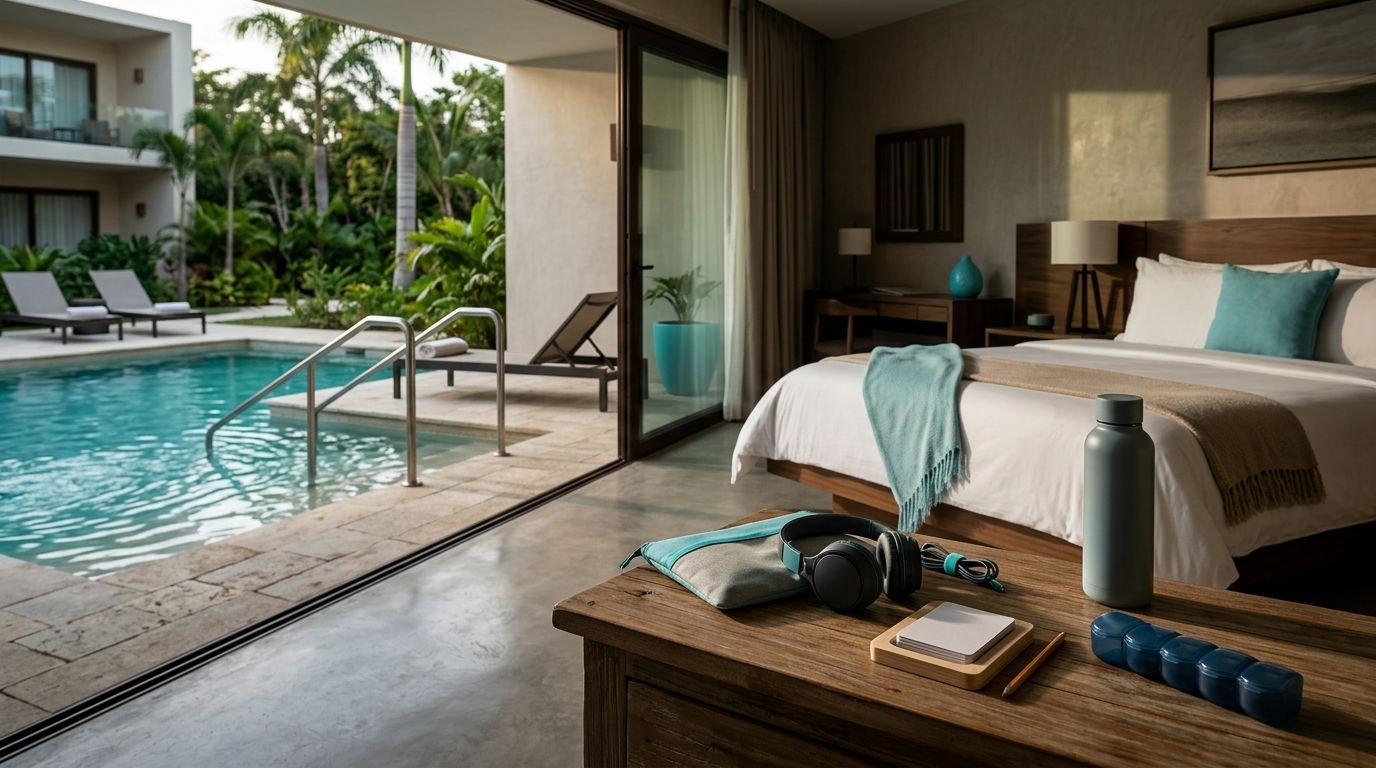
A resort vacation should fit your child’s needs, not become another place where your family has to push through. When traveling with children on the spectrum, plan a family vacation around their actual needs.
Autism friendly resorts can make it easier to travel with autism, but a resort label alone does not guarantee specific support. You still need clear answers about rooms, meals, check-in, pool safety, staff support, and what happens when plans change.
A little extra vacation planning before you book can protect the breaks your family needs once you arrive.
Key Takeaways
- Autism-friendly resort labels are a helpful starting point, but families should confirm property-specific training, supports, room options, dining procedures, and quiet spaces before booking.
- Start with your child’s real needs, including sleep, food, sensory sensitivities, communication, water safety, medication, and opportunities to take breaks.
- Request practical accommodations in writing before arrival, such as a quiet room, flexible housekeeping, familiar food options, a calmer check-in, and a resort contact for support.
- Protect your family’s energy with familiar snacks and routines, accessible medication, private transportation when possible, simple arrival plans, and one or two priorities per day.
- Choose flexibility over a packed itinerary, and spend more only where it provides meaningful rest, safer transitions, or fewer stressful surprises.
What Autism Friendly Resorts Should Offer
An autism-friendly vacation isn’t about a perfect schedule or forcing every activity. It’s about giving your family more choices when noise, crowds, heat, hunger, or waiting become too much.
Look beyond a friendly welcome
Kind staff matter, but practical support matters more. Ask what the resort can do before arrival, not only what they “usually” do once you’re there.
Helpful options may include curbside check-in, a quieter room location, flexible housekeeping, early dining times, familiar foods, and a place to take a break from music and pool crowds. Some families also request that breakable room items be removed before check-in.
A good resort team should listen without asking you to explain every detail of your child’s diagnosis. They need to know what will help your family feel comfortable.
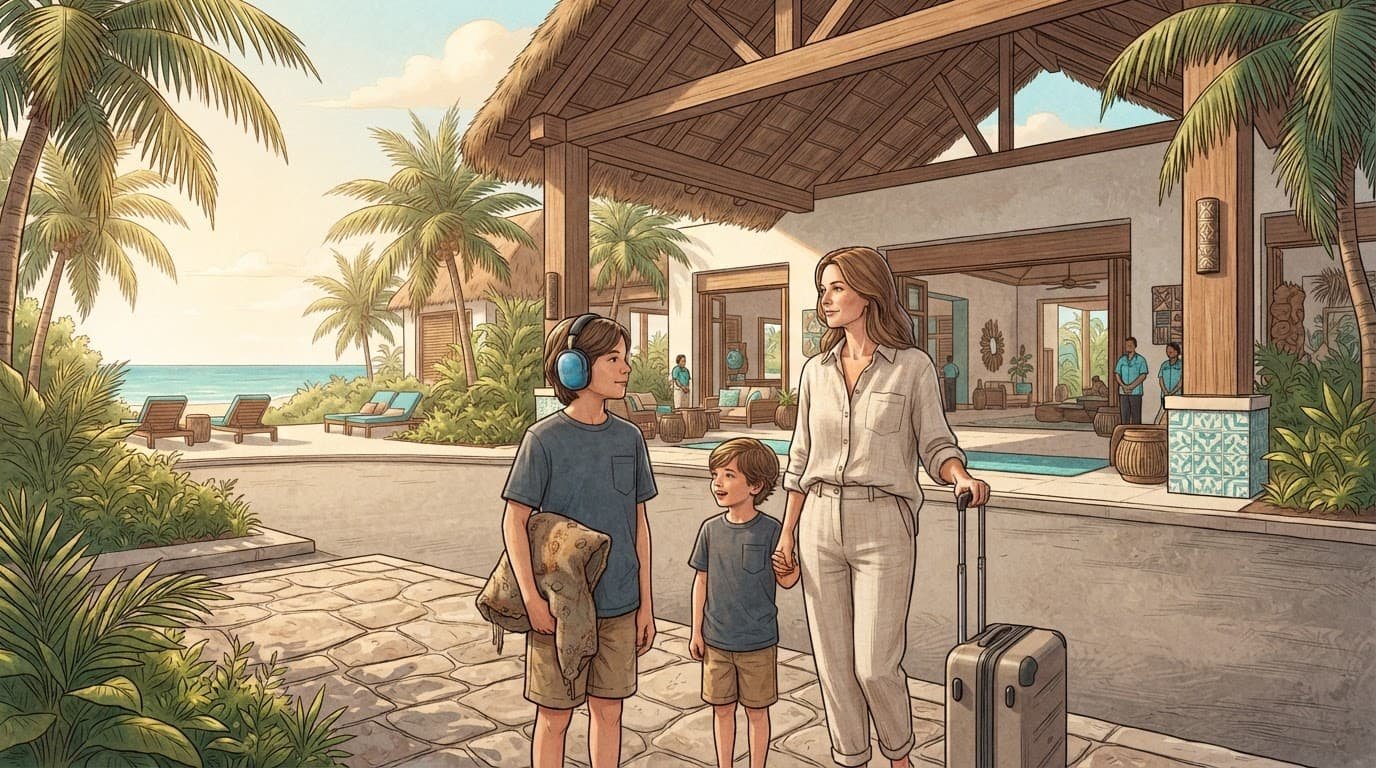
Understand what certification means
An autism certified label can be a helpful starting point, but it doesn’t replace property-specific questions. Programs differ in their training, review process, and available guest support.
Autism Double Checked helps travel providers support autistic guests through industry-specific and job-specific training. Its Autism Passport program lets families share sensory needs, communication preferences, triggers, and helpful supports before travel.
IBCCES uses a different model. For a hotel or resort to become a Certified Autism Center, IBCCES says 80% of guest-facing staff must complete specialized training in autism and sensory sensitivity. Certification lasts two years, and some properties also receive an on-site review. Review IBCCES travel certifications before treating any label as a guarantee.
Champion Autism Network is another name you may see, especially in coastal destinations. For example, Avista Resort’s autism support page explains the property’s Champion Autism Network certification and available guest support. Always ask what the current program includes during your travel dates.
Start With Your Family’s Real Needs
The right resort for another family may not be right for yours. Children on the spectrum can have very different needs because autism spectrum disorder affects each child differently. A large water park, busy kids’ club, or huge buffet may sound exciting online, yet feel overwhelming in person.
Build your calm-baseline list
Before looking at destinations, write down the things that help your child reset. Think about sleep, food, noise, sensory sensitivities, water safety, communication, medication, and personal space.
Maybe family suites with a separate sleep area would help, along with familiar snacks before breakfast. Perhaps a crowded lobby is difficult, but a quiet pool morning works well. These details are not small. They shape the whole trip.
Use a simple question: “What would make a hard day easier?” Your answer may be a kitchenette, ground-floor room, private transfer, balcony with secure access, or permission to skip the evening show.
Pick the room before the pool
Families often choose a resort based on the beach, slides, or restaurants. Start with the room instead. It is where your child may recover after a loud meal, delayed flight, or too much sun.
Ask about the exact bed setup, bathroom layout, refrigerator size, blackout curtains, balcony configuration, and elevator access. Check the room’s distance from the lobby, theater, pool, and late-night entertainment. Request a room away from busy walkways, ice machines, service areas, and main pool speakers.
If you use a special-needs stroller, ask whether it fits in the room and elevator. If your child is sensitive to scents, ask about housekeeping products and whether you can request a fragrance-free approach.
A larger room is not always the calmer choice. A room near the loudest pool can undo the benefit of extra space.
How to Compare Autism Friendly Resorts in Mexico
Many Mexico resorts are family-focused all inclusive resorts, but size, layout, staffing, and support policies vary widely. Don’t assume family suites or a kids’ club mean staff are prepared for sensory, communication, or behavioral support needs.
Treat resort names as a starting point
Hard Rock Riviera Maya, Dreams Resorts, Grand Palladium, Royalton Riviera Cancun, and Karisma Hotels and Resorts often appear on family vacation shortlists. They may offer suites, beach access, multiple restaurants, and children’s programming. These resort amenities can be helpful, but they don’t confirm autism-related training or individualized support.
Ask the resort directly whether it has a current autism program, certified staff, a sensory guide, quiet space, or a pre-arrival needs form. Get the response by email and save it with your travel documents.
Karisma Hotels and Resorts has promoted an Autism Passport and Autism Concierge approach with Autism Double Checked. The Karisma program information explains how families can share personal travel needs with a dedicated resort contact.
Compare the layout, not only the photos
A huge resort may offer many choices, but it can also mean long walks, shuttle rides, louder common areas, and more transitions. A smaller property can be easier to learn, especially when your child likes predictable routes.
Look at a resort map before booking. Find the quietest building, closest bathroom, calmest pool, main buffet, beach entrance, medical clinic, and indoor areas. Ask whether there are golf-cart rides or shuttles between buildings.
The autism travel directory can help families find destinations and providers that identify accessibility features. Verify directory information by phone or email before booking, since resort policies, staffing, renovations, and kids’ club rules can change.
Seeing a program associated with Myrtle Beach resorts, such as the Champion Autism Network, doesn’t mean a Mexico property has the same certification. Verify each resort’s current credentials directly.
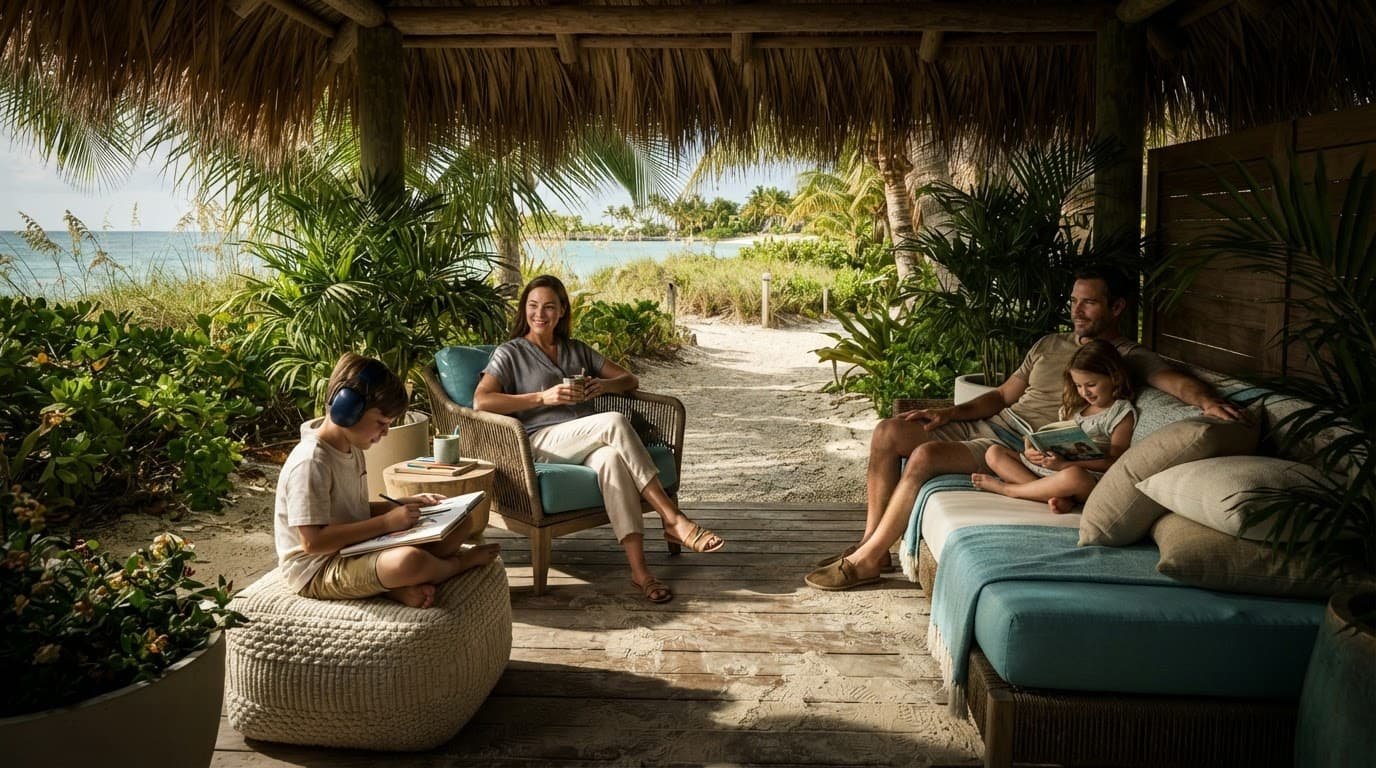
Request Accommodations Before You Arrive
A short, clear pre-arrival request gives the resort team time to help. Send it after you book, then follow up about two weeks before travel.
Share the information staff can use
You don’t need to send a long medical history. Focus on the supports that will make arrival, meals, and rest time easier.
Your email can ask for:
- A quiet room away from the main pool, lobby, elevator, and entertainment areas.
- Request curbside check in or a quieter check-in option if waiting in a busy lobby causes anxiety.
- Removal of fragile decor or glass items before arrival, if that would help your child.
- A flexible housekeeping schedule, including no service during a planned afternoon break.
- Information about gluten-free meals, allergy procedures, ingredient lists, and familiar food options.
- A contact person, such as guest services, an autism concierge, or a dining supervisor, for quick help with room, dining, or sensory concerns.
If the property uses an autism passport, complete it before arrival to share useful support information.
Use direct language. “My child needs a quiet room and may need a break from crowds” gives staff something useful to act on.
Confirm the details at check-in
A request isn’t complete until someone confirms it. Ask for the staff member’s name, the date of the response, and what was added to your reservation.
At arrival, politely repeat the most important needs. If the assigned room isn’t a good fit, ask to see another option before unpacking. A room move after everyone is tired is much harder.
Keep a screenshot of email confirmations on your phone. Print a copy too, in case your device loses service or battery.
Plan Food, Medication, and Familiar Routines
All-inclusive dining can be a relief when flexible dining is available, but confirm that benefit before you book. It can also be difficult if every meal means a loud buffet, unfamiliar food, or a long wait for a table.
Don’t leave meals to chance
If your child has celiac disease, allergies, diabetes, a feeding plan, or a limited list of safe foods, contact the resort before booking. Ask how the kitchen handles cross-contact and whether staff can review ingredients with you.
Gluten free options on a menu are not the same as safe cross-contact procedures for celiac disease or a serious allergy. Ask whether a chef, food-and-beverage manager, or dining supervisor can speak with you on arrival.
Bring familiar shelf-stable snacks in your carry-on when permitted. A fuller suitcase is often worth it if it helps protect your routine. There is no prize for packing light when a familiar breakfast or snack prevents a stressful meal.

Keep medical needs easy to reach
Carry medication, copies of prescriptions, medical supplies, comfort items, and a change of clothes in your personal bag. Do not put important medication in checked luggage.
Check refrigeration needs with the resort before travel. A standard in-room minibar may not be cold enough or large enough for medication. Ask whether a medical refrigerator is available.
Pack the items your child already knows. New sensory tools on vacation can become one more unfamiliar thing to manage. Headphones, a favorite hoodie, a small fidget, and a familiar show can go a long way.
Make the Travel Day Less Demanding
The resort is only part of the vacation. Airports, security lines, transfers, and check-in can use up energy before the beach is in sight.
Protect the first few hours
Choose a private transfer when the budget allows, especially after a long flight. It gives your family a quieter place to regroup, snack, and adjust to the destination.
Tell your child the next step in simple pieces: “We get our bags. We meet the driver. We ride to the hotel. Then we see the room.” A visual schedule on your phone or a printed card can help.
Don’t schedule a big dinner, show, or excursion on arrival day. Let the first goal be simple: get to the room, eat something familiar, and sleep.
Keep your support tools together
Create one small travel pouch for headphones, charging cords, a portable charger, communication device, comfort item, snacks, and any low-tech backup. Families often remember the tablet and forget the cable.
Bring a current photo of your child, your resort name and room number, and local emergency contacts. If the property uses this program, keep a printed or offline copy of the completed autism passport with your resort confirmation. Review pool rules early, and set a clear meeting point that everyone can recognize.
If your trip includes Disney before or after your resort stay, the Disney World With Autism Guide PDF on Etsy and the Amazon edition of the Disney autism guide offer practical ideas for park breaks, accessibility planning, and calmer days.
Give Each Resort Day One Clear Win
A packed itinerary can turn a vacation into a series of deadlines. Choose one or two priorities each day, then let the rest be optional.
Build breaks into the plan
A beach morning, one favorite pool, a quiet lunch, and time in the room may be a full day. You do not need to attend every activity, show, or themed dinner.
Visit busy areas earlier in the day when possible. Save the loud pool games, crowded buffet, and evening entertainment for times when your child has energy for them. If they do not, skipping is okay.
Ask the resort where families can find sensory friendly spaces, shaded seating, indoor lounges, or calm walking paths. These quiet areas may be informal spots rather than designated sensory rooms, but they can still be useful.
Treat kids’ clubs as optional
A kids’ club may be a great fit, but assess it individually for children on the spectrum. Ask how staff support neurodiverse guests, including bathroom assistance, communication needs, and one-to-one support.
Also ask about staff training, age limits, sensory activities, and whether a parent can stay during the first visit. Tour the space with your child before leaving them there.
If it feels too loud, too busy, or too unfamiliar, make another plan. You can leave without pressure. A family pool hour or room break may be more enjoyable than pushing through a program that does not fit.
Budget for the Vacation You Actually Need
The lowest package price is not always the best value for a family vacation. A less expensive room can cost more later if it is too loud, too far away, or missing the supports that help your family rest.
Use the same details when comparing resorts.
| Cost area | What to confirm before booking |
|---|---|
| Room category | Separate sleep areas, refrigerator, room location, and bedding |
| Transportation | Private or shared transfers, wait time, car seats, and luggage limits |
| Food needs | Allergy support, familiar foods, room service, and specialty dining fees |
| Resort extras | Wi-Fi, kids’ club limits, cabanas, water activities, and late checkout |
| Local charges | Tourism taxes, service fees, gratuities, and departure costs |
Spend where it lowers stress
A direct flight may cost more than a connection, but it removes one airport transition. A private transfer can cost more than a shared shuttle, but it may save your family from a long wait and multiple hotel stops.
Travel insurance can also be worth reviewing when your child has medical, behavioral, or support needs that make last-minute changes more likely. Read the policy’s cancellation and medical coverage carefully. Do not assume every reason for canceling is covered.
You do not need every upgrade. Choose the options that give your family more rest, more flexibility, and fewer hard transitions.
Book With Flexibility and Honest Expectations
Even the best plan can’t prevent weather, flight delays, illness, crowds, or a child who suddenly needs to be done for the day. A successful vacation leaves room for those moments.
Choose terms you can live with
Before paying a deposit, review cancellation dates, final payment rules, change fees, insurance deadlines, and what happens if someone in the room can’t travel. Ask whether you can change the package to a different date or resort if needed.
Keep confirmation numbers, transfer details, airline contacts, dietary emails, and resort requests in one folder. Give another adult a copy.
A travel advisor who understands special-needs travel can help you ask these questions before your money is locked in. The goal is a stress free vacation with fewer surprises and easier changes, not a more complicated trip.
Frequently Asked Questions
What makes a resort autism-friendly?
An autism-friendly resort offers practical support for sensory, communication, dining, safety, and routine needs. This may include trained staff, quieter rooms or spaces, flexible check-in, food accommodations, and a way to share support preferences before arrival.
Does an autism certification guarantee the right support?
No. Certification can show that a resort has completed a particular training or review process, but programs differ and property policies can change. Ask the resort directly what its current certification includes and which supports will be available during your stay.
What should families request before arriving?
Ask for a quiet room location, a calmer check-in option, flexible housekeeping, removal of fragile items, food and allergy information, and a staff contact for questions. Put the requests in writing and confirm them again at check-in.
How can families make all-inclusive dining easier?
Contact the resort before booking if your child has allergies, celiac disease, diabetes, a feeding plan, or a limited range of safe foods. Ask how the kitchen prevents cross-contact, whether a dining supervisor can review ingredients, and whether familiar foods or snacks are available.
What should families do if the schedule becomes too much?
Treat the itinerary as flexible and give each day one or two clear priorities. A room break, quiet meal, or early return can be a successful vacation choice, even if it means skipping an activity or show.
A Resort Vacation That Feels Like Yours
The best autism-friendly all-inclusive resort is the one that respects your family’s real rhythm. It has the right room, clear food plan, safe transportation, calm spaces, and staff who respond when you ask for help.
You do not need to fill every hour to make meaningful memories. Thoughtful planning, a calmer pace, familiar supports, and permission to change plans can make autism friendly travel feel more comfortable for everyone.