
A vacation should feel like a break, not a week of missed therapies, disrupted medication routines, and family stress. Vacation medical appointments take extra thought, especially when your child depends on routines, therapies, mobility equipment, or familiar foods.
The goal isn’t to plan every minute. It is to protect therapy schedules, medication routines, and rest while leaving room for family fun and real memories.
A little preparation before booking can support the routines your child needs without making the trip feel overplanned.
Key Takeaways
- Start planning vacation medical appointments before booking flights, hotels, or park tickets, and confirm any schedule changes with your child’s health care provider.
- Protect the routines that help your child feel well, including therapy, medication schedules, rest, sensory breaks, familiar foods, and quiet time.
- Carry medications, health records, communication tools, sensory supports, and essential supplies in your carry-on or park bag, with extra medication approved by your provider.
- Know where to find urgent, emergency, virtual, or English-speaking medical care at your destination, and understand when each level of care is appropriate.
- Review travel insurance carefully for emergency medical care, evacuation, medication replacement, exclusions, approval rules, and coverage for underlying medical conditions.
Start Vacation Medical Appointments Before You Book
The best time to plan around appointments is before you choose flights, hotels, and park tickets. A lower-priced trip can become harder if it puts you on the road during a therapy session, prescription refill, infusion, or important follow-up visit.
Look at your calendar first. Include recurring therapy sessions, specialist visits, pharmacy refill dates, school obligations, and any care routines that can’t be moved easily.
Ask which appointments can move safely
Talk with your child’s health care provider before changing a routine. Some appointments can happen early or late. Virtual care is appropriate only if the clinician agrees and the hotel offers a quiet, private setting.
Ask direct questions:
- What should we ask our health care provider before moving this appointment?
- Can we schedule an appointment before we leave or soon after we return?
- What symptoms mean we should call the office while away?
- Is there a provider or clinic you recommend near our destination?
Don’t assume a missed session will be no big deal. Your provider knows your child’s needs and can help you make a plan that feels comfortable. General travel planning isn’t individualized medical advice, so confirm timing changes with the care team.
Choose dates with breathing room
Avoid booking a flight on the same day as a major appointment when possible. A delayed flight, a rough travel day, or a tired child can make that schedule feel impossible.
For a Disney vacation, give yourself a slower arrival day. Check in, unpack comfort items, find food your child will eat, and let everyone rest. The parks will still be there tomorrow.
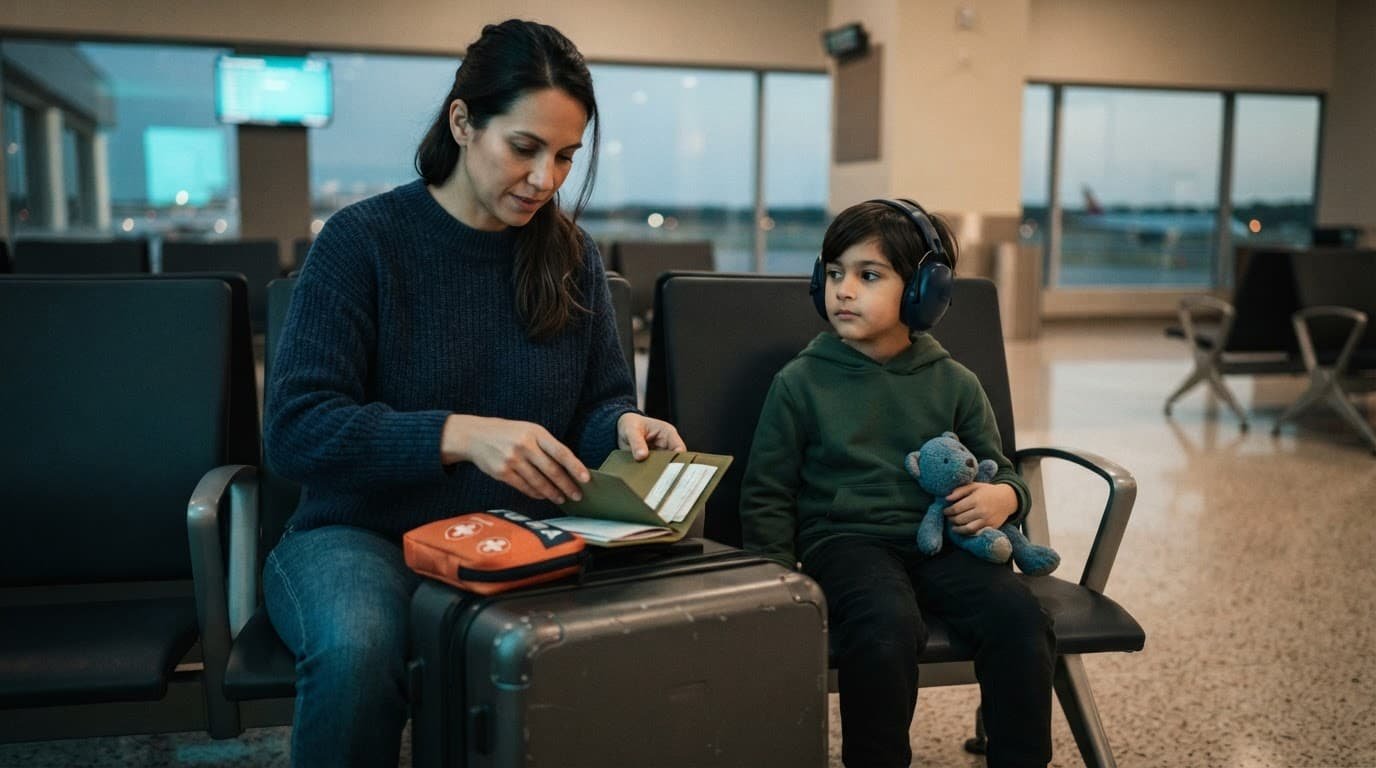
Keep Therapy Routines Familiar While You Travel
Therapy routines often provide more than a scheduled activity. They can give your child predictability, communication support, movement, and time to reset. A vacation doesn’t need to copy home perfectly, but it should keep the parts that matter most.
Think about what your child needs each day to feel regulated. It may be a quiet morning, sensory tools, movement breaks, a preferred bedtime routine, or time away from crowds.
Build the day around your child’s energy
One park per day is often easier than trying to fit everything into one packed schedule. More transportation, security lines, and decisions can wear everyone out.
Pick one or two must-do experiences. Then leave room for snacks, shade, bathroom breaks, and an early return to the hotel. A child who needs a break isn’t ruining the plan. The break is part of the plan.
This matters at Disney, where paid return times and busy ride schedules can add another clock to watch. You don’t need every add-on for a good vacation. A calm day with familiar food and a favorite ride can be more successful than a day packed with reservations.
Use virtual care when it fits
Some therapists offer virtual care appointments. Confirm with your therapist before the trip, and book the session for a quiet hotel time rather than a theme park bench.
Test the device, connection, headphones, and communication tools ahead of time. A hotel-room session shouldn’t replace an in-person routine unless your therapist approves that plan.
Keep charging cords in the same pouch as the device. Families often remember the tablet and forget the cable.
A flexible vacation plan does not mean skipping every routine. It means protecting the routines that help your child enjoy the trip.
Plan Medications, Refills, and Health Records
Medication problems are stressful at home. They are even harder when you are in another state or country. Start this part of your trip plan early.
Carry prescription medication in its original labeled container. Keep it in your carry-on, never in checked luggage. Delayed bags happen, and you don’t want an important medication sitting somewhere you can’t reach.
Bring more than the exact amount needed
Ask your provider how much extra medication makes sense for your trip. Get approval for an extra supply of prescription medication or a replacement plan. A few additional days can help if your flight is canceled, your car breaks down, or your return plans change.
Use one small travel folder or secure phone folder for:
- A current medication list with names, doses, and schedules
- Photos of prescription labels, insurance cards, and immunization records
- Your child’s diagnoses, allergies, and care instructions
- Contact information for doctors, therapists, and pharmacies
- A brief summary of communication, sensory, or mobility needs
Keep a printed copy too. Phones lose battery, get dropped, and sometimes do not have service.
Check destination rules for medication
During international travel, medication rules and access to medical care can vary by country. This is especially important for controlled medications, injectable medications, and medical supplies. Check requirements before departure, not at the airport.
Schedule a pre-travel consultation with a travel clinic at least four to six weeks before departure. Ask your provider whether recommended or required vaccines apply to your destination, and confirm the timing. The CDC’s travel vaccine planning guidance explains why early timing matters. Some vaccinations need more than one dose, and some destinations have entry requirements.
Families visiting areas with yellow fever risk should also review the CDC’s yellow fever vaccine information and ask where to find an authorized clinic.

Pack a First Aid Kit That Fits Your Family
A travel first aid kit shouldn’t be a giant bag of items you’ve never used. Pack familiar supplies that fit your family and are easy to find when needed.
Think about common vacation problems: headaches, minor scrapes, motion sickness, stomach upset, blisters, fever, sun exposure, and sudden sensory overload.
Ask your child’s clinician which medicines and supplies are appropriate for your family.
Keep the important items easy to reach
Your carry-on or park bag should hold items that are difficult to replace. These may include prescribed medicines, epinephrine if prescribed, communication devices, sensory supports, safe snacks, and a change of clothes.
A practical family kit may include:
- Bandages, gauze, antiseptic wipes, and blister care
- A thermometer and medicines approved by your child’s clinician
- Sunscreen, bug spray, hand sanitizer, and disposable cleaning supplies
- A water bottle, electrolyte packets, and familiar snacks
- Noise-reducing headphones, fidgets, and a comfort item
- A portable charger, charging cord, and small battery pack
Our travel shop has helpful vacation items, including strollers, cleaning supplies, and practical extras for when someone gets sick away from home.
Pack for your real vacation
Beach trips need sun care and waterproof pouches. Theme park trips need cooling items, comfortable shoes, and backup clothes. Road trips need easy-access supplies in the car, not buried under suitcases.
If your child has food allergies or strong food preferences, pack accepted snacks. Vacation isn’t the best time to test unfamiliar foods when everyone is tired and hungry.
Know Where to Get Medical Care While Traveling
You do not need to figure out every local doctor before you leave. You do need a simple plan for where to start finding medical care.
Save the nurse hotlines, telehealth number, and member services number for your health insurance plan in your phone. Add nearby urgent care centers to your destination checklist, then ask your health insurance plan about nearby in-network options.
Start with the right level of medical care
For a minor illness, rash, ear pain, medication question, or simple injury, virtual care, walk-in clinics, or urgent care may be the best first options. Walk-in clinics can be faster and less overwhelming than a hospital visit.
Call your primary care doctor if you’re unsure. They may help you decide what level of care is appropriate.
Call emergency services or go to the emergency room for medical emergencies, including trouble breathing, seizures, severe allergic reactions, loss of consciousness, major injuries, or severe dehydration. Trust your instincts when something feels seriously wrong.
Find English-speaking care abroad
Before leaving the country, ask your hotel concierge, insurer, or the U.S. embassy website for help locating accredited facilities. Your insurer may also arrange a clinic visit or direct billing.
Virtual care can help when you’re away from a familiar clinic. Write down the address of your hotel and keep it available in the local language if possible. During a stressful moment, simple details can be hard to remember.
Choose Travel Insurance for Medical Needs
Regular health insurance may offer limited coverage for medical care outside your home area. For international travel, travel health insurance may offer broader international medical coverage. Call your health insurance company before you book and ask what treatment away from home is covered by travel health insurance.
Ask about urgent care, emergency medical care, out-of-network medical care, prescription medication replacement, and underlying medical conditions. Exclusions and approval rules vary. Confirm them with the insurer and your child’s clinicians, then get answers in writing if possible.
Medical coverage and medical evacuation are different
Travel insurance can include trip cancellation insurance, interruption, baggage protection, emergency medical coverage, and evacuation benefits. These are separate benefits with different limits and rules. Cancellation and interruption benefits address trip costs, while emergency coverage addresses treatment and evacuation benefits may arrange transport.
Medical evacuation differs from ordinary emergency treatment and may require prior approval. It matters when the nearest facility, especially in remote areas, cannot provide the services your child needs. The U.S. State Department recommends reviewing medical and evacuation insurance, especially when traveling to places with limited local services.
Read the travel insurance policy before purchase. Look for exclusions, coverage limits, approval rules, and how the company handles medication that is lost, delayed, damaged, or stolen. Confirm whether medical evacuation requires prior approval and review its limits.
Keep receipts and records if care is needed
Paying out of pocket can happen, especially outside the United States. Keep every receipt, discharge paper, prescription record, and written explanation of treatment.
Call the insurance company as soon as you can. Ask for a claim number and confirm what documents they need. If a bill looks wrong, request an itemized statement before paying more than required.
Make Disney Trips Easier for Autistic Children
Disney can bring plenty of joy, but it can also be loud, hot, crowded, and unpredictable. Families traveling with autistic children deserve a plan centered on comfort, not pressure.
A familiar schedule, quieter hotel time, safe foods, headphones, and realistic expectations can make a big difference. Check Disney’s official accessibility information, and confirm your child’s individual needs with their care team.
Use guides built by autism parents
Our Disney World with Autism Guide on Etsy offers practical ideas for park days, sensory needs, breaks, and accessibility planning.
You can also find the guide on Amazon. It’s made for families who want Disney memories without pushing through every difficult moment.
Let breaks be part of the magic
Choose a nearby hotel when possible. Returning for a swim, snack, nap, or quiet room can reset the entire day.
Watch your child’s cues. A favorite show, calm ride, or snack break may become the best part of the day. There’s no prize for staying until everyone feels overwhelmed.
Frequently Asked Questions
When should I start planning vacation medical appointments?
Start before booking flights, accommodations, and activities. Review therapy sessions, specialist visits, medication refills, and other care routines, then ask your child’s health care provider which appointments can safely move.
Can my child use virtual care while we are traveling?
Some therapists and clinicians offer virtual care, but you should confirm the plan with the provider before leaving. Schedule the appointment in a quiet, private place and test the device, connection, headphones, and charging equipment ahead of time.
How should I pack my child’s medications for a trip?
Keep prescription medications in their original labeled containers and pack them in your carry-on rather than checked luggage. Ask the provider whether an extra supply is appropriate, and bring a medication list, prescription details, and relevant health records.
What should travel insurance cover for a child with medical needs?
Ask about emergency medical care, urgent care, out-of-network treatment, prescription replacement, medical evacuation, and coverage for underlying medical conditions. Read exclusions, limits, and approval requirements before purchasing the policy, and request important answers in writing when possible.
When should we seek emergency medical care while traveling?
Call emergency services or go to an emergency room for trouble breathing, seizures, severe allergic reactions, loss of consciousness, major injuries, or severe dehydration. For less serious concerns, virtual care, a walk-in clinic, or urgent care may be an appropriate first option, but call your primary care provider if you are unsure.
Final Thoughts
Planning vacation medical appointments starts with reviewing the schedule and confirming therapy and medication plans. Prepare essential supplies, and leave room for rest, delays, and changing needs. Confirm appointment changes, medication questions, and travel guidance with your child’s health care provider. Ask whether virtual care is an option while you’re away.
A vacation can still be fun when medical care and health needs are part of the plan. This article offers general information, not individualized medical advice. The best family trips aren’t always the busiest ones. They’re the trips where everyone feels safe, supported, and able to enjoy moments together.