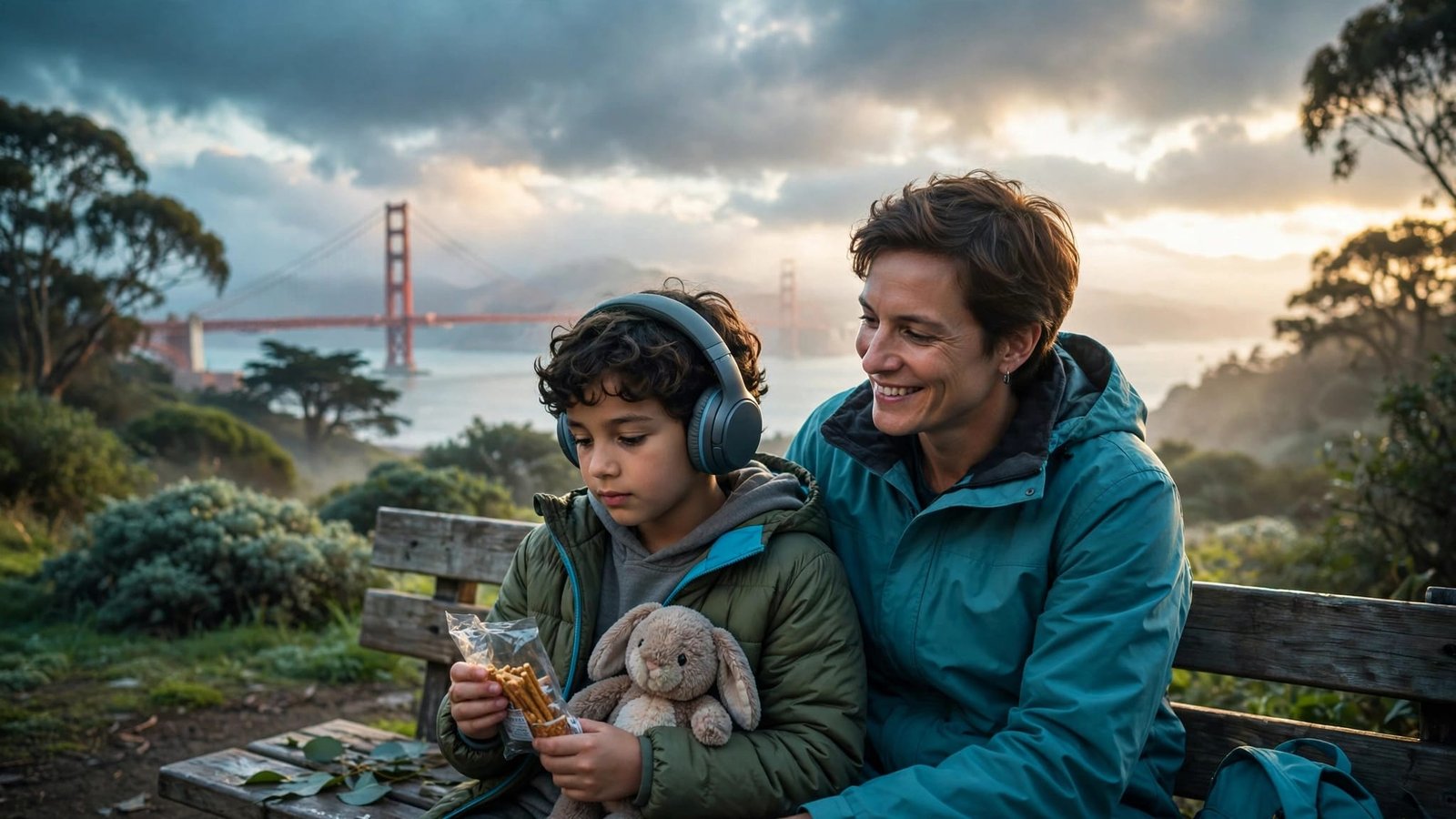
San Francisco can be exciting, beautiful, and a lot for any family to take in. Hills, cable cars, crowds, new foods, busy sidewalks, and changing weather can make a first visit feel big fast.
An autism friendly San Francisco vacation does not need a packed schedule to feel special. One great museum visit, a favorite snack, a quiet park, and an early hotel return can be more than enough.
Start with your child’s needs, then build the city around your family’s pace.
Key Takeaways for a Calmer San Francisco Trip
- Choose one main attraction each day. Everything else can stay optional.
- Book lodging that gives your family room to rest, eat familiar foods, and recover after busy outings.
- Before buying tickets, review a venue’s current quiet zones, exits, bathrooms, and low-stimulation alternatives.
- Bring the tools your child already uses, including headphones, snacks, medication, comfort items, social stories, visual schedules, and familiar communication supports. Child Mind Institute can offer general preparation ideas, but it shouldn’t replace your child’s existing supports.
- Keep a backup plan each day. A waterfront walk, hotel break, or playground stop can save the day.
A successful day isn’t measured by how much you see. It’s measured by whether your family had enough comfort, safety, and space to enjoy it.
How to Plan an Autism Friendly San Francisco Visit
San Francisco is walkable in some areas, but it is not an easy city to rush through. Steep hills, long blocks, transit changes, and crowded tourist spots can wear everyone out.
Pick a neighborhood or attraction cluster for each day. Before booking, check the expected sensory load, transportation changes, restroom locations, familiar meal options, hotel recovery time, and a realistic exit plan.
Golden Gate Park, Fisherman’s Wharf, the waterfront, and the zoo are better as separate plans than one long day. Confirm dates, schedules, and accommodations through current official venue sources.
Start with your child’s sensory profile
Think about what helps your child feel comfortable at home and on past trips. For general preparation ideas, Child Mind Institute may help, but it isn’t a substitute for individualized clinical advice.
Some autistic children enjoy aquariums, animals, trains, and hands-on exhibits. Others need predictable routines, outdoor space, or short visits with clear exit options.
If you’re considering a special program, such as Sensory Sundays, verify its current schedule and accommodations before planning around it.
Write down your family’s biggest needs before booking. Consider noise, crowds, waiting, food preferences, mobility, sleep, communication, and bathroom routines.
A visual schedule can help with transitions. Child Mind Institute is another optional reference for general visual-schedule ideas, not individualized clinical advice. Keep the schedule simple: breakfast, transportation, one activity, lunch, break, then an optional evening plan.
Make breaks part of the itinerary
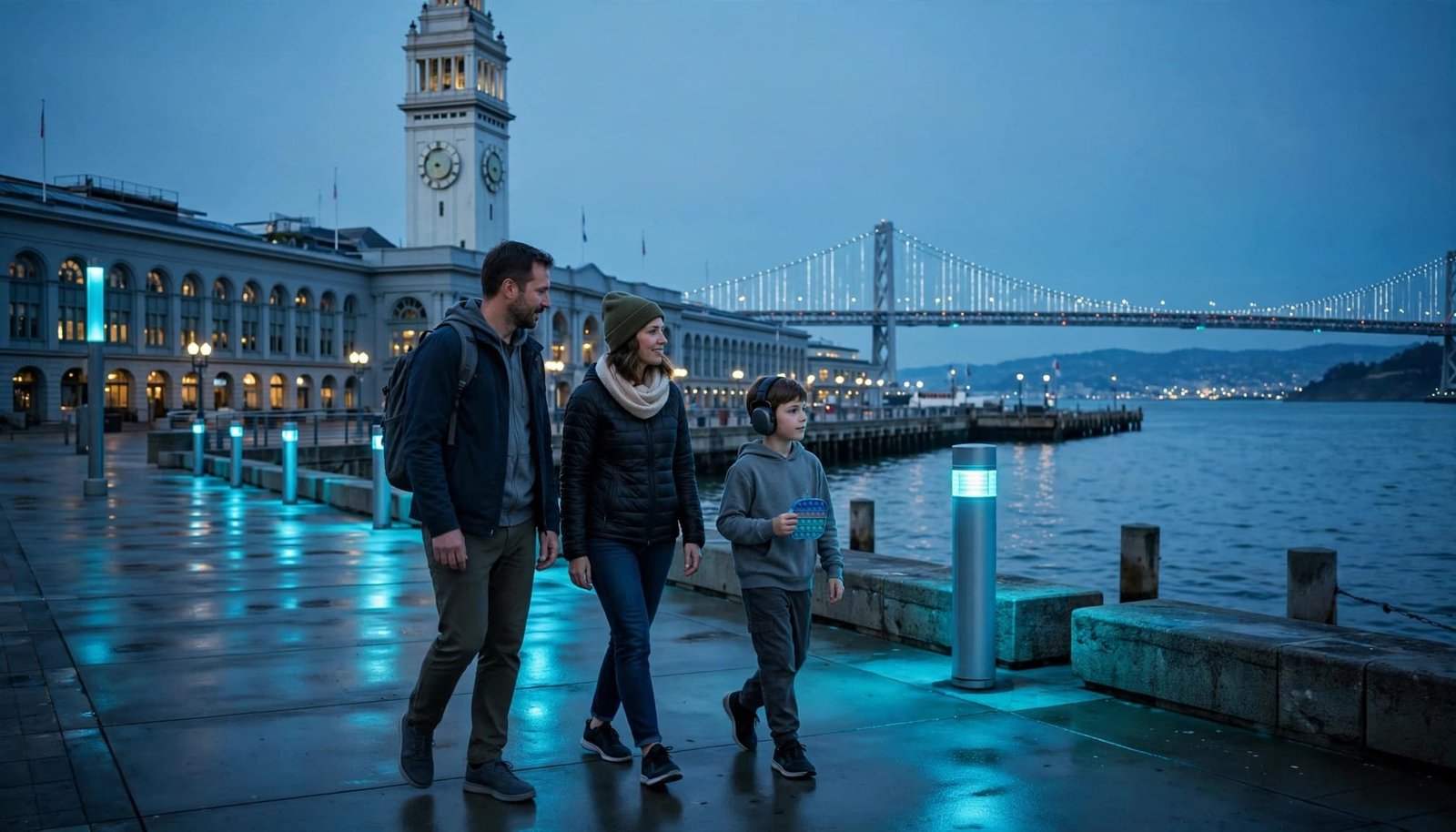
Don’t wait until someone is overwhelmed to take a break. Plan a hotel reset, snack stop, playground visit, or quiet walk before the hard part of the day.
Morning is often the best time for a major attraction. After lunch, return to the hotel or choose something low-demand. A short waterfront walk, room-service meal, or favorite show in the hotel room still counts as vacation time.
Families who want help with lodging, transportation, and flexible schedules can explore special needs travel planning. Coordinating with your child’s existing caregivers can provide helpful family support before and during the trip. K&S The Travel Crusaders plans around real family needs, with firsthand autism travel experience and Kellie’s B.A. in Child Development.
Sensory-Friendly Attractions Worth Considering
Not every attraction will fit every child. Sensory-friendly activities can still feel loud or crowded on a busy day. Read current accessibility information and call with direct questions before you commit.
Use the current official map to locate designated quiet zones or crowd-break areas. Visiting at opening and choosing only a few exhibits are suggestions, not guaranteed accommodations.
California Academy of Sciences
The California Academy of Sciences in Golden Gate Park can work well for families who like animals, aquariums, and natural history. Its accessibility guide lists sensory kits available at coat check on a first-come basis. The kits include adjustable earmuffs, sunglasses, and tactile fidget toys.
The Academy also offers a Sensory Guide through its interactive map. It rates areas for noise, visual stimulation, touch, and smell. Pick a few exhibits that fit your child instead of trying to complete the whole building.
Ask about current planetarium access, re-entry, sensory-kit availability, and the day’s special programs before your visit.
San Francisco Zoo & Gardens
The San Francisco Zoo gives children room to move between animal areas. Still, it is large, and the walk can be tiring. Choose one or two animal sections, a snack break, and a clear stopping point.
Its sensory guide identifies crowd-break locations. The zoo also lists a free sensory satchel at the Membership Office with headphones, a communication card, and fidgets.
Contact Guest Services before travel to confirm pickup details, current hours, re-entry policies, and any accessibility changes. A short zoo morning is still a successful zoo visit.
CuriOdyssey and Sensory Sundays
CuriOdyssey in San Mateo combines science exhibits, animals, and outdoor space. Its Sensory Sundays are designed for neurodivergent guests and people with sensory sensitivities.
Confirm the current Sensory Sundays date, ticket details, reservation needs, attendance limits, and available supports directly with CuriOdyssey. Noise levels and accommodations may differ during regular museum hours.
Parks, Playgrounds, and Easy Reset Stops
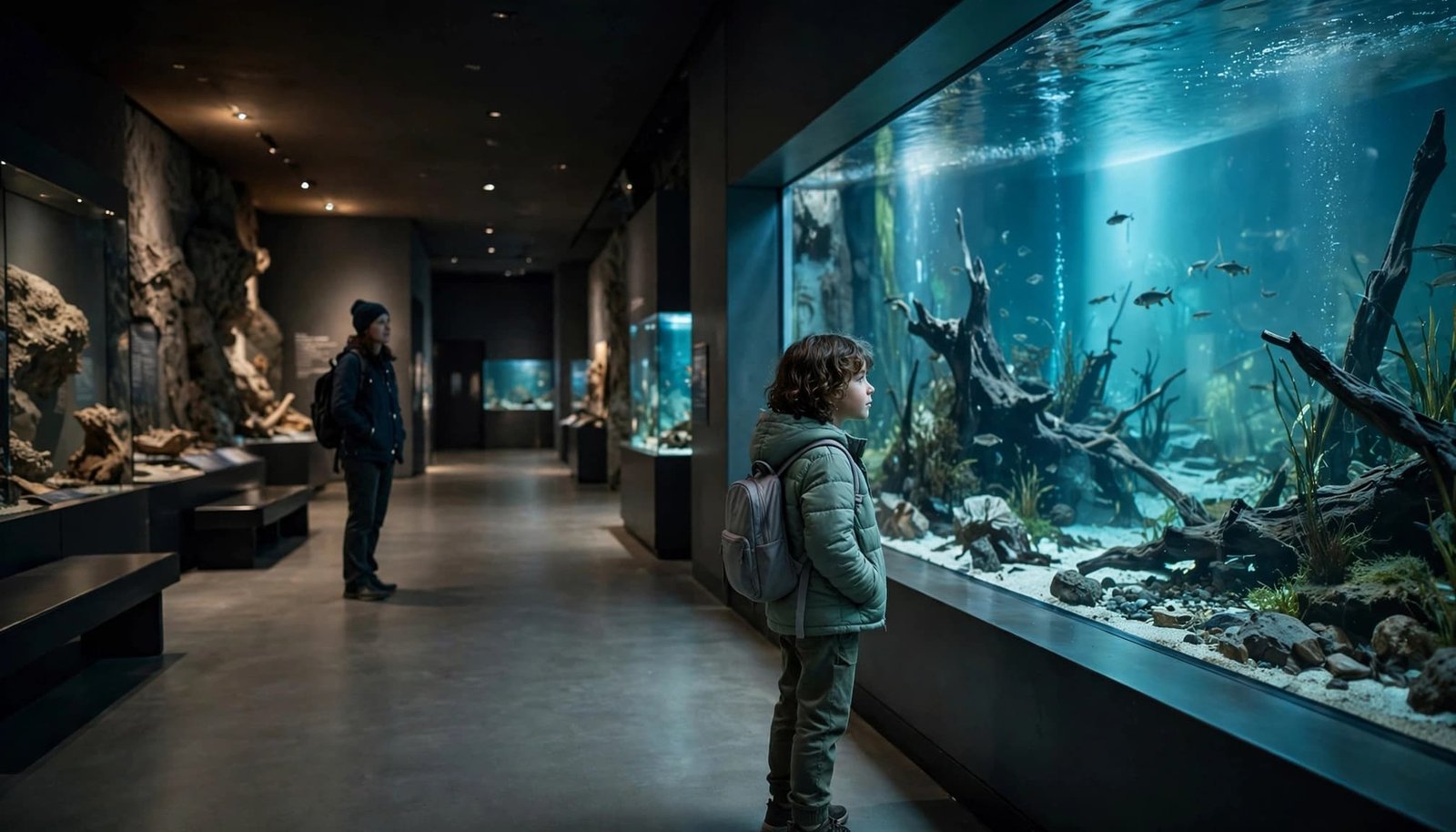
Outdoor time can be the best part of an autism-friendly Bay Area trip. It gives children space to move, lowers the pressure to wait, and makes it easier to leave when needed.
Try an inclusive playground
The organization has multiple locations, including Magical Bridge Playground sites in Palo Alto, Redwood City, and Morgan Hill, as listed in this overview of Bay Area autism-friendly businesses.
These playgrounds may support movement breaks after a museum, restaurant, or car ride. Consider shaded seating, accessible play features, bathrooms, parking, and quieter edges when planning your visit. These features can help, but they don’t guarantee low stimulation.
Verify the current official location list, hours, weather or maintenance closures, and access conditions before traveling. An inclusive playground can be the main activity of the day, not merely a backup stop.
Keep one outdoor backup nearby
San Francisco weather can shift quickly. Bring layers, water, and a familiar snack pouch. A favorite park bench, a calm view of the bay, or a short walk can help everyone reset.
Choose outdoor stops with bathrooms, seating, and an easy route back to your hotel. Those details matter when plans change.
Hotels and Transportation That Support Breaks
The best hotel is not always the one with the best view. For many families, a quieter room, refrigerator, familiar food nearby, and simple transportation matter more.
Choose a hotel for recovery time
Ask for a room away from elevators, ice machines, busy pools, and late-night gathering areas. Confirm whether the room has a refrigerator, microwave access, blackout curtains, laundry, and a bathtub or shower setup that works for your child.
Check restroom access before booking, along with nearby restaurants offering familiar meals. A hotel with easy restroom access and dependable food nearby can reduce stress between outings.
A room with space to spread out can make mornings and evenings easier. Don’t overbook your first day. Arrival day is a good time for a simple meal and an early bedtime.
Use transit only when it fits your child
Muni, BART, and cable cars can be part of the San Francisco experience, but they can also mean crowds, noise, stairs, and unexpected delays. Review the SFMTA trip-planning tools before leaving the hotel.
If you’re staying in South San Francisco, confirm the route, parking, elevator status, and quickest low-stimulation way back before heading into the city. Use current information from your hotel and transportation providers, since conditions can change.
BART and Muni Metro stations have elevators at many locations, but elevator status can change. Check Bay Area transit accessibility information on the day you travel, and don’t assume a specific station or vehicle will be accessible.
Rideshare, taxi service, or a rental car may be the better backup when your child needs a fast exit from a crowded trip. Keep that option ready without treating it as a failure.
Local Autism and Developmental Support Resources
Most families won’t need local services during a vacation. Still, reliable referral information and family support can help if plans change or caregivers need non-emergency assistance.
Availability, eligibility, coverage, and referral details can change. Check current official provider pages before relying on any local service.
Autism Society San Francisco Bay Area
The Autism Society San Francisco Bay Area, also called SFASA, offers an information-and-referral helpline, a resource library, newsletters, a blog, and community connections. Their family resource information can support family support planning before or during your trip.
SFASA does not provide medical, psychiatric, legal, or emergency services. For urgent concerns, use local emergency resources or contact your child’s usual medical provider. Families supporting someone with developmental disabilities can also ask the organization for general referral guidance.
AbilityPath, PARCA, and South San Francisco services
AbilityPath provides educational, therapeutic, vocational, and family support services for people with developmental disabilities. It lists Health Plan of San Mateo and Kaiser among its in-network plans, while other payment options may include private pay and regional-center funding. Check AbilityPath’s coverage details for current information about insurance plans and eligibility.
PARCA also supports people with developmental disabilities through advocacy and independent living services. Families of people with developmental disabilities may find its caregiver planning and referral information useful. If you are looking into ABA therapy or providers such as CARD in South San Francisco, contact each office directly about intake timing, service availability, insurance acceptance, and whether care is appropriate during travel.
WINGS Learning Center may be a possible resource if its current services match your family’s needs. Verify WINGS Learning Center’s location, intake process, eligibility rules, and current availability before making plans. If a provider mentions behavior technicians, ask about their roles, supervision, availability, and whether that service is actually offered locally. Availability and coverage information are subject to change.
What to Pack for Each San Francisco Day
San Francisco’s fog, wind, hills, and long attraction days make a prepared day bag helpful. Keep essentials easy to reach, not buried under souvenirs.
Bring familiar tools your child already uses successfully at home:
- Noise-canceling headphones or ear defenders.
- A favorite fidget, comfort item, or small sensory tool.
- Familiar foods, water, medication, and allergy information.
- Extra clothing, wipes, toileting supplies, and a portable charger.
- Your child’s communication system, a paper backup, and a simple visual schedule or familiar social narrative.
For visual preparation, the Child Mind Institute can serve as an optional general resource for families exploring travel routines and preparation ideas. Choose approaches your child already understands and uses comfortably.
The Trip Rescue Shop has practical travel supplies, including stroller items and cleaning supplies for sick-on-vacation moments. Pack enough for the first day in your carry-on or day bag.
For a future theme park trip, the Disney World With Autism Guide on Etsy and the Disney guide on Amazon include optional family-focused ideas for park days, breaks, and accessibility planning.
Frequently Asked Questions
What makes San Francisco autism friendly for a family vacation?
San Francisco can be autism friendly when the trip fits your child’s sensory profile, routines, and energy. Choose fewer attractions, use current venue guides, and give your family permission to leave early or change plans.
Are sensory-friendly movie screenings available in the Bay Area?
Some local theaters may offer sensory-friendly screenings at certain times. Policies can vary by theater, film, and date. Before buying tickets, ask about sound level, lighting, previews, movement breaks, food rules, seating, and quiet-space options.
How should we prepare for the zoo or a museum?
Review the attraction’s map and current sensory information with your child before travel. For general advance-planning ideas, the Child Mind Institute may be helpful, but it can’t assess your individual child. If you’re considering Sensory Sundays at CuriOdyssey, verify the current date, registration rules, capacity, sensory supports, and cancellation policy directly with CuriOdyssey. Treat confirmed venue accommodations separately from family strategies, such as arriving near opening, carrying headphones, choosing a shorter route, and locating exits and bathrooms. Plan meals, bring familiar supports, and start breaks before your child reaches their limit.
What should we do if an outing becomes overwhelming?
Leave early, find a quieter spot, return to the hotel, or switch to a familiar activity. A changed plan is part of a flexible vacation. It is not a failed vacation.
A San Francisco Vacation That Fits Your Family
The best autism-friendly San Francisco trip is not the one with the longest attraction list. It is the one that gives your child room to rest, choose, move, and feel comfortable.
Plan one meaningful activity, keep familiar supports close, and protect your family’s pace. Good memories need space to happen.
Leave a Reply