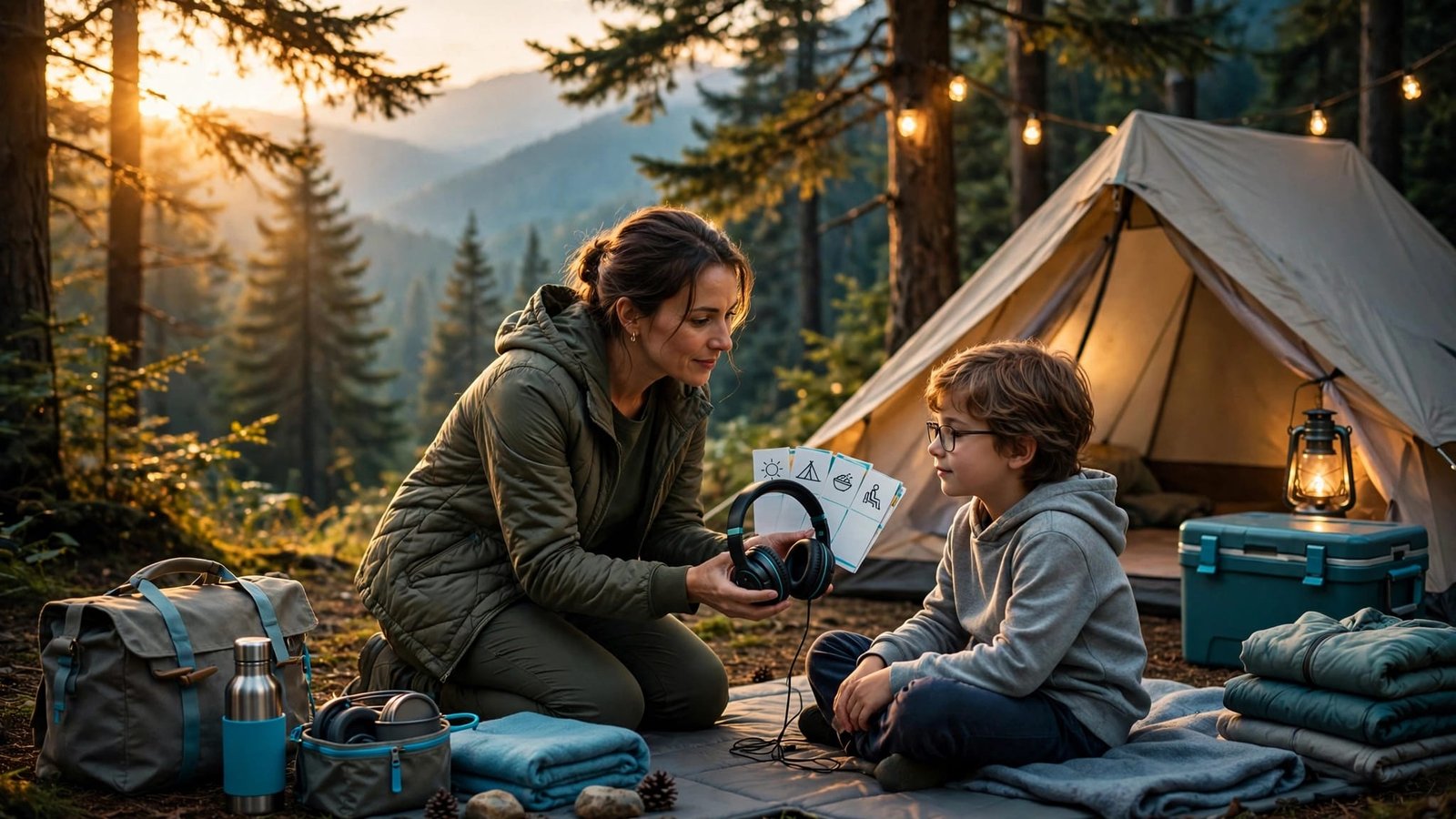
Camping can create wonderful family memories, but family camping may bring new sounds, sleeping spaces, weather changes, and long days. Camping with autism gives your family more room to plan around comfort, safety, routine and predictability while choosing recreational spaces that fit your child’s needs.
You don’t need to make every moment perfect. You need a campsite, schedule, and support plan that fit your child’s individual needs. Start small, stay flexible, and let your family’s needs set the pace.
Key Takeaways for a Calmer Camping Trip
A successful camping trip may be one peaceful night in a tent, a short nature walk, and an early bedtime. It doesn’t need to include every trail, activity, or campfire program.
- Prepare autistic children with photos, a visual schedule, a social story, and a short practice trip before the overnight stay.
- Choose a campsite based on noise, traffic, bathrooms, nearby recreational spaces, water hazards, cell service, and how quickly you can get back to your car.
- Pack familiar sensory supports, safe foods, medication, communication tools, and an easy-to-reach change of clothes.
- Create a written elopement safety plan before you leave, especially when water, roads, trails, and unfamiliar exits are nearby.
- Keep one main activity per day and give your family permission to leave early.
Prepare Your Child Before You Leave
The campground should not be the first time your child sees the tent, sleeping bag, lantern, or camp stove. Familiarity makes a big difference when routines change. Preparation should match your child’s needs, since autistic children can respond differently to unfamiliar settings.
Use Visual Schedules and Social Stories
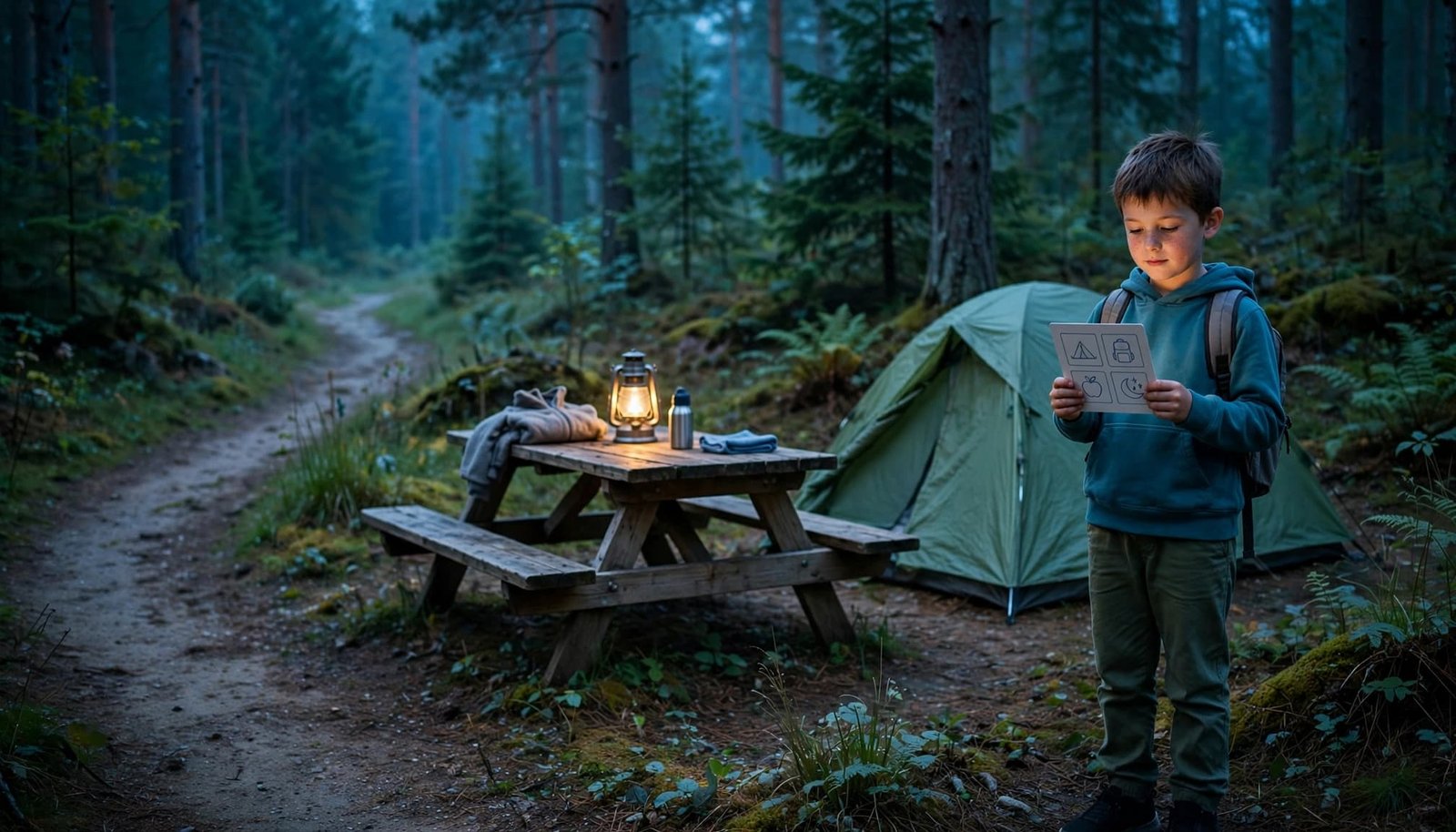
Keep the plan simple. Your schedule might show: pack the car, drive, check in, set up the tent, eat dinner, pajamas, sleep, breakfast, pack up, drive home.
A social story can explain sounds your child may hear, such as zipper noise, birds, other campers, or rain on the tent. Include what they can do if something feels too loud or uncomfortable. They might wear headphones, sit in the car, hold a comfort item, or ask for help.
The same visual planning tools can help with many family vacations. Our Disney World With Autism Guide on Etsy and Disney autism guide on Amazon share practical ideas for breaks, flexible plans, and preparing for unfamiliar environments.
Try Camping in Small Steps First
Set up the tent in your backyard or living room. Let your child explore it without pressure to sleep inside. Practice unzipping the door, using a flashlight, sitting in a camp chair, and eating one familiar meal outdoors.
A daytime visit to a local campground offers low-pressure outdoor sensory experiences. Observe the recreational spaces, walk to the bathroom, listen to the sounds, and see how far the parking area is from the site.
The best first camping trip is often close to home, short enough to leave easily, and simple enough to repeat.
Choosing an Autism-Friendly Camping Site
Thoughtful campsite selection matters because a quiet-looking campground may feel busy once you arrive. A site near a playground, bathhouse, boat launch, other recreational spaces, or a busy road may bring more activity than your family wants.
Look Beyond the Campsite Photos
Call before booking and ask direct questions. Find out where the site is located, whether quiet hours are enforced, how close you will be to other campers, and whether generators are allowed.
Ask about bathroom distance, lighting, accessible paths, parking, water access, wildlife concerns, and cell service. If sleep is hard in new places, request a site away from the entrance, shared facilities, and group areas.
The American Camp Association’s accessibility guidance is a helpful reminder that accessibility means more than a welcoming message. Families need spaces that respect different communication, sensory, mobility, and support needs. This includes people with autism spectrum disorder or hidden disabilities, without assuming everyone needs the same accommodations.
Pick a Site With an Easy Exit
Choose a campground within a comfortable drive. A nearby grocery store, urgent care location, and familiar restaurant can make a big difference if plans change.
Look at the map before you book. Note water, roads, parking lots, trailheads, and exits. A site with a clear path to the car gives your family a reliable reset space.
For bigger outdoor vacations, these autism-friendly national park vacations can help you think through weather, terrain, bathrooms, food, driving time, and rest breaks.
Choose the Camping Accommodation That Feels Right
There is no single best camping accommodation for autistic children. The right choice depends on sleep, sensory needs, safety concerns, budget, and how much change your child can handle.
When comparing a tent, pod, or RV, consider accessible accommodation in practical terms. Look at your child’s needs for sleep, movement, privacy, bathroom access, and safety.
Tent Camping Brings Flexibility and More Sensory Changes
A tent can be affordable and easy to try for one night. It also gives children a clear, contained home base. Yet tents can feel loud in wind or rain, bright in the morning, and uncomfortable in heat or cold.
A glamping site may offer a middle step for families who want more structure than a tent. Consider how close the accommodation is to shared campground recreational spaces, and whether your child has a quiet way to reset.
Choose a level site and practice sleeping in the tent at home. Bring familiar bedding, a battery fan, and a soft lantern instead of relying on one overhead light.
A pop-up camper adds structure
A pod or pop-up camper may feel more predictable than a tent. It provides firmer walls, a raised sleeping area, and better protection from weather. The smaller space can also feel crowded, so think about whether your child needs room to move and reset.
Ask about electricity, heating, windows, locks, parking, and the distance to restrooms. Never assume a pod has kitchen items, bedding, or a private bathroom.
RVs Can Support Routine, With Added Planning
An RV gives your family indoor space, familiar food storage, a private bathroom in many models, and better shelter during rain. It can be a comfortable choice for families who need a dependable sleep space.
RVs also bring more setup, driving, and campground rules. Confirm hook-up details, vehicle length limits, and parking before you book. A smaller trailer or rented camper may be a good way to test the experience.
Pack Familiar Supports, Not New Surprises
A sensory bag does not need to be expensive. It needs items your child already knows and uses. For autistic children, choose supports based on their individual communication and sensory preferences.
Keep Important Items Within Reach
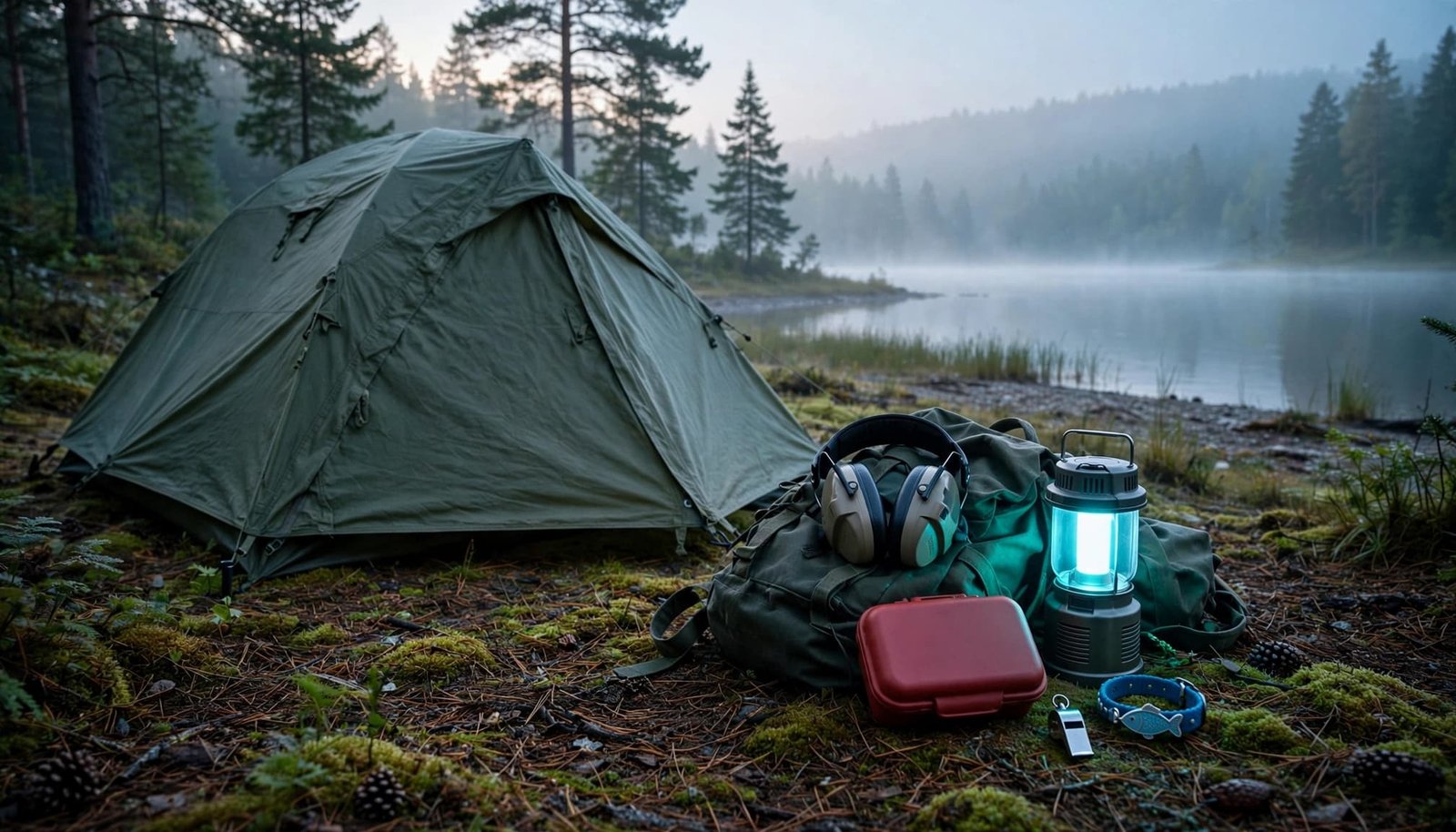
Pack sensory supports in one small backpack, not buried under sleeping bags and food bins. Include noise-canceling headphones or ear defenders, sunglasses, fidgets, a comfort item, a favorite blanket, familiar snacks, water, wipes, and extra clothes.
Needs related to hidden disabilities may not be obvious to other campers, so keep familiar supports and communication tools accessible. Bring medication and medical supplies in a separate waterproof bag. Add a charged communication device, portable battery, charging cable, and a low-tech backup such as printed choice cards.
Keep the sensory bag available while moving through busy campground recreational spaces. Trip Rescue Shop has practical travel supplies that can make packing easier, including strollers, cleaning items, and helpful products for when someone gets sick away from home.
Build a Reset Space at Camp
Choose one spot that is for calm only. It may be inside the tent, in the car, or in a camp chair facing away from the busiest part of the campground.
When sensory overload starts, move to the car or tent, reduce noise, and change wet or uncomfortable clothing. Offer water and allow plenty of recovery time.
Bring items that support sleep at home, such as a favorite pillow, familiar pajamas, a weighted lap pad if your child uses one, or a white-noise device. Plan for rain, heat, bugs, and wet clothing before those things become a problem.
Make Safety and Elopement Planning Part of the Trip
Autism elopement safety isn’t about taking away independence. It’s about building layers of support so your child can have choices while your family has a clear plan.
Create Clear Boundaries and Supervision Roles
Walk the campsite together when you arrive. Show your child where they may go and where they need an adult. Point out recreational spaces, roads, water, trailheads, other campsites, and exits.
Give supervision a name. During setup, meals, bathroom trips, and transitions, say clearly which adult is watching. Don’t assume someone else knows.
Use layered safety precautions, such as a wearable location device, door alarm, buddy system, or identification bracelet. None of these replace close supervision, communication access, and a plan that fits your child.
Make a One-Page Emergency Profile
Keep a recent photo of your child on every adult’s phone. Prepare a one-page profile with their name, age, height, clothing size, medical needs, communication style, sensory supports, and places they may be drawn to. Clear information can help responders understand hidden disabilities and support needs that may not be immediately visible.
Add details that help during a search, such as an interest in water, playgrounds, cars, animals, or trails. Keep a copy in your phone, travel bag, and vehicle.
If your child goes missing, act immediately. Call local emergency services, alert campground staff, share the photo and profile, and direct responders toward nearby water, roads, and likely destinations. After a near miss, talk without blame and update the plan with what you learned.
Check What “Autism-Friendly” Really Means
A sensory-friendly label is a good starting point, but an inclusive environment responds to communication, sensory, mobility, and support needs in practice. It doesn’t promise a quiet setting or prevent sensory overload when you arrive.
Ask what staff can offer before your trip, including quieter check-in, quiet zones, site location requests, simple directions, flexible arrival timing, accessible facilities, or a contact person. Ask how staff manage shared recreational spaces and activity zones.
Leafy Fields Glamping is a glamping site that says it held the National Autistic Society’s Autism Friendly Award from 2017 through 2022. It now participates in the sunflower lanyard scheme for hidden disabilities. That history is useful, but families should still confirm current supports directly.
Some sensory-friendly resorts offer visual schedules, staff training, and sensory toolkits on request, as described in these sensory-friendly vacation examples. Campgrounds vary widely, so ask for details in writing before you pay.
Frequently Asked Questions
What should we do if the weather changes our camping plans?
Build an indoor- or car-based backup plan before leaving home. Bring downloaded shows, books, snacks, dry clothes, and a familiar activity. Weather, noise, or crowds may make outdoor recreational spaces unsuitable that day. A rainy afternoon in the car or an early trip home can still be a successful choice.
How long should a first camping trip be?
One night is often enough for a first autism-friendly camping trip. Pick a site close to home and avoid adding a busy attraction, long hike, or packed schedule. Keep familiar bathroom routines whenever possible. Pack wipes, spare clothing, and a portable toileting option when appropriate.
Bring familiar bedding and follow your child’s usual sleep routine. You have permission to shorten or change the trip if the plan stops working.
Should we bring familiar foods?
Yes. Vacation food does not need to be adventurous. Pack enough preferred snacks and simple meals so your child has food that feels safe, even if the campground store is closed or nearby restaurants are busy. An early return can be a successful, flexible choice when your family needs one.
Make Room for Your Family’s Camping Memories
The best autism-friendly camping trip isn’t measured by completed activities. It’s measured by comfort, safety, and shared time during a family camping trip. Your family can enjoy outdoor adventures in a natural environment at its own pace.
Start with a simple plan, protect your child’s routines, and leave room to change direction. A calm family trip is a successful family trip. You might use a tent, choose a pop-up camper, or head home earlier than planned. Flexibility, dignity, and individualized supports make changing or shortening the trip a valid choice.
Leave a Reply