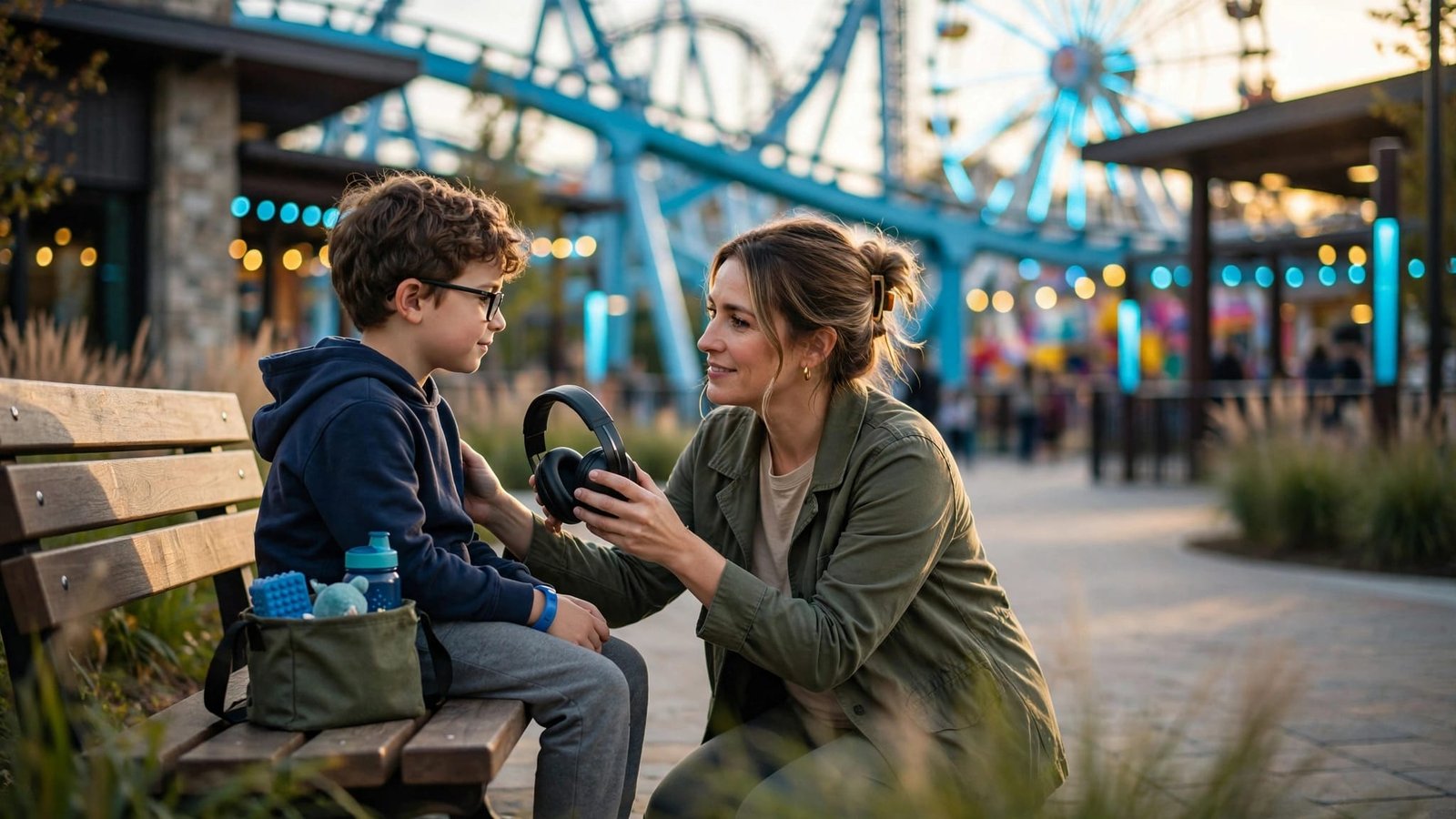
Your first Hersheypark visit doesn’t need a full schedule to create happy family memories. Hersheypark autism planning works best when you build the day around your child’s comfort, communication, and familiar supports.
Crowds, ride noise, waiting, and changing plans can add up quickly. A few preferred experiences, planned breaks, and an easy exit can make the visit more manageable.
Start with what helps your family feel comfortable, then add the park’s accessibility resources.
Key Takeaways
- Review current accessibility information before buying tickets. Families with special needs have varied support needs, so discuss your child’s needs with park staff.
- Choose one or two priorities, check whether quiet rooms or other quiet spaces are available, and leave room for meals and breaks.
- The accessibility program isn’t automatic front-of-the-line access, and an autism diagnosis alone doesn’t determine accommodations.
- Bring familiar sensory and communication tools, and agree on a safety plan before entering the park.
Hersheypark autism planning starts with your family
Autism awareness means recognizing that children on the autism spectrum experience theme parks differently. Your child may enjoy fast movement but struggle with announcements, crowded walkways, or unexpected transitions.
Write down the situations that are hardest and the supports that already help, including any special needs accommodations. Hersheypark’s official accessibility information is a useful starting point for questions about accommodations and ride requirements.
Choose a few comfortable priorities
Let your child choose between two experiences when possible. Review ride photos or videos together, without promising that every attraction will be available.
Consider sound, movement, darkness, water, restraints, and waiting conditions on rides and roller coasters. A simple sensory guide with photos or notes can help your child preview these features. Meeting a height requirement doesn’t mean a ride will feel comfortable.
Plan nearby experiences together to reduce walking and transitions. Keep a second option available if your first choice is closed or feels overwhelming.

Use a short, honest visual schedule
A simple schedule might show breakfast, drive, security, one ride, snack, quiet break, and lunch. Leave the afternoon open.
Include pictures for “break,” “bathroom,” “help,” and “all done.” Explain that weather or ride availability may change the plan.
Our autism and anxiety family travel tips offer additional ways to prepare for unfamiliar places without filling every hour.
Choose tickets and timing that support a shorter day
A ticket is a commitment to visit, not a requirement to stay until closing. Build your budget around a day your family can comfortably enjoy, with room for any special needs supports.
Compare ticket prices, parking, meals, lodging, and optional add-ons. Check operating hours and seasonal attraction availability before purchasing.
Leave room for arrival and a hotel reset
Allow time for parking, walking, security, bathrooms, and accessibility registration. Arriving early can give you more space to ask questions without rushing.
A nearby hotel may help if your child needs a midday reset. Check the actual drive and parking process, rather than judging convenience only by distance.
Confirm re-entry rules before leaving the park. Keep your child’s sleep and meal routines in mind when choosing morning or evening hours.
Use the Preview Plan only if it helps
Hersheypark offers a Preview Plan that allows eligible ticket holders extra park time the evening before their full-day visit.
Don’t assume every ticket includes exactly two hours. Confirm your ticket’s eligibility, entry window, operating date, and parking instructions directly with Hersheypark. Check ticket prices for your chosen date before buying.
Use preview time for a gentle introduction to the entrance, bathrooms, and park layout. Skip it if another outing would leave your child tired before the main visit.
How does the Hersheypark accessibility pass work?
Hersheypark calls its ride accessibility program the Attraction Accessibility Program. Families often search for a Hersheypark accessibility pass, but eligible guests receive an Attraction Boarding Pass.
The program considers individual needs alongside ride safety requirements. It doesn’t promise immediate boarding or remove every wait.
Register before your first ride
If you’re researching a Hersheypark accessibility pass, the Rider Safety & Accessibility Guide describes the questionnaire, staff discussion, and attraction requirements.
- Visit Accessibility Services outside the Front Gate, which currently opens 30 minutes before park opening.
- Explain the actual barrier, such as difficulty tolerating a crowded queue, along with communication, mobility, or safety needs.
- Review the boarding pass instructions, eligible attractions, and companion rules before leaving the desk.
Registration assistance is also available at the Family Health & Services Center in Pioneer Frontier, next to Play Dome Arcade, or through Guest Services. Ask guest services to confirm current details before your visit.
Describe what happens during difficult waits and what support helps. A diagnosis alone doesn’t establish which accommodation is appropriate for a guest with special needs.
Follow each attraction’s boarding pass instructions
The guide describes a reverse boarding time system for eligible Fast Track attractions. Access may involve a Fast Track entrance or an exit, depending on the attraction.
The passholder may bring up to three riding companions through the designated accessible entrance.
Ask the attendant where to enter, how the boarding pass timing works, and whether wheelchair access applies to your needs. Staff still check height, restraints, and other ride requirements.
An accessible entrance doesn’t guarantee immediate boarding. Plan meals and breaks around the instructions staff give you.
Larger families should discuss how to divide the group before reaching the boarding area.
Find quiet locations before your child needs them
A quiet break works better when everyone already knows where to go. Make finding reset spaces part of your arrival routine.
Hersheypark’s quiet-location guidance identifies several spaces offering privacy and relief from sensory stimulation. Families searching for quiet rooms should know the guidance doesn’t promise a fixed number of dedicated rooms.
Ask how to access the quiet spaces
One identified location is Guest Services inside the Family Health & Services Center in Pioneer Frontier.
Quiet locations are also available in the Kissing Tower Hill area. Hersheypark directs guests to a Safety & Security team member for access there.
If you’re looking for quiet rooms, ask Guest Services about the identified locations, availability, and entry procedures. Save them on your map, and identify nearby bathrooms and the route back toward the entrance.
Plan breaks between busy experiences
Plan breaks around your child’s special needs. Pause after a noisy ride, long walk, or crowded meal instead of waiting for a meltdown.
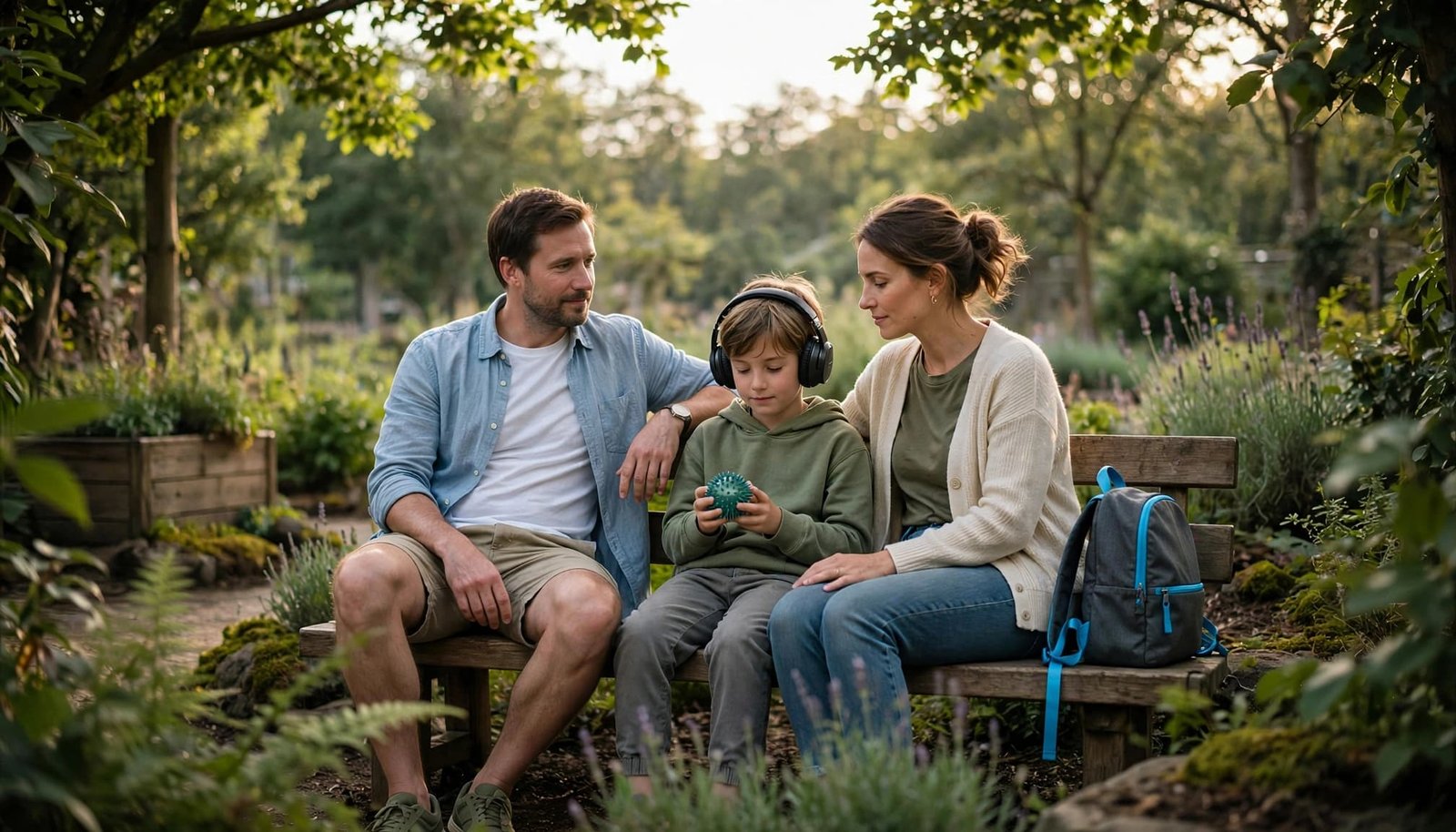
Watch for familiar signs of overload, such as covering ears, faster movement, withdrawal, or reduced communication.
Move away from stimulation, lower demands, and offer familiar supports. Use simple choices instead of repeated questions.
A sensory friendly outdoor seat may work for a routine pause, but it won’t offer the same privacy as a designated quiet location.
Make an elopement and separation plan
If your child may wander or run when overwhelmed, agree on adult responsibilities before entering. Name the supervising adult, and make handoffs clear during meals, bathroom trips, and boarding.
Take a current photo that morning. Keep your child’s clothing description, communication needs, and caregiver phone number easy to access.
Ask Hersheypark to confirm whether a family finder program is available. You can also ask about complimentary child-identification wristbands at Stroller Rental or a Lost Children’s Area. These aren’t tracking devices and don’t replace supervision.
Use the current park map to identify nearby exits, including an exit gate. Don’t treat one as a guaranteed meeting point. Explain your plan to every adult traveling with you.
If your child becomes separated, alert the nearest employee or Safety & Security team immediately. Share any concerns about water, traffic, climbing, or difficulty responding to their name.
Don’t rely on your child remembering a meeting place or approaching an unfamiliar adult. Build the response around your child’s actual abilities and special needs, including communication and safety needs.
Pack familiar supports and confirm food rules
Your park bag should support your child’s familiar routines and individual special needs. A theme park visit isn’t the best time to introduce unfamiliar sensory equipment.
Bring noise-cancelling headphones, sunglasses, a preferred fidget, medication, spare clothing, and charging supplies. Keep an AAC device or picture board accessible, with a low-tech backup if batteries fail.
Ask attraction staff whether headphones or other loose items can stay with your child during a ride. Rules vary by attraction.
Confirm Hersheypark’s current outside-food and special-dietary policies before packing preferred foods. Contact the park ahead of time if allergies or restricted eating require accommodations.
Choose a meal location before hunger becomes urgent, and allow time for ordering.
Our Trip Rescue Shop carries practical travel items, including strollers and cleanup supplies for spills or illness away from home. Check park rules before choosing equipment.
Would another Pennsylvania park fit better?
Hersheypark may suit a family seeking varied rides, while younger children or visitors on the autism spectrum may prefer a different setting. No park suits every visitor, and autism friendly theme parks can vary in fit.
Sesame Place Philadelphia is designated a certified autism center and publishes sensory planning resources on its official site. Sesame Place can be a good option for children who enjoy Sesame Street.
Review Sesame Place’s current sensory guide and accessibility guide before visiting. Its official guide explains the IBCCES Accessibility Card process and ride procedures, which differ from Hersheypark’s. Confirm current details before your trip.
Dutch Wonderland in Lancaster is another option for a younger family’s first amusement park visit.
Consider your child’s interests, sensory needs, stamina, and other special needs when comparing Dutch Wonderland with other autism friendly theme parks. A certified autism center designation can support preparation, but it doesn’t guarantee quiet surroundings or immediate access.
Family-focused support for your next trip
At K&S The Travel Crusaders, our autism travel planning draws on firsthand family experience and real-world vacation planning. Kellie’s B.A. in Child Development supports our family-centered approach and informs how we bring autism awareness to travel planning.
We help families plan around each child’s special needs, comfort, timing, and budget. We also consider backup plans, since every child enjoys a different itinerary.
If Disney is also on your family’s travel list, our Disney World With Autism Guide PDF and Disney autism travel ebook on Amazon offer family-focused preparation resources.
These are Disney planning tools, not Hersheypark policy guides. Check each park’s current accessibility rules before your visit.
Frequently Asked Questions
Does autism automatically qualify someone for a Hersheypark pass?
No. Accessibility staff discuss the guest’s individual needs and review ride safety requirements. Explain the actual waiting or access barrier, rather than relying only on a diagnosis.
Does Hersheypark have three quiet rooms?
Current official information identifies several quiet locations without confirming a total of three rooms. Ask Guest Services about access at the Family Health & Services Center and Kissing Tower Hill.
Should we buy season passes for our first visit?
Compare current ticket prices and the benefits of season passes with the number of visits you realistically expect. Avoid buying extra visits simply to make a pass feel worthwhile. Your first trip can help you decide whether season passes suit your family.
Let Your First Visit Fit Your Family
A comfortable first visit may include two rides, a familiar lunch, and an early departure. Those moments can still become happy family memories.
Keep your child’s needs at the center of the plan. Use accessibility supports, familiar tools, and breaks without pressure to do more.
Start small, leave room to change course, and let your family’s comfort guide the day.
Leave a Reply