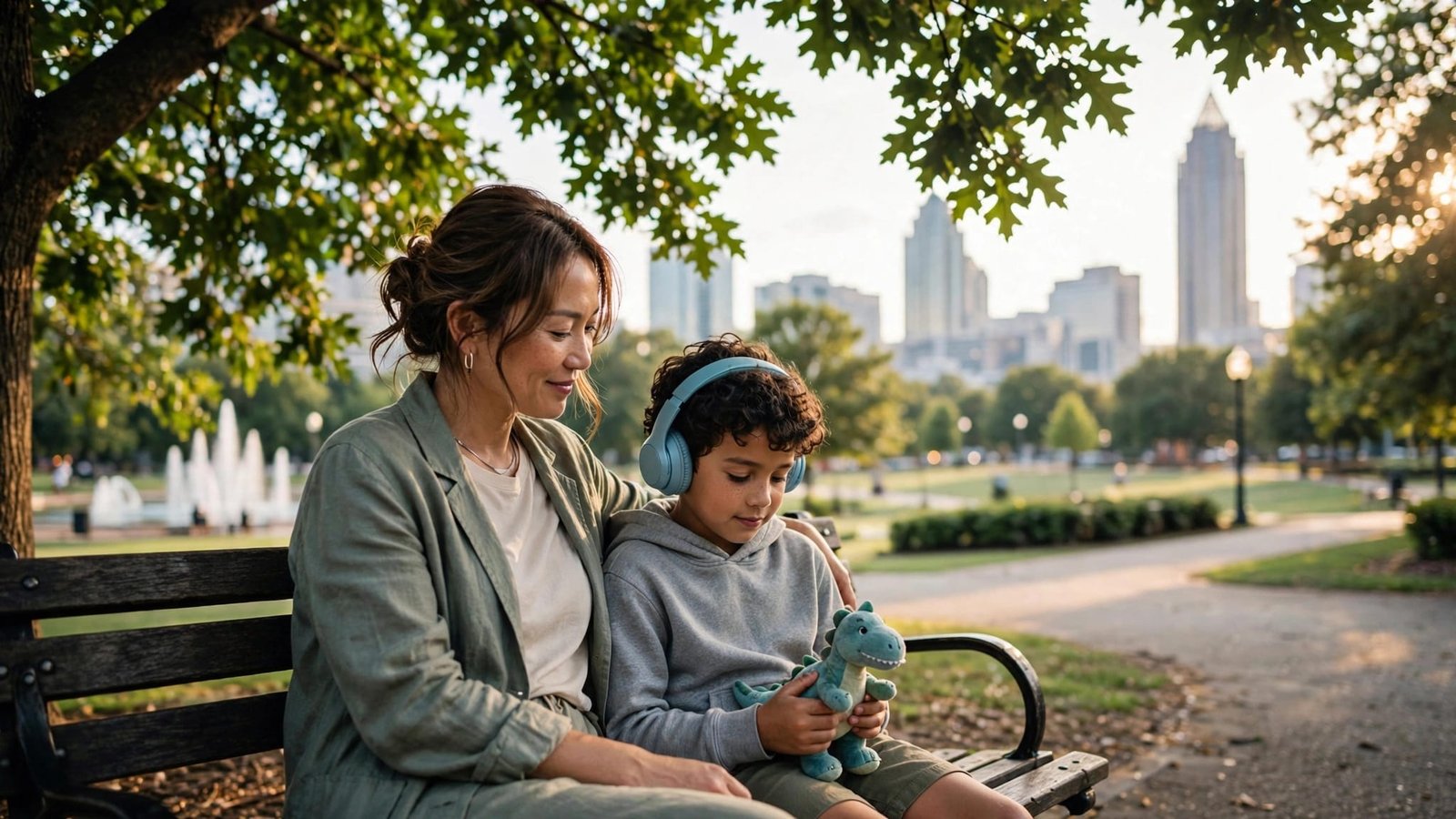
Your first Atlanta vacation can feel easier when you know where your family can pause, reset, and change plans. Children with autism spectrum disorder have individual preferences. An autism-friendly Atlanta trip starts with your child’s comfort, from familiar food and reliable transportation to activities that match their interests.
You don’t need to fit every major attraction into one visit. Start with a few choices, then build a flexible plan around the supports your family needs.
Key Takeaways
- Choose one main attraction each day, and build in sensory-friendly activities, a meal, and a realistic place to reset.
- Confirm sensory supports, event dates, ticket requirements, and re-entry rules directly before booking.
- Keep familiar communication tools and comfort items close, and leave room to return to your hotel early.
Venue supports and inclusive experiences are a helpful starting point, but your child’s individual preferences still guide which activities belong on your itinerary.
Choosing Autism-Friendly Atlanta Attractions
Georgia Aquarium and Zoo Atlanta both identify themselves as KultureCity-certified sensory-inclusive destinations, with documented supports for sensory-friendly activities. Ordinary operating hours can still include crowds and noise.
The Atlanta Botanical Garden is another option to investigate. Confirm its current accessibility and sensory supports directly, and don’t assume the aquarium’s or zoo’s offerings apply.
Georgia Aquarium: Plan Around the Low-Sensory Period
The aquarium’s daily low-sensory period, its sensory-friendly hours, runs until 10 a.m. Check that day’s opening time before choosing tickets.
The aquarium’s sensory-needs information lists sensory bags at Guest Service desks. Each includes headphones, three fidgets, and an identification card.
A sensory room is on the second floor near the Ray Touch Pool. Ask staff at the Animal Interaction Desk or nearby information desk for access. Visits are limited to 15 minutes per family unless staff approve additional time.
Start with the exhibits your child wants most to find sensory-friendly activities that match their interests. Dark galleries, moving water, and large animals may feel different from watching aquarium videos at home.

Zoo Atlanta: Borrow Supports Before Entering
Zoo Atlanta’s sensory bags include noise-canceling headphones, fidgets, and communication or verbal-cue cards. Borrow them free at the Member Services Office outside the entrance, with identification left as a deposit.
Weighted lap pads are available by request at the KIDZone train station and World of Wild Theater.
The zoo’s sensory-processing guidance identifies The Living Treehouse and main playground as louder areas. Smaller playgrounds and the rest area beside Scaly Slimy Spectacular may offer quieter options, but ask staff whether quiet zones are available.
Allow for heat, walking, and animal sounds. A shorter visit may suit your family better than following the entire zoo route.
Museums and Performances: Match the Program to Your Family
Scheduled sensory-friendly activities can offer different conditions than ordinary museum visits. Check the exact program, rather than assuming every visit includes reduced sound or lighting. If Fernbank Museum is on your list, confirm its current accessibility and sensory supports directly.
Children’s Museum of Atlanta: Reserve the Right Session
The Children’s Museum of Atlanta lists Sensory Friendly Playtime on select Sundays, from 9 to 11 a.m. Upcoming 2026 dates include November 1 and December 6.
These sessions offer reduced lighting, limited capacity, minimized ambient sound, and low voices. No diagnosis or documentation is required.
Sensory packs with headphones, sunglasses, and sensory toys are available at the Welcome Center. The quiet room is in Leaping Into Learning, left of the pond.
Review the museum’s visit-planning information and confirm the event’s ticket requirements directly. Its event materials differ on whether a separate ticket step is required. Download the available social stories before your visit, too.
Puppetry and Art: Check Age Fit and Timing
Center for Puppetry Arts offers Sensory-Friendly Sundays. Ask which performance or museum experience is included on your date. Requested resources include noise-reducing headphones, light-reducing sunglasses, fidget toys, social stories, and adaptive art supplies.
A child who enjoys puppets on screen may respond differently to live voices or theater darkness. Preview the experience and discuss leaving early.
High Museum of Art lists a Sensory-Friendly Evening on November 18, 2026, from 6 to 9 p.m. This program is intended for disabled or neurodivergent adults, with friends and family. Consider it for an adult family member rather than treating it as a children’s play session.
Choose a Hotel and Transportation That Protect Rest
Your hotel location affects how easily you can leave an outing. Compare the complete trip, including traffic, parking, walking, and the time needed to reach your room.
What Should You Ask the Hotel?
Request a room away from elevators, ice machines, and event spaces. Ask about connecting rooms, blackout curtains, refrigerator availability, and housekeeping arrangements. Explain which requests matter most, and ask for written confirmation where possible.
Accessible rooms have different layouts and features. Confirm the bathroom setup, bed arrangement, and space for any mobility equipment.
Check access to familiar meals before booking. A nearby food option helps only if your child can comfortably eat there. Keep a simple hotel-room meal available for evenings when another restaurant visit feels like too much.
Is MARTA a Good Fit?
MARTA can reduce driving and parking demands, but train noise, station announcements, and waiting may add sensory challenges.
The MARTA New Rider Guide describes station elevators, escalators, and ramps, plus wheelchair-accessible buses. Check current elevator and escalator outages before leaving.
Confirm current fares and payment options directly with MARTA. Preview the journey, including fare gates, platforms, boarding, and the walk after you exit.
If your child uses a stroller, consider crowded boarding and elevator access. A direct car journey may be worth budgeting for when transfers or unfamiliar stations would make the day harder.
A Flexible Three-Day Atlanta Plan
Keep arrival day light. Check into your hotel, find food, and unpack the items your child needs for sleep. Starting the next morning rested gives your family more choices.
This sample plan uses sensory-friendly activities as a flexible starting point, with dates tied to confirmed schedules.
| Day | Main activity | Built-in reset |
|---|---|---|
| First full day | Georgia Aquarium during a confirmed low-sensory period | Familiar lunch and hotel downtime |
| Second full day | Zoo Atlanta, with a shorter route | Shaded rest stops and an early return |
| Third full day | Children’s Museum of Atlanta during a confirmed sensory session, or a suitable puppetry visit | An unhurried afternoon without another ticketed commitment |
Move the museum day to match its actual sensory-session calendar, and investigate Atlanta Botanical Garden or Fernbank Museum as substitutions. Verify current access, sensory offerings, dates, and suitability directly, and keep additional stops optional.
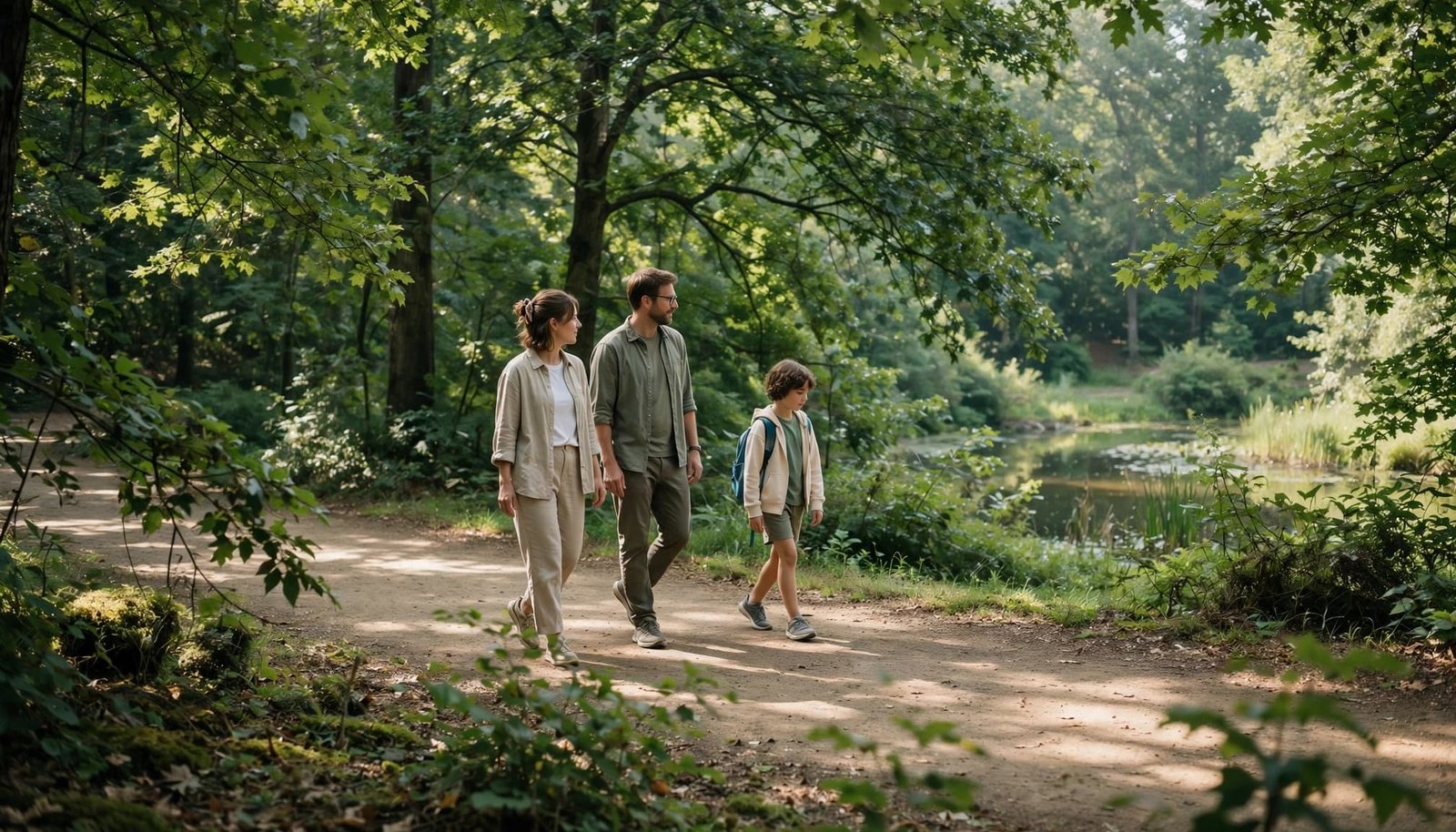
An outdoor break can help when your child enjoys open space. Check shade, bathrooms, fencing, road access, and nearby events before choosing a park. Outdoor spaces aren’t always quiet, and playgrounds may add stimulation.
A hotel break is equally useful. You don’t need another destination to make downtime count.
Prepare for Transitions and Keep Supplies Within Reach
Preparation works best when it uses supports your child already knows. Practice small parts of the trip with familiar tools, such as social stories, without making participation a requirement.
Use Pictures Without Promising a Fixed Schedule
Show photos of the hotel, attraction entrance, bathrooms, and transportation. Visual schedules can show a simple sequence: arriving, entering, seeing one exhibit, eating, and taking a break.
Include a clear way to show that plans have changed. Explain security or bag checks when the venue requires them. Your child should know what happens before reaching the entrance.
If your child already has supports such as speech therapy, occupational therapy, or ABA therapy, ask providers about familiar sensory tools. You can also ask about difficult transitions. These are examples of supports some children already use. They’re not services every autistic traveler needs or a requirement for taking a trip. Outings can provide chances to use established communication skills, but vacation doesn’t need to become a therapy assignment.
Our autism and anxiety vacation planning offers additional ideas for preparing for unfamiliar routines.
Pack for Comfort, Communication, and Unexpected Messes
Keep headphones, a comfort item, medications, snacks, spare clothing, wipes, and charging supplies in consistent places. If your child uses AAC, bring a low-tech communication backup.
Use familiar headphones rather than relying entirely on borrowed equipment. Check attraction food and bag policies before departure.
Our Trip Rescue Shop offers travel supplies, including stroller options and cleaning items for spills or sickness on vacation. Choose equipment that fits your child’s size and support needs. Some qualifying purchases may earn us a commission.
Keep medications and essential communication tools with you, not in checked luggage or an unattended vehicle.
Keep Your Budget Flexible Before Booking
An autism-friendly Atlanta vacation budget should include the cost of changing plans. A lower ticket price may not help if the booking can’t move when your child needs rest.
Before paying, check timed-entry rules, cancellation terms, and whether leaving the venue means losing admission. Compare individual attraction tickets with any bundled offer based on what you’ll realistically visit.
Transportation, parking, meals, and hotel downtime also belong in the budget. Paying for a convenient location or a direct ride can be more useful than adding another attraction.
Confirm re-entry before using your hotel as an attraction-day break. A purchased ticket doesn’t automatically allow your family to return later.
Personalized Planning and Disney Travel Resources
At K&S The Travel Crusaders, our approach draws on firsthand family experience, real-world travel planning, and Kellie Neff’s B.A. in Child Development. We focus on your family’s needs, budget, and comfort.
Our special needs travel planning can help you compare accommodations, transportation, and manageable daily plans. We serve families nationwide from Concord, New Hampshire.
If Disney is also on your travel list, our Disney World autism guide PDF is available on Etsy. You can also find our Disney autism guide on Amazon.
These are family-focused Disney planning resources, not official Disney guidance or Atlanta attraction policies. Use current venue information alongside any planning guide.
Frequently Asked Questions
Are Sensory-Friendly Activities Always Quiet?
No. Sensory-inclusive venues offer supports, but regular operations may still include noise, crowds, and bright lighting. Scheduled sensory-friendly sessions may include additional environmental changes. Confirm what to expect during your visit.
Do We Need to Bring Our Own Sensory Bag?
Bring the familiar items your child relies on, even when loan bags are available. Borrowed headphones or fidgets may feel different. Ask where to collect bags and whether a deposit is required.
What Should We Do if Our Child Becomes Overwhelmed?
Reduce demands and use your child’s usual communication supports. Find a suitable quieter space or leave when needed. Keep the next step simple, such as returning to the room for food and rest.
An Atlanta Vacation That Fits Your Family
Your first trip to autism-friendly Atlanta can include memorable attractions and enough space to feel comfortable. Choose family outings your child wants, confirm the available supports, and protect time to reset.
A shorter outing or changed afternoon still belongs in a successful vacation. With a flexible plan, your family has more room to enjoy Atlanta together.
Leave a Reply