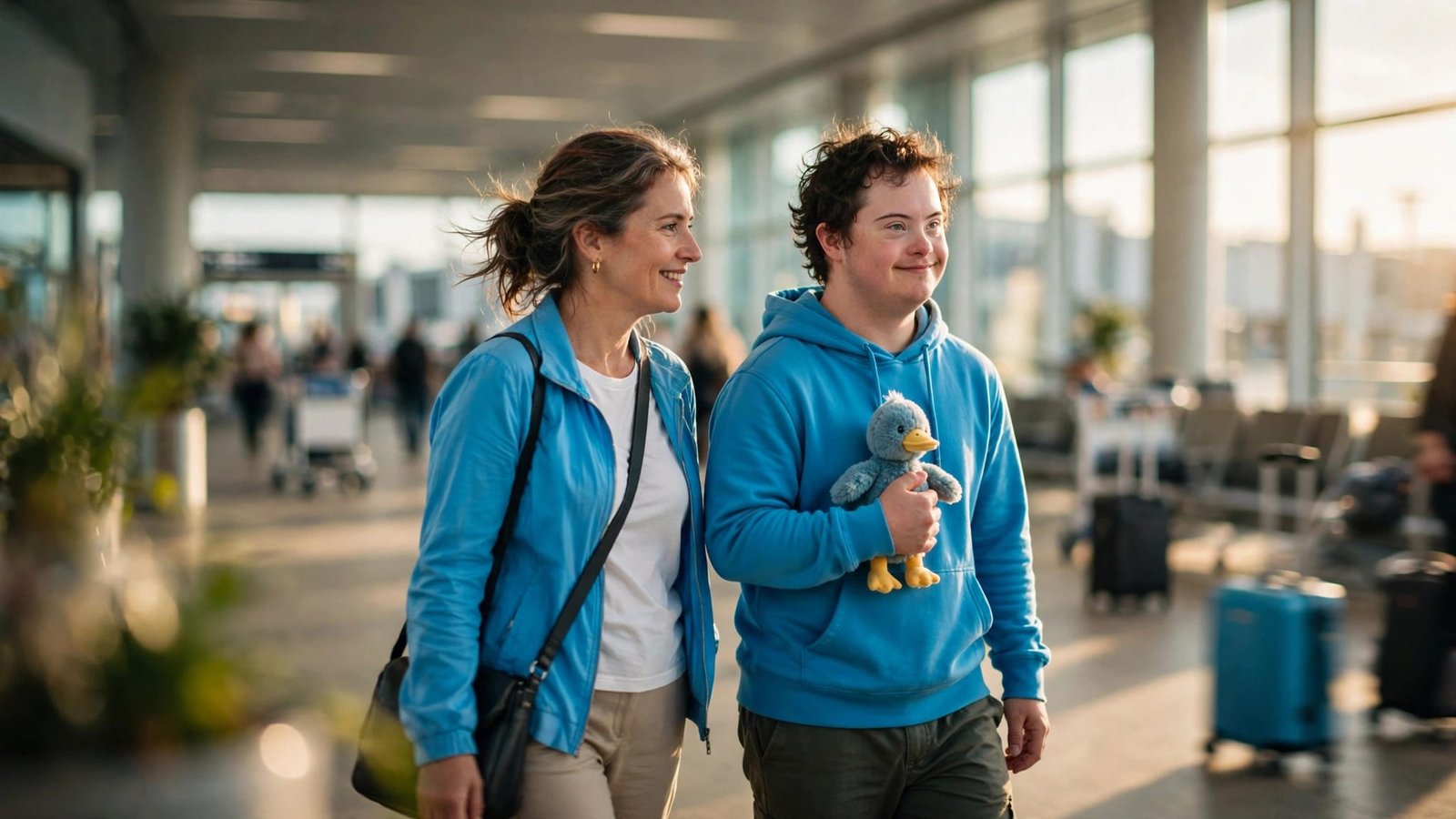
Traveling with an intellectual disability is more manageable when your vacation supports familiar routines, clear communication, and time to rest. The right plan reflects your child or adult family member’s needs, preferences, and comfort.
You don’t need a packed schedule to enjoy time together. Start with personalized support, then build the transportation, accommodations, and activities around it. Families planning for a special needs child can adapt these suggestions to fit their child’s needs.
Key Takeaways for Your Family
- Include the traveler in decisions and protect familiar routines.
- Arrange boarding help separately from security checkpoint screening support; these are distinct services.
- Keep medication, communication tools, and familiar comfort items within reach.
- Choose accommodations and activities that leave room for breaks and changed plans.
Build the Trip Around Your Traveler
Include Children and Adults in Decisions
Intellectual disability can affect understanding, learning, and everyday tasks, but support needs vary. Sensory sensitivities may also be present, though they aren’t part of every traveler’s experience.
Offer choices in a format your family member understands. Photos, spoken options, or communication devices can help someone choose a destination, activity, or meal. If you’re preparing a practice plan, consult the traveler’s therapist if the traveler and family find that helpful.
Speak directly to adults and respect their privacy. Give them time to respond before a caregiver steps in. A familiar supporter can help explain choices without taking over.
Protect the Daily Routine
Write down the familiar patterns that make home life comfortable. Include sleep, meals, medication, toileting, communication, mobility, and recovery time. Identify which parts of the routine matter most, and keep one familiar routine where practical.
Choose a few vacation priorities and leave open space between them. A hotel close to your main activities makes returning for a break easier.
Caregiver needs matter too. When two adults are traveling, agree on responsibilities and rest breaks before departure.
Practice the Travel Day Before Leaving
Make Unfamiliar Steps More Familiar
Prepare a short social story with pictures of packing, transportation, security, boarding, and arrival. Include possible changes, such as waiting longer or moving to another gate.
Read stories about flying or watch TSA’s autism screening preparation video when it suits your traveler’s learning style. An airport show-and-tell visit can help someone get familiar with public terminal areas. Preview busy or noisy spaces and identify a quieter place to go if overstimulation starts.
Practice small tasks at home, such as packing a bag or taking a short trial ride in the child’s car seat.

Prepare Communication Tools
If your child or adult family member uses augmentative and alternative communication (AAC), add useful airport and bathroom vocabulary.
Include messages such as “I need a break,” “Please explain again,” and “Where is the bathroom?”
Pack chargers, power cords, and backup batteries in the carry-on. A familiar low-tech communication board provides another option if the device loses power.
Book Flights With Assistance in Mind
Request Support and Explain DPNA Needs
Look for a special assistance or special needs assistance option during booking. If it isn’t offered, or you booked through a third-party website, call the airline directly.
Ask for DPNA, the carrier special-service-request code for a passenger with an intellectual or developmental disability who needs assistance. IATA’s passenger standards documentation identifies this assistance category.
Describe practical needs alongside the code:
“My family member needs one-step directions, extra processing time, and help understanding boarding announcements.”
DPNA alerts staff, but it doesn’t guarantee a fixed package of services. Include assistance for the return flight too.
Choose a Manageable Route and Seat
Choose nonstop flights when possible to avoid connections. Earlier flights tend to have fewer accumulated delays and may suit children before fatigue builds. Protecting sleep still matters.
Seats near the front shorten the walk during boarding and can make deplaning quicker. Bulkhead seats may offer extra legroom and fewer visual distractions, but floor-level bag storage isn’t available during takeoff and landing.
Request preboarding when extra time would help your traveler settle safely. For someone distressed by sitting longer, later boarding may feel more comfortable.
Arrange TSA Cares Separately
The service is a complimentary service for travelers who need additional support during U.S. airport security screening. It can arrange for a Passenger Support Specialist to meet your family at the checkpoint.
Use the TSA passenger support request process at least 72 hours before departure to request help at security checkpoints.
- Submit the form or call 855-787-2227 with your flight and contact information.
- Explain screening needs, such as sensitivity to touch, AAC use, extra processing time, or needing a familiar supporter nearby.
- Request a Passenger Support Specialist and keep the response with your travel documents.
A specialist’s availability isn’t guaranteed. If one isn’t available, ask for a supervisory TSA officer.
You can also download and print TSA’s voluntary Disability Notification Card. It provides a discreet way to communicate a disability or medical condition. It doesn’t require a special eligibility application or replace screening.
The service handles checkpoint support. Carrier boarding assistance and personal care require separate arrangements.
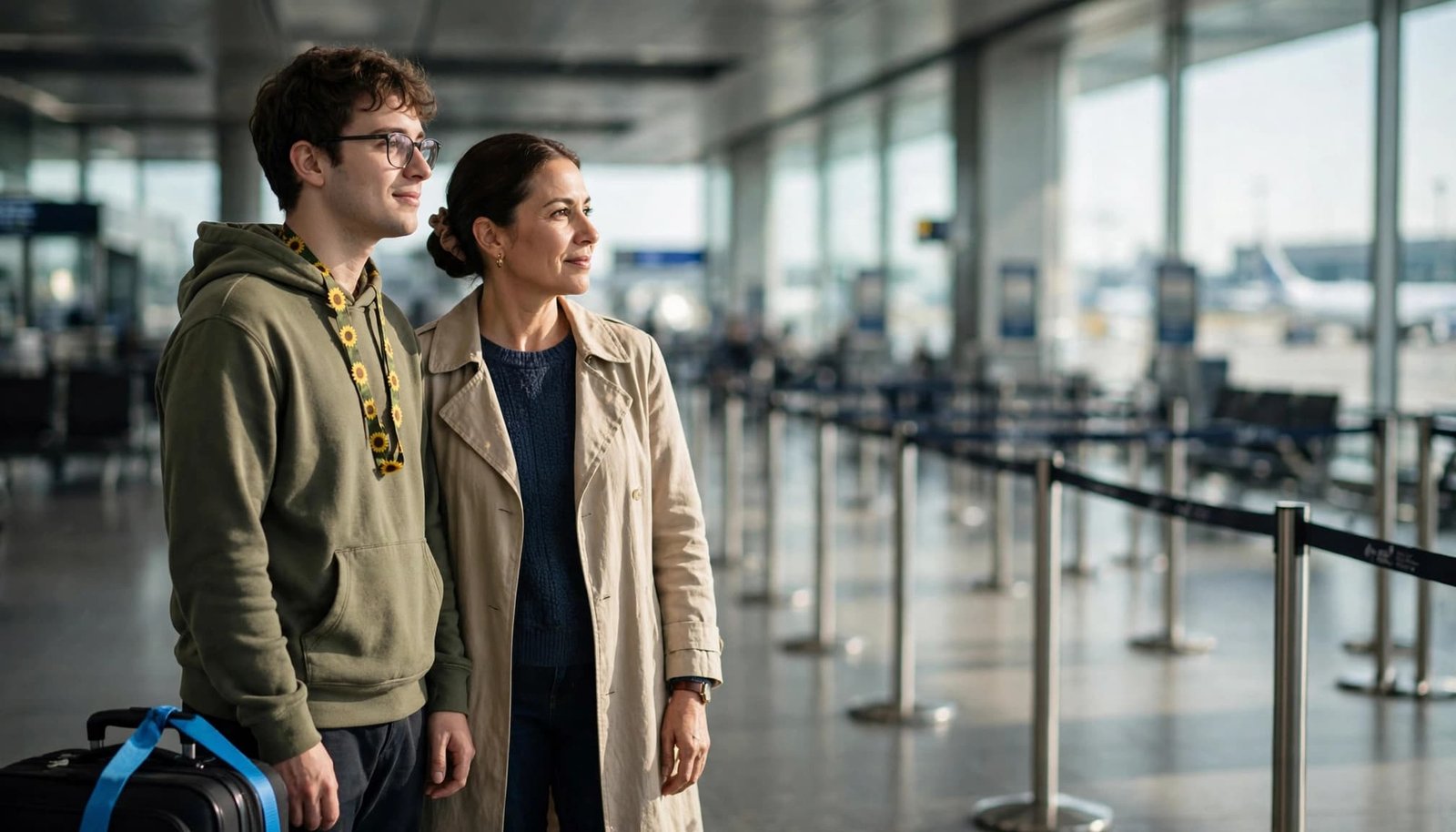
When two caregivers travel, one can manage documents and screening bins while the other supports the traveler. Explain communication and touch-related needs before screening begins.
Make Road, Train, and Bus Travel Comfortable
For road trips, plan bathroom, meal, and movement stops around your family’s usual needs. Keep comfort items accessible while everyone remains safely restrained. Give simple updates about the next stop rather than the entire journey.
Our autism-friendly road trip planning guide offers additional ideas for families who also manage autism or sensory needs.
Train and bus services often offer early boarding or boarding assistance. Request it during booking. An aisle seat near a restroom can improve access, although restroom traffic and noise may make another location more comfortable.
Bring familiar snacks and entertainment. Allow time between arrival and the next activity so a transportation delay doesn’t disrupt the whole day.
Ask Specific Questions About Hotels and Resorts
An “accessible” room doesn’t describe every family’s needs. Confirm specific room and mobility features rather than relying on the label “accessible accommodations.” Ask practical questions during booking:
“If our traveler uses a wheelchair, will it fit through the bathroom doorway?”
“Is a quiet room away from elevators, entertainment, and connecting doors available?”
“What training do staff receive for developmental disabilities and sensory challenges?”
A refrigerator, kitchen, laundry access, or separate sleeping area may matter as much as room location. Families traveling during school holidays should confirm room features early. Keep requested features in your booking records.
Many cruise lines and resorts offer inclusive activities or programs for guests with sensory sensitivities or neurodiversity. Tell staff about support needs before arrival, and ask whether a program’s support matches your traveler’s special needs. For a cruise, confirm who supervises activities and ask about personal care, age limits, and medication policies.
For Disney trips that also include autistic children, our Disney planning for multiple disabilities connects sensory, communication, and accessibility needs.
Our Disney World with Autism: The Complete Family Guide is available as an Etsy PDF download and through our Amazon guide listing. These optional resources support autism-focused family vacation preparation.
Respond Early to Sensory Overload
Watch for changes from your traveler’s usual behavior. Early signs of sensory overload include covering or plugging ears, pacing, rocking, or increased repetitive movement or vocalization. Sudden distress or withdrawal can also be signs.
Some repetitive movements are comfortable self-regulation. Look at the person’s overall comfort rather than treating every movement as a problem.
To reduce overstimulation, step away from crowds, noise, or activity when possible. Offer familiar noise-canceling headphones, soothing sounds, water, food, or a bathroom break.
Breathing exercises can help someone who already finds them useful. A simple grounding activity, such as noticing five things they can see, hear, or touch, may also help. Keep communication short and allow processing time.
During a meltdown, prioritize safety and follow the person’s established support plan. Save explanations and decisions for later.
Leaving an activity early is a reasonable adjustment when sensory overload persists. Build recovery time into the vacation plan.
Keep Medication and Everyday Supplies Close
Carry medication in labeled prescription packaging, along with relevant medical documents, such as doctor’s notes, and a current medication list. Keep essential doses in your carry-on rather than checked luggage.
For international trips, medication paperwork is part of preparation, but it doesn’t establish permission to carry every medicine across borders. Your prescribing clinician can help with safe treatment planning.
Review travel insurance for the traveler’s specific medical needs, including pre-existing-condition exclusions, emergency treatment, cancellation, and evacuation coverage. A general medical benefit doesn’t mean every need is covered.
Keep a small everyday bag ready:
- Bring communication tools, charging supplies, and a written emergency contact card.
- Pack familiar sensory supports, including noise-canceling headphones, plus accepted snacks and spare clothing.
- Include toileting supplies and any items required by the traveler’s existing care plan.
Our Trip Rescue Shop travel supplies include strollers and cleaning supplies for unexpected illness on vacation. Choose items your family uses rather than adding unfamiliar equipment at the last minute.
Frequently Asked Questions
Can Adults Use the Same Airport Support Services?
Yes. TSA Cares and disability assistance from your carrier aren’t limited to children. Requests should describe the adult traveler’s actual needs.
Support their preferred communication and involve them in decisions. Intellectual disability alone doesn’t determine how much assistance someone needs.
Does Airline Assistance Include Personal Care?
Airline assistance doesn’t include personal bathroom care or administering medication. Families need a companion or other appropriate support when those services are required.
The TSA Cares service overview covers screening-related assistance, which is separate from ongoing caregiving.
A Vacation That Fits Your Family
A comfortable vacation starts with realistic pacing, familiar support, and clear requests. Your family can enjoy meaningful time together without completing every activity.
Our special needs travel planning helps coordinate accommodations, transportation, and vacation details around your family’s needs.
Start with what helps your traveler feel comfortable at home, then carry that support into the trip.
Leave a Reply