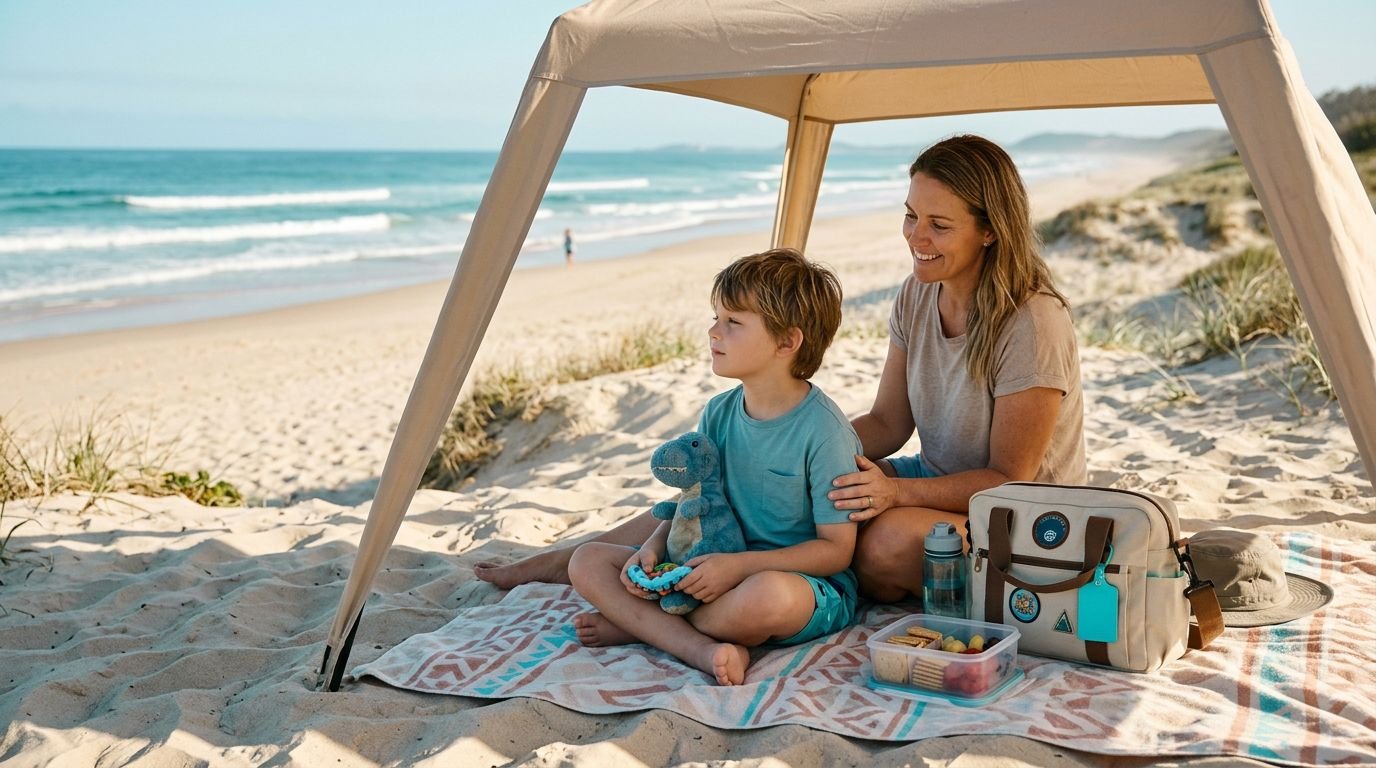
A beach vacation can be restful, but only if your family does not spend the whole trip recovering from too many changes. Autism-friendly beach vacations work best when the beach is part of a familiar daily rhythm, not a full-day event with no clear stopping point, because stress-free family travel depends on predictability.
Sensory sensitive children do not need to love sand, waves, crowds, or new foods to enjoy travel with autistic children near the coast. A calm room, predictable meals, short beach visits, and real breaks can make the entire trip feel more comfortable.
Key Takeaways
- Choose a quiet beach town and special needs accommodation based on convenience and access to familiar food, not only beach views.
- Keep the first beach visit short, then add time only if your child is comfortable.
- Pack sensory items, familiar snacks, medication, charging cords, and comfort items in one easy-to-reach bag.
- Build your days around meals, rest, and transitions instead of trying to fill every hour.
- A successful family beach vacation may include one great beach hour, simple autism vacation ideas like a favorite snack, and an early return to the hotel.
Why Autism-Friendly Beach Vacations Start With Routine
The beach can look simple in photos. In real life, for a child with autism spectrum disorder, it can be loud, hot, bright, crowded, and full of unexpected sensations. Sensory processing issues mean that sand sticking to wet feet, waves changing without warning, seagulls calling overhead, or missing comfort foods near the boardwalk can quickly become overwhelming.
That does not mean a beach vacation is off the table. It means your family needs a plan that feels familiar.
Routine gives your child a clear idea of what happens next. Wake up. Eat breakfast. Go to the beach for a short time. Have lunch. Access quiet rooms and spaces to rest in the hotel. Swim in the pool or watch a favorite show. Eat dinner. Get ready for bed.
The routine does not need to be strict. It needs to be easy to understand.
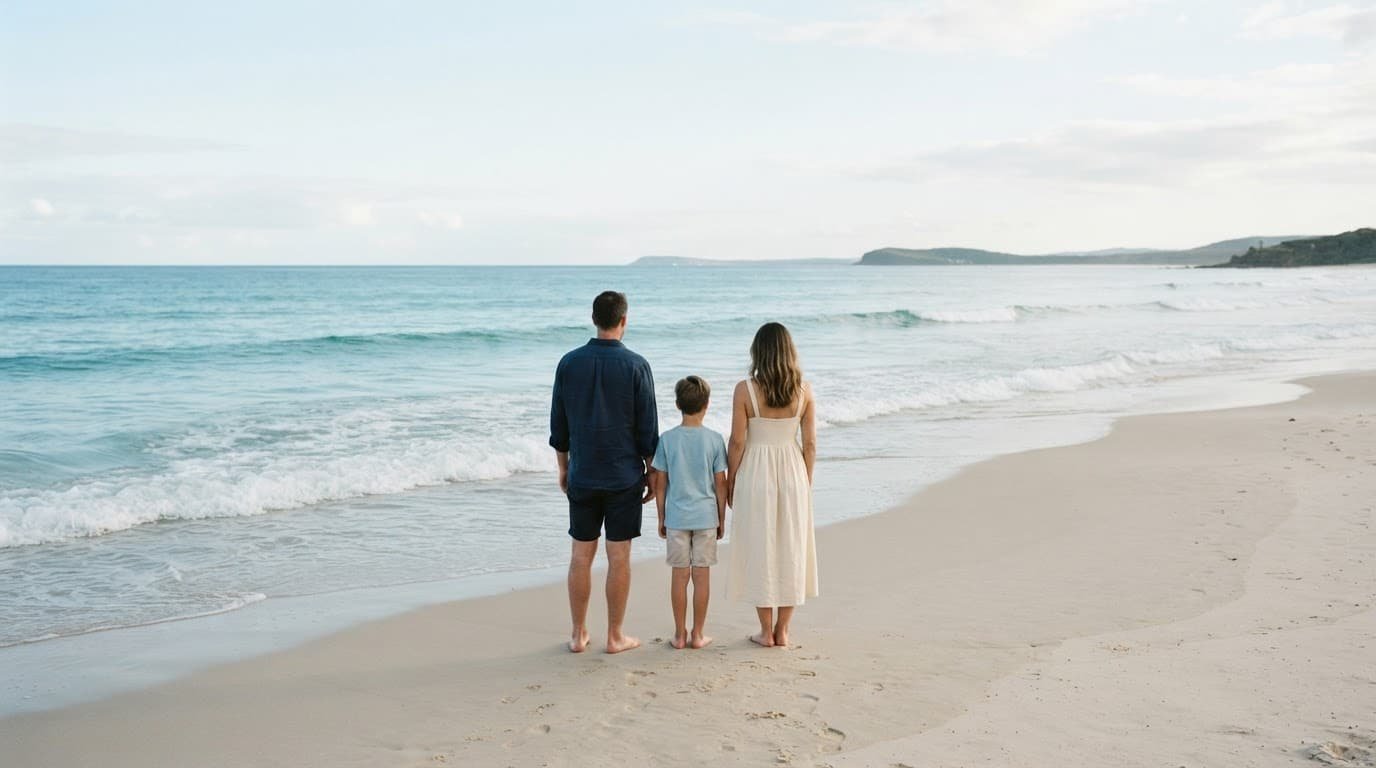
Before you leave, talk through the trip in simple steps. Show your child photos of the hotel, beach entrance, pool, car ride, or airport. A short visual schedule on your phone can help. Include only the main parts of the day, not every little detail.
You might say, “We will eat breakfast, drive to the beach, sit under the umbrella, play for a little while, have lunch, and go back to the room.”
That is easier to process than a long vacation itinerary. Organizations like the champion autism network provide helpful resources and guidance for setting up these supportive routines before you leave home.
A familiar tradition can also help a new place feel less new. Bring the same bedtime book, play the same card game after dinner, or have a favorite snack on the first night. Small routines matter when everything else looks different. Families can find more ideas for keeping travel traditions while away without trying to recreate home perfectly.
A beach day does not need to last from morning until sunset. Leaving while your child is still doing well is often the best choice for successful autism family travel.
Choosing a Beach Destination and Hotel With Built-In Calm
The right destination can reduce stress before you even unpack. A quiet beach town often works better than a major party spot. A small condo near the sand can be much easier to manage than a large Myrtle Beach resort with loud pools, nightly entertainment, and long walks through crowded common areas.
Surfside Beach, South Carolina, is widely recognized as the first autism-friendly travel destination in the United States. Much of this reputation comes from its partnership with the Champion Autism Network. This organization provides local staff with autism awareness training and issues an autism travel card that helps families access quiet spaces and skip lines at participating restaurants. It is close to other hubs, so families can choose a calmer home base while still having access to grocery stores and family activities.
Still, a destination label is only a starting point. Every autistic child has different needs. Call the hotel or rental property before booking. Ask practical questions that affect your actual day.
Is the room near the elevator, pool, ice machine, or entertainment area? Is there construction nearby? Does the property have a refrigerator and microwave? Can they place your family in a quieter area of the building? How far is the walk to the beach access point?
A hotel room is not only a place to sleep. It is where your child can reset after sun, sound, and crowds. It is where you can make a familiar breakfast, change out of wet clothes, and have quiet time without needing to spend more money.
Look Beyond the Beachfront View
A room directly above a busy pool or boardwalk may bring more noise than your family wants. A garden-view room, an end unit, or a property one block from the beach can be a better fit.
Look for these features when comparing accommodations:
- A refrigerator, microwave, or kitchenette for familiar breakfasts and preferred snacks.
- Blackout curtains if your child needs darkness for sleep or early afternoon rest.
- Laundry access, because wet clothes, sandy towels, and spills add up quickly.
- Easy parking or a short walk to the beach, especially if you bring a wagon or stroller.
- Flexible cancellation terms, because family needs can change before departure.

When searching for a special needs accommodation, families often look for properties that understand sensory sensitivities. Many autism certified hotels and autism friendly resorts now ensure their employees complete autism awareness training so guests feel supported from check-in to checkout.
A condo can be a strong choice for families who need more space. Separate bedrooms give siblings room to wind down. A kitchen makes it easier to offer foods your child already accepts. A washer and dryer can also save the day after repeated beach trips.
All-inclusive resorts can be appealing because meals and activities are close by. However, check the daily activity schedule before booking. Some resorts play loud music around the pool and host evening shows. Other families may appreciate a property that partners with the Champion Autism Network for specialized support. Beaches Resorts shares helpful autism travel tips for families and offers autism-friendly programming at select properties.
The best hotel is not always the one with the biggest pool or most amenities. It is the one where your family can rest.
Make the Travel Day Easier to Predict
The trip to the coast can be harder than the beach itself. A long drive, airport security, delayed flight, or unfamiliar rental car can use up a lot of your child’s energy before the vacation begins, which means thoughtful vacation planning for autism is essential.
Keep travel day expectations low. Do not plan a big beach afternoon, special dinner, or crowded attraction right after arrival. Give your family time to check in, unpack, eat familiar food, and settle into the room.
If you are driving, break the trip into manageable parts. Many families who travel with autistic children do well with a stop every two or three hours. Choose stops with a bathroom, open space, and an easy exit. A busy gas station with loud music and long lines may not be a helpful break.
Bring a small car bag within reach. It should include snacks, water, wipes, a favorite comfort item, headphones, and downloaded shows or music. Do not bury the most important items under beach towels in the trunk.
Flying takes more preparation, but a few steps can lower the pressure. Practice the airport routine at home. Explain that bags will go through a scanner and adults may be asked to move to a certain spot. Let your child choose a comfort item for their carry-on, especially since sensory sensitive children benefit greatly from familiar tactile objects during transit.
TSA Cares may be helpful for travelers who need added support during airport screening. Contact them before your trip and confirm current procedures. Utilizing curbside check-in and arriving early can also help achieve stress-free family travel when you are navigating a busy terminal.
Keep all devices, headphones, charging cords, and portable batteries in one pouch. Families often remember the tablet and forget the cable. A dead device during a delay can turn a manageable wait into a hard moment, particularly for those who travel with autistic children.
Pack a Sensory Kit for the Beach, Not Just a Suitcase
Beach packing usually starts with swimsuits and sunscreen. For a sensory-friendly trip, think about the items that help your child recover when the day becomes too much.
Start with familiar items. This is not the time to introduce a brand-new sensory toy or new headphones. Pack the items your child already likes and knows how to use.
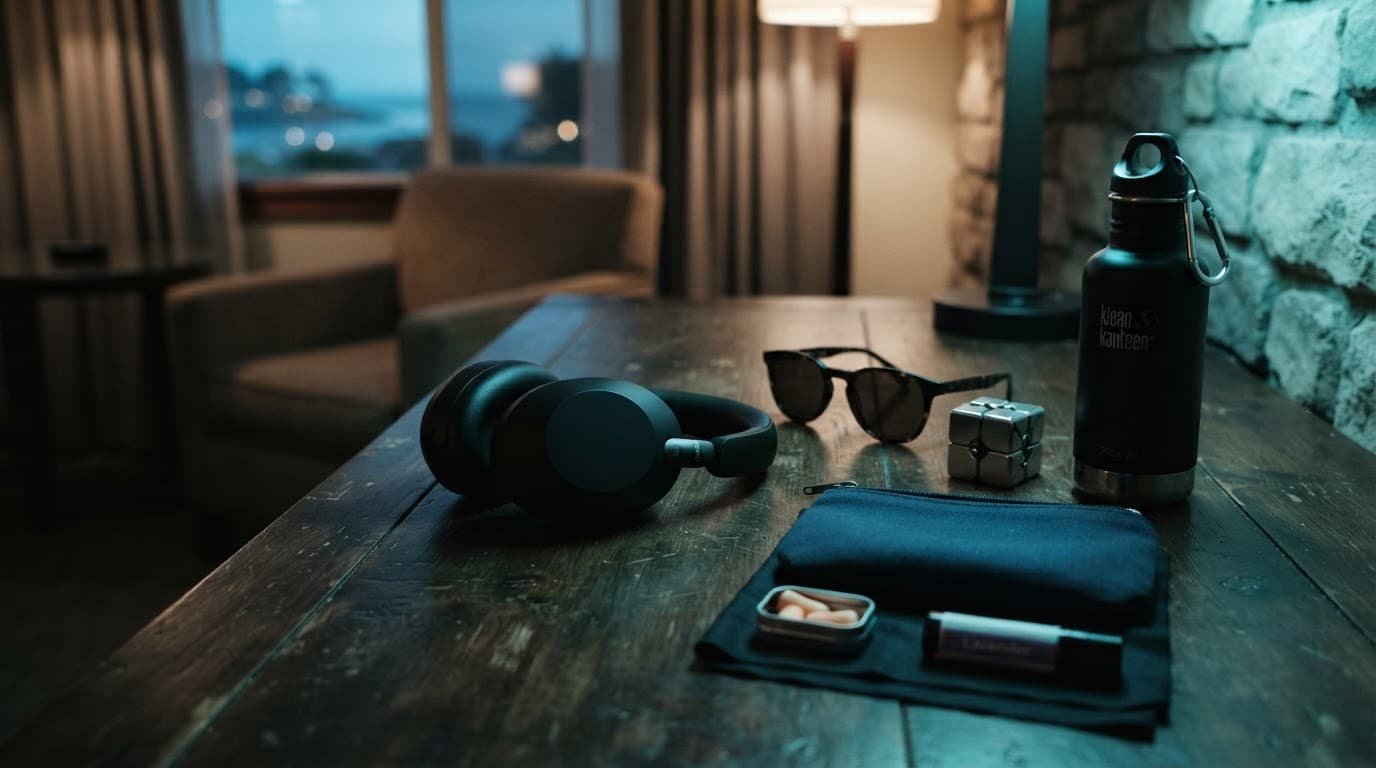
Your beach sensory kit may include items that help create sensory-friendly spaces on the go:
- Noise-canceling headphones or ear defenders for crowds, wind, pool noise, and travel.
- Sunglasses, a wide-brimmed hat, and a rash guard for bright sun and heat.
- A favorite fidget, soft blanket, hoodie, or small stuffed animal.
- Familiar snacks, a refillable water bottle, and preferred drinks.
- Wet wipes, dry socks, a towel, and an extra shirt for children who dislike damp clothing.
- Prescription medication and care items, packed as directed by your child’s care team.
- A portable charger for hotel information, maps, messages, and entertainment.
Sand is a big sensory issue for sensory processing issues. Water shoes can help with the feeling of hot sand, shells, and uneven ground. A large beach blanket gives them a clean base. Some sensory sensitive children are more comfortable sitting in a beach chair rather than directly on a towel.
Bring a small zip bag for wet clothes and sandy items. This simple step keeps the hotel room and car from becoming another sensory challenge, which helps maintain calm sensory-friendly spaces throughout the trip.
Food matters, too. Vacation restaurants are not always predictable during autism family travel. Pack enough familiar snacks for travel days and keep easy breakfast foods in your room, including gluten-free options if that is part of your routine. A child who only wants cereal, crackers, yogurt, or a favorite brand of granola bar is not ruining the vacation. They are eating what feels safe.
Build a Beach Day That Has a Clear Beginning and End
A simple beach routine gives everyone a better chance to enjoy the day, helping to build positive vacation experiences for children with autism spectrum disorder. The goal is not to stay until you get your money’s worth. The goal is to create a good experience that your child may want to repeat.
Start early when possible. Mornings are often cooler and less crowded. Parking is easier. The sand is not as hot. You also have time to return to the room before the busiest part of the day.
Use a simple schedule that your child can see and understand.
| Part of the day | What it can look like |
|---|---|
| Morning | Familiar breakfast, sunscreen, get dressed, and leave for the beach |
| Beach time | Sit under the umbrella, walk near the water, play, snack, and take breaks |
| Midday | Return to the room for lunch, dry clothes, a show, or a nap |
| Afternoon | Pool time, a quiet drive, adaptive resort activities, or more rest |
| Evening | Familiar dinner, a short walk, bedtime routine, and a calm night |
The table is a guide, not a rule. Some children may enjoy only 20 minutes on the sand. Others may want two hours in the water. Let your child’s energy guide the day.
Choose one or two goals for each beach visit. Maybe your child wants to fill a bucket with shells. Maybe they want to walk to the water, then return to the blanket. Maybe they only want to watch the waves from a chair. All of those are valid.
Do not make the beach a test. You do not need to convince your child to swim, touch sand, or stay longer than they can handle.
Give transition warnings before you leave. A five-minute reminder, then a two-minute reminder, can be easier than suddenly packing everything up. Use simple language: “Two more waves, then we will dry off and go get lunch.”
If your child enjoys a certain part of the beach routine, repeat it each day. The same umbrella spot, snack, beach toy, or return walk can become something they look forward to. Keeping expectations flexible and grounded in routine ensures a successful family beach vacation that yields lasting, happy vacation experiences for everyone.
Plan for Crowds, Weather, and Safety Changes
Even a well-planned beach vacation has surprises. A thunderstorm may roll in. The beach may be more crowded than expected. A restaurant may have a long wait. Your child may wake up tired and want to stay in the room.
That is not a failed plan. It is information.
Have a few low-pressure backup choices ready. Your family might retreat to quiet rooms and spaces in the hotel, take a short drive, visit a quiet indoor museum, or have lunch back in the condo. Do not wait until everyone is overwhelmed to decide what comes next.
Many family-friendly destinations now partner with organizations like the Champion Autism Network to ensure local staff receive proper autism awareness training. When sudden changes happen, knowledgeable behavioral support staff and employees equipped with autism awareness training can help your family navigate the transition smoothly.
Talk about weather before you leave the room. A simple script helps: “If it rains, we will pack our things, go back to the hotel, change clothes, and have a snack.” Avoid promising that the sun will return at a certain time.
Water safety needs a clear plan every day. Choose a meeting point that your child can recognize. Use a bright rash guard or swimsuit that is easy to spot. Keep one adult close enough to respond quickly when your child is in or near the water.
Lifeguards are important, but they are not a replacement for direct supervision. If your child tends to wander, stay near a less crowded beach entrance and explain the plan to each adult in your group. A current photo on your phone and identification information can also bring peace of mind.
Crowded boardwalks can be difficult after a busy beach morning. If your child is already tired, seek out sensory-friendly spaces nearby, skip the souvenir shops, and go back to the room. You can always try again later. Many certified beach towns recommended by the Champion Autism Network also feature designated sensory-friendly spaces and quiet rooms and spaces where you can regroup if the boardwalk environment becomes too intense.
If Your Beach Vacation Includes Disney Time
Many families pair a Florida beach stay with a few Disney park days. This can work well when you treat the beach as the recovery time, rather than another packed activity, and incorporate it into thoughtful vacation planning for autism.
Keep the same approach. Choose a few true priorities. Build in snack breaks, quiet time, and early returns to the hotel. You do not need every paid add-on for a meaningful Disney trip.
Disney’s Disability Access Service is separate from Lightning Lane Multi Pass. When considering overall theme park accessibility for guests with autism spectrum disorder, DAS may allow an eligible guest to wait outside a traditional attraction queue and return later. Disney can change rules and registration procedures, so review current information before you travel.
Lightning Lane Multi Pass can be useful when your family has a few must-do rides. It can also add pressure when return windows become another clock to watch. A calmer plan is often better than a crowded schedule of reservations, especially when you balance park days with stays at autism friendly resorts nearby.
Theme park accessibility is much easier to manage when you take breaks. Returning to quiet autism friendly resorts helps prevent sensory overload after long days in the parks.
Keep a portable charger in every park bag. Your phone may hold tickets, maps, mobile food orders, return times, and family messages.
For extra planning support, the Disney World With Autism Guide PDF on Etsy and the Disney World With Autism Guide on Amazon offer family-focused ideas for sensory needs, DAS questions, and realistic park-day routines tailored to individuals with autism spectrum disorder.
Frequently Asked Questions
How can I prepare my child for a beach vacation beforehand?
Talk through the trip in simple steps and show your child photos of the hotel, beach entrance, or car ride. Using a short visual schedule on your phone can also help them understand what to expect without feeling overwhelmed.
What are the best ways to manage sensory issues related to sand and water?
Water shoes can protect against hot sand and uneven ground, while a large beach blanket or beach chair offers a clean, comfortable base. Bringing a small bag for wet items and packing noise-canceling headphones also helps manage other sensory challenges.
How long should our daily beach visits last?
There is no set time requirement for a successful visit. Let your child’s energy guide the day, and consider leaving after twenty minutes or an hour while they are still doing well.
A Good Beach Vacation Looks Different for Every Family
The best autism-friendly beach vacations are not built around a packed schedule. They are built around what helps your child feel safe, rested, and included, turning everyday routines into positive vacation experiences.
Choose a quiet place to stay. Pack the things that already work at home. Keep your daily rhythm familiar, and leave room to change plans when your child needs more time.
A successful beach vacation is not measured by how long you stayed on the sand. It is measured by the moments your family was able to enjoy together, and with support from organizations like the Champion Autism Network, autism-friendly beach vacations can help you build lasting family memories.