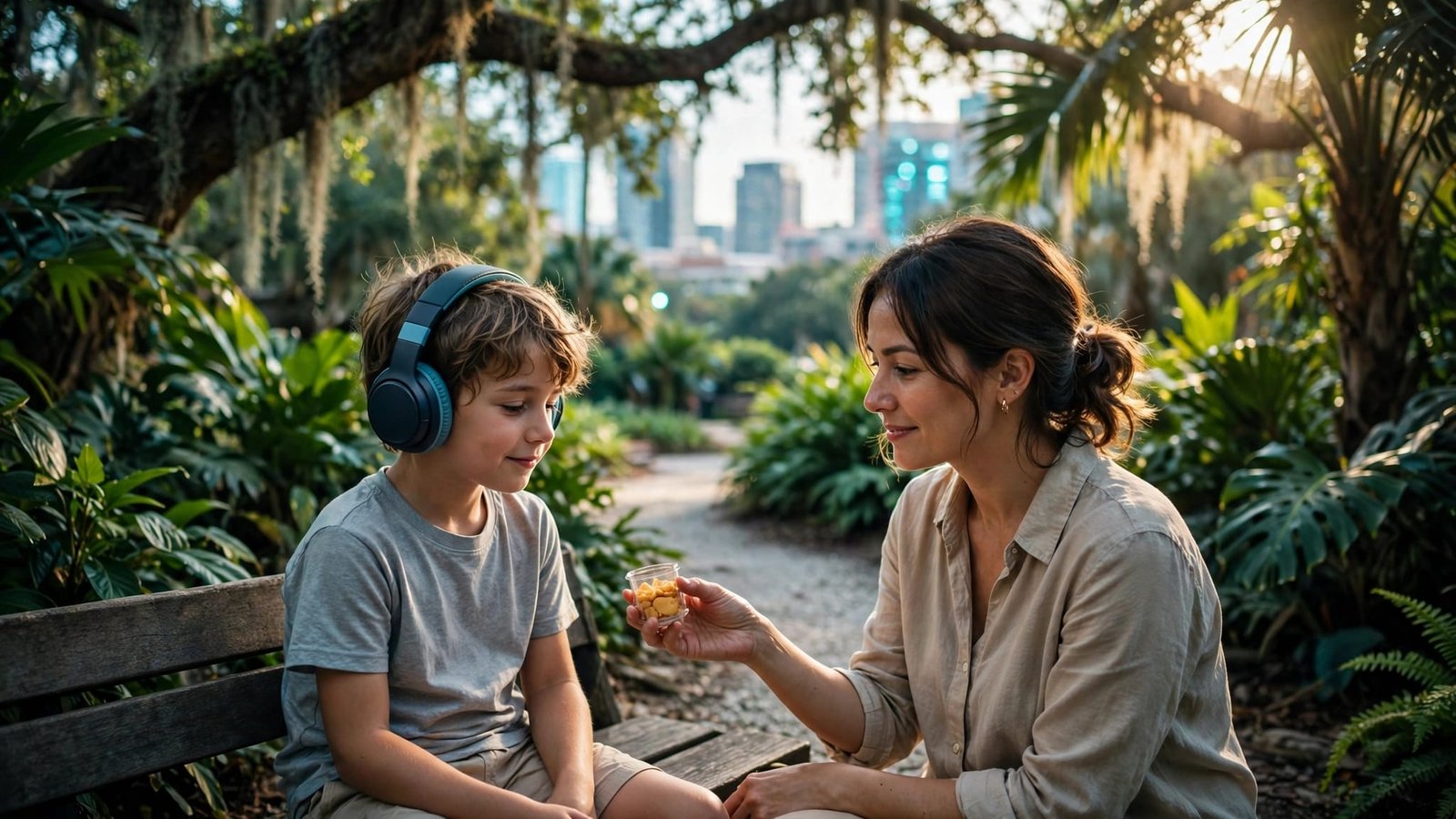
Orlando can be fun, but it can also be loud, hot, crowded, and full of unexpected changes. Autistic people and families supporting a child with Autism Spectrum Disorder may have different communication, sensory, and support needs. There isn’t one travel formula that works for everyone.
An autism-friendly Orlando trip can include theme parks, museums, outdoor spaces, hotel downtime, and local activities. The best family trips leave room for breaks, familiar food, quiet places, and the option to change plans. Your child doesn’t have to enjoy every attraction for the vacation to be a success.
Start with vacation planning that fits your family’s real needs, not a schedule that looks busy on paper. During Autism Acceptance Month, check seasonal event calendars and confirm each program fits your family.
Key Takeaways
- Plan an autism-friendly Orlando trip around your child’s sensory, communication, food, and regulation needs—not a packed attraction schedule.
- Choose one or two priorities each day and protect time for hotel breaks, familiar meals, quiet spaces, and rest.
- Prepare for everyday stress points, including airport noise, Florida heat, crowds, transportation, laundry, changing plans, and unexpected delays.
- Check current accessibility policies, sensory guides, certifications, event schedules, and quiet-space options directly with each venue before visiting.
- A successful vacation is measured by your family’s comfort, flexibility, and shared experiences—not by the number of rides or attractions completed.
Think Beyond the Big Orlando Parks
Theme parks are only one part of Orlando. Slower days at museums, parks, hotel pools, or sensory-friendly attractions may become your family’s favorite memories.
These options aren’t always quiet, so check current conditions before visiting.
Some children enjoy rides and characters. Others prefer animals, art, water play, or hands-on activities at Crayola Experience. Before going, verify its hours, crowd levels, and any current sensory programming.
There is no wrong way to do Orlando.
Pick fewer priorities each day
Choose one or two main plans. Everything else can stay optional.
If your child wants to spend an hour at a playground, that’s a good day. If everyone needs to return to the hotel after lunch, that’s also a good day. You are not wasting a vacation by taking a break.
A flexible plan can include:
- One morning attraction and a hotel reset after lunch.
- A pool morning followed by an early dinner.
- A quiet outdoor activity before a busy evening event.
- A full rest day after two or three high-energy days.
A calmer schedule often gives families more time together than a packed schedule ever could.
Begin With a Calmer Arrival at Orlando International Airport
The vacation starts at the airport, not when you reach the hotel. Orlando International Airport can feel busy, bright, and noisy, especially during school breaks and holidays.
MCO is a Certified Autism Center and offers Annie’s Space Sensory Room. According to Orlando International Airport’s announcement, the room is in Terminal A on Level 3 near the food court area. Certification listings and airport services can change, so recheck MCO’s current certification and access details with IBCCES and the airport before traveling.
Plan time for Annie’s Space
Annie’s Space is pre-security, so it works best when you arrive early. The room has soft textures, calming sensory equipment, soothing sounds, and movement-based activities.
Before entering, note the location of family or companion restrooms and available seating. If the room is occupied, have a plan to leave and use those spaces while you wait.
The published hours are 7 a.m. to 9 p.m. daily, but check before your travel day. Airport hours and access details can change.
MCO also offers Hidden Disabilities Sunflower Lanyards at Main Terminal information booths on Level 3. A lanyard does not provide front-of-line access. It can help staff understand that a traveler may need more time, patience, or clearer communication.
Keep your airport plan simple. Bring noise-canceling headphones your child has used before, familiar snacks, a comfort item, downloaded shows, medication, and a portable charger. Ask the airport, airline, or attraction whether current sensory bags are available. Put devices, headphones, charging cords, and batteries in one pouch.
Families often remember the tablet and forget the charging cable. That small detail can feel very big during a delay.
Choose a Hotel That Makes Breaks Easy
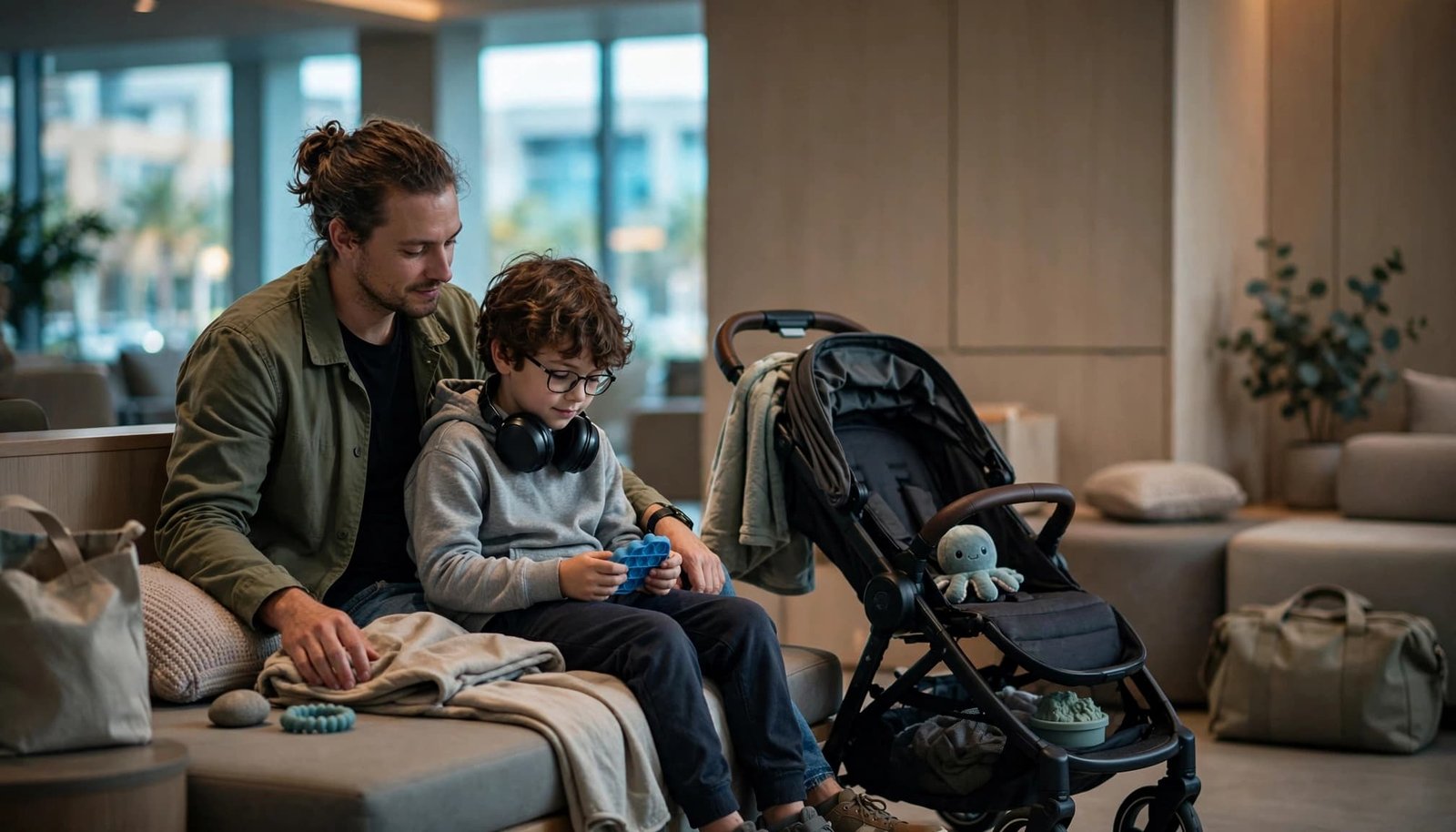
Your hotel is more than a place to sleep. It is where your family gets dressed, eats familiar snacks, changes wet clothes, rests after a hard moment, and resets before tomorrow.
A lower room rate isn’t always the lower-stress choice. Long drives, crowded shuttles, toll roads, and late-night parking can add work to every day.
Ask better questions before booking
Call the property before you reserve. Ask about the details that affect your family.
Families with special needs may prioritize a refrigerator, kitchenette, accessible parking, or storage for a stroller or mobility device. Ask about the room’s distance from elevators, pools, transportation, the lobby, laundry, and restrooms. Confirm whether pool noise or a busy hallway could affect the room, since online listings often omit these details.
A vacation rental can be a good fit when your child needs a full kitchen, separate bedrooms, a washer and dryer, or more quiet space. An on-site resort can help when midday breaks and transportation are your biggest concerns.
Look at the route, not only the map. A hotel may look close to an attraction but still require busy road crossings, parking garages, or a long walk.
Do not treat laundry as a small detail
Laundry can take up a large part of a vacation afternoon. Disney Resort self-service laundry rooms are often near pools, which may mean wet walkways, music, and people coming and going.
Ask the Front Desk where the closest laundry room is and how payment works. A wash and dry cycle often costs about $3 each at Disney resorts, plus detergent. One load can take 70 minutes or more after moving clothes and folding them.
If laundry would take away the breaks your family needs, pack more clothes or ask about valet service. There’s no prize for packing light if it makes the trip harder.
Build Orlando Days Around Regulation, Not Ride Counts
Autism-friendly travel isn’t about avoiding every challenge. It’s about reducing the number of challenges that happen at the same time.
Every child has different sensory thresholds and communication needs. Sensory processing needs can affect how heat, hunger, traffic, crowds, waiting, unfamiliar bathrooms, loud music, and schedule changes combine. A little space between plans helps.
Use a simple daily rhythm
Many families do well with a predictable pattern: breakfast, one main activity, lunch, rest, then one optional plan.
Try to avoid scheduling every hour. Your child may be ready for more. They may also be finished sooner than expected. Both are okay.
Keep a short visual plan on your phone or on paper. Use simple language such as “breakfast, zoo, lunch, hotel, pool.” If plans change, show a “change” card or offer two clear choices.
You can say, “The museum is busy. We can go back to the hotel or get ice cream.” That feels more manageable than a long explanation in a crowded parking lot.
Protect the middle of the day
Orlando afternoons bring heat, summer storms, and heavier crowds. Before the day begins, identify nearby restrooms, shaded areas, and indoor break spaces.
Plan indoor time, a hotel break, or a quieter activity during the hottest hours.
Bring water, sunscreen, ponchos, wipes, a change of clothes, medication, familiar snacks, and a low-tech communication backup. Pack noise-canceling headphones only if your child already uses them. Travel isn’t the time to introduce unfamiliar equipment.
A phone is helpful, but it shouldn’t be the only way your child can tell you “break,” “all done,” or “help.”
Autism-Friendly Orlando Attractions With a Slower Pace
You do not need a park ticket to find things to do. Sensory-friendly attractions can give your family something special without committing to a full day of rides and lines.
WonderWorks, Crayola Experience, Central Florida Zoo, and LEGOLAND Florida Resort are possible options for many families. Check each venue’s current accessibility information before buying tickets, including whether an IBCCES certification or sensory guide is still active.
Crowd levels, sound, lighting, and the availability of quiet spaces can vary by date and venue. Crayola Experience can be loud or busy, so check its current hours, sensory programming, and exit or rest options before visiting.
Investigate WonderWorks Sensory Days as another possibility, but confirm dates and program details because schedules can change. Check the current KultureCity listing or venue information to ask about sensory bags. Listed venues may offer different resources.
Museums give families room to slow down
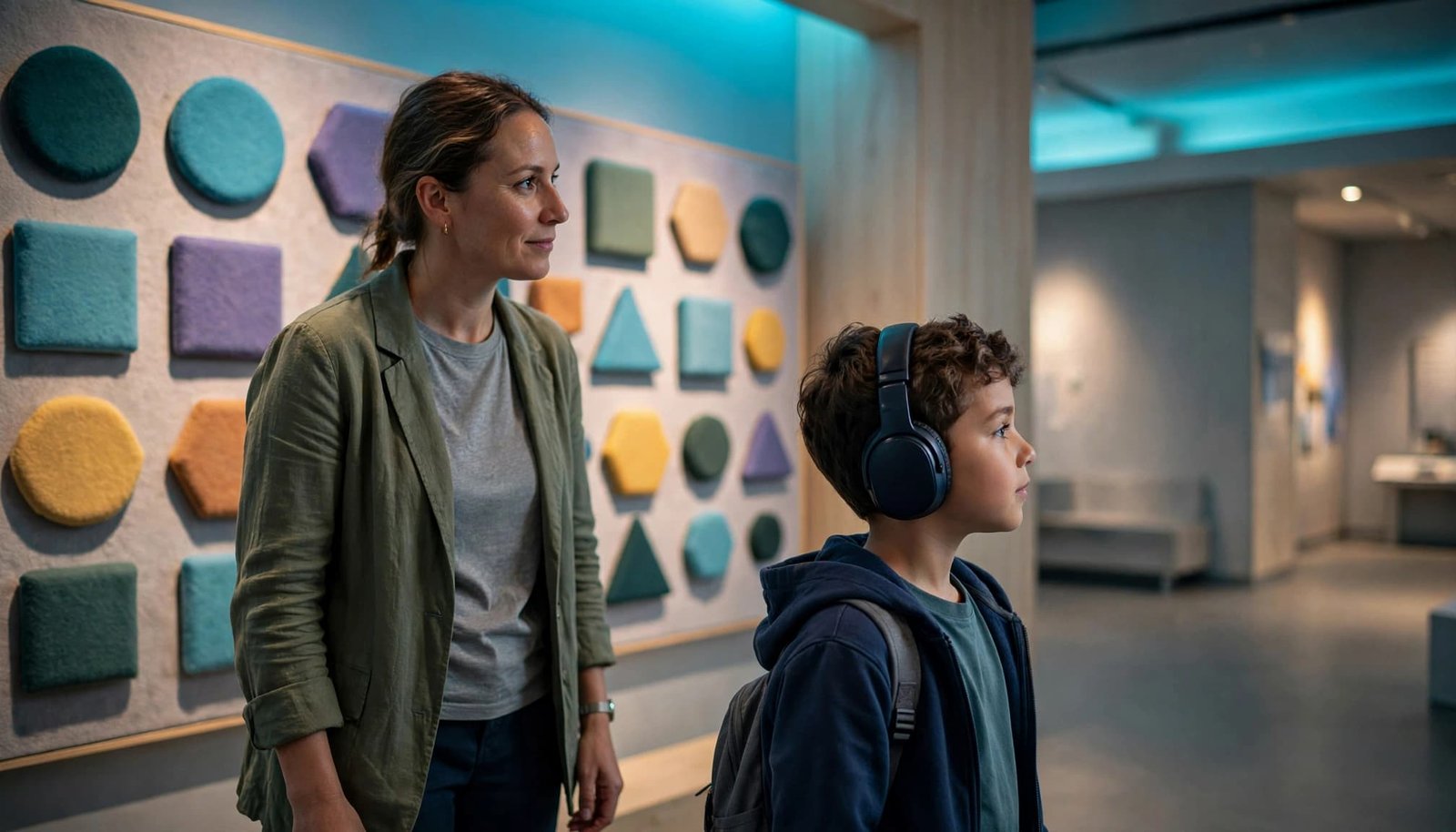
The Orlando Museum of Art can be a good option for families who enjoy a quieter indoor outing. Before visiting, ask about current family programming, accessible entrances, quiet rooms, low-traffic galleries, and break areas.
Some seasonal programs may be offered during Autism Acceptance Month, but annual schedules must be confirmed. Orlando Family Stage may offer a performing-arts option if you verify current sensory-friendly or accessible programming before booking.
Hands-on museums can be fun, but they are not always calm. Arrive close to opening if your child does better before groups and field trips arrive. Plan a short visit rather than trying to see every exhibit.
A successful museum visit might be 45 minutes. It does not need to be four hours.
Outdoor time can reset the whole day
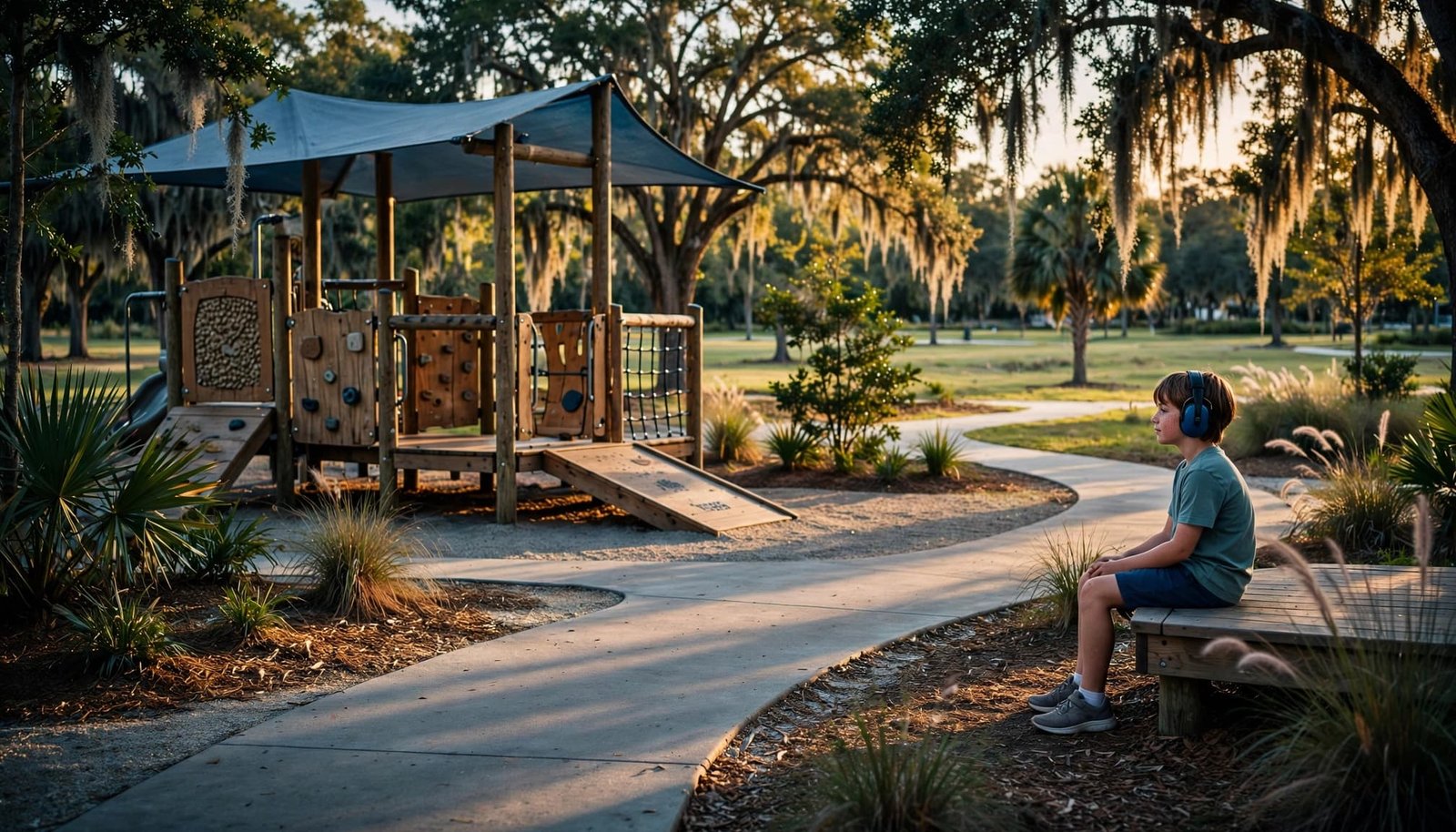
A shaded playground, nature trail, resort pool, or open green space may be exactly what your child needs after travel or a busy attraction.
When choosing inclusive playgrounds, look for more than one type of equipment. Wide, accessible paths, shade, ground-level activities, swings with supportive seating, and open areas away from the main play structure can make a difference.
Call the city or park office before going if your child needs a particular feature. Ask about shade, bathrooms, accessible parking, playground surfaces, crowds, and construction.
Outdoor plans work best early in the morning or later in the afternoon. Florida heat can make even the nicest park feel overwhelming by midday.
Food, Transportation, and Other Everyday Stress Points
The small parts of a trip can become the hard parts. A restaurant wait, toll road, unfamiliar shuttle, or missed turn can change everyone’s mood quickly.
Build flexibility into your budget for options that may save the day. A ride-share back to the hotel, grocery delivery, a quiet table-service meal, or extra preferred snacks can make a difference.
Keep food familiar when you can
Pack snacks your child already likes. A new restaurant isn’t always the right place to introduce new foods.
A room with a refrigerator or kitchenette can ease breakfast and late-night meals. Grocery delivery can cover yogurt, fruit, preferred drinks, and simple sandwiches. Identify nearby pharmacy options before arrival, too.
Review restaurant menus before leaving the hotel. Ask about outdoor seating, quieter sections, takeout, or ways to avoid a long wait. Choose off-peak meal times when possible. An early lunch at 11 a.m. may be easier than a busy food court at 12:30 p.m.
Make the first drive easier
Orlando roads can feel confusing after a long flight. Toll roads are common near the airport and major resort areas. Before leaving the rental-car garage, confirm toll arrangements with the rental company and ask about daily fees.
Take photos of the car’s fuel level and any existing damage. Verify hotel shuttle schedules and car-seat rules before relying on them. Set the temperature, connect a familiar playlist, and share one simple next step: “We are going to the hotel now.”
Traffic can build around I-4, outlet centers, resort corridors, and park closings. Give yourself extra time. If the drive feels like too much, use hotel transportation or a ride-share for the next outing.
Theme Park Days Can Still Be Part of the Plan
A guide to autism-friendly Orlando should leave room for a park day, but it shouldn’t define the vacation. One visit can be wonderful when it’s built around your child’s needs.
Walt Disney World offers Disability Access Service, often called DAS. It supports eligible guests who can’t wait in a conventional queue for an extended time. Disney requires registration through live video chat before the visit or through Guest Relations when needed. Check Disney’s official, current eligibility language for guests with special needs before relying on older advice.
Universal Orlando Resort has separate accessibility policies. Review its current accessibility guide, queue options, sensory information, and Guest Services procedures before visiting.
Understand what DAS does and does not do
DAS gives eligible guests a return time so they can wait outside a standard line. It doesn’t remove every wait, crowd, ride closure, weather delay, or change in plan.
After entering the park, the registered guest or a linked adult can request a return time through the My Disney Experience app. The registered guest must be present and ride with the party.
Include advance registration, app preparation, transportation, meals, and an exit plan in your vacation planning. Eligibility, registration, return-time rules, and app functions can change.
Keep your phone charged. It may hold tickets, mobile food orders, maps, family messages, and DAS return times. A portable charger is a park-bag essential.
Use Disney’s official Disability Access Service information for verified policy details before travel. Procedures can change.
If you’re visiting during Autism Acceptance Month, verify whether seasonal park programming is actually running before planning around it.
Don’t overload the schedule with paid add-ons
Lightning Lane Multi Pass is separate from DAS. It may help when your family has a few true must-do rides. It can also create another clock to watch.
Don’t buy every add-on because it sounds like the full Disney experience. Choose it only when it makes your day easier.
For theme parks, choose one park, one land, or one priority area instead of measuring success by ride counts. One park per day is often a calmer choice.
Magic Kingdom has enough to fill more than one relaxed day. EPCOT is larger than it looks. Attractions such as Remy’s Ratatouille Adventure, Frozen Ever After, and Soarin’ are spread apart.
Choose one area for the morning. Stay nearby. Leave when your child is done.
SeaWorld, Aquatica, and Certified Autism Centers
SeaWorld Orlando is an IBCCES Certified Autism Center, and its autism-center information explains the resort’s commitment to guests with autism. Review these resources before travel.
For Aquatica, check the current IBCCES listing and park resources to confirm its Certified Autism Center status. Water parks can still bring bright sun, loud music, slippery paths, and long walks, so plan around your child’s comfort.
Read sensory information before buying tickets
Look for attraction sensory guides, height requirements, transfer details, quiet locations, and current accessibility information. Certifications help, but every child has different sensory processing needs.
Ask Guest Services whether sensory bags are available, along with shaded seating, quiet exits, and lower-traffic areas. Also check current seasonal calendars for Autism Acceptance Month events and programs.
Discovery Cove may offer a lower-capacity water experience to research. Water temperature, waiting, sun, sound, transfers, and unfamiliar routines may still be difficult for some children.
If wave pools, splash areas, or crowds are not a good fit, don’t push through because tickets were purchased. A short morning visit may be enough.
Bring a change of clothes, dry comfort items, water shoes, and sunscreen. Ask about companion or family restrooms, first aid, shaded seating, quiet exits, and places to rest.
Plan for April Events and Local Programs
April is Autism Acceptance Month, and Orlando attractions, museums, community groups, and travel providers may offer sensory-friendly attractions or autism-focused programming.
Some programs may support autistic visitors and people with other cognitive disabilities, but needs differ. Autism Acceptance Month calendars and attraction programs change annually. For venues such as Crayola Experience, check current event details directly before building a trip around a special event.
Visitor Orlando shares a helpful overview of sensory-friendly Orlando resources, including airport support and attractions to consider. Families can also check KultureCity for current venue information and sensory bag availability, when listed.
Ask about the details that matter
Do not only ask whether an event is autism-friendly. Ask what that means on that date.
Ask how the venue handles lighting, sound, crowd size, transitions, and break spaces for visitors with sensory processing needs.
Will lights be lowered? Is music reduced? Are quiet rooms or other quiet areas available? Can your family leave and re-enter? Is there a sensory guide or social narrative?
Request or create social stories only when they accurately reflect the current visit.
Verified venue policies are more useful than a general label or broad suggestion. They help you decide if an event fits your child.
Pack for the Problems You Hope Will Not Happen
A good travel bag helps when plans change. It doesn’t need to be huge, but it should be easy to carry and organized the same way every day.
Keep the most important items together: noise-canceling headphones, fidgets, comfort items, medications, wipes, snacks, charger, cable, portable battery, sunscreen, and a small change of clothes. Sensory bags can organize familiar regulation tools, but use items your child already knows and check venue rules before bringing them.
Bring the travel gear that supports your family
A supportive stroller can offer rest, containment, and a familiar place during long days. If your child uses a stroller as a mobility device at Disney, ask Guest Relations about a “Stroller as a Wheelchair” tag. Confirm the current policy before your visit.
Travel sickness, Florida rain, snack spills, and tired kids happen. The Trip Rescue Shop offers optional supplies for special needs travel, including stroller options and cleaning items. It can help with those “we got sick on vacation” moments, and qualifying purchases may earn a commission.
A few backup items can protect a whole day. Pack them before the stress starts.
Use guides that make Disney feel more manageable
Disney planning can bring a lot of questions, especially when you’re trying to balance rides, meals, breaks, DAS, transportation, and sensory needs. A vacation planning checklist can keep park information, meal plans, transportation details, break options, and emergency contacts together.
The Disney World With Autism Guide on Etsy offers optional planning support for families who want a more comfortable Disney trip. You can also find the Disney autism travel guide on Amazon for another easy way to keep the information with you. Neither is official Disney guidance, and qualifying purchases may earn a commission.
The goal is not to follow every idea. Use the parts that fit your child, your budget, and your energy.
Frequently Asked Questions
What makes Orlando more autism-friendly for families?
An autism-friendly Orlando trip offers flexible schedules, familiar food, regular breaks, and options for quieter activities. Families should choose attractions and accommodations that match their child’s sensory and communication needs.
Does Orlando International Airport have a sensory room?
Yes, Orlando International Airport offers Annie’s Space Sensory Room in Terminal A on Level 3, before security. Hours, access details, and airport services can change, so confirm current information with MCO before traveling.
Should we visit the theme parks with an autistic child?
Theme parks can be part of the trip when the day is built around the child’s needs, with breaks, an exit plan, and realistic priorities. Review current Disney, Universal, and other park accessibility policies before relying on services such as DAS or sensory resources.
What should families ask an attraction before visiting?
Ask about current crowd levels, sound and lighting, quiet areas, sensory guides, restrooms, accessibility, re-entry, and available sensory bags. A general autism-friendly label is less useful than specific details about how the venue will support your family on that date.
A Family Trip That Feels Like Yours
The best Orlando vacation is not the one with the most tickets, rides, or photos. It is the one where your family has room to rest, eat, communicate, and change plans.
Build around familiar supports and communication access. Keep expectations flexible, choose fewer priorities, and plan regular breaks.
Let a quiet afternoon count as part of the vacation. Give your child room to participate, pause, or change plans.
A successful Orlando trip gives your child autonomy and lets them enjoy the day in their own way, regardless of how many attractions your family completes.
Leave a Reply