
For inclusive travel, a resort’s autism-friendly badge can reassure neurodiverse travelers, including guests with autism spectrum disorder or sensory sensitivities. Before booking, verify what that autism-friendly travel certification covers and whether the support fits your traveler.
The most useful reassurance is clear, written confirmation about the details your family needs. Staff training matters, but so do room placement, familiar meals, and an easy way to take a break.
Start with the credential, then check the practical support behind it.
Key Takeaways Before You Book
- Verify the issuing organization, certification level, exact location, and current status.
- Confirm your traveler’s needs directly, including quiet spaces, food, communication, housekeeping, and safety.
- Get important accommodations in writing before paying, and distinguish confirmed arrangements from requests subject to availability.
Certification can help you narrow your choices. Your final decision should depend on what the provider can deliver during your stay.
Compare Autism-Friendly Travel Certification Programs
Each certification program has different requirements. Travel agents may hold individual credentials, while property credentials apply to a hotel or other location.
These distinctions help you understand the badge you’re checking.
| Credential | Who or what it covers | What to verify |
|---|---|---|
| IBCCES CATP | An individual travel professional | Credential number and active status |
| IBCCES CAC | An organization or location | Covered services, staff training, and renewal |
| Autism Double-Checked | A travel provider at one of three levels | Exact level and included support |
Compare published requirements rather than assuming all badges mean the same thing. These are independent credentials or training programs, not government regulation or legal guarantees. A credential alone can’t guarantee a particular accommodation or meet every traveler’s needs.
IBCCES: Professional and Property Credentials
IBCCES’s Certified Autism Travel Professional requirements include four autism-related continuing education hours and an online competency exam. Published fees are $150 initially and $99 for biennial renewal, with additional education required. Verify current terms, including whether online training is required.
For travelers, the key distinction is scope. CATP belongs to an individual; it doesn’t certify every hotel that person recommends.
The Certified Autism Center requirements include autism training for at least 80% of guest- or public-facing staff, covering autism and sensory differences. At a Certified Autism Center, that threshold doesn’t promise a trained employee at every interaction.
Autism Double-Checked: Three Different Levels
Autism Double-Checked’s published certification levels build on one another. Autism Aware begins with accepting the Autism Passport. Autism Ready adds a detailed visitor or passenger guide. The highest level adds staff training.
The Passport helps travelers communicate needs and preferences through an autism passport. It doesn’t guarantee every requested accommodation.
Don’t assume the first two levels include the highest level’s training. Ask which level applies to the provider you’re considering and request its planning guide.
Check Current Status With the Issuer
A badge on a booking website is a starting point. Confirm it independently before relying on it.
Match the Exact Location and Service
Use the issuing organization’s official directory, including Autism Double-Checked’s directory of certified providers, or contact the organization directly. Match the business name, address, and certification level, then confirm the credential’s current validity and scope.
Check that the property’s current listing and scope match the claim, including whether it’s listed as a Certified Autism Center. A general autism awareness claim isn’t the same as meeting a defined certification standard. Ask what autism training the issuer requires and whether its standards were developed with input from the autism community.
For brands such as Beaches Resorts or LEGOLAND, check the particular property, park, or program. For Beaches Resorts, confirm whether certification covers the specific resort or kids’ club. A statement about one location or kids’ club shouldn’t become an assumption about everything under that brand.
If the listing is unclear, ask the issuer directly whether certification covers the service you plan to use.
Confirm Dates and Renewal
Request the certification date and next renewal date. IBCCES CAC certification lasts two years and requires updated staff training for renewal.
Don’t apply that schedule to another issuer’s program. Ask the issuer directly about its current status and renewal arrangements.
For an individual CATP credential, request the credential number and verify it through IBCCES. Save the response alongside your booking information, especially when certification affects your choice.
Verify Accommodations for Your Actual Stay
Your traveler may have sensory sensitivities and need a dark bedroom, predictable meals, communication support, or space away from crowds. Start with those needs.

Protect Sleep, Meals, and Arrival
Ask about rooms away from elevators, ice machines, pools, and evening entertainment. Confirm blackout curtains, refrigerator space, and any microwave or kitchenette access you depend on.
Discuss housekeeping before arrival. Can you decline visits, schedule them, or request supplies without someone entering?
For meals, confirm familiar foods, allergy procedures, and whether a dining supervisor can review ingredients. A buffet with many choices may still offer few foods your traveler accepts.
Ask whether the provider has a sensory guide covering noise, meals, and places to take breaks. Confirm a calmer check-in and what happens if the room isn’t ready. Review the resort map for walking distances and transportation changes.
Confirm Staff Support and Safety
Request a named contact for pre-arrival questions and an explanation of who can help during your stay. Ask how staff support guests who use AAC, need processing time, or communicate without speech.
Check quiet-space locations, opening hours, and access rules. A sensory-friendly seating area may help, but it isn’t necessarily a private sensory room or guaranteed to be available.
For pools and children’s programs, ask about supervision, boundaries, staffing, and participation requirements. Certification doesn’t replace your family’s safety plan.
Acceptance shows in respectful responses, flexible choices, and permission to pause without pressure.
Get Written Answers Before Paying a Deposit
Call if that’s easier, then ask the provider to confirm the important details by email. A useful inquiry describes practical needs without requiring your full personal history.
You can adapt this message:
“We’re considering a stay on these dates. Please confirm your current certification and what it covers. We need a room away from entertainment, flexible housekeeping, familiar food options, and access to a quieter break area. Which arrangements can you confirm before we pay, and who should we contact if they aren’t available?”
Keep the response, cancellation policy, and booking terms together. A confirmed arrangement carries more planning value than a note saying “requested.”
Watch for vague answers, an unexplained logo, or reassurance without details. If staff can’t identify the program or explain available support, pause the booking.
Before arrival, reconfirm essential arrangements. At check-in, ask who received your notes and inspect the room. Speak up early if the setup differs from the written response. A prompt conversation gives the provider more time to offer another option.
Plan Travel-Day Support and Financial Protection
A destination credential doesn’t cover every airport, transfer, or medical situation along the way.
Arrange Airport Help Separately
For U.S. security screening, review TSA Cares assistance and its current request instructions. Contact the airline separately about boarding and other airline-operated services.
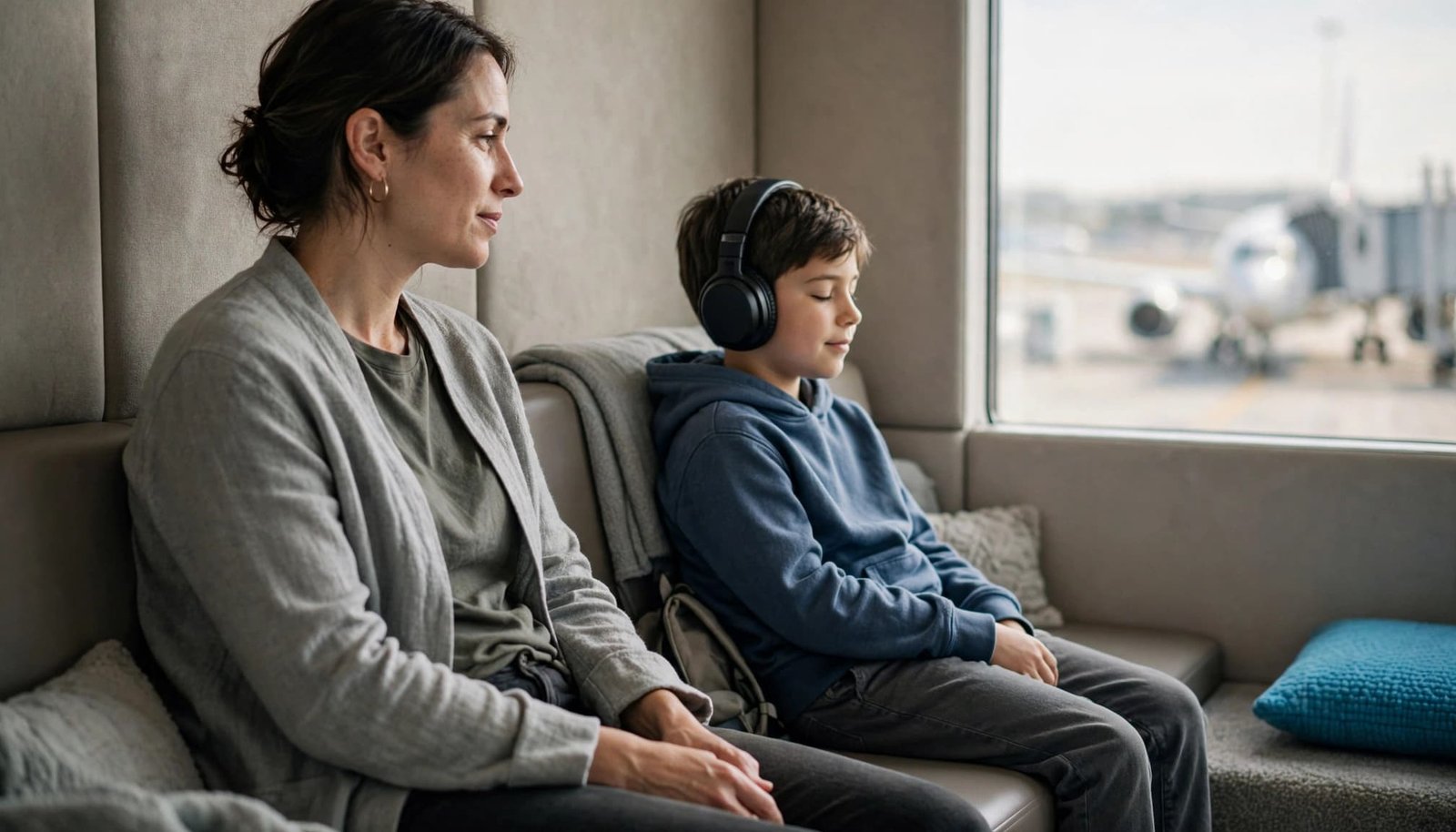
Ask the airport whether a quiet room exists, where it is, and when it’s accessible. Don’t depend on an older photo or social media post.
Keep medication, familiar snacks, headphones, and communication tools within reach. Choose a simple arrival plan. Private transportation may be worth the cost when it reduces waiting or difficult transitions.
Read Insurance and Cancellation Terms
Compare cancellation deadlines before paying a nonrefundable deposit. A provider’s certification doesn’t promise reimbursement if the trip becomes unsuitable.
Ask your travel insurance provider how pre-existing-condition rules apply, what documentation is required, and which cancellation reasons are covered. Don’t assume sensory overload or a changed accommodation qualifies.
For international travel, check emergency medical coverage, evacuation benefits, and the insurer’s assistance contact. Know where nearby medical care is available.
Spend more where it buys meaningful rest, safer transitions, or fewer stressful surprises. A flexible room rate may help more than another activity package.
Build a Flexible Disney Plan With Personal Support
At Disney theme parks, certification checks are only one part of preparation. Review current accessibility policies separately, and don’t assume another credential establishes eligibility for Disability Access Service.
Our Disney World autism planning guide helps families prepare for sensory needs, transportation, and park-day breaks. Choose one or two priorities each day, with time for meals and a hotel reset.
K&S The Travel Crusaders’ guidance reflects firsthand family experience, real-world travel planning, and Kellie Neff’s B.A. in Child Development. Your traveler’s comfort and routines guide the plan.
For more preparation, our Disney World autism ebook is available as an Etsy PDF guide and through our Amazon ebook listing.
Our Trip Rescue travel shop also offers travel supplies, including strollers and cleaning supplies for unexpected sick-on-vacation moments. Pack the familiar supports your family already uses rather than buying an entirely new sensory kit.
A quieter evening or early park exit can still be a successful vacation choice.
Frequently Asked Questions
Does Certification Guarantee a Sensory Room?
Certification doesn’t guarantee a sensory room, fragrance-free products, or a particular room location. Ask what exists at that property and whether it will be available during your dates.
Confirm opening hours, access procedures, and whether the space is shared. If a private break area is essential, explain that before booking rather than relying on the phrase “quiet space.”
Can an Uncertified Hotel Still Be a Good Fit?
An uncertified hotel may offer the quiet location, kitchen access, simple layout, and flexible housekeeping your traveler needs. Verify those features with the same care.
Compare written answers and practical arrangements. A provider that responds clearly to your needs can be worth considering, while a certified property may still have features that don’t suit your family.
Book With Clear Answers and Room to Rest
An autism-friendly travel certification is useful when you understand its scope and verify the support behind it. Your family’s actual needs should guide the booking.
Confirm the credential, save written arrangements, and leave room for rest and changing plans. A well-planned family vacation offers comfortable choices and flexibility. That makes the vacation experience easier for your traveler and leaves you with fewer details to worry about after arrival.
Leave a Reply