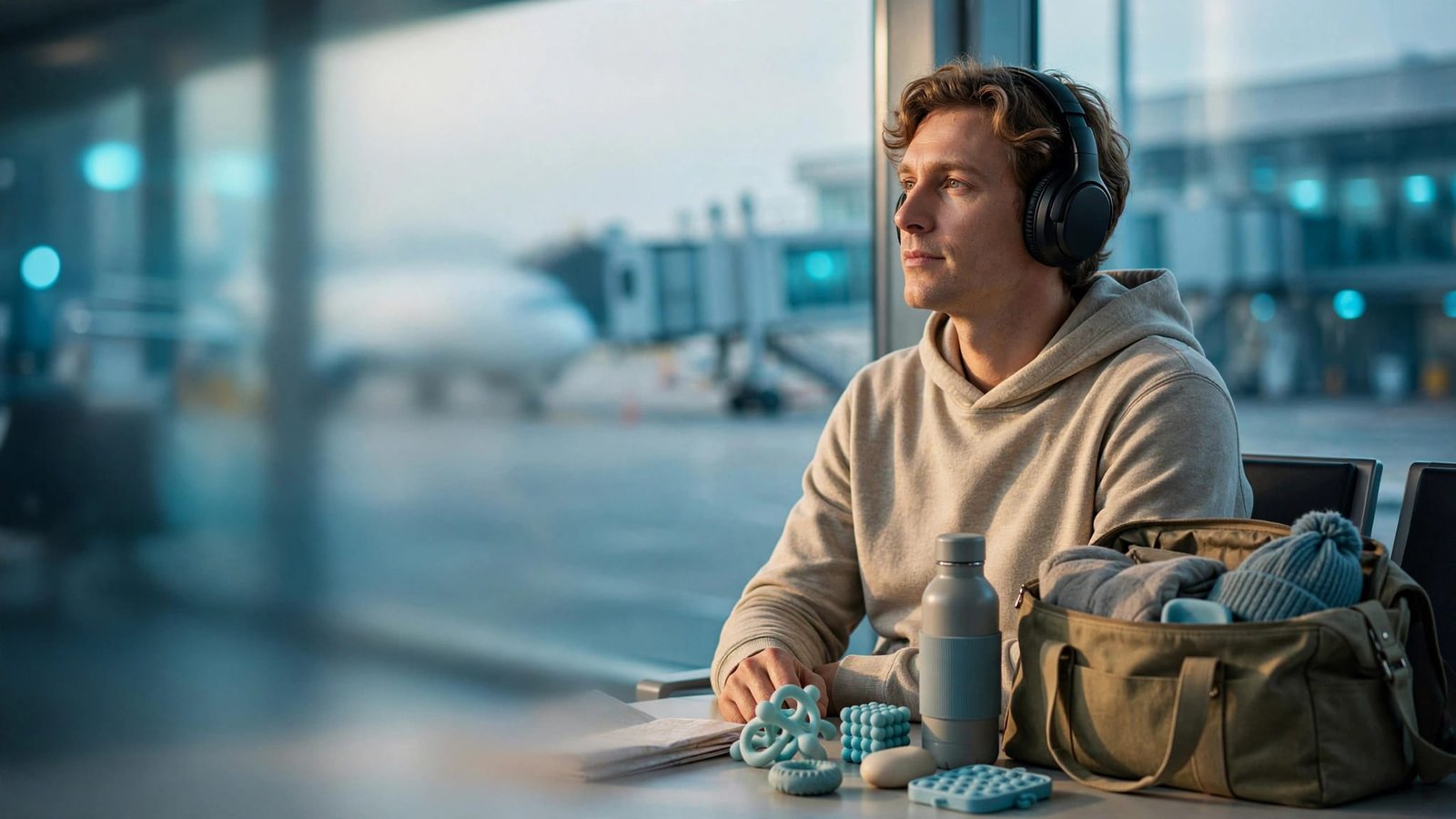
A good vacation should not leave you needing a vacation from the vacation. Autism-friendly vacation planning gives you more control over travel that can feel uncertain, loud, rushed, or exhausting.
You don’t need to travel like anyone else. You can plan a quiet beach week, a city trip with built-in downtime, a family vacation, solo travel, a Disney vacation, a cruise, or a visit with family. You might travel with a partner or support people, too. The right trip respects your sensory sensitivities, routines, energy, budget, communication preferences, and independence.
Start with your real needs, then build a personal autism travel plan around them.
Key Takeaways
- Start with your real sensory, communication, energy, routine, budget, and independence needs before choosing a destination or booking travel.
- Choose lodging and transportation that make rest, familiar food, breaks, and predictable routines easier, even if the option costs more.
- Build flexible schedules with one or two priorities, planned sensory breaks, visual previews, and a clear plan for changing or leaving activities.
- Pack familiar comfort items and essential medication, ask for accommodations in writing, and prepare backup plans for delays, cancellations, and other changes.
Start With What Makes Travel Feel Good to You
Autistic adults are not all looking for the same type of vacation. Some travelers love a full itinerary and new experiences. Others want a familiar hotel, a quiet room, and only one planned activity each day.
Before booking anything, think about which moments usually feel easiest and hardest. Your answers should guide every choice that follows.
Know your sensory needs
Think about your sensory sensitivities, including sound, light, smells, crowds, touch, food, temperature, and waiting. A beautiful destination may not be a good fit if the hotel has loud pool parties every night or the only transportation option is a packed shuttle.
Ask yourself:
- Do you need a quiet room away from elevators, bars, pools, or busy roads?
- Are early morning flights easier than afternoon airport crowds?
- Would you rather have a rental car than share transportation?
- Does a kitchenette make familiar food and routines easier?
- Are you comfortable with an activity that has darkness, motion, tight seating, or surprise effects?
There is no need to push yourself into an experience because it looks fun online. A vacation should feel comfortable, not like a test.
Keep control in your own hands
If you choose to travel with a partner, friend, family member, or support person, talk about roles before you leave. Decide who handles maps, check-in, meal choices, tickets, medication, money, and staff communication. Also agree on preferred communication methods and how much processing time helps.
Support should make travel easier without taking away your choices. You can share logistical tasks while keeping the final say over breaks, activities, communication, spending, and leaving.
You should still be able to say, “I need a break,” “I want to leave,” or “I do not want to do that today.”
A flexible plan is not an unfinished plan. It gives you room to respond to your energy and needs without feeling like the day has failed.
A short list of priorities can support executive functioning and reduce decision fatigue. A pre-agreed “change plan” gives you options without creating a rigid schedule.
Choose an Autism-Friendly Destination That Fits Your Pace
The best destination is not always the most famous one. It is the place where you can sleep well, eat reliably, take breaks, and enjoy what you came to see.
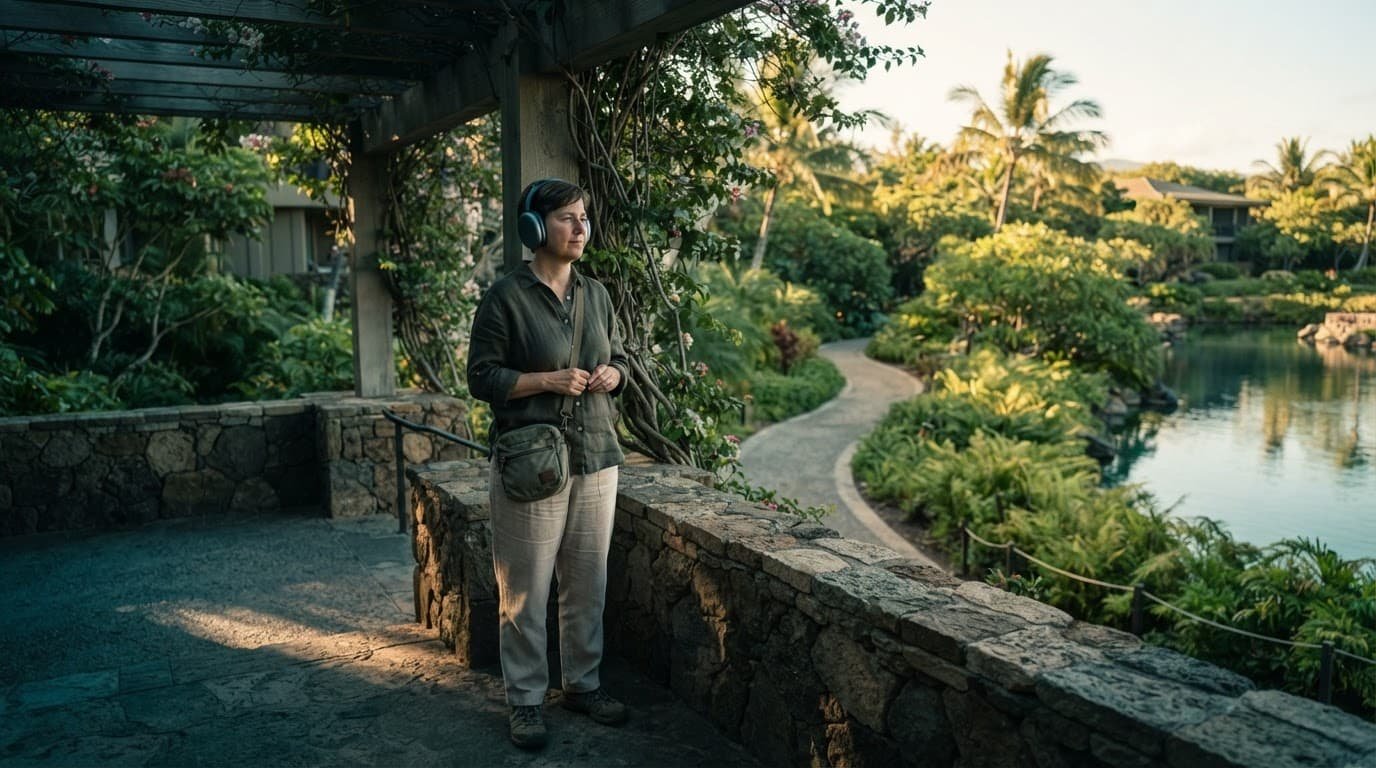
For some people, that means a quiet lakeside cabin. For others, it means a resort with familiar restaurants and simple transportation. Big cities can work well too when you stay near the sights you care about and avoid crossing town several times a day.
Look beyond the attraction list
A destination can have great museums, beaches, parks, theme parks, and restaurants, but still be difficult if every part of the day requires long lines and crowded transportation.
Consider inclusive activities such as quiet museums, nature walks, small-group workshops, or accessible cultural events.
When comparing locations, check:
- The airport distance and accessible transportation options
- Average weather during your travel dates
- Grocery stores and familiar food nearby
- Walkability and sidewalk conditions
- Hotel reviews that mention noise, elevators, pools, or thin walls
- Whether you can return to your room easily for a reset
Availability, eligibility, reservation procedures, and equipment limits vary by destination and provider.
Hotels and vacation rentals differ in noise, kitchen access, transportation, and ease of taking a break. A nearby hotel may cost more per night. It can still save money and energy by reducing rideshares, long walks, and stressful traffic.
Check for trained staff and sensory information
A Certified Autism Center can be a helpful starting point when you’re considering a museum, attraction, hotel, airport, or destination. The designation doesn’t guarantee a perfect visit or show that every autistic traveler will find the site suitable. Providers may describe autism as autism spectrum disorder in accessibility materials, but individual needs still require direct questions.
Review current accessibility and sensory information for museums, attractions, theme parks, and destinations such as Sesame Place. Don’t assume one certified or inclusive destination will meet every traveler’s needs.
The IBCCES sensory guide program requires at least 80% of guest-facing staff to complete training for the designation. Some locations also share sensory guides that rate sound, light, crowd levels, and touch.
Call before you book to verify current certification details, staff training, sensory guides, and operating policies. Ask direct questions about quiet areas, room placement, early entry, dining options, and what happens if you need to leave an activity early.
Pick Lodging That Supports Real Rest
Your hotel room is more than a place to sleep. It can be your quiet space after a travel day, your meal backup plan, and a place to recover from sensory overload. Controllable light, sound, temperature, and privacy can make it easier to reset, though everyone’s needs are different.
Look closely at the room setup. A low nightly rate is not always a good deal if you cannot rest there.
Hotels and vacation rentals support different needs. Compare kitchen access, laundry, check-in demands, cancellation rules, neighborhood noise, and transportation, not just the nightly price.
Ask for the details that matter
Contact the hotel before arrival. Because “quiet” is property-specific, confirm room placement directly. Room placement and accessibility features are requests or provider-dependent arrangements unless the property confirms them in writing.
Ask about:
- Quiet rooms away from elevators, ice machines, lobbies, pools, restaurants, loading areas, and high-traffic corridors
- Refrigerator and microwave availability
- Blackout curtains
- Fan or white-noise options
- Laundry room locations
- Parking distance
- Room service or grocery delivery rules
- Accessible shower and bathroom features, if needed
If you need a quiet arrival, avoid scheduling a restaurant, tour, or shopping stop right after check-in. Bring one small bag inside first. Use a first-hour checklist for medication, pajamas, snacks, chargers, sensory tools, and rest before unpacking everything else.
Build a Vacation Schedule With Breathing Room
A detailed schedule can reduce travel anxiety. It can also become another source of pressure. The goal is to anticipate what may happen without making every hour feel locked in.
For flexible vacation planning, choose one or two important activities each day. Everything else is optional.
Use visual schedules and simple previews
Visual schedules can help adults preview the order of a travel day. Keep visual schedules simple with a phone note, printed page, calendar app, or photo-based checklist.
For a travel day, your plan may use checkboxes and estimated time ranges:
- Eat breakfast at home, 30 to 45 minutes.
- Drive to the airport, with a flexible travel window.
- Go through security, allowing extra time if needed.
- Wait at the gate, 15 to 30 minutes.
- Board the plane, 20 to 30 minutes.
- Take a rideshare to the hotel, allowing 30 to 45 minutes.
- Rest in the room, or choose a “change” or “break” option.
Social stories can help some travelers prepare for unfamiliar situations. Read a short, concrete preview of airport security, hotel check-in, cruise embarkation, or a theme-park entrance before the trip. Watch a walk-through video if that feels helpful.
Do not turn preparation into hours of research. Too much information can become overwhelming. Focus on the next few steps you need to know.
Plan breaks before you need them
Build sensory breaks into the schedule before distress appears, even if you feel fine in the morning. Options include a quiet café, returning to the hotel, sitting in a low-stimulation area, or spending time alone. Skipping an activity is an acceptable choice.
You do not need to spend every hour at a paid attraction to get value from your trip. A less-packed day often gives you more freedom to enjoy the things that matter.
Make Airport and Travel Days More Predictable
Travel days have many moving parts. Gates change. Lines get longer. Flights are delayed. A basic backup plan can make autism travel feel more manageable when small problems become bigger.
Flying with less stress
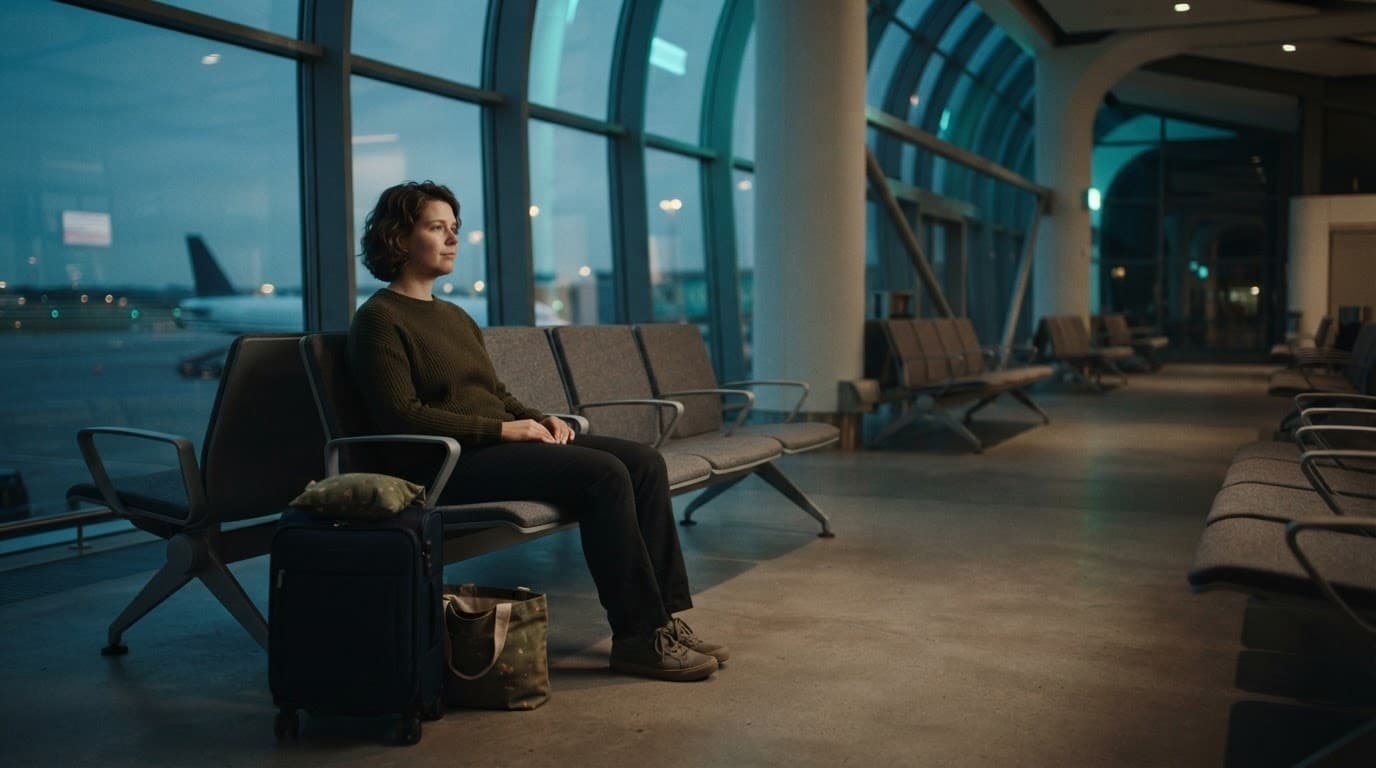
Air travel can feel less stressful when you build in time and predictable choices. Give yourself extra time, especially at an unfamiliar airport. You may not use all of it, but having time to sit at the gate is better than rushing through security.
TSA Cares can answer questions about screening support for travelers with disabilities, medical conditions, and other special circumstances. For U.S. flights, you can call 1-855-787-2227. TSA Cares covers security screening only. Airline assistance, airport accessibility programs, and accessible transportation are separate, so confirm boarding help, airport transfers, vehicle access, wheelchair procedures, and other needs directly with the provider. Availability and rules vary by airport, airline, and destination.
Some airports also participate in the Hidden Disabilities Sunflower program. At Seattle-Tacoma International Airport, for example, travelers can request free Sunflower lanyards at information desks. The lanyard is optional and doesn’t guarantee assistance. It may help staff understand that you could need extra patience or clearer communication.
Choose a seat that works for you. A window seat may reduce movement around you. An aisle seat may make it easier to stand, use the restroom, or leave your row. Download entertainment before leaving home, and keep headphones, chargers, medication, snacks, and documents in your personal item.
Road trips and train travel can offer more control
A road trip gives you control over the car temperature, music, snacks, and stop times. A simple backup plan can include planned stops, accessible restrooms, and a way to communicate when a passenger needs to pause. It also gives you a private space to reset when a destination feels too busy.
Before driving away in a rental car, adjust the mirrors, temperature, and music. Ask how toll charges work. In Florida and other areas with electronic toll roads, surprise rental-car fees can show up after the trip.
If you want to rehearse transfers, ticketing, or station navigation, travel training or a practice route may help. It’s an optional preparation choice, not a requirement.
Train travel can be another comfortable option. You can often move around more than on a plane, but stations may still be noisy and crowded. Check baggage rules, seating choices, food options, and transfer times before you book.
Pack a Sensory Comfort Kit You Will Actually Use
You do not need a huge suitcase full of new gadgets. Familiar items usually work best because you already know they help.
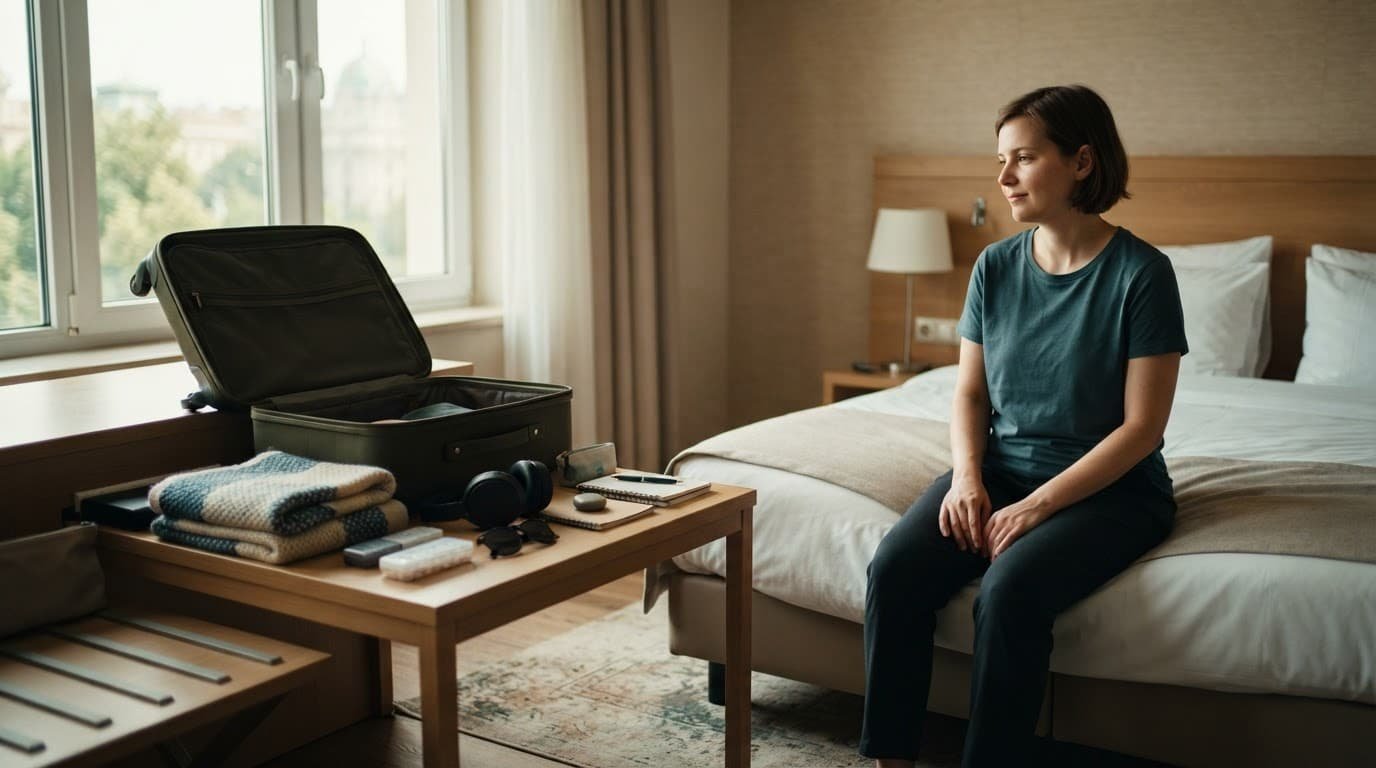
Keep essential comfort items together in one easy-to-reach pouch. Your kit may include noise-cancelling headphones, earplugs, sunglasses, a hoodie, familiar snacks, a fidget, mints or gum, and a portable charger. Add communication cards, a printed routine, or another planning aid if useful.
If you use weighted blankets, consider packing a small, familiar weighted item only if it already feels comfortable and practical for you. Check airline and lodging constraints before packing it.
Carry prescription medication in its original labeled container. Keep it in your carry-on, never checked luggage or a hot car. Ask a pharmacist or prescribing clinician about extra doses for delays, destination medication rules, and temperature requirements.
Your phone may hold tickets, maps, hotel details, ride times, boarding passes, and messages. Save offline copies of reservations, emergency contacts, and translation or communication supports you may need. A portable battery is not an extra item. It belongs in your bag.
Trip Rescue Shop can be a useful place to find practical travel items, including strollers, cleaning products, and items that can help when sickness happens on vacation. Review products carefully, and choose items you already understand and use at home whenever possible.
Ask for Accommodations Without Overexplaining
You’re allowed to ask for what you need. You don’t have to share your full diagnosis, private medical history, or personal story with every hotel employee, tour guide, or airline worker.
A short request is often enough.
You might say, “I have a disability and do better with written instructions.” You can ask for extra processing time, direct language, or a quieter place to talk. You can also ask to use your phone or communication device while receiving directions.
Policies and documentation requirements vary among service providers, including airlines, hotels, tour operators, transportation companies, and attractions. Ask what’s available and who approves the request. Check whether advance notice is required. Ask what happens if the service can’t be provided.
Put important requests in writing
Email is useful because it creates a record and gives staff time to respond. Save confirmation messages and take screenshots of any promised accommodations.
For tours and activities, ask about:
- Group size and crowd levels
- Flashing lights, loud sounds, motion, or strong smells
- Cancellation and refund policies
- Quiet spaces or the ability to step out
- Ingredient information, familiar foods, dietary accommodations, outside snacks, allergy procedures, and meal timing
- Communication methods if you need extra processing time
Asking for help is optional. If you want support, a trusted person can help with communication. If a staff member can’t help, politely ask for a manager or guest-services team member. You don’t need to handle a confusing situation alone.
Planning a Disney World Trip Around Sensory Needs
Disney World can be exciting, loud, crowded, hot, and full of changes. Like other theme parks, it may work better with shorter park days, midday recovery time, and only a few priorities.
Start by deciding which inclusive activities would make a successful day, such as one favorite ride, a character interaction, a quiet meal, or a scenic walk. The traveler defines success, not the number of attractions completed.
Understand Disney’s Disability Access Service
Disney’s Disability Access Service, often called DAS, supports guests who, because of a qualifying disability, can’t wait in a conventional queue for an extended period. It isn’t a front-of-the-line pass, and an autism diagnosis alone doesn’t guarantee eligibility.
Guests can speak with a Cast Member by live video chat to discuss eligibility as soon as 60 days before their visit, depending on current rules. Check Disney’s current Disney World DAS details before your trip because eligibility, registration, advance-video-chat timing, and procedures can change.
If approved, DAS lets an eligible guest wait elsewhere and return at an assigned time. The registered guest must be present and ride with the group, and DAS is separate from Lightning Lane Multi Pass, a paid service with scheduled attraction return windows.
A packed schedule of Lightning Lane times can add pressure, especially when weather, meals, transportation, or sensory needs change. Use paid options only if they make your day easier, not because you feel you should choose every available add-on.
Before visiting, note exit routes, low-stimulation areas, weather plans, and meal timing. Also decide how you’ll return to your lodging and when you’ll follow a clear “leave now” plan.
For extra help planning around sensory needs, park breaks, and accessibility questions, the sensory-friendly Disney trip guide is a useful resource. You can also find the guide on Amazon.
Consider Cruises With the Right Support
A single ship can simplify travel because your lodging, meals, and entertainment stay in one place. Embarkation areas, crowded dining rooms, port deadlines, changing weather, and frequent announcements can still create sensory or executive-function demands.
Compare cruise lines by cabin placement, communication options, dining flexibility, accessibility support, sensory-friendly programming, and cancellation rules. Choose sea days or a shorter itinerary if that fits your energy, and review deck plans before booking. Identify quiet outdoor areas, plan a cabin retreat, and agree with support people how to communicate a need to leave.
Royal Caribbean offers autism-friendly ships with accommodations and trained staff for guests with autism and other developmental disabilities. Disney Cruise Line also publishes autism spectrum support information with planning guidance and accessibility services.
Contact cruise lines well before final payment. Ask the selected provider to confirm trained staff, priority boarding, meal arrangements, medication refrigeration, accessible cabins, and quiet activities. Policies may differ by ship, sailing, destination, and service requested.
Protect Your Budget and Your Backup Plan
The lowest price is not always the best value. A nonrefundable hotel, a complicated airport transfer, or a room far from everything can cost more in stress than you save in money.
Read cancellation rules before you pay a deposit. Check whether the policy applies to each traveler, the whole booking, or both. If you’re traveling with a group, ask about name changes, room-block requirements, and attrition rules.
A travel insurance policy isn’t the same as a flexible booking. It may help when a covered reason forces you to cancel or interrupt travel.
Before paying, compare a travel insurance policy’s benefits with the booking’s flexibility. Check whether the policy applies to each traveler and the whole trip.
Travel insurance may cover only listed cancellation, interruption, delay, medical, or baggage reasons. It doesn’t make every nonrefundable reservation refundable.
Review travel insurance exclusions, deadlines, documentation rules, and per-item limits. If you travel with communication devices, headphones, mobility equipment, medication, or other support items, check coverage carefully. Basic policies may not replace the full cost.
Create an emergency backup plan for delayed or missed connections, alternate lodging, medication access, charging, and communication. Include destination emergency numbers, travel companions’ contact details, and a way to leave a crowded setting. Emergency procedures and insurance coverage vary by destination, provider, and policy, so verify the details instead of assuming coverage.
Keep a small delay bag ready with immediate essentials: medication, identification, chargers, snacks, communication tools, and a change of clothes. Add familiar sensory supports including comfort items, copies of reservations, and important contact details, so a missed connection is easier to handle.
Frequently Asked Questions
What makes a vacation autism-friendly?
An autism-friendly vacation is planned around the traveler’s sensory needs, energy, routines, communication preferences, and comfort. It includes enough downtime, predictable choices, accessible support, and the freedom to change plans or leave.
How can I reduce sensory overload while traveling?
Choose quieter transportation, lodging away from high-traffic areas, and activities with clear sensory information. Pack familiar supports such as headphones, sunglasses, snacks, communication tools, and a portable charger, and schedule breaks before you need them.
Should I ask hotels, airlines, or attractions for accommodations?
You can ask for practical support without sharing your full diagnosis or personal history. Make requests specific, check documentation and advance-notice requirements, and save written confirmations because policies vary by provider.
How should I plan a theme-park or Disney World vacation?
Choose only a few priorities, plan shorter park days, and include midday recovery time or a clear leave-now plan. Review current accessibility policies, including Disney’s Disability Access Service rules, because eligibility and procedures can change.
Final Thoughts
A good vacation plan starts with honesty about what helps you feel safe, rested, and in control. You do not need a packed itinerary, a famous destination, or someone else’s version of a perfect trip.
Choose fewer priorities. Protect your downtime. Pack familiar comfort items, ask clear questions, and travel independently or involve support people according to your preferences. A vacation feels better when it is built around your needs.