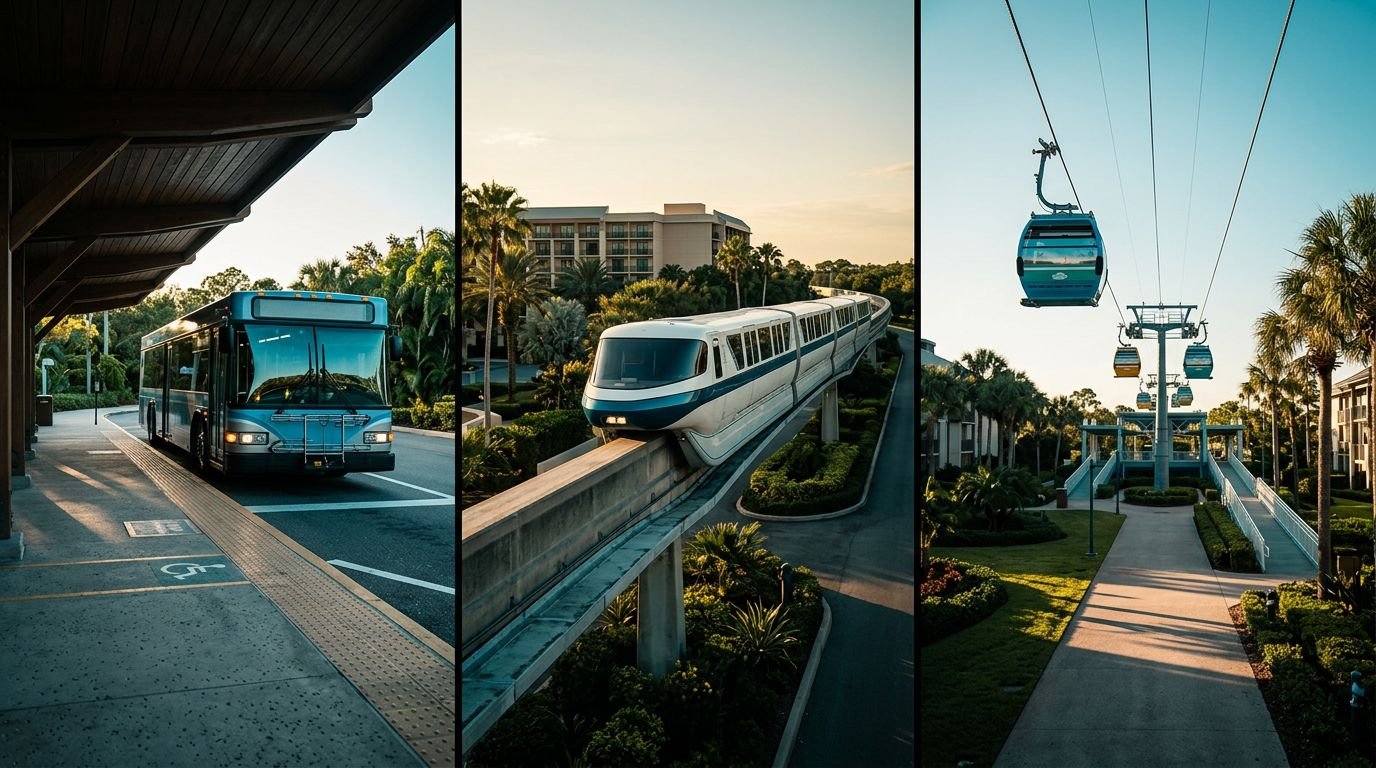
A day at the Walt Disney World Resort can feel manageable until it is time to leave. The heat, tired feet, waiting crowds, and a change in routine can make transportation one of the hardest parts of the day for autistic travelers and their families.
Disney World autism transportation does not need to be a surprise. When you know what each option feels like, where the busiest moments happen, and when it is okay to choose a different route, you can build a calmer vacation for guests with disabilities and their families.
A good transportation plan starts before your first park day, not when everyone is already tired at the bus stop.
Key Takeaways
- Resort transportation options like Disney buses, the monorail, and the Disney Skyliner provide distinct experiences, as each carries different noise levels, crowd volumes, and waiting patterns for those with neurodivergent disabilities.
- Resort location matters. A hotel with monorail, Skyliner, or walking access can reduce stressful transportation time.
- Leave the park before the biggest nighttime crowd when possible, especially after fireworks or a late show.
- Pack familiar sensory supports, snacks, water, and a portable charger for transportation waits.
- Disney transportation is accessible for both wheelchair users and guests with ECVs, but loading can take extra time during busy periods.
Start With a Transportation Plan That Fits Your Family
Walt Disney World Resort transportation is free for hotel guests, but it is not one-size-fits-all. A bus may be easy for one child and overwhelming for another. Resort transportation options, such as the Skyliner, may feel exciting for one traveler but uncomfortable for someone who dislikes heights or enclosed spaces.
Before booking your resort, think about how your family usually handles transportation at home. Does your child enjoy trains? Do they need movement breaks? Are loud engines difficult? Does a child with a developmental disability become anxious when routines or plans change?
Those answers can help you choose a resort and park routine that feels more comfortable.
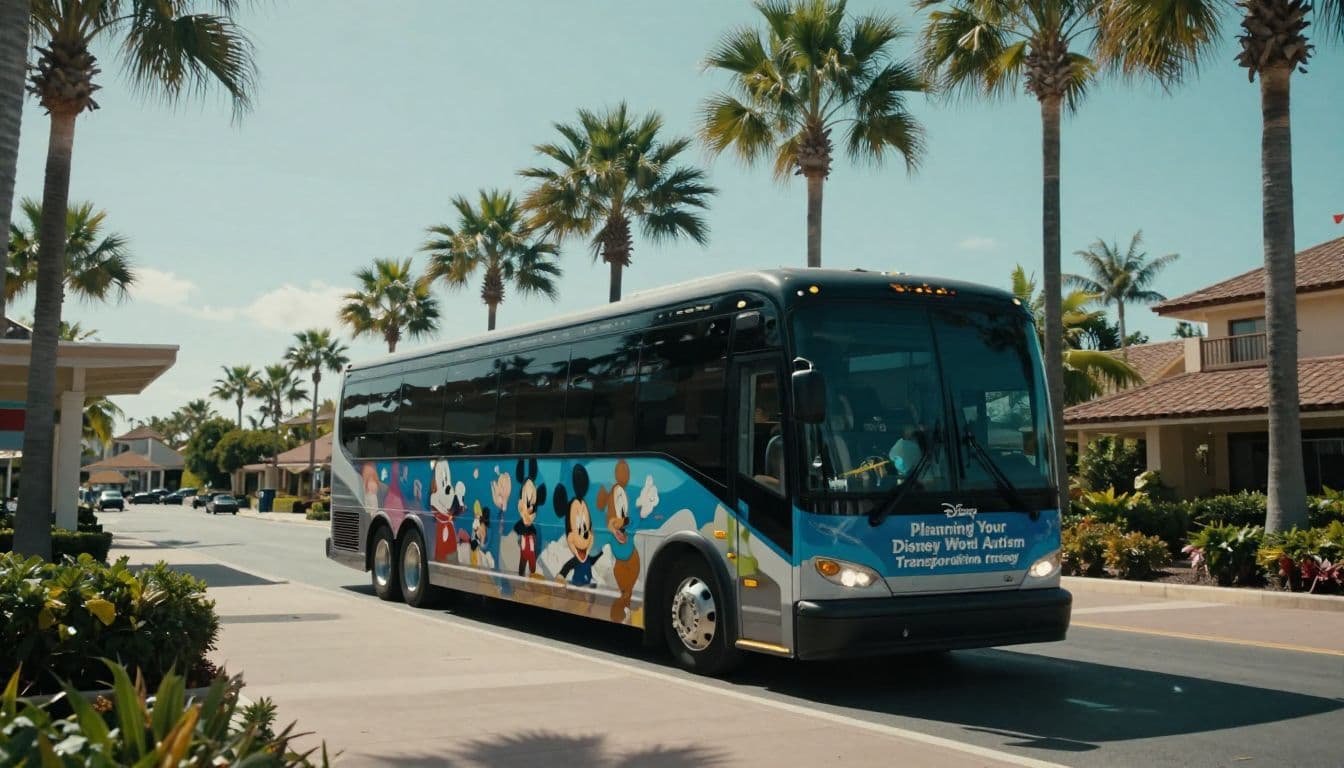
Disney’s resort transportation options include buses, monorails, boats, and the Disney Skyliner. Some resorts have more than one option. That flexibility can be helpful when your first choice has a long line or your child has reached their limit.
For example, guests at Disney’s Pop Century Resort and Disney’s Art of Animation Resort can use the Skyliner for EPCOT and Disney’s Hollywood Studios. Guests at Disney’s Contemporary Resort can walk to Magic Kingdom. Disney’s Polynesian Village Resort, Grand Floridian Resort & Spa, and Contemporary Resort have monorail access.
A shorter route does not solve every sensory concern, but it can reduce the number of transitions in your day. Fewer transitions often mean fewer chances for stress to build.
The easiest transportation option is usually the one that gets your family where they need to go with the fewest waits, transfers, and surprises.
Keep your plan flexible. If the bus line is long and your child is struggling, it may be time for a snack break, a quiet spot near the resort lobby, or a paid ride through Lyft or Minnie Van service. If your child uses a stroller as a wheelchair tag for sensory security, ensure you allow extra time for loading and unloading during these transitions.
How Disney Transportation Can Feel for Autistic Travelers
Each transportation option offers a unique sensory profile, and carefully considering every sensory element of your journey can make a significant difference for guests with disabilities. Knowing the general pattern ahead of time can help you prepare your family so the ride feels predictable rather than overwhelming.
| Transportation Option | What It May Feel Like | Helpful Preparation |
|---|---|---|
| Disney bus | Busy loading area, engine noise, standing passengers, possible wait outside | Headphones, shade, a familiar snack, and a visual wait plan |
| Monorail | Train sounds, platform announcements, crowded cars after fireworks | Sit away from doors, travel earlier, and use headphones if needed |
| Disney Skyliner | Gentle movement, enclosed gondola, heights, changing views | Watch videos before the trip and explain the transfer process |
| Ferry boat | Open air, water movement, crowding near loading ramps | Choose a rail or outer edge with more personal space |
| Minnie Van or rideshare | Smaller space and fewer people, but a paid option | Use when crowds or timing are becoming too difficult |
The right choice can change during the trip. A child who loves the Skyliner in the morning may not want it after a loud, hot day at EPCOT. That is okay.
Transportation is part of the vacation, but it does not need to become another goal to complete. Your family does not need to ride every Disney transportation option for the trip to feel special.
Disney World Bus Tips for Autism and Sensory Needs
Disney buses are often the most common way to travel between resorts, parks, Disney Springs, and water parks. They are practical, but they can also be the least predictable option. Wait times for buses can vary significantly, which is an important factor to keep in mind when planning your day.
Bus stops may be crowded before park opening, after nighttime shows, and when bad weather is moving through the area. There may be people talking, children crying, strollers rolling past, and buses arriving for several resorts at once. For an autistic child, that waiting space can feel harder than the bus ride itself.
Try to avoid the biggest rush when your schedule allows. Leaving the park 20 to 30 minutes before fireworks end can make a major difference. You will miss part of the show, but you may avoid a long, loud line with thousands of people heading toward the same transportation area.
At the resort, give your child a simple preview before you walk to the bus stop. You might say, “We are going to wait for the Animal Kingdom bus. We will sit when the bus comes. Then we will ride until we see the park.”
Keep the language short. A long explanation can feel like more information than they need in the moment.
Bring supports that your child already uses successfully. Noise-canceling headphones, ear defenders, a favorite small toy, a hoodie, sunglasses, or a fidget can all make the wait feel more familiar. A portable fan can also help during Florida heat, especially at uncovered bus stops.
Disney buses can carry a wheelchair and an Electric Conveyance Vehicle. Loading a mobility device may take additional time, and that is normal. Let your child know that the bus may pause while a Cast Member helps another guest board. It can help to have a snack or a simple video ready during that pause.
Bus drivers do not always know every individual need, but they are used to helping families. If your child needs a moment before boarding, ask politely. A calm explanation can go a long way.
For another caregiver perspective, this special-needs Disney travel discussion shows how many families have similar questions before a first Disney trip.
Using the Disney Monorail With Sensory Needs
The monorail can feel more predictable than a bus because it follows a set route and has a train-like rhythm. Many autistic travelers enjoy the movement, window views, and chance to ride something that feels like an attraction. Furthermore, monorail wait times are typically lower than bus wait times, which can be a significant benefit for families.
Still, the monorail platform can be busy. You may hear recorded announcements, train sounds, crowds moving toward the doors, and people trying to board quickly after Magic Kingdom fireworks.
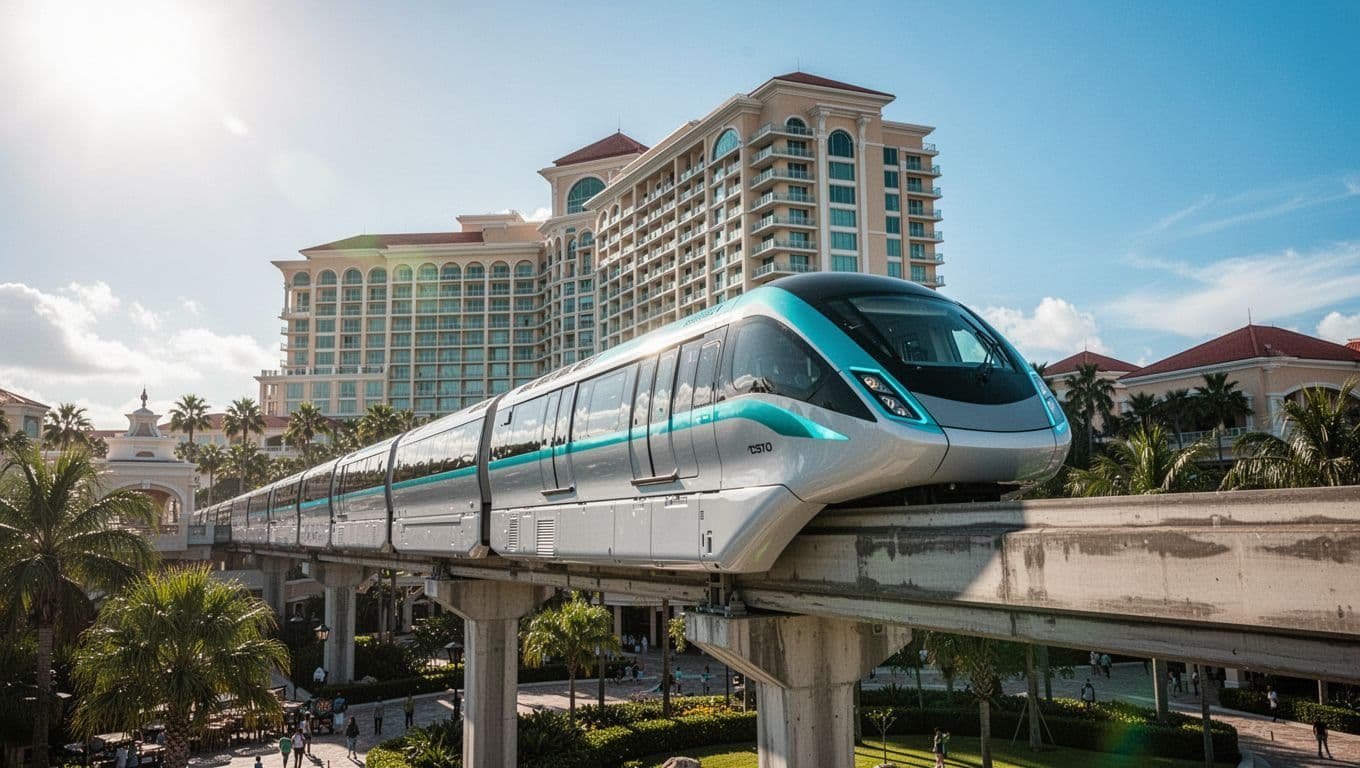
If your child is sensitive to crowd pressure, do not stand directly at the door before the train arrives. Wait back from the platform edge and board after the first rush if there is room. Missing one monorail is usually better than forcing a stressful boarding moment.
Once inside, choose seating based on what helps your child most. Some travelers prefer a window seat because it gives them something steady to focus on. Others may feel better sitting closer to an adult and away from the doors.
The monorail route matters, too. The Resort Monorail makes stops at Disney’s Contemporary Resort, Disney’s Polynesian Village Resort, Disney’s Grand Floridian Resort and Spa, Magic Kingdom, and the Transportation and Ticket Center. The Express Monorail skips resort stops between Magic Kingdom and the Transportation and Ticket Center.
EPCOT’s monorail trip includes a view into the park before arriving at the front entrance. This can be fun, but it may also build excitement before a busy day. If your child gets overwhelmed by anticipation, talk through the plan before boarding. Explain where you will go first after the train stops.
Monorail stations have elevators and ramps for guests using a wheelchair, stroller, or other mobility device. If boarding takes extra time, let your child know that the train may wait briefly. A Cast Member may occasionally pause the train, but this is done to ensure safety for all guests. Familiar information helps make an unexpected pause feel less confusing.
Disney Skyliner Tips for Autistic Kids and Adults
The Disney Skyliner is bright, open, and visually interesting. For some autistic travelers, the gentle ride above the trees feels calming. For others, the movement, height, and enclosed gondola can feel like too much.
A little preparation makes a difference.
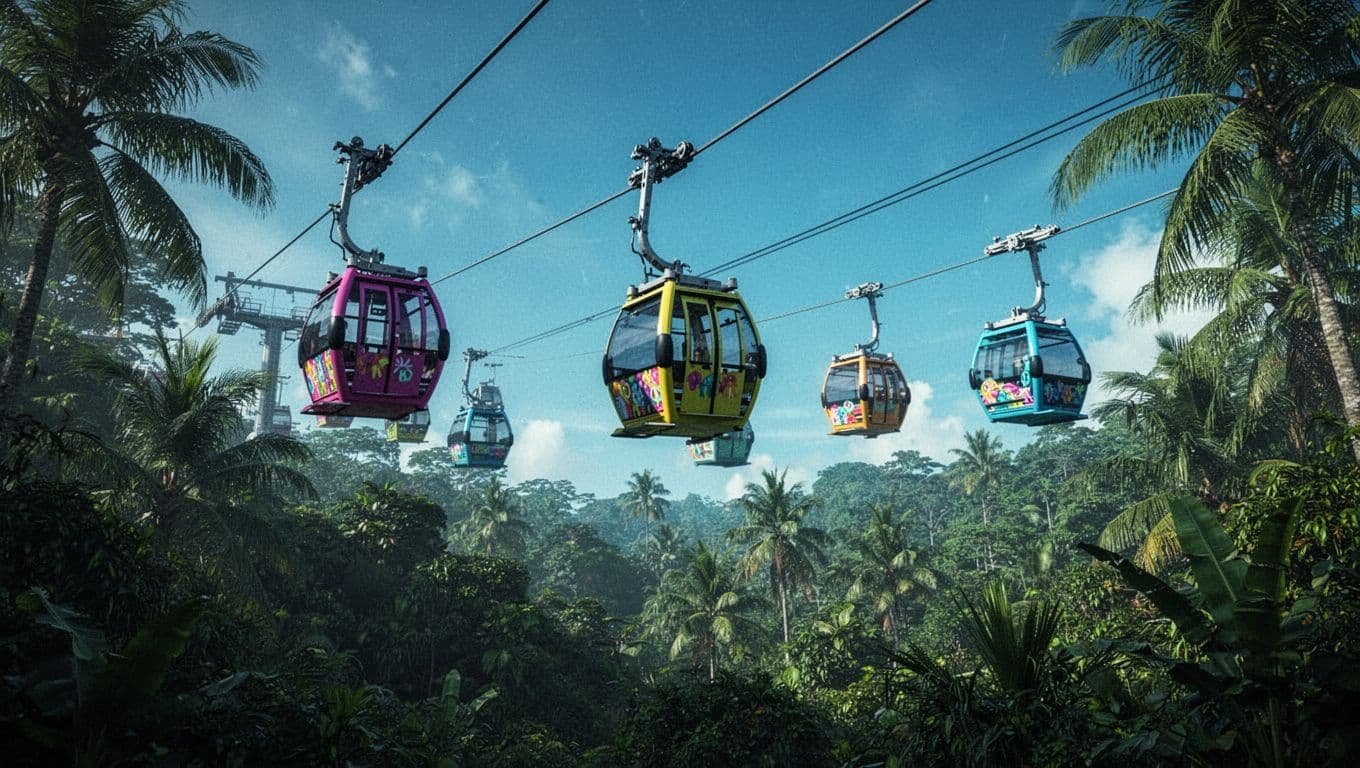
Before your trip, watch a short ride video with your child. Let them see what the gondola looks like, how it moves through the station, and what the views look like from inside. Do not promise that it will be easy or fun. Instead, explain what will happen and remind them that you will be with them.
The Skyliner connects Disney’s Pop Century Resort, Disney’s Art of Animation Resort, Disney’s Caribbean Beach Resort, Disney’s Riviera Resort, EPCOT, and Disney’s Hollywood Studios. Most routes require a transfer at Disney’s Caribbean Beach Resort, while some EPCOT routes may also involve a station change.
Transfers can be the hardest part. Your child may think the ride is over, only to find another line and another gondola ahead. These station changes can lead to unpredictable wait times, so tell them about the transfer before boarding the first cabin. A simple visual schedule on your phone can help:
- Ride in the gondola.
- Get off at Caribbean Beach.
- Walk to the next line.
- Ride again.
- Arrive at the park or hotel.
Skyliner cabins can share space with other guests during busy periods. If your family needs extra room or your child is becoming overwhelmed, ask a Cast Member about waiting for the next available gondola. They cannot always offer a private cabin, but they can often explain the best loading option.
The cabins do not have air conditioning, although airflow comes through vents and windows. Florida weather matters. Midday heat, bright sun, and a crowded station can make the ride harder than it looks in vacation photos.
Storms can also pause Skyliner service. If lightning is nearby, Disney may temporarily close the system. Have a backup plan, especially after dinner or near park closing. Buses usually take over when the Skyliner is not operating, but waits may be longer.
A helpful Disney transportation accessibility overview also highlights that the system is designed to accommodate various needs. If you require a mobility device, you can use the station boarding area, where a Cast Member may utilize a Transfer Access Vehicle to help guests move safely between the station floor and the gondola. Ask a staff member at the station if you have specific questions about boarding with a stroller, wheelchair, or ECV.
Plan Around the Hardest Transportation Times
The busiest transportation times are predictable. Park opening, mid-afternoon resort breaks, park closing, fireworks, and rainstorms all bring bigger crowds and longer waits.
You do not have to plan your whole vacation around avoiding people. Still, a few small adjustments can protect your family’s energy.
Try arriving at transportation stops earlier than you think you need to. A calm 10-minute wait is easier than rushing toward a departing bus while your child is already upset. Bring water and a small snack, even for short rides.
After fireworks, decide before the show whether you will stay through the ending. Magic Kingdom’s exit area and monorail lines can become crowded fast. Some families watch from a farther location, leave before the final burst, or skip fireworks on certain nights.
The best viewing spot is not always the closest spot to the castle. A place near an exit path can make leaving much easier.
If your child wants to stay for fireworks, plan for a decompression period afterward. Sit on a bench, use headphones, offer water, and wait for the first wave of people to move out. Thirty quiet minutes can be easier than standing shoulder to shoulder in a transportation line.
Rain is another transportation challenge. Covered areas fill quickly, bus lines grow, and wet clothes can add to sensory discomfort. Pack lightweight ponchos, dry socks in a zip bag, and a towel or extra shirt if your child is sensitive to damp clothing.
Your phone also matters more than you may expect. The My Disney Experience app helps with park maps, mobile food ordering, and family communication. You can also use the Disney Genie service to monitor wait times and attraction queues, which helps you time your transportation to avoid the heaviest crowds. Always bring a portable charger. A dead phone at the end of a long day can turn a small problem into a stressful one.
When a Minnie Van, Rideshare, or Rental Car Makes Sense
Disney transportation is convenient, but it is not always the best choice for every trip. A paid ride can be worth considering when your child is overstimulated, your family has an early breakfast reservation, or you need a quieter route back to the hotel.
Minnie Van service is booked through the Lyft app. These Disney-operated vehicles can be a helpful choice for families who want a car seat option, more direct service, or specialized transport for a wheelchair. Costs vary, so check the app before committing.
A regular Lyft or Uber may also help on days when the bus stop is too crowded. Keep in mind that rideshare drop-off locations are not always at the same place as Disney bus stops. Magic Kingdom rideshare guests are generally dropped at the Transportation and Ticket Center, then continue by monorail or ferry.
A rental car in Orlando gives you more control, but it also adds parking, driving, and navigation responsibilities. If you have a state-issued disability parking permit, you can use it at the theme parks for closer access. While some families choose to bring their own equipment, remember that ECV rentals are available both at the parks and through third-party vendors if you prefer not to rely on park-provided units. For some families, that independence is worth the extra effort. For others, Disney transportation removes one more task from the vacation.
There is no prize for using the free bus when a different option would make the evening easier.
Use Disney Support Tools Alongside Transportation Planning
Disney transportation operates independently from the Disability Access Service. Known as DAS, this program is designed for eligible guests who have difficulty waiting in a conventional queue due to a disability. While DAS helps guests navigate attraction queues, it does not provide immediate access to rides and does not eliminate transportation wait times. If you are preparing for your trip, remember that you can now complete the registration process through a live video chat before you arrive.
Beyond DAS, building a comprehensive planning guide for guests with disabilities can significantly improve your experience. Other helpful accommodations include Rider Switch, which allows adults to take turns waiting with a child who cannot ride, and Single Rider lines, which may move faster than a standard attraction queue. Additionally, if a family member needs to step away for a moment, be sure to ask a Cast Member about attraction queue re-entry policies to ensure you do not lose your spot. These tools, when used alongside sensory supports from Guest Relations, help ensure your schedule remains manageable and flexible.
For families seeking a more structured approach, this Download our Disney World with Autism Guide (PDF) offers practical strategies for DAS, sensory needs, and park-day logistics. The Download our Disney World with Autism Guide on Amazon is another excellent resource for parents looking to prepare their family before leaving home.
Your child does not have to push through every long wait, loud platform, or crowded exit. A break at the resort, a familiar snack, or an earlier bedtime can protect the good parts of the trip.
Frequently Asked Questions
Does Disability Access Service (DAS) help me skip transportation lines?
No, DAS is specifically designed to assist with attraction queues and does not apply to transportation waits. You should expect to wait in standard lines for buses, the monorail, and the Skyliner, so it is helpful to have sensory supports and entertainment ready for these moments.
What should I do if my child becomes overwhelmed while waiting for a bus?
If the environment at a bus stop becomes too stressful, it is perfectly okay to step away from the crowd. You can move to a quieter area near the resort or park lobby, or consider alternative transportation like a Minnie Van or rideshare if a break is needed before continuing your journey.
Are all Disney transportation options wheelchair and ECV accessible?
Yes, all Disney buses, monorails, and Skyliner gondolas are designed to accommodate guests using wheelchairs and ECVs. While these options are accessible, please plan for extra loading and unloading time during busy periods, and feel free to ask a Cast Member for assistance if you need more time.
Is the Disney Skyliner suitable for guests afraid of heights?
The Skyliner is an enclosed gondola system that moves above the trees, which may be challenging for guests with a fear of heights or claustrophobia. If you are unsure, you can watch videos of the ride experience online beforehand to help decide if it is a comfortable option for your family.
A Calmer Ride Can Protect the Whole Day
Navigating Disney World transportation with autism is easier when you treat each ride as part of the plan, rather than just a gap between park activities. Whether you are choosing a resort based on your preferred transit options or preparing for inevitable waits, your approach makes a difference. Remember to carry familiar sensory supports and always leave room in your itinerary to change plans if the day becomes overwhelming.
The bus, monorail, and Skyliner can all be excellent choices depending on your family’s specific needs. Walt Disney World Resort offers many paths for success for Guests with disabilities, ensuring that everyone can find a method of travel that works for them. Above all, a calmer family matters more than a perfect schedule.
Ready to Plan Your Calm Disney Vacation?
Let us handle the logistics so you can focus on the magic. Contact us today for expert special needs travel planning.