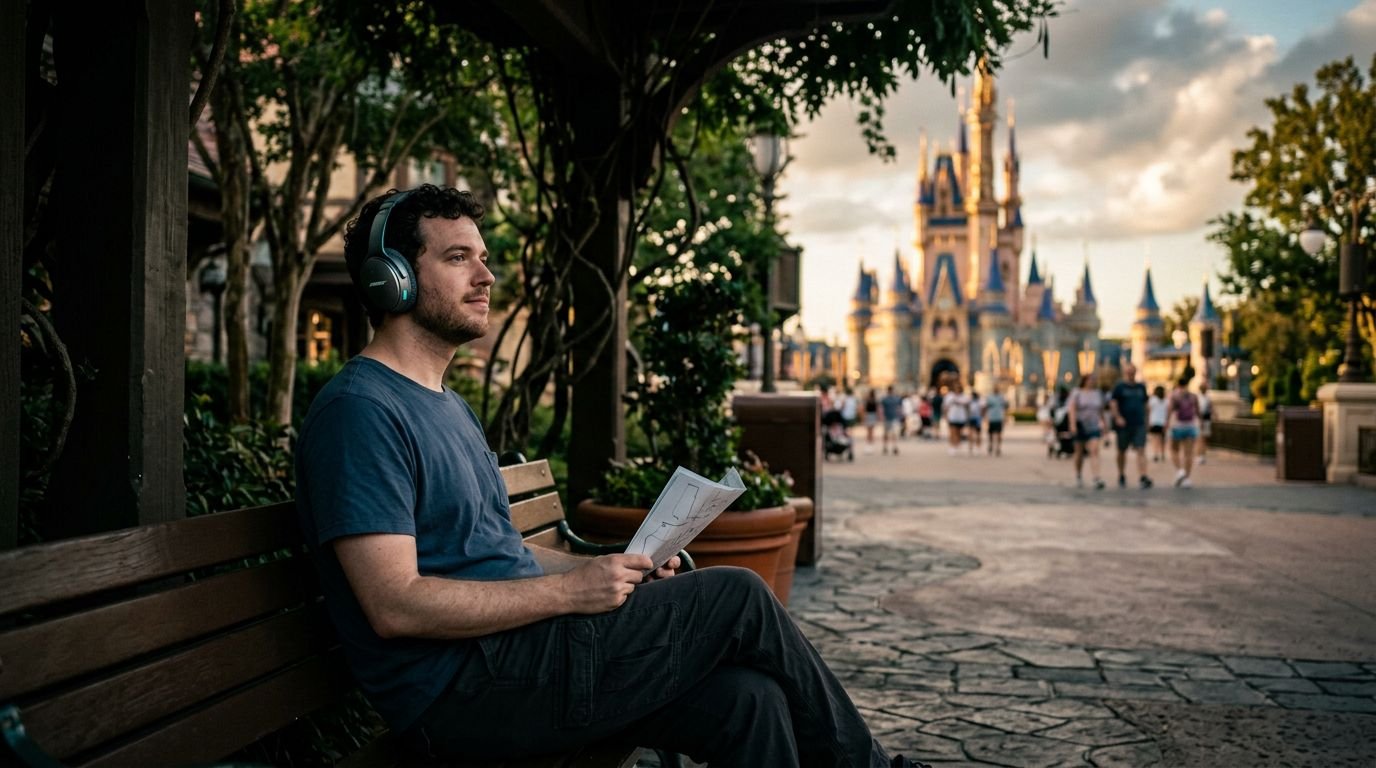
A Disney trip can be joyful, exciting, and completely exhausting, sometimes all before lunch. This accessibility planning guide for Disney World autistic adults focuses less on doing every ride and more on knowing what helps you feel comfortable, safe, and in control.
You deserve a vacation that fits your pace. Vacation planning may mean choosing rope drop and a full park morning, a late start with coffee at the resort, or leaving after two attractions. All of those choices count as a good Disney day.
Start with a plan that gives you options, not pressure.
Key Takeaways
- Plan Disney World around your own energy, sensory needs, travel style, and preferred pace—not around an unrealistic list of attractions.
- DAS may help autistic adults who cannot tolerate extended waits in conventional queues because of a developmental or cognitive disability; review Disney’s current rules and registration process before traveling.
- Build flexible park days with one or two priorities, nearby attractions, planned breaks, familiar food, and an exit plan for sensory overload or fatigue.
- Choose lodging, transportation, park bags, and food options that make downtime and recovery easier, whether you stay on-site or off-site.
- A successful Disney vacation does not require staying all day, buying every upgrade, or following a perfect schedule. The best trip is one that supports your autonomy and feels manageable.
Disney World Autistic Adults: Start With Your Own Travel Style
Disney World is huge. It includes four theme parks, water parks, Disney Springs, resorts, buses, boats, the monorail, the Skyliner, and a lot of walking. Trying to treat all these theme parks and destinations like one small place can make the trip feel much harder than it needs to be.
Before you choose tickets or dining reservations, think about your normal travel style. Do you prefer early mornings or slower starts? How do different crowd levels affect your energy throughout the day? Are crowds manageable for a few hours, or do they drain you quickly? Does having a flexible daily itinerary feel calming, or does it create another thing to worry about?
There is no wrong answer. The goal is to build a Disney vacation around what works for you.
A one-park-per-day ticket is often easier than a Park Hopper ticket. Park hopping sounds flexible, but it can also mean more transportation, security lines, walking, and decisions. At Walt Disney World, switching parks can take much longer than people expect.
Magic Kingdom can easily fill a full day. EPCOT is also much bigger than it looks on a map, and Animal Kingdom can take more time than its smaller number of attractions suggests. At EPCOT, Remy’s Ratatouille Adventure, Frozen Ever After, and Soarin’ Around the World are popular, but they are spread across the park. A plan that sends you back and forth across EPCOT can turn fun into frustration.
Choose one or two priority experiences each day. Then group the rest of your plans by area.
| If this sounds like you | A better Disney approach |
|---|---|
| You enjoy rides but dislike long, unpredictable days | Pick one park and plan a midday hotel break |
| Crowds become difficult after a few hours | Arrive early, leave before the busiest afternoon period |
| You need time to reset after travel | Plan a resort day before your first park day |
| You prefer familiar routines | Book a room with a fridge and bring preferred breakfast foods |
| You want flexibility | Avoid packing every hour with reservations |
A calmer schedule is not wasted ticket money. It is often what makes the ticket worth buying.

Booking a longer trip can help, too. Four to six nights gives many travelers room for park days, travel recovery, and a full rest day. A three-night trip can work, but it leaves less room for a delayed flight, bad weather, or an afternoon when you need to go back to the hotel.
Don’t build the trip around what looks impressive online. Build it around what will feel good when you are tired, hot, hungry, or overstimulated.
Understanding DAS and Other Disney Accessibility Support
Disney’s Disability Access Service, usually called DAS, may help guests who cannot wait in conventional attraction queues for an extended time because of a developmental or cognitive condition, including autism and other neurodivergent disabilities. It is not an automatic approval based on a diagnosis. Disney looks at how the guest’s disability affects their ability to wait in a standard line.
Read the current Disney World DAS eligibility details before your trip. Policies and registration steps can change, so it is smart to check close to your travel dates.
For autistic adults, the important question is simple: can you tolerate an extended wait in a crowded, noisy, confined queue? If the answer is no, DAS may be appropriate.
Registration is handled through a live video interview process with Disney before the visit. Disney allows guests to begin that process up to 60 days before arrival. The person requesting DAS needs to be present for the conversation. If you want a trusted partner, parent, or friend nearby for support, plan that ahead of time.
You do not need to explain your entire medical history during the interview process. Focus on the practical issue. For example, you can describe what happens during a long wait in attraction queues and why waiting outside the line would make the experience more manageable.
If approved, DAS lets you request a return time for an attraction through the My Disney Experience app. You wait elsewhere instead of standing in the standby queue. That could mean sitting in a quieter area, having a snack, visiting a shop, or resting at a nearby table.
DAS is not a front-of-the-line pass. Your return time is usually based on current wait times. You can generally hold one active DAS return time at a time, then request another after using it.
DAS gives you a different place to wait. It does not require you to push through an attraction queue that is not accessible for you.
The registered guest must be present and ride with the group. Disney may use photo verification at the attraction entrance. DAS is generally set up for the eligible guest plus up to three additional people. Ask Disney about immediate-family needs if your travel party is larger.
DAS is separate from Lightning Lane Multi Pass. Lightning Lane is a paid service with scheduled attraction return windows. Some Disney World autistic adults may like using both services. Others may find that extra timed reservations create too much pressure.
You do not need every add-on for a successful trip. If you buy Lightning Lane Multi Pass, use it only on a day with a few true must-do rides. Keep the My Disney Experience app updated, and carry a portable charger. Your phone may hold your tickets, mobile food orders, maps, messages, DAS return times, and dining reservations.
Disney also offers many other accessibility services for guests with disabilities, including support that may be relevant to autistic guests and visitors who use mobility devices. Guest Relations and Guest Experience Team Cast Members can help when the app is confusing or plans change.
Build a Park Day With Room to Change Your Mind
A detailed Disney schedule can look great at home and fall apart by lunchtime. That is normal. Rides close. Florida weather can bring afternoon heat or pop-up rain. A restaurant is louder than expected. You may find a quiet corner you want to enjoy longer.
A flexible park day gives you room to respond instead of forcing yourself to keep going.
Start with an early morning if that works for your sleep schedule. The first part of the day often has lower crowds and cooler weather. Ride one priority attraction, then choose something nearby. Avoid racing across the park for every popular ride.
At Magic Kingdom, stay in one land for a while. Spend the morning in Fantasyland, Tomorrowland, or Adventureland rather than bouncing between all three. At Disney’s Hollywood Studios, decide whether your focus is Star Wars: Galaxy’s Edge, Toy Story Land, shows, or a mix of a few nearby attractions. The same approach can help at Animal Kingdom, where choosing one area at a time may feel easier than crossing the park repeatedly.
Take breaks before you reach your limit or experience sensory overload. A reset can be as simple as a shady bench, a quiet table in a quick-service restaurant, a slow ride, or one of the quiet spots in a less-crowded shop. You do not have to wait for a full shutdown before stepping away.

A good rhythm might look like this:
- Choose one or two morning priorities and arrive with enough time for security.
- Use a DAS return time or ride nearby attractions without rushing.
- Eat an early lunch or take a resort break before the afternoon crowds build.
- Return only if you still have the energy and interest.
- Decide about fireworks or nighttime shows based on how the day has gone.
You do not need to stay through fireworks for the vacation to count. Leaving before the nighttime exit crowds can be a relief. If fireworks are important to you, watch from a less-dense location when possible and keep headphones available.
Tell your travel companions what an exit plan looks like. Maybe it is a simple phrase like, “I need a reset,” or a text message if talking feels hard in a loud area. Agree that leaving an attraction, restaurant, or park is always okay, especially when you need one of the quieter areas to recover.
That agreement takes pressure off everyone.
Choose a Disney Resort That Supports Your Downtime
Your hotel is more than a place to sleep. It is where you shower, recharge devices, rest your feet, eat familiar snacks, and decompress after a busy park day. For many autistic travelers, choosing among Disney resort hotels, off-site hotels, and vacation rentals can have a major effect on the whole trip.
Staying at one of the Disney resort hotels can make midday breaks easier because you can use resort transportation. Still, on-site is not the only good choice. An off-site hotel with a quiet room, reliable shuttle, or kitchenette may fit your needs and budget better, especially if you don’t need frequent access to the parks.
At Disney World, consider the size of the resort. Value resorts can be budget-friendly, but some have large footprints. A room that looks close on a map may still require a long walk to buses, food courts, pools, or the lobby. When comparing Disney resort hotels, look beyond the nightly rate and consider how much walking and waiting the layout may involve.
Disney’s Port Orleans Resort, French Quarter is often a comfortable option for travelers who want a smaller layout. Disney’s Art of Animation Resort has family suites with a separate bedroom, extra sleeping space, two bathrooms, and a kitchenette. That setup can help special needs travelers and their companions manage different sleep schedules, sensory needs, or familiar food routines.
Skyliner resorts can also be helpful for some guests because the gondola ride may feel easier than a crowded bus. Others may prefer buses, a rental car, or a hotel with simpler resort transportation access. There is no universal best transportation choice.
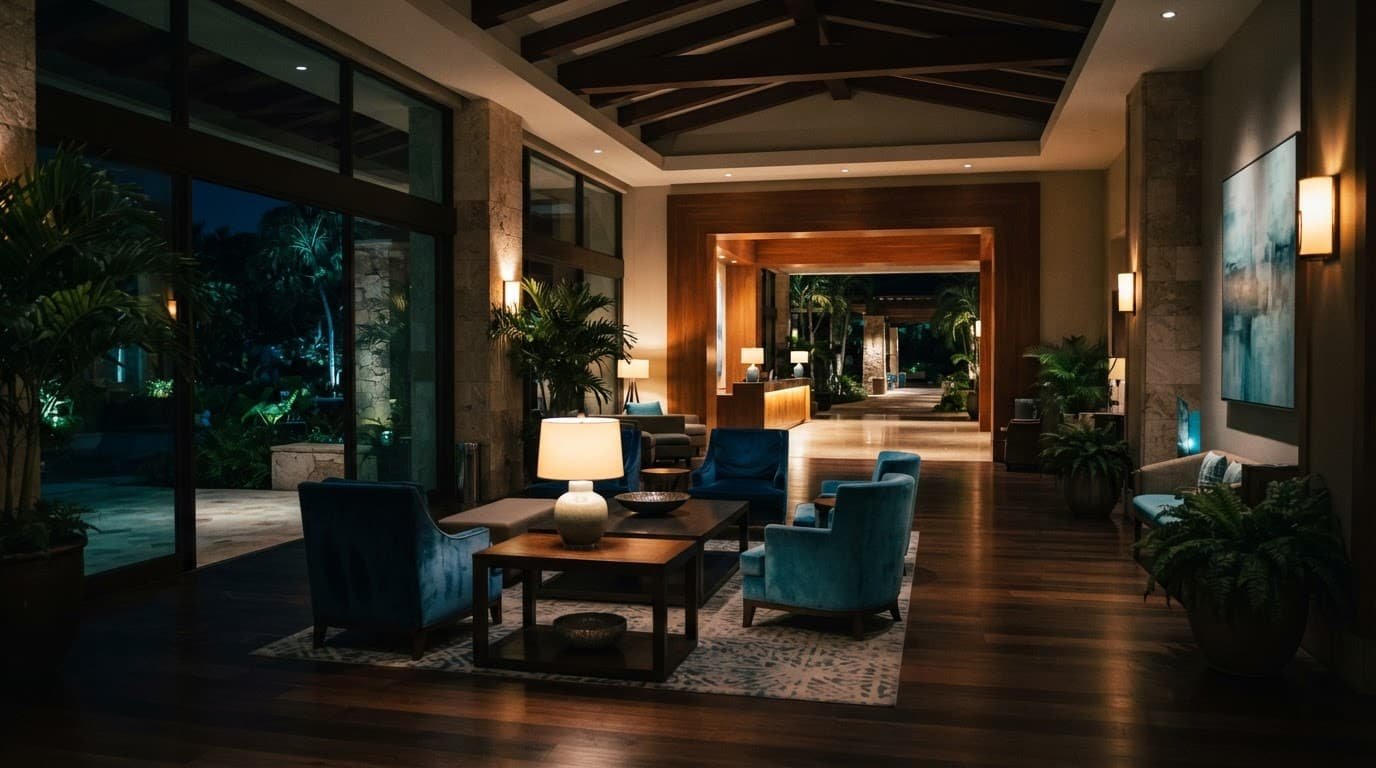
Ask yourself a few practical questions before booking:
- Can you return to the room easily if you need a break?
- Does the room have enough space for everyone to decompress?
- Is a kitchenette, fridge, or microwave important for food routines?
- Will resort transportation feel manageable after a long park day?
- Are there resort fees, parking costs, or other required charges not included in the first price?
The lowest nightly rate does not always mean the lowest total cost. Add taxes, parking, food, transportation, and any hotel fees before comparing options.
A resort day is also a real vacation day. Sleep in, use the pool, do laundry, visit Disney Springs, or stay in the room with familiar shows and takeout. After two or three park days, a slower day can make the rest of the trip much more enjoyable.
Food, Sensory Comfort, and Your Park Bag
Food can become stressful when you are hungry, tired, and surrounded by too many choices. Disney has plenty of options, but you do not need to turn every meal into an adventure, especially if you have food sensitivities or prefer familiar foods.
Look at menus before your trip. Pick a few familiar meals at each park, then save them in your notes app. Plan around dining styles that may affect your comfort, including counter service restaurants and a character buffet. Mobile ordering can reduce the stress of standing in a busy restaurant line and give you time to review choices without people waiting behind you.
Bring snacks you know you will eat. Granola bars, crackers, fruit snacks, electrolyte packets, gum, and familiar candy can make a hard moment easier. Keep a refillable water bottle with you, especially in Florida heat.
Your park bag doesn’t need to be huge. It needs to hold the things that help you manage sensory issues, prevent sensory overload, and communicate.
- Pack headphones or ear defenders that you have used before, not a brand-new pair.
- Keep a portable charger, cable, and devices together in one small pouch.
- Bring a familiar fidget, soft hoodie, sunglasses, or comfort item if it helps.
- Carry any prescription medication and needed care items with you, not in checked luggage.
- Add a small poncho or compact umbrella for rain, because getting soaked can make sensory discomfort worse.
If you need a quiet place to sit or eat, ask a Cast Member for nearby quiet spots or quiet areas. You can also step into a hotel lobby, a quieter shop, an indoor show, or a less-busy dining area. The parks are busy, but you can still find small breaks throughout the day.
Spend With Intention, Not Pressure
Disney trips add up fast. Park admission, flights, hotel rooms, meals, transportation, souvenirs, Lightning Lane, and travel protection can all change the final total. Set your budget around the biggest costs first, including tickets and lodging.
Start with transportation, park admission, lodging, and food. Then decide what extras truly matter to you. Maybe that is a special meal, a visit to Animal Kingdom, Lightning Lane on one park day, a character photo, or a souvenir budget. You don’t need to buy every upgrade to have a meaningful trip.
A small backup fund is worth having. It can cover a ride-share if Disney transportation feels like too much, a quiet meal back at the resort, replacement rain gear, or an unexpected pharmacy stop.
Check cancellation policies before paying deposits. Look at what happens if you need to cancel the hotel, change flights, or shorten the trip. Travel insurance can help with covered problems, but each policy has different rules. Read the plan details instead of assuming every reason for cancellation is covered.
If you’re traveling with autistic children as well as adults, these resources may help with planning conversations for autistic guests of all ages: the Disney World With Autism Guide on Etsy and the Disney autism travel guide on Amazon. Many of the practical ideas, like flexible schedules, familiar snacks, and planned breaks, work for travelers of all ages.
Help From Companions Should Feel Respectful
Supportive travel companions can make a Disney trip easier, especially for special needs travelers or adults with neurodivergent disabilities. The best support does not mean taking over. It means listening to what you need and respecting your choices.
Before the trip, talk about communication. Decide who manages the app, who handles transportation questions, and who speaks to Cast Members if you want help. You may prefer to handle all of that yourself. You may want another person to step in when you are overwhelmed. Both are valid.
Set boundaries before you get to the park. Tell your group whether you are comfortable splitting up, how you will communicate if you need a break, and what you want them to do if you become overstimulated.
A good travel companion does not say, “But we paid for this.” They say, “What do you need right now?”
That is the kind of planning that makes a Disney vacation feel supportive instead of demanding.
Frequently Asked Questions
Is Disney World a good destination for autistic adults?
Disney World can be a good destination for autistic adults when the trip is planned around individual sensory, communication, and energy needs. A flexible schedule, familiar food, planned breaks, and respectful travel companions can make the experience more manageable.
Can autistic adults use Disney’s DAS service?
DAS may be available to guests whose developmental or cognitive disability makes extended waits in conventional queues difficult. Approval is not automatic based on an autism diagnosis, so describe how waiting affects you and check Disney’s current eligibility and registration requirements before your trip.
How can I avoid sensory overload at Disney World?
Take breaks before reaching your limit, use headphones or ear defenders, carry familiar snacks and comfort items, and choose quieter locations when possible. Returning to your hotel, leaving an attraction, or ending the park day early is always a valid option.
Should I stay at a Disney resort or an off-site hotel?
The best choice depends on your need for easy park access, quiet space, familiar food, transportation, and budget. A Disney resort may make midday breaks simpler, while an off-site hotel with a kitchenette or a quieter setting may better support your routine.
Do I need Lightning Lane if I use DAS?
No, you do not need every accessibility or paid planning option for a successful trip. Lightning Lane Multi Pass is separate from DAS, and adding more timed reservations may help some travelers but create extra pressure for others.
A Disney Trip That Feels Like Yours
Disney World can be loud, crowded, expensive, and full of surprises. It can also be a wonderful place to make memories when the trip respects your actual needs, whether you spend your time at Magic Kingdom, EPCOT, Hollywood Studios, or Animal Kingdom.
For Disney World autistic adults, a successful trip is built on autonomy and a pace that fits you. Choose fewer priorities, use accessibility support when it helps, protect your downtime, and give yourself permission to change course across the theme parks.
You don’t have to prove that you’re having fun by staying until closing. A vacation works when you can make your own choices, come home with good memories, and have enough energy to enjoy them.