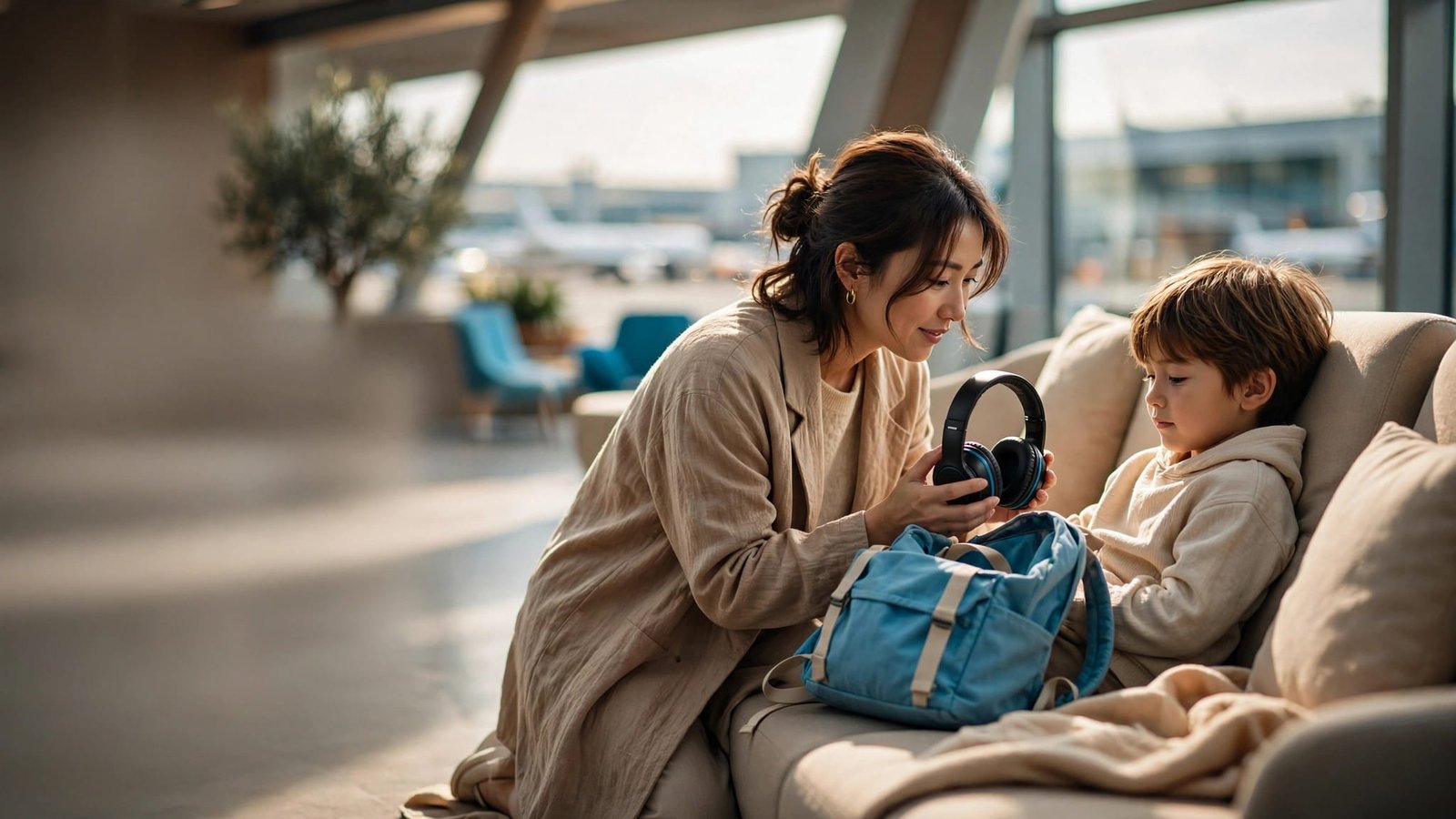
A family vacation does not need to be packed with activities to be successful. It needs to feel safe, comfortable, and manageable for the people taking it.
Traveling with sensory processing disorder can take more planning than a typical trip. This guide focuses on practical sensory-friendly travel built around your family’s needs.
Individualized planning matters because sensory processing issues can affect each traveler differently. Good travel planning accounts for needed supports, familiar routines, and flexibility when plans change.
A few familiar supports, clear expectations, and room to change plans can make travel feel much less overwhelming.
Key Takeaways for a More Comfortable Trip
- Start with your traveler’s sensory needs, communication style, food preferences, sleep routine, and early signs of overload.
- Choose fewer must-do activities and build in quiet time, snacks, movement, and breaks.
- Pack familiar sensory supports in a bag that stays with you during travel.
- Call hotels, airlines, cruise lines, and attractions before booking. Ask direct questions instead of assuming accommodations are available.
- Treat a hotel break, a pool afternoon, or an early exit as part of the vacation.
- A changed plan is not a failed vacation. It is your family taking care of itself.
Start With the Traveler, Not the Diagnosis
A comfortable approach to sensory-friendly travel starts with the individual, not a diagnosis. Every child and adult experiences sensory sensitivities differently. One traveler may love movement and loud rides but struggle with crowded lines. Another may seek sensory stimulation, while someone else needs quiet, familiar food, and a predictable bedtime.
Know the early signs of sensory overload
Think about what your family member looks like before they are fully overwhelmed. They may become quieter, more restless, tearful, frustrated, or focused on leaving. Some travelers need movement. Others need less talking, lower noise, reduced light, or less touch.
Write down what helps at home. That list can guide your vacation planning better than a generic packing list. Include preferred snacks, calming music, a favorite stuffed animal, a communication device, or a simple phrase that tells you they need a break.
If sensory needs are difficult to understand or support, families can consult occupational therapists or another qualified clinician for individualized guidance. This is separate from general travel planning and can help clarify personal needs.
Plan for children, teens, and adults
Sensory processing issues do not disappear because someone gets older. Teens and adults may need a say in the schedule, more privacy, or a quieter room. They may also feel pressure to keep up when they are already overwhelmed.
Give the traveler choices when you can. Keep their preferred routine and schedule in mind, and respect their pace. Ask if they would rather visit one attraction, rest at the hotel, or take a quiet walk. A family trip should not require anyone to ignore their own limits.
Prepare Before You Leave Home
The unknown is often harder than the travel itself. Preparing at home gives your family time to talk through plans and reduce travel anxiety before a busy airport or long drive.
Use visual schedules and previews
A simple visual itinerary can make a big difference. Include the order of the day: wake up, eat breakfast, ride to the airport, go through security, wait at the gate, board the plane, and arrive at the hotel.
Watch videos of the airport, hotel, cruise ship, or attractions when helpful. Photos of the hotel entrance, lobby, pool, and room layout can reduce surprises. Social stories can help children practice waiting, hearing announcements, or riding a shuttle.
Previews and practice can reduce uncertainty for travelers with different sensory processing issues. Keep the schedule simple, since too many details can create stress when plans change.
Practice travel supports ahead of time
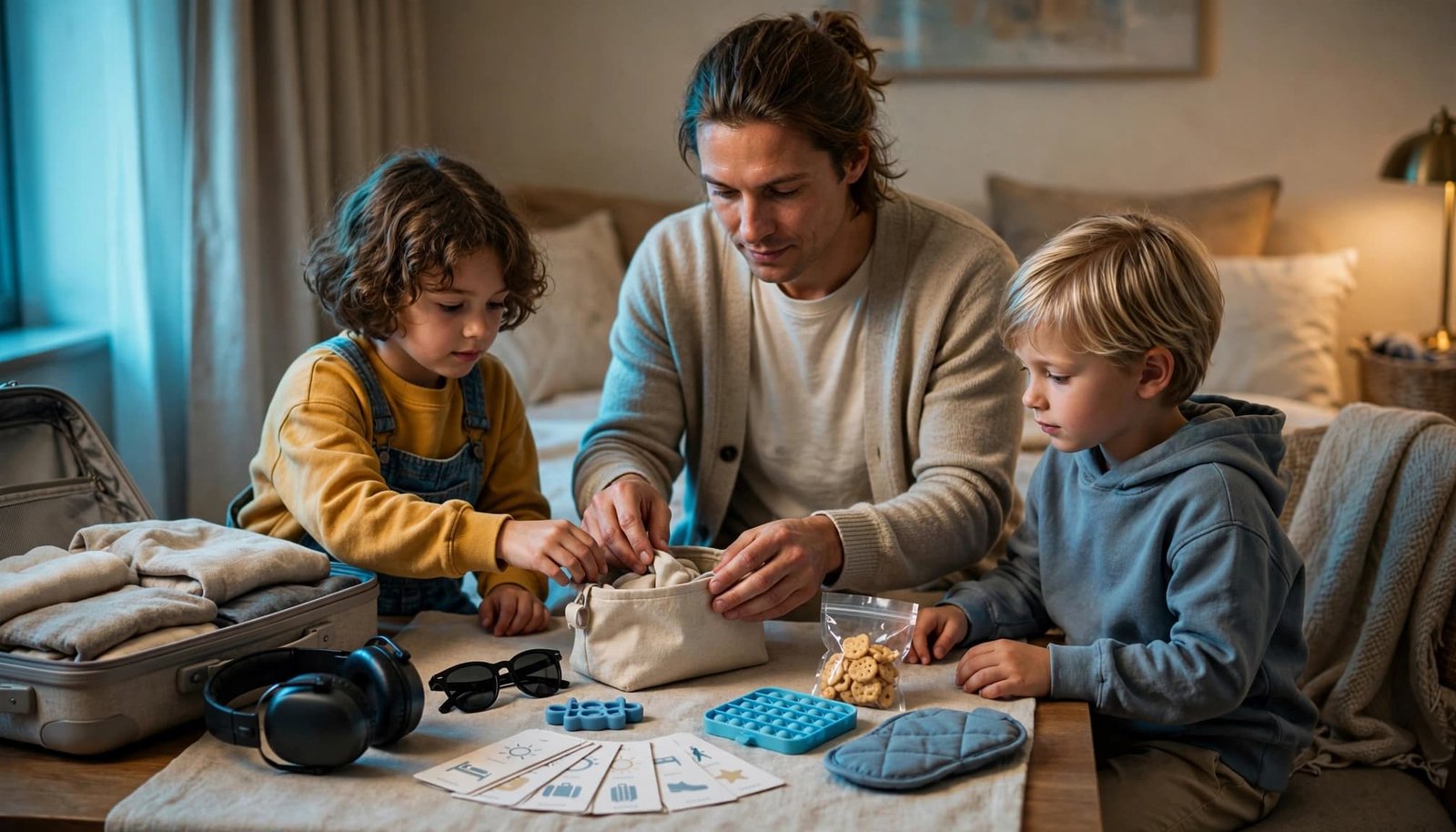
Begin assembling a sensory comfort kit with familiar items before departure. Don’t wait until boarding begins to try new noise-cancelling headphones or sunglasses. Let your child wear them during short outings first.
Test a travel pillow, fidget toys, chewable jewelry, or a weighted lap pad at home. If heavy work helps your child feel regulated, build it into the morning before travel.
Carrying a backpack, pushing a loaded laundry basket, wall pushes, or a walk outside may help some children release nervous energy. Use the activities that already work for your family. This preparation can make the transition from home to travel day easier and support sensory-friendly travel.
Familiar tools work best when they are already familiar. A busy airport is not the place to introduce a brand-new sensory support.
Build a Sensory Comfort Kit for Travel
A sensory comfort kit should fit your family, not someone else’s checklist. Keep it in a backpack or personal item that stays within reach during the drive, flight, train ride, or hotel check-in.
Pack for noise, light, food, and waiting
Helpful items may include:
- Noise-cancelling headphones, ear defenders, or earplugs for loud spaces.
- Sunglasses, a hat, or a hood for bright light.
- Fidget toys, a soft comfort item, or a familiar weighted lap pad or weighted blanket, only if the traveler already uses it comfortably and safely.
- Familiar snacks and a refillable water bottle.
- A charger, communication device, tablet, or downloaded favorite show.
- Wipes, extra clothes, medication, and any care items your traveler needs.
Your kit doesn’t need to be fancy. The best items are the ones your family already trusts.
Keep the important items easy to reach
Put headphones, snacks, comfort items, medications, and essential care supplies in the bag you carry onboard. Do not pack them in checked luggage. Delays happen, bags get separated, and familiar support can matter most when a day goes off schedule.
For travel basics that are easy to forget, Trip Rescue Shop has stroller items, comfort essentials, and cleaning supplies for unexpected sick-on-vacation moments.
Make Airports and Flights More Predictable
Air travel brings lines, announcements, changing gates, crowds, and limited personal space. A predictable airport routine can make sensory-friendly travel less stressful.
Pick calmer travel times and plan your airport routine
When your schedule allows, consider early morning flights or less busy travel days. Arrive with enough time to move slowly, but avoid arriving so early that the wait becomes difficult.
For longer trips, compare transportation options based on rest-stop access, personal space, timing, and the traveler’s needs.
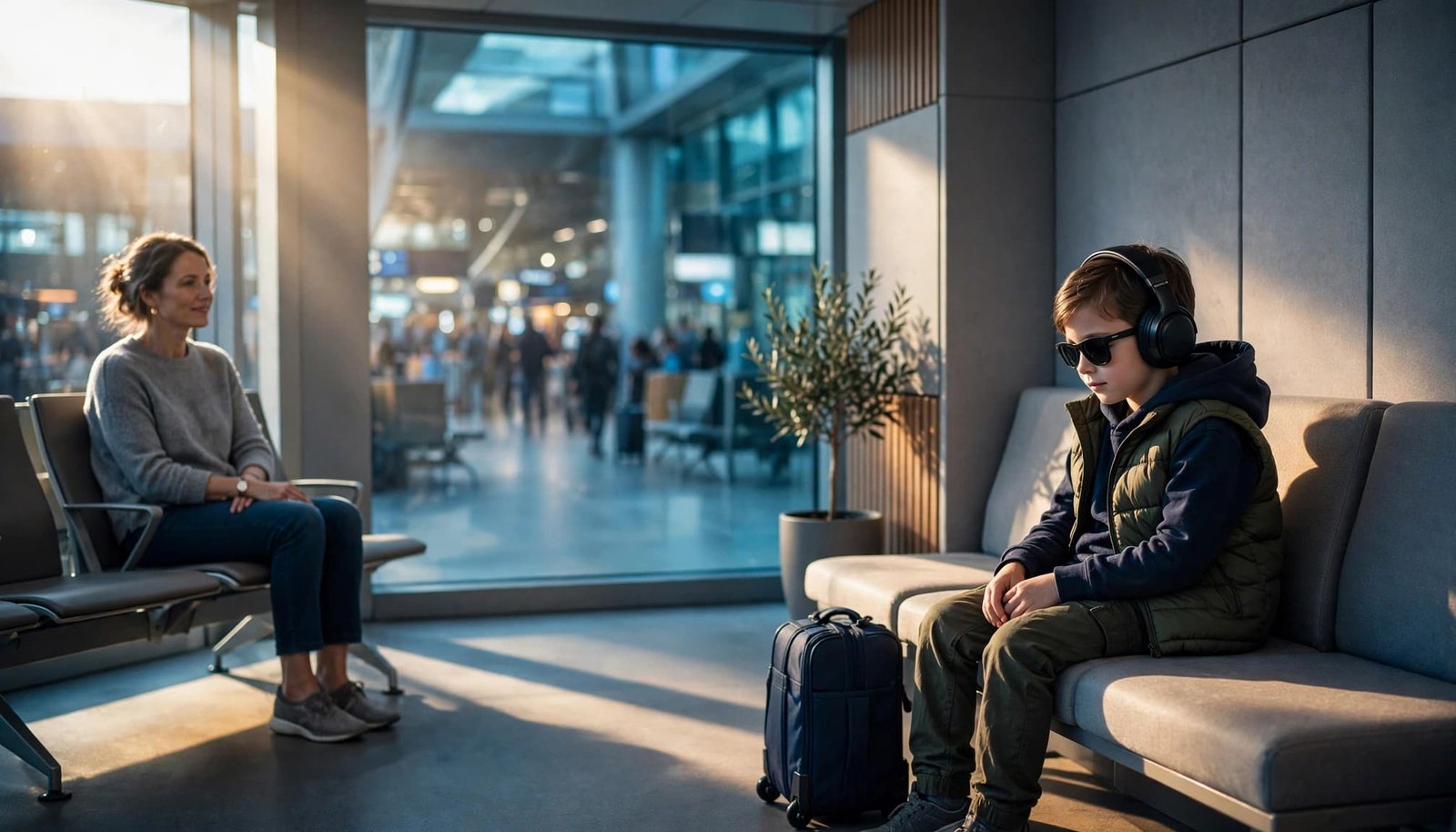
Check in online, choose seats together, and download entertainment before leaving home. Keep headphones, familiar snacks, communication tools, and medication in an accessible personal item as part of your sensory comfort kit. A window seat may offer a visual boundary for some travelers, while others with noise sensitivity may prefer an aisle seat for easier movement.
Ask the airline what special assistance is available, including pre-boarding, seating help, and mobility support. Confirm how disability-related requests must be made, since airline procedures can vary.
Use TSA Cares and TSA PreCheck when they fit
TSA Cares can arrange checkpoint assistance for travelers with disabilities, medical conditions, and other circumstances. Requests should be made at least 72 hours before a U.S. flight. The program helps with security screening, not airline boarding or in-flight assistance.
A Passenger Support Specialist may be available at the checkpoint. You can also carry TSA’s Disability Notification Card to help communicate needs during screening.
TSA PreCheck may reduce some screening steps. According to TSA’s family guidance, children 12 and under can accompany an eligible adult through the PreCheck lane. Teens ages 13 to 17 usually need the PreCheck indicator on their own boarding pass.
Choose Hotels That Support Rest and Recovery
The right hotel is not always the biggest resort or the lowest nightly rate. For sensory-friendly travel, choose a place where your family can sleep, eat, reset, and feel safe after a busy day.
Ask direct questions before booking
Call the property and ask about sensory-friendly accommodations, including room location, noise levels, lighting, sleep supports, food storage, and accessibility features. Ask about connecting rooms, blackout curtains, refrigerators, microwaves, grocery delivery, construction, and parking-lot noise. A quieter room away from the lobby, pool, ice machine, and elevator may make a meaningful difference.
If a property uses an autism-friendly label, verify what it actually offers instead of assuming it guarantees specific support. Families managing sensory processing issues should describe concrete needs rather than relying on a general label.
You can also ask about early check-in or late checkout, although neither is guaranteed. Explain the need in plain language: “We are traveling with a family member who has sensory sensitivities. Is there a quieter room location you can recommend?”
Protect sleep and familiar routines
Bring familiar pajamas, a nightlight, a sound machine, or a favorite blanket if those items help at home. Keep meals and bedtime close to the usual routine when possible. A vacation schedule can be flexible without turning every day upside down.
For theme park families, planning a sensory-friendly Disney vacation includes choosing quieter reset spaces before your day gets difficult.
Build Breaks Into Every Destination Day
Many travel meltdowns happen after a family tries to do too much for too long. Treat breaks and early exits as part of a sensory-friendly travel plan.
Choose one or two priorities each day. Balance high-input activities with quiet walks, hotel time, or other lower-input alternatives to manage sensory stimulation. For meals, pack familiar foods when needed, and check food rules and availability in advance.
At larger destinations, identify quiet rooms and other reset spaces before you arrive at airports, parks, museums, or other large attractions. Newark Liberty International Airport, for example, lists a Terminal A Sensory Room on pre-security Level 3, open from 6 a.m. to 10 p.m. Confirm current amenities directly before your trip.
Disney days also work better with room to pause. Our Disney World autism guide shares practical ideas for sensory preparation, flexible park plans, and exit plans when a break is needed.
Families who want an easy planning resource can also find the Disney World With Autism Guide on Etsy or Amazon. These guides are family-focused planning tools, not official Disney policy.
Consider Specialty Cruise and Attraction Support
Cruises can feel easier for some families because meals, entertainment, and the hotel room are all in one place. Others may struggle with crowds, ship announcements, or unfamiliar surroundings. For sensory-friendly travel, the right fit depends on each traveler’s tolerance for crowds, noise, lines, and transitions.
Look at autism-focused cruise support
Autism on the Seas offers specialty cruise services for adults and families traveling with children who have autism and other developmental disabilities. Their services can include support staff and activities designed around different needs.
Royal Caribbean also describes autism-friendly support on certain staffed sailings, including trained staff, respite sessions, and private activities. Review Royal Caribbean’s current accessibility details before booking because offerings can change.
Keep attraction days realistic
Theme parks, zoos, aquariums, and museums can all be exciting and overstimulating. Before arriving, check each attraction’s current policies for sensory guides, quiet spaces, food rules, stroller options, lines, and transition support. Don’t assume an attraction’s label guarantees a specific experience.
Verify support details directly, since policies and available accommodations can change.
Don’t build a day around getting maximum value from every ticket. A comfortable day with one great memory is worth more than a long day spent pushing past overload.
Frequently Asked Questions About Sensory-Friendly Travel
How can we help prevent travel meltdowns?
Prepare for transitions before leaving home, pack familiar supports, keep food and water easy to reach, and schedule breaks before your child is overwhelmed. Lower your expectations for how much you need to do in one day.
What should we ask a hotel about sensory accommodations?
Ask about quieter room locations, construction, nearby elevators, blackout curtains, refrigerators, microwaves, pool noise, and early check-in options. Tell the hotel what your traveler needs instead of asking only whether the hotel is “sensory-friendly.”
Is a changed plan a failed family vacation?
No. Skipping an activity, leaving early, ordering familiar food, or spending the afternoon at the hotel may be exactly what your family needs. Comfort and connection matter more than checking off every activity.
Make Comfort Part of the Vacation Plan
Sensory processing disorder travel gets easier when your plan has room to breathe. Familiar supports, quiet breaks, good sleep, and realistic expectations can help your family enjoy more of the moments that matter.
The best vacation is not the busiest one. It is the one where your family feels supported, included, and comfortable enough to make memories together.