
Your trip can become exhausting before you reach the first attraction. When you’re traveling with POTS, planned rest and a steady pace help you manage heat, long walks, and time spent standing.
POTS affects the autonomic nervous system, and warm environments and prolonged standing can worsen symptoms. We want you to have a travel plan that protects your energy throughout the journey.
Key Takeaways for a More Comfortable Trip
- Request airline mobility assistance and TSA screening support separately.
- Keep labeled medications, familiar snacks, and clinician-approved hydration supplies in your carry-on; include electrolytes or oral rehydration salts (ORS) only if they’re part of your plan.
- Plan seated breaks and indoor cooling stops before symptoms build.
- Leave room for recovery after travel, including when crossing time zones.
Your needs may change during the trip. Flexible reservations and a clear backup plan give you more comfortable options.
Before Your Trip, Prepare Your POTS Care Plan
Start with the routine that already works for you. Your clinician can help adapt medication timing, fluid intake, salt or sodium intake, electrolytes, and compression for travel. Don’t change medication timing or increase salt without your clinician’s guidance.
Pack and test any clinician-recommended compression garments before departure.
Keep Medical Essentials Close
Keep prescription medications in their original labeled bottles in your carry-on. Avoid transferring your travel supply into unmarked baggies or pill carriers, especially for international trips.
Carry a medication list, prescription copies, and a clinician letter explaining relevant treatments or supplies. A medical alert card or medical ID should identify your condition, allergies, and an emergency contact.
Pack enough medication for delays according to your care team’s instructions. Temperature-sensitive medicines need their prescribed storage conditions throughout the journey.
International medication restrictions can apply even when a medicine is legal at home. Security clearance doesn’t establish permission to bring it into another country.
Understand Japan’s Medication Rules
Japan regulates medicines by their ingredients, quantities, and formulations. Under the National Narcotics Control Department’s guidance, Adderall cannot be imported. Vyvanse, or lisdexamfetamine, requires advance permission, with applications submitted at least 14 days before travel.
Pseudoephedrine preparations containing more than 10% pseudoephedrine are prohibited. Sudafed and NyQuil shouldn’t be treated as having one brand-wide rule because their formulations differ.
Oral diazepam, alprazolam (Xanax), and clonazepam (Klonopin) have quantity limits rather than an automatic advance-permission requirement. Permitted narcotic medicines require advance authorization.
These differences matter when your travel companion also takes controlled medication. A prescription bottle or clinician letter doesn’t replace a required import permit. If your treatment cannot legally accompany you, your prescribing clinician should arrange a safe alternative before departure.
At the Terminal, Reduce Standing and Rushed Transfers
Airport assistance can help even when you can walk. Long terminals, security queues, and boarding lines may use energy you need later.
Request Help for the Whole Route
Add wheelchair assistance when booking, then call the airline’s accessibility team. Explain your needs plainly: “I can walk short distances, but prolonged standing can make me faint. I need wheelchair assistance through the terminal and during my connection.”
Request airport support at departure and arrival, and remind staff at check-in and the gate. Allow extra connection time because airport layouts and assistance coordination vary.
Under U.S. wheelchair assistance rules, medical documentation can’t be required to receive this help.
If you bring your own mobility device, provide its dimensions, battery information, and handling instructions. Photograph it before the flight and report damage before leaving the arrival airport.
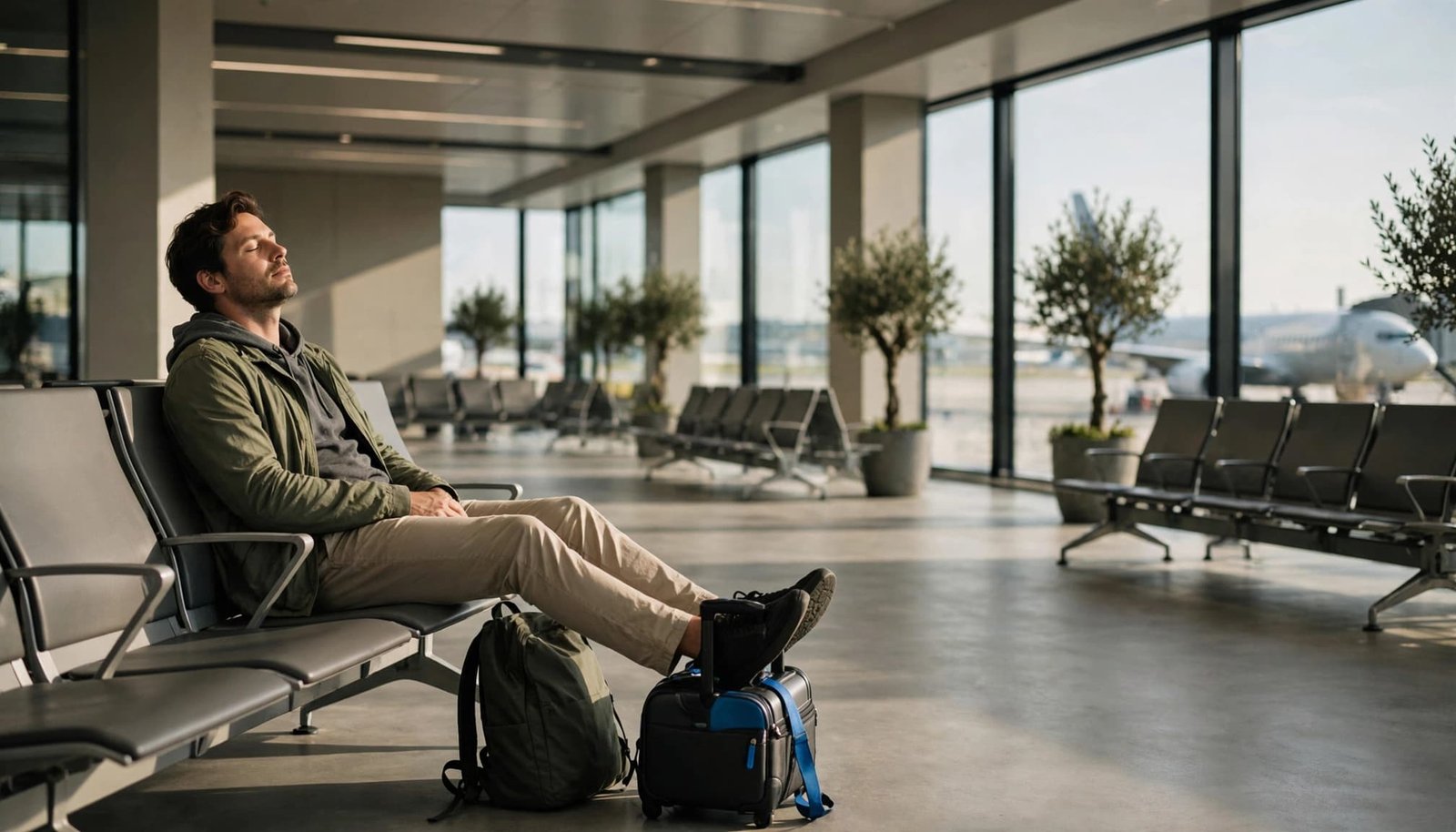
Arrange Security Support Separately
Request TSA screening assistance through TSA Cares at least 72 hours before a U.S. departure when possible. Explain any limitations that affect standing or positioning during screening.
Wheelchair users can be screened while seated. Medical liquids and equipment may need additional screening, so keep them accessible.
Airline mobility assistance and TSA screening support are separate arrangements. Neither replaces accessible transportation to your hotel.
After security, locate your gate, refill your bottle, and find a seat. Request preboarding if extra time would make boarding safer or more comfortable.
During the Flight, Support Hydration and Movement
Choose a seat around your needs. An aisle seat makes bathroom access easier, while extra legroom or a reclining seat may improve comfort. A bulkhead row may require storing your bag overhead during takeoff and landing, so keep permitted essentials within reach.
Follow Your Hydration and Meal Routine
Flying can disrupt your routine, so PoTS UK’s travel guidance recommends extra attention to hydration before and during flying. Begin travel day with your usual hydration routine rather than waiting until you feel unwell.
Bring an empty water bottle through security and refill it afterward. Use electrolytes or oral rehydration salts (ORS) if they are part of your clinician-approved plan. Mix packets according to their directions. Keep an extra ORS packet accessible for delays if your clinician recommends it.
Fluid and sodium targets aren’t the same for everyone. Kidney disease, heart disease, and other conditions may require restrictions.
Pack familiar snacks such as beef jerky, roasted chickpeas, or crackers if they fit your dietary plan. Smaller, more frequent meals can be easier to tolerate when large meals worsen symptoms.
Use Compression and Leg Movements While Sitting
Compression helps reduce blood pooling. Your clinician may recommend 20-30 mmHg garments, but pressure and coverage should match your needs.
Abdominal or waist-high compression may address pooling that knee-high socks don’t cover. Try prescribed garments before departure so you know whether you can tolerate them comfortably.
While sitting, move your ankles, flex your calves, and change position regularly. Avoid remaining completely still for long stretches.
When the cabin indicator is off, brief movement may help if you’re steady enough to walk. Don’t stand in the aisle if you feel faint. Let the cabin crew know when you need assistance.
On Road Trips and Trains, Keep Supplies Accessible
When traveling with POTS, planning matters even when you aren’t flying. Long drives, crowded platforms, and standing on public transportation can create similar difficulties.
For road trips, keep medication, water, snacks, and cooling supplies in the passenger area. Plan breaks along the route, with time to move gently, use the bathroom, and recover. Don’t drive while dizzy or close to passing out.
On trains, reserve a seat when available and choose a route with manageable transfers. Keep bags light enough that lifting them doesn’t become another physical challenge.
Your arrival ride matters too. Airline mobility assistance doesn’t arrange a suitable vehicle outside the terminal. If you need an accessible vehicle, include it in your trip arrangements.
Our travel supply shop carries practical vacation items, including strollers and cleaning supplies for times when someone gets sick away from home. Pack everyday supplies where your family can reach them without unloading every suitcase.
At Your Destination, Plan Around Heat and Queues
Schedule demanding activities for the time of day when you usually feel strongest. That may be morning or evening. Keep the hottest part of the day for indoor activities or rest.

Choose Lodging That Makes Rest Easy
A nearby hotel can make it easier to return for a break. Consider the walking distance between your room, elevators, transportation, and dining.
Reliable air conditioning, refrigerator access when needed, and a comfortable place to recline are useful. A beautiful resort may still be tiring if every meal requires a long outdoor walk.
Leave arrival day light. Travel fatigue, disrupted sleep, and unfamiliar routines may require a day or more of recovery. Build in time for rest, and choose a flexible evening meal over a prepaid activity immediately after arrival.
Build Cooling and Seating Into Your Outings
Before a long outing, locate shaded areas, indoor spaces, bathrooms, and a nearby seat. Carry a hat, a cooling towel if helpful, and your usual hydration supplies. Ask your clinician how heat and comfort may affect your usual compression plan.
Avoid joining a long queue without a plan for sitting or a clear way to leave if symptoms build. A mobility aid can reduce standing, but you’ll still need heat protection and breaks. Tell your companion what early symptoms look like and where you’ll regroup.
For families also traveling with autistic children, our 57-page Disney World with Autism: The Complete Family Guide covers pacing, quiet spaces, transitions, and DAS preparation. It’s available as a PDF guide on Etsy, and you can also find it through Amazon edition.
If Symptoms Flare, Pause the Schedule
Agree on a simple response before departure. Tell your companion where you keep your medical ID and medications. They should know whom to contact and what assistance you prefer.
If you feel faint, stop walking and sit or lie down safely. Raise your legs if that’s part of your usual care plan. Move somewhere cool and follow your clinician’s instructions for fluids, medication, and recovery instead of pushing through the activity.
Tell airline crew or attraction staff when you need help. Don’t try to finish a queue or reach the hotel alone while symptoms are worsening.
New chest pain, severe trouble breathing, or failure to recover after fainting needs urgent medical attention. Don’t assume every new symptom is POTS.
Save the nearest emergency department’s location and your insurance information before the trip. If ongoing care is part of your vacation, our guidance on planning vacation medical appointments can help you leave space around treatment.
Frequently Asked Questions About POTS Travel
Do People With POTS Need More Sleep?
POTS can cause fatigue and disrupted sleep, but there isn’t one extra-sleep requirement for everyone. Protect the sleep routine that helps you function, and allow recovery time after travel.
A very early flight may shorten your day at the destination while making the overall journey harder. Consider departure time alongside flight length. If fatigue is new or much worse than usual, discuss it with your clinician.
How Should I Handle Medication Across Time Zones?
Have your prescribing clinician plan dose timing before departure. Some medicines depend on the interval between doses rather than the destination’s local clock.
Set phone reminders using that written schedule. Keep the plan available offline, and record doses if travel becomes confusing. Don’t skip or double medication to match local time. Jet lag and disrupted routines can affect recovery, so leave the first day flexible.
Plan for Comfort, Leave Room for Rest
A comfortable trip starts with support throughout the journey. Seated airport assistance, manageable outings, and a clear response to symptoms can protect energy for the experiences you enjoy.
We offer special needs travel planning tailored to your family’s accommodations, transportation, and pacing needs.
Tell us what makes travel difficult for you. We’ll help build a vacation with room for rest and flexibility.
Leave a Reply