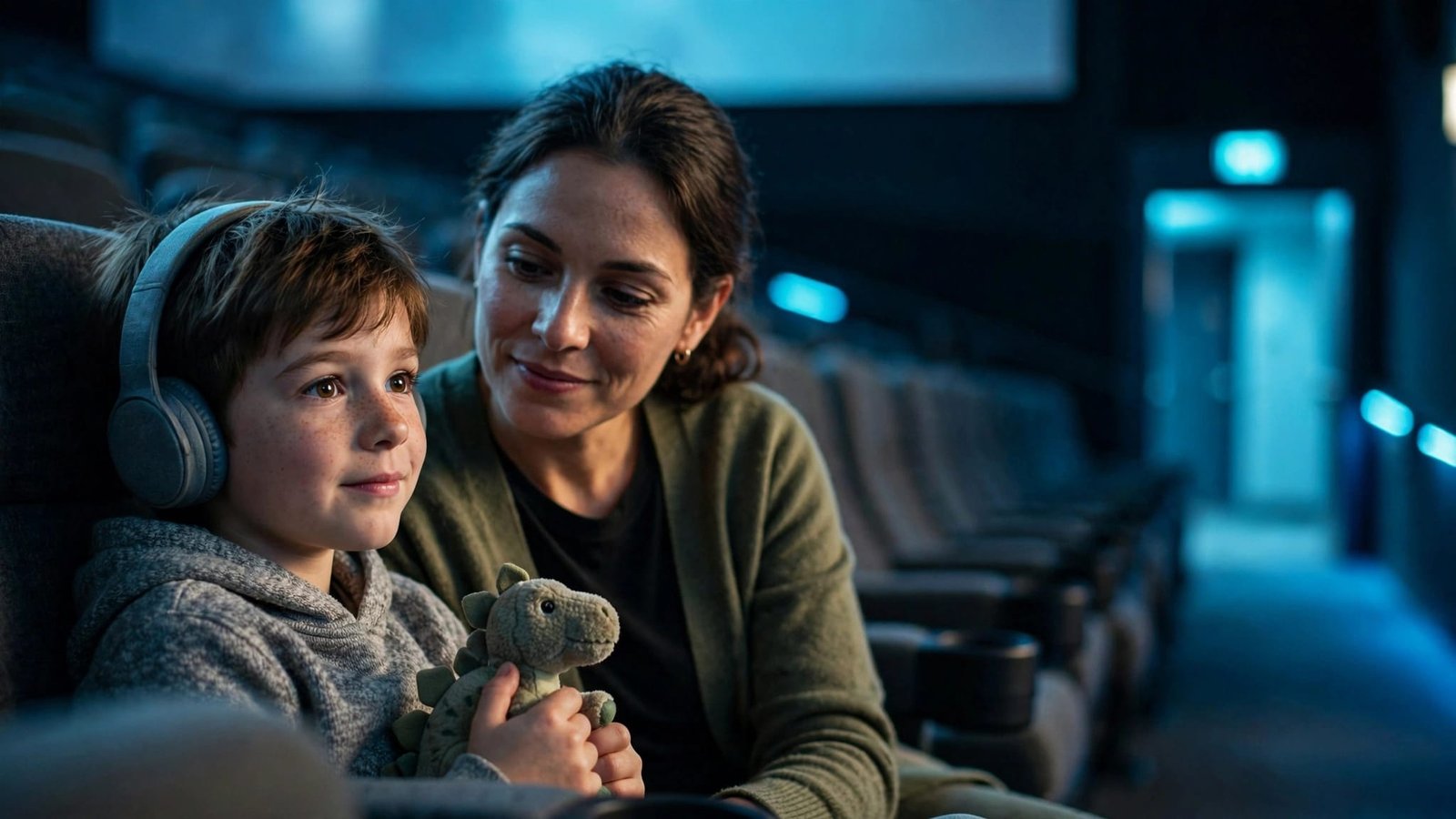
A sensory friendly showing can make a movie more comfortable for an autistic child, with lower sound, adjusted lighting, and room to move. The right fit depends on your child’s preferences, including whether extra light feels reassuring or distracting.
You don’t need to finish the film for the outing to go well. A sensory friendly visit can be a comfortable first experience, guided by comfort and choice.
Key Takeaways
- Sensory-friendly screenings usually offer lower volume, some house lighting, and more flexibility around audience sound and movement.
- Lighting changes help some children but add stimulation for others. Your child’s response matters more than the program label.
- Familiar supports, an easy exit, and permission to leave early can make the experience more manageable.
What Changes at a Theater Screening?
A screening adjusts the movie environment and audience expectations. The big screen and shared outing remain, with added flexibility for people who find a standard screening uncomfortable.
Lower Sound and Some House Lighting
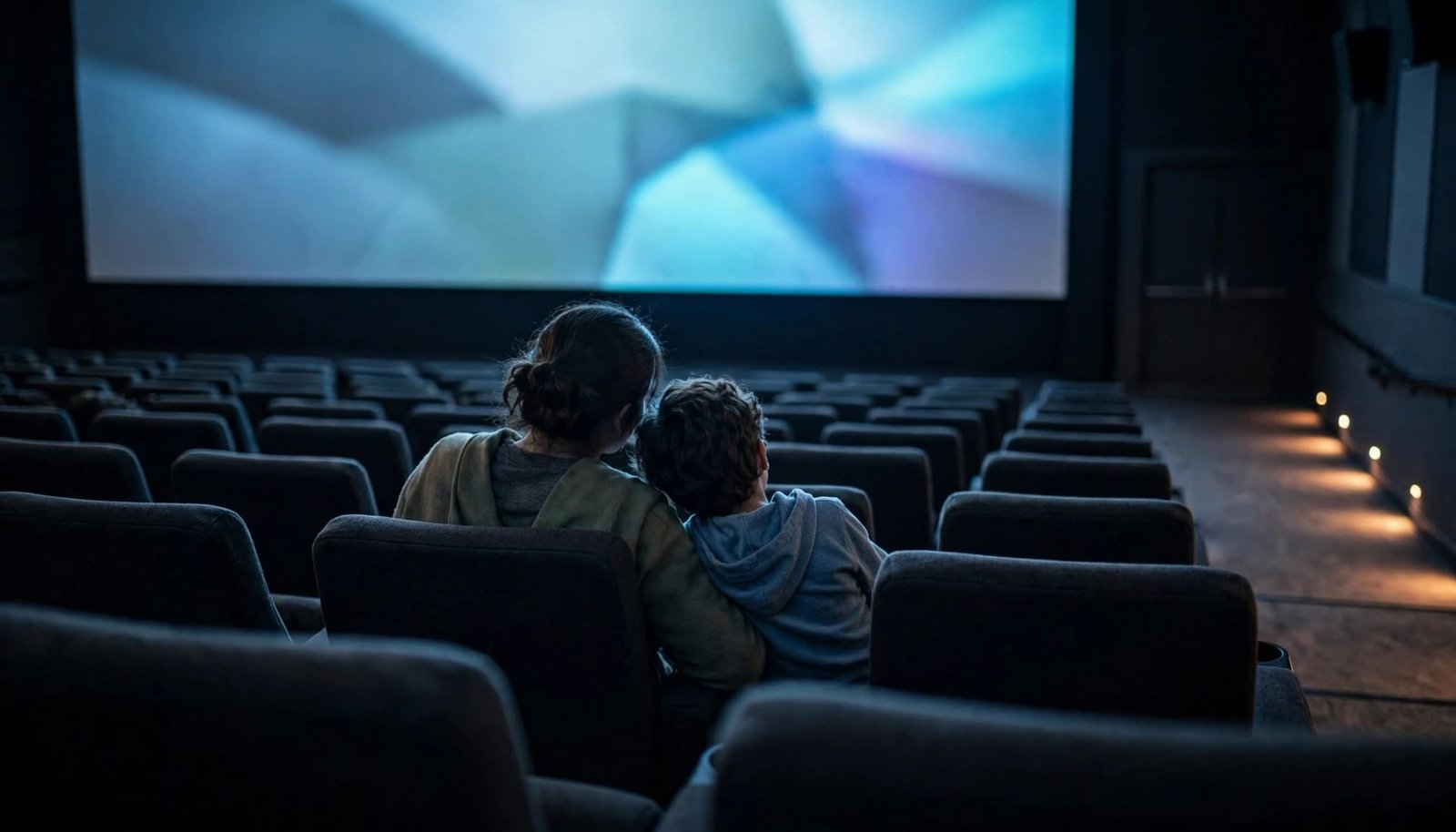
Programs commonly use lower volume and keep lights on low instead of making the auditorium fully dark. That can make seats, belongings, and walking routes easier to see.
In an r/AMCsAList discussion, one autistic AMC attendee described lights on low and audio at a reasonable level. They said earplugs weren’t needed during that visit. The big screen and surround sound still gave them the feeling of being at the movies.
That’s one person’s experience, rather than a guarantee about audio levels. Bring your child’s usual hearing protection even when the screening offers reduced volume.
More Flexible Audience Expectations
AMC and Regal describe screenings where guests can move and vocalize more freely. Children may talk, sing, stand, or need a break without the same expectation of remaining silent.
The AMC attendee described an audience mostly made up of people with sensory needs and their family members.
That welcoming setting can reduce pressure on caregivers. Other guests may still move or vocalize unexpectedly.
Lower movie audio doesn’t promise a quiet audience. Plan for nearby movement or voices too.
Will Dim Lights and Lower Sound Help Your Child?
A quieter theater can make films more comfortable for some autistic viewers. Others may prefer a darker room, fewer people, or watching at home.
Why the Adjustments Can Help
Reducing the volume can make a film feel less overwhelming. People in the AMC discussion appreciated this change, including viewers who found action movies tiring because of their loud sound.
One attendee also found that dim house lighting made a family’s phone light less distracting. Against complete darkness, a small bright screen can stand out more.
For a child who dislikes darkness, visible surroundings may feel reassuring. Knowing where you are sitting and where the door is can make settling in easier.
Why Lights On Can Add Stimulation
A commenter with light sensitivity had a different response. The lighting drew their attention to walls and floors and made dark scenes in films harder to see.
Your child may have similar preferences. Think about familiar settings: do they enjoy watching television with a lamp on, or ask for a darker room?
Also consider the movie itself. These adjustments don’t remove flashing images, sudden scene changes, frightening characters, or upsetting storylines. A familiar, well-liked film may be easier to enjoy than an unfamiliar action film.
Finding AMC and Regal Screenings
Program names help when you search for tickets. Check event and location listings for sensory friendly screenings instead of assuming an ordinary daytime screening has the same adjustments.
Family screenings
The AMC’s Sensory Friendly Films program, offered with the Autism Society, lists family film showings on the second and fourth Saturdays. Mature-audience screenings are scheduled for Wednesday evenings.
The format keeps lights up, uses lower volume, and allows movement or vocalizing. The sound is reduced, and screenings start at the listed time without trailers.
Formats and availability vary by participating location, so check the posted details for each theater before booking.
Saturday matinees
Regal’s My Way Matinee offers lights up, reduced volume, and relaxed expectations for movement and sound. Its film showings are the first of the day on select Saturdays at participating locations.
These screenings can suit older children and adults too. One Reddit commenter suggested promoting them to all ages rather than mainly to children.
Another participant hadn’t seen local advertising, while others doubted more screenings would happen soon. Those forum opinions don’t establish a nationwide pause. Both programs publish dedicated information to help you check the experience at your location.
Prepare Your Child Without Adding Pressure
Choose a film your child wants to see. Their interests, energy, and preferred time of day are better starting points than a goal of completing a theater visit. A short, familiar visit can still be a positive experience.
Preview a Few Simple Steps
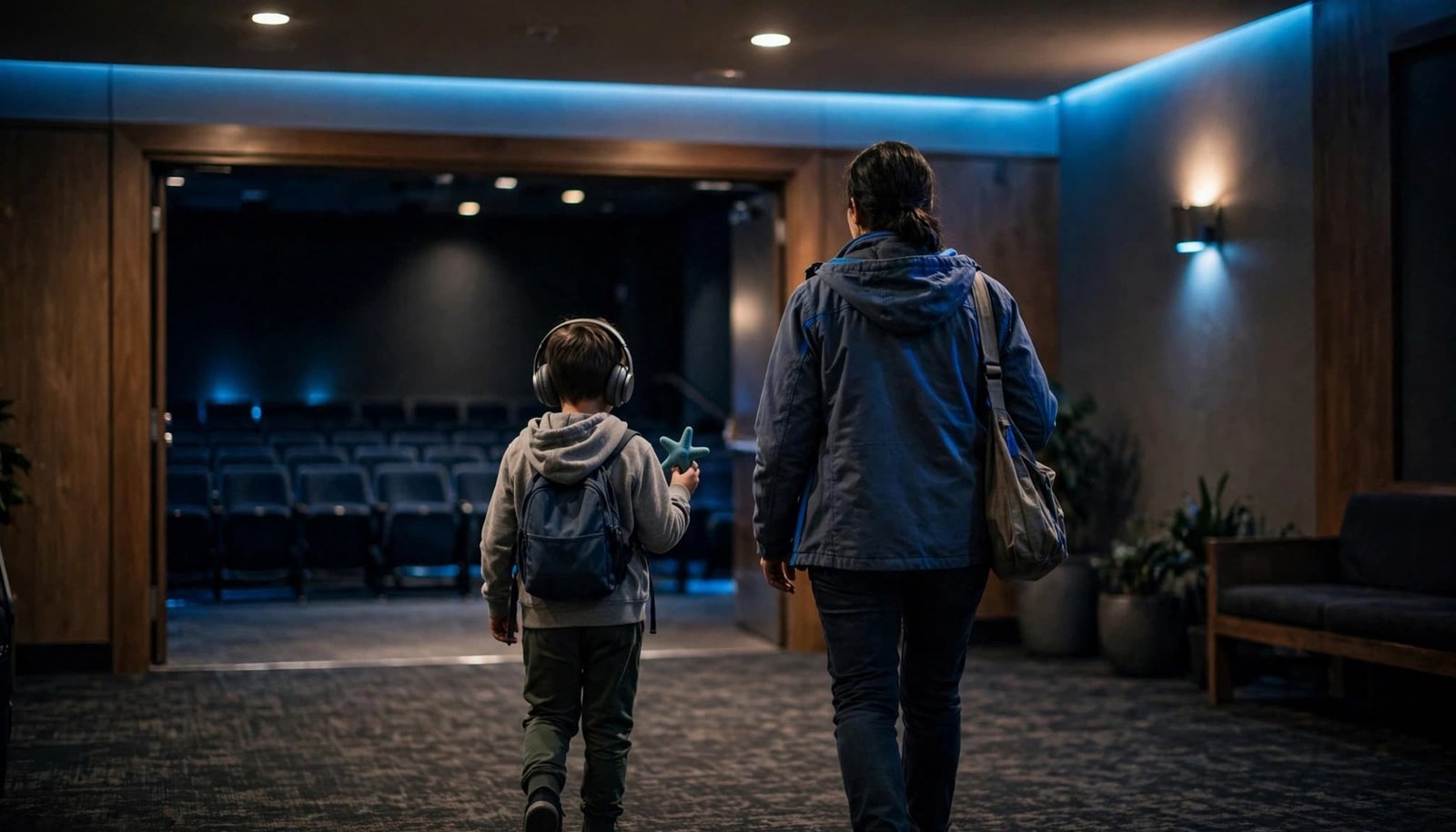
Use a short visual schedule, photos, or a simple written explanation that matches your child’s communication style. Include arriving, entering, finding seats, watching, taking a break, and leaving.
Keep expectations honest. You can explain that the room will have a big screen, other families, and sounds that may feel different.
Practice familiar supports at home, such as wearing headphones or using a break card. The goal is familiarity, without turning the outing into an assignment.
Make Arrival Comfortable
Leave enough time for the entrance and restroom without building in a long wait. A busy lobby can feel harder than the film itself.
Keep your child’s communication tools available throughout arrival. Offer manageable choices, such as walking beside you or holding a familiar comfort item.
An aisle seat can make stepping out easier. Seating farther from the screen may suit a child who finds large moving images overwhelming. Let comfort guide the choice, rather than aiming for the most central view.
Pack Familiar Supports and Keep Breaks Simple
Bring the tools your child already uses. Headphones, a favorite fidget, a soft comfort item, and communication supports are often more useful than unfamiliar equipment.
Keep medications, wipes, spare clothing, and charging supplies easy to reach. Food accommodations and outside-snack permissions aren’t automatic features of a sensory-friendly screening.
For families combining an outing with travel, our Trip Rescue Shop offers practical supplies, including strollers and cleaning supplies for unexpected illness or messes on vacation. Choose what supports your family rather than packing extra gear without a purpose.
Before the movie starts, make sure every caregiver understands your child’s way of requesting a break. Watch for their usual early signs of discomfort.
A quieter space isn’t always available outside the auditorium. The lobby may have music, games, or crowds. Keep going home available as a comfortable option.
Leaving early is a valid plan. Avoid tying a reward to staying until the credits, or treating distress as something your child must push through.
Carry Helpful Routines Into Family Travel
A theater outing may help you learn which supports your child prefers in an unfamiliar setting. Perhaps they want more preparation, a shorter visit, or a clear way to request a break.
Those preferences can also guide vacation planning. Our Disney World autism planning guide covers sensory preparation, pacing, and park-day decisions. An outing doesn’t need to become a test of readiness for Disney or another trip.
For families planning Disney, our 57-page Disney World with Autism: The Complete Family Guide includes DAS preparation, quiet spots, transitions, and pacing. It’s available as a Disney planning PDF on Etsy and through our Disney autism guide on Amazon.
Our special needs travel planning offers personalized vacation support shaped by firsthand family experience. We help families plan around their needs, with room for rest and changes.
Frequently Asked Questions
Do Screenings Include Captions?
The screening label alone doesn’t promise captions. The AMC forum discussion left that question unanswered, and sensory adjustments are separate from caption access.
Open captions appear on the main screen. Closed captions use an individual device. The National Association of the Deaf explains movie theater caption access, including public information and staff assistance for Deaf or hard-of-hearing viewers.
Audio description is different: it provides spoken descriptions of visual details. Marcus Theatres lists accessibility devices and descriptive narration among its services at many locations.
Is a Sensory-Friendly Screening the Same as a Cry Room?
A cry room is a separate viewing space where a family can watch with less sound disturbance to the main auditorium. A sensory-friendly screening changes the shared auditorium setting.
Regal’s My Way Matinee is the latter. Its program description supports a more flexible screening format, rather than a separate room for families.
For a child who needs separation from other audience members, that distinction matters. A lower-volume screening still involves sharing the room.
What About Live Theater?
Live performances may offer adjusted sound, faint house lighting, flexible audience expectations, and break areas. Accommodations vary by venue and performance.
Check venue or production information to find sensory friendly performances, then confirm the specific accommodations with the venue. Preview the production and explain what your child may encounter.
Pack supports suited to your child, such as headphones, a comfort item, a fidget, or communication tools. Plan arrival, seating, breaks, and an exit or re-entry option.
The experience may still include applause, unfamiliar voices, and moments of excitement. Respond flexibly if your child becomes overwhelmed, including leaving early. A child who enjoys a story on screen may feel differently about actors, music, and nearby activity.
Let Your Child’s Comfort Guide the Visit
A flexible screening can give your family more choice, but your child’s comfort remains the best guide. Lower sound, suitable lighting, familiar supports, and an easy departure plan can help reduce pressure.
Start with a movie your child enjoys and keep expectations manageable. A comfortable part of a film can be a positive family experience, even if you leave before the ending.
Leave a Reply