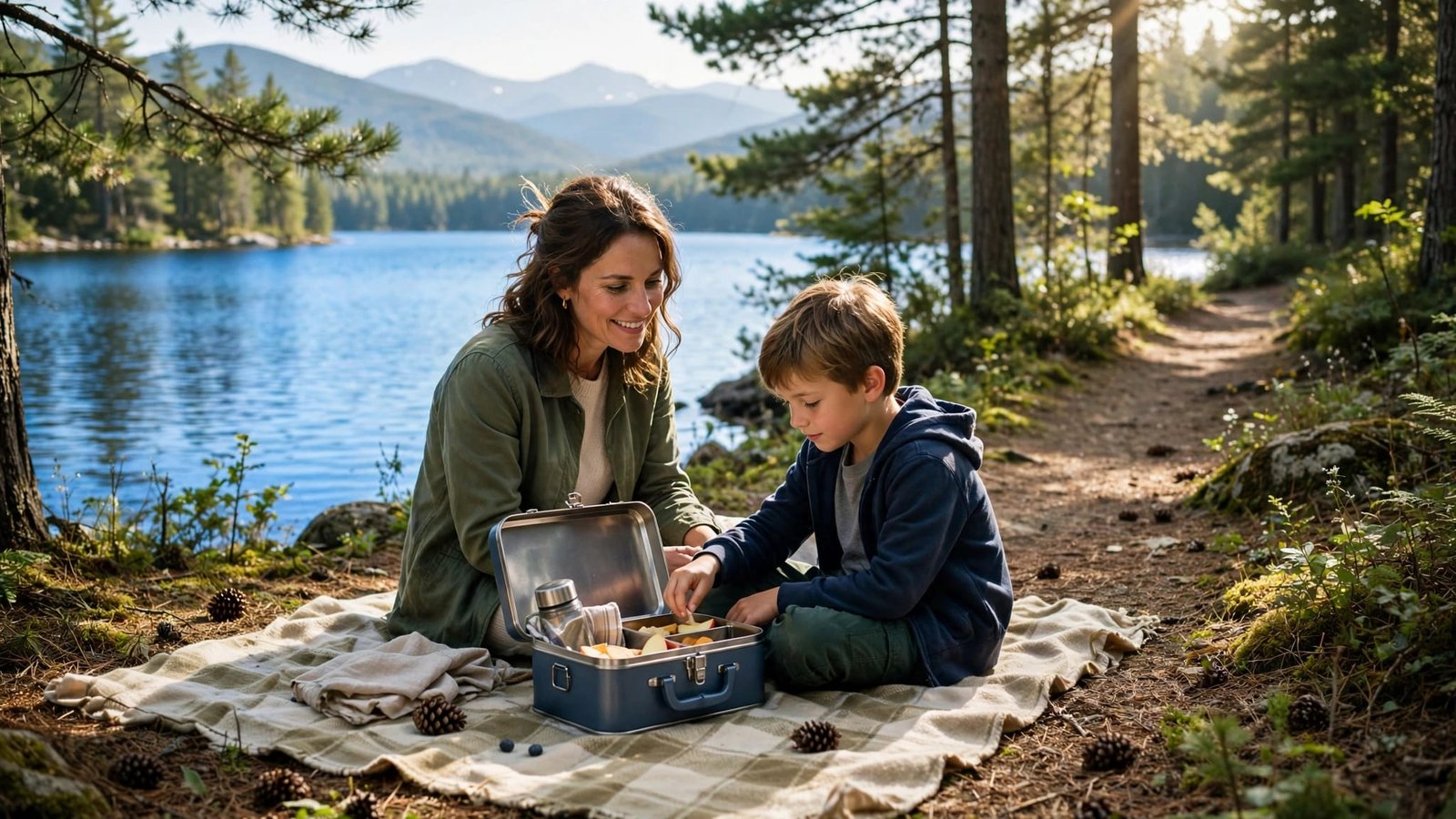
A New Hampshire day trip can be a flexible option during a family vacation. Knowing where to park, take a break, and leave comfortably can make the outing easier. Autism-friendly day trips offer shared experiences without a packed schedule or overnight stay.
Your child’s comfort should guide the plan, since needs related to autism spectrum disorder vary from child to child. Include familiar food, communication supports, and room to change course. Start with places that fit your family’s interests, then check the details that make the visit manageable.
Key Takeaways for a Comfortable Day Out
- Choose one main destination, with meals and breaks built around your child’s usual daily routines.
- Confirm sensory-friendly events, reservations, accessibility, and re-entry policies directly before leaving home.
- Keep familiar supports within reach, and include your child or teen in choices about activities and departure.
New Hampshire offers both dedicated sensory programs and flexible outdoor outings. These options provide different kinds of support, so match the experience to your family.
Plan Autism-Friendly Day Trips Around Your Child
A destination’s reputation matters less than how your child experiences it. Some autistic children enjoy busy exhibits but find waiting difficult. Others prefer movement, open space, or a familiar activity.
Identify the Hardest Part First
Think about what usually makes outings uncomfortable, and plan around your child’s autism support needs. It might be the drive, especially if travel anxiety comes up, unexpected sounds, sensory overload, crowded bathrooms, or missing lunch.
Choose a destination within a drive your child can manage. Check parking, walking distances, restrooms, and food policies before purchasing tickets. A wheelchair-accessible building may still have challenging lighting or noise.
The Children’s Museum accessibility information includes details about its ramp, elevator, accessible facilities, and social story. Resources like these help you prepare for the actual visit.
Preview the Day Without Promising Every Detail
Use photos, a short written plan, or a simple social story if those supports help your child. Include arrival, the main activity, a snack, and returning home. A local outing can also show you what works before a longer family vacation.
Keep previews flexible. Say that an exhibit may be busy or unavailable, and explain the next two choices.
Pick an exit plan before you arrive. Know who will help your child, where you can regroup, and whether returning requires another ticket. That preparation gives everyone a clear next step.
Dover and Manchester: Sensory-Friendly Museum Visits
Indoor tourist attractions can work well when the setting matches your child’s interests. Designated sensory-friendly sessions offer adjustments that regular admission may not include.
Children’s Museum of New Hampshire, Dover
The museum’s Exploring Our Way program offers reduced sound and lighting, limited attendance, and a quiet zone with sensory activities. Noise-canceling headphones are available to borrow.
During these sessions, the museum closes to the general public. A medical diagnosis isn’t required to participate.
The published program information lists admission at $3.50 per person, with reservations required. Check the Exploring Our Way sensory-friendly playtimes for current dates. Confirm fall availability before building your day around a session.
For a regular visit to the children’s museum, reserve ahead and ask about school groups. Choose a few exhibits your child wants to explore, then make a snack or departure the next planned step.
SEE Science Center, Manchester
SEE Science Center offers hands-on science exhibits and sensory materials at the front desk. Its sensory story and map can help families preview the building.
The center currently lists Sensory Friendly Fun Nights on November 6, 2026, January 29, 2027, and April 30, 2027. Reservations are required, and registration opens about one month before each event.
Confirm the event’s time and admission cost directly. Don’t assume regular admission rules apply.
For a daytime visit, ask when school groups are expected and which exhibits have sudden sounds. Your child may prefer repeating one favorite activity rather than moving through the entire center.
Concord: Explore Space at Your Family’s Pace
The McAuliffe-Shepard Discovery Center is a local option for children and teens interested in astronomy, aviation, and Earth science. Its exhibits and planetarium experiences give families different ways to explore those interests.
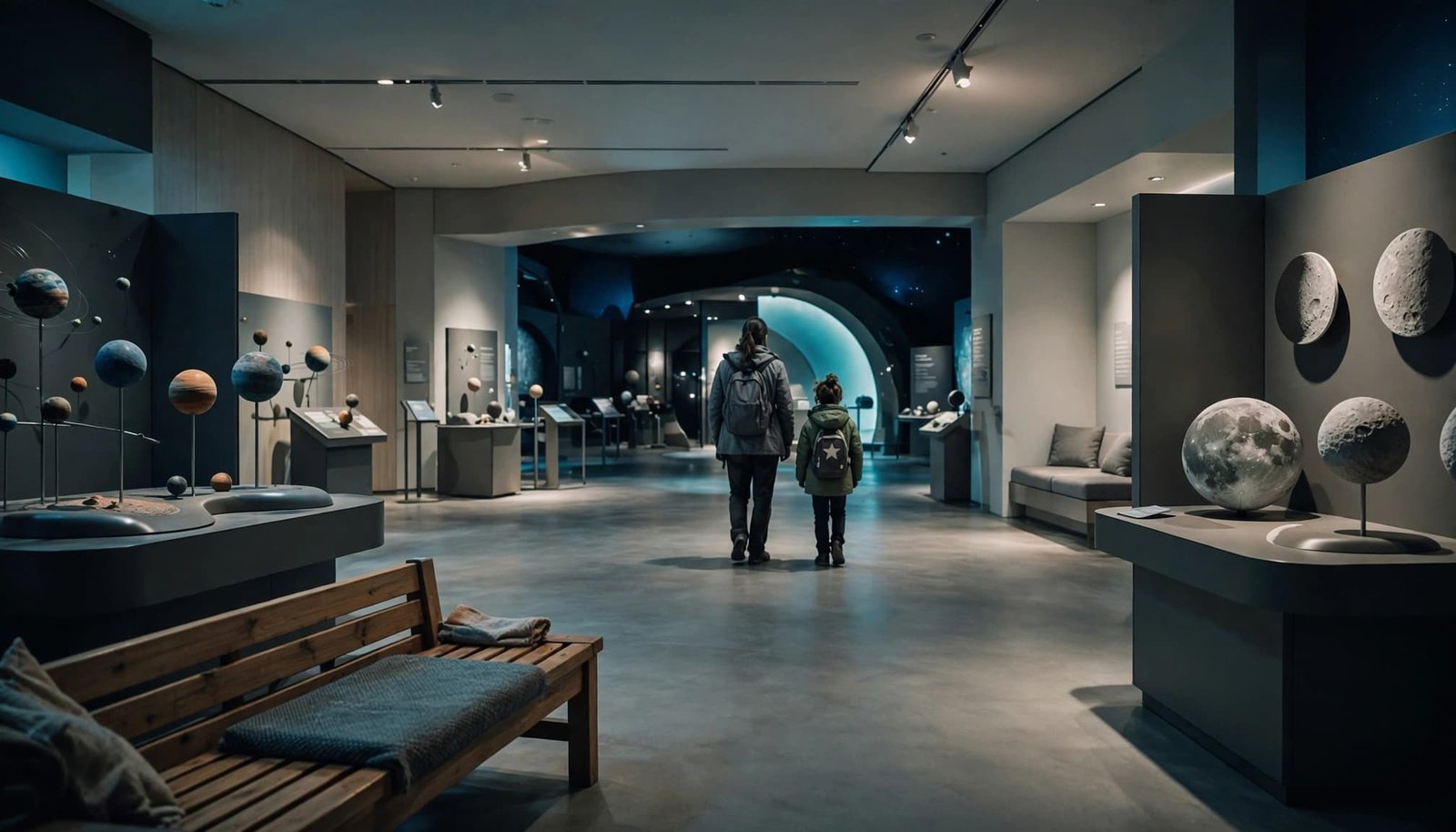
Review the Discovery Center visitor information before deciding whether to include a planetarium show. Ask about darkness, sound levels, show length, and leaving during a presentation.
An exhibit-only visit may fit your family better. You can decide about a show after considering your child’s comfort, rather than treating it as essential.
Don’t assume the center has a sensory room or designated quiet hours. Contact staff about current supports and possible break locations.
For a manageable Concord outing, keep the Discovery Center as your main stop. Have a familiar meal option ready afterward, and avoid adding another ticketed attraction simply because it’s nearby.
Outdoor Day Trips With Room to Pause
Outdoor activities give some families more choice about movement and pacing. Wind, insects, animal sounds, uneven surfaces, and changing weather still deserve attention.
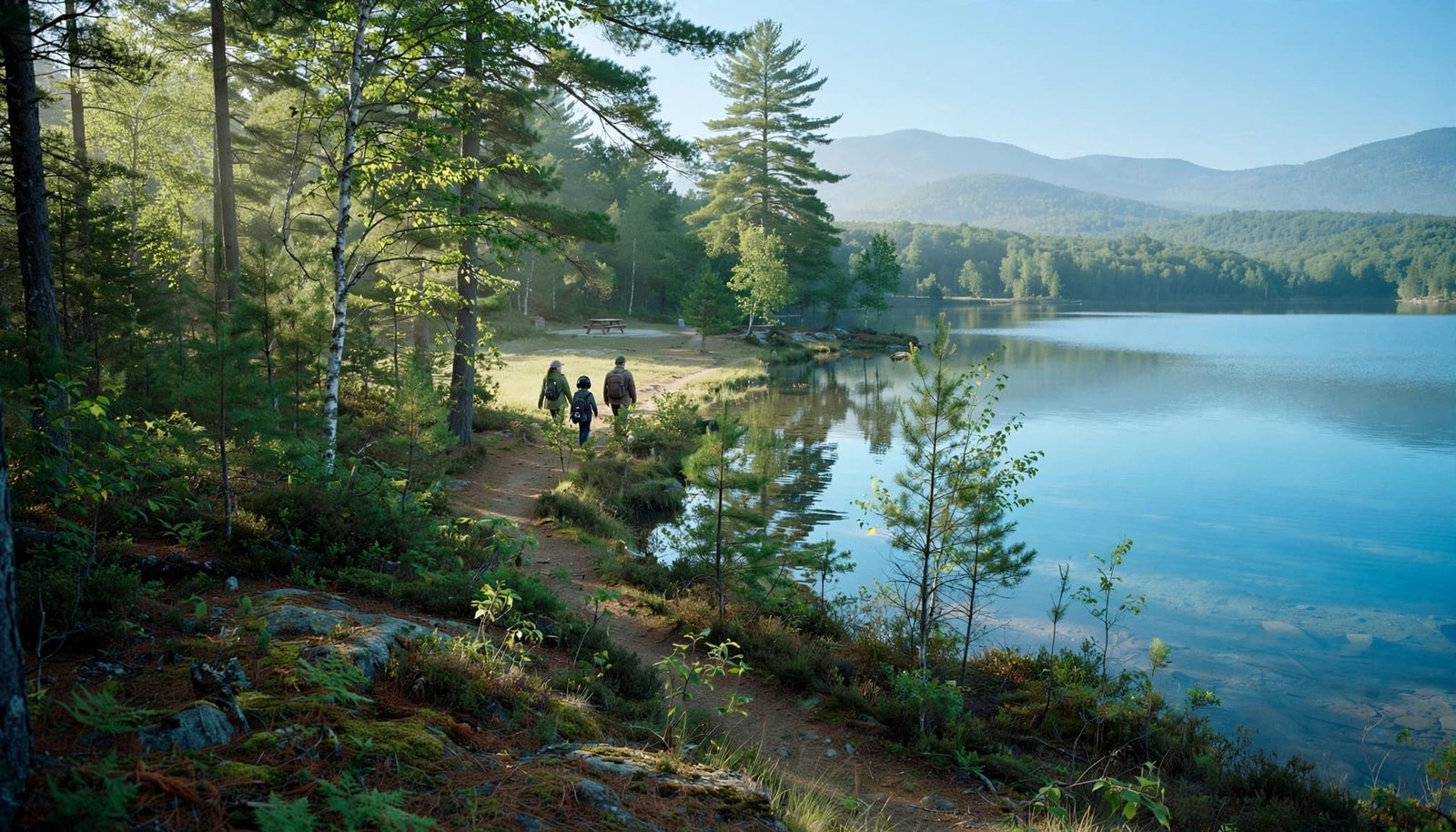
Squam Lakes Natural Science Center, Holderness
Squam Lakes Natural Science Center offers a Live Animal Exhibit Trail and KultureCity sensory supports. Families can borrow sensory bags with noise-canceling headphones, fidgets, and verbal cue cards.
The center recommends visiting after 12:30 p.m. for a quieter experience. That is a visiting suggestion, not a designated quiet hour or a guarantee.
Its published trail season runs May 1 through November 1, with last admission at 3:30 p.m. Confirm conditions and hours before driving.
The trail is wheelchair accessible, but loose gravel can make some sections harder to travel. Ask about the route and mobility equipment if walking distance or terrain affects your family’s plans.
Coastal or Lakeside Walks
Odiorne Point State Park in Rye offers coastal scenery and outdoor exploration. Lake Massabesic, near Manchester and Auburn, is another option for families who enjoy watching water and taking a short walk.
Neither location is guaranteed to be low-sensory, and a shoreline walk doesn’t necessarily include supervised water activities. Check parking, trail conditions, restroom availability, and weather.
Choose a clear turnaround point before starting. A brief walk followed by a familiar snack gives the outing a predictable ending.
Around water, agree on supervision responsibilities and boundaries before anyone leaves the car. Keep the plan simple enough to follow when the area becomes busy.
What Works for Older Autistic Teens?
An older teen should help shape the family trip around their interests and preferences. A children’s play space may have helpful sensory adjustments but still feel too young.
Ask what they want to do and what support they want nearby. Space exhibits, wildlife observation, coastal walks, and photography may offer more appealing choices. Give teens control over headphones, conversation, breaks, and how closely caregivers stay when safety allows.
Train enthusiasts may be interested in the Mount Washington Cog Railway. This requires a different level of planning than a short museum visit.
The summit round trip takes three hours. Coaches require boarding by three steps and have narrow aisles and doorways. Families can request seats near the boarding end in advance by calling 603-278-2259.
Consider mechanical noise, weather, and the limited ability to leave during the journey. No sensory-friendly hours or quiet spaces are confirmed here.
A train interest doesn’t automatically make a three-hour ride manageable. Match the full journey to your teen’s comfort with sound, enclosed seating, and waiting.
Avoid treating a teen’s age as a reason to remove familiar supports. Comfort items and communication tools belong wherever they help.
Pack Familiar Supports and Practice for Bigger Trips
Preparation works best when it uses what already helps at home. You don’t need a new sensory kit for every outing.
Keep Essentials Easy to Reach
Pack familiar snacks, water, medication, communication tools, headphones, a comfort item, and spare clothing as needed. Keep charging cords and a battery pack with the devices they support.
Carry supplies into the attraction rather than leaving everything in the car. Follow your child’s usual meal timing instead of waiting until everyone is hungry.
Our Trip Rescue Shop offers travel items including strollers, organizers, and cleaning supplies for illness during vacation. Choose items for your family’s actual needs rather than packing every possible product.
Use Local Outings to Learn What Helps
A nearby day trip can help you learn whether photos, written instructions, or practice transitions make unfamiliar places easier. Review what worked afterward without turning the outing into a test.
Our Disney transition preparation resource shares ideas for preparing for unfamiliar travel steps.
For a Walt Disney World family vacation, our Disney World With Autism Guide PDF on Etsy and Disney autism guide on Amazon offer family-focused planning ideas.
K&S The Travel Crusaders brings firsthand family experience, real-world travel planning experience, and Kellie’s B.A. in Child Development to personalized vacation planning.
Frequently Asked Questions
Which New Hampshire Museums Offer Sensory-Friendly Programs?
The Children’s Museum of New Hampshire offers Exploring Our Way playtimes. SEE Science Center lists Sensory Friendly Fun Nights. Check current dates, reservation requirements, admission costs, and adjustments directly. A regular visit won’t necessarily have the same reduced attendance, sound, or lighting.
Is an Outdoor Destination Always Quieter?
No outdoor destination can promise quiet. Crowds, wind, traffic, wildlife, and other visitors can affect the experience. Choose a short route, check conditions, and keep access to shelter or the car practical. Your child’s preferences matter more than whether an attraction is indoors or outdoors.
What If We Need to Leave Early?
Follow the exit plan and move to a setting your child finds more comfortable. Use familiar communication and allow recovery time. You don’t need to add another activity to replace the one you skipped. An early departure can protect everyone’s comfort and willingness to try another outing.
Make Your Next New Hampshire Outing Manageable
Autism-friendly day trips start with a plan your family can use. Choose a suitable destination, confirm the supports, and leave space for meals, breaks, and changes.
A comfortable outing may be shorter than expected and still be worth repeating. What you learn can make the next visit easier.
For help planning a larger family vacation, our Concord-based family travel planning offers personalized support built around your family’s needs.
Leave a Reply