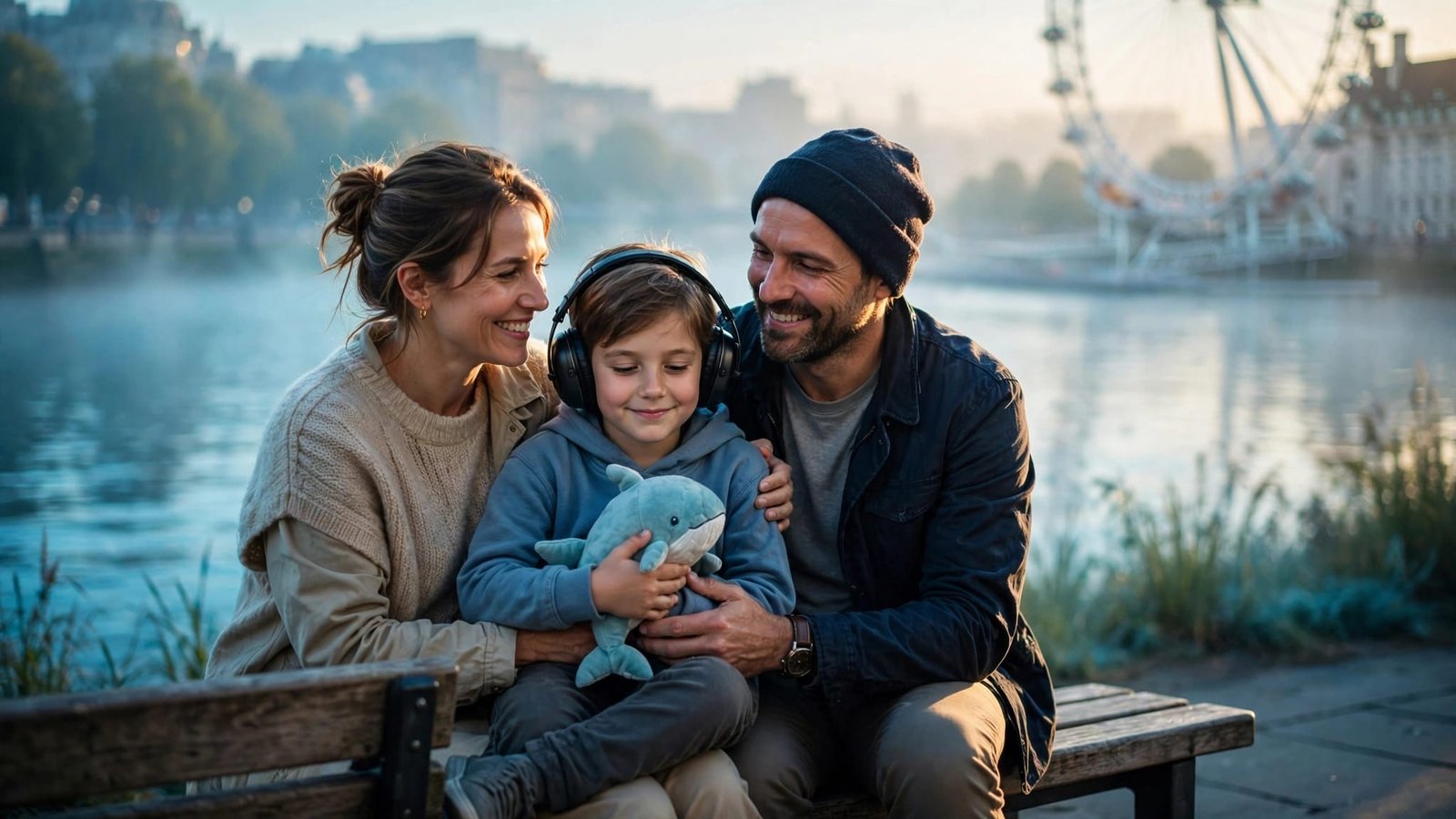
London can be exciting, but its sensory environment may include loud sounds, crowds, bright lighting, travel transitions, and unexpected changes. An autism-friendly London vacation does not need to include every famous landmark to feel special.
The best first-time London trip is built around your child’s real needs. Plan fewer activities, choose a comfortable hotel, bring familiar supports, and leave room to change plans when needed.
A calm child, a rested parent, and one great memory are enough.
Key Takeaways for a London Trip
- Plan one main activity each day, then leave the rest flexible for breaks, changes, or an early return.
- Choose a hotel near your biggest priorities, with easy food options and a comfortable place to reset.
- Check current quiet hours, relaxed openings, carer ticket policies, sensory supports, and accessibility details before buying tickets.
- Bring familiar supports, including headphones, snacks, comfort items, medication, communication tools, chargers, and a simple visual schedule.
- Treat an early exit, skipped attraction, or hotel break as a successful part of the vacation.
- Use public transport, including buses, taxis, rideshares, river boats, and rail. You do not have to rely on the Underground for every trip.
Start With Your Child’s Real Travel Needs
Autistic children, teens, and adults can have very different travel preferences and sensory sensitivities. Some love busy museums, moving trains, and hands-on exhibits. Others need quiet mornings, predictable meals, and a short visit before returning to the hotel.
Consider your child’s communication preferences, sleep, food, toileting, mobility, and tolerance for waiting or transitions. Start with what works at home. Think about restaurants, school outings, long car rides, airports, crowds, and changes in routine.
Build Around the Hardest Part of the Day
Write down the moments that usually feel hardest for your family. It may be getting dressed, waiting in lines, finding a bathroom, trying unfamiliar food, or returning to a hotel at night.
Then plan around that need.
If mornings are easier, book your main attraction early. If your child needs a slow start, choose a later museum entry and keep breakfast familiar. If hotel transitions are hard, stay in one location longer instead of changing hotels halfway through the trip.
Make a Simple Visual Plan
Visual social stories can make a big international trip feel more predictable. Show your child photos of the hotel, airport, train station, neighborhood, and major attraction before you leave. Include toilets, quiet places, and an easy exit in the plan.
Keep the schedule simple:
- Fly to London.
- Pick up bags.
- Ride to the hotel.
- Rest in the room.
- Eat dinner.
- Sleep.
Bring a paper copy too. Phones run out of battery, lose service, or become one more thing to manage during a hard moment.
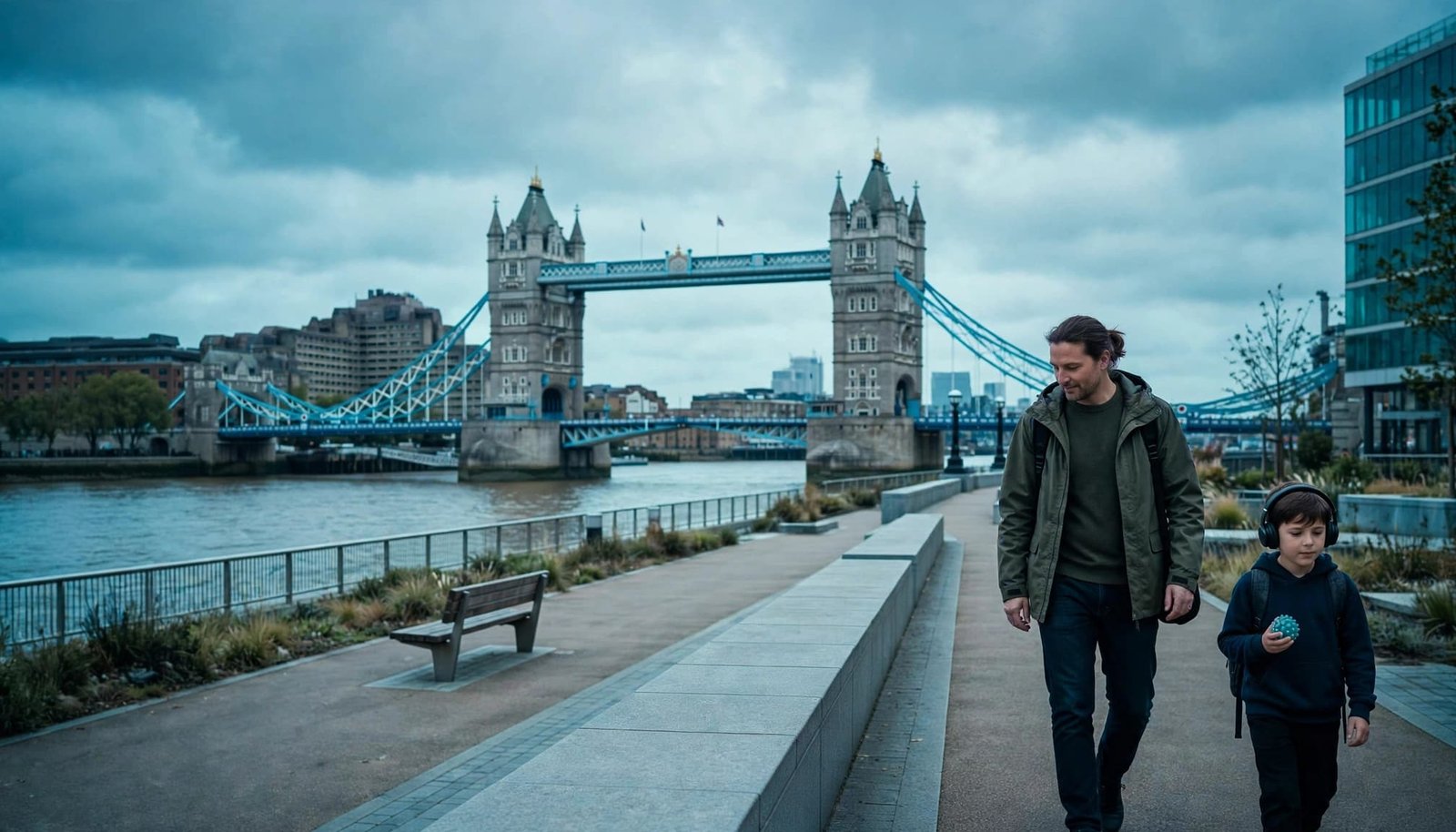
Choose a London Hotel That Supports Downtime
A central hotel may look convenient on a map, but location alone isn’t enough. Your room needs to work as a reset space after crowds, travel, and long walks.
Ask about room location before booking. A room away from elevators, ice machines, busy lobbies, and street noise may help everyone sleep better.
Look for the Features Your Family Uses
Before booking, confirm that the route from the entrance to the room has step-free access. Ask whether the bathroom is genuinely wheelchair accessible for your family’s needs, and check the room dimensions and bathroom layout.
A refrigerator can make a major difference when your child relies on familiar foods, drinks, or medication. A kitchenette, nearby grocery store, or supermarket delivery option can also reduce restaurant pressure.
Confirm elevator reliability, blackout curtains, laundry, and nearby grocery options. Ask the hotel to record your room location and key requests in writing. Quiet-room requests aren’t guaranteed, but asking early can help.
Pick a Neighborhood With Easy Exits
You don’t need to stay beside every attraction. Choose a hotel close to your family’s biggest priority, with an easy transport route and a realistic retreat back to the room.
South Bank is useful for the London Eye area, riverside walks, and open space. Kensington puts you near major museums and Hyde Park. Waterloo can work well for rail links, buses, and the river.
A hotel break isn’t lost vacation time. For many families, it’s what makes the next outing possible.
Best Autism-Friendly London Attractions for Families
Some accessible attractions in London may suit your family, alongside venues offering family resources or special events. Programs may include a sensory backpack, quiet sessions, or family events, but details can change. Review each venue’s current accessibility guide for access, seating, bathrooms, step-free routes, crowd patterns, and re-entry rules. Confirm all details directly before visiting.
Choose attractions based on your child, not a must-see list.
Natural History Museum and Dawnosaurs
The Natural History Museum can feel busy during regular hours, especially around popular dinosaur displays. For families who prefer a lower-demand visit, check the museum’s Dawnosaurs: Relaxed Morning Visit information.
When confirmed by the current official listing, Dawnosaurs is a free event intended for neurodivergent children, including children with autism and sensory-processing differences. Dates and booking arrangements can change, so check the current official calendar before building your trip around it.
Even during a regular visit, choose a few exhibits instead of trying to see the whole museum. Identify exits, bathrooms, seating, and quieter galleries before your child reaches their limit.
London Transport Museum
This museum is a strong choice for children who love buses, trains, maps, and hands-on exhibits. It can also be a good first activity because it offers a gentle introduction to London transportation.
The museum offers special sessions outside usual opening hours for families with special educational needs and disabled children. Check its current Families with SEND information before booking.
Keep the visit short if your child is already adjusting to a new time zone, hotel, and city. You can always return another day.
Postal Museum, Tower Bridge, and Maritime Options
Interactive exhibits and trains may make this a good fit for some children. Review current details for a Postal Museum sensory-friendly visit. Then call the museum directly about sensory supports, Mail Rail requirements, toilet locations, break spaces, and booking rules.
Only plan around a current date confirmed by the official site. Use the Relaxed Opening at Tower Bridge listing as a starting point, then confirm details directly with the venue.
The National Maritime Museum in Greenwich can also work well for families who want more open space around a museum visit. Greenwich Park gives you a lower-demand outdoor backup if indoor exhibits become too much, but outdoor space doesn’t guarantee the sensory support your child needs.

Ask Direct Questions Before You Buy Tickets
A venue may be wheelchair accessible without being low-sensory. Another attraction may offer a sensory backpack or sensory room, but only during certain programs. Families need current accessibility information that matches their child’s needs.
Call, email, or use the venue’s accessibility contact page to request current accessibility information before booking. Ask staff to confirm what’s currently available and explain venue-specific wording, such as “disabled facilities.”
Questions That Can Save a Hard Day
Ask whether there are quiet spaces, a sensory room, lower-light areas, or places to take a break. Find out if guests may leave and re-enter after a reset.
You can also ask about noise-cancelling headphones, sensory kits, visual social stories, food rules, accessible toilets, changing facilities, and stroller rules.
Do not assume a sensory room or toolkit will be available because it was mentioned online months ago. Supplies, staffing, and program schedules can change.
Carer Tickets and Access Cards
Many museums have free entry, but special exhibitions and ticketed attractions may have different rules. Free carer tickets, companion admission, proof requirements, and advance reservations vary by venue.
A sunflower lanyard may communicate a need related to hidden disabilities. It’s optional, doesn’t prove entitlement, and should never be imposed on a child.
There is no single disability access card that works everywhere in London, and a ride access pass isn’t a universal scheme. Some providers use that term for specific rides or experiences, so check the provider’s policy before buying tickets. Keep confirmation emails, relevant documentation, and booking details together in your day bag.
A free carer ticket is helpful, but it does not replace a flexible plan, easy exits, and enough time to reset.
Getting Around London With Sensory Sensitivities
Public transport can work well for some families. It can also bring crowds, sudden announcements, delays, stairs, ticket barriers, and long walks through stations.
The best route depends on your child’s needs and energy that day, not simply on speed.
When Buses, Rail, or the Tube May Work Better
London buses can offer a simpler ride because you can see where you are going and get off when needed. They may still be busy during school-run and commuter times, so leave room for a change.
The Underground is fast but can be noisy and crowded. Choose fewer transfers when possible. Check the complete route, current lift status, and step-free access on the day. Don’t assume every station offers the same facilities.
The Elizabeth line, London Overground, DLR, and river boats may feel easier for some families because they can offer more room, daylight, or a clearer sense of movement. They can still involve busy platforms, stairs, or longer walks. A taxi or rideshare is always a reasonable backup when everyone needs a break.
Use Transport Assistance When You Need It
Transport for London staff are trained to assist passengers who need extra support. Check official TfL sources before travelling for current policies, including turn-up-and-go assistance on the Underground, London Overground, and Elizabeth line.
DLR assistance arrangements may differ, so check the latest TfL guidance if you plan to use it. TfL also offers travel support cards and “Please offer me a seat” cards that may help when communication is difficult.
A sunflower lanyard may help explain that someone needs patience or support. It doesn’t guarantee priority, access, or staff recognition. Confirm whether a specific provider recognizes it, and never make your child wear one if it feels uncomfortable.
Have a Plan for an Overwhelming Journey
Choose a clear meeting point before entering a large station. Give each adult a role, and identify a nearby toilet or quiet place.
If the journey becomes too much, step outside the station, find somewhere quiet, stop for a snack, or switch to a taxi. A changed route is not a failed day.
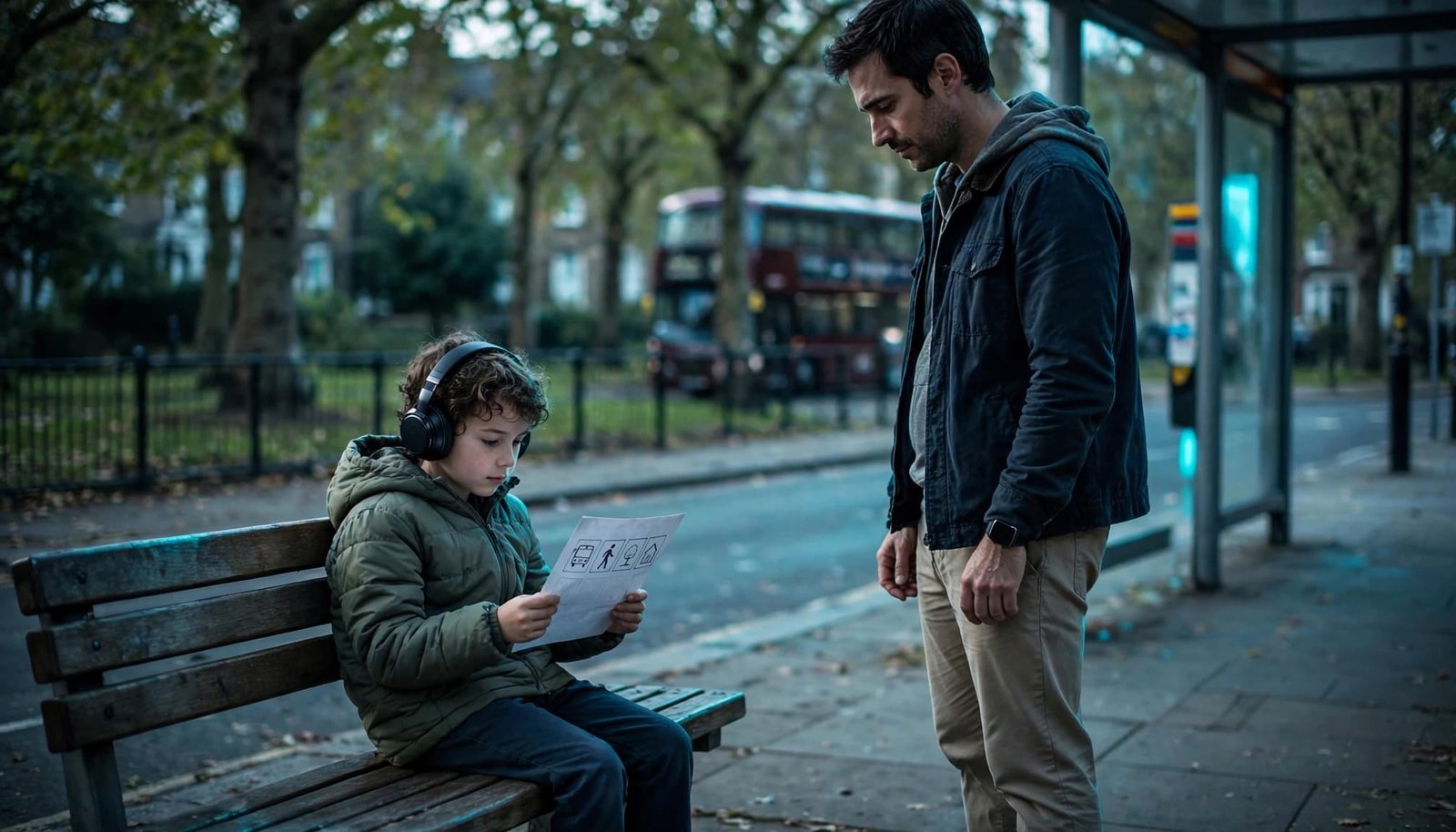
Add Outdoor Breaks to Every London Day
London has many parks, squares, river paths, and open areas. These are not filler activities. They can provide a sensory-friendly reset between busy attractions, but they are not guaranteed to be quiet. Crowds, events, and weather can change the experience.
Keep one nearby outdoor option in mind before each outing. Check for benches, shade, toilets, food options, paths, and an easy exit route.
Easy Central London Reset Spots
Hyde Park is close to the museums in Kensington. It has wide paths, benches, water, and room to move. St. James’s Park is near Buckingham Palace and can offer a calmer break before or after sightseeing.
The South Bank has river views, benches, and space to walk. It can still be busy, especially on weekends, so morning visits may feel easier.
Greenwich Park is a good choice after the National Maritime Museum. It gives your child room to move, sit, eat familiar snacks, or leave a museum visit early without ending the day.
If the weather changes or a park feels too busy, use a backup plan. Return to the hotel, choose a quiet café if appropriate, or take a short transport ride back to base.
Keep Food Familiar and Flexible
A hungry child in a crowded restaurant may have little patience for an unfamiliar menu or a long wait. You don’t need every meal to be a London food experience.
Pack preferred snacks. Find a grocery store near the hotel. Keep breakfast predictable when possible. A hotel-room meal, simple takeaway, or repeated safe food may be more supportive than insisting on a new dining experience.
Relaxed Screenings and Performances Need a Current Check
Relaxed screenings and performances can be comfortable options after a busy sightseeing morning. These events often have adjusted lighting, lower volume, and more flexible expectations around movement or noise.
The details vary by cinema, theater, production, and date.
What to Ask a Cinema
Before booking, ask whether lights stay partially up, sound is reduced, and trailers are shown. Check whether families can choose flexible seating, move around, or leave and re-enter.
Ask about a quiet waiting area, nearby toilets, and a place to step out without missing the entire event.
A screening that works for one child may not work for another. Some children enjoy the larger screen and shared experience. Others may prefer a quiet evening in the hotel after a full day.
Check Theater Details Before Promising a Show
A performance may be sensory-friendly, but it isn’t automatically suitable for every child. London theater can involve long waits, crowded lobbies, loud applause, dark rooms, and unfamiliar seating.
Contact the venue about expected crowd levels, lobby noise, applause, darkness, and a nearby retreat space. Review official access information before promising a show.
Check current listings, show length, late seating rules, and cancellation policies. Use official venue calendars first, while the Natural History Museum SEND sessions listings are a useful reminder that sensory-adapted programs are often date-specific.
A Manageable Three-Day London Itinerary
A first-time family visit does not need to be packed. Use this flexible template, then adjust it around sleep, weather, energy, and your child’s interests.
Day One: Settle In and Keep It Small
Arrive at the hotel, unpack familiar items, and let your child see the room. Choose an easy nearby meal or grocery stop. If the area feels crowded, use a taxi instead of public transport.
If everyone has energy, take a short neighborhood walk or visit a nearby park. Keep the hotel as your early-exit route and low-demand backup. Do not add a major attraction on arrival day unless your family knows that travel days go well.
Day Two: Pick One Museum or Landmark
Choose one main visit, such as the natural history museum or transport museum. Check opening times, booking requirements, quiet or relaxed programming, toilets, and break areas before you go.
Plan for larger crowds during school holidays and weekends. Use a familiar lunch, then return to the hotel for a reset. If the visit becomes too much, leave early by taxi or a simple public transport route. A hotel room, pool, favorite snack, or movie can be the afternoon backup.
Day Three: Choose a Favorite Interest
Let your child choose the focus. It may be Tower Bridge, a bus ride, Greenwich, a London park, or revisiting a favorite exhibit. Check any relaxed opening or ticket arrangement before committing.
Keep the rest of the day open for souvenirs, a preferred food, and packing. Plan an early route back to the hotel, with a park, café, or favorite meal as a low-demand alternative. A favorite repeat activity is often better than one more crowded attraction.
Pack a London Day Bag That Works in Real Life
Bring the items your child already uses at home. Vacation isn’t the best time to test new headphones, fidgets, or unfamiliar snacks.
Keep essentials easy to reach, especially during transportation delays or long attraction lines.
- Pack familiar noise-cancelling headphones or ear defenders, comfort items, familiar snacks, and a refillable water bottle.
- Bring medications, toileting supplies, extra clothing, wipes, and any medical information you may need.
- Carry communication devices and chargers, plus a low-tech backup such as paper contact information and a visual schedule.
- Divide key supplies between adults when possible, so one lost bag doesn’t ruin the day.
- Add portable phone chargers, identification information, and a small first-aid kit.
For strollers, travel organizers, cleaning supplies, and practical items for sick days away from home, visit the K&S Travel Rescue Shop.
Extra Support for Future Autism-Friendly Travel
The same planning habits can support trips to London, Disney, cruises, road trips, and family vacations closer to home. Familiar food, flexible expectations, planned breaks, and a backup transportation option can reduce stress in many destinations.
K&S The Travel Crusaders offers accessible vacation planning support shaped by real family travel experience and Kellie’s B.A. in Child Development. Planning support can help organize a trip, but it can’t guarantee sensory access or a successful experience.
If Disney World is also on your family’s travel list, the Disney World With Autism Guide on Etsy includes family-focused planning ideas for park days, breaks, and accessibility needs. Check the listing for current details before buying. The guide is also available on Amazon.
Frequently Asked Questions
What makes London autism-friendly for a family vacation?
London has museums, parks, public transportation choices, and some sensory-friendly programs. The best plan depends on your child’s sensory needs, communication style, mobility needs, food preferences, and comfort with crowds.
A smaller itinerary, convenient hotel, familiar supports, and flexible expectations can make the city feel much more manageable.
Which London attractions offer quiet hours for autistic children?
The museum offers Dawnosaurs relaxed morning visits on selected dates. The London Transport Museum also runs special sessions for families with SEND outside regular opening hours.
These relaxed or low-demand sessions are date-specific and may require advance booking. Check the official venue website before purchasing tickets.
Tower Bridge may offer a relaxed opening on confirmed dates, but general suggestions aren’t a guarantee. Check the attraction’s current calendar before planning your visit.
Is there a ride access pass for London attractions?
A ride access pass isn’t a universal London entitlement. Ask the specific attraction or ride provider about its access arrangements, eligibility, documentation, and booking requirements.
Is the London Underground manageable for autistic children?
It can be manageable when your child is comfortable with noise, crowds, and quick transitions. Choose fewer transfers, allow extra time, and check elevator status before leaving the hotel.
Buses, rail services, river boats, taxis, and rideshares may be better options on harder days. You don’t have to use the Tube because it’s the traditional London choice.
What should we do if an outing becomes overwhelming?
Leave early, use a toilet or quiet seating area, offer familiar food, or take a taxi back to the hotel. A hotel reset can be more helpful than continuing the outing.
Your family doesn’t need to push through a hard moment to make the outing count. A flexible change of plans and an early exit are part of a successful vacation.
Build the London Vacation Around Your Family
The best autism-friendly London trip isn’t measured by how many landmarks you visit. It’s measured by comfort, safety, flexibility, and memories your family can enjoy.
Choose fewer priorities. Plan real breaks, keep familiar supports close, and give yourself permission to leave or change plans. When your child’s needs set the pace, London can feel more comfortable and enjoyable for everyone.
Leave a Reply