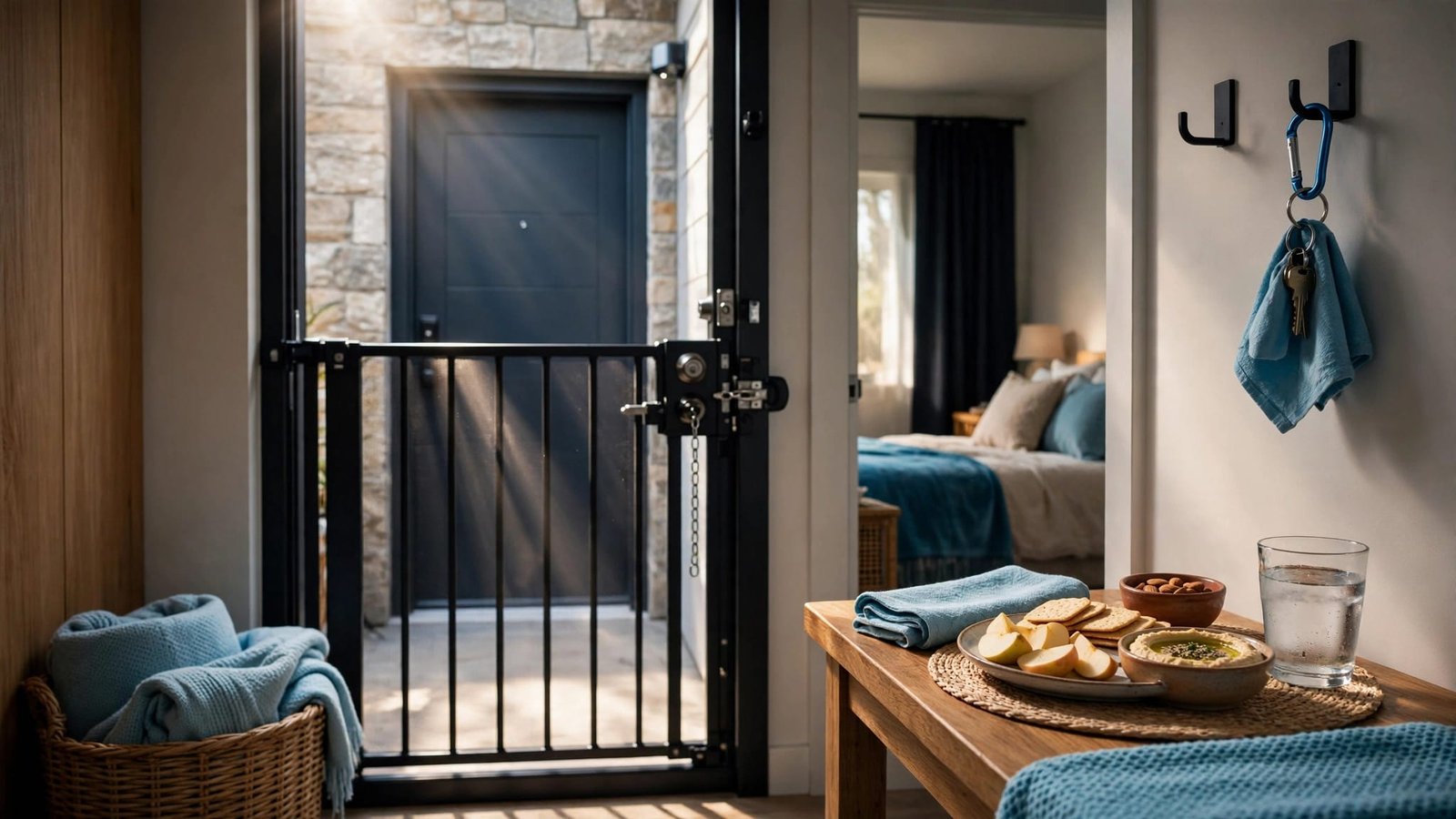
A rental can look peaceful in photos and still have an unlocked gate beside a busy road. When you’re choosing an autism-friendly vacation rental, the details behind the listing matter more than the label.
You know what helps your child, teen, or traveling companion feel safe and comfortable. Ask about those needs before you pay, and get clear answers you can use when you arrive.
Start With Your Traveler’s Needs
Before you search, write down the two or three things that could make a stay difficult. For one traveler, it’s an unfamiliar door that opens straight onto a street. For another, it’s a loud air conditioner, strong cleaning fragrance, or no place to prepare familiar food.
Include what helps, too. Needs vary from one traveler to another, including within neurodivergent families. Does your traveler have sensory sensitivities to noise, light, or fragrance, or need a dark bedroom, room to move, a predictable morning routine, or a private place to take a break? Ask them what matters when they can take part in the decision.
A listing that says “family-friendly” won’t answer these questions for you. Describe the feature you need, then ask the host to confirm it for that property. You can share practical needs without sending a detailed medical history.
Ask About Doors, Gates, Pools, and Nearby Roads
If someone in your group may leave an unfamiliar space without telling you, start with the property boundaries. Leaving may be a response to sensory overload, a communication need, or interest in a nearby place. A safety plan should protect independence and choice while helping everyone respond quickly.
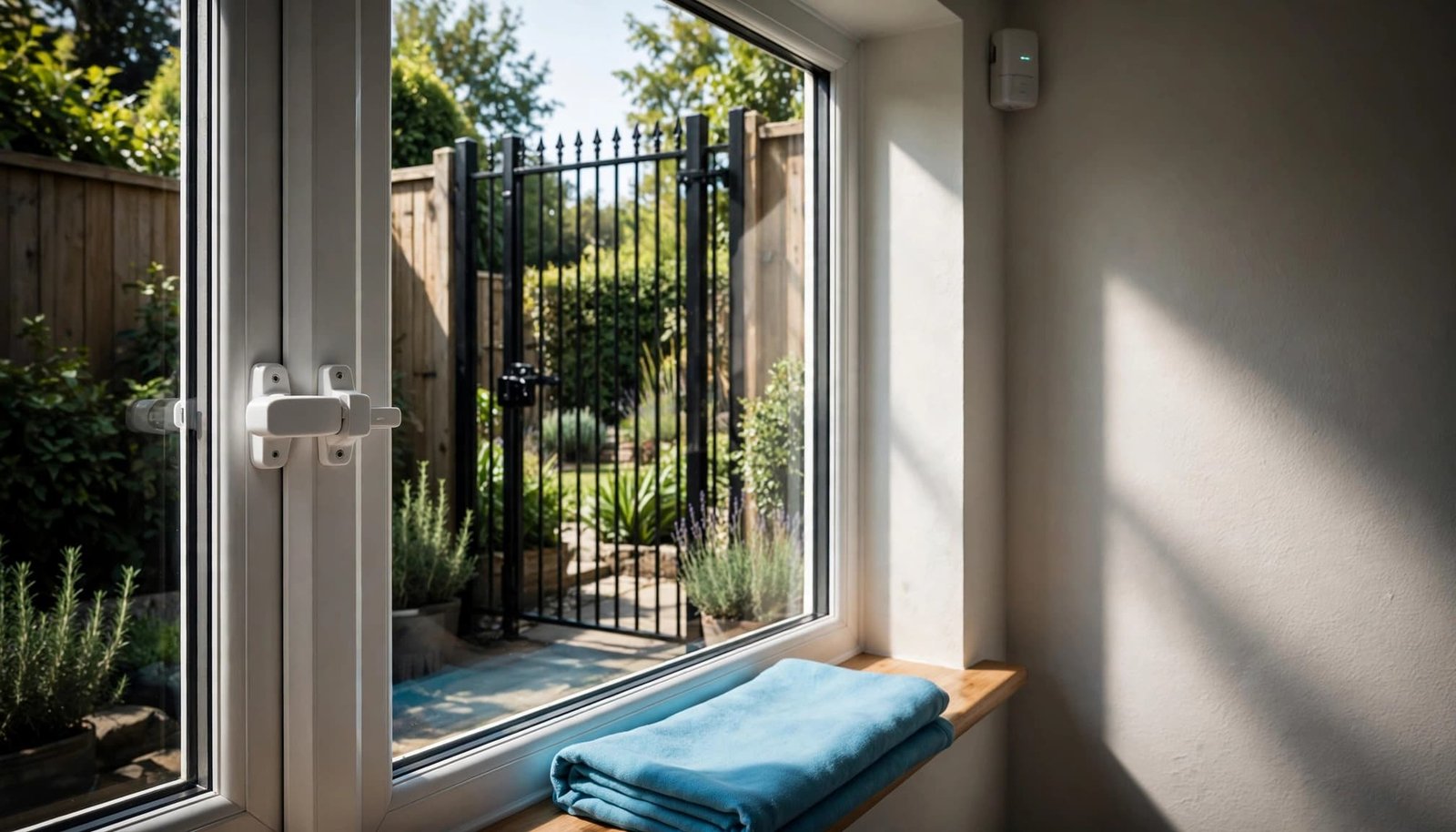
Which exits can the traveler reach?
Ask for current photos or a short video of exterior doors, windows, balconies, and gates. Is the yard enclosed by a privacy fence? Can the gate be opened easily? Does a bedroom door lead directly outside? Are there door chimes or window locks, and may guests use them?
Ask which safety features are in place, then verify how the gates, locks, and barriers actually work. A fence alone doesn’t confirm a secure boundary or make a pool safe. Confirm the pool barrier, its gates, and the route to nearby water or traffic. Any added safety device must comply with property rules and allow safe emergency exit. The Autism Society’s wandering-prevention guidance can help you think through the risks that apply to your traveler.
What would you do if someone left?
Ask the host for the exact address, the closest road or water hazard, and any tricky access directions emergency responders might need. Save a recent photo and a short description of how your traveler communicates. Give each adult a clear supervision role, especially while unloading the car or using the pool.
The Autism Speaks wandering-prevention resources include an elopement alert form. If someone goes missing, contact local emergency services immediately and share likely destinations and nearby hazards.
Check the Sensory Setup Before You Pay
A quiet-looking bedroom may face a parking lot. A bright living room may have only overhead lighting. If your traveler has sensory sensitivities, ask what you can control once you’re inside.
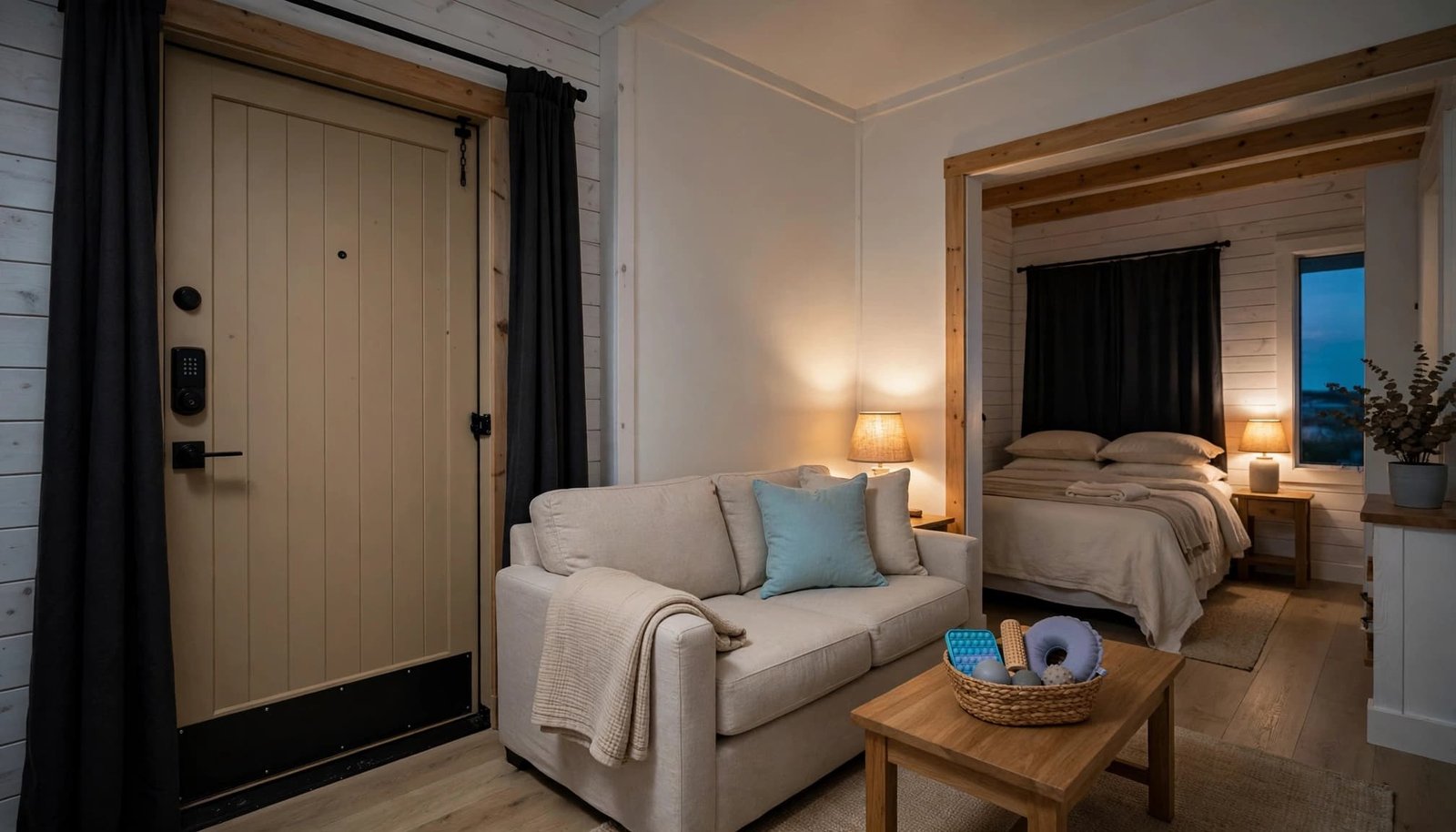
What will you hear, see, and smell?
Ask whether bedrooms face a road, shared pool, elevator, or neighboring unit. Check for construction, outdoor music, and noisy heating or cooling equipment. Can you turn off decorative lights, adjust the thermostat, and use lamps instead of bright ceiling fixtures?
If fragrance is a concern, ask which cleaning products and air fresheners are used. A host may be able to skip plug-ins or scented sprays, but confirm what’s possible between guests. Simple furniture and fewer breakables can make a space easier to use; photos help you judge the layout.
Is there a place to reset?
Ask whether curtains block enough light for sleep and whether there is a room away from the main living area. A quiet space may help if your traveler experiences sensory overload, though needs vary. If the listing mentions a sensory kit, weighted blanket, or noise machine, confirm it’s still available and suitable for your traveler.
Bring familiar supports that already work at home. Noise-canceling headphones, a pillowcase, or a comfort item may be more useful than an unfamiliar product left by the host.
Will the Layout Support Sleep, Food, and Accessibility?
A short-term rental can offer more control than a hotel room, but its layout needs to fit your family’s routines. For a family vacation, an open floor plan may be difficult if one person needs quiet while another needs room to move.
Can everyone sleep and eat comfortably?
Confirm the number of separate bedrooms, bed sizes, and whether a sleeper sofa is in the main room. Ask about blackout curtains, laundry, a refrigerator, a microwave, and enough kitchen space for preferred foods.
Check bedtime details that matter to your group. Is the bathroom fan loud, and are the lights adjustable? Can you reach the kitchen without passing through someone’s sleeping area? These small details can matter after a full travel day.
Is the property usable for your whole group?
If someone uses a stroller or mobility aid, ask about steps, doorway widths, parking distance, and bathroom access. For accessible properties, confirm the features you depend on with measurements, since “accessible” can mean different things to different hosts.
Ask how you get from parking to the front door, especially if you might arrive in the dark. A shorter route can make unpacking and transitions easier.
What Does “Autism-Friendly” Mean in This Listing?
Some hosts use “autism-friendly” to describe a thoughtful setup. Others may mean they have autism awareness or welcome questions. Ask what “autism-ready” means to them, which features are available now, and what they can accommodate before arrival.
IBCCES offers a Certified Autism Center program for hotels and resorts that includes autism-focused training. Its Certified Autism Destination program concerns destinations. Neither designation, on its own, confirms an individual property’s secure fence, quiet bedroom, or fragrance-free cleaning.
If a listing claims a certification, ask who issued it and which parts of the property it covers. Then return to your own questions. General autism awareness is useful, but an answer about the bedroom window or pool gate helps you decide.
Send the Host a Short Message Before Booking
You don’t need to write a long message about a short-term rental. A few direct questions give the host room to answer clearly and help you compare properties.
- “Are the yard and pool enclosed, and can you send current photos of the gates and exterior doors?”
- “Do the bedrooms face a road, pool, shared wall, or other regular source of noise?”
- “Can you avoid scented air fresheners before our stay, and what cleaning products do you use?”
- “Are blackout curtains, a refrigerator, and separate sleeping spaces available as shown?”
- “Are there stairs, parking restrictions, or construction to know about? Are there rules for temporary safety equipment, such as a child-proof lock, or requirements to keep emergency exits clear?”
Ask follow-up questions when an answer is broad. “The property is safe for children” doesn’t tell you whether the back gate latches. Save the response in your booking messages so you can refer to it later.
Before paying, review the cancellation policy, extra fees, check-in time, and rules for changing dates. If early check-in would make arrival easier, ask whether it’s possible. Don’t build your plan around it until the host confirms.
What Should You Check When You Arrive?
Before you unpack everything, walk through the rental with another adult if possible. Test the curtains and lights. Listen in the bedrooms. Check gates, exterior doors, and the route to water or traffic. Keep the traveler with a designated adult during this check.
If something promised is missing, contact the host promptly through the booking platform. Be clear about what you need: “The bedroom curtains don’t block light as described. Is there another solution available tonight?” Save the messages and photos if the issue affects whether you can stay.
Keep your safety plan close, too. The National Autism Association’s Big Red Safety Box is a free resource for autism families who need wandering-safety tools. No alarm or tracker replaces supervision and a plan everyone understands.
Keep Outings Flexible Around Your Rental
A comfortable rental gives your group somewhere to return when an outing becomes too much. Leave room in the day for familiar meals, a quiet break, or an early night. For autism travel at Walt Disney World, our Disney World autism guide helps you plan flexible days at the theme parks, with breaks.
Our Disney planning ebook is available as a PDF on Etsy and on Amazon. For travel supplies, including strollers and cleanup items for an illness away from home, visit the Trip Rescue Shop.
At K&S The Travel Crusaders, our approach to inclusive travel is shaped by firsthand family experience, real-world travel planning, and Kellie Neff’s B.A. in Child Development. Your traveler’s needs set the pace.
Key Takeaways
- Ask about specific features, not only an autism-friendly label.
- Confirm exits, outdoor boundaries, nearby hazards, and supervision plans before booking.
- Check noise, lighting, scent, sleep, food, and accessibility needs in writing.
- Inspect the property when you arrive and speak up early if it differs from the host’s answers.
Frequently Asked Questions
What makes a vacation rental autism-friendly?
It fits the traveler’s needs for safety, comfort, communication, food, sleep, and breaks. That might mean a secure outdoor space for one family and a quiet bedroom with a kitchenette for another. Ask what the rental offers instead of expecting one standard setup.
Should I ask a host to install a child-proof lock?
Ask about existing locks and whether a suitable temporary device is permitted. Don’t install or change anything without the host’s approval. Any setup must allow safe exit in an emergency. Supervision and an agreed response plan still matter.
Do I need to tell the host about an autism diagnosis?
You can focus on the accommodation you need: a quieter bedroom, fewer fragrances, photos of gates, or clear arrival instructions. Share personal information when you choose to, and keep the request practical.
Book the Place That Answers Your Questions
A listing photo can’t tell you how the gate closes or what you’ll hear at bedtime. Clear answers can.
Choose the rental that fits your traveler’s needs and gives you a workable plan for arrival, rest, and safety. That’s a stronger start to a comfortable vacation than any label on its own.
Leave a Reply