Blog

  • Planning a Disney World Vacation from Concord/Manchester NH: A Local’s Guide

    Planning a Disney World Vacation from Concord/Manchester NH: A Local’s Guide

    Planning a Disney World vacation is a massive undertaking, but for families living in the Concord and Manchester, NH areas, the logistics start long before you see Cinderella Castle. As local travel agents and special needs experts, we’ve navigated the trip from the Granite State to the Sunshine State dozens of times.

    Here is our local’s guide to making your next Disney trip stress-free, from the best local airports to navigating sensory challenges.

    1. MHT vs. Logan: Which Airport Wins?

    For most families in Concord or Manchester, the choice usually comes down to Manchester-Boston Regional Airport (MHT) or Boston Logan (BOS).

    Why we love MHT: It is significantly less crowded, which is a major win for families with autism or sensory sensitivities. Security lines are shorter, and the walk to the gates is manageable. Southwest, Breeze Airways, and Spirit offer direct or easy-connecting flights to Orlando (MCO).

    When to choose Logan: If you are looking for more flight times or potentially lower fares on JetBlue or Delta, Logan is the better bet—but factor in the 1-hour drive and the potential for a high-sensory, high-stress airport environment.

    2. Avoiding the NH School Vacation Rush

    If you want lower crowds and lower prices, the secret is avoiding the New Hampshire school vacation weeks. Typically, the NH winter recess (late February) and spring recess (late April) see a huge spike in travel from our area.

    Our Pro Tip: If your schedule allows, try early May or early November. The weather in Orlando is beautiful, and you’ll avoid the massive crowds that flock to the parks when NH schools are out.

    3. Sensory-Friendly Prep Before You Leave NH

    As parents of children with autism, we know that preparation starts at home. Use the quiet of our New Hampshire neighborhood to practice with noise-canceling headphones and visual schedules.

    Before you go, make sure to Download our Disney World with Autism Guide (PDF). It’s a 57-page roadmap we built specifically to help families like yours navigate the 2026 DAS Pass rules and find quiet spots in every park.

    4. Let a Local Expert Handle the Details

    Why spend your weekends stressing over dining reservations and Lightning Lane tiers? As a specialized travel agency in Concord, NH for Disney, we handle the heavy lifting for you. We build custom itineraries that match your family’s unique energy levels and needs.

    Ready to Plan Your Magic?

    We offer free 15-minute consultations for local families. Let’s talk about your dream trip and how we can make it stress-free.

    Book Your Free Consultation

  • Disney World Autism Transportation: Bus, Monorail, and Skyliner Tips

    Disney World Autism Transportation: Bus, Monorail, and Skyliner Tips

    A day at the Walt Disney World Resort can feel manageable until it is time to leave. The heat, tired feet, waiting crowds, and a change in routine can make transportation one of the hardest parts of the day for autistic travelers and their families.

    Disney World autism transportation does not need to be a surprise. When you know what each option feels like, where the busiest moments happen, and when it is okay to choose a different route, you can build a calmer vacation for guests with disabilities and their families.

    A good transportation plan starts before your first park day, not when everyone is already tired at the bus stop.

    Key Takeaways

    • Resort transportation options like Disney buses, the monorail, and the Disney Skyliner provide distinct experiences, as each carries different noise levels, crowd volumes, and waiting patterns for those with neurodivergent disabilities.
    • Resort location matters. A hotel with monorail, Skyliner, or walking access can reduce stressful transportation time.
    • Leave the park before the biggest nighttime crowd when possible, especially after fireworks or a late show.
    • Pack familiar sensory supports, snacks, water, and a portable charger for transportation waits.
    • Disney transportation is accessible for both wheelchair users and guests with ECVs, but loading can take extra time during busy periods.

    Start With a Transportation Plan That Fits Your Family

    Walt Disney World Resort transportation is free for hotel guests, but it is not one-size-fits-all. A bus may be easy for one child and overwhelming for another. Resort transportation options, such as the Skyliner, may feel exciting for one traveler but uncomfortable for someone who dislikes heights or enclosed spaces.

    Before booking your resort, think about how your family usually handles transportation at home. Does your child enjoy trains? Do they need movement breaks? Are loud engines difficult? Does a child with a developmental disability become anxious when routines or plans change?

    Those answers can help you choose a resort and park routine that feels more comfortable.

    A character-themed Disney bus arriving at a sunny, palm-lined resort stop.

    Disney’s resort transportation options include buses, monorails, boats, and the Disney Skyliner. Some resorts have more than one option. That flexibility can be helpful when your first choice has a long line or your child has reached their limit.

    For example, guests at Disney’s Pop Century Resort and Disney’s Art of Animation Resort can use the Skyliner for EPCOT and Disney’s Hollywood Studios. Guests at Disney’s Contemporary Resort can walk to Magic Kingdom. Disney’s Polynesian Village Resort, Grand Floridian Resort & Spa, and Contemporary Resort have monorail access.

    A shorter route does not solve every sensory concern, but it can reduce the number of transitions in your day. Fewer transitions often mean fewer chances for stress to build.

    The easiest transportation option is usually the one that gets your family where they need to go with the fewest waits, transfers, and surprises.

    Keep your plan flexible. If the bus line is long and your child is struggling, it may be time for a snack break, a quiet spot near the resort lobby, or a paid ride through Lyft or Minnie Van service. If your child uses a stroller as a wheelchair tag for sensory security, ensure you allow extra time for loading and unloading during these transitions.

    How Disney Transportation Can Feel for Autistic Travelers

    Each transportation option offers a unique sensory profile, and carefully considering every sensory element of your journey can make a significant difference for guests with disabilities. Knowing the general pattern ahead of time can help you prepare your family so the ride feels predictable rather than overwhelming.

    Transportation OptionWhat It May Feel LikeHelpful Preparation
    Disney busBusy loading area, engine noise, standing passengers, possible wait outsideHeadphones, shade, a familiar snack, and a visual wait plan
    MonorailTrain sounds, platform announcements, crowded cars after fireworksSit away from doors, travel earlier, and use headphones if needed
    Disney SkylinerGentle movement, enclosed gondola, heights, changing viewsWatch videos before the trip and explain the transfer process
    Ferry boatOpen air, water movement, crowding near loading rampsChoose a rail or outer edge with more personal space
    Minnie Van or rideshareSmaller space and fewer people, but a paid optionUse when crowds or timing are becoming too difficult

    The right choice can change during the trip. A child who loves the Skyliner in the morning may not want it after a loud, hot day at EPCOT. That is okay.

    Transportation is part of the vacation, but it does not need to become another goal to complete. Your family does not need to ride every Disney transportation option for the trip to feel special.

    Disney World Bus Tips for Autism and Sensory Needs

    Disney buses are often the most common way to travel between resorts, parks, Disney Springs, and water parks. They are practical, but they can also be the least predictable option. Wait times for buses can vary significantly, which is an important factor to keep in mind when planning your day.

    Bus stops may be crowded before park opening, after nighttime shows, and when bad weather is moving through the area. There may be people talking, children crying, strollers rolling past, and buses arriving for several resorts at once. For an autistic child, that waiting space can feel harder than the bus ride itself.

    Try to avoid the biggest rush when your schedule allows. Leaving the park 20 to 30 minutes before fireworks end can make a major difference. You will miss part of the show, but you may avoid a long, loud line with thousands of people heading toward the same transportation area.

    At the resort, give your child a simple preview before you walk to the bus stop. You might say, “We are going to wait for the Animal Kingdom bus. We will sit when the bus comes. Then we will ride until we see the park.”

    Keep the language short. A long explanation can feel like more information than they need in the moment.

    Bring supports that your child already uses successfully. Noise-canceling headphones, ear defenders, a favorite small toy, a hoodie, sunglasses, or a fidget can all make the wait feel more familiar. A portable fan can also help during Florida heat, especially at uncovered bus stops.

    Disney buses can carry a wheelchair and an Electric Conveyance Vehicle. Loading a mobility device may take additional time, and that is normal. Let your child know that the bus may pause while a Cast Member helps another guest board. It can help to have a snack or a simple video ready during that pause.

    Bus drivers do not always know every individual need, but they are used to helping families. If your child needs a moment before boarding, ask politely. A calm explanation can go a long way.

    For another caregiver perspective, this special-needs Disney travel discussion shows how many families have similar questions before a first Disney trip.

    Using the Disney Monorail With Sensory Needs

    The monorail can feel more predictable than a bus because it follows a set route and has a train-like rhythm. Many autistic travelers enjoy the movement, window views, and chance to ride something that feels like an attraction. Furthermore, monorail wait times are typically lower than bus wait times, which can be a significant benefit for families.

    Still, the monorail platform can be busy. You may hear recorded announcements, train sounds, crowds moving toward the doors, and people trying to board quickly after Magic Kingdom fireworks.

    The Disney Monorail travels along an elevated track in front of a resort hotel.

    If your child is sensitive to crowd pressure, do not stand directly at the door before the train arrives. Wait back from the platform edge and board after the first rush if there is room. Missing one monorail is usually better than forcing a stressful boarding moment.

    Once inside, choose seating based on what helps your child most. Some travelers prefer a window seat because it gives them something steady to focus on. Others may feel better sitting closer to an adult and away from the doors.

    The monorail route matters, too. The Resort Monorail makes stops at Disney’s Contemporary Resort, Disney’s Polynesian Village Resort, Disney’s Grand Floridian Resort and Spa, Magic Kingdom, and the Transportation and Ticket Center. The Express Monorail skips resort stops between Magic Kingdom and the Transportation and Ticket Center.

    EPCOT’s monorail trip includes a view into the park before arriving at the front entrance. This can be fun, but it may also build excitement before a busy day. If your child gets overwhelmed by anticipation, talk through the plan before boarding. Explain where you will go first after the train stops.

    Monorail stations have elevators and ramps for guests using a wheelchair, stroller, or other mobility device. If boarding takes extra time, let your child know that the train may wait briefly. A Cast Member may occasionally pause the train, but this is done to ensure safety for all guests. Familiar information helps make an unexpected pause feel less confusing.

    Disney Skyliner Tips for Autistic Kids and Adults

    The Disney Skyliner is bright, open, and visually interesting. For some autistic travelers, the gentle ride above the trees feels calming. For others, the movement, height, and enclosed gondola can feel like too much.

    A little preparation makes a difference.

    Vibrant Disney Skyliner gondolas moving through the air above lush Florida landscape.

    Before your trip, watch a short ride video with your child. Let them see what the gondola looks like, how it moves through the station, and what the views look like from inside. Do not promise that it will be easy or fun. Instead, explain what will happen and remind them that you will be with them.

    The Skyliner connects Disney’s Pop Century Resort, Disney’s Art of Animation Resort, Disney’s Caribbean Beach Resort, Disney’s Riviera Resort, EPCOT, and Disney’s Hollywood Studios. Most routes require a transfer at Disney’s Caribbean Beach Resort, while some EPCOT routes may also involve a station change.

    Transfers can be the hardest part. Your child may think the ride is over, only to find another line and another gondola ahead. These station changes can lead to unpredictable wait times, so tell them about the transfer before boarding the first cabin. A simple visual schedule on your phone can help:

    1. Ride in the gondola.
    2. Get off at Caribbean Beach.
    3. Walk to the next line.
    4. Ride again.
    5. Arrive at the park or hotel.

    Skyliner cabins can share space with other guests during busy periods. If your family needs extra room or your child is becoming overwhelmed, ask a Cast Member about waiting for the next available gondola. They cannot always offer a private cabin, but they can often explain the best loading option.

    The cabins do not have air conditioning, although airflow comes through vents and windows. Florida weather matters. Midday heat, bright sun, and a crowded station can make the ride harder than it looks in vacation photos.

    Storms can also pause Skyliner service. If lightning is nearby, Disney may temporarily close the system. Have a backup plan, especially after dinner or near park closing. Buses usually take over when the Skyliner is not operating, but waits may be longer.

    A helpful Disney transportation accessibility overview also highlights that the system is designed to accommodate various needs. If you require a mobility device, you can use the station boarding area, where a Cast Member may utilize a Transfer Access Vehicle to help guests move safely between the station floor and the gondola. Ask a staff member at the station if you have specific questions about boarding with a stroller, wheelchair, or ECV.

    Plan Around the Hardest Transportation Times

    The busiest transportation times are predictable. Park opening, mid-afternoon resort breaks, park closing, fireworks, and rainstorms all bring bigger crowds and longer waits.

    You do not have to plan your whole vacation around avoiding people. Still, a few small adjustments can protect your family’s energy.

    Try arriving at transportation stops earlier than you think you need to. A calm 10-minute wait is easier than rushing toward a departing bus while your child is already upset. Bring water and a small snack, even for short rides.

    After fireworks, decide before the show whether you will stay through the ending. Magic Kingdom’s exit area and monorail lines can become crowded fast. Some families watch from a farther location, leave before the final burst, or skip fireworks on certain nights.

    The best viewing spot is not always the closest spot to the castle. A place near an exit path can make leaving much easier.

    If your child wants to stay for fireworks, plan for a decompression period afterward. Sit on a bench, use headphones, offer water, and wait for the first wave of people to move out. Thirty quiet minutes can be easier than standing shoulder to shoulder in a transportation line.

    Rain is another transportation challenge. Covered areas fill quickly, bus lines grow, and wet clothes can add to sensory discomfort. Pack lightweight ponchos, dry socks in a zip bag, and a towel or extra shirt if your child is sensitive to damp clothing.

    Your phone also matters more than you may expect. The My Disney Experience app helps with park maps, mobile food ordering, and family communication. You can also use the Disney Genie service to monitor wait times and attraction queues, which helps you time your transportation to avoid the heaviest crowds. Always bring a portable charger. A dead phone at the end of a long day can turn a small problem into a stressful one.

    When a Minnie Van, Rideshare, or Rental Car Makes Sense

    Disney transportation is convenient, but it is not always the best choice for every trip. A paid ride can be worth considering when your child is overstimulated, your family has an early breakfast reservation, or you need a quieter route back to the hotel.

    Minnie Van service is booked through the Lyft app. These Disney-operated vehicles can be a helpful choice for families who want a car seat option, more direct service, or specialized transport for a wheelchair. Costs vary, so check the app before committing.

    A regular Lyft or Uber may also help on days when the bus stop is too crowded. Keep in mind that rideshare drop-off locations are not always at the same place as Disney bus stops. Magic Kingdom rideshare guests are generally dropped at the Transportation and Ticket Center, then continue by monorail or ferry.

    A rental car in Orlando gives you more control, but it also adds parking, driving, and navigation responsibilities. If you have a state-issued disability parking permit, you can use it at the theme parks for closer access. While some families choose to bring their own equipment, remember that ECV rentals are available both at the parks and through third-party vendors if you prefer not to rely on park-provided units. For some families, that independence is worth the extra effort. For others, Disney transportation removes one more task from the vacation.

    There is no prize for using the free bus when a different option would make the evening easier.

    Use Disney Support Tools Alongside Transportation Planning

    Disney transportation operates independently from the Disability Access Service. Known as DAS, this program is designed for eligible guests who have difficulty waiting in a conventional queue due to a disability. While DAS helps guests navigate attraction queues, it does not provide immediate access to rides and does not eliminate transportation wait times. If you are preparing for your trip, remember that you can now complete the registration process through a live video chat before you arrive.

    Beyond DAS, building a comprehensive planning guide for guests with disabilities can significantly improve your experience. Other helpful accommodations include Rider Switch, which allows adults to take turns waiting with a child who cannot ride, and Single Rider lines, which may move faster than a standard attraction queue. Additionally, if a family member needs to step away for a moment, be sure to ask a Cast Member about attraction queue re-entry policies to ensure you do not lose your spot. These tools, when used alongside sensory supports from Guest Relations, help ensure your schedule remains manageable and flexible.

    For families seeking a more structured approach, this Download our Disney World with Autism Guide (PDF) offers practical strategies for DAS, sensory needs, and park-day logistics. The Download our Disney World with Autism Guide on Amazon is another excellent resource for parents looking to prepare their family before leaving home.

    Your child does not have to push through every long wait, loud platform, or crowded exit. A break at the resort, a familiar snack, or an earlier bedtime can protect the good parts of the trip.

    Frequently Asked Questions

    Does Disability Access Service (DAS) help me skip transportation lines?

    No, DAS is specifically designed to assist with attraction queues and does not apply to transportation waits. You should expect to wait in standard lines for buses, the monorail, and the Skyliner, so it is helpful to have sensory supports and entertainment ready for these moments.

    What should I do if my child becomes overwhelmed while waiting for a bus?

    If the environment at a bus stop becomes too stressful, it is perfectly okay to step away from the crowd. You can move to a quieter area near the resort or park lobby, or consider alternative transportation like a Minnie Van or rideshare if a break is needed before continuing your journey.

    Are all Disney transportation options wheelchair and ECV accessible?

    Yes, all Disney buses, monorails, and Skyliner gondolas are designed to accommodate guests using wheelchairs and ECVs. While these options are accessible, please plan for extra loading and unloading time during busy periods, and feel free to ask a Cast Member for assistance if you need more time.

    Is the Disney Skyliner suitable for guests afraid of heights?

    The Skyliner is an enclosed gondola system that moves above the trees, which may be challenging for guests with a fear of heights or claustrophobia. If you are unsure, you can watch videos of the ride experience online beforehand to help decide if it is a comfortable option for your family.

    A Calmer Ride Can Protect the Whole Day

    Navigating Disney World transportation with autism is easier when you treat each ride as part of the plan, rather than just a gap between park activities. Whether you are choosing a resort based on your preferred transit options or preparing for inevitable waits, your approach makes a difference. Remember to carry familiar sensory supports and always leave room in your itinerary to change plans if the day becomes overwhelming.

    The bus, monorail, and Skyliner can all be excellent choices depending on your family’s specific needs. Walt Disney World Resort offers many paths for success for Guests with disabilities, ensuring that everyone can find a method of travel that works for them. Above all, a calmer family matters more than a perfect schedule.


    Ready to Plan Your Calm Disney Vacation?

    Let us handle the logistics so you can focus on the magic. Contact us today for expert special needs travel planning.

  • Disney World Transportation Tips for Autism Families

    Disney World Transportation Tips for Autism Families

    Navigating Disney World transportation autism challenges can shape your entire day before you even reach the park gates. A crowded bus, an unexpected wait, or a sudden change in routine can feel overwhelming for an autistic child who is already working hard to manage the sensory input of a busy morning.

    The good news is that travel across the resort does not have to be a daily surprise. By choosing the right resort and building a simple routine, you can make travel around Walt Disney World feel more predictable and comfortable. These tips are especially helpful for families supporting members with invisible disabilities, ensuring that the logistics of your trip do not become a barrier to having a great time.

    These Disney World transportation autism tips can help your family spend less energy getting around and more energy enjoying the moments that matter.

    Key Takeaways

    • Choose a resort based on the resort bus transportation or other transit methods your family will use most often, rather than focusing solely on the room price.
    • Buses, boats, monorails, Skyliner gondolas, and walking paths all feel different from a sensory standpoint.
    • Build extra time into every transfer, especially before rope drop, dining reservations, and fireworks.
    • A wheelchair, ECV, or using a stroller as safe space can provide a child with a familiar, secure environment between attractions.
    • Keep a private transportation backup available for days when Disney transportation feels like too much.

    Start With a Resort That Makes Transportation Easier

    Your resort choice affects almost every part of a Walt Disney World vacation. It affects how early you need to wake up, how long the trip back for a break takes, and how much waiting your child needs to manage.

    Families who want the monorail may look at Disney’s Contemporary Resort, Disney’s Polynesian Village Resort, or Disney’s Grand Floridian Resort & Spa. These resorts offer access to Magic Kingdom through the monorail system or walking paths. That can reduce the stress of folding a stroller, waiting for a bus, or standing in a long morning line.

    The Disney Skyliner connects Disney’s Art of Animation Resort, Disney’s Pop Century Resort, Disney’s Caribbean Beach Resort, Disney’s Riviera Resort, EPCOT, and Disney’s Hollywood Studios. For some autistic guests, the Skyliner feels easier than a crowded bus. The route is visible. The ride is usually calm. Your family has a smaller space instead of standing shoulder-to-shoulder with strangers. For destinations like Animal Kingdom where the Skyliner does not reach, resort bus transportation is readily available.

    Still, the Skyliner is not right for every child. Heights, wind, enclosed gondolas, and occasional pauses can be uncomfortable. Watch ride videos together before your trip if your child likes knowing what to expect.

    Disney’s Port Orleans Resort, French Quarter can be a good choice for families who prefer a smaller resort layout. The walk to the bus stop, food court, pool, and lobby is manageable for many guests. A smaller footprint can make the daily routine feel less overwhelming.

    When booking, ask for a room near transportation if that would help your family. You can speak with Disney cast members at the front desk to discuss specific room location requests, which can help minimize walking distances after a long park day, especially when everyone is tired.

    Disney provides helpful accessibility services for guests with disabilities before and during a visit. Reviewing those details early can help you make a resort plan that fits your child instead of forcing your child to fit the plan.

    Compare Disney World Transportation Options Before You Go

    Every transportation option has its own rhythm. Some families love the monorail. Others prefer a quiet boat ride or the control of their own car. There is no single best option for autism families.

    A calm family sitting together in a monorail car while looking out at the theme park.

    Here is a simple comparison to help you think through what may work best.

    Transportation OptionWhat May Feel EasierWhat to Plan For
    Disney busDirect service from many resortsCrowds, standing room, noise, wait times, and the wheelchair line
    MonorailOpen views and a familiar routeBusy stations, enclosed cars, and loud announcements
    SkylinerSmall gondolas and predictable viewsHeight, movement, and possible pauses
    Disney boatSlower pace and fresh airLimited routes and weather delays
    Walking pathMore control and less crowd pressureHeat, distance, rain, and tired feet
    Rideshare or rental carPrivate space and flexible timingCost, car seats, parking, and pickup areas

    The Disney bus system is useful, but it can be the hardest option for a sensory-sensitive child. During peak times, such as the morning rush and park closing hours, buses can be loud and packed. You may find that you have to wait in lines for a bus, and then decide it is too full to board comfortably. This is especially true for routes heading to Animal Kingdom or Magic Kingdom, where crowds tend to gather quickly.

    If buses are part of your plan, try leaving a little earlier than you think you need to. Arriving at the stop before the biggest rush gives your family more choices. Stand toward the edge of the waiting area if crowds feel difficult. Headphones, a comfort item, and a small snack can also make the wait easier.

    You do not have to use the transportation option everyone else is using. The best choice is the one that helps your child stay regulated.

    Boats can be a calmer option when available. The water route between Magic Kingdom and several nearby resorts often feels less rushed than a bus. The Friendship Boats around EPCOT and Disney’s Hollywood Studios can also be helpful, although boarding may take longer during busy periods.

    Create a Predictable Transportation Routine

    Many autistic children do better when they know what comes next. Disney World changes quickly, but establishing a consistent transportation routine can help prevent meltdowns during long travel days.

    Start by talking through the day before bedtime. Tell your child which park you are visiting, how you are getting there, and what will happen after the park. A short explanation works better than a long speech.

    You might say: “Tomorrow, we will eat breakfast, walk to the Skyliner, ride to EPCOT, and then take a pool break after lunch.”

    Use photos, maps, or short videos if visual information helps your child. The Disney neurodivergent guest guide is also a useful planning resource for families who want to understand available supports before arriving.

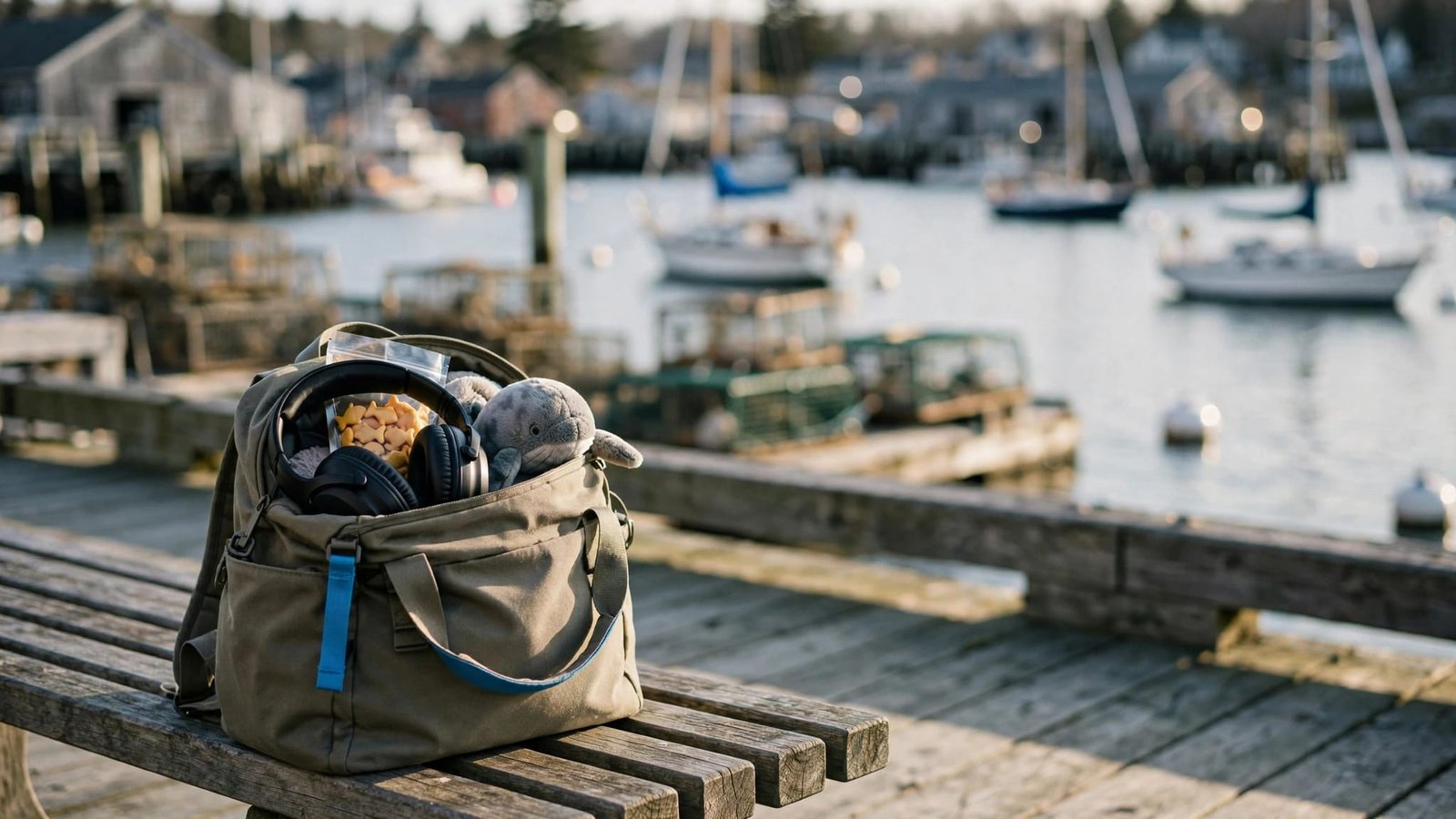
    A transportation bag does not need to be large. It should hold the items that make waiting and transitions easier, helping your child feel secure until they reach sensory friendly spots inside the parks:

    • Noise-canceling headphones your child already knows how to use
    • A favorite fidget, small stuffed animal, hoodie, or comfort item
    • Familiar snacks and a refillable water bottle
    • A portable charger for My Disney Experience, park maps, and family communication
    • Any needed medication, carried according to your care team’s guidance

    Keep the same items in the same place each day. That small routine helps when your child needs something quickly.

    You can also give your child a job. They may hold the stroller strap, watch for the monorail, choose a seat, or check the park icon in the app. A little control can make an unfamiliar transfer feel more manageable.

    Use a Stroller or Mobility Device as a Safe Space

    For many neurodivergent children, a stroller as safe space serves as a vital tool for emotional regulation and sensory management. It is not just for toddlers; many older autistic children benefit from having a familiar, enclosed place to sit, regroup, and move through crowds. Using a stroller can significantly reduce physical fatigue and provide your child with a necessary sense of personal space in busy areas.

    If your child still fits comfortably in a stroller, consider bringing one or renting one for your trip. You can visit Guest Relations to request a stroller as wheelchair tag for your device. Disney cast members provide these tags when appropriate, which allows the stroller to be used in the wheelchair line for many attractions. This accommodation is incredibly helpful for families whose children need to remain in their stroller while waiting in queues due to fatigue, safety concerns, or disability related needs.

    Wheelchairs and ECVs are also available to rent at Disney theme parks, water parks, and Disney Springs. Disney transportation is designed to accommodate wheelchairs and many ECVs, although boarding can take extra time.

    That extra time is perfectly okay. Do not feel pressured by people waiting behind you. Let the bus driver or the Disney cast members guide the boarding process, and give your child the time they need to adjust to the transition.

    Ultimately, a child who needs a stroller at Disney is not too old for one. The goal is not to make the day look typical. The goal is to make it comfortable enough for your family to enjoy the magic together.

    Have a Private Transportation Backup Plan

    Sometimes the bus line is too long. Sometimes your child has reached their limit. Sometimes a surprise rainstorm changes everything.

    Utilizing Minnie Vans, Uber and taxis, or a private car service can provide your family with a quieter reset. You do not need to use private transportation every day, but it can be the backup option that saves a difficult evening. When you rely on Uber and taxis to get around, it is helpful to plan ahead for car seat requirements. Building the expected cost of these services into your vacation budget ensures that using them feels like a proactive choice rather than an emergency expense.

    A rideshare may be especially helpful for travel between resorts, early character breakfasts, or a quick return after a difficult park day. Driving your own vehicle offers more control, but it also involves parking, traffic, and the walk or tram ride from the lot. For some families, that is still easier than waiting in a crowded resort transportation area.

    If your child struggles with transportation at the end of the night, consider leaving just before park closing. You may miss the final rush, but you will also avoid the loudest crowds and the longest waits. A calmer exit can protect the positive memories from the rest of the day.

    Separate Transportation Needs From DAS

    It is important to understand that the Disability Access Service, or DAS, is designed specifically for guests who cannot wait in a conventional queue due to a developmental disability like autism. While the DAS pass helps minimize your time spent standing in long lines for attractions by providing a specific return time, it does not provide priority boarding or special access for Disney World transportation options like buses, boats, monorails, or the Skyliner.

    Families should review the official Disability Access Service details before their trip, as registration policies can evolve. Currently, Disney utilizes a video chat registration process that guests can complete before arriving at the parks. If you need assistance once you are already on-site, you can visit Guest Relations to speak with a cast member about your DAS pass needs. Please remember that the DAS pass is strictly for ride queues and does not alter the transportation experience.

    Because you will be using your smartphone to manage your DAS return time, mobile food orders, and Lightning Lane purchases, be sure to bring a portable charger every day. A dead phone during a transit delay can turn a minor hurdle into a significant challenge.

    For extra planning support, the Download our Disney World with Autism Guide (PDF) offers family-focused ideas for managing your DAS pass, sensory needs, and overall park days. You can also find the Download our Disney World with Autism Guide through Amazon. Managing your expectations regarding the DAS pass will help ensure a smoother experience while navigating between the parks and your resort.

    Frequently Asked Questions

    Does the Disability Access Service (DAS) grant priority boarding for Disney buses or the Skyliner?

    No, the DAS pass is strictly for managing wait times for theme park attractions and does not provide priority access or special boarding for any Disney transportation methods. Families should plan to arrive at transportation stops early to allow for a more gradual, less crowded boarding experience.

    Can I use a stroller as a wheelchair in the parks for my autistic child?

    Yes, if your child needs to remain in their stroller for sensory regulation or comfort, you can request a “stroller as wheelchair” tag from Guest Relations. This allows your stroller to be treated as a wheelchair, enabling you to keep your child in it while waiting in many attraction queues.

    Which Disney transportation option is best for sensory-sensitive children?

    There is no single “best” option, as every child has different triggers. While the monorail or boats often provide a calmer, more open-air experience than buses, the best choice is the one that aligns with your specific family routine and your child’s individual sensory needs.

    What should I include in a transportation bag for my child?

    Focus on items that provide comfort and predictability, such as noise-canceling headphones, a favorite fidget toy, familiar snacks, and a portable charger for your devices. Keeping these items organized in a dedicated bag makes them easy to access whenever your child needs a sensory reset during a transfer.

    A Calmer Disney Day Begins Before the First Ride

    Disney World transportation can be busy, loud, and unpredictable. Your family’s plan does not need to be perfect. It only needs to include enough time, enough comfort, and enough flexibility for your child.

    Choose the route that feels most manageable. Bring familiar supports. Keep a backup plan for the moments when public transportation no longer works. Once you arrive at the parks, finding quiet break areas can help your family reset and regulate after the commute. Additionally, planning your exit before park closing can prevent sensory overload on the way back to your resort.

    A calmer pace is often more valuable than checking off one more attraction.


    Ready to Plan Your Calm Disney Vacation?

    Let us handle the logistics so you can focus on the magic. Contact us today for expert special needs travel planning.

  • Disney World Autism Rides: A Sensory-Aware Guide

    Disney World Autism Rides: A Sensory-Aware Guide

    A Disney day can be magical, but it can also be loud, crowded, bright, and full of surprises. For autistic children and adults, the right ride choices can make the difference between a day that feels exciting and a day that leads to sensory overload.

    The best Disney World autism rides are not always the newest or most popular attractions. They are the rides that fit your family’s sensory needs, comfort level, and pace. Whether you are navigating the Walt Disney World Resort for the first time or returning for another visit, it is important to remember that for many neurodivergent guests, a slower attraction, a quiet corner, and a snack break can matter more than checking off every major ride.

    Here is a practical way to choose rides with fewer sensory surprises and build a Disney World day that feels more comfortable.

    Key Takeaways

    • The best ride depends on your child’s personal needs, including noise sensitivity, motion sensitivity, darkness, and comfort with surprises.
    • Gentle attractions such as the Tomorrowland Transit Authority PeopleMover, Living with the Land, Kilimanjaro Safaris, and Na’vi River Journey are often easier starting points for those seeking Disney World autism rides.
    • A ride can be calm in one area and still have sensory triggers, so it is important to review the full experience before getting in line.
    • Disney’s Disability Access Service may help eligible guests wait outside a standard queue and return to the attraction later.
    • A flexible plan with breaks, familiar snacks, and a charged phone can help your family enjoy more of the day.

    Choose Disney Rides Based on Your Child, Not the Crowd

    There is no single list of rides that works for every autistic guest. Because individuals with autism and other cognitive disabilities have such diverse needs, some children love dark rides because they feel enclosed and predictable, while others find darkness upsetting. One child may enjoy a loud coaster, while another may need to step away when the music gets too intense.

    Think about the experiences your child handles well at home. Do they enjoy car rides, playground swings, aquariums, movies, or carnival rides? Do they get nervous when they cannot see what is coming next? Those answers can help you choose a good first attraction.

    Before you enter a queue, consider a few simple questions:

    • Is the ride dark, loud, fast, or shaky?
    • Are there sudden drops, water sprays, smoke, strong scents, or startling scenes?
    • Can your child leave the attraction queue if they change their mind?
    • Is the waiting area as difficult as the ride itself?
    • Will the ride offer a familiar theme that feels comforting?

    A ride does not need to be scary to be overwhelming. Toy Story Mania!, for example, is family-friendly and colorful, but the arcade-style noise, flashing screens, and competitive energy can lead to sensory overload for some guests.

    On the other hand, a gentle boat ride can still include darkness, loud music, or unexpected character movement. It helps to watch a ride video before your trip, then let your child know what they may see and hear.

    The goal is not to avoid every sensory challenge. The goal is to give your child choices, preparation, and a way to step back when needed.

    Calmer Magic Kingdom Rides for Sensory Needs

    Magic Kingdom has many attractions that work well for families who want a gentler start. It also has some of the busiest walkways and loudest nighttime entertainment at Walt Disney World Resort. Starting early can make a big difference.

    The Tomorrowland Transit Authority PeopleMover is often a great first ride. It moves slowly above Tomorrowland and gives families a chance to sit, cool down, and see the park without standing in another line. There are darker indoor sections, and the ride passes through Space Mountain, but there are no drops or sudden motions.

    Dumbo the Flying Elephant is another good choice for children who enjoy gentle movement. Each vehicle has a control that lets riders move up and down. The ride is outdoors, so sunglasses, a hat, or headphones may help on a bright day.

    Prince Charming Regal Carrousel is familiar and easy to understand. The music can be loud near the ride platform, but the ride itself is slow and predictable. Children who prefer more control may feel better sitting in the bench seat ride vehicles rather than on a moving horse.

    The Many Adventures of Winnie the Pooh has a friendly theme and a short ride time. Still, it includes a dark storm scene with wind effects, bouncing movement, and louder sound. For some children, that scene is fun. For others, it is the reason to skip the ride.

    “it’s a small world” is slow, colorful, and air-conditioned. The song repeats for most of the ride, which can feel soothing or frustrating depending on the guest. There are also many moving dolls, bright colors, and a dark loading area. If your child enjoys repetition and visual detail, this may be a good fit.

    Under the Sea: Journey of The Little Mermaid is another slow-moving option. It has beloved characters and gentle ride vehicles, but parts of the attraction are dark and the soundtrack is loud. The giant Ursula figure may be too intense for some younger children.

    Magic Kingdom also has a few attractions that look mild but can surprise families. Peter Pan’s Flight is dark and can feel crowded during loading. The Haunted Mansion has spooky scenes, loud sound effects, and a constantly moving attraction queue. Pirates of the Caribbean includes darkness, cannon sounds, skeletons, and a small drop.

    Your child does not have to ride what everyone else is riding. There is nothing wrong with choosing PeopleMover twice while other family members head to a coaster.

    EPCOT Rides With a Slower Pace

    EPCOT offers wide walkways, various indoor attractions, and several ride choices that can work well for sensory-aware families visiting the Walt Disney World Resort. It is a large park, however, so keep in mind that excessive walking can become its own challenge, especially in the Florida heat.

    Living with the Land is one of the most relaxing rides at the park. This slow boat ride travels through greenhouses and agricultural displays. It has a few darker scenes near the beginning, but most of the experience is quiet, educational, and easy to follow. The greenhouse portion feels particularly bright and open.

    Gran Fiesta Tour Starring The Three Caballeros is tucked inside the Mexico pavilion. It is a gentle boat ride featuring music, colorful scenes, and a short wait on many days. The pavilion itself is dark and can feel busy, especially near the restaurant and marketplace. If your child enjoys calm water rides, it is often worth trying.

    Spaceship Earth moves slowly through scenes from human history inside the park’s iconic sphere. The attraction is dark for much of the journey, and some scenes include mannequins, audio, and depictions of historical conflict. Still, the ride is slow, seated, and usually cooler than the outdoor park areas.

    The Seas with Nemo & Friends may work for children who love fish and familiar Disney characters. The queue and ride are dark, featuring projected characters, underwater sounds, and a few scenes that may feel intense if your child dislikes enclosed spaces.

    Soarin’ Around the World can be wonderful for guests who enjoy calm motion and visual experiences. Riders are lifted into the air in front of a huge screen, with wind and scents added to the film. The experience feels smooth to many, but it can be difficult for guests with motion sensitivity, fear of heights, or sensitivity to strong smells.

    Be more cautious with Journey Into Imagination With Figment. It has playful scenes, but also includes sudden sounds, blacklight effects, a loud finale, and a skunk smell effect. Your child may love Figment, but the ride is not always as gentle as it first appears.

    Remy’s Ratatouille Adventure, Frozen Ever After, and Guardians of the Galaxy: Cosmic Rewind are popular, but each brings bigger sensory demands. Remy’s Ratatouille Adventure uses 3D screens and quick motion. Frozen Ever After includes a short backward drop. Guardians of the Galaxy: Cosmic Rewind is a high-speed coaster with loud music, darkness, and spinning movement.

    Hollywood Studios Rides That Need More Planning

    Disney’s Hollywood Studios features strong themes and favorite characters, but the park can feel intense for guests with sensory sensitivities. Many attractions rely on large screens, fast movement, loud soundtracks, and dramatic effects. This is a park where knowing your child’s limits before the day begins can help you navigate Disney World autism rides with more confidence.

    Mickey & Minnie’s Runaway Railway is bright, funny, and filled with familiar characters. The ride vehicles move in unexpected directions, and some scenes are quite loud. There are intense visual effects, a small drop sensation, and a busy finale. It can be a great choice for children who love Mickey, but it is not a quiet or calm experience.

    Toy Story Mania! is an interactive game-based attraction that requires 3D glasses. While the queue is colorful and playful, the ride area can be overwhelming. The spinning ride vehicles add to the motion, and guests will hear constant game effects, cheering, and voices from nearby vehicles. Guests who enjoy video games often have a great time here, but those who dislike loud, busy spaces may prefer to skip it.

    Disney Junior Play and Dance! is not a ride, but it serves as a useful stop for younger children who love the characters. The show includes music, dancing, lighting, and energetic audience participation. It can be a fun outlet for a child who needs to move, though noise-canceling headphones are recommended if sound sensitivity is a concern.

    The Frozen Sing-Along Celebration is another helpful indoor break for many families. It is a live show with familiar songs, theater seating, and air conditioning. Because the audience often sings loudly and the ending features a snow effect, sitting near an exit may give your family more flexibility if your child needs a quick break.

    For many autistic guests, the more intense Hollywood Studios attractions require careful thought. Star Tours features motion simulation, darkness, loud sound, and sudden movements. The Twilight Zone Tower of Terror includes pitch-black darkness, loud sound effects, and repeated drops. Slinky Dog Dash is an outdoor coaster that is fast and can feel more intense than it looks from the ground.

    Star Wars: Rise of the Resistance has an impressive story, but it also contains loud scenes, stormtroopers, vehicle movement, darkness, a drop, and a long overall experience. A child who loves Star Wars may still need to know that it feels more like being inside a movie than taking a simple ride. Because of the length and sensory input, we recommend previewing videos of these experiences to see if they align with your child’s comfort level.

    Animal Kingdom Rides With Nature and Calmer Views

    Disney’s Animal Kingdom can be a comfortable park for families who enjoy animal viewing, shaded paths, and a slower pace. It can also become loud during shows, crowded around popular attractions, and hot by midday.

    Kilimanjaro Safaris is often considered one of the best Disney World autism rides because it offers a spacious, outdoor experience that feels less confining than traditional indoor attractions. The open-air vehicle travels through animal habitats, and the experience changes each time based on where the animals are. While the road is bumpy in places and the driver uses a microphone, most guests find the safari experience much easier to manage than a dark, enclosed dark ride.

    If your child loves animals, give yourselves time to explore the walking trails near the safari. Gorilla Falls Exploration Trail and Maharajah Jungle Trek can offer a quieter pace than a ride queue. There is plenty of room to pause, observe, and move along whenever your child feels ready.

    Na’vi River Journey is a slow boat ride through a glowing Pandora forest. The visuals are beautiful, and the boat does not drop or spin. However, the attraction is dark, the colors are bright, and the music is present throughout the experience. It may feel calming for a child who enjoys lights and water, but it could feel like too much for someone sensitive to darkness or intense visual stimulation.

    TriceraTop Spin is similar to Dumbo the Flying Elephant. It is outdoors, slow, and gives riders some control over how high they fly. The nearby DinoLand U.S.A. area can be noisy and bright, so it may help to arrive, ride, and move on rather than lingering in the area for too long.

    The Festival of the Lion King is not a ride, but many families love it. It features live performers, singing, large puppets, and colorful costumes. It also includes loud music and audience participation. Choosing a seat near an aisle can make leaving easier if your child needs a sensory break.

    Avatar Flight of Passage is one of Disney World’s most popular attractions, but it is very intense. Riders sit on a bike-style seat, wear 3D glasses, feel wind and motion, and watch a large screen. Kali River Rapids includes water, loud sounds, and the chance of getting soaked. Both can be a great match for some guests, but neither is a gentle first choice for those with sensory sensitivities.

    Plan Around Sensory Triggers, Not Just Wait Times

    A low wait time does not automatically mean a good time to ride. If your child is already tired, hungry, overheated, or upset, even their favorite attraction can become difficult.

    Start with one familiar or low-pressure ride. This gives your family a chance to see how the morning feels before committing to a louder or more intense attraction. If the first ride goes well, great. If it does not, you have learned something early in the day.

    A young child wearing noise-canceling headphones gazes peacefully at colorful flowers within a park garden. The cinematic lighting highlights soft cyan shadows across the tranquil, well-manicured tropical pathway.

    Noise-canceling headphones, sunglasses, fidgets, a favorite hoodie, and familiar snacks can all help. Bring items your child already uses successfully. A Disney trip is not the best time to test unfamiliar sensory tools.

    A portable charger belongs in your park bag, too. Your phone is essential for managing your day via the My Disney Experience app, which holds mobile food orders, park maps, dining reservations, and attraction wait times. A dead battery can create stress quickly.

    Build breaks into the schedule before anyone needs one. At Magic Kingdom, a quieter table near a quick-service restaurant may be enough. At EPCOT, a slow indoor attraction or a shaded bench can give everyone a reset. At Animal Kingdom, walking trails can offer a calmer change of pace.

    If your child uses a stroller beyond the usual age, visit Guest Relations to ask for a Stroller as a Wheelchair tag. This can help preserve their personal space in queues and is one of several accessibility services available to guests. For families with mixed needs, utilizing Rider Switch is another helpful strategy that allows adults to trade off waiting while the other person experiences a thrill ride with siblings.

    It can also help to read practical experiences from other families and autistic adults. This Disney autism accommodations discussion includes planning ideas from people who understand that a successful park day does not look the same for every guest.

    How DAS Can Help With Disney World Autism Rides

    Disney’s Disability Access Service, or DAS, is designed for guests who have a developmental disability, such as autism, and find it difficult to wait in a conventional queue. It is important to note that this is not a front of the line pass. Instead, the Disability Access Service provides an eligible guest with a return time based on the current standby wait time.

    During this waiting period, your travel party can wait in a quieter area, enjoy a snack, or find a low pressure activity nearby. When your return time arrives, the registered guest and their group head to the attraction and enter through the Lightning Lane entrance.

    Before your trip, be sure to review the official Disney World details because procedures can change. The registration process for Walt Disney World now utilizes a live video chat. To determine eligibility, the guest requesting the service must be present during the conversation. You can complete pre-registration up to 60 days before your first park day. Disney evaluates each guest’s needs individually, as approval is not based solely on a specific diagnosis. A parent or guardian is welcome to join the call if the guest is a minor.

    Once active, you can generally hold one return time at a time using the My Disney Experience app. After you use that selection, you are free to request another. The DAS guest must be present and ride with the group for each attraction.

    For families who do not qualify for DAS, Disney offers other options, such as Attraction Queue Re-Entry in certain situations. If you need further assistance, please visit the Guest Experience Team located throughout the parks or stop by Guest Relations to discuss the right support for your family.

    For more detailed planning support, the Download our Disney World with Autism Guide (PDF) on Etsy offers practical guidance for using DAS, managing sensory needs, and preparing for your park day. You can also find the Download our Disney World with Autism Guide on Amazon as another resource to keep with your trip plans.

    Frequently Asked Questions

    How do I register for Disney’s Disability Access Service (DAS)?

    You can register for DAS via a live video chat with a Disney Cast Member starting 60 days before your park visit. The guest requesting the service must be present during this call to discuss their specific needs, though a parent or guardian may assist if the guest is a minor.

    Does DAS allow me to skip the wait for attractions?

    DAS is not a front-of-the-line pass and does not provide immediate access to rides. Instead, it allows guests to wait in a lower-sensory environment outside of the traditional queue and return to the attraction at a scheduled time.

    What should I do if my child gets overwhelmed in a ride queue?

    If you are not using DAS, you can speak with a Cast Member at the attraction entrance to discuss options for exiting the queue. It is often helpful to identify quiet locations or exit points ahead of time so you have a plan in place if the environment becomes too challenging.

    Can I use my child’s stroller as a wheelchair for queuing?

    Yes, if your child requires a stroller for accessibility purposes, you can visit Guest Relations at any park to request a ‘Stroller as a Wheelchair’ tag. This tag allows the stroller to be used in queues, providing a familiar and safe space for your child to sit while you wait.

    A Comfortable Disney Day Is a Successful Disney Day

    The most rewarding experiences often come from choosing Disney World autism rides that allow your child to have fun without reaching their sensory limit. For many, this looks like enjoying the gentle pace of Kilimanjaro Safaris, the PeopleMover, or Living with the Land. It may also involve working up to a larger attraction after careful preparation and positive reinforcement.

    Your family does not need to feel pressured to match the pace of others. A calmer itinerary is still a full Disney day, especially when you prioritize moments to rest, regroup, and soak in the magic. By focusing on comfort and pacing, you ensure that your selected Disney World autism rides provide lasting, happy memories for everyone.


    Ready to Plan Your Calm Disney Vacation?

    Let us handle the logistics so you can focus on the magic. Contact us today for expert special needs travel planning.

  • Disney Autism Meet and Greets: A Calmer Plan

    Disney Autism Meet and Greets: A Calmer Plan

    A Disney character greeting can be a dream moment, or it can feel like too much all at once. The music, the waiting, the crowd, and a large character walking close can create a lot of uncertainty for children with autism, especially when sensory issues make these environments feel overwhelming.

    That does not mean your family has to skip the experience. Disney autism meet and greets can work well when you plan around your child’s comfort instead of trying to follow a perfect park schedule.

    The goal is never to force a photo. The goal is to give your child a safe, positive chance to enjoy Disney in their own way.

    Key Takeaways

    • Character meets are optional. A wave, a quick photo, or watching from a distance can still be a successful interaction.
    • Prepare your child before the trip with pictures, videos, social stories, and simple expectations.
    • Disability Access Service is mainly designed for attraction queues and does not usually apply to character greeting lines.
    • Let Cast Members know if your child needs space, no touching, shorter character interactions, or a quieter approach.
    • Character meals can reduce line waiting, but they may still be busy, loud, and unpredictable.

    Start With Your Child’s Version of a Great Character Moment

    Parents often picture the classic Disney photo at Disney Parks: a big hug, a smile, an autograph book, and everyone looking at the camera. Some children love that moment. Others may want to stand nearby, wave once, or leave before the character reaches them.

    All of those responses are okay.

    A character greeting is not a test of whether your child did Disney right. It is one small part of a much bigger vacation. Your child may be excited about Mickey from home but feel unsure when Mickey is suddenly standing six feet away. Costumes change voices, faces, body shapes, and movement. That can be surprising, even for a child who knows the character well, which is why character interactions should always move at your child’s pace.

    Before you wait in a long line, think about what your child usually enjoys:

    • Do they like familiar characters on a screen but dislike close physical contact?
    • Are they comfortable with photos, or do cameras add pressure?
    • Can they wait better with a snack, a toy, or a simple countdown?
    • Are they more comfortable when characters appear and wave from a distance, like on a balcony or a parade float, rather than a close-up meet?
    • Do loud indoor spaces or tight queues cause stress?
    • Would they rather watch a character parade or cavalcade from a calmer spot?

    A short interaction can be a win. So can standing back while a sibling says hello.

    Your child does not need to hug a character, speak to a character, or pose for a photo to have a meaningful Disney day.

    It also helps to avoid surprising your child with a meet and greet. Let them know what may happen. Explain that characters can wave, clap, point, dance, or offer a hug. Tell them they can say “no thank you” at any time.

    Prepare for Disney Character Meet and Greets Before You Leave Home

    Preparation gives children more control and provides parents with a clearer plan. For children with autism, this pre-trip preparation is essential for managing sensory input and expectations. Start with the characters your child already knows and likes. Search for recent videos of the greeting location or look at photos in the My Disney Experience app. Focus on showing the setting, not just the happy final photo.

    Use simple language. You might say, “We may wait to meet Minnie. Minnie is very tall. Minnie may wave. You can wave back, take a picture, or stand with me.”

    A short social story can also help. Include the steps your child is most likely to experience:

    1. We walk to the character spot.
    2. We wait with our family.
    3. It is our turn.
    4. I can wave, smile, say hello, or stay close to my grown-up.
    5. When I am done, we leave.

    Keep the plan flexible. Your child may feel ready at breakfast and change their mind by afternoon. Disney is full of new sounds, smells, people, and movement. That is a lot to process.

    Bring familiar comfort items into the park. Noise-canceling headphones, sunglasses, a favorite fidget, a small stuffed animal, or a preferred snack can make a waiting period feel more manageable. These strategies work effectively whether you are visiting Walt Disney World, exploring Disneyland Paris, or enjoying a relaxing Disney Cruise Line voyage. A portable charger also belongs in your park bag, as your phone may hold mobile food orders, maps, park plans, and messages between family members.

    A parent and child sit together on a plush sofa, looking intently at a digital tablet. Soft light illuminates their faces as they browse colorful vacation imagery in a cozy living room.

    If you want more detailed support before your trip, the Download our Disney World with Autism Guide (PDF) offers practical planning ideas for families. The Download our Disney World with Autism Guide on Amazon is another helpful resource for parents who want a plan that feels organized without becoming rigid. Additionally, many families find that consulting an autism travel professional can help create personalized itineraries tailored to their specific needs.

    Choose the Right Time and Location for Your Family

    A character line at noon can feel very different from the same line early in the morning. Factors like heat, hunger, tired feet, and dense crowds often combine to trigger sensory overload, which can turn a manageable wait into a difficult moment.

    Try to schedule character greetings when your child is usually at their best. For some families, that is soon after park opening. For others, it may be after a quiet lunch or a hotel break. Do not build the whole day around one greeting if that creates too much pressure.

    When planning your trip to Disney Parks, consider that indoor character locations can be helpful because they offer air conditioning and shade. They can also feel louder or more enclosed. Outdoor greetings may have more room to step back, but weather, sun, and ambient noise can be a challenge.

    When you arrive, look at the line before joining it. Ask yourself a few practical questions:

    • Is there room to stand off to the side if your child needs space?
    • Can another adult wait in line while your child takes a short break nearby?
    • Is the wait time realistic for your child’s day so far?
    • Is there an easy exit if your child decides they are done?

    There is no prize for waiting through a difficult line. If your child is struggling with sensory overload, leave the area. You can try later, choose another character, or decide that today is not the day. Prioritizing your child’s comfort will always make for a better experience than forcing a photo.

    Talk to Cast Members Before the Greeting

    Disney staff members want your family to have a positive experience, but they cannot know exactly what your child needs unless you take the initiative to communicate. A quick, proactive conversation before you reach the front of the line can make a real difference in creating an autism-friendly experience.

    You do not need to share a full medical history to get the support you need. Keep your request simple and clear. You can say, “My child is autistic and may need extra space,” or “Please no hugs, but a wave would be great.” Many families find it helpful to carry a small card with communication preferences so they can convey their needs without discussing them in front of their child.

    Ask for what would help facilitate positive character interactions:

    • A wave or high five instead of physical touch
    • A little more personal space
    • A short, low-pressure version of character interactions without an autograph
    • A slower, more gradual approach if possible
    • A photo with the character standing a few steps away
    • A quick exit strategy if your child becomes overwhelmed

    The character performer may be non-verbal, but the cast member acting as the character attendant can often help coordinate and communicate your specific request. Keep your expectations realistic, as each location has its own layout, staffing, and crowd level. A request is not a guarantee, but it gives the team a better chance to support your family effectively.

    A costumed performer interacts warmly with a guest in an open, brightly lit plaza. Soft cyan highlights illuminate the clean, professional outdoor setting while sunlight creates a gentle, welcoming atmosphere.

    Sometimes the best plan is to let the character come into view and then simply pause. Your child can decide from there how they want to proceed. A wave from across the room may feel much safer and more comfortable than a close, direct interaction.

    How DAS Works for Character Greetings

    Disney’s Disability Access Service, or DAS, is designed to assist eligible guests who are unable to wait in a conventional attraction queue due to a developmental disability. If you are traveling with children with autism, you can initiate the registration process online or by speaking with Guest Services to discuss your specific needs, though approval is determined on a case by case basis.

    It is important to understand that the Disability Access Service does not typically apply to character meets. While DAS provides return times for attractions, this system functions differently for character encounters. Do not plan a full character day around the assumption that you can use DAS at every greeting. If you are visiting Disneyland Paris, please note that they utilize a similar priority card system for guests with specific needs.

    Before your visit, review the official information regarding the Disability Access Service and the broader accessibility services guide to understand all available accommodations. If you are traveling with a mobility device, you may also discuss the possibility of using a stroller as a wheelchair, which can sometimes allow the device to be used as a personal space in lines where permitted.

    If waiting in a character line presents a challenge, speak with the Cast Member at that specific location. In some instances, families may inquire about a queue re-entry option. This allows a child and one support person to wait outside the physical line while other family members hold their place, allowing them to reconnect near the front when permitted. This is not available at every location, so always ask before making a plan.

    You can also use the Disney Genie Service to monitor wait times for an attraction queue that features a character. Even if DAS does not cover these specific meets, using it for other attractions throughout the day can significantly reduce the number of long queues your child faces. This preserves their energy, making it much easier to enjoy a character greeting later in the day.

    Consider Character Dining, but Keep Expectations Realistic

    Character dining can be a better fit for some families because you are seated at a table instead of standing in a long greeting line. Characters come to you, and your child has a familiar home base during the interaction.

    At Walt Disney World, families often consider places such as Cinderella’s Royal Table, Tusker House Restaurant, and Hollywood and Vine. These meals can offer more time and less line waiting, but they are not always calm. Restaurants may be loud, and characters may arrive unexpectedly, which can trigger sensory issues for some children. Furthermore, the meal can take longer than your child wants to sit.

    Book character dining because your family wants the dining experience, not because it guarantees an easier interaction. Let your server know if timing, food needs, or sensory concerns may affect your visit. You can also tell the character attendant that your child prefers a wave from the table.

    A quick-service meal, a quiet snack, or a break back at the resort may be the better choice on some days. That is not missing out. That is good planning.

    Give Your Child Permission to Change Their Mind

    The most helpful Disney plan has room for a different answer in the moment. Your child may be excited to meet Stitch, then decide the line is too long. They may skip a traditional princess greeting but happily watch characters appear and wave during a parade instead.

    Let them change their mind without disappointment in your voice. Say, “Okay, we can try another time,” or “That was a good choice. Let’s go get a snack.”

    Parents often carry a lot of pressure on a Disney vacation because tickets, hotels, and meals cost money. That pressure is understandable. Still, forcing one photo can make the next hour harder for everyone.

    A calmer choice often protects the rest of the day. Take a break, find shade, or watch a show. If one person in your group needs to step away with your child to help them reset while others continue the fun, remember that Rider Switch can be a helpful tool for managing those transitions. Let your child reset completely before deciding what comes next.

    Frequently Asked Questions

    Do I need to book character greetings in advance?

    Most character meet and greets do not require a formal reservation, but character dining experiences should be booked well in advance. For standard meet and greets, you simply join the standby line, though checking wait times on the My Disney Experience app can help you plan for lower-crowd periods.

    Can my child use Disability Access Service (DAS) for character lines?

    No, DAS is primarily designed for attraction queues and does not typically apply to character meet and greets. If your child struggles with the wait, consider visiting during off-peak times, such as early morning or during parade hours, to encounter shorter lines.

    What should I do if my child becomes overwhelmed in line?

    It is perfectly acceptable to step out of line at any time if your child feels stressed or overstimulated. Prioritize your child’s comfort by finding a quiet space, such as a nearby bench or a cooler indoor location, to help them reset before deciding whether to continue your day.

    Are character interactions limited to close-up poses?

    Not at all, as character interactions can be as brief or as distant as your child prefers. You are welcome to ask the attendant for a wave from a distance, a photo without physical contact, or to simply observe the character from afar to ensure your child feels safe and in control.

    A Comfortable Disney Day Matters More Than a Perfect Photo

    Disney Parks provide many ways to enjoy magic, but character greetings for autistic children work best when comfort comes first. Prepare at home, choose realistic times, speak with Cast Members, and let your child guide the interaction.

    The photo may be wonderful. It may be a wave from ten feet away. Either way, the moment belongs to your family.

    A successful Disney trip is not measured by how many characters your child meets. It is measured by how safe, supported, and happy neurodiverse families feel together.


    Ready to Plan Your Calm Disney Vacation?

    Let us handle the logistics so you can focus on the magic. Contact us today for expert special needs travel planning.

  • Disney Fireworks Autism: A Calm Sensory Plan

    Disney Fireworks Autism: A Calm Sensory Plan

    Fireworks can be the hardest part of an otherwise wonderful day spent experiencing the Disney magic. The music gets louder, the crowd gets tighter, and the sky suddenly flashes with sound that can feel impossible to predict.

    For autistic kids and sensory-sensitive children, the goal is not to push through a show at all costs. The goal is a Disney evening that feels safe, supported, and manageable for your child.

    A little planning before nighttime entertainment begins can protect the fun you already had that day.

    Key Takeaways

    • A fireworks display may include loud explosions, music, flashing lights, crowd movement, and long waits after dark.
    • Decide early whether your family wants to watch, listen from farther away, or skip the show completely.
    • Bring familiar sensory supports, including noise-canceling headphones, comfort items, water, snacks, and a charged phone.
    • Pick an exit plan before the show begins so you are not making decisions during a stressful moment.
    • Disney fireworks and autism planning should always follow your child’s needs, not another family’s vacation schedule, to ensure a truly sensory-friendly experience.

    Why Disney Fireworks Can Feel So Overwhelming

    A fireworks show is not only about the pyrotechnics. It is often a long build-up of intense stimulation. For children on the autism spectrum, the evening can be particularly challenging.

    By evening, many children have already handled transportation, security, crowds, heat, rides, character interactions, unfamiliar food, and a full day of waiting. Their sensory bucket may already be full due to various sensory issues before the nighttime show even starts. The buildup toward sensory overload is often gradual, making it difficult to pinpoint exactly when a child might reach their limit.

    Then the environment changes quickly. Pathways become crowded, and Cast Members may direct guests into specific areas. Music begins, lights dim, and the intense, loud noises of a show often comparable to an Independence Day celebration can come from overhead without much warning.

    For some kids, the flashing lights are the biggest hurdle. For others, it is the low rumble that comes through the ground and into their chest. Some children are comfortable with the sound but struggle with sound sensitivity or light sensitivity when thousands of people start moving at once after the finale.

    A child does not need to watch fireworks to have a successful Disney day.

    Your child may love the parade but hate fireworks. They may enjoy fireworks one night and refuse them the next. Both responses are valid. Sensory needs can change based on sleep, heat, hunger, illness, and how demanding the day has been.

    Don’t promise fireworks as the grand ending of the vacation before you know how your child feels that evening. Keep it flexible.

    Decide Before the Evening Crowd Builds

    The easiest time to make a fireworks decision is before the park gets busy for the night. Waiting until the music starts can leave your family rushed and stressed. Keep in mind that Disney park crowds are often much more intense than a standard local Independence Day celebration, so proactive planning is essential.

    Talk about the plan earlier in the day using language your child understands. You might say, “Tonight there may be loud lights and booms in the sky. We can watch from a distance, listen with headphones, or go back to the hotel.”

    Giving a child choices can help them feel more prepared. Keep the options simple. Too many choices can add pressure.

    It also helps to decide what counts as success for your family. Maybe that means watching the first few minutes from a quiet area. Maybe it means seeing the lights from outside the main hub. Maybe it means leaving the park before the crowd gathers.

    Consider these questions before you commit:

    • Does your child usually tolerate loud sounds, especially when tired?
    • Are they comfortable wearing headphones or ear defenders for long periods?
    • Would they feel safer watching from a stroller, wheelchair, or familiar spot?
    • Is your child more likely to struggle with noise, flashing lights, crowds, or all three?
    • Can you quickly enact an escape plan if they need a break?

    A park day does not need to end with fireworks to feel complete. An early swim, a favorite snack, a quiet ride back to the resort, or time in the room can be the better choice.

    For more family-focused support, the Download our Disney World with Autism Guide (PDF) includes planning ideas for sensory needs, park routines, and Disney accessibility questions.

    Build a Sensory Plan for the Fireworks

    A good sensory plan is made of familiar items and clear steps. It should not depend on buying something in the park after your child is already overwhelmed.

    Bring the tools your child already knows. A brand-new pair of noise-canceling headphones may feel uncomfortable or distracting, even if they are designed for noise reduction. Practice at home first with music, vacuum noise, or a short fireworks video at a low volume.

    A small fireworks bag can include:

    • Noise-canceling headphones or ear defenders your child has worn before
    • Comfort items such as a fidget, small stuffed animal, or favorite hoodie
    • Sunglasses or a hat if bright lights are difficult
    • Familiar snacks and a refillable water bottle
    • A portable charger for the My Disney Experience app and family communication
    • Any medication your child may need, carried as directed by their care team

    Noise-canceling headphones can soften the experience, but they do not make fireworks silent. Let your child test them before the show begins. If they dislike wearing them, do not turn the equipment into another battle.

    Some children prefer to watch a show from a distance with their gear on. Others want to face away from the sky and listen to a familiar video or music through their own device. A comfort item can also give hands and attention somewhere else to go, helping to manage overwhelming sensory input.

    Keep your phone charged. You may need it for park maps, mobile food orders, transportation information, return times, or messaging another adult in your group. A dead phone at the end of a long day can turn a hard moment harder.

    If you are using Disney’s Disability Access Service, remember that DAS is designed around specific attraction queue needs. Because these services are tailored to different types of sensory processing needs, they do not function as a dedicated fireworks pass. Ask Guest Relations or a Guest Experience Team Cast Member about the current options if you need help with your evening plan.

    Pick a Fireworks Viewing Spot With an Easy Exit

    The center of the park is not always the right place for autistic kids during Disney fireworks. It can be exciting, but it can also be the loudest and most crowded location.

    A better spot is often one that gives your family room to leave. Look for areas near a pathway, a quieter edge of a viewing zone, or a place where you can step away without moving through a wall of people.

    At Magic Kingdom, Main Street, U.S.A. and the hub in front of Cinderella Castle can be packed well before the show. The view may be beautiful, but the intensity of the area often tests even the highest crowd tolerance. Some families prefer to watch from a distance, choosing a spot further back near an exit route or a different part of the park altogether.

    At EPCOT, viewing locations can vary based on the current nighttime fireworks display and general crowd flow. World Showcase is large, but it can still be difficult to move once people line up around the lagoon. Find a place with a clear route toward the front of the park if a quick departure matters.

    At Disneyland Park, the area around Sleeping Beauty Castle and Main Street can also become busy during the nighttime fireworks display. Families staying nearby may decide to leave before the show starts and watch or hear part of it from outside the main crowd, if that feels better for their needs.

    The best viewing spot is not always the one with the clearest castle photo. It is the one where your child feels secure.

    Before settling in, locate the nearest restroom, quiet indoor space, and exit path. Tell everyone in your group what happens if your child needs to leave. One adult can stay with siblings who want to watch while another takes the child to a calmer area.

    Give Yourself Permission to Leave Early

    Many families wait because they do not want to disappoint anyone. However, forcing a child to stay when they are struggling can turn a fun night into a sensory nightmare. Staying through distress rarely makes the next fireworks show easier for your family.

    If your child starts covering their ears, pacing, crying, shutting down, trying to run, or becoming unusually quiet, respond early. Using these signs for meltdown prevention is much more effective than waiting for a full-blown crisis. You do not need to wait for a total meltdown to justify leaving.

    Move away from the loudest area immediately. Offer water and a familiar snack. Use short, calm phrases like, “We are leaving now,” “You are safe,” or “We can go somewhere quieter.”

    Avoid asking too many questions in the middle of sensory overload, as your child may not be able to explain what they need at that moment. Your primary focus should be moving to a lower-stimulation space to support their emotional regulation.

    Leaving before the finale can be a smart choice even if your child seems fine. The final fireworks bursts are often exceptionally loud, and the crowd exits all at once when the music ends. A five-minute head start can make a major difference in reducing stress.

    You can also skip fireworks on purpose and build a different nighttime routine. Ride a favorite lower-wait attraction during the show, have a quiet quick-service meal, return to the resort pool, or watch a familiar movie in your hotel room.

    The Download our Disney World with Autism Guide can be helpful when you want a more complete plan for park days, breaks, meals, and sensory-friendly choices.

    Practice Makes the Unknown Feel Smaller

    A few small practice sessions can help fireworks feel less mysterious. Watch short clips at home to slowly build tolerance to the noise, starting with the sound at a very low level. Let your child control the volume or pause the video whenever they need to.

    Create a personalized social story that walks your child through the steps of the evening, from arriving at the park to finding a spot for the show. Using visual aids like a simple schedule can also make the experience feel predictable. Include steps such as dinner, putting on headphones, choosing a fireworks viewing spot, planning an early exit, and returning to the hotel for bedtime. Photos of the park can be especially helpful for children who find comfort in knowing exactly what comes next.

    Do not make practice feel like a test. The point is to identify which coping strategies work best for your family. Your child might decide that fireworks are simply not for them, and discovering that before you are standing in a crowded park is incredibly useful information.

    Remember that plans can change after dinner, after a nap, or even after one loud attraction. Keep checking in with your child throughout the day without adding unnecessary pressure.

    Frequently Asked Questions

    Can Disney’s Disability Access Service (DAS) be used to secure a spot for fireworks?

    No, DAS is specifically designed to assist with attraction queues and does not provide reserved seating or dedicated areas for nighttime spectaculars. It is best to plan your own viewing strategy by identifying quiet locations or areas with easy exits well before the show begins.

    How can I tell if my child is reaching their limit before a meltdown occurs?

    Watch for early warning signs such as covering their ears, becoming unusually quiet, pacing, or attempting to leave the area. Responding to these subtle cues by moving to a quieter space immediately is far more effective than waiting for a full-blown crisis.

    Is it okay to leave the fireworks show early?

    Absolutely, and leaving early is often a recommended strategy to avoid the intense noise of the finale and the stress of the mass exit. Prioritizing your child’s comfort over seeing the very end of the show helps keep the evening manageable and ensures your family finishes the night on a positive note.

    What should I do if my child finds fireworks overwhelming despite our planning?

    It is perfectly fine to skip the fireworks entirely if your child is struggling. You can create a calm alternative by riding a favorite low-wait attraction, enjoying a quiet snack, or heading back to the resort, as these choices can often lead to a much happier end to your park day.

    A Disney Night That Fits Your Child

    Disney fireworks can be magical for some autistic kids and completely overwhelming for others. There is no right reaction and no prize for staying until the final boom, especially if your family is reaching their limit for stress tolerance.

    The strongest plan gives your family options, familiar sensory support, and permission to leave when it is time. A calm child matters more than a perfect fireworks view. By prioritizing comfort and flexibility, you can navigate the unique challenges of special needs travel while ensuring your vacation remains enjoyable.

    A Disney vacation should make room for the moments your child enjoys, even when those moments happen far away from the castle. By knowing your limits and keeping the focus on your family’s needs, you can preserve the Disney magic for the entire duration of your trip.


    Ready to Plan Your Calm Disney Vacation?

    Let us handle the logistics so you can focus on the magic. Contact us today for expert special needs travel planning.

  • Sensory-Friendly Disney Dining Reservation Tips for Families

    Sensory-Friendly Disney Dining Reservation Tips for Families

    A Disney meal can be a welcome reset, or it can become the hardest part of the day. Noise, unfamiliar foods, long waits, bright lights, and a crowded dining room can feel overwhelming for a child with autism or sensory issues.

    Sensory-friendly Disney dining starts with choosing a setting that fits your child, not booking the restaurant everyone else says you have to try. A little planning gives your family more room to eat, rest, and enjoy the park without pushing through overload.

    Key Takeaways

    • Choose restaurants based on noise, seating, menu comfort, and location, not only popularity.
    • Book at less busy meal times when possible, such as an early lunch or late dinner.
    • Add dietary notes to reservations, but also speak with a Cast Member when you arrive.
    • Bring familiar snacks, noise-canceling headphones, fidgets, and a charged phone for a calmer meal.
    • Keep one flexible backup plan in case your child needs to leave or skip the reservation.

    Start With Your Child’s Real Dining Needs

    Every family has a different definition of a successful Disney meal. For some children, including those with ASD, it means a quiet table and familiar chicken tenders. For others, it means outdoor seating, room to move, and a short meal with no surprises.

    Think about what is difficult at restaurants at home. Is it background noise? Waiting at the host stand? Strong food smells? Sitting close to strangers? A character walking toward the table may be exciting for one child and stressful for another, especially for children who struggle with processing disorders.

    Write down a few simple priorities before you search for reservations. You do not need a perfect plan. You need a plan that gives your child breathing room.

    Consider these questions:

    • Does your child do better indoors or outdoors?
    • Is a buffet too busy, or does it help because your child can see the food first?
    • Are loud celebrations, music, and character visits likely to be difficult?
    • Will your family need a meal close to a quiet area, hotel room, or park exit?
    • Are there safe foods your child reliably eats?

    A dining reservation is not a promise that everything will go exactly as planned. It is a starting point. The goal is to reduce the number of unknowns regarding sensory stimulation before your family is hungry and tired.

    A calmer meal is usually more valuable than the hardest reservation to get.

    Choose Disney Restaurants With the Setting in Mind

    Disney restaurants offer vastly different environments, even within the same park. A themed table-service meal may look fun online, but the room might be dim, busy, or filled with overwhelming sounds. When planning your trip, consider the sensory profile of each location.

    Quick-service options are often a better fit for families who need more flexibility. You can use the My Disney Experience app to place a mobile order, find a quiet table when one is available, and leave whenever your child is ready. For example, Columbia Harbour House is a fantastic quick-service choice because it features a quieter upstairs seating area that feels much less hectic than the main floor.

    Outdoor seating can also provide relief. Fresh air and open space often reduce echoing, though you should keep an eye on proximity to walkways. If you prefer to stay inside, seek out air-conditioned spaces that offer a retreat from the heat and crowds.

    When you are comparing options, look beyond the menu. Check the restaurant location and consider the travel time. A reservation across the park may not be worth the effort after a long morning. If you are looking for specific atmospheres, the Garden Grill offers a rotating, calm environment, while the Sci-Fi Dine-In provides a dark, theater-like setting that can be great for those sensitive to bright lights. Similarly, Coral Reef is known for its lower noise levels and calming, underwater views. If you are staying at one of the Disney Resort hotels, Cape May Cafe is an excellent, calmer choice for a meal away from the park crowds.

    Character meals deserve extra thought. Some children love predictable character interactions, while others may need more space. You can let your server know if you would prefer characters not to approach your table. Cast Members will do their best to accommodate, but it is best to manage expectations as this is not guaranteed.

    If your family is visiting Walt Disney World with an autistic child, the Download our Disney World with Autism Guide (PDF) can be a helpful planning resource to keep with your trip notes.

    Family enjoying dessert at an outdoor cafe

    Photo by RDNE Stock project

    Booking Sensory-Friendly Disney Dining Reservations

    Dining reservations typically open 60 days in advance, and popular locations can fill quickly. Check the current booking calendar before your travel dates, as reservation rules and availability can change.

    Start with one table-service meal per day at most. This provides enough structure without turning every park day into a race against the clock. Many families do best by choosing off-peak hours for their meals, such as a late breakfast, early lunch, or early dinner, when restaurants are naturally less crowded.

    An early lunch during off-peak hours can work especially well. Your family has time for a few attractions first, then a meal before the hottest and busiest part of the afternoon. It also creates a natural break before you decide whether to stay in the park, return to your Disney Resort hotels, or find quiet spots to relax.

    When booking, keep your reservations close to where you expect to be. Magic Kingdom, EPCOT, Disney’s Hollywood Studios, and Disney’s Animal Kingdom all require more walking than families often expect. Make sure your meal plan aligns with your theme park reservations so you are not rushing back and forth across a park, which can create stress before anyone sits down.

    Use the reservation notes if a dining website or app provides a place for dietary needs or accessibility requests. For food allergies, it is still smart to speak directly with your server or a chef when you arrive. Dietary requests and sensory preferences are different, but both deserve a clear conversation.

    You can also call ahead or ask at the restaurant podium about seating. A quiet corner, a table away from speakers, or outdoor seating may be available. It cannot be guaranteed, especially during busy periods, but a polite request gives the team a chance to help.

    Avoid booking a meal immediately after a high-demand attraction, parade, fireworks show, or long transportation ride. A 12:30 p.m. reservation may sound easy until your child is overstimulated, hungry, and still standing near a crowded ride exit.

    Leave at least 30 minutes of open time before a reservation. More time is even better if your family uses a stroller, wheelchair, mobility device, or needs bathroom breaks before meals.

    Use Mobile Order and Familiar Food as Backup

    A reservation is helpful, but it should never feel like a test your family has to pass. Some days, your child may be ready for a sit-down meal. Other days, the best choice may be using mobile ordering for quick-service meals and eating in one of the many quiet spots throughout the parks.

    Mobile food ordering gives you more control over timing. You can choose a return window, order when your child is ready, and avoid standing in a long ordering line. Keep your phone charged, because the My Disney Experience app is essential for navigating quick-service options, checking park maps, and managing attraction return times.

    A portable charger belongs in a park bag. It is not exciting, but it can save a lot of frustration when your phone battery is low and everyone is hungry.

    Bring a few familiar snacks even if you have dining reservations. Granola bars, crackers, or dry cereal can bridge the gap when a child cannot wait for a meal. For picky eaters, having a preferred snack on hand can be a lifesaver if the menu is not working that day.

    Many children eat less in the heat or when their routine changes. That is normal. Do not pressure your child to use every dining credit or eat a full meal because it was planned. Disney portions can be large, and vacation days do not always follow a normal schedule.

    For a broader autism-focused planning reference, families can also find the Download our Disney World with Autism Guide on Amazon. Having guidance ready before the trip can make decisions easier when the day feels busy.

    Remember That DAS and Dining Are Separate

    Disney’s Disability Access Service, often called DAS, helps eligible guests navigate attraction queues. However, it does not provide front-of-the-line access for restaurants, nor does it remove the need for a dining reservation.

    That does not mean you are on your own at meals. Cast Members can often help with practical concerns, including accessibility questions, dietary needs, and seating requests. The best approach is to explain what would help your family in simple terms.

    You might say, “My child is sensitive to high noise levels. Is there a quieter table available?” Or, “My child struggles with loud background noise and may need to step outside. Can we let you know if we need a few extra minutes?”

    Keep expectations realistic. A restaurant cannot control every sound, crowd, or delay. Still, a kind conversation at check-in can make a potentially stressful moment feel much more manageable.

    If your child needs to leave the table, let one adult step out with them while another stays behind. There is no rule that says every family member has to experience every meal in the same way.

    Frequently Asked Questions

    Can I request a specific quiet table when I arrive?

    While Disney cannot guarantee specific seating, it is perfectly acceptable to speak with the Cast Member at the host stand upon arrival. Politely explain your child’s sensory needs, such as a preference for a quieter corner or a table away from speakers, and they will do their best to assist you.

    Should I avoid character meals if my child has sensory sensitivities?

    Not necessarily, as every child is different. If your child enjoys character interactions but finds them overwhelming, you can ask your server to have the characters skip your table during their rotation. This allows your family to enjoy the meal environment without the pressure of direct, unpredictable contact.

    Are there quiet spaces outside of restaurants if my child gets overwhelmed?

    Yes, each theme park features Baby Care Centers that offer a quiet, climate-controlled environment away from the typical park bustle. These centers are excellent for recharging, having a snack in a calm setting, or taking a break from the noise and crowds of busy dining locations.

    A Flexible Meal Plan Makes Disney Days Easier

    The best Disney dining plan is one that fits your family instead of forcing your family to fit the plan. Pick restaurants with a setting your child can handle, book at times that allow for breaks, and keep quick-service food and familiar snacks available. If you find your child needs a more private space to eat or recalibrate, remember that the Baby Care Center serves as a wonderful resource for families needing a quiet environment outside of the busy restaurants.

    You do not need every character meal, every popular reservation, or every paid add-on for a good Disney vacation. A comfortable family meal is a win, even if it looks different than the plan you made at home. Think of a peaceful dining experience as a sensory break that helps everyone recharge for the rest of the day.

    When your child feels safe and supported, there is more room for the Disney moments your family came to enjoy.


    Ready to Plan Your Calm Disney Vacation?

    Let us handle the logistics so you can focus on the magic. Contact us today for expert special needs travel planning.

  • Disney Dining With Autism: Calmer Reservation Strategies

    Disney Dining With Autism: Calmer Reservation Strategies

    A Disney meal can be a needed break, or it can become the hardest part of the day. For many neurodivergent children and their families, the reality of crowded waiting areas, unfamiliar food, loud music, intense character interactions, and delayed table times can feel like too much to handle.

    The goal is not to make every meal perfect. It is to build a plan with options, familiar routines, and room to step away when needed.

    With thoughtful reservations and realistic expectations, Disney dining autism support strategies can make your experience feel much more comfortable for the whole family.

    Key Takeaways

    • Align your dining reservations with your child’s usual energy, hunger, and sensory needs rather than chasing the most popular locations. Integrating these plans with your DAS pass can help manage your family’s park day effectively.
    • A quiet table request can assist with your dining experience, but it is not guaranteed. Always maintain a backup plan for waiting or stepping outside if the environment becomes overwhelming.
    • Using quick service options, mobile ordering, and familiar snacks often provides families with more flexibility than committing to a daily sit-down reservation.
    • Prioritize a positive sensory experience by planning breaks before your child reaches their limit. Choosing a meal at one of the Disney World resorts can offer a quieter, more relaxed atmosphere than a busy park restaurant.
    • While Disney’s Disability Access Service and Lightning Lane are separate from your dining plans, maintaining a flexible park day supports the success of all your scheduled activities.

    Start Disney Dining Reservations With Your Family’s Real Rhythm

    When planning your trip, remember that Disney dining reservations typically open 60 days before your visit. Guests staying at Disney World resorts may be able to book for the entire duration of their vacation during that window. Because reservation rules and availability can change, always check the My Disney Experience app before your designated booking day.

    Before choosing specific locations, think about your child’s normal routine at home. Do they require a predictable lunch time? Do they eat better before they become overstimulated or tired? Are evenings more difficult to manage after a full day of navigating rides, heat, and crowds?

    A popular 8:30 p.m. dinner reservation might look exciting on paper, but it may not be the right fit after a long day at Magic Kingdom.

    Start by scheduling one meal each day that feels reliable. That may be a quiet breakfast at your resort food court, a familiar quick-service lunch, or an early dinner scheduled away from the busiest park hours. You do not need to have every meal planned months in advance.

    The best Disney reservation is one your family can comfortably use, not the hardest one to get.

    When you book a table service meal, choose times that allow for breathing room around the reservation. Avoid stacking a meal time between Lightning Lane return windows, a parade, and a long walk across EPCOT. A late bus, a sudden bathroom stop, or a child who needs five extra minutes can easily throw off a tightly packed schedule.

    If you are unsure where to begin, this Download our Disney World with Autism Guide (PDF) can help families think through dining, parks, accessibility, and daily routines before travel.

    Choose Restaurants for the Sensory Experience, Not the Hype

    Every child has different needs when it comes to their sensory experience. One child may be sensory seeking and love the loud music and busy atmosphere of themed dining. Another child may find that same setting overwhelming or exhausting. There is no universal list of autism-friendly Disney restaurants because crowd levels, table locations, and ambient noise can fluctuate throughout the day.

    Still, the restaurant style matters significantly.

    Character dining can be wonderful for a child who enjoys familiar faces. However, it often brings music, applause, active staff, and frequent surprises. If your child wants to see characters but does not enjoy the intensity of character interactions, a standard meal combined with a separate, controlled meet-and-greet may feel much easier.

    Some themed locations also need a closer look. For instance, Sci-Fi Dine-In Theater Restaurant and Oga’s Cantina in Hollywood Studios both feature dark environments and loud movie clips or music. Oga’s Cantina specifically presents challenges with limited standing room, crowding, and a very quick pace. While these details are part of the immersion for many, they may not work for your family.

    A quieter choice is often a resort restaurant, especially on a rest day. Locations such as Grand Floridian Cafe, Steakhouse 71, or Tiffins at Disney’s Animal Kingdom may feel calmer than the high-energy environment of character meals. While these spots are not guaranteed to be silent, the atmosphere is generally less intense than a restaurant built around loud songs and constant crowd participation.

    Before finalizing your reservation, look at the menu, location, meal time, and restaurant photos. Ask yourself a simple question: Can my child sit here comfortably for an hour?

    If the answer is uncertain, a quick-service option may be the better choice.

    A family taking a calm meal break at a softly lit Disney resort restaurant, with a child wearing headphones and a small sensory kit on the table

    Ask for a Table That Supports Your Child

    You can make a reasonable request when you arrive at the host stand. A corner table, a spot away from speakers, a booth, an outdoor table, or a seat close to the exit may make a real difference in helping picky eaters focus on their meal rather than the chaos of a busy dining room.

    Keep the request short and clear. You do not need to share private medical details.

    You might say, “My child does better away from loud speakers. If anything quieter is available, we would appreciate it.” Or, “Could we have a table near an exit in case we need a quick break?”

    Cast Members will try to help when they can, but no table request is guaranteed. The restaurant may be full, or the seating layout may be limited. A flexible attitude helps, especially during peak meal periods.

    Consider arriving a little early. This gives your family time to check in, look around the waiting area, and decide whether one adult should wait outside with your child. If you are using a stroller as wheelchair tag, keeping your child inside that familiar, contained space can provide a necessary boundary and sense of security while waiting. If waiting indoors feels overwhelming, ask whether you can receive a text notification when the table is ready.

    Bring small comfort items that work for your child. Noise-cancelling headphones, a favorite fidget, sunglasses, a familiar stuffed animal, or a tablet with downloaded content can make a restaurant wait more manageable. These items do not need to become a big production. They are simply part of your family’s park bag.

    Build Sensory Breaks Into Every Disney Day

    A dining reservation should not be the only break your family gets. By the time a child experiences sensory overload while hungry, hot, and tired, even their favorite restaurant can feel impossible.

    Plan quiet time before the difficult part of the day.

    At Walt Disney World, a midday return to your resort can be worth the travel time. Swim, rest in the room, change clothes, eat familiar food, or let your child watch a show in a calm space. A shorter park day with a real break often feels better than pushing through until everyone is done.

    If leaving the park is not practical, look for lower-stimulation spaces near your plans. Indoor shows, shaded paths, a quiet bench, a less crowded shop, or a slower attraction can offer a reset. Do not treat the break like a failure or lost park time. It is part of the plan.

    Disney’s Disability Access Service, often called the DAS pass, may help eligible guests who cannot wait in a traditional attraction queue for an extended time. It is not a dining service or a front-of-the-line pass. The registered guest waits outside the physical queue and returns at a designated time. Review Disney’s current procedures in the My Disney Experience app and speak with Guest Services if you have questions.

    Your phone will do a lot during the day. It may hold dining reservations, mobile food orders, park maps, DAS return times, and messages between family members. Always bring a portable charger to monitor your wait times. A dead phone can turn a manageable schedule into a stressful moment.

    Quick-Service Dining Can Be the Easier Choice

    You do not need to rely on table service meals to have a meaningful Disney trip. Quick service dining often provides families with more control over timing, seating, and the overall duration of a meal.

    Mobile ordering through My Disney Experience can be especially helpful for your planning. You can review the menu at a quieter moment, place the order without standing in a long line, and choose a pickup time when your child is ready. If the seating area feels too loud, take the food to a quieter outdoor table or back to your resort when possible.

    Familiar food matters. Some children are comfortable trying Disney snacks and themed meals, while others have specific food aversions that require a short list of trusted options. Both approaches are okay. While many locations offer dietary accommodations, it is often easier to pack familiar items for picky eaters.

    Disney generally allows guests to bring outside food and nonalcoholic beverages, subject to current park rules. Pack foods your child reliably eats, plus a refillable water bottle. Keep snacks easy to access because hunger can make sensory overload much harder to manage.

    A Disney dining plan can be convenient for some families, but it should not force you into more food or reservations than you want. Quick service plans may fit a family that needs flexibility, while a standard dining plan may work for families who enjoy one scheduled sit down meal each day. The better choice is the one that matches how your family already eats.

    For more practical support before your trip, this Download our Disney World with Autism Guide includes planning ideas for families who want a calmer and more prepared vacation.

    Have a Plan for When the Meal Does Not Work

    Sometimes the restaurant is louder than expected. You might find that a busy buffet becomes overstimulating, or a child may simply refuse the food when the day catches up with everyone at once. You do not need to force the meal just because you had a reservation.

    If your child needs to leave, one adult can step outside with them while another stays with the table, provided that setup works for your family. Ask for a to-go container if the restaurant can provide one. If you need to cancel a later reservation, do it in the app as soon as possible to avoid a no-show charge. If the situation becomes too intense, prioritize finding quiet locations where your family can regroup away from the crowds.

    Keep one easy backup option in mind each day. It may be a resort food court, a familiar quick-service restaurant like those found in Magic Kingdom, snacks in your bag, or grocery items in your room. A backup meal takes the pressure off the reservation.

    Your family does not have to eat the same way as every other Disney family. Some days, the best dinner may be chicken nuggets at the resort after an early pool break. That still counts as a good vacation day.

    Frequently Asked Questions

    Can I request specific seating to help my child’s sensory needs?

    Yes, you can make a polite request at the host stand upon arrival. While specific tables cannot be guaranteed, Cast Members are often happy to assist with requests for quieter locations, corner spots, or seating near an exit if availability allows.

    Should I prioritize character dining for my child?

    Character dining can be a wonderful experience for some, but the noise levels and frequent interruptions can be overwhelming for others. If your child is sensitive to loud sounds or sudden movements, a quieter resort restaurant or a quick-service meal may be a more comfortable alternative.

    What should I do if my child becomes overstimulated during a meal?

    Prioritize your child’s well-being by having an exit plan ready before you even arrive. It is perfectly acceptable to leave a restaurant early or have one parent step outside with your child if the environment becomes too difficult to manage.

    Is it better to stick to quick-service meals instead of reservations?

    Quick-service dining often provides greater flexibility because you are not tied to a specific seating time or a long service period. Many families find that utilizing mobile ordering and choosing their own timing helps reduce stress throughout the day.

    A Calmer Meal Can Protect the Whole Day

    Successfully navigating Disney dining autism challenges works best when your plan stays flexible. Choose restaurants that fit your child’s needs, make requests when they may help, and leave space for breaks before the day becomes too much. All children deserve to feel comfortable and supported during their vacation, including those with non-verbal autism who may communicate their needs in different ways.

    A reservation is a tool, not a test. Comfort matters more than keeping a perfect schedule.

    When your child feels supported at meals, the rest of the Disney day often feels more manageable too.


    Ready to Plan Your Calm Disney Vacation?

    Let us handle the logistics so you can focus on the magic. Contact us today for expert special needs travel planning.

  • How to Use a Disney Autism Guide Before Your Trip

    How to Use a Disney Autism Guide Before Your Trip

    Walt Disney World can be exciting, colorful, busy, and loud, but these same elements can often lead to sensory overload for an autistic child. Preparation is essential to ensure that the environment feels manageable rather than overwhelming.

    A Disney autism guide gives your family a place to start before you are standing at the park entrance with bags, tickets, and a child who is already feeling anxious. It helps you plan for your child’s real needs, not a picture-perfect park day.

    The goal is not to schedule every minute. The goal is to make your vacation feel more comfortable, flexible, and enjoyable for your whole family.

    Key Takeaways

    • Prepare Early: Read your guide before booking major components of your trip to better align your vacation plans with your child’s specific sensory and accessibility needs.
    • Prioritize Flexibility: Focus on building a loose daily rhythm rather than a strict, hour-by-hour schedule to account for potential changes and allow your child to set the pace.
    • Understand Support Services: Recognize that while the Disability Access Service (DAS) can help manage wait times, it is not a front-of-the-line pass and should be part of a broader, well-rounded accessibility plan.
    • Practice at Home: Test new equipment, such as noise-canceling headphones, and introduce the park plan through photos or visual countdowns to build familiarity before arriving at Disney.

    Read the Ebook Before You Make Big Plans

    It is tempting to book the Walt Disney World vacation of your dreams, securing your Disney Resort hotel, dining reservations, park tickets, and Lightning Lane selections first. Then, you try to make everything else work around those choices. For many families traveling with an autistic child, that order can create extra stress.

    Read your Disney guide before you lock in the details. Pay close attention to information about sensory needs, walking distances, transportation, crowds, rides, food, rest time, and attraction queues. These details shape the kind of vacation your family will enjoy.

    The Download our Disney World with Autism Guide (PDF) on Etsy can be a helpful planning tool when you want practical ideas in one place. You can also find the Download our Disney World with Autism Guide if that format works better for your family.

    As you read, do not assume every tip needs to apply to your child. Some children need a clear schedule and quiet breaks. Others do better when they have choices and room to change plans. Your guide is there to help you ask better questions.

    Consider these early decisions while you read:

    1. How many park days can your child comfortably handle?
    2. Would your family benefit from a full rest day or a lighter afternoon?
    3. Is a smaller resort layout more important than a big themed pool?
    4. Does your child have favorite characters, rides, foods, or movies that can shape the trip?
    5. What situations are most likely to cause stress?
    6. Have you checked the calendar for off-peak times to avoid the biggest crowds?

    A Disney vacation does not need to look like someone else’s vacation. If your child needs to leave a parade early, skip fireworks, or go back to the hotel at noon, that is okay.

    The best Disney plan is the one your family can actually enjoy, not the one that fits the most attractions into one day.

    Turn the Disney Autism Guide Into a Family Plan

    A guide is most useful when it becomes part of your actual preparation. Reading it once on your phone is a good start. Using it to build a simple family plan is even better.

    Set aside a quiet evening before your trip. Pull up the ebook, your Disney reservation details, and your child’s favorite comfort items. You do not need a complicated spreadsheet. A few notes in your phone or a small notebook can make a big difference.

    Start by making a short list of what helps your child feel safe and regulated at home. Think about school mornings, doctor visits, family events, restaurants, and other busy outings. Those patterns often show up during travel too.

    Maybe your child needs noise-canceling headphones when crowds get loud. Maybe they do best with a snack before they get hungry. Maybe a familiar video, fidget, stuffed animal, or cooling towel helps during a long wait. Write those things down.

    Then identify the parts of Walt Disney World that may feel difficult. Common concerns include:

    • Long lines and uncertain wait times
    • Sudden ride noises or dark spaces
    • Heat, rain, and crowded walkways
    • Changes to the planned schedule
    • Restaurant menus and unfamiliar food
    • Bus lines, monorails, boats, and security checks
    • Fireworks, parades, and nighttime crowds

    This is also the right time to involve your child in age-appropriate ways. For older kids and teens, our Disney World Autism Tips for Teens and Tweens guide offers targeted strategies. Show them photos or videos of the resort. Talk about the airport, the hotel room, the park entrance, and transportation. Look at park maps together. To help your child feel secure, consider creating a visual schedule that outlines the day, and remember that planning for a midday break at your Disney Resort hotel can go a long way in preventing sensory overload.

    You do not need to promise that every moment will be easy. It is better to explain that Disney can be busy, but your family has a plan for breaks and support.

    For some children, a visual countdown helps. Mark the trip on a calendar. Review the plan a little at a time. A child who knows what comes next may feel less anxious than one who hears about a major trip all at once.

    Plan for DAS and Other Disney Accessibility Support

    Many parents look into the Disability Access Service before a trip. This program, commonly known as DAS, can be helpful for eligible guests, but it is important to understand exactly what it does and does not do.

    DAS is not a front of the line pass, and it is not automatically granted because a child has an autism diagnosis. Disney reviews each guest’s needs through their official process, which often includes video chat registration to determine eligibility. Because policies regarding Disability Access Service, attraction return times, and registration steps can change, always check the official Disney website before you travel to Walt Disney World.

    If DAS is active for your child, you can request a return time for participating attractions through the My Disney Experience app. Your family waits outside the standard line and then returns at the assigned time. The registered guest must be present and ride with the group. If you require further assistance once you arrive, you can visit Guest Services for clarification on how to best utilize your DAS benefits. If you have a child who uses a stroller for mobility, you may also speak with Cast Members about tagging a stroller as wheelchair to allow it in queues.

    That flexibility can be helpful when conventional lines are difficult. Your child can spend the wait time having a snack, sitting in the shade, or visiting a quieter area. Still, DAS is only one part of a good plan. It does not remove heat, excessive walking, hunger, or crowds. Your Disney autism guide should help you think beyond a single service.

    Keep your phone charged throughout the day, as you will use the My Disney Experience app for DAS return times, mobile food ordering, and communication. A portable charger is one of the most essential items in a park bag. While Lightning Lane is a separate paid service, you do not need every upgrade to have a successful vacation. A calmer schedule and real breaks often matter more than a packed list of reservations.

    If you need help, look for a Guest Experience Team location or speak with Cast Members. You can also stop by Guest Services if you have questions about your Disability Access Service status or how to tag a stroller as wheelchair. Disney days change quickly, and you do not have to solve every problem alone.

    Use the Guide to Build a Flexible Park Day

    A detailed schedule can look good on paper and still fall apart by lunchtime. That is normal. The weather changes. A ride closes. Someone gets hungry. Your child may love an attraction more than expected, or decide they are done after one busy hour.

    Use your ebook to create a loose rhythm instead of an hour-by-hour test.

    A comfortable day often starts with one or two high-priority attractions in the morning. Crowds and heat tend to build later, so early hours can feel more manageable. After that, choose a snack, indoor show, character experience, calm ride, or one of the many quiet areas nearby.

    Keep the geography in mind. Walt Disney World parks are large. Walking back and forth across a park for reservations can wear out any family. It can be harder for a child who is already handling new sounds, sights, and routines. For example, traversing the Magic Kingdom efficiently requires mindful movement between lands to avoid sensory overload.

    This simple approach can help you plan your day:

    Time of DayA More Comfortable Plan
    MorningStart with one favorite ride or low-wait attraction
    Late morningUse a return time or enjoy quiet areas close by
    MiddayEat, cool down indoors, rest, or return to the hotel
    AfternoonChoose one or two realistic priorities
    EveningStay only if your family still has energy

    The table is not a rule. It is permission to slow down.

    Do not fill the time between your return time windows with more walking and more lines. Let your child set the pace when possible. Sit in shade, browse a shop with air conditioning, watch a show, or find a quiet corner. If you want to experience a popular attraction without a long wait, remember to check for a virtual queue. If the group is split on ride preferences, Rider Switch is a great tool to keep everyone comfortable.

    A midday Disney Resort hotel break can be especially helpful at Walt Disney World because Florida heat and long park days add up quickly. Some families do best with a swim, nap, favorite show in the room, or time away from crowds. Others prefer a quiet indoor attraction instead of leaving the park.

    You know your child better than any app or touring plan does. If the day is becoming too much, adjust early. Waiting until everyone is overwhelmed makes it harder to recover.

    Practice the Small Things Before You Leave

    The most helpful preparation is often simple. Try new noise-canceling headphones before the trip, not for the first time at Magic Kingdom. Break in new shoes at home. Test the portable charger. Let your child carry a small backpack if they will use one in the parks.

    Pack comfort items where you can reach them quickly. Do not bury them at the bottom of a suitcase or stroller bag.

    A good park bag may include sunglasses, a hat, familiar snacks, refillable water bottles, wipes, medication, a fidget item, a portable fan, and a small change of clothes. Bring what your child uses in real life, not only what looks good on a packing list. You should also refer to the Accessibility Planning Guide for specific recommendations on what to pack. Before your visit to Walt Disney World, take time to review the Sensory Experience Details for individual attractions to help your family prepare for different environments.

    Food also deserves attention. Disney has many choices, but it is still smart to review menus before you arrive. If your child has safe foods, plan where to find them. If you have specific concerns regarding dietary accommodations, check with Guest Services for guidance on where to find appropriate options. When making dining reservations, keep these dietary accommodations in mind to ensure your child feels comfortable. Pack approved snacks when needed and do not build the entire day around trying unfamiliar meals.

    Talk through a few possible changes before the trip. A ride may close. It may rain. A restaurant may be louder than expected. Your child does not need every possible scenario, but it helps to repeat one reassuring message: “If something changes, we will make a new plan.”

    That message is good for parents too.

    Frequently Asked Questions

    Is the Disability Access Service automatically available for children with an autism diagnosis?

    No, DAS is not automatically granted based on a diagnosis. Disney assesses each guest’s needs individually through their official registration process, which typically involves a video chat to determine eligibility.

    Should I schedule a full day at the park to make the most of my tickets?

    It is often more beneficial to plan for shorter days or incorporate mandatory midday breaks back at your resort. Prioritizing rest helps prevent sensory overload and ensures your child remains regulated throughout the trip.

    What should I do if my child becomes overwhelmed during a busy park day?

    Don’t wait until the situation is critical to intervene; adjust your plan early by finding a quiet area, returning to your hotel, or skipping less essential activities. Remember that the goal is for your family to enjoy the experience, not to complete every attraction on your list.

    How can I prepare my child for the park environment before we travel?

    Involve your child in the planning process by showing them photos of the resort and park, reviewing maps together, and talking through the trip in small, manageable steps. Using visual schedules or countdowns can also help reduce anxiety by making the experience more predictable.

    A Disney Trip That Fits Your Child

    A Disney autism guide is not a promise that every moment will be calm. Walt Disney World is still a busy place with crowds, weather, noise, and surprises. What it gives you is a better starting point. By using our Accessibility Planning Guide, you can create a structure that helps your family navigate these challenges with more confidence.

    Read the guide early, use the ideas that fit your child, and leave space for rest. Whether you are using the Disability Access Service or relying on other accommodations, remember that DAS is designed to help reduce wait times in standard lines. Even with DAS in place, a successful trip is not measured by ride count or how late you stay for fireworks.

    It is measured by the moments your family can enjoy together at Walt Disney World with less stress and more comfort.


    Ready to Plan Your Calm Disney Vacation?

    Let us handle the logistics so you can focus on the magic. Contact us today for expert special needs travel planning.

  • Best Disney World Resorts for Autism Families

    Best Disney World Resorts for Autism Families

    The right hotel can make a Disney trip feel manageable instead of exhausting. For families looking for the best Disney World autism resorts, the ideal choice is not always the room closest to a park or the property with the biggest pool.

    A quiet room, reliable transportation, extra space to reset, and a predictable food plan often matter more. Your resort should provide a dedicated space to decompress, helping to mitigate sensory overload for neurodivergent guests after a busy day at the parks.

    The goal is not to find one perfect Disney resort. The goal is to find the accommodation that supports your family’s routines, sensory needs, budget, and park plans, whether that is an on-property Disney hotel or an off-site vacation rental.

    Key Takeaways

    • Choosing where to stay involves evaluating Disney World transportation options, room layouts, and noise levels, as these factors significantly impact your vacation experience. This guide explores a range of options, from quiet resorts that provide a peaceful retreat to specific moderate resorts that may offer a better sensory environment.
    • Disney’s Port Orleans Resort, French Quarter is often a top recommendation for families seeking a smaller, more intimate setting among moderate resorts.
    • Art of Animation is highly helpful for families who need extra sleeping space, but its bold, immersive theming and bustling common areas are not the right fit for every child.
    • While deluxe resorts can help minimize travel time to the parks, their reliance on monorails, boats, and busy lobbies may introduce unexpected sensory challenges.
    • Securing a quiet room location, maintaining a consistent daily routine, and ensuring access to familiar food can be just as important to a successful trip as your choice of resort category.

    What Autism Families Should Consider Before Choosing a Resort

    Disney World resort planning is about more than picking a theme or looking at a pool photo. A resort that feels fun during a quick online search may feel overwhelming after a long park day.

    Start with your child’s normal routine at home. Do they need quiet before bed? Do they wake up early? Do they need space to move around when they are upset? Do they eat a small group of familiar foods? These answers should guide your hotel choice to better accommodate sensory sensitivities and help your child avoid overstimulation while on vacation.

    Transportation is also a major part of the decision. Disney World transportation can be a source of stress or convenience; buses can be crowded and unpredictable at peak times, while the Skyliner may be exciting for one child and stressful for another. Monorails are convenient, but they can be loud and busy, especially after fireworks.

    Think about the distance between your room and the things you will use most. A room near the lobby, bus stop, food court, or pool can make mornings easier. A room farther from those areas may be quieter. There is no wrong answer. It depends on whether your family needs less walking or less activity outside the door.

    The best Disney resort for an autism family is often the one that makes recovery time easier.

    Room size matters too. Standard Disney rooms can feel tight when everyone needs a break at the same time. A family suite, villa, or cabin gives people more space to spread out. That can mean one person watches a familiar show while another rests in a quieter room.

    Before booking, review the official Disney World resort hotel options and look beyond the resort photos. Pay attention to transportation, dining, room layouts, and how large the property is. As you evaluate these options, remember that planning scheduled breaks back at the resort is an effective way for your family to regroup and maintain a successful pace throughout your stay.

    A Quick Look at Disney World Autism Resorts

    When planning a vacation for neurodivergent guests, choosing the right accommodation is essential. Each property offers unique advantages, and comparing various value resorts, moderate options, and deluxe resorts can help you determine the best environment for your family. This comparison table highlights key factors to help you narrow your choices.

    ResortBest ForTransportationThings to Consider
    Disney’s Port Orleans Resort, French QuarterFamilies who want a smaller, quieter feelBus, boat to Disney SpringsOnly bus service to parks
    Disney Art of Animation ResortFamilies needing a suite and separate sleep areasSkyliner, busBright theming and busy common areas
    Disney’s Pop Century ResortFamilies wanting value and Skyliner accessSkyliner, busCompact rooms and active shared spaces
    Disney’s Wilderness LodgeFamilies who prefer a calmer deluxe settingBoat to Magic Kingdom, busHigher price and large central lobby
    Disney’s Animal Kingdom LodgeFamilies who enjoy animal viewing and hotel timeBusLonger rides to most parks
    Disney’s Old Key West ResortFamilies who need space and a slower paceBus, boat to Disney SpringsLarge property with internal bus stops
    Disney’s Contemporary ResortFamilies focused on Magic Kingdom accessWalkway, monorail, busMonorail noise and a busy central area

    The best fit is rarely about the resort with the most features. It is about the features your family will actually use to ensure a comfortable stay.

    Disney’s Port Orleans Resort, French Quarter: A Calmer Moderate Resort

    Disney’s Port Orleans Resort, French Quarter is often one of the first locations I consider when families are looking for the best moderate resorts at Disney World. Because it is smaller than many other properties on the map, the footprint alone can reduce a significant amount of daily stress.

    The walk from most rooms to the lobby, food court, bus stop, and pool is usually manageable. You are less likely to feel like you are crossing a huge resort just to get breakfast or refill a water bottle.

    The New Orleans style buildings have a gentler look than some of Disney’s brighter value resorts. The atmosphere feels more relaxed, especially in the morning and later in the evening. There is still Disney music, activity, and pool noise, but the resort does not feel as visually busy as Art of Animation or Pop Century.

    French Quarter also features a boat to Disney Springs. This offers a quieter form of Disney World transportation that can help prevent sensory overload compared to the hustle of a bus or monorail. While Disney Springs can get crowded, and may not always provide a total break, the boat ride itself is a peaceful way to enjoy an evening meal, a quick shopping trip, or other low-key activities.

    The main drawback is that buses are the only transportation option to the four Disney parks. If waiting at a bus stop is difficult for your child, build in extra time and avoid leaving right after a nighttime spectacular whenever possible.

    For many families, though, the smaller layout is worth it. French Quarter serves as an excellent middle ground between a value resort and a deluxe resort.

    Art of Animation and Pop Century: Helpful for Skyliner Families

    The Disney Skyliner has fundamentally changed how many families plan their theme park visits. It provides convenient access from both Disney Art of Animation Resort and Disney Pop Century Resort to EPCOT and Disney Hollywood Studios. As two of the most popular value resorts on property, these locations offer unique benefits for guests who prioritize transportation efficiency.

    For many autistic guests, the Skyliner is a preferred alternative to the crowded and noisy bus system. It provides a consistent view of the surroundings, follows a clear and predictable route, and often feels less claustrophobic. However, for other individuals, the sensation of movement, the height, wind, or the possibility of an occasional pause may be uncomfortable. It is worth discussing these sensory factors with your family before your trip.

    Why Art of Animation Can Be a Strong Choice

    Disney Art of Animation Resort is particularly helpful for larger families who require extra space. The family suites in the Cars, Finding Nemo, and Lion King areas offer a separate bedroom, additional sleeping areas, a kitchenette, and two full bathrooms.

    Having two bathrooms can make a busy Disney morning significantly less stressful. Furthermore, the kitchenette is a valuable asset for managing sensory sensitivities related to food. Having the ability to prepare familiar breakfasts, store preferred snacks, and keep specialized drinks or medications on hand can provide a crucial sense of consistency.

    The Cars section is often appealing for families who want a slightly less intense visual environment than the main Finding Nemo courtyard. While room requests are not guaranteed, mentioning your preferences early can help. Keep in mind that Art of Animation features bold colors, large character figures, and active pathways. While some children will thrive in that high-energy environment, others may need to retreat to the suite as a dedicated quiet space to reset.

    When Pop Century Makes More Sense

    Pop Century offers the same Skyliner convenience as its neighbor but is generally more affordable, making it a budget-friendly option for families who want efficiency without the cost of a suite.

    These rooms are smaller than the suites at Art of Animation, which is an important consideration. If your child requires a quiet place to retreat from siblings or the general hustle, a standard room may feel a bit tight after several days of travel. Because of this, Pop Century is often the better choice for neurodivergent guests who prefer a streamlined, efficient home base rather than a larger living space.

    Pop Century features large icons, upbeat music, and a bustling food court. Choose this resort if your family enjoys being in the middle of the activity, values quick access to Hollywood Studios and EPCOT, and intends to spend most of their time exploring the parks. If your primary goal is finding maximum quiet, extra square footage, and a slower pace, you may find that French Quarter, Old Key West, or a Disney Vacation Club villa is a better fit.

    Wilderness Lodge, Animal Kingdom Lodge, and Old Key West

    Some of the best Disney World autism resorts are not the ones people talk about first. These three deluxe resorts offer a different pace, providing more room to breathe between busy park days.

    Disney’s Wilderness Lodge

    Wilderness Lodge features a dramatic lobby, a boat to Magic Kingdom, and a more contained layout than many other hotels. The lobby can be busy at check-in and during evening hours, so consider using noise-reducing headphones if the environment becomes too loud for sensitive guests. The guest room wings and outdoor areas generally feel much calmer.

    The boat ride to Magic Kingdom is a major benefit. It avoids the transportation and ticket center process required by some other resorts. After a long day at the park, getting back on a boat can feel easier than standing in a crowded bus line.

    This resort works well for families who want deluxe convenience but do not need the constant activity of the monorail resorts. Ask for a room away from the main lobby, elevators, or high-traffic areas if noise is a concern.

    Disney’s Animal Kingdom Lodge

    Animal Kingdom Lodge is a great choice for families who want the resort to be an active part of their vacation. Viewing animals from the resort grounds or a savanna-view room can create calm, low-pressure moments without needing an additional park ticket.

    The lodge has beautiful shared spaces, but its main lobby can have voices, music, and activity. The rooms and outdoor animal viewing areas may be the better reset areas for sensory-sensitive guests.

    The challenge is transportation. Buses are the main way to reach the parks, and Animal Kingdom Lodge is farther from Magic Kingdom and EPCOT than many other Disney resorts. This is not always a problem, but it does require realistic planning.

    If your family likes returning to the hotel in the afternoon, the longer bus ride may feel like too much. If you plan slower park days and value downtime, Animal Kingdom Lodge can be a wonderful fit.

    Disney’s Old Key West Resort

    Old Key West is often overlooked, but it can be one of the most comfortable choices for autism families. The rooms are larger than many standard Disney rooms, especially in villa categories. The resort has a relaxed, residential feel with lots of open space.

    Families who need a kitchen, laundry access, and separate sleeping areas may appreciate a one-bedroom or two-bedroom villa. These larger floor plans are ideal for families who need scheduled breaks to regroup in a private setting. Being able to prepare familiar meals can also remove a lot of pressure from a Disney trip.

    The trade-off is the large layout. Some room locations are far from the main lobby and Hospitality House. Internal bus stops are available, but that is another transportation step to consider.

    Old Key West is a strong option for longer stays, multi-generational trips, and families who plan rest days. It gives you more space to regroup without leaving Disney property.

    Resorts That Need a More Careful Match

    There is nothing wrong with Disney’s Caribbean Beach Resort, Disney’s Coronado Springs Resort, or the monorail resorts. They can work well for many families. They simply need a closer look before booking to ensure they fit your specific needs.

    Caribbean Beach has Skyliner access, a fun pool area, and a central location. It is also a large resort with several villages. A room far from the main hub can mean long walks. The main Skyliner station and food court area can get busy, especially in the morning.

    Coronado Springs has attractive rooms, dining choices, and a more adult feel. It also hosts conventions. That can mean large groups, activity in common areas, and more people moving around the resort. The property is spread out, and bus transportation is the main park option.

    Disney’s Contemporary Resort gives you the convenience of walking to Magic Kingdom. That is a huge plus for families with young children or guests who struggle with bus transportation. Still, the monorail runs through the building, and the central area can feel loud and open.

    Disney’s Polynesian Village Resort has great transportation options, but it is popular and often busy. Music, foot traffic, dining guests, and crowds around fireworks can make the main areas feel intense. Disney’s Grand Floridian Resort & Spa has a more formal feel and access to the monorail, but it can also have activity in its main building.

    Disney’s BoardWalk Inn, Yacht Club Resort, and Beach Club Resort offer easy access to EPCOT. The BoardWalk area is lively at night, with restaurants, performers, and people walking around. Yacht Club may feel more subdued than Beach Club, but the area around Stormalong Bay is often active.

    These resorts can still be right for your family. The question is whether location and transportation outweigh the busy shared spaces. While these properties are beautiful, they may lead to overstimulation or sensory overload if a family does not have a plan for quiet time.

    Room Requests and Daily Routines Matter

    Once you choose a resort, the room location can shape how comfortable the stay feels. Disney accepts room requests, but these requests are never guaranteed.

    Keep the request simple and tied to a practical need. You might ask for a room close to Disney World transportation because your child has difficulty with long walks. You might request a quieter area away from the pool, laundry room, ice machine, elevator, or main walkway.

    Avoid making several requests that work against each other. A room close to the lobby may also be near more foot traffic, while a room in a quieter building may require a longer walk. Choose the need that will help the most.

    Bring a few familiar items from home to help your child feel secure. Noise-reducing headphones, a visual schedule, and social stories can provide much-needed structure and comfort. Additionally, packing a favorite blanket, a night-light, a white-noise machine, familiar snacks, and downloaded shows can make an unfamiliar hotel room feel safer. Keep your portable charger handy for phones and tablets, which you can use for communication, calming videos, or to check Disney World transportation wait times and attraction return times via the My Disney Experience app.

    Plan the first day gently. You do not need to rush from the airport into a full Disney park day. Check in, find the food court, walk the route to the bus stop, and let your child see the pool or playground. A little familiarity can lower anxiety the next morning.

    Scheduled breaks are also a vital part of good Disney planning. Using these rest days for a pool visit, room break, laundry load, favorite movie, or quiet meal can help everyone recover. You do not need to fill every non-park hour with another Disney activity.

    For more practical support before your trip, the Download our Disney World with Autism Guide (PDF) includes planning ideas for families preparing for Disney. You can also find the Download our Disney World with Autism Guide for another easy planning resource.

    DAS, Lightning Lane, and Resort Planning Work Together

    Your hotel choice is important, but it is only one part of the trip. Disney’s Disability Access Service, often called DAS, is designed to support guests who are unable to wait in a conventional attraction queue for an extended period due to a developmental disability like autism.

    DAS is not a front of the line pass. Instead, it allows eligible guests to wait outside the physical queue and return later once the wait times have elapsed. Families can discuss their specific needs during DAS registration via a live video call before their trip or in person at Guest Relations upon arrival. Disney reviews each request individually, and an autism diagnosis does not automatically guarantee approval. Once registered, you can easily manage your DAS return times through the My Disney Experience app.

    Review Disney’s current Disability Access Service information before your trip, as policies, registration windows, and party size rules can change. Remember that DAS is separate from Lightning Lane Multi Pass and Single Pass. You do not need to purchase every available add on for a successful trip. Often, a good resort location, realistic park goals, midday breaks, and visiting during off peak times to avoid the largest crowds are enough to ensure a manageable experience.

    Disney also offers other accessibility options to improve your stay. The Disney World attraction and queue guide is a helpful resource to review before you arrive. It provides details on services like Rider Switch, which allows families to trade off supervision of children while waiting for attractions. Additionally, if your child needs a consistent environment for safety or mobility, you may want to request a stroller as wheelchair tag to help keep them secure in a familiar space throughout the parks. Combining these services with thoughtful resort planning will help your family have the best possible experience.

    Frequently Asked Questions

    Can I request a specific room location to help with sensory needs?

    Yes, you can add room requests to your reservation, though they are not guaranteed. Focus on simple, specific needs like being near transportation or, conversely, being away from high-traffic areas like elevators, ice machines, or pool decks.

    How do I handle familiar food requirements at a Disney resort?

    Choosing a resort with a kitchenette or family suite, such as those at Art of Animation or Old Key West, provides the ability to store and prepare familiar meals. You can also utilize grocery delivery services to stock your room with preferred snacks and drinks, ensuring your child always has comfortable food options available.

    Which Disney transportation is best for children with sensory sensitivities?

    This depends entirely on your child’s individual triggers. While the Skyliner offers a private and predictable cabin, some children find the movement or height difficult, whereas others may find the noise and crowded nature of standard buses more stressful. It is often helpful to preview ride-through videos online to gauge their reaction before your trip.

    Is it better to stay at a deluxe or moderate resort for an autism-friendly trip?

    Both categories offer benefits depending on your family’s specific needs. Deluxe resorts often provide better proximity to the parks, which can reduce travel time, but their larger, bustling lobbies might be overwhelming. Moderate resorts like Port Orleans French Quarter are often smaller and quieter, offering a more contained environment that some families find easier to navigate.

    Final Thoughts

    The best Disney World autism resorts are those that serve as a true sanctuary for your family, providing a comfortable place to reset after a day in the parks. Whether you decide on a spacious family suite at Art of Animation, a serene room at French Quarter, a relaxing villa at Old Key West, or a convenient boat ride away from Magic Kingdom at Wilderness Lodge, the priority should always be sensory comfort.

    To help navigate these choices, working with an Authorized Disney Vacation Planner can be a game changer. They can manage your specific room requests and help you build a trip that favors quiet resorts over high-energy hubs. Remember that a successful trip does not require a packed itinerary. Incorporating scheduled breaks into your day, or choosing to skip overwhelming character dining and loud shows, is an effective strategy to keep your trip manageable. Ultimately, a calmer, more intentional plan often creates the happiest memories for your family.


    Ready to Plan Your Calm Disney Vacation?

    Let us handle the logistics so you can focus on the magic. Contact us today for expert special needs travel planning.

K&S The Travel Crusaders uses Accessibility Checker to monitor our website's accessibility.