Blog

  • International Travel with Autistic Children: A Calm Checklist

    International Travel with Autistic Children: A Calm Checklist

    International travel can bring exciting memories, but it also brings unfamiliar sounds, new foods, and routine changes to plan around. Sensory sensitivities may make these details more important for a child with autism spectrum disorder.

    A practical international travel autistic children checklist helps you plan around your child’s needs instead of hoping everything works out. The goal isn’t a perfect vacation or family trip. The goal is a trip where your family has room to rest, regroup, and enjoy the moments that matter.

    Start with a plan that feels realistic for your child and your family, then let this checklist guide the details.

    Key Takeaways

    • Choose a manageable trip shape with fewer transitions, built-in downtime, and a comfortable place to reset.
    • Prepare documents, medication, health coverage, and emergency information well before departure.
    • Use visual schedules, social stories, practice trips, and familiar sensory supports to make travel more predictable.
    • Plan for airport screening, flights, transfers, meals, sleep, and safety while keeping daily plans flexible.
    • Treat rest, early departures, and backup activities as successful parts of the trip—not signs that the vacation has failed.

    Choose a Trip Shape That Supports Your Child

    A good international trip starts with the right pace. A packed itinerary may look great on paper, but it can create stress before you even leave home.

    Give your family fewer transitions, more downtime, and a place to reset each day.

    A child and parent organize travel papers, schedule cards, headphones, and a fidget toy at a kitchen table.

    Pick a destination with manageable travel days

    Look beyond the hotel photos. Think about flight length, time-zone changes, crowds, transportation, weather, and access to familiar groceries or restaurants with safe foods.

    A direct flight may cost more, but it can remove one airport, one security line, and one major transition. If a layover is necessary, allow plenty of time. Rushing through an unfamiliar airport is hard on everyone.

    Before booking, review the CDC’s international destination health information. It can help you check health notices, recommended vaccines, and other country-specific details early.

    Look for trained, welcoming attractions

    Some destinations, hotels, and attractions have staff training related to autism and sensory needs. An IBCCES Certified Autism Destination has a representative group of local hotels, attractions, and entertainment venues that completed private autism and sensory-awareness training.

    It differs from an individual attraction or business labeled a Certified Autism Center. The IBCCES directory can help you compare participating locations. IBCCES training may improve staff awareness, but it doesn’t guarantee a quiet experience. An IBCCES designation is a useful starting point, not a promise that every site will feel easy.

    Call before booking and verify current details directly with IBCCES and the property. Ask whether the specific attraction or business is a Certified Autism Center. Then ask about a quiet area, a sensory room, food options, elevator access, and room locations. Also ask whether the local airport or attraction recognizes the Hidden Disabilities Sunflower program, since participation and assistance vary.

    A smaller city, a beach resort with a kitchen, or one major attraction per day may fit your family better than a busy multi-city tour.

    Documents and Medication for International Travel With an Autistic Child

    Paperwork is not the fun part of vacation planning. It is still one of the best ways to avoid stressful surprises.

    Keep original documents in one travel folder. Save secure digital copies on a parent or caregiver’s phone, with key identification and support information ready for airport security.

    For U.S. flights, save TSA Cares information with your travel documents.

    Gather entry papers before booking nonrefundable plans

    Check passport expiration dates for every traveler, including children. Some countries require a passport to remain valid beyond the trip dates. Visa rules, transit rules, and consent paperwork can also vary.

    Your folder should include:

    • Passports, visas, and any required entry confirmations.
    • Copies of travel insurance details and emergency phone numbers.
    • A child information sheet with allergies, medications, communication needs, and caregiver contacts.
    • A consent letter if one parent, grandparent, or another caregiver is traveling alone with the child.
    • Printed hotel addresses, transfer details, and flight information.
    • A recent photo of your child, kept private in your phone and travel folder.

    Ask the embassy or consulate for each country you will visit or pass through about its entry and medication rules. The U.S. State Department also shares helpful medicine and health travel guidance.

    Plan medications and health care early

    Keep prescription medications in your carry-on, not checked luggage. Bring original labeled containers, copies of prescriptions, and a clinician letter that lists generic medication names and care needs.

    The CDC’s guidance for traveling abroad with medicine also recommends checking country restrictions before you travel. A medication that is routine at home may have special rules elsewhere.

    If your child needs vaccines, malaria prevention, or other travel health support, book a pediatric or travel-health appointment well before departure. Pack extra medication for delayed flights and carry a simple list of doses and timing.

    Prepare for the Trip Before It Arrives

    Your child doesn’t need to feel excited about every step of travel. They do need a clear idea of what may happen next.

    Start preparing early, so the trip feels familiar rather than surprising. Predictable practice can reduce uncertainty and may lower the chance of meltdowns, though distress can still happen.

    Use a social story and visual schedule

    A social story can break a big trip into small, understandable steps. Use photos of your airport, airline, hotel, rental car, and the place you’re visiting when possible.

    Show the order of the day: wake up, drive to the airport, check bags, go through TSA screening, wait at the gate, board the plane, land, and go to the hotel. Include realistic details such as waiting, loud announcements, seatbelts, and routine changes.

    United offers a simple air-travel social story that may help families begin the conversation. You can also make your own with photos and words your child already understands.

    A visual schedule should explain the plan, not pressure your child to follow every part without support.

    Practice small parts of the journey

    Practice wearing headphones, using a neck pillow, sitting with a seatbelt buckled, and waiting with a favorite activity. Try a short mock flight at home with a chair, a seatbelt, and a few minutes of waiting.

    A sensory seeker may need movement breaks or hands-on practice instead of longer sitting exercises. Watch airplane videos together, and let your child choose a comfort item for their backpack.

    Ask your local airport if it offers a familiarization visit or mock flight event. These programs aren’t available everywhere, but a practice visit can make the airport feel less unknown.

    Decide in advance whether your child wants to wear a Hidden Disabilities Sunflower lanyard. Use a countdown calendar if that helps your child. Some children prefer knowing the exact number of sleeps until the trip, while others do better with a shorter countdown. You know which approach feels calmer at home.

    Make Airport Security and Flights More Comfortable

    Airports can have loud announcements, bright lighting, crowds, and sudden instructions. These conditions can heighten sensory sensitivities and trigger sensory overload, so identify a place for a break. A little preparation can make the experience feel more predictable.

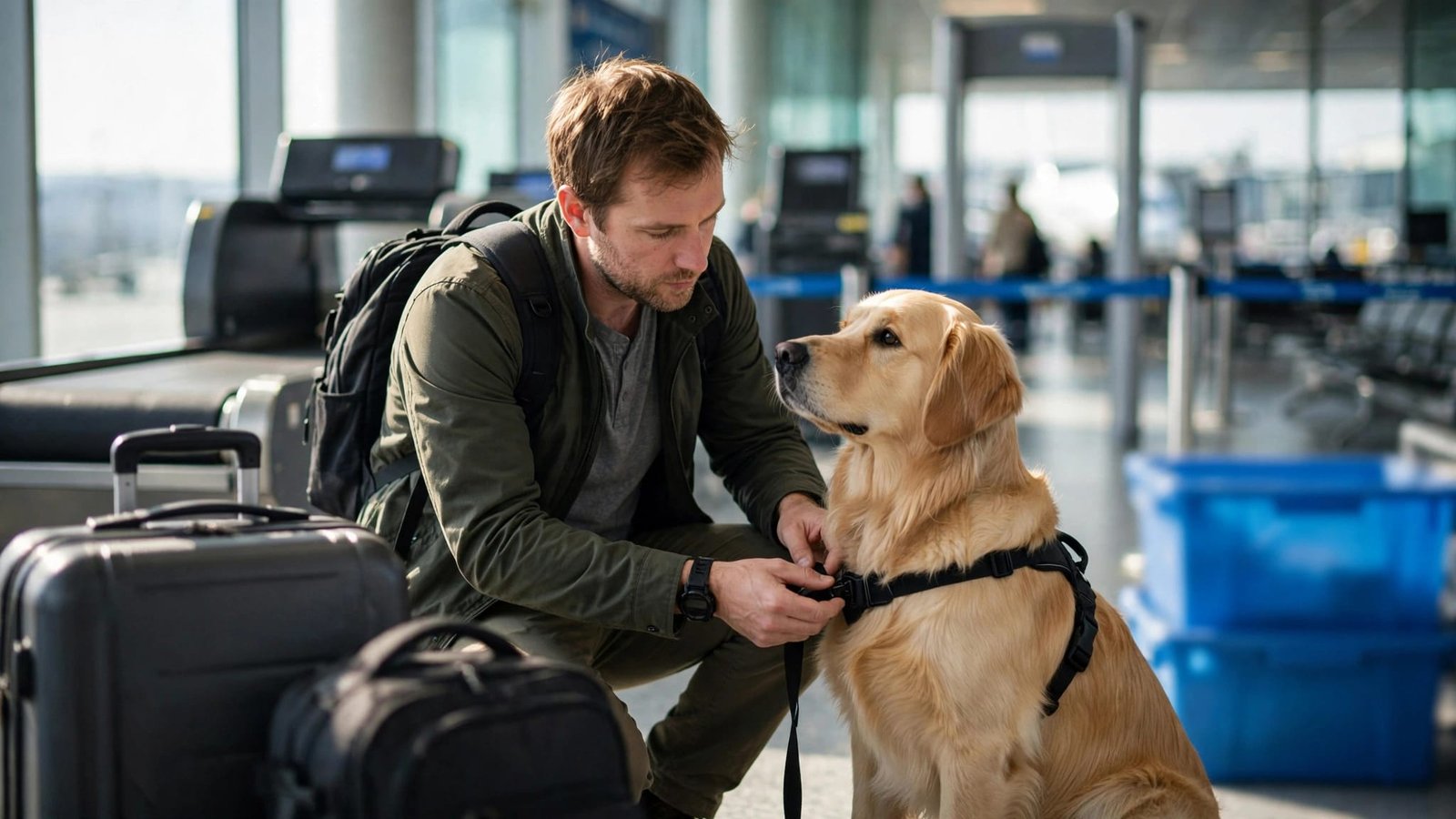
    Child with headphones walking beside a parent in an airport.

    Request TSA support before you leave

    For a U.S. departure, TSA Cares can offer support for travelers with disabilities, medical conditions, and other special circumstances during security screening. TSA asks families to contact TSA Cares at least 72 hours before travel.

    Tell the representative what may help your child, such as extra time, a quieter explanation of the process, or support at the checkpoint. TSA Cares does not remove the need for TSA screening, and it does not guarantee a certain lane or outcome. It does give staff useful context before a difficult moment begins.

    You can also use a notification card or an autism travel card. Calmly explain your child’s needs to a TSA officer before airport security screening starts.

    Consider a Hidden Disabilities Sunflower lanyard

    The Hidden Disabilities Sunflower lanyard is a voluntary way to show that a traveler may need extra patience, time, or assistance. Autism is one of many non-visible disabilities the program can support.

    It does not provide automatic priority access or let a family skip security or passport control. Airport participation and staff support vary by location. If an airport advertises IBCCES training or resources, review its IBCCES information to verify what that specific airport offers. An IBCCES reference doesn’t guarantee a particular screening outcome.

    A lanyard is one tool, not a requirement. Some children may find it helpful. Others may not want to wear it, and that is okay.

    Plan the flight around comfort, not perfection

    Ask the airline about family boarding, special assistance, disability support, seating options, and any paperwork needed before departure. A window seat can reduce movement nearby. An aisle seat may feel better for a child who needs frequent bathroom breaks or room to stand.

    Bring familiar entertainment, downloaded before the trip, along with ear defenders. Cabin Wi-Fi may be unavailable, slow, or too costly. Offer sips of water or another familiar strategy during takeoff and landing to ease ear-popping discomfort.

    A long flight may include tears, repeated questions, snacks at unusual times, a meltdown, and limited sleep. That doesn’t mean the trip is failing.

    Pack a Carry-On Sensory Kit That Your Child Knows

    Your carry-on should hold the things that would be hard to replace if checked luggage is delayed. Do not fill it with unfamiliar toys just because they are new.

    Familiar comfort items are usually the better choice.

    Pack comfort tools within easy reach

    A sensory kit can be small. It only needs to hold the items your child already uses when they feel tired, overwhelmed, hungry, or restless.

    A sensory seeker may benefit from a familiar movement or tactile item. Consider packing:

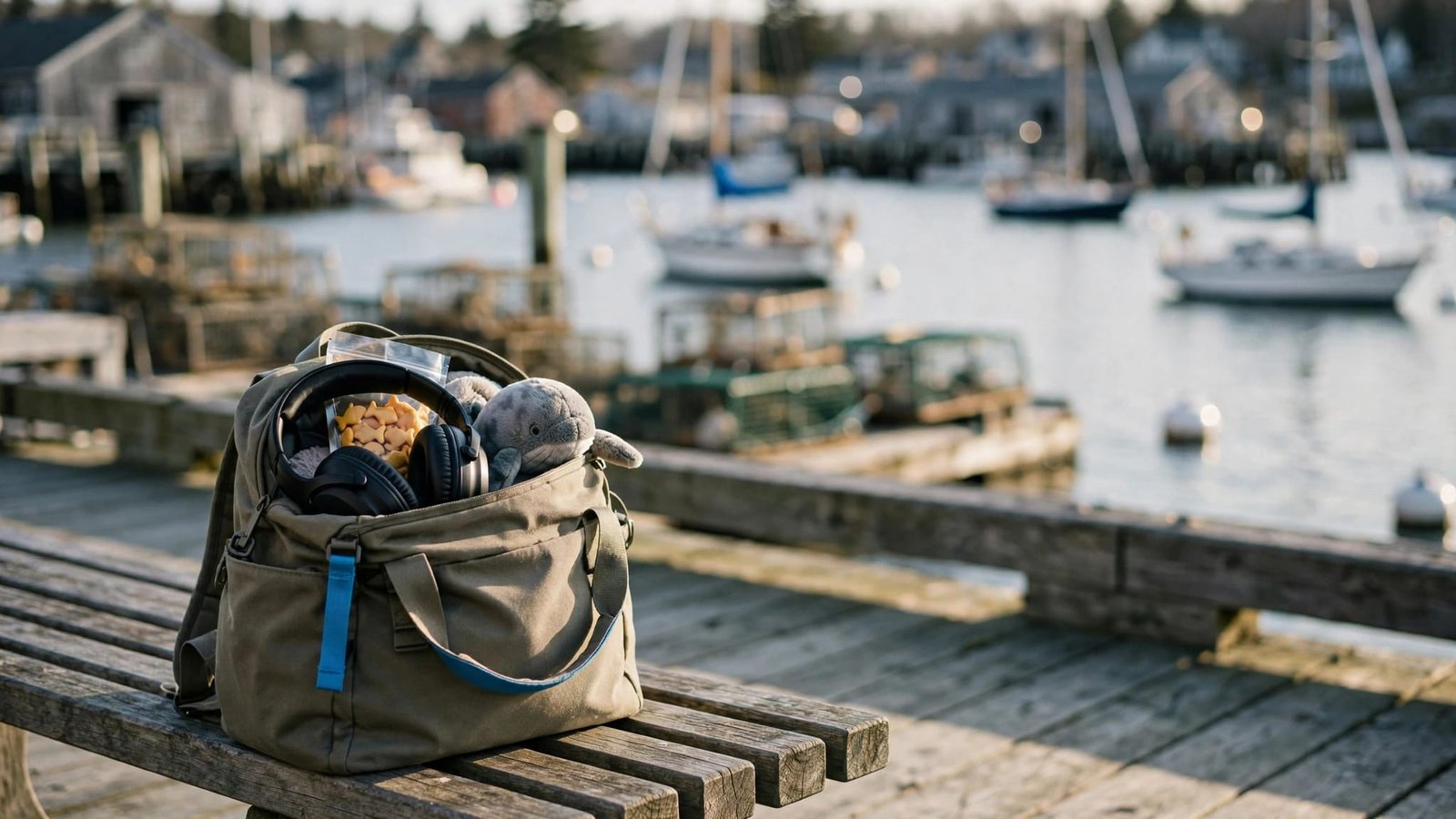
    • Noise-canceling headphones or ear defenders your child has used before.
    • Familiar fidget toys, a soft toy, hoodie, small blanket, or other comfort item.
    • Sunglasses or a hat if bright lights are difficult.
    • Familiar safe foods, gum if appropriate, and an empty refillable water bottle.
    • Downloaded shows, music, games, or communication apps.
    • A portable charger, charging cable, and adapter in one pouch.
    • A printed visual schedule or low-tech communication card.
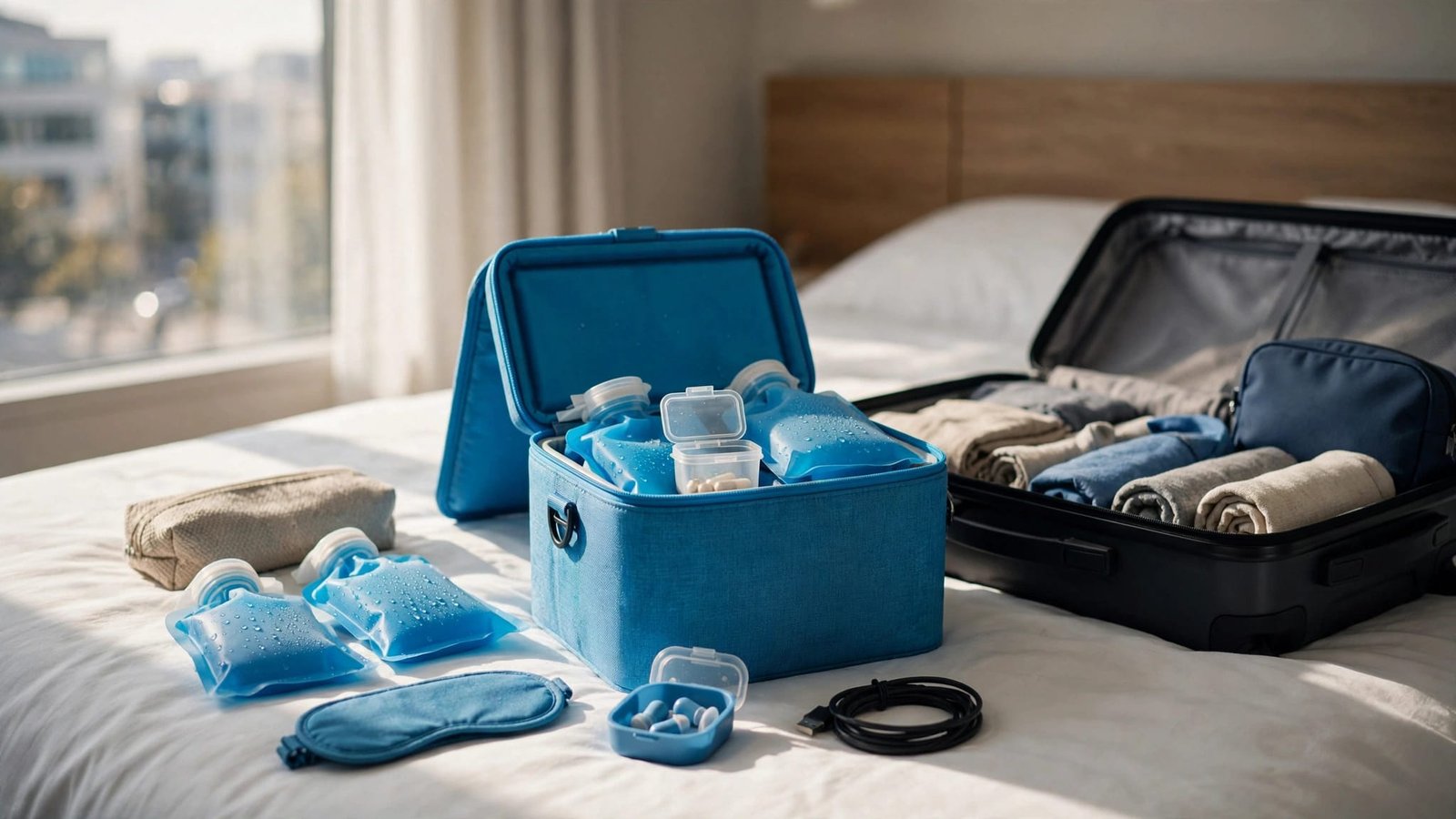
    • Any required medication, wipes, spare clothing, and care items.
    • An optional Hidden Disabilities Sunflower lanyard, if your child chooses to use it.

    Keep the lanyard accessible, but don’t rely on it instead of communication supports.

    Families often remember the tablet and forget the charging cord. Keep devices, cables, headphones, and battery packs together.

    Keep food, sleep, and communication simple

    International trips can disrupt meal times and sleep schedules. Pack safe foods your child will eat, especially for the first travel day. A familiar snack can be more helpful than searching for a new restaurant while everyone is tired.

    Bring any AAC device, picture cards, sign-language supports, or written phrases your child uses at home. Keep them accessible, not buried under jackets and souvenirs.

    If words are hard to find in a busy moment, offer two simple choices. “Headphones or hoodie?” “Quiet corner or snack break?” Clear choices can lower pressure.

    Book Lodging That Makes Breaks Easy

    Your hotel or vacation rental is more than a place to sleep. It is where your family will reset after a long day.

    Think about bedtime, food, laundry, room layout, noise, and how quickly you can return after an outing.

    Child rests on a bed while a parent organizes comfort items and snacks in a quiet apartment.

    Choose a home base that fits your routine

    A hotel can work well if it has a refrigerator, quiet room location, elevator access, and easy transportation. Ask about rooms away from elevators, ice machines, nightlife, pools, and busy lobby areas.

    Airbnbs may be a better fit if your child needs a full kitchen, more space, or separate sleep areas. They can also make it easier to prepare safe foods and manage bedtime.

    When comparing Airbnbs, check the kitchen, laundry, noise, and room-layout details. Confirm what is actually available before booking.

    Some hotels or lodging providers may hold the Certified Autism Center designation. Look for the IBCCES directory or training information, but don’t assume certification guarantees a quiet room.

    Ask what the IBCCES training actually covered, then confirm the property’s current IBCCES status. Also ask whether the room can meet your child’s sensory needs.

    Ask the lodging provider, “Do your staff recognize the Hidden Disabilities Sunflower program?” If your child uses the lanyard, ask how staff can help.

    Check the real distance to grocery stores, transit stations, attractions, and medical care. A property can look close on a map but still involve steep hills, busy crossings, or long walks.

    Treat the first 24 hours as an adjustment day

    Try not to schedule your biggest attraction right after landing. Flight delays, customs lines, hunger, and jet lag can change the whole mood of the day.

    When you arrive, unpack the comfort items first. Set out familiar supplies, including pajamas, familiar snacks, headphones, and medication. Recreate a simple bedtime routine, then tell your child the next step: “We are going to the hotel now,” or “We are having a snack, then resting.”

    A quiet afternoon is not wasted vacation time. It may be what makes the rest of the trip enjoyable.

    Build a Health, Safety, and Insurance Backup Plan

    A complete travel checklist should include a plan for the unexpected. You may never need it, but having the details ready can lower stress for parents and caregivers.

    A caregiver checks travel documents while a child with headphones sits nearby.

    Read the travel insurance policy, not only the summary

    Many U.S. health plans offer limited coverage outside the country. Review your current plan before you leave, then compare travel insurance policies for medical coverage, trip interruption, emergency evacuation, and pre-existing condition rules.

    Don’t assume autism-related care, behavioral needs, medication issues, or a pre-existing condition are automatically covered. Ask about the exact policy you’re considering. Check the travel insurance policy’s exclusions, evacuation and interruption terms, claim paperwork, medical stability requirements, and when coverage begins.

    The State Department strongly recommends travel health coverage and explains why medical evacuation insurance matters. An air ambulance transfer back to the United States may cost tens of thousands of dollars, depending on the location and medical situation.

    Prepare for separation and urgent care

    If eloping is a concern during sensory overload, make a simple family safety plan. Take a current photo before leaving the hotel each day and choose a meeting point. Teach your child who can help, such as a uniformed employee, hotel desk worker, or police officer. A Hidden Disabilities Sunflower may signal that support is needed, but it doesn’t guarantee assistance.

    Keep a short emergency card in your phone and travel folder. Include your child’s name, caregiver contacts, allergies, medication needs, communication preferences, and hotel address. Translate key phrases into the local language if needed.

    Find the nearest pediatric-capable emergency department, urgent care, and 24-hour pharmacy before your first outing. Autism is not something you need to explain to every person you meet. Share only the information needed to get your child appropriate care and support.

    Keep Ground Transportation and Daily Plans Flexible

    International airports often have a long final stretch after landing. There may be passport control, baggage claim, customs, currency exchange, and an unfamiliar transfer to your destination.

    Plan that first ride as carefully as the flight.

    Make the transfer easy to understand

    Pre-booking a private transfer can reduce waiting and decision-making for some families. Public transit may be a great fit for others, especially if your child is a sensory seeker who enjoys trains or buses. The right answer depends on your child, luggage, arrival time, and energy level.

    Show your child a photo of the vehicle or station when possible. Keep the next step simple. “We are getting in the car. Then we go to our room.”

    If eloping is a concern near roads, platforms, or crowded stations, decide who stays closest and where you’ll pause.

    Some families choose to use a Hidden Disabilities Sunflower lanyard in a participating airport or station. It doesn’t promise priority service, but it may discreetly signal that extra understanding could help.

    If you rent a car, ask about local toll systems, car seats, parking, and driving rules before leaving the airport. Surprise fees and unfamiliar roads can add stress to an already long day.

    Build in rest days and backup choices

    Choose one or two priorities each day. Keep a nearby backup option if a museum is too crowded, a tour is canceled, or the weather changes.

    A nearby attraction identified as a Certified Autism Center may be a useful backup. Use the IBCCES listing or training description as a starting point. Verify current details directly with the venue, even if IBCCES lists it.

    Your child may want to revisit the same playground, beach, aquarium exhibit, or hotel pool. That is still travel. It is still a family memory.

    A flexible plan gives everyone permission to leave early, take a longer lunch, skip an attraction, or return to the hotel without guilt.

    When Disney Is Part of Your International Itinerary

    A Disney stop can add excitement, but it can also bring crowds, heat, bright environments, and long walks that challenge sensory sensitivities. App-based planning and frequent transitions can add to the load. Keep the days simple.

    Disability Access Service, Lightning Lane options, virtual queues, and attraction procedures can change. Before visiting a Disney destination, check the current park information. If your child wants a visible support tool, consider the Hidden Disabilities Sunflower, but Disney staff policies and participation vary. Don’t feel pressured to buy every add-on. A paid return-time tool is only helpful when it gives your family more breathing room.

    For optional family-focused planning ideas around breaks, park bags, and flexible Disney days, the Disney World With Autism Guide PDF is available on Etsy. You can also find the Disney autism travel guide on Amazon. These resources offer planning ideas, not official Disney policy.

    One park per day, a nearby hotel, familiar snacks, and a portable charger may help more than a schedule filled with timed reservations. A good Disney day does not need every ride.

    Frequently Asked Questions

    How can I prepare my autistic child for international travel?

    Use a visual schedule or social story to explain each step, including waiting, security screening, boarding, and arriving at the hotel. Practice small parts of the journey and bring familiar comfort items rather than introducing new tools at the airport.

    What should I pack for an international flight with an autistic child?

    Keep medication, documents, safe foods, communication supports, headphones, comfort items, spare clothing, and charging supplies in your carry-on. Pack items your child already uses when they feel overwhelmed, tired, hungry, or restless.

    Can TSA Cares or a Hidden Disabilities Sunflower lanyard make airport travel easier?

    TSA Cares can provide advance support and context for a U.S. security screening, but it does not remove screening or guarantee a specific outcome. A Hidden Disabilities Sunflower lanyard may signal that extra patience or assistance could help, although participation and support vary by airport.

    How should I plan the first day after arriving abroad?

    Keep the first 24 hours simple and avoid scheduling the biggest attraction immediately after landing. Unpack familiar supplies, offer safe food, recreate a basic bedtime routine, and allow time for customs, delays, jet lag, and recovery.

    What should I do if my child becomes overwhelmed during the trip?

    Move to a quieter area, reduce demands, and offer simple choices such as headphones, a snack break, or returning to the hotel. A flexible itinerary gives your family permission to leave early, skip an activity, or use a nearby backup plan without guilt.

    A Trip Built Around Your Family

    The best international travel plan for an autistic child isn’t the busiest one. It’s the one that protects routines, comfort, communication, and recovery time.

    Use this international travel autistic children checklist and these practical travel tips to prepare the details you can plan. Then leave room for moments you can’t.

    Optional supports might include a familiar card, a visual cue, or a Hidden Disabilities Sunflower. Choose only what feels right for your child, and follow their preference.

    Your family doesn’t need to travel like anyone else. A calm pace and familiar support can make a family trip feel more accessible, even on vacation. A solid backup plan leaves room for connection and recovery.

  • Disney World Autism Birthday Trips That Feel Comfortable

    Disney World Autism Birthday Trips That Feel Comfortable

    A birthday trip to Disney theme parks doesn’t have to turn your family vacation into an exhausting checklist of fireworks and long lines. The best celebration feels safe, fun, and familiar, without asking your child to push through.

    Disney World autism planning works best when the plan follows your autistic child’s energy, preferences, and comfort. That might mean one favorite ride, a pool afternoon, preferred snacks, and an early bedtime. It still counts. It may be the birthday your child remembers most happily.

    Start by letting go of the idea that every Disney birthday should look the same.

    Key Takeaways

    • Let your autistic child define a successful birthday, whether that means one favorite ride, a familiar meal, pool time, or leaving the park early.
    • Prepare at home with a simple trip preview, comfort items, familiar snacks, and a flexible plan that follows your child’s energy.
    • Choose a resort and daily schedule that make breaks easy, and treat arrival days and rest days as valuable parts of the vacation.
    • Disney’s Disability Access Service may help eligible guests who cannot manage an extended conventional queue, but it does not replace breaks, food, shade, or flexibility.
    • Meltdowns, skipped attractions, early exits, and changed plans do not ruin the birthday. A calm, comfortable celebration is still a magical Disney memory.

    Let Your Child Define a Great Birthday

    Disney has many ways to celebrate, but a successful birthday can look different for neurodivergent children. The trip should not become a performance for adults or a race to fit in every attraction.

    Choose one or two true birthday priorities

    Ask your child what would make the trip feel special. The answer may be meeting Mickey, riding the PeopleMover, staying in a themed hotel room, eating chicken nuggets, or wearing a favorite shirt.

    Pick one main birthday moment and one backup. If the main plan works, anything else is extra.

    A simple birthday plan may look like this:

    • Start with a familiar breakfast in the room.
    • Visit one park for a favorite attraction or character.
    • Take a midday break before anyone is overwhelmed.
    • Celebrate with a cupcake, small gift, or preferred dinner.

    A child who leaves the park smiling at 2 p.m. had a successful Disney day. There is no prize for staying until closing.

    Give every adult a clear role

    Big family trips can become confusing fast. Grandparents may want photos. Siblings may want more rides. One parent may be handling mobile orders while another is watching the map.

    Talk through expectations before the trip. Decide who will carry the park bag, who will watch return times, and who can take a sibling on another ride if needed.

    It also helps to agree on one rule: any caregiver can call for a break. No debate is needed when someone says the child is done, hungry, hot, or overloaded.

    Autism Trip Planning Starts at Home

    The park day feels easier when your child already knows the basic rhythm. You do not need a minute-by-minute itinerary. A few familiar steps are enough.

    Create a simple preview of the trip

    If your child has sensory processing disorder, use photos, short ride videos, a printed calendar, or a visual schedule to preview the trip. Keep the explanation short.

    “We will fly to Florida. We will sleep at the hotel. Tomorrow we will ride the bus to Magic Kingdom.”

    Talk about the parts that may feel different. Sensory challenges can make security lines, buses, hotel elevators, characters, rainstorms, and loud ride exits harder when they are a surprise.

    For more planning support, the Disney World with Autism guide on Etsy works as a practical Disney vacation planner, with ideas for park days, breaks, and accessibility needs.

    Parent and child organize snacks, headphones, and travel items beside an open suitcase.

    Pack comfort items your child already uses

    Disney is full of new sights, sounds, and smells. Your park bag should bring a little bit of home along with you.

    Pack noise-reducing headphones, a favorite fidget, sunglasses, a soft hoodie, familiar snacks, medication, and a refillable water bottle. These familiar items can ease sensory challenges during busy parts of the day.

    If your child uses a tablet, AAC device, or downloaded music, bring it.

    Put the tablet, headphones, charging cable, and portable battery in one pouch. Families often remember the device and forget the cable. A dead phone can also create stress because the My Disney Experience app may hold tickets, mobile food orders, park maps, and attraction return times.

    The Amazon edition of the Disney autism travel guide is another helpful option for families who want a planning resource close at hand during the trip.

    Make the Travel Day Less Demanding

    A birthday vacation starts before you walk through a Disney park gate. Airport security, flights, rental cars, and hotel check-in are travel logistics that can use up a child’s energy before the fun begins.

    Build in comfort for the airport or drive

    If you are flying, keep must-have items in your carry-on. Checked luggage can be delayed, but your child’s headphones, medication, snacks, and comfort item need to stay with you.

    Tell your child what airport security may involve. They may need to wait, take off a backpack, or walk through a screening area. A familiar show, headphones, and a clear next step can make the wait feel more manageable.

    A Hidden Disabilities Sunflower Lanyard can discreetly show that a traveler has a hidden disability and may need added support. Check the participating airports and airlines before your trip. The lanyard does not guarantee faster security screening, and it does not provide special entry at Disney parks.

    Autism on the Seas is a separate autism-focused cruise option, not a Disney program. Cruise preparation differs from planning airport travel, park routines, and a Walt Disney World stay.

    Treat arrival day as a transition day

    Avoid scheduling a park day immediately after a long flight unless your family truly prefers it. A resort-only trip may be better than entering a park immediately after a long journey.

    Hotel check-in, new rooms, unfamiliar food, and Florida heat can be enough for one day. A low-pressure arrival day might include checking out the pool, eating at the resort food court, unpacking comfort items, and taking a short walk. Let your child choose between two simple options.

    “You can swim for a little while, or we can watch a movie in the room.”

    That first quiet evening helps the whole family settle before the first park day.

    Pick a Resort That Makes Breaks Easier

    Your hotel is not only a place to sleep. It is your recovery space after crowds, heat, transportation, and big emotions.

    Choose room space over extra themeing

    Disney’s Art of Animation Resort and Disney’s All-Star Music Resort offer family suites that sleep up to six guests. Extra sleep space, a kitchenette, and more than one bathroom can help when family members need different bedtimes or separate quiet time.

    Disney’s Port Orleans Resort, French Quarter may be a good fit for families who prefer a smaller resort layout. It can feel easier when the food court, bus stop, pool, and room are not spread across a huge property.

    An off-site hotel or vacation rental may be better if your child needs a full kitchen, private vehicle, or a quieter room away from busy common areas. The best choice is the one that supports your routine.

    Ask questions that matter to your family

    When booking, ask about the actual room setup. Check bed arrangements, elevator access, refrigerator needs, room for a stroller, distance to transportation, and available accessible rooms.

    You can also request a room location that may reduce walking or noise, though requests are not guaranteed. Disney’s accessibility services overview is a helpful starting point before making those requests.

    Plan real rest days after two or three park days. A resort-only trip is a valid option. It can include pool time, laundry, room time, or a slow Disney Springs visit.

    There is no reason to pack light if laundry would take away the break your family needs. Familiar clothes, preferred pajamas, and extra socks are often worth the suitcase space.

    Use DAS for the Right Kind of Support

    Disney’s Disability Access Service, often called DAS, can change where an eligible guest waits for an attraction. It doesn’t remove every wait, crowd, or change of plan.

    Know what Disability Access Service does

    DAS is for guests with a developmental disability, such as autism, who can’t manage an extended conventional queue. A diagnosis alone doesn’t automatically qualify someone.

    A Disney World autism plan should focus on how the guest is affected by a standard queue. Explain communication needs, sensory distress, safety concerns, or why a long, confined wait isn’t workable.

    Disney’s current Disability Access Service details explain that eligible guests can request an attraction return time after entering the park. Your family waits elsewhere instead of remaining in the standby line.

    DAS is separate from Lightning Lane Multi Pass, Rider Switch, and mobility accommodations. Each service helps with a different need.

    Prepare for the video interview

    Disney uses a live video chat to review DAS eligibility. Registration can be completed up to 60 days before your visit, including the day of your park visit.

    The adult requesting DAS must be at least 18 years old. The guest who needs DAS also needs to be present for the conversation. Before the call, link valid park admission for everyone in your travel party through the My Disney Experience app.

    Don’t rehearse a perfect answer or make diagnostic paperwork the focus. Share honest, clear details about what happens in a regular line. Explain what support helps your child or autistic adults in your family.

    DAS changes the place where an eligible guest waits. A calm park plan still needs breaks, food, shade, and room for plans to change.

    Check current Disney rules before your trip. If the app feels confusing during your vacation, step away from the crowd before trying to solve it. Cast Members, Guest Experience Team members, and Guest Relations can help with questions.

    Build a Slower Day in Each Park

    A full day at one of Disney’s theme parks can look impressive on paper and still become too much by lunchtime. Keep the plan simple enough to change.

    Start with one clear win

    Choose one or two must-do experiences for the morning. Group attractions by location instead of racing from one side of the park to the other.

    At Magic Kingdom, you may spend the morning around Fantasyland instead of jumping between Fantasyland, Tomorrowland, and Frontierland. At EPCOT, remember that Remy’s Ratatouille Adventure, Frozen Ever After, and Soarin’ are spread far apart.

    One park per day often feels easier than Park Hopper tickets. Fewer security lines, transportation changes, and decisions can make a big difference.

    Use the first hours of the day for priority rides. After that, let your child’s energy guide the next step. A snack break, a favorite shop, or sitting in air conditioning may be the right choice.

    Know where to reset before you need it

    Identify quiet spaces before you need them. Disney lists locations for neurodivergent guests in its official guest guidance. Crowds and operating hours change, so use these as starting points and ask a Cast Member when you arrive.

    ParkPlaces to check for a quieter reset
    Magic KingdomLook for seating away from the Hub and main parade routes, including quieter corners of Fantasyland.
    EPCOTUse gardens, less-busy pavilion paths, or indoor seating between major attractions.
    Hollywood StudiosWalt Disney Presents offers indoor seating, while Grand Avenue can feel less intense than Toy Story Land.
    Animal KingdomWalk the Oasis trails near the entrance or move slowly through Maharajah Jungle Trek for a lower-pressure break.

    A quieter spot is not always silent. It is simply a place to pause, lower demands, drink water, and decide what comes next.

    Two adults relax in a shaded courtyard with headphones, water, sunglasses, and a mobility chair.

    Keep Meals and Birthday Treats Predictable

    Food can become difficult when a child is tired, hot, hungry, or surrounded by unfamiliar smells. A birthday meal does not have to be a Character buffet or a long restaurant reservation.

    Choose familiar food over a big dining event

    Bring safe snacks your child already eats. Use mobile order early when possible, then pick up food before hunger becomes a problem.

    Counter service restaurants can feel more flexible than a table-service meal. Your family can leave more easily when needed. End Zone Food Court at Disney’s All-Star Sports Resort has burgers, pizza, pasta, and indoor seating. ABC Commissary is a practical American quick-service choice at Hollywood Studios.

    Docking Bay 7 can be fun for Star Wars fans, but new food, sounds, and heavy theming may not work for every child. Review the current Hollywood Studios dining options before your visit and choose what feels familiar.

    Character meals may be exciting, but they can also be loud, busy, and unpredictable. Book one only if your child enjoys that kind of interaction.

    Let the celebration stay small

    A birthday can be a favorite breakfast, one wrapped gift in the hotel room, or a simple cupcake after dinner. Ask before adding surprises.

    Some children love birthday attention. Others may feel upset by singing, extra attention, photos, characters coming close to the table, or attention from other guests during public dining.

    Tell your server only if your child wants the recognition. You can also ask Guest Relations about birthday buttons, but do not make wearing one a requirement. The goal is comfort, not proving that the birthday happened.

    A child celebrates quietly with two adults over dinner and a small birthday cupcake.

    Use Lightning Lane Only When It Helps

    More reservations don’t always create an easier Disney day. Timed plans can help some families, but they may add pressure for others.

    Keep DAS and Lightning Lane separate

    Lightning Lane Multi Pass is a paid service separate from DAS. It offers scheduled return windows for participating attractions.

    It may help when your family has a few rides that truly matter. At EPCOT, Remy’s Ratatouille Adventure, Frozen Ever After, or Soarin’ might be birthday priorities.

    Check the My Disney Experience app before you buy. Attraction choices, prices, and availability can change.

    Avoid filling the day with clocks

    Don’t buy every add-on because it sounds like the complete Disney experience. Paid return times are optional, and they’re only worth it if they lower stress.

    If your child struggles with changing plans, becomes upset when a ride closes, or needs frequent breaks, a full Lightning Lane schedule may create more pressure. A slower day may offer better value.

    Use one service at a time. Keep your phone charged. Choose the next step after your child finishes the current one.

    A Hard Moment Does Not Ruin the Birthday

    Meltdowns, shutdowns, and sudden changes can happen despite thoughtful planning. Heat, crowds, noise, and surprises at Disney can contribute to sensory overload. Not every difficult moment has the same cause. Your family has not failed if you leave an attraction, skip dinner, or return to the hotel.

    Respond with fewer words and fewer choices

    When a child is overwhelmed, long explanations can make the moment harder. Use simple phrases your child already knows.

    “We are taking a break.”

    “You are safe.”

    “Headphones or quiet walk?”

    Move away from the line or busy walkway if you can. Offer water, a familiar snack, a comfort item, or a calm video. Give your child time without adding pressure to “fix” the moment quickly.

    Let the plan change without guilt

    One caregiver can take a sibling on a ride while another returns to the room. A birthday dinner can become room-service food or snacks by the pool. Fireworks can be watched from farther away or skipped completely.

    If a stroller is needed as a mobility device, ask Guest Relations about a stroller-as-wheelchair tag. If adults need help switching places for attractions, ask about Rider Switch.

    The most important part of planning is knowing that leaving early is always allowed.

    Frequently Asked Questions

    Does autism automatically qualify a guest for DAS?

    No. A diagnosis alone does not guarantee eligibility for Disney’s Disability Access Service. During the video interview, explain honestly how the guest is affected by a standard attraction queue and what support would help.

    How can we make a Disney birthday less overwhelming?

    Choose one or two true priorities, bring familiar comfort items, and plan a midday break before your child becomes overloaded. A favorite snack, quiet resort time, or early bedtime can be just as meaningful as a full park day.

    Should we visit a park on the day we arrive?

    Not necessarily. After a long flight or drive, a resort-only arrival day can give your child time to adjust to the hotel, heat, food, and new surroundings before adding a busy theme park.

    What should we do if our child becomes overwhelmed at Disney World?

    Use fewer words, move away from the crowd, and offer water, headphones, a familiar snack, or another comfort item. You can skip an attraction, change the meal, return to the room, or leave the park early without treating the change as a failure.

    The Birthday Memory That Matters

    A comfortable Disney birthday trip is built around your child, not a crowded checklist. A Character buffet is optional. A favorite ride, familiar meal, pool break, or early bedtime may become the meaningful birthday memory.

    Quiet breaks, familiar meals, and a good resort room can all help. Still, the strongest plan is the one that gives your family permission to slow down.

    A calm birthday is still a magical birthday.

  • Uncrowded Honeymoon Destinations With Room to Breathe

    Uncrowded Honeymoon Destinations With Room to Breathe

    Your honeymoon should not feel like a race for breakfast chairs, dinner reservations, and a patch of beach. The best uncrowded honeymoon destinations give you room to slow down, talk longer, and enjoy the place you chose.

    Romance doesn’t require booking an overwater bungalow or choosing a conventional resort format. It means finding a destination where the scenery, hotel, and daily pace leave room for each other.

    These four destinations are romantic getaways and practical starting points for couples considering off the beaten path honeymoons.

    Key Takeaways

    • The best uncrowded honeymoon destinations combine romantic scenery, comfortable lodging, and a slower daily pace.
    • Late spring and early fall often offer a useful balance of lighter crowds, pleasant weather, and better room rates, but local holidays and seasonal conditions still matter.
    • Choosing one well-located base can protect your downtime and reduce the stress of frequent hotel changes.
    • The Azores, Lake Bohinj, Rodrigues, and Yakushima each offer a different kind of privacy, from volcanic landscapes and alpine lakes to lagoons and rainforest trails.
    • Plan only one main activity per day, confirm transportation and cancellation policies, and leave room for weather changes and spontaneous moments.

    How to choose a quieter honeymoon base

    Good honeymoon planning means more than counting visitors. Compare tropical honeymoon destinations with cooler or alpine options. Then consider a quieter honeymoon base, the season, travel time, town size, and hotel changes.

    Let the calendar do some of the work

    For many destinations, late spring and early fall bring the best balance. You may find better room rates, lighter traffic, and more space at restaurants and beaches.

    Always check local school breaks and holiday weekends before booking. A small village can feel busy fast during a festival or long weekend.

    Weather matters, too. A lower-crowd month may also bring rain, wind, or limited boat schedules. You want quiet, but you still want to enjoy the reason you traveled there.

    Choose one great base instead of many stops

    Compare secluded honeymoon resorts with independent boutique hotels and guesthouses, because location and scale can matter more than the label. Pick one comfortable base instead of packing, unpacking, and changing hotels every two days.

    If you’re comparing romantic honeymoon packages or an all-inclusive honeymoon, read the fine print. Check which meals, transfers, and activities are included, along with cancellation terms.

    Look for features such as a private balcony, private plunge pools, soaking tubs, a quiet pool, or a walkable dinner spot. Choose details that genuinely improve privacy, since small comforts often matter more than a long list of attractions.

    Even luxury overwater bungalows or an adult-only resort may look private without guaranteeing a quiet stay. Check the season, property capacity, and surrounding area before booking.

    The right honeymoon pace leaves room for a slow breakfast, an unexpected beach stop, and a day when you decide not to do much at all.

    The Azores, Portugal, for volcanic views and ocean air

    The Azores stand out among European honeymoon destinations for dramatic scenery without a large-resort feel. On Sao Miguel, couples can visit a crater lake, soak in Furnas, and enjoy local food near the water. Village life and thermal traditions add memorable cultural experiences.

    The official Azores tourism site helps compare the archipelago’s nine islands before you choose a home base. If wine tasting is a priority, Pico may deserve consideration instead of planning an impractical island hop from Sao Miguel. For a first visit, Sao Miguel is often easiest because Ponta Delgada has the main airport and plenty of lodging options.

    A tiny couple overlooks a misty volcanic lake surrounded by green hills and hydrangeas.

    Go in late spring or early fall

    May, June, September, and October are strong months for a quieter Azores honeymoon. The islands are green, the weather can be comfortable, and summer crowds have not fully arrived or have started to leave.

    The weather changes quickly, so pack layers and keep your plans flexible. Whale and dolphin trips, a scenic road trip, and hot springs work well when you allow extra time for changing conditions.

    Plan for a rental car and a comfortable stay

    A mid-range Azores honeymoon can often run about $300 to $500 per day for two people, excluding international flights. That range depends on your hotel, rental car, dining choices, and guided activities.

    Stay four or five nights on Sao Miguel rather than trying to see several islands in one short trip. Furnas suits thermal pools and a slower setting. Nordeste offers green viewpoints and a more remote feel.

    Lake Bohinj, Slovenia, for alpine peace

    Lake Bled gets much of the attention, but Lake Bohinj gives couples a quieter side of Slovenia. It sits inside Triglav National Park, surrounded by mountain views, hiking trails, and a calm, open lake. It feels like a peaceful mountain retreat.

    In warmer months, you can swim, cycle, stroll the lakeshore, or spend a relaxed afternoon in the villages around it.

    Visit outside the peak summer weeks

    Late May, June, and September are excellent for a Lake Bohinj honeymoon. You will have pleasant hiking weather and more room to enjoy the shoreline.

    Summer can still be lovely, but it brings more visitors and higher prices. If you want a calm trip, skip the busiest July and August weeks when possible.

    Stay in a village and keep transportation simple

    Ribcev Laz, Stara Fuzina, and Ukanc are good places to look for guesthouses and small hotels. They are close to the lake without the busier feel of Bled.

    A realistic mid-range budget is about EUR140 to EUR320 per day for two people. Modest guesthouses and simple transportation can make a budget-friendly honeymoon possible, though costs vary. This range can cover a comfortable room, meals, local transportation, and a few paid experiences.

    Buses connect Bohinj with Bled in under an hour, and Ljubljana is reachable in roughly one hour and 45 minutes. On a longer Slovenia itinerary, visit Ljubljana’s historic old town too. Add the Vogel cable car, Savica Waterfall, and Mostnica Gorge to your plans, but leave time for a slow lakeside lunch.

    Rodrigues, Mauritius, for real island privacy

    Rodrigues is a smaller island east of Mauritius and a quieter, locally rooted option among tropical honeymoon destinations. Couples comparing secluded honeymoon resorts with locally owned guesthouses and villas may appreciate its turquoise lagoons and secluded beaches. Its pace is slower, with some privacy associated with a private island resort, though it isn’t necessarily one.

    Fishing villages and lagoon outings offer cultural experiences, while locally owned restaurants add a taste of island life. Hiking paths lead to pristine beaches where the day feels like your own.

    A couple relaxes beside a turquoise lagoon on a quiet white-sand beach.

    Give yourself enough time to settle in

    July through October is a popular window for lower rainfall and comfortable temperatures. The sea can feel cooler during this period, but it is still a lovely time for walks, lagoon views, and low-key exploration.

    The Rodrigues trip-planning guide is useful for checking current details before you book. Island conditions, transport times, and lodging availability should always be confirmed early.

    Budget for the extra flight, then slow down

    Rodrigues requires a domestic flight connection from Mauritius. That extra step can raise the cost, so it is better as a week-long stay than a rushed three-night add-on.

    There is no one-size-fits-all daily budget for Rodrigues. Your total will depend heavily on flight timing and whether you choose a guesthouse, villa, or full-service hotel. If you want private pool villas, verify that feature with individual properties before booking. Build in room for a private boat outing, a beach picnic, and meals at locally owned restaurants.

    Yakushima, Japan, for rainforest romance

    Yakushima is a strong choice for couples who’d rather walk through ancient cedar forests than sit by a crowded pool. This island south of Kyushu is known for deep green hiking trails, waterfalls, coastal roads, and rain that gives the landscape its rich look.

    It is not a honeymoon for couples who want constant nightlife. For couples considering adventure honeymoon ideas, it offers a rainforest-based trip with active days on varied terrain and quiet meals.

    Pick a season that suits hiking

    Late spring, especially April and May, and early autumn are good choices for comfortable temperatures. A Yakushima travel guide recommends these periods for lower rainfall and pleasant conditions.

    Still, bring rain gear at any time of year. Yakushima’s weather can change quickly, so trail difficulty and rainfall should guide your itinerary.

    Plan the transportation before you book the hotel

    Most travelers fly or take a train to Kagoshima, then continue by plane or ferry. The fast Toppy boat can take about two hours from Kagoshima, but schedules can change with weather.

    Stay near Anbo or Miyanoura, and consider a rental car for flexibility. A recent three-day, two-night mid-range sample itinerary came to about JPY97,300 per person. It included transportation from Tokyo, a guesthouse, meals, a rental car, and a Jomon Sugi hiking day. Use that as a starting point, not a fixed quote.

    Build a honeymoon that stays calm

    Each destination has a different feel, but the same planning habits can protect your downtime.

    DestinationQuieter travel windowPlan ahead for
    AzoresMay, June, September, OctoberRental car and changing weather
    Lake BohinjLate May, June, SeptemberLakefront lodging and seasonal activities
    RodriguesJuly through OctoberDomestic flights and a longer stay
    YakushimaApril, May, September, OctoberRain gear, ferries, and trail conditions

    The best choice depends on what feels romantic to you. Some couples want ocean views, hot springs, or luxury overwater bungalows; others prefer mountain walks and a small guesthouse. An overwater bungalow isn’t automatically quieter than a small guesthouse. A private island resort isn’t the only route to privacy. These are category comparisons, not claims about the four featured destinations.

    Keep the daily plan small

    Choose one main activity each day. A whale watch, waterfall hike, lagoon outing, or cable-car ride is enough. A couples massage, picnic, or rest period suits a slower day. Leave time for meals and rest.

    Book the experiences that matter most, but don’t fill every hour. The most memorable parts of a quiet honeymoon are often the unplanned ones.

    Plan every kind of trip with care

    Check cancellation policies before booking, especially for lodging, ferries, flights, and weather-sensitive activities. Keep a backup for poor weather, build in time for ferry or flight delays, and consider travel insurance for interruptions.

    Frequently Asked Questions

    What are the best months for an uncrowded honeymoon?

    Late spring and early fall are often the best starting points for lighter crowds and comfortable conditions. Always check local school breaks, holiday weekends, rainfall, and seasonal transportation before booking.

    How can we choose the right quiet honeymoon destination?

    Start with the experiences you both enjoy, such as beaches, hot springs, mountain walks, or rainforest hikes. Then compare travel time, town size, hotel location, budget, and the amount of planning each destination requires.

    Is one hotel base better than a multi-stop honeymoon itinerary?

    For many couples, one comfortable base creates a calmer trip and avoids repeated packing and unpacking. A longer stay also gives you more flexibility when weather, ferries, or other transportation plans change.

    Are uncrowded honeymoon destinations always expensive?

    Not necessarily, because smaller guesthouses, local restaurants, and travel outside peak weeks can help control costs. Transportation is still important to price carefully, especially for destinations such as Rodrigues and Yakushima.

    How much should we plan for each day?

    One main activity, a relaxed meal, and plenty of unplanned time are usually enough for a peaceful honeymoon. Book the experiences that matter most, but leave space for rest, weather changes, and spontaneous beach or scenic stops.

    Final thoughts

    The right uncrowded honeymoon destinations offer more than shorter lines and quieter beaches. They give you time together without feeling rushed.

    Pick a place that matches your energy, travel style, and budget. One couple may dream of an overwater bungalow, while another may prefer a volcanic island, alpine lake, or rainforest stay. The right pace feels personal, comfortable, and worth remembering.

  • Disney World Autism Planning for Multiple Disabilities

    Disney World Autism Planning for Multiple Disabilities

    Disney autism planning is easier when your trip reflects your guest’s real support needs. Disney theme parks can be loud, crowded, hot, and full of changes.

    Autism may be only one part of the plan. Your family may also be balancing special needs related to mobility, communication, medical equipment, food restrictions, anxiety, elopement concerns, behavioral support, or cognitive disabilities.

    Successful vacation planning means building around support needs, not trying to complete a perfect itinerary. It means your family feels supported, comfortable, and able to enjoy the moments that matter most.

    Key Takeaways

    • Build the trip around your guest’s real support needs, including sensory, communication, mobility, medical, food, and cognitive needs—not only an autism diagnosis.
    • Prepare for transitions before you leave, register for DAS if appropriate, and learn how stroller tags, Rider Switch, Guest Relations, and other accessibility supports may help.
    • Keep park days flexible with realistic priorities, nearby attractions, planned reset places, familiar food, regular breaks, and permission to leave early.
    • Organize the park bag, hotel, transportation, and dining plan around comfort, communication, medication, mobility, and recovery needs.
    • A successful Disney vacation does not require completing every attraction; a calmer day with one meaningful experience can be a meaningful success.

    Start with a needs profile

    Before choosing rides, write down what helps your guest feel safe and settled. A diagnosis of autism spectrum disorder can provide context, but observable daily support needs should guide the itinerary. Keep it simple and practical.

    Disney’s accessibility services page is a useful guest services resource for reviewing current programs, mobility information, downloadable guides, and park support options.

    Plan around support needs, not a label

    Think about difficult parts of a normal day. Is waiting in one place hard? Is walking a long distance painful or exhausting? Does your child need a stroller for safety? Does your guest use AAC, sign language, gestures, or a feeding device?

    The same practical approach can help when autism and cognitive disabilities overlap. Use notes from home, school, appointments, or other busy outings to create a concise sensory profile. That list may include:

    • A quiet break after a crowded activity.
    • A familiar snack before frustration builds.
    • Clear warning before a transition.
    • A wheelchair, ECV, or stroller for longer distances.
    • A low-stimulation place to regroup after a ride or parade.

    This gives you a plan that fits the individual guest, not a generic special needs checklist.

    Give adults clear roles for the day

    If more than one adult is traveling, decide who handles what before entering the park. One person might manage the My Disney Experience app. Another may stay focused on communication, snacks, medication, or helping a child move safely through crowds.

    It also helps to have an “if this happens” plan. If a ride closes, choose a nearby backup. If your guest needs to leave quickly, know where you will meet. If the app stops working, take a breath and ask a cast member for help.

    Prepare for the trip before the airport or car ride

    The vacation starts before you see Cinderella Castle. Travel day can be one of the hardest transitions, especially when routines, sleep, food, and familiar spaces all change at once.

    Keep the first day light. Arriving at the resort, checking in, unpacking comfort items, and finding food may be enough. You do not need to add a full park day after a long flight or drive.

    Make the travel sequence easy to understand

    Use a short visual schedule, photos, simple written steps, or a social story. A sequence such as “car, airport, plane, hotel, pool, sleep” is often easier to process than a packed itinerary.

    If your guest likes knowing what comes next, show them resort pictures, transportation options, and the park entrance before leaving home. Review only the parts they need to know. Too much information can feel like another big task.

    Bring extra prescription medication in original containers, a medication list, feeding supplies, and any medical information you’d want during an unexpected delay. Keep these items with you, not in checked luggage.

    Preview rides and build familiar supports

    Ride videos can help you check darkness, loud sounds, drops, motion, restraints, and sudden effects that may trigger sensory overload. Watch only the rides your family is truly considering. You do not need to preview every attraction at Disney World.

    Disney also offers services for neurodivergent guests that can help families prepare for attraction queues, dining, and other park details.

    Keep communication tools together in one easy-to-reach pouch. Include the AAC device, headphones, charging cord, portable battery, picture cards, and a paper backup. Many families remember the tablet and forget the cable.

    For a planning companion you can keep on your phone, the Disney World with Autism Guide PDF and this autism travel guide on Amazon offer extra ideas for park days, breaks, and accessibility support.

    Disability Access Service: what families need to know

    Disability Access Service, usually called DAS, is not a front-of-the-line pass. It provides eligible guests with a return-time accommodation, so they can wait somewhere other than a conventional queue.

    Disney’s current DAS information says the service is for guests with a developmental disability, such as autism or a similar condition, who cannot wait in a standard queue for an extended time.

    Register before your Disney World visit

    Families can pre-register online for DAS through live video chat. Disney doesn’t offer in-person DAS registration at the resort. The guest requesting DAS must be present for the conversation.

    Disney currently allows registration up to 60 days before a park visit, including the date of the visit. Live video chat is available from 7:00 AM to 8:00 PM Eastern Time.

    The conversation focuses on how waiting in a conventional line affects the guest. A diagnosis by itself does not guarantee approval. If a guest has cognitive disabilities alongside a qualifying developmental disability, explain the specific functional barrier created by the queue. Be honest and clear about what makes a long, enclosed, crowded, or unpredictable queue difficult.

    Policies can change, so verify details on Disney’s current DAS information page before your trip. Do not rely only on a past visit or a social media post.

    Use DAS without making the day too rigid

    Once you are in the park, the registered guest or an adult linked to their account can request an available attraction return time in the My Disney Experience app. That option is generally based on standby wait times.

    After using that scheduled option, you can request another available window. The registered guest must be present and ride with the group.

    DAS changes where your family waits. It does not remove every crowd, ride delay, weather problem, or hard moment. In Disney autism planning, a portable charger belongs in the park bag. Your phone may hold tickets, mobile food orders, maps, family messages, and scheduled options.

    If the app feels confusing, visit Guest Relations or find a Guest Experience Team location, where a cast member can help. You do not have to solve every problem while standing in a busy walkway.

    Use other queue and mobility supports

    DAS is only one option. Families with special needs may need more than one support tool, while others may not need DAS at all.

    Disney outlines attraction queue support options that include Rider Switch, queue re-entry information, and other services for guests with disabilities.

    Ask about a stroller as a wheelchair

    A familiar stroller can be more than transportation. For some children, it is a safe place to regulate, rest, avoid running, or recover after walking.

    Disney’s guest services team at Guest Relations can explain whether your stroller qualifies for a stroller tag. If approved, this tag may allow your child to keep using the stroller in attraction queues where a mobility device is needed. Ride access and transfer instructions can vary, so always follow the cast member’s direction at the attraction entrance.

    The tag is separate from DAS. It doesn’t change DAS eligibility, and attraction-specific mobility instructions still come from a cast member.

    Rider Switch can help mixed-needs families

    Rider Switch is useful when someone in your party cannot or doesn’t want to ride. This may be a child who doesn’t meet the height requirement, a guest with sensory sensitivities, or someone who needs to stay with a medical device or service animal.

    At most participating attractions, the whole group meets a cast member at the entrance. The party is divided into two groups. One group rides while the other adult waits with the non-rider. Then the second group can take its turn without repeating the standard wait.

    Disney also has multi-stall restrooms and single-stall companion restrooms throughout the resort. Find nearby companion restroom locations in the app before you need one. A quiet, private bathroom break can make a big difference during a busy day.

    Build a park day with room to change plans

    A detailed itinerary can look great at home and fall apart by lunchtime. Florida heat, rain, hunger, ride closures, tired feet, and unexpected excitement can contribute to sensory overload.

    Choose one park per day when possible. Park Hopper tickets can be useful, but moving between Disney parks adds transportation, security lines, walking, and more decisions.

    Group attractions by location

    Magic Kingdom is much easier when you spend a few hours in one land instead of racing between Fantasyland, Tomorrowland, and Frontierland. EPCOT needs the same approach. Remy’s Ratatouille Adventure, Frozen Ever After, and Soarin’ Around the World are popular, but they’re spread far apart.

    Identify quiet areas before the day begins, so you have a nearby option when the crowds feel overwhelming.

    A return time on the other side of EPCOT can create more stress than a longer wait near where your family already is.

    Give each day one clear win. It may be riding a favorite attraction, seeing a parade, meeting a character, or enjoying one special meal. Once that happens, the rest of the day can feel like a bonus.

    Know your reset places before you need them

    A quiet break does not have to mean a formal quiet room. Disney does not promise a designated sensory room in every park. Before the day begins, map indoor seating, shaded paths, nearby companion restrooms, quieter tables, and familiar attractions with a slower pace.

    At Disney’s Hollywood Studios, Walt Disney Presents can offer seating and a calmer break from the energy of Toy Story Land or Star Wars: Galaxy’s Edge. At Animal Kingdom, shaded walking paths can give your family space away from the main crowds.

    Try a simple reset order: water, restroom, snack, headphones, lower-stimulation space, then decide what happens next. Leaving the park early is always a valid choice.

    Match the pace to age, stamina, and communication needs

    Age matters, but it is not the whole story. Stamina, communication style, cognitive disabilities, and personal preferences can all shape the right pace.

    A teenager may need more breaks than a preschooler. An autistic adult may prefer to choose their own rides and take independent quiet time.

    For younger children, keep the goals small

    A young child may do best with an early arrival, one priority attraction, a snack break, and a few nearby rides. Familiar areas like Fantasyland can make the day feel more predictable.

    Use short, clear choices. “Carousel or snack?” is easier than “What do you want to do now?” Let your child know that “all done” is an option. A Disney day does not need to be a test of endurance.

    If naps are still part of life at home, protect them. A hotel break can be more valuable than one more attraction.

    Give teens and adults real choices

    Older guests may want more control over the plan. Ask which rides, characters, restaurants, or shows matter most to them. Review ride details together, including darkness, motion, restraints, loud sounds, and the possibility of a longer evacuation.

    Build in personal space while protecting decision-making. A teen may need to sit with headphones while another family member shops. An adult guest may prefer a quieter meal or a later start. Support should preserve independence, not take away autonomy.

    Food, medication, and the park bag matter

    Food can become a major issue when hunger, heat, sensory needs, and unfamiliar choices hit at the same time. Plan meals before the family is already tired.

    Disney’s special dietary request guidance explains that many table-service and select quick-service locations offer allergy-friendly options for common allergens.

    Make dining feel more predictable

    Look at restaurant menus before your trip. Save a few realistic meal choices for each park. Before choosing a character dining experience, review the menu, reservation details, noise level, and seating.

    If your guest has dietary needs or allergies, speak with the server, chef, or manager when you arrive. Don’t assume a reservation note covers every need.

    Quick-service meals can be easier for families who need flexibility. Mobile ordering lets you review choices during a calmer moment instead of standing in a long line. You can also choose seating based on noise and space.

    Bring safe snacks that your guest already accepts. A familiar snack can prevent a hard moment while you wait for food, transportation, or a scheduled time.

    Keep essentials in one pouch

    Your park bag does not need to be huge. It needs to be organized.

    • Bring a portable charger and charging cords for phones, tablets, AAC devices, and headphones.
    • Keep medication, medical supplies, a change of clothes, and any feeding items easy to reach.
    • Pack noise-canceling headphones, sunglasses, fidgets, and a low-tech communication backup if those supports help.
    • Add ponchos, sunscreen, refillable water bottles, and dry socks for weather changes.

    A charged phone can solve more Disney problems than most families expect. It is your map, ticket holder, food-order tool, communication device, and schedule tracker.

    Choose a hotel that supports your routine

    The best hotel is not always the closest one or the cheapest one. Whether you choose resort hotels, suites, or rentals, focus on the place that makes sleep, food, breaks, and transportation easier for your family.

    Disney’s resort accessibility information explains that Disney Resort hotels have accessible paths of travel and offer accessible and hearing-accessible room options.

    Hotel choiceIt may work well whenPlan for this
    Disney Resort hotelMidday breaks and Disney transportation matter mostSome resorts have long walks, busy food courts, and crowded bus stops
    Off-site suite or rentalYou need a full kitchen, more space, or a quieter roomDriving, tolls, parking, and traffic add steps to every park day
    Family suiteSeparate sleep areas and extra bathrooms would helpConfirm bed setup, noise levels, elevator access, and room location

    Ask for the details that matter

    When booking, ask about the actual room setup. Think about wheelchair access, bed height, refrigerator needs, elevator access, distance to transportation, room for a stroller, and a quieter building location.

    Art of Animation family suites can be helpful for families who need more sleep space, two bathrooms, and a kitchenette. Disney’s Port Orleans Resort, French Quarter may feel easier for families who prefer a smaller resort layout.

    A longer resort trip may also need a real rest day. After two or three park days, a pool morning, Disney Springs visit, laundry break, or quiet hotel day can help everyone recharge.

    Lightning Lane is optional, not required

    Lightning Lane Multi Pass is a paid service separate from DAS. It can offer scheduled return windows for participating attractions, but it also gives your family another clock to watch.

    The best plan doesn’t include every add-on. It includes choices that lower stress for your family.

    When Multi Pass may help

    Multi Pass may be worth considering if your family has a few true must-do rides and can handle set return windows. EPCOT can be one example if Remy’s Ratatouille Adventure, Frozen Ever After, or Soarin’ are high priorities.

    Check the My Disney Experience app before buying. Review current wait times first. Prices, attraction availability, and return windows can change. Look closely at where each ride is located before booking anything.

    When a slower plan is better

    Skip the extra schedule if changing plans is difficult, midday breaks are necessary, or your child becomes upset when a ride closes. A packed list of scheduled ride windows can create more pressure than it removes.

    Ask one simple question: Will a few scheduled ride times help your family relax, or make everyone rush? The answer is enough.

    Frequently Asked Questions

    Is Disney’s Disability Access Service guaranteed for autistic guests?

    No. DAS eligibility is based on how a developmental disability affects the guest’s ability to wait in a conventional queue, not on diagnosis alone. Register through Disney’s current online video chat process and explain the specific functional barrier clearly.

    Can a stroller be used as a wheelchair at Disney World?

    Some strollers may qualify for a stroller tag that allows continued use in certain attraction queues. Ask Guest Relations about the process, and follow the cast member’s instructions because ride access and transfer rules can vary.

    What should families pack for an autistic guest with multiple disabilities?

    Pack the supports your guest uses at home, such as communication devices, headphones, chargers, medication, feeding supplies, safe snacks, mobility equipment, and a change of clothes. Keep essential items together and easy to reach, with a low-tech backup when possible.

    How can families prevent sensory overload in the parks?

    Plan fewer must-do attractions, group activities by location, and identify shaded, indoor, or quieter places for breaks before the day begins. Use a simple reset routine with water, a restroom, a snack, sensory supports, and a lower-stimulation space before deciding what comes next.

    Do families need Lightning Lane if they use DAS?

    No. Lightning Lane Multi Pass is optional and separate from DAS, so it should only be added if scheduled return windows will genuinely reduce stress. A slower plan may work better when flexibility, rest, or changing plans is especially important.

    A Disney trip can fit your family

    Disney World can be loud, busy, and full of surprises. It can also be a comfortable, memorable family vacation when your plan leaves room for rest, food, communication, and mobility support. Flexibility matters too, including changing plans or leaving early.

    The strongest Disney autism planning starts with realistic priorities. Choose fewer must-dos, use the supports that fit, and let a calmer day count as a successful day.

  • Traveling With Autism Food Allergies: A Family Plan

    Traveling With Autism Food Allergies: A Family Plan

    Travel days can feel harder when your child has autism spectrum disorder and a diagnosed food allergy. This combination of needs may require more planning, but it doesn’t have to take the joy out of a family vacation.

    The goal isn’t a perfect schedule. It is a trip with familiar foods, clear next steps, real breaks, and a plan for when something changes.

    With a few simple routines in place, you can spend less time putting out fires and more time making memories together.

    Autism food allergies: start with your child’s usual needs

    Every child has a different relationship with food, sensory input, routines, and communication. Start with what already works at home. A vacation is not the best time to test a new snack, restaurant style, or eating routine.

    Food allergy and food sensitivities are not the same

    A food allergy involves an immune system reaction. It can cause symptoms such as hives, swelling, vomiting, breathing trouble, or anaphylaxis. Food intolerance and food sensitivities may involve different mechanisms and can cause digestive discomfort or other symptoms. They shouldn’t automatically be treated as a food allergy.

    A respiratory allergy and a skin allergy are examples of distinct allergic conditions. These allergic conditions may each require their own diagnosis and management plan.

    That difference matters while traveling. A child with a diagnosed food allergy needs a clear emergency plan and careful avoidance. A suspected sensitivity needs observation and support from the child’s doctor or allergist before major diet changes.

    A parent-reported cross-sectional study based on the national health interview survey found an association between food allergies and autism spectrum disorder. Children with food allergies had higher odds of an autism spectrum disorder diagnosis, with an odds ratio of 2.29. These prevalence rates show an association, not causation. You can review the published allergy and autism study for its full findings and clinical research context.

    Association is not cause. Food allergies don’t cause autism, and autism doesn’t automatically mean a child has food allergies.

    Watch for patterns without jumping to conclusions

    Some children can’t easily explain nausea, reflux, itching, cramps, or a headache. Gastrointestinal symptoms may show up as behavioral changes, sleep disturbances, pacing, withdrawal, sensory challenges, or emotional dysregulation.

    The gut-brain axis is the two-way connection between the digestive system and the brain. Gastrointestinal symptoms can affect comfort, sleep, mood, and behavior. Still, behavior alone doesn’t prove a food is the problem.

    Keep the focus on your child. Note repeated symptoms and possible food triggers, then share the record with a qualified provider. Discuss dietary management before broad restrictions, since unnecessary limits can affect nutritional status. Neither behavior nor a single meal can establish chronic inflammation.

    Build the travel plan before you leave home

    A travel plan for a child with autism spectrum disorder and a food allergy should make the first day easier, not fill every minute. Start with your child’s established eating needs, including food sensitivities, safe foods, and needed accommodations. Share the basic plan with every adult traveling with your child.

    Parent and child organize allergy-safe food and travel supplies beside a suitcase.

    Make transitions familiar

    Use a short visual schedule, photos, or a simple written list. Show the order of the day: car, airport, plane, hotel, snack, pool, bedtime. Keep the language short.

    Social narratives can rehearse airport, hotel, meal, or bedtime transitions. Try wording such as: “We will go through security. My bag will go on the belt. Then we will get our snacks and find our gate.” Read it together more than once before the trip.

    Bring the items your child already knows. Headphones, a favorite hoodie, a comfort item, a familiar game, or downloaded shows can make unfamiliar spaces more manageable when sensory challenges arise.

    Keep devices, charging cords, headphones, and portable batteries in one pouch. Families often remember the tablet and forget the cable.

    Choose travel details that lower pressure

    The cheapest room or flight is not always the best fit. A hotel with a refrigerator, microwave, nearby grocery store, and easy transportation can save energy every day.

    Think about arrival time, too. A late-night check-in after a long flight may be difficult if your child needs a familiar bedtime routine. When possible, leave room for a quiet first evening.

    Call the hotel before booking. Ask about refrigerator access, microwave availability, grocery deliveries, laundry, food storage, and the distance from the room to parking or transportation. Small details can make a big difference after a long day.

    Pack food, medication, and comfort items in layers

    Checked bags can be delayed. Your carry-on should hold the things your family cannot easily replace.

    Keep the medical plan within reach

    Your child’s prescribed medication for a food allergy belongs in a personal item or carry-on bag, not checked luggage. For a child with autism spectrum disorder, a clearly labeled medication pouch and familiar communication supports may make travel easier.

    If your child carries epinephrine, pack two doses if their food allergy care plan calls for them. Keep the allergy action plan and prescription information with it. If your child also has a respiratory allergy, pack prescribed inhalers; if they have a skin allergy, bring prescribed skin treatments.

    The CDC guidance for severely allergic travelers recommends keeping injectable epinephrine and anaphylaxis information accessible during the trip. Don’t count on an airline, hotel, restaurant, or attraction to supply what your child needs.

    Check current airline and TSA rules before departure, since policies can change.

    Your main travel bag may include:

    • Safe snacks that match your child’s food sensitivities, plus enough for delays. These support routine eating, not emergency treatment.
    • Prescription medicine, epinephrine for a food allergy, inhalers, and a copy of the care plan.
    • Wipes for tables, tray tables, armrests, and hotel surfaces.
    • A refillable water bottle for use after security.
    • Headphones, comfort items, communication supports, and a portable charger.

    TSA medical screening guidance may allow medically necessary liquids over the standard 3.4-ounce limit. Remove them from your bag and tell the officer at the start of screening.

    Contact dining providers early

    Before you travel, call airlines, hotels, cruise lines, restaurants, and tour companies. Ask direct questions about ingredients, shared fryers, cross-contact procedures, and how requests are communicated to the kitchen.

    Keep a short food allergy communication card on your phone and in your bag. List diagnosed allergic conditions, relevant allergens, your child’s name, emergency contact information, and what must be avoided.

    You don’t need to explain your child’s full medical history at every meal. A clear request works better: “My child has a milk allergy. Can you tell me if this meal contains dairy or is made on shared equipment?”

    Airports and flights need a calm routine

    Airports bring crowds, noise, lines, changes, and food smells. These sensory challenges can feel overwhelming, so arriving early gives your family more choices and fewer rushed decisions.

    Child with headphones walks beside a parent through a bright airport terminal.

    Ask for support before security becomes stressful

    TSA Cares can help eligible travelers with disabilities, medical needs, and other circumstances that may make screening harder. Some eligible travelers with autism spectrum disorder may benefit, but TSA Cares isn’t an autism-specific guarantee. Families can contact TSA Cares at least 72 hours before a flight to discuss what to expect.

    Explain what may help your child. That could mean a quieter explanation, extra time, a parent staying nearby, or help with a medical device or food bag.

    Practice the process at home if you can. Use social narratives to rehearse taking off a backpack, placing it in a bin, going through a scanner, and picking it back up. Keep the explanation simple: “First the bag goes on the belt. Then we walk through. Then we get the bag.”

    Prepare for the flight, not only the airport

    Confirm the airline’s food allergy policy before booking and again before departure. Tell the gate agent and flight attendants about your child’s food allergy and any other allergic conditions. Ask whether your family may pre-board to wipe down the seating area and get settled.

    Bring family-provided food to manage the food allergy. Airlines can’t promise an allergen-free cabin, and last-minute meal substitutions can happen. The Food Allergy Research & Education travel guide also recommends keeping epinephrine with you rather than placing it in checked luggage or an overhead bin. If your child has a respiratory allergy, keep prescribed medication in your carry-on.

    Give your child one simple next step at a time. “We are sitting on the plane now.” “Next, we will have our snack.” “Then we will watch a show.” That predictable rhythm can help when the cabin feels loud or unfamiliar.

    Road trips and rental cars can offer useful breaks

    A rental car gives your family a private place to snack, cool down, listen to familiar music, or leave an area when it becomes too much. For some children with autism spectrum disorder, that controllable setting makes it easier to reset. It also adds driving, tolls, parking, and traffic to the plan.

    Set up the car before pulling away

    Before leaving the garage, take photos of the vehicle condition report, fuel gauge, windshield, tires, and any existing marks. Set the temperature, connect a familiar playlist, and place snacks and comfort items where you can reach them safely.

    Tell your child the next step in plain language: “We are going to the hotel now.” Use brief social narratives to rehearse the route, hotel arrival, fuel stops, traffic, and possible changes. Save longer explanations until everyone has settled.

    Keep a small car bag with wipes, water, familiar, already accepted snacks, extra clothes, a vomit bag if needed, sensory tools, and medication. For a child with a food allergy or food sensitivities, stick with accepted foods rather than experimenting on the road. It is much easier to take a short reset in a parking area than to search through a packed trunk.

    Ask about toll charges before driving

    Florida uses electronic tolling on major Orlando roads, including State Road 417, State Road 528, State Road 408, and the Florida Turnpike. Don’t assume there will be a cash booth.

    Ask the rental company whether the vehicle has a toll transponder, what the daily fee is, whether there is a trip cap, and how tolls are billed if you decline the service. Verify current rental and toll policies, since fees and transponder rules can change. Surprise charges after a vacation are never fun.

    Build extra time around I-4, resort areas, park closing times, afternoon storms, and missed turns. If the first drive feels like too much, use a ride-share or hotel transportation for the next outing and give everyone time to reset.

    Make the hotel room and meals work for your family

    Where you sleep affects how the whole trip feels, especially when a child with autism spectrum disorder needs predictable routines. A room close to transportation, food, or parking may matter more than a bigger pool or a lower nightly rate.

    A parent and child share a calm meal with separated foods in a warmly lit rental dining area.

    Create a safe-food base at your hotel

    Unpack safe foods first. If your child has a food allergy, put snacks, drinks, breakfast items, and medication in one reliable location. If your child prefers the same breakfast every day, pack it or order groceries ahead of time.

    A kitchenette or vacation rental can be a good choice for children managing multiple food allergy needs, selective eating, or food sensitivities. It gives your family more control over dietary management, breakfast, late-night hunger, and recovery days than restaurant-only meals.

    At a hotel, confirm refrigerator space before storing food or medication needed for a food allergy. If your room has only a beverage cooler, ask whether a true refrigerator is available.

    Keep restaurant meals simple and familiar

    Travel is not the time to pressure a child to try new foods. A safe meal can be plain pasta, a packaged snack, fruit, fries prepared safely, or food you brought from the hotel.

    Ask to speak with a chef or manager about a serious food allergy. Then ask about the restaurant’s food allergy process before deciding whether it feels like a safe fit. You are allowed to leave and choose another option.

    For children who need extra support with changes, use social narratives before hotel check-in, breakfast, or a changed meal. Show two choices, such as “safe snack now” or “chicken and rice later?” Clear choices can lower food-related stress.

    Disney trips need flexible food and sensory plans

    Disney can be exciting, colorful, loud, busy, and tiring. For a child with autism spectrum disorder, a good Disney day doesn’t depend on riding every attraction or staying until the fireworks.

    Plan fewer must-do moments

    Choose one or two priorities for each park day. Leave room for bathroom breaks, quiet snacks, weather changes, attraction closures, and an early return to the resort. Social narratives can help rehearse attraction queues, unexpected closures, or leaving before the fireworks.

    Disney offers services for neurodivergent guests and points families toward accessibility resources before arrival. Review current details before your trip because DAS procedures, dining processes, and other offerings can change.

    Disney also shares special dietary request information for guests with a food allergy, food sensitivities, or other dietary needs. It can’t guarantee an allergen-free environment, so tell the dining location and server about a food allergy. Ask for a chef or manager when needed. When several allergic conditions lead to four or more food allergy requests, Disney asks families to contact its Special Diets team before travel.

    Use access tools without overbooking your day

    Disability Access Service, often called DAS, may help eligible guests who cannot wait in a conventional queue for long periods because of a developmental disability, including autism spectrum disorder. Eligibility is individualized, and autism spectrum disorder alone doesn’t guarantee access. It changes where a guest waits. It isn’t a front-of-the-line pass, and it doesn’t remove crowds, heat, ride closures, or the need for breaks.

    Check Disney’s current accessibility services information before you leave. Keep your phone charged because it may hold tickets, dining plans, maps, mobile orders, and attraction return times.

    Lightning Lane Multi Pass is separate from DAS and costs extra. It can be helpful when your family has a few high-priority rides. A schedule packed with return windows can also become another clock to watch.

    For more family-focused Disney planning support, the Disney World With Autism Guide on Etsy and the Amazon edition of the guide offer practical ideas for park days, sensory needs, breaks, and accessibility planning.

    Use a simple journal to spot travel food triggers

    A short behavior and food journal can help when a child with autism spectrum disorder can’t describe discomfort clearly. It may clarify concerns about a food allergy and show whether the same concern recurs. Food sensitivities and travel stress can look similar to a food allergy, so the journal isn’t diagnostic. Write down what happened, then move on with the day.

    Track the details that matter

    Use your phone notes app or a small notebook. Keep entries short and factual.

    What to noteExample
    Food and drinkChicken, rice, packaged applesauce
    Time eaten12:30 p.m.
    Gastrointestinal symptomsStomach pain, loose stool
    Skin or breathing symptomsRash, coughing
    Parent-reported behavioral changesRestless, tearful during dinner
    Sleep disturbancesWoke twice overnight
    Emotional dysregulationDifficulty calming after a loud dinner
    Other factorsLong park day, heat, missed snack, loud dinner

    These parent-reported observations are not diagnostic results. They can help a clinician separate possible food reactions from travel fatigue, constipation, illness, anxiety, heat, or sensory overload.

    In this journal, the regulation entry means an observable change in regulation, not evidence of an allergy.

    Let the journal guide the next conversation

    If the same food triggers happen repeatedly, share the journal with your child’s pediatrician or allergist. The record can inform dietary management, while a clinician guides testing, treatment, or an elimination diet with professional supervision. Discuss any dietary intervention before making major restrictions.

    A behavior change after a meal is a reason to look closer, not a reason to remove half of your child’s safe foods.

    Protect accepted foods whenever possible. Restrictive diets can affect your child’s nutritional status and make travel even harder for children with strong food preferences.

    Be ready when the plan changes

    A delay, closed restaurant, forgotten snack, thunderstorm, or packed bus can test even the best plan. Your backup plan should account for known food triggers without becoming complicated.

    Know what to do during an allergic reaction

    Follow your child’s written food allergy action plan. If a food allergy reaction or anaphylaxis is suspected, use prescribed epinephrine as directed and call emergency services. Don’t wait to see whether symptoms pass.

    Keep the plan where every adult can find it. Before the trip, brief grandparents, relatives, or other caregivers on your child’s support needs related to autism spectrum disorder. Tell them where medication is stored and how to contact you.

    Give yourself permission to change the day

    Leaving a park early, ordering groceries, eating in the hotel room, or skipping a reservation isn’t a failed vacation. It’s a family making the right choice for the moment.

    A quieter afternoon may protect tomorrow’s plans. Social narratives can help your child rehearse leaving a park, eating in the hotel room, or waiting for a delayed meal. A safe snack may be better than a restaurant meal. One favorite ride may be enough for the day.

    Frequently Asked Questions

    How should we prepare for travel with autism and a food allergy?

    Start with your child’s usual safe foods, sensory supports, communication tools, and daily routines. Pack prescribed medication, the food allergy action plan, and enough familiar food for delays or unexpected changes.

    Can food sensitivities cause autism-related behaviors?

    Gastrointestinal discomfort, poor sleep, or a food sensitivity may affect behavior and regulation, but behavior alone does not prove an allergic reaction. Track repeated patterns and discuss them with your child’s pediatrician or allergist before removing foods or making major dietary changes.

    What should we do if an allergic reaction happens while traveling?

    Follow your child’s written food allergy action plan, use prescribed epinephrine as directed, and call emergency services if a reaction or anaphylaxis is suspected. Keep medication and the plan in your carry-on or personal item so they remain accessible.

    How can we make airports, restaurants, and theme parks easier?

    Use short visual schedules, social narratives, familiar comfort items, and one clear next step at a time. Build in breaks, ask providers about accommodations and food allergy procedures, and give yourself permission to leave or change plans when your child needs a reset.

    A Calm Trip Starts With What Your Child Needs

    Traveling with autism, a food allergy, or food sensitivities takes preparation, but it doesn’t require perfection. Familiar foods, accessible medication, clear communication, visual schedules, and social narratives give your family a stronger foundation.

    The best trips leave room for breaks, changed plans, and small wins. Comfort and safety matter more than checking every item off a vacation list, so leave room for flexible pacing.

  • Bibbidi Bobbidi Boutique Sensory Planning for Families

    Bibbidi Bobbidi Boutique Sensory Planning for Families

    At Walt Disney World, a royal makeover can be a wonderful Disney memory, but it can also bring big feelings. Bibbidi Bobbidi Boutique sensory planning helps you decide if the experience fits your child and how to make the day feel more comfortable.

    Your child doesn’t need to love every part of the appointment for it to be successful. Familiar clothing, a calm appointment time, and permission to say “all done” can make a big difference.

    Key Takeaways

    • Start with your child’s comfort level, preferences, and ability to handle waiting, grooming, crowds, and close attention—not just the photo opportunity.
    • Book early when possible, but choose an appointment time that matches your child’s usual regulation needs and keep a backup plan in case the Boutique no longer feels right.
    • Prepare for sensory triggers such as hair brushing, hairspray, makeup, nail polish, costume textures, bright lights, and background noise. Bring familiar supports and explain your child’s needs to the Fairy Godmother’s Apprentice.
    • Choose the simplest package and most comfortable clothing that fit your child, and remember that skipping accessories or changing clothes afterward is completely okay.
    • Build a flexible day with food, hydration, breaks, and plenty of space after the appointment. A shorter, calmer park day can still create a wonderful royal memory.

    Start With Your Child’s Comfort Level

    Bibbidi Bobbidi Boutique isn’t a quick stop between rides. It is a guided experience with waiting, conversation, grooming products, mirrors, and close personal attention. Think about your child’s needs before focusing on photos.

    Know the age, location, and time commitment

    At Magic Kingdom, the Boutique is behind Cinderella Castle. Disney states that participating children must be ages 3 through 12 and accompanied by an adult age 18 or older. Review the current Bibbidi Bobbidi Boutique requirements before booking.

    An appointment can take up to 90 minutes. Each child may have up to two Guests watching the transformation. That can feel exciting for some children and like too many eyes for others.

    A child who happily sits for hair brushing at home may still struggle after park entry, security, crowds, heat, and walking. Plan for the full day, not just the appointment.

    Let your child have a real choice

    Show your child photos or a short video of the Boutique before the trip. Use plain language: “We will check in, sit in a special chair, choose hair and makeup, then take pictures.”

    Ask what sounds fun and what sounds uncomfortable. They may want a gown but no makeup. They may love the crown but dislike hairspray. They may decide the Boutique isn’t for them.

    A booked appointment is not a promise that your child must push through discomfort.

    Make a simple exit plan together. They can say “break,” point to a card, or squeeze your hand. Giving your child control before the appointment can lower anxiety later.

    Book Bibbidi Bobbidi Boutique With Less Pressure

    Advance reservations are popular, especially during school breaks and holiday weeks. A low-pressure booking strategy can protect your family’s energy.

    Reserve early and keep a backup plan

    The booking window usually opens 60 days ahead. Disney’s booking guidance notes that reservations can become available at 6 a.m. Eastern Time, with eligible Disney resort hotel Guests able to book from their arrival date for their stay.

    Keep your My Disney Experience account, park tickets, and payment method ready before booking. Pick one preferred time and one backup time. A backup plan could be wearing a favorite costume in Magic Kingdom without the makeover.

    Disney’s current listing requires valid Magic Kingdom admission and a theme park reservation. Neither is included with the Boutique price. Before your travel dates, check Disney’s current advance reservations guidance using Disney’s advance reservation guidance. The booking window and procedures can change.

    Choose the time that fits your child

    Morning appointments work well for children who have the most patience after breakfast. They may not work for a child who needs a slow resort morning.

    Late afternoon can be calmer after a hotel break. It can also be difficult if your child is tired, hungry, or worried about missing a favorite ride. Choose the time of day when your child is usually most regulated.

    Disney asks Guests to check in no earlier than five minutes before the appointment. Build in extra time to walk through Fantasyland without rushing. On Mickey’s Not-So-Scary Halloween Party nights, appointments at 5 p.m. or later require a valid event ticket.

    Prepare for Sensory Triggers at the Boutique

    The Boutique has special details that many children love. It also has potential sensory triggers that are easier to manage when you expect them.

    A child looks in a mirror while a parent waits nearby with sensory supports.

    Think beyond hair styling

    A child may find hair styling difficult, especially brushing, scalp pressure, hair products, or unfamiliar sensations. Nail polish smells, makeup, costume fabric, or a cape around the neck may also cause discomfort. The chair, magic mirror, bright lighting, background chatter, and nearby conversation from the Fairy Godmother’s Apprentice, a fairy godmother in training, can add to sensory overload.

    Pack familiar supports in one small pouch. Headphones, sunglasses, a fidget, a comfort item, a tablet, charging cord, and portable charger are all helpful items. Families often remember the device and forget the cable.

    If your child uses a visual schedule, keep it simple. “Check in. Chair. Hair. Finished.” Too many details can create more worry.

    Set boundaries before the makeover begins

    Tell the Fairy Godmother’s Apprentice about your child’s sensory issues in clear, short terms. You might say, “Please tell her before touching her hair,” or, “He needs a break if he covers his ears.”

    Ask what parts of the package can be adjusted before the appointment starts, including whether a hairspray shield or another protective accommodation is available. Your child may not want glitter, nail polish, makeup, gel, a crown, or a wand. Skipping an item is okay. The package price may still apply, so ask questions before booking if that affects your choice.

    Give your child permission to remove accessories after the appointment. A crown, sash, or gown may feel great for five minutes and uncomfortable after lunch. That is not a failure.

    Compare Packages With Sensory Considerations in Mind

    Disney’s package lineup and prices can change, so verify current package components and prices in the Bibbidi Bobbidi Boutique overview before you reserve.

    PackageStarting price, plus taxMain components
    Fairy Tale Package$119.99Boutique shirt, sash, cinch bag, makeup, nail polish, hairstyle
    Kingdom Package$229.99Princess gown, crown, wand, necklace, sash, cinch bag, makeup, nail polish, hairstyle
    Adventure Package$59.99Knight shirt, sword, shield, hairstyling with gel

    The package with the most items isn’t always the best fit for a princess makeover. A simpler option may give your child more comfort and fewer decisions.

    Bring a familiar costume from home

    A familiar princess dress, knight outfit, soft T-shirt, or adaptive clothing can be a better choice than a new costume. Before booking, check the current costume selection at Sir Mickey’s, including whether a signature dress is offered. Check seams, tags, waistbands, sleeves, and shoes at home first. A costume that looks perfect in photos may feel terrible after an hour in Florida heat.

    The Fairy Tale Package can work well for a child who wants the hair styling experience but prefers their own outfit. The Kingdom Package may fit a child who truly wants the full gown and accessories. A child comparing a knight package may prefer the Adventure Package. It’s a lower-cost option, but ask about skipping gel if it is a sensory concern.

    Pack a change of clothes in your park bag. Your child may want to wear the costume for the castle photos, then change into familiar clothing before the next attraction.

    Make Appointment Day Feel Manageable

    Good appointment-day planning leaves breathing room around the appointment. Avoid treating the makeover like one more timed task on a packed schedule.

    A child in a royal costume stands beside a parent near a castle-themed backdrop.

    Eat, hydrate, and arrive without rushing

    Offer a familiar meal or snack before heading to the Boutique. Hunger and heat can make small sensory concerns feel much bigger.

    Avoid stacking the appointment beside a dining reservation, parade viewing time, or several Lightning Lane return windows. Lightning Lane Multi Pass is separate from DAS, and you do not need every paid add-on for a good park day. More timed reservations can mean more pressure.

    Keep one adult focused on the appointment while another handles tickets, mobile orders, and app details when possible. A charged phone helps, but it should not become another source of stress.

    Plan a calm moment after the reveal

    Your child may want to pause for the magic mirror moment or take photos near Cinderella Castle. If photo services are available, ask whether a photo pass card or memory maker applies, and confirm what’s currently included. They may also prefer a quiet drink, a shaded bench, or a return to the resort.

    Disability Access Service can help eligible Guests wait outside a traditional attraction queue, but it does not change the Boutique appointment. Disney’s accessibility services page is a helpful place to review current support options before your trip.

    A short park day still counts. One makeover, a favorite snack, and a calm ride can be more meaningful than racing through every land in Magic Kingdom.

    Lower-Sensory Alternatives Still Feel Special

    At Walt Disney World, your child can still enjoy a royal day without visiting the Boutique. Wear a favorite costume from home, take castle photos during a quieter moment, visit a princess character if your child is comfortable, or plan a simple makeover in your resort room.

    For more support with park breaks, sensory tools, accessibility planning, and flexible Disney days, the Disney World with Autism Guide is available on Etsy. You can also find the Amazon guide edition for another planning option.

    The goal is not to copy another family’s Disney day. The goal is to build a Disney trip your child can enjoy.

    Frequently Asked Questions

    How long does a Bibbidi Bobbidi Boutique appointment take?

    An appointment can take up to 90 minutes. Plan additional time for walking to Fantasyland, checking in, and helping your child settle before and after the makeover.

    What sensory triggers might my child experience at the Boutique?

    Possible triggers include hair brushing, scalp pressure, hairspray, makeup, nail polish, costume textures, bright lighting, mirrors, and nearby conversations. Headphones, sunglasses, a fidget, a comfort item, and a simple visual schedule may help.

    Can my child skip makeup, glitter, or other parts of the package?

    Yes, your child can decline items that feel uncomfortable, such as makeup, nail polish, gel, glitter, a crown, or a wand. The package price may still apply, so ask about available adjustments before booking.

    Should we bring a costume from home?

    A familiar princess dress, knight outfit, soft shirt, or adaptive clothing may be more comfortable than a new costume. Pack a change of clothes as well, since your child may want to remove the gown or accessories later in the day.

    What if my child decides they do not want the makeover?

    A booked appointment does not mean your child must push through discomfort. Use your planned signal or exit plan, and consider a lower-sensory royal experience such as wearing a favorite costume, taking castle photos, or enjoying a calm resort-room makeover.

    A Royal Experience on Your Child’s Terms

    The best Bibbidi Bobbidi Boutique sensory planning starts with one simple question: Will this feel good for my child today?

    Book early, choose a comfortable package, bring familiar supports, and leave space to change plans. A royal makeover should feel like a happy memory, not something your child had to endure.

  • All Inclusive vs Cruise: A Stress-Free Honeymoon Choice

    All Inclusive vs Cruise: A Stress-Free Honeymoon Choice

    Your honeymoon should not feel like another big event to manage. It should give you time to rest, enjoy each other, and make memories without watching the clock.

    The all inclusive vs cruise choice often comes down to one question: do you want to settle into one beautiful place, or wake up near a new destination? Both can be romantic. The better choice matches your energy, budget, and travel style.

    Start with the feeling you want most when you picture your first trip as a married couple.

    Key Takeaways

    • Choose an all-inclusive resort for a slower honeymoon with one home base, more privacy, easy beach days, and fewer scheduling demands.
    • Choose a cruise if you enjoy visiting multiple destinations, built-in entertainment, and waking up somewhere new each morning.
    • Compare the full trip cost, including flights, transfers, gratuities, Wi-Fi, drinks, dining, excursions, and other add-ons—not just the starting price.
    • Room size, dining style, crowd levels, family needs, and available loyalty rewards can make a major difference in which option feels right.
    • The best honeymoon is the one that matches your pace and gives you both time to relax and enjoy being married.

    Choose Your Honeymoon Pace: Resort or Cruise

    A resort and a cruise can both include food, entertainment, and beautiful views. The rhythm of each trip depends on your travel style.

    Choose an all inclusive resort for unhurried time together

    This resort experience is a strong fit when your goal is to slow down. You unpack once, learn your way around one property, and decide each day as you go.

    Want a late breakfast, an afternoon by the pool, and dinner near the beach? You can do that without packing a day bag or watching the ship’s return time. Many couples love having a room nearby for a quick change, a nap, or a few quiet hours away from everyone else.

    Newlywed couple relaxing in lounge chairs on a quiet Caribbean beach.

    A resort honeymoon gives you more room for doing nothing, and that can be exactly what you need after months of wedding planning.

    Choose a cruise when variety feels romantic

    A cruise works well for couples who get excited by new ports, ocean views, live entertainment, and a full list of things to do. You may visit several islands or coastal cities without changing hotels or handling airport transfers between stops.

    Your cruise ship becomes your home base. You can spend sea days at the spa or enjoying other activities. At night, choose the buffet or main dining room, dress up for dinner, and catch a show before waking somewhere new.

    The trade-off is structure. Cruise lines vary in how much structure, entertainment, and included programming they offer. Port days have arrival times, all-aboard times, and excursion schedules. If you love having plans and seeing more than one destination, that structure can feel fun. If you want no schedule at all, it can feel like work.

    Compare the Real Price, Not the First Price

    The all inclusive vs cruise decision can get confusing when you compare only the first number on a booking page. A cruise fare may look lower at first, while rates at all inclusive resorts can look higher because more services are bundled. What matters is the hidden costs you will still need to pay after booking.

    Use this simple comparison before you choose.

    ExpenseAll-inclusive resortCruise vacationWhat to confirm
    MealsUsually included at selected restaurantsBasic dining in the main dining room is often includedSpecialty dining costs
    DrinksOften included, with premium brands extraUsually extra or part of a packageBeverage package price and service charges
    GratuitiesMay be included, but check the resortOften added per guest, per dayAutomatic charges and prepaid options
    Wi-FiMay be included by room or resort levelMay cost extra per deviceInternet plan for both travelers
    ExploringExcursions are usually extraShore excursions are extraTransportation and activity costs
    Travel to destinationFlights and transfers are separateFlights, parking, and transfers may be separateTotal door-to-door cost

    Build a honeymoon budget with room for extras

    Ask for the full total before you book. Include flights, airport transfers, taxes, travel insurance, excursions, upgraded dining, and service charges. Confirm the exact sailing, cabin, room category, and package. Check whether a loyalty program changes the rate or available perks.

    For a resort, check whether premium drinks, romantic beach dinners, spa treatments, motorized water sports, and airport transportation cost extra. An all-inclusive plan is still a great value, but it is not always “everything included.”

    For a cruise, look closely at gratuities, Wi-Fi, drink packages, specialty restaurants, port transportation, and shore excursions. Norwegian Cruise Line’s More at Sea package details are a good reminder that beverage, dining, and Wi-Fi perks can still come with package gratuities.

    A lower cruise fare is only a better deal if the add-ons still fit comfortably inside your honeymoon budget.

    Some cruise lines include more in the fare than others. For example, Virgin Voyages lists Wi-Fi, dining, essential drinks, group fitness, and entertainment in its current included offerings. Always review the exact inclusions for the sailing and cabin you are considering.

    Privacy, Rooms, and Dining Matter More Than You Think

    A honeymoon room is not only where you sleep. It is where you get ready for dinner, rest after a long travel day, and enjoy time together without a crowd around you.

    Resort suites usually give couples more breathing room

    A standard cruise cabin can feel compact, especially if you are used to a hotel room with seating space. A balcony cabin adds fresh air and private outdoor space, but it does not make the interior larger. Compare the actual square footage before booking.

    Resort accommodations may give couples more room to spread out. Compare square footage, layout, and room category, because the resort name alone does not tell you enough. Swim-up suites, private plunge pools, oceanfront balconies, and adults-only sections can add privacy.

    If quiet is a priority, ask about room location. A suite near a nightclub, main pool, elevator, or family activity area may not give you the peaceful honeymoon feeling you pictured. For a familymoon, check the distance between your room and the kids club for easier drop-offs.

    Dining feels different on land and at sea

    Cruises offer variety. You may have a main dining room, buffet, casual spots, room service, and specialty restaurants. It is easy to try different cuisines without leaving the ship.

    Resorts can feel less rushed. You can return to a restaurant you loved, have a long dinner, or eat by the beach without worrying about a showtime or the next port. Some restaurants require reservations, so book your favorite dinner times early.

    Food quality varies by resort, ship, room category, and individual restaurant. Look at current menus, dining hours, dress codes, and guest feedback before you decide. Do not assume every restaurant is included.

    Think About Ports, Beaches, and Crowds

    A cruise offers multiple destinations, while a resort lets you experience one place at a slower pace. Neither option is wrong, but they create different kinds of memories.

    Multiple destinations are exciting, but they are not always relaxing

    Cruise ports can be wonderful for couples who want to explore. You may snorkel in Cozumel, walk through Old San Juan, or spend a day on a private island beach.

    Still, a port day is rarely a fully private day. Other ships may be in port, and popular beaches can be busy. Review the cruise itinerary for arrival times, time ashore, and return requirements.

    A resort is easier when the beach is the main event. You can wake up slowly, choose a shaded chair, take a swim, and return to the same spot after lunch. There is no tender schedule or all-aboard announcement.

    Sea days and resort days need a crowd plan

    A cruise ship can feel busy around the swimming pool, elevators, buffets, and popular shows. Sea days are especially active because most guests are onboard. If that would bother you, look for an adults-only sailing, a quieter cabin location, or a ship with spaces you will actually use.

    Newlywed couple on a cruise deck overlooking a tropical island at sunrise.

    Resorts can be busy too, especially during school breaks. For couples bringing children, ask about a kids club and flexible daytime options. Also check for an adults-only pool, a quieter beach section, and enough dining choices for the number of guests on property.

    Planning a Familymoon or Using Travel Rewards

    Most honeymoons are couple-only trips. Some couples bring children, travel with grandparents, or plan a larger celebration after the wedding. That turns the trip into a broader family vacation and may require different vacation options.

    Toddlers and multi-generational groups need extra flexibility

    A resort often works better for a familymoon with a young child. A larger room, familiar snacks, flexible meals, and an easy walk back for naps can take pressure off the day. Check the kids club’s age limits, potty-training rules, hours, and extra fees before booking. Ask whether the kids club requires advance reservations or offers flexible drop-off times.

    A cruise can be a good option for a group with different interests. One person can see a show while another relaxes by the pool. Still, everyone needs to be comfortable with cabin size, embarkation day, and port-day timing. Check the kids club’s age limits, hours, and supervision, and expect crowded public areas.

    Keep familiar items close during travel days. Put charging cords, headphones, devices, and a portable charger in one pouch. A favorite snack, hoodie, or comfort item can make long airport and transfer days easier.

    If a Disney family trip is also in your future, the Disney World With Autism Guide on Etsy and the Amazon edition of the guide can help you build a flexible vacation. Plan for breaks, familiar supports, and less pressure.

    Points can help, but do not force the decision

    Yes, you can use points and miles for both vacation styles. A hotel loyalty program may help cover participating resort stays. A cruise-line loyalty program, credit-card points, or statement credits may reduce cruise costs.

    Compare the cash price before transferring points. Redemption value matters only when it saves money on a trip you already want.

    When weighing these options, choose the vacation that feels easy before you apply any points. A great redemption does not make up for a honeymoon that does not fit your pace.

    Frequently Asked Questions

    Is an all-inclusive resort or cruise better for a relaxing honeymoon?

    An all-inclusive resort is usually better if you want privacy, flexible days, and plenty of time by the beach or pool. A cruise can still feel relaxing, but port schedules, activities, and all-aboard times create more structure.

    Is a cruise cheaper than an all-inclusive resort?

    Not necessarily. Cruise fares may look lower at first, but gratuities, Wi-Fi, drink packages, specialty dining, excursions, and transportation can raise the final cost.

    What is usually included in an all-inclusive resort or cruise?

    All-inclusive resorts often include meals, selected drinks, entertainment, and some activities, while cruises commonly include basic dining and onboard entertainment. In both cases, premium services and upgrades may cost extra, so confirm the exact inclusions before booking.

    Which option is better for a familymoon?

    A resort often works well for families with young children because it may offer larger rooms, flexible meals, and easy access for naps. A cruise can suit groups with different interests, but everyone should be comfortable with smaller cabins, busy public areas, and port-day schedules.

    Can I use points or miles for either option?

    Yes, hotel rewards, cruise-line programs, credit-card points, and statement credits may help reduce the cost of either vacation. Compare the cash price and redemption value, and choose the trip that fits your travel style before applying your rewards.

    Pick the Honeymoon That Lets You Exhale

    Choose a resort if privacy, beach time, larger rooms, and one easy home base fit your travel style. Choose a cruise if you want several destinations, built-in entertainment, and a new view each morning.

    The best stress-free honeymoon is not the one with the most activities or the lowest starting price. It is the trip that gives you both time to enjoy being married.

  • Disney Cruise or Disney World for Autism Families

    Disney Cruise or Disney World for Autism Families

    A Disney vacation can feel like a lot before you even leave home. The best Disney autism vacation is not the one with the most rides, dining reservations, or packed park days. It is the one that gives your child, teen, or adult traveler enough comfort to enjoy the moments that matter.

    Disney World and Disney Cruise Line can both work well for autism families. The better choice depends on sensory needs, routines, mobility, energy levels, food preferences, and how much change your family can comfortably handle.

    Start with the trip style that feels more manageable, then build the details around your real family routine.

    Disney Autism Vacation: Start With Your Family’s Real Needs

    Before comparing resorts, ships, or ticket packages, think about a regular good day at home. Does your traveler do better with movement and choices? Or do they need a quiet home base and fewer transitions?

    There is no single right Disney choice for autistic travelers. Some families feel energized by the parks. Others find the rhythm of a cruise much easier.

    Think about the hardest part of a typical travel day

    Crowds, waiting, heat, noise, unfamiliar food, and transportation are common stress points. A child who loves rides may still struggle with a loud bus queue or a long walk back to the hotel.

    Ask a few practical questions before you book:

    • Does your traveler need a quiet room for breaks or early bedtime?
    • Are long lines, security checks, and changing plans difficult?
    • Would a familiar cabin and one dining room feel more comfortable?
    • Does your family enjoy full days out, or need slow mornings and downtime?

    A great vacation plan does not ask your child to push through discomfort all day. It gives everyone room to reset.

    Consider routines, not only attractions

    Disney World offers more choice. You can pick your park, rides, meals, resort, and daily pace. That freedom is helpful for families who like variety and want specific Disney experiences.

    A cruise has fewer daily decisions. You wake up in the same cabin, return to the same cabin, and do not need buses or parking to get back for a break. For many families, that predictable routine is a big comfort.

    When Walt Disney World Is the Better Fit

    Walt Disney World is a good choice when your family has favorite attractions, enjoys character experiences, or wants the flexibility to leave and return to the hotel. It can be a wonderful Disney autism vacation when the park plan stays light.

    Keep park days small and close together

    You do not need to see every attraction. Pick one or two meaningful experiences for the morning, then decide what comes next based on energy levels.

    At Magic Kingdom, staying in one area can save a lot of walking. A Fantasyland morning may include a favorite ride, a snack, and a quiet indoor attraction without racing across the park.

    EPCOT needs the same kind of planning. Remy’s Ratatouille Adventure, Frozen Ever After, and Soarin’ Around the World are popular, but they are spread out. Build in time for bathrooms, food, shade, and sitting down.

    A family of three prepares for a theme park with a backpack, headphones, and schedule card.

    A midday hotel break can make the evening much easier. A resort day is not wasted money either. After a few busy park days, pool time, laundry, and a slow breakfast may be exactly what your family needs.

    Understand DAS, breaks, and paid add-ons

    Disney’s Disability Access Service information explains that DAS may help guests with developmental disabilities, including autism, who cannot wait in a conventional queue for long periods.

    DAS is not automatic based on a diagnosis. Disney reviews each request through a conversation about how waiting in a standard line affects the guest. Pre-registration can begin up to 60 days before your first park day, so check the current requirements before your trip.

    Once active, DAS lets the registered guest request an attraction return time through the My Disney Experience app. Your family waits elsewhere instead of in the physical line. It does not create a no-wait vacation, and it is separate from paid Lightning Lane options.

    Keep a portable charger in your park bag. Your phone may hold tickets, maps, mobile food orders, messages, and DAS return times. Disney also publishes accessibility guides for each park, including sensory details. Ask a Cast Member for the nearest quieter break area. Disney names First Aid at every theme park and water park as one possible place to reset.

    Why a Disney Cruise Can Feel Easier

    A Disney cruise can be a better match when your family needs a slower rhythm. You still have activity, music, crowds, and unfamiliar moments, but the ship gives you a consistent place to return to throughout the day.

    Your cabin becomes the reset space

    At Disney World, a break can mean walking to transportation, waiting for a bus, and traveling back to the resort. On a ship, your cabin is usually much closer.

    That makes it easier to take a quiet break after breakfast, change clothes after the pool, eat a familiar snack, or skip an activity without feeling like the day is over. You can choose a calm deck area, return to the cabin, or spend time in a less-busy lounge.

    A child in headphones looks at the ocean while two parents sit nearby on a shaded cruise deck.

    A Disney Cruise Line sailing still has sensory triggers. Muster drills, sail-away events, deck parties, theaters, elevators, and pool areas can get loud. Headphones, a familiar comfort item, and permission to step away can make a big difference.

    Youth clubs and dining can help, but they are optional

    Disney Cruise Line youth spaces are grouped by age. Oceaneer Club and Oceaneer Lab are for ages 3 through 12, Edge is for ages 11 through 14, and Vibe is for ages 14 through 17.

    The younger clubs require children to be fully toilet trained and able to participate within the program’s counselor-to-child ratios. Not every autistic child will want a club, and that is okay. Visit the space together when possible, explain the plan in simple steps, and never treat it as required vacation fun.

    Families with second dinner seating can ask about Dine and Play. Children eat earlier, then youth counselors can escort participating children to the club. This can work well for some families. Others may prefer to stay together at dinner every night.

    Compare Cost, Energy, and Downtime

    The lower advertised price is not always the better value. Look at what your family will truly use, not what looks best on a vacation brochure.

    Planning factorWalt Disney WorldDisney Cruise Line
    Daily rhythmPark times, transportation, and more choicesA set ship schedule with fewer daily transitions
    BreaksOften mean leaving the park or finding a quiet areaA cabin is available throughout the day
    Main costsTickets, hotel, food, transportation, and add-onsCruise fare, transportation, gratuities, excursions, and extras
    FlexibilityEasy to choose parks, resort days, and dining stylesLess choice in destination activities, more structure onboard

    A Disney World trip can cost less if you choose fewer park days, a value resort, and quick-service meals. A cruise can make budgeting feel easier because many meals and onboard activities are part of the fare.

    Price the vacation your family can enjoy

    Do not buy Park Hopper tickets because they sound like the complete Disney experience. One park per day often means fewer security lines, fewer transportation changes, and less pressure to keep moving.

    The same idea applies to Lightning Lane Multi Pass. It is separate from DAS and costs extra. It can help when your family has a few true must-do rides. It can also create another clock to watch.

    A calmer trip with fewer planned activities can be a better value than extra tickets your family does not have the energy to use.

    For cruises, look beyond the fare. Include travel to the port, hotel nights before sailing, gratuities, shore excursions, internet, specialty dining, and souvenirs in your budget.

    Plan for Flexibility, Not Perfection

    The best Disney autism vacation has a plan, but it also has permission to change that plan. Weather, hunger, ride closures, tired feet, and unexpected joy all happen.

    Give every day one clear win

    Choose one meaningful goal before you leave the hotel or cabin. It may be a favorite attraction, a family photo, a character meeting, a pool afternoon, or watching the ocean from a quiet deck.

    Once that moment happens, the rest of the day feels like a bonus. If your child needs to leave early, your vacation has not failed.

    A simple visual schedule can help with changes. Keep it short: breakfast, one ride, snack, break, lunch. If something changes, offer two clear choices instead of a long explanation.

    Pack familiar supports where you can reach them

    Keep important items together in one small pouch. A tablet is not much help without its charging cable, and headphones are hard to find at the bottom of a busy bag.

    Bring familiar supports such as:

    • Headphones or ear defenders your traveler already uses.
    • A favorite fidget, soft hoodie, stuffed animal, or blanket.
    • Preferred snacks and a refillable water bottle.
    • Medication, communication supports, and a portable charger.

    For more Disney World planning help, the Disney World With Autism Guide on Etsy includes practical ideas for park days, accessibility needs, and breaks. You can also find the Disney autism travel guide on Amazon for extra support while you plan.

    Choose the Vacation That Feels Comfortable

    Disney World gives your family more attractions and more choices. A Disney cruise gives you a more contained setting and an easier path back to your room. Both can create wonderful memories.

    The best choice is the one that respects your family’s routines, sensory needs, budget, and energy. A comfortable trip is a successful trip, even when the schedule changes.

  • Honeymoon vs Mini-Moon: Pick a Trip That Fits

    Honeymoon vs Mini-Moon: Pick a Trip That Fits

    Your wedding day is over, the excitement is still high, and the credit-card balance suddenly feels real. You deserve time together, but you do not need a trip that creates more money stress.

    The honeymoon vs mini moon question is not about which trip sounds more romantic. It is about choosing time away that fits your budget, your available time off, and how you want to feel when you come home.

    A clear plan makes the choice much easier.

    Honeymoon vs mini moon: Start With the Real Difference

    A honeymoon is usually a longer trip that happens soon after the wedding. A mini-moon is a shorter getaway, often two to four nights, with a lower total cost and less time away from work.

    Neither option is a lesser version of the other. The right trip is the one you can enjoy without checking your bank account all week.

    Newlywed couple relaxing on a tropical beach with luggage and two drinks at sunset.

    A traditional honeymoon gives you room to settle in

    A full honeymoon often lasts five to seven nights. Some couples take 10 days or two weeks for an international trip, a cruise, or a resort stay with several destinations.

    This option is a good fit if you have the PTO, savings, and energy for more travel days. You can slow down after the wedding, explore a new place, and make room for special meals, excursions, and quiet pool time.

    A longer trip is not better because it costs more. It is better when the time feels comfortable.

    A mini-moon keeps the celebration close and simple

    A mini-moon can be a nearby beach hotel, mountain lodge, city stay, spa resort, or a short cruise. You might drive instead of fly, leave on Sunday, and return home before the week feels overwhelming.

    It can also be a smart first trip when wedding expenses are still fresh. Many couples take a mini-moon right after the wedding, then plan a larger honeymoon for an anniversary or a less expensive travel season.

    A mini-moon should still feel like a real getaway, not a rushed weekend filled with errands, event recovery, and a packed schedule.

    How Much Does Each Trip Really Cost?

    For most couples, the honeymoon vs mini moon decision becomes clear when they compare the number of nights, transportation, and hotel choices. Trip length adds up fast because every extra day usually means another hotel night, meals, transfers, and activities.

    Newlyweds compare honeymoon plans with passports, budget papers, and a laptop at home.

    Use national averages as a starting point, not a target

    The Knot reports an average honeymoon cost of $5,300, based on nearly 17,000 couples married in 2024. Honeyfund’s 2026 report puts the average honeymoon budget at $6,500.

    Those numbers are useful benchmarks, but they are not a rule. One report measures spending while another measures what couples planned to spend. Your destination, travel dates, and hotel style matter much more than a national average.

    These planning ranges show how trip length can change the conversation:

    Trip styleTypical lengthUseful planning range
    Mini-moon2 to 4 nightsNo standard national average
    Traditional honeymoon5 to 7 nights$5,000 to $8,000
    Extended honeymoonAbout 2 weeks$8,000 to $12,000

    A shorter trip can cost less, but it is not automatically a bargain. A holiday weekend in Napa or New York City may cost more than a week at a value-focused all-inclusive resort.

    Count the costs people forget

    Before you fall in love with a destination, price the full trip. Flights are only one piece of the budget.

    Add lodging taxes, airport transfers, resort fees, meals, excursions, tips, checked bags, parking, and a little spending money. If you are driving, include gas, tolls, and parking at the hotel.

    The best budget has a small cushion. A delayed flight, one special dinner, or a taxi you did not expect should not make the trip feel stressful.

    Let Your Time Off Help Make the Decision

    Money is not the only cost of travel. Time off work matters, especially when you are already taking days away for a wedding, family events, and last-minute details.

    Choose a full honeymoon when you can truly unplug

    A longer honeymoon works well when you can take a full week without coming home to a mountain of work. It is also a better fit for destinations that require long flights, time-zone changes, or several transfers.

    If you are flying to Hawaii, Greece, Costa Rica, or Europe, a week gives you time to recover from travel and enjoy the destination. A three-night stay after a long-haul flight can feel like too much effort for too little rest.

    Think about the days around the trip, too. If you will return on Sunday and start an early shift Monday morning, you may want one extra day at home.

    A later family trip can have its own budget

    Some couples choose a small newlywed getaway now because a future family vacation is also on the wish list. That is a practical choice. It keeps your first trip focused on rest and gives you more time to plan the larger vacation well.

    If later Disney travel includes an autistic child, do not build a packed schedule. Group attractions by area, bring familiar comfort items, keep your phone charged, and leave room for real breaks. The Disney World with Autism Guide on Etsy and the Amazon edition of the guide can help families build a calmer park day.

    Build a Budget That Feels Comfortable

    You do not need to say yes to every upgrade to have a meaningful trip. Pick the parts that matter most to both of you, then let the rest stay simple.

    Choose two things worth the splurge

    Maybe you want an oceanfront room and casual meals. Maybe you care more about a food tour and a comfortable hotel near the action. There is no wrong answer.

    A simple way to prioritize is to choose:

    • One lodging detail that will make you happy each day.
    • One memorable meal or activity you will both enjoy.
    • One easy transportation choice that removes stress.
    • A set amount for surprises, before you leave home.

    Once those items are covered, you can decide if add-ons fit. A private transfer, spa treatment, upgraded room, or excursion is fun when it fits the numbers. It is not required for a romantic trip.

    Travel dates can make a big difference

    Shoulder-season travel often gives you better hotel availability and fewer crowds. A Tuesday departure may cost less than a Friday one. Moving your honeymoon even a few weeks after the wedding can open more choices.

    Flexible dates also make a mini-moon easier. You can choose a two-night or three-night stay based on the best hotel rate instead of forcing the trip into an expensive holiday weekend.

    Check cancellation terms before you pay a deposit. A low rate is not always a good deal if you lose the full amount after one change.

    Match the Destination to the Length of Your Trip

    The best destination depends on how much time you have once travel days are included. You do not need to cross an ocean for a special trip.

    Mini-moons work best when getting there is easy

    For two to four nights, look at places within driving distance or a short flight. Charleston, Sedona, a New England coastal town, a lake resort, or a nearby boutique hotel can feel special without spending a full day in airports.

    A short Caribbean cruise can also work for couples who want their lodging, meals, and entertainment in one place. Just compare port transportation, gratuities, and drink packages before booking.

    Longer honeymoons give you more destination choices

    A week gives you time for a bigger trip, whether that means an all-inclusive in Mexico, island time in Hawaii, or a multi-city trip through Italy.

    Venice can be a beautiful choice for couples who want history, food, and time by the water. This Venice on a budget guide has practical ideas for enjoying the city without paying for every expensive extra.

    Protect the Parts You Cannot Easily Replace

    Travel insurance can help with prepaid, nonrefundable trip costs if you need to cancel or end a trip early for a covered reason. It may also include travel delay, baggage, emergency medical, or evacuation benefits.

    Read the U.S. State Department’s travel insurance overview before comparing policies. Coverage is never one-size-fits-all, and a policy does not cover every possible reason for cancellation.

    For international travel, the CDC’s Before You Travel guidance is also helpful for checking destination health information and preparing before departure. Buy coverage early, especially once your nonrefundable deposits begin to grow.

    Choose the Trip You Can Enjoy

    Your honeymoon does not need to look like anyone else’s vacation. A long trip can be wonderful, and a three-night getaway can be just as meaningful when it gives you time to reconnect.

    The right honeymoon vs mini moon answer is the one that protects your budget, respects your time, and gives you a chance to breathe after the wedding. K&S The Travel Crusaders can help you compare dates, destinations, and real trip costs around the details that matter most to you.

  • Travel Consent Form Guide for Children and Parents

    Travel Consent Form Guide for Children and Parents

    An airport check-in line is the wrong place to discover a missing signature. A child travel consent form records parental consent when a minor child travels without a legal guardian. It identifies the accompanying adult and supports a smoother trip.

    This written permission can prevent stressful questions at the airport, border, cruise terminal, or hotel. It also provides trip details if plans change, but it doesn’t resolve custody rights.

    A little preparation now can make the travel day feel calmer for everyone.

    Key Takeaways

    • A child travel consent form records parental permission when a minor travels without both parents or a legal guardian.
    • Include the child’s legal name, the adults involved, destinations, travel dates, contact details, and any needed medical authorization.
    • Notarization is not always required, but it can make the form more credible for international travel, travel with a non-parent, or destinations with strict rules.
    • Carry the original signed form with the child’s passport, relationship documents, insurance information, and any custody or guardianship paperwork.
    • A consent form does not replace an airline’s unaccompanied minor process, a passport, or a custody order.

    When a Child Needs a Travel Consent Form

    A child travel consent form is a signed document showing that a parent or legal guardian approves a child’s trip. It is most useful when a child travels outside the country without both parents.

    The United States does not require proof of both parents’ approval for every child leaving the country. Still, destinations, airlines, or border officials may ask for it. Review the State Department’s minor travel guidance before any international travel.

    When one parent is traveling with the child

    Bring a letter signed by the parent who is not traveling. This is a smart choice when a single parent takes a child on an international flight, cruise, or road trip across a border. Both legal parents should provide approval when appropriate.

    The letter should name the child, the traveling parent, the destination, and the travel dates. It should also include a phone number for the parent staying home.

    A consent letter is especially helpful when the child and traveling parent have different last names. Bring a copy of the child’s birth certificate or another document that shows the relationship.

    When another adult or group is in charge

    A child needs a signed form when traveling with grandparents, aunts, uncles, family friends, coaches, school groups, or another trusted adult. Parents should sign when possible.

    Children traveling alone also need a signed letter. The same applies when an airline’s unaccompanied minor process is involved.

    The accompanying adult should carry the original form. Give them copies of the child’s passport, health insurance information, and parent contact details. Keep one copy at home, too.

    What to Include in a Child Travel Consent Form

    The child travel consent document you complete should be clear, complete, and easy for an airline agent or border officer to read. It doesn’t need to be long. It does need the right facts and supporting travel documents.

    USAGov’s child travel document advice recommends a consent letter when a child travels with only one parent, a legal guardian, or alone.

    Identify the child and every adult involved

    Start with the details that prove who is traveling and who gave permission.

    • Write the child’s full legal name and birth date.
    • List both legal parents’ full names.
    • Add home addresses, cell phone numbers, and email addresses.
    • Name the accompanying adult and explain their relationship to the child.
    • Include that person’s passport number if the trip is international.

    Use names exactly as they appear on passports and airline tickets. A copy of the child’s birth certificate can help confirm the relationship. Nicknames can create confusion when documents are checked side by side.

    State where the child is going and what is allowed

    The permission part of the letter should be direct. It should say that the parent or guardian gives written permission for the child to travel with the named adult.

    Include these trip details:

    • The departure and return travel dates.
    • Every country, state, or city on the itinerary.
    • The purpose of the trip, such as a family vacation, school program, or cruise.
    • At least one emergency contact who is not traveling.
    • Permission for emergency medical treatment, if your family decides to include it.

    A medical authorization is often separate from the main document. Medical consent may require its own authorization when a grandparent or caregiver must make emergency decisions. Include insurance information, your child’s doctor, allergies, medications, and any care information the adult truly needs.

    Does the Form Need to Be Notarized?

    Not every parental permission letter must be notarized. But for international travel, notarization is often the better choice for a travel consent form.

    U.S. Customs and Border Protection recommends written permission for children traveling without both parents. Its guidance for children traveling without parents also supports carrying documents that show the child’s relationship to the adults involved. Officials may scrutinize a signed child travel consent document when those details are unclear.

    What notarization does and does not do

    A licensed notary public checks the identity of the person signing the form. The notary then watches the signature and adds their seal.

    That makes a notarized letter more credible to an airline, border agents, or foreign officials. It does not give a parent rights they do not have.

    A notarized signature can support a consent letter, but it cannot replace a custody order or a valid passport.

    Use a notarized consent form for overseas trips, travel with a non-parent, or destinations with strict child travel rules. It is also wise when parents are separated or have different last names.

    Check the destination’s rules before you sign

    Some destinations only recommend notarization. Others may require it in certain situations. Airlines and cruise lines can also have their own document rules.

    Do not rely on a photo of the letter on your phone. Carry the original signed form, plus a clear digital copy in case the paper is lost.

    A form signed months ago may still work if the dates on the form are accurate. For a new trip, create a new letter. It keeps the details clear and avoids questions about whether permission is still current.

    Travel Documents to Carry With the Travel Form

    The travel consent form is only one piece of the travel folder. The child travel consent should travel with supporting documents, giving your child and accompanying adult more help if questions arise.

    For international flights, every child, including an infant, needs the right passport or travel document. Land and sea border rules can differ, so review the official child travel document information and confirm the trip’s entry requirements.

    Keep identity documents together

    Put these items in the adult’s carry-on bag, not checked luggage:

    • The child’s passport or approved border document.
    • The original notarized consent, if used.
    • A copy of the child’s birth certificate, especially if only one parent is listed.
    • The traveling adult’s photo ID and passport.
    • Travel insurance and health insurance cards.
    • Flight, hotel, cruise, or tour confirmations.

    Make copies before leaving home. Keep one paper copy in a separate bag and one secure digital copy with each parent.

    Child holding a passport beside luggage in an airport

    Photo by Gustavo Fring

    Bring custody or relationship paperwork when needed

    Some families need more than a travel form. Bring the documents that match your family’s situation.

    A parent with sole legal custody should carry a certified copy of the custody order. A surviving parent may need a death certificate. An adoptive parent can bring adoption paperwork if the names don’t match the child’s birth record.

    If only one parent is listed, carry the relevant supporting record. If the court’s order limits travel, follow it exactly. Don’t assume a signed authorization from one parent fixes a conflict with a custody agreement.

    International Travel Rules for Canada and Mexico

    Cross-border trips can involve rules from your home country, the destination, the airline, and any country where you change planes. Check the entry requirements for each part of the itinerary, not only the final destination.

    Canada and consent letters for children

    Canada strongly recommends a signed letter when a child travels without one or both parents or other people with decision-making responsibility. Review Canada’s consent letter guidance before you travel.

    When a single parent travels with a child, child travel consent should include the other parent’s signature whenever it’s safe and possible. If the child is traveling with grandparents, a school group, or another adult, both parents should sign.

    Bring copies of any court order or parenting agreement that applies. A child travel consent document doesn’t replace a passport, visa, or other travel documents. It simply helps show that the child’s trip has permission.

    Mexico has different rules for visitors and residents

    Mexico’s rules can depend on the child’s citizenship and immigration status. A foreign child visiting Mexico as a tourist usually doesn’t need a Mexican authorization letter to enter with one parent or another adult.

    That doesn’t mean you should leave your travel consent form at home. Your airline, the U.S. border process, or another country on the itinerary may still ask for written permission.

    Mexican citizens and some foreign minors who hold Mexican resident status may need a notarized authorization or an official Mexican immigration form when leaving Mexico without both parents. This is a departure rule, so it can affect the flight home.

    Call the Mexican consulate, your airline, or another travel provider before booking if your child has Mexican citizenship, residency, or dual nationality. A quick check can save a major problem at the airport.

    Sending an Unaccompanied Minor on a Flight

    An airline’s program for children flying without an adult is separate from parental authorization. It may require enrollment based on your child’s age, flight route, connection, or destination.

    A travel consent form does not replace the airline’s process. Pair child travel consent with the airline paperwork, and keep the consent letter available at check-in.

    Policies vary widely. Some airlines only accept children on nonstop flights. Others do not allow children traveling alone on the last flight of the day or on itineraries with a connection.

    Confirm the airline’s handoff process

    Ask the airline these questions before you buy the ticket:

    • What does airline policy require based on my child’s age?
    • Can my child take a connecting flight?
    • Which adult may drop off the child at departure?
    • Which adult must meet the child at arrival?
    • What identification must each adult show?
    • When should we arrive at the airport?

    The designated adult meeting your child should know the flight number, arrival time, and airline procedures. They should also have a backup plan if the flight is delayed or diverted.

    Pack for comfort, care, and changing plans

    A child traveling alone needs a small carry-on bag with familiar items. Pack headphones, a comfort item, allowed snacks, a refillable water bottle for after security, downloaded entertainment, and a charging cord.

    Include prescription medication in its original labeled container. Give the airline and designated adult the information they need, but don’t send a child with confusing instructions or loose medication.

    Travel authorization does not automatically give another adult medical decision-making authority. If your child needs care, medication, or extra support, talk with your pediatrician and consider separate medical consent.

    When Temporary Guardianship Makes More Sense

    A child travel consent document gives permission for a trip. It doesn’t usually give another adult broad authority to make school, housing, medical, or legal decisions for your child.

    For a weekend with grandparents, the document and medical information may be enough. For a long stay with another adult, temporary guardianship may be the better fit.

    Use the right document for the length and purpose

    Temporary guardianship can be useful when a child will stay with someone else for an extended period. It may help the caregiver handle school enrollment, routine medical care, or other daily needs.

    The rules are based on state law. A form that works in one state may not meet the rules in another.

    Talk with a family-law attorney when the trip involves a long-term stay, international schooling, medical treatment, or a parent who is unavailable. Clear legal authority protects the child and the caregiver.

    Custody disputes need more than a generic letter

    Don’t use a simple online form to work around a custody disagreement. A custody order may limit travel, require notice, or require the other parent’s signed approval.

    If you have sole custody, carry the court order. If you share custody, review the parenting plan before buying tickets. If there’s a concern about abduction, get legal advice before making travel plans.

    A border officer can’t settle a family dispute at the airport. Bring paperwork that clearly supports the trip.

    Domestic Trips, Cruises, and School Travel

    Domestic travel may feel less formal, but paperwork can still help. A child flying within the United States with a grandparent or coach may not need a border document. The airline, hotel, camp, or school program can still ask for identification or permission forms.

    Road trips and school groups still need preparation

    Ask the school, camp, or sports organization what forms they require. Their form may cover an emergency contact, medical permission, pickup rules, and behavior policies.

    A child travel consent document gives grandparents parent contact information and helps explain their relationship to the child if questions come up.

    They should carry the travel consent form with the child’s health insurance card and medications. Don’t leave it buried in a suitcase.

    A closed-loop cruise can still cross borders

    A cruise that starts and ends at the same U.S. port may visit foreign ports. That can bring added document rules for the cruise line and each destination.

    Check the cruise line’s child travel rules at least 90 days before sailing. Check again 30 days before the trip, then review the documents one final time before leaving home.

    Don’t assume a birth certificate alone will cover every child on every cruise. Passport rules and consent requirements can change based on the itinerary.

    Build a Simple Travel Folder Before Departure

    The best time to prepare a travel consent form is not the night before an early flight. Include child travel consent in your planning routine, then review names, dates, passports, and signatures.

    Put the paperwork in order

    Use this simple routine for each trip:

    1. Confirm the child’s name, passport number, visa, and ticket name are correct and consistent.
    2. Write the consent letter with complete travel dates and destinations.
    3. Have the correct parent or guardian sign it.
    4. Get it notarized if the destination or situation calls for it.
    5. Make paper and digital copies for both households and the accompanying adult.

    A travel folder can also hold hotel details, parent contact details, insurance cards, medications, and a copy of the itinerary. When everything is in one place, the adult traveling with your child doesn’t have to search through email during a stressful moment.

    Help your child feel ready for the trip

    Paperwork helps adults, but preparation also helps children. Explain who is taking them to the airport, who will meet them, and what happens if a flight is delayed. If they’re traveling alone as an unaccompanied minor, review each airport handoff with them.

    Children with autism or sensory needs may feel better with a visual plan, familiar snacks, headphones, a comfort item, and a charged device. A consent letter won’t change airport screening, crowds, or flight delays. Familiar routines can make those moments easier.

    If Disney is part of your trip, the Disney World with Autism Guide and the Amazon edition of the guide include practical ideas for park days, breaks, and sensory needs.

    Frequently Asked Questions

    Does my child always need a travel consent form?

    Not always, but it is especially helpful when a child travels internationally without both parents, with another adult, or alone. Airlines, border officials, cruise lines, and destinations may ask for written permission even when the United States does not require it for every trip.

    What should a child travel consent form include?

    Include the child’s full legal name and birth date, the parents’ names and contact details, the accompanying adult’s information, the destinations, travel dates, and a clear statement of parental permission. You may also include emergency contacts and permission for medical treatment, although medical authorization may need to be a separate document.

    Does a travel consent form need to be notarized?

    Not every form must be notarized, but notarization is often a wise choice for international travel or travel with a non-parent. It confirms the signer’s identity and signature, but it does not replace a custody order or give a parent rights they do not have.

    What documents should I carry with the consent form?

    Carry the original signed form, the child’s passport or approved travel document, and a copy of the birth certificate when helpful. Depending on the family’s situation, also bring insurance cards, parent contact details, travel confirmations, and certified custody, adoption, or death records.

    Is a consent form enough for a child flying alone?

    No. A consent form provides parental authorization, but the airline’s unaccompanied minor process is separate and may have rules based on age, route, connections, and approved pickup adults. Confirm the airline’s requirements before booking and keep its paperwork with the consent letter.

    A Clear Letter Brings More Confidence

    A child traveling without both parents does not need a stressful travel day. The right passport, a signed travel consent form, and any needed custody documents can answer questions before they become delays.

    Keep the letter clear, current, and easy to find. Prepared paperwork gives your child, their caregiver, and your whole family more peace of mind when it is time to travel.

K&S The Travel Crusaders uses Accessibility Checker to monitor our website's accessibility.