Blog

  • Disney Early Entry vs. Rope Drop for Autistic Kids

    Disney Early Entry vs. Rope Drop for Autistic Kids

    The shortest line at a theme park is not always the calmest choice. disney early entry autism planning starts with your child’s sleep, energy, crowd tolerance, and transition needs. At Walt Disney World, early entry can offer a gentler start, but it still requires an early wake-up and a busy entrance. Rope drop may work…

    The shortest line at a theme park is not always the calmest choice. disney early entry autism planning starts with your child’s sleep, energy, crowd tolerance, and transition needs.

    At Walt Disney World, early entry can offer a gentler start, but it still requires an early wake-up and a busy entrance. Rope drop may work better when your child is rested and ready for a focused plan.

    For a Disney vacation, choose the option that makes the morning manageable. Extra Magic Hours was a former program, so don’t confuse it with today’s early-entry benefit.

    Key Takeaways

    • Disney’s Early Theme Park Entry gives eligible Disney Resort hotel guests a 30-minute head start, but it is not a disability accommodation.
    • Rope drop or an arrival at official opening may be a better fit when an autistic child needs more sleep or a slower morning transition.
    • DAS is separate from early entry, rope drop, and Lightning Lane options; it provides an alternate place to wait for eligible guests who cannot tolerate a conventional queue.
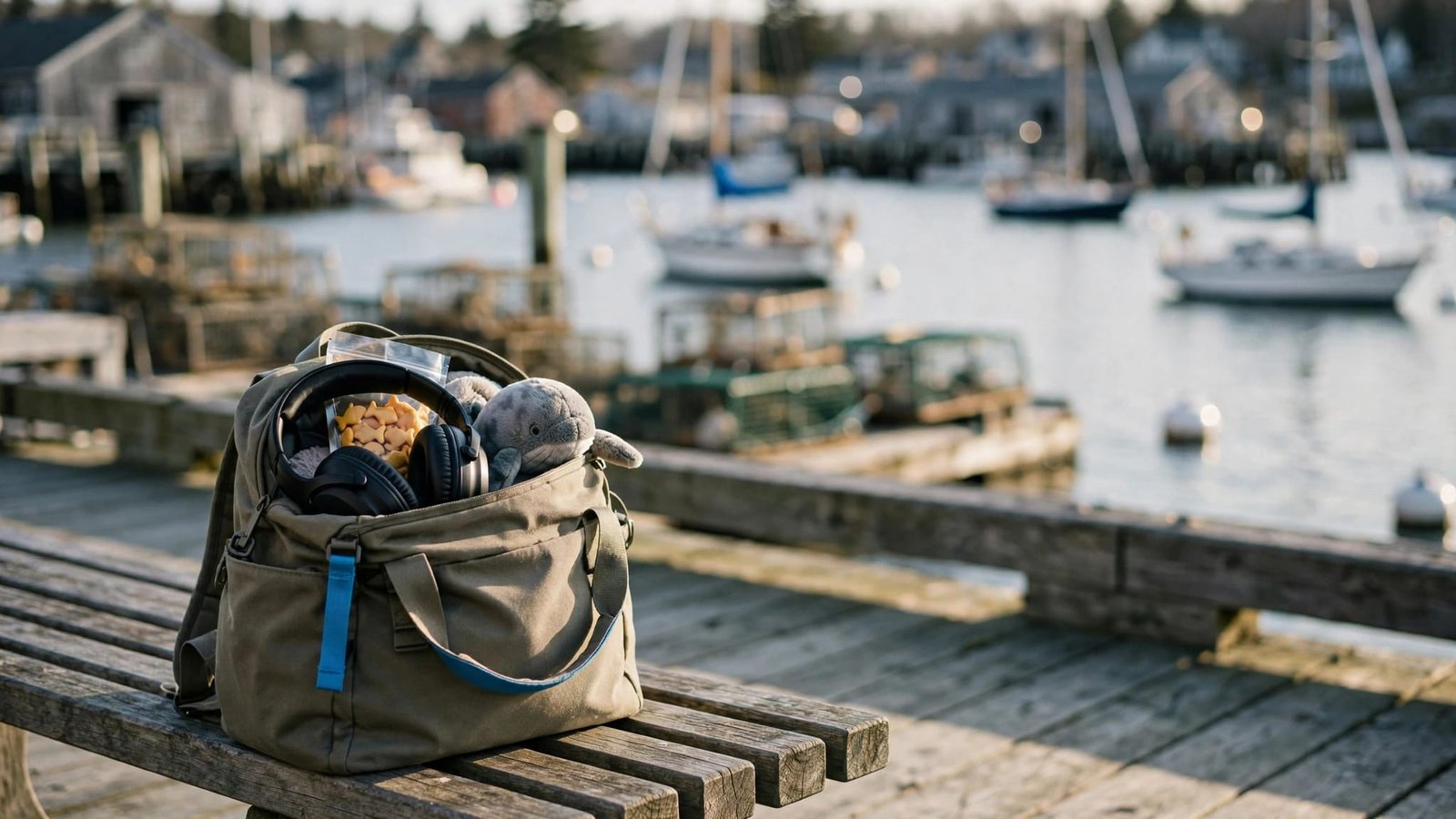
    • Plan for sensory breaks, familiar comfort items, snacks, headphones, and a clear exit strategy before the park day begins.
    • Choose one morning priority and protect your child’s comfort instead of trying to maximize the number of attractions completed.

    Disney early entry autism: picking the calmer start

    Guests staying at a Disney Resort hotel receive Early Theme Park Entry, which gives them access 30 minutes before the official opening time. It is available every day of your resort stay, including check-in and check-out days. This current program replaced the former extra magic hours benefit, which offered longer access on select days.

    That earlier start may help an autistic child who struggles in crowded parks. You may have time for one popular attraction, a favorite character area, or a calm walk through a land before larger crowds arrive.

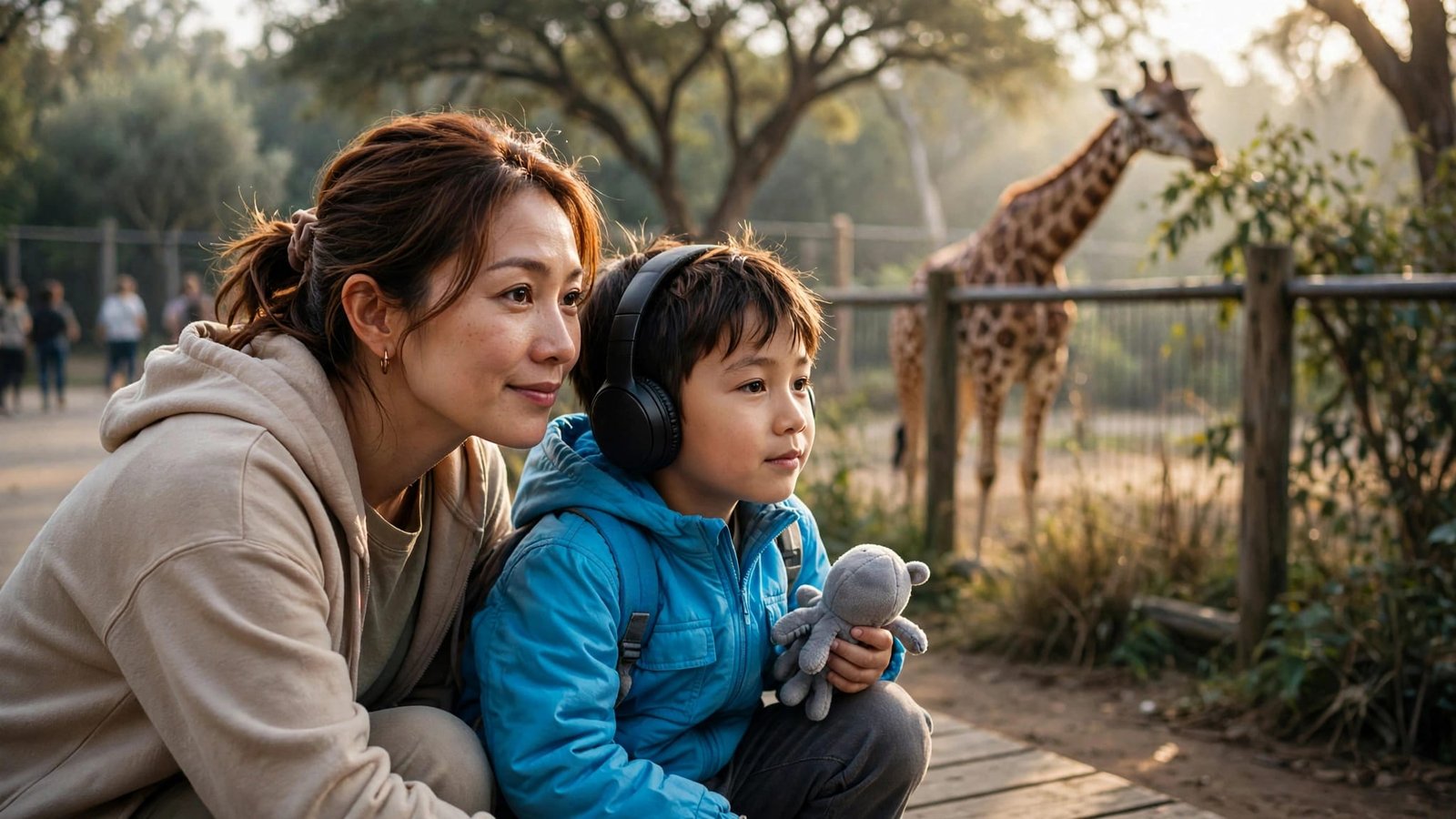
    Families wait calmly at a park entrance.

    Rope drop means arriving before the official opening so you are ready when all guests can enter. It is free and can still be a smart choice for off-site families. Check the day’s park hours before leaving, since opening times can vary. The hard part is waiting at security, standing at the entrance, and hearing excitement before the gates open.

    Here is a simple comparison to help you decide:

    Morning optionWhat it offersBest fit for
    Early entryA 30-minute head start for eligible resort guestsChildren who can handle an earlier start and benefit from lighter crowds
    Official openingEntry at the official opening time for all ticketed guestsFamilies staying off-site or those with one clear first ride
    A later arrivalLess pressure during a difficult morningChildren who need extra sleep, breakfast time, or a slower transition

    Early entry is a hotel benefit, not a disability accommodation. Your child does not need to use it for the trip to be successful.

    Your morning strategy should never begin with rushing. If your child gets overwhelmed by being hurried, skip the race to the first ride. Have breakfast in the room, use familiar headphones, and arrive when your family is ready. A calm 10:00 a.m. arrival can be better than a 7:00 a.m. meltdown.

    Use DAS as a separate queue support

    The disability access service (DAS) is separate from Early Theme Park Entry, rope drop, and paid Lightning Lane options. It is intended for guests who cannot tolerate a conventional queue because of a developmental disability, including needs associated with the autism spectrum.

    If your child is eligible, your family can request a return time through the mydisneyexperience app (the official My Disney Experience app). Instead of remaining in the standby queue, you can wait in an alternate location. That may mean getting a snack, sitting in shade, visiting a quieter area, or returning to the resort if the wait is long enough.

    Disney’s guest services information, including the current DAS details, explains that registration happens through a live video chat. You can begin the process up to 60 days before your first park day, once tickets are linked to your Disney account. The guest who needs DAS must be present during the call, even when the guest is a child.

    Keep the conversation focused on what makes a conventional line difficult. You do not need to prepare a speech or bring medical records. Explain the real, functional challenges, such as sensory overload, inability to stay safely in a queue, anxiety during long waits, or communication needs.

    DAS does not mean no waiting. Your family generally manages one return time at a time, and the schedule is based on standby wait times. It gives your child a different place to wait.

    For extra support before you travel, the Disney World With Autism Guide PDF includes practical ideas for park days, breaks, DAS, and accessibility needs. You can also find the Disney autism travel guide on Amazon for an easy planning reference.

    Make the entrance and transitions easier

    When traveling with children, prepare an autistic child for the entrance before leaving the hotel. The park entrance can be one of the loudest parts of the day. Security checks, strollers, music, conversations, bags, and directions create intense sensory input. Explain the sequence simply: first security, then park entry, then a calm spot to look at the map.

    Try something simple: “First we go through security. Then we scan into the park. Then we will find a calm spot and look at the map.”

    Watch short park videos together before the trip. Practice wearing headphones at home. Let your child choose a comfort item for the park bag. Familiarity can make a new place feel less uncertain.

    Pack a small reset kit that stays easy to reach:

    • Headphones or ear defenders your child has already worn successfully.
    • A favorite fidget, hoodie, stuffed animal, or soft comfort item.
    • Familiar snacks, water, and any needed medication.
    • A portable charger, charging cord, and communication device.
    • A low-tech communication card with words such as “break,” “wait,” “all done,” and “help.”

    The mydisneyexperience app matters all day. It holds tickets, park maps, mobile food orders, a DAS return time, Lightning Lane plans, and wait times. Keep one adult responsible for the app when virtual queues or other app plans are involved. Too many people refreshing phones can make a tense moment worse.

    For wandering concerns, take a current photo of your child each morning. Keep your phone number and communication needs on an ID card, a comfortable tag, or a medical alert bracelet if appropriate for your child. Make a simple family rule about who stays with your child during busy transitions.

    A park day can change quickly. A clear exit plan is often more useful than a perfect ride plan.

    Find breaks before your child needs one

    Do not wait for sensory overload to become a full crisis. Build breaks into the day before lunch, before fireworks, and after a demanding attraction.

    A sensory seeker may need movement or a specific sensory break, while another child may prefer less input. Animal Kingdom’s Maharajah Jungle Trek and Gorilla Falls Exploration Trail can offer a slower walking pace than crowded main paths. At EPCOT, The Land pavilion has indoor areas that may feel more comfortable outside peak meal times. At Hollywood Studios, Walt Disney Presents offers indoor seating and a predictable short film.

    Magic Kingdom has fewer truly quiet corners, so a longer resort break may be the better choice. You do not need to stay in the park because you paid for a ticket. Leaving early is always allowed.

    When a meltdown starts, reduce the number of words. Move away from the crowd if possible. Offer water, a familiar snack, headphones, or a simple choice such as “bench or hotel?” Do not try to save the schedule in that moment.

    Why an on-site Disney Resort can help

    A Disney resort hotel can make an early start possible, but the bigger benefit is the ability to reset. The phrase extra magic hours refers to a former program, not a current benefit. When a child needs a quiet room, clean clothes, a familiar show, or time away from people, being close matters.

    Quiet resort lobby with plush chairs, warm lights, and cyan accents.

    Disney’s Port Orleans Resort, French Quarter is a smaller moderate resort with manageable walks to the food court, pool, and bus stop. Disney’s Art of Animation Resort can help larger families because its family suites include extra sleeping space, two bathrooms, and a kitchenette.

    For some families, choosing an on site resort with easy access to transportation and food can make returning to the room for breaks easier. Requesting a room close to transportation, food, or an elevator can also reduce daily stress. Requests are not guaranteed, but it is worth adding your needs to the reservation.

    Nighttime park time can be another way to use fringe hours. Crowds may thin later in the evening, and Florida temperatures are often cooler. Still, do not force a late night after an early morning. Some children love the quieter final hour. Others are done long before dinner.

    Build a morning with one priority, not ten

    Choose one must-do attraction for the first part of the day. Everything else is a bonus.

    If you use early entry, head to that one ride and avoid crossing the park for a second goal. If you rope drop, compare the entrance wait and current wait times before deciding whether it’s worth it. If not, use the morning for a familiar ride, a quiet snack, or a character experience instead.

    Some older or retired planning systems used terms such as extra magic hours, fastpass reservations, and a fastpass window. Verify current Lightning Lane options and park policies before planning around them.

    Lightning Lane Multi Pass is separate from DAS and costs extra. It can help if your family has a few must-do attractions and can manage scheduled return windows. It can also create another clock to watch. Buy it only when it makes the day feel easier.

    A low-stress morning strategy isn’t about doing more before 9:00 a.m. It’s about using the calmest part of the day in a way that works for your child.

    Frequently Asked Questions

    Is Disney Early Theme Park Entry an autism accommodation?

    No. Early Theme Park Entry is a benefit for guests staying at eligible Disney Resort hotels, not a disability accommodation. Your child does not need to use it for your vacation to be successful.

    Is early entry or rope drop better for an autistic child?

    It depends on your child’s sleep needs, energy level, and tolerance for crowds and waiting. Early entry may offer lighter crowds, while rope drop or a later arrival may work better when an early wake-up would create stress.

    Can an autistic child use DAS instead of waiting in a regular queue?

    If eligible, DAS allows your family to request a return time and wait somewhere other than the conventional queue. It does not eliminate waiting, and DAS is separate from Early Theme Park Entry and Lightning Lane options.

    What should we bring for a Disney park day?

    Pack items your child already uses successfully, such as headphones, a comfort item, familiar snacks, water, medication, and communication supports. Keep a small reset kit easy to reach during transitions or sensory overload.

    What should we do if our child becomes overwhelmed in the park?

    Use fewer words, move away from the crowd, and offer a familiar support such as water, a snack, headphones, or a quiet break. Leave the park or return to the resort if that is what your child needs; an early exit is always an acceptable part of the plan.

    A Disney Morning That Fits Your Family

    Early entry can be a wonderful tool for families who want lower crowds and a short head start. An opening-time arrival can work just as well with a simple plan and realistic expectations.

    The best Disney day has room for headphones, snacks, quiet time, changed plans, and an early exit when needed. Your child’s comfort is the priority, not the number of rides completed.

  • Using a Stroller as a Wheelchair at Disney Parks

    Using a Stroller as a Wheelchair at Disney Parks

    A Disney day includes far more walking, waiting, noise, and heat than many families expect. For children with special needs, leaving a stroller at stroller parking can make a fun day much harder. Yes, Disney may approve a stroller as a wheelchair for use in attraction queues when your child needs it for safety, fatigue,…

    A Disney day includes far more walking, waiting, noise, and heat than many families expect. For children with special needs, leaving a stroller at stroller parking can make a fun day much harder.

    Yes, Disney may approve a stroller as a wheelchair for use in attraction queues when your child needs it for safety, fatigue, sensory regulation, or medical support. This option is available at both Walt Disney World and Disneyland Resort theme parks. The process is simple when you know where to go and what to ask for.

    Key Takeaways

    • Disney may approve a stroller as a wheelchair when a child needs it for mobility, safety, fatigue, sensory regulation, or medical support.
    • Visit Guest Relations at the start of the day, explain your child’s functional need, and keep the red stroller tag visible throughout your visit.
    • A tagged stroller may enter permitted attraction queues, but your child may still need to transfer into the ride vehicle and follow attraction-specific instructions.
    • Check stroller dimensions before traveling: ordinary strollers generally must be no more than 31 inches wide and 52 inches long, while approved mobility strollers may be reviewed up to 36 inches wide and 52 inches long.
    • Stroller tags, DAS, Lightning Lane Multi Pass, and Rider Switch are separate tools, so build a flexible park plan around your child’s energy and comfort.

    Stroller Wheelchair Disney Rules: What the Tag Allows

    Disney provides a stroller accommodation tag for guests who need to use a stroller as a wheelchair. Many families call it a red stroller tag or wheelchair tag. The names vary in conversation, but the purpose is the same.

    A standard stroller usually must be left before entering a standard queue. A tagged stroller can enter permitted attraction queues with your child. This helps children who cannot safely walk or stand for long periods. It can also support a child with special needs who needs familiar seating, medical support, or predictable personal space while waiting in a queue.

    Disney lists several situations where this accommodation may fit:

    • A child uses a stroller as a mobility device instead of a standard wheelchair.
    • A child needs medical equipment that must stay with them in a queue.
    • An adult uses a stroller to help with walking.

    Disney’s attraction queue access guidance explains that the tag is for a guest with a disability who needs the stroller for mobility support.

    A stroller tag allows the stroller to enter a queue when permitted. It does not mean the child can remain in the stroller during the ride.

    Each attraction has different loading areas, ride vehicles, and safety rules. A cast member will explain when your family needs to transfer your child, use a different entrance, or wait for an accessible ride vehicle.

    How to Get a Stroller as a Wheelchair Tag

    Start your park day by visiting Guest Relations, where you can ask about accessibility services and related accommodations. It is much easier to handle this before your first ride line feels crowded and stressful.

    At Walt Disney World, Guest Relations is at City Hall in Magic Kingdom, with another location near the entrance at EPCOT. At Disneyland Resort, Disneyland Park’s City Hall is near the front. The California Adventure location is at the Chamber of Commerce near the entrance.

    If you’re unsure where to go, ask a cast member at the park entrance. They can direct you to the closest location or tell you where the Guest Experience Team is set up that day.

    Explain your child’s functional need in clear, simple terms. You don’t need to share every detail of their diagnosis or medical history. If relevant, explain that your child relies on the stroller as medical equipment. You can say something like:

    “My child needs this stroller as a mobility device. They cannot safely walk or wait in a long line without it.”

    A cast member may ask a few questions so they understand how the stroller supports your child. Disney generally doesn’t require parents to bring a doctor’s note or proof of diagnosis. Policies can change, so be ready to explain why the stroller needs to stay with your child.

    Families often call this approval a red stroller tag. It is separate from ticketing and Lightning Lane, and it doesn’t replace other access programs. It gives your family permission to keep the stroller with your child in areas where Disney allows approved mobility aids.

    Family walking through a theme park with a specialized medical stroller.

    Keep the red stroller tag visible on the stroller throughout the day. If you use stroller parking, take a photo of the stroller and its tag first. Busy parking areas can look very different after a parade, rainstorm, or fireworks crowd.

    Stroller Size Limits and Stroller Wagon Rules

    Measure your stroller before leaving home. Disney checks the stroller size at the park gate, and a tag does not make an oversized device automatically acceptable. If you’re close to either limit, ask a cast member at the gate to confirm the measurement.

    For ordinary strollers, the current limit is 31 inches wide and 52 inches long. Strollers approved as wheelchairs are reviewed under Disney’s size standard, generally up to 36 inches wide and 52 inches long.

    Bring the stroller’s product dimensions with you if it is close to either limit. Measure the widest point, including accessories that stay attached.

    A few other rules matter:

    • The stroller must be stable when stopped and unoccupied.
    • It should be intended for a single rider.
    • It must fit safely through attraction pathways and queue entrances.
    • Never use makeshift straps to secure a child on a ride unless the stroller has an approved transportation restraint system.

    Wagons and stroller wagons, including popular styles such as Keenz, are generally not allowed at Walt Disney World or Disneyland Resort, even when a family needs mobility help. A wheelchair tag does not override size or wagon restrictions. Review the current stroller wagon policy details before buying or renting a device for your trip.

    Check current resort rules before traveling, since size policies may change. If your child has outgrown a standard stroller, a medical stroller, adaptive stroller, wheelchair, or rented ECV may be a better fit. The right choice is the one that keeps your child comfortable and follows Disney’s current rules.

    Using a Tagged Stroller in Attraction Queues

    The biggest benefit of a tagged stroller is that your child does not have to walk from stroller parking to the attraction entrance, then stand through a long standard queue. For a child with limited endurance, autism, anxiety, sensory needs, or other special needs, avoiding those steps can make a real difference.

    Still, do not assume every queue works the same way. Some attraction queues have narrow areas, stairs, or ride vehicles that require special handling. Stop at the entrance and show the red stroller tag to the cast member. They will tell you where to go.

    A theme park attraction queue entrance with accessibility signage and cool blue lighting.

    Plan for the ride vehicle, not only the line

    A stroller may solve the queue problem, but your child may still need to transfer into a ride seat. Think through that step before waiting in a queue for 45 minutes.

    Ask the Cast Member:

    • Does my child need to transfer from the stroller to the ride vehicle?
    • Is there a wheelchair-accessible vehicle available?
    • Can the stroller wait near the boarding area?
    • Is rider switch available if my child will not ride?
    • Is there a quieter or alternate entrance for this attraction?

    Single rider lines and stroller access

    A single rider line is different from an accessible queue and does not provide the same stroller access. It may separate members of your party, so ask the cast member whether the single rider entrance is appropriate.

    Do not remove a child from the stroller until the cast member gives specific transfer directions. Some ride vehicles move continuously, while others have a longer loading process.

    Keep a small comfort pouch easy to reach. Headphones, a familiar fidget, a communication card, medication, and a portable charger can help during a wait. Put charging cords with devices. Families often remember the tablet and forget the cable.

    DAS, Lightning Lane, and Rider Switch Are Separate Tools

    A stroller tag, DAS, Lightning Lane Multi Pass, and Rider Switch are separate accessibility services and planning tools. Each addresses a different need.

    Disability Access Service (DAS) is for guests who cannot tolerate a standard queue because of how their disability affects them. Instead of waiting in a queue, an eligible guest receives a return time and waits elsewhere. A stroller tag does not approve someone for DAS, and DAS does not replace the tag when a stroller is needed for mobility support.

    Lightning Lane Multi Pass is a paid service with scheduled return windows for participating attractions. It is separate from DAS and may help when your family has a few must-do rides. Too many timed reservations can create pressure, so a slower plan often works better than watching the clock all day.

    Older planning materials may use the phrase Disney Genie service for earlier app-based planning tools. The Disney Genie service is different from Lightning Lane Multi Pass. The Disney Genie service is not an accessibility accommodation, so check the current Disney app and resort information for available options.

    Rider Switch helps when one person in the party cannot or chooses not to ride. To request Rider Switch, ask a Cast Member at the attraction entrance. One adult stays with the non-rider while the rest of the group rides. Then the waiting adult can ride without joining the full line again, following the Cast Member’s attraction-specific instructions.

    A single rider line is not a substitute for Rider Switch. Single rider access may split your party, so it is not ideal when staying together matters.

    For families with a non-rider, Rider Switch can help when a child needs to stay in a stroller with a caregiver. It also gives siblings and adults a chance to enjoy height-restricted rides without splitting the day into separate waits.

    Build a Park Day Around Your Child’s Energy

    At theme parks, the best plan for a park visit is not about doing every ride. It is about avoiding the point where your child is too tired, overwhelmed, or uncomfortable to enjoy anything.

    Choose one or two priority attractions each morning. Stay in one area of the park instead of crossing it repeatedly. At Magic Kingdom, spend time in Fantasyland or Tomorrowland before moving on. At EPCOT, remember that Remy’s Ratatouille Adventure, Frozen Ever After, and Soarin’ are spread far apart.

    A hotel break is always a good choice. So is a quiet meal, a longer rest in the stroller, or leaving before fireworks. Rider Switch can give siblings or adults a chance to ride without forcing your child through another wait.

    Disney days change quickly, and your family doesn’t need to push through every hard moment. Check the current park app and terminology before relying on older itinerary advice, especially around Disney Genie Service. A single rider line is not automatically a good family solution, particularly when everyone needs to stay together.

    For more autism-focused Disney planning support, the Disney World with Autism Guide on Etsy includes practical ideas for park days, accessibility needs, and breaks. A companion Disney autism travel guide on Amazon is also available for families who want extra planning support.

    Frequently Asked Questions

    Can I use a stroller as a wheelchair at Disney?

    Yes, Disney may approve a stroller as a wheelchair when a guest needs it for mobility support, safety, fatigue, sensory regulation, or medical needs. The accommodation is available at Walt Disney World and Disneyland Resort theme parks.

    How do I get a red stroller tag at Disney?

    Visit Guest Relations or ask a cast member where the Guest Experience Team is located. Explain your child’s functional need in clear terms; Disney generally does not require a doctor’s note or diagnosis documentation, although policies can change.

    Can my child stay in the stroller during a Disney ride?

    Not usually. The stroller may enter a permitted queue, but each attraction will explain whether your child must transfer to the ride vehicle or use a different accessible loading process.

    Are stroller wagons allowed as wheelchairs at Disney?

    Wagons and stroller wagons, including styles such as Keenz, are generally not allowed at Walt Disney World or Disneyland Resort. A wheelchair tag does not override Disney’s size or wagon restrictions, so check the current rules before traveling.

    Is a stroller tag the same as DAS or Rider Switch?

    No. A stroller tag supports mobility in permitted queues, while DAS, Lightning Lane Multi Pass, and Rider Switch address different accessibility or planning needs and must be requested or used separately.

    A More Comfortable Disney Day

    Using a stroller as a wheelchair at Disney can reduce walking, prevent stressful transitions, and give your child a familiar place to reset. Ask for the red stroller tag, then follow a cast member’s attraction-specific instructions.

    The right tag, a flexible schedule, and tools such as rider switch can make the park feel more manageable. A successful Disney day is one where your child feels supported, even if the plan changes along the way.

  • How to Plan a Split-Stay Disney Autism Vacation

    How to Plan a Split-Stay Disney Autism Vacation

    A Disney trip can hold Disney magic while still feeling like a huge question mark. A Disney autism vacation doesn’t need a packed itinerary to feel special. It needs a plan that protects the routines, comforts, and recovery time your family relies on. With a split stay, you use two hotels during one Disney World…

    A Disney trip can hold Disney magic while still feeling like a huge question mark. A Disney autism vacation doesn’t need a packed itinerary to feel special. It needs a plan that protects the routines, comforts, and recovery time your family relies on.

    With a split stay, you use two hotels during one Disney World trip. For neurodivergent families, it can provide a calmer start, a better location for later park days, and a reset without doing everything at once. Start by deciding if a hotel change will lower stress or add it.

    Key Takeaways

    • A split stay can support a Disney autism vacation when it solves a specific need, such as a quiet arrival, easier park access, or a planned reset. Keep it to one hotel move and schedule that move on a mostly open day.
    • Build the trip around your family’s routines, sensory needs, favorite foods, sleep patterns, and recovery time instead of trying to complete every attraction.
    • Compare resorts by room layout, food access, transportation, walking distances, and noise levels. One resort can provide recovery time while the second offers more convenient access to your priority parks.
    • Review Disney’s current Disability Access Service guidance before arrival, and explain the functional challenges your traveler faces in a traditional queue during the registration process.
    • Plan for heat, crowds, and changing energy levels with one park per day, flexible breaks, familiar comfort items, communication supports, and a charged phone.

    Decide if a split stay will help your family

    Changing resorts is not automatically a better Disney vacation. It adds packing, luggage handling, a new room, a different food court, and another transportation routine. For some autistic travelers, that change can feel like too much.

    For other families, one planned move is helpful. You may want protected quiet time after travel or on arrival day, followed by a hotel that keeps you close to your highest-priority park. You may also prefer to start with resort time and add park days after everyone has settled in.

    A split stay works best when it solves a real problem. Don’t add it only because two resorts look fun online.

    A Certified Autism Travel Professional can help compare resort layouts, transportation, and transition demands when you’re unsure.

    Use this quick check before booking.

    A split stay may help when…It may add stress when…
    Your family needs one quiet arrival day before park days.Your child struggles with hotel-room changes or unfamiliar sleep spaces.
    You want easier access to different parks during separate parts of the trip.Your trip is four nights or less and the move would take up too much time.
    You can plan the move on a non-park day.Everyone will feel pressure to pack early and rush into another park.

    Keep it to one hotel move. Three resorts in one vacation may look exciting, but it creates more transitions, more check-ins, and more chances for plans to fall apart.

    A good split might look like two relaxed nights at the first resort, followed by four or five nights near the parks you plan to visit most. Leave the move day mostly open. A pool visit, grocery restock, familiar lunch, or a calm afternoon indoors is enough.

    Build your split-stay Disney autism vacation around routine

    Before you choose a hotel or ticket, write down what helps your traveler feel regulated at home and when traveling. This can be as simple as favorite breakfast foods, a preferred bedtime routine, a comfort item, or time alone after busy activities.

    Start with three questions:

    1. What are the one or two things each person truly wants to do?
    2. What situations usually lead to sensory overload, anxiety, shutdowns, or meltdowns?
    3. What helps your family recover when the day becomes too much?

    Your answers should guide every booking decision. If your autistic child needs a slow morning, don’t book an early breakfast across property. If a familiar meal helps after a busy day, choose a room with a kitchenette or stay near a reliable food court.

    A vacation plan doesn’t need to include every ride. It needs to include the rides, meals, and moments that fit your family.

    Use a visual schedule before the trip. Keep it simple: wake up, breakfast, bus or car ride, one park area, lunch, break, and then one next choice. Avoid showing a full day of attractions if your child becomes distressed when plans change.

    Full YouTube ride thrus can help too. Watch them together before your trip, including the queue, loading area, darkness, loud sounds, drops, and exit. A short clip may not show the parts that are hard. Let your child decide if a ride is a “yes,” “maybe,” or “no thank you.”

    Pack a small move-day bag with medication, pajamas, comfort items, snacks, chargers, and clothes for that evening. Disney may move your luggage between resorts when available, but ask your resort about timing before depending on it. Your new room may not be ready right away.

    Choose resorts that make breaks easier

    A Disney resort can make midday breaks easier, especially when you are close to the park you plan to visit. It can also reduce the stress of driving, parking, and navigating an unfamiliar area after a long day.

    That said, the best resort isn’t always the closest or most expensive. When comparing a Disney hotel, consider room layout, food access, transportation, and walking distances. Also think about noise levels and how easily you can return after a hard morning.

    A softly lit resort lobby with lounge seating, cyan accents, and one distant guest.

    Disney’s Animal Kingdom Lodge can be a good choice for a family that enjoys animals, quiet viewing areas, and slower resort time. Seeing animals from the resort can provide a meaningful activity without another ticketed event. Keep in mind that this resort relies on bus transportation, so it may not be the easiest choice for quick park returns.

    Disney’s Port Orleans Resort, French Quarter is often a comfortable moderate-resort option because of its smaller footprint. Shorter walks to the food court, lobby, pool, and bus stop can make a difference when everyone is tired.

    Disney’s Art of Animation Resort may work well for larger families who need more space. Family Suites include extra sleeping areas, two bathrooms, and a kitchenette. The Skyliner is helpful for some guests, but prepare your child for possible transfers at Disney’s Caribbean Beach Resort. A transfer can feel like an unexpected extra line after they think the ride is over.

    Pick one resort for recovery and one for convenience, if that matches your trip. A quieter first stay and a more park-connected second stay can be a comfortable balance.

    Understand the DAS pass and other disability services before you arrive

    Disney’s Disability Access Service, often called the DAS pass, is designed for Guests whose developmental disability, including autism, makes waiting in a conventional queue difficult for an extended time. DAS is one of Disney’s disability services, and approval is not automatic based on a diagnosis.

    Read Disney’s current Disability Access Service guidance before your trip. Rules can change, so don’t rely on an old social media post or a friend’s experience from years ago.

    DAS pass registration at Disney World is handled through a live video chat process. The guest requesting DAS needs to be present, and a parent or guardian should join for a minor. Disney focuses on the functional challenge of standing in a traditional line. Explain what happens during long wait times, crowds, confined spaces, noise, or unpredictable queue movement.

    You don’t need to share more personal information than needed. Focus on what support your child or autistic adult traveler needs.

    If approved, the DAS pass allows the registered guest and a limited party to request an attraction return time in the My Disney Experience app. Your family waits somewhere else instead of staying in the physical line. When the return time arrives, you enter through the Lightning Lane entrance. You can generally hold one DAS return time at a time.

    A DAS return time lets your family wait elsewhere. It does not remove security screening, guarantee immediate ride access, or prevent a ride from closing.

    The registered guest must be present and ride with the group. Disney currently allows the DAS guest plus up to three other people, although immediate-family situations may be reviewed individually. DAS is usually valid for the length of the ticket or up to one year, whichever comes first.

    A plain-language DAS eligibility overview can also help families understand why the conversation focuses on queue tolerance, not simply a diagnosis or a mobility need.

    If your child cannot safely or comfortably leave a stroller in crowded spaces, ask Guest Relations about stroller tags. Cast members can explain the current process and attraction access options. Ask early in the trip, not during a difficult moment outside a ride.

    Pace park days for heat, crowds, and sensory overload

    A successful day at Disney theme parks isn’t measured by how many rides you complete. It’s measured by whether your family can enjoy the day without feeling pushed past their limits.

    Florida heat, bright sun, park crowds, music, ride announcements, security areas, and long walks can add up fast. Start early if mornings are easier for your family. Plan one area of the park at a time, then take a real break before everyone is exhausted.

    A shaded bench surrounded by lush greenery near a theme park.

    At Magic Kingdom, a morning in Fantasyland is often easier than racing between Fantasyland, Tomorrowland, and Frontierland. Check posted wait times, but don’t treat them as a quota. At EPCOT, Remy’s Ratatouille Adventure, Frozen Ever After, and Soarin’ Around the World are spread far apart. Walking back and forth across the park can take more energy than families expect.

    Build your day around this rhythm:

    • Choose one or two priority attractions for the morning.
    • Stop for a snack, bathroom break, or indoor rest before everyone is hungry.
    • If you’re using a DAS pass, treat return windows as flexible planning information, not another reason to rush.
    • Return to the resort during the hottest and busiest part of the day if that helps your family.
    • Decide later whether you want to go back to the park, visit the pool, or stay in.

    Indoor spaces can offer a sensory friendly reset without requiring a full hotel break. The Land pavilion at EPCOT has seating and air conditioning. Walt Disney Presents at Hollywood Studios offers indoor exhibits and a calmer pace than Toy Story Land or Star Wars: Galaxy’s Edge.

    Keep cooling towels, water, sunglasses, a hat, and an extra shirt in your park bag. Wet clothes, sweaty socks, and a dead phone battery can turn a manageable moment into a hard one.

    If meltdowns start, reduce the number of words. Move to a quieter place when possible. Offer familiar choices, such as headphones, water, a snack, a favorite video, or “all done for now.” Leaving early is always a valid choice.

    Choose tickets and paid add-ons with care

    A one-park-per-day ticket is often the better fit for neurodivergent families. Park Hopper tickets sound flexible, but they also bring more transportation, more security lines, more walking, and more decisions.

    Lightning Lane Multi Pass is separate from the DAS pass and costs extra. Older advice may call a similar paid option “genie plus,” but the current product name is Lightning Lane Multi Pass. It can be helpful if your family has a few must-do attractions and can manage scheduled return windows. It can also create another clock to watch.

    Consider Multi Pass only for the parks where it reduces stress. EPCOT may be a good choice if Remy’s Ratatouille Adventure, Frozen Ever After, or Soarin’ are high priorities. Check the My Disney Experience app before buying because prices, attractions, and return times can change.

    Lightning Lane Single Pass and virtual queues are also separate options. A virtual queue may help with a limited attraction, but it still requires phone access and a return-time plan. Don’t buy every add-on because Disney magic doesn’t depend on purchasing every option.

    A Certified Autism Travel Professional can help compare paid add-ons with your family’s actual priorities. This trip is worth the financial and emotional investment when it fits your family. That may mean fewer park days, extra rest days, grocery delivery, quick-service meals, or one special character meal instead of several expensive reservations.

    Mobile food ordering can also take pressure off. You can review menus in a quieter spot, check familiar foods and dietary restrictions, and choose a pickup time when your child is ready to eat.

    Pack for communication, comfort, and a charged phone

    Your park bag should support your family before a hard moment happens. Keep devices, headphones, and charging cords together in one pouch. Families often remember the tablet and forget the cable.

    Bring the items your child already knows and uses:

    • Noise-reducing headphones, ear defenders, or familiar earbuds.
    • A fidget, soft hoodie, comfort item, or small blanket.
    • Prescription medication and any care items you cannot replace easily.
    • Familiar snacks, water, and preferred sensory-safe foods.
    • A portable charger, charging cord, and low-tech communication backup.

    Your phone may hold tickets, park maps, mobile food orders, DAS return times, dining reservations, and messages between adults. A portable charger is one of the most useful things you can bring.

    Keep communication supports easy to reach. A small card with “wait,” “break,” “all done,” and “change” can help when words are hard to find. If your traveler uses AAC, sign language, pictures, or gestures, carry a short note for Cast Members explaining how they communicate.

    Prepare for security too. Explain that bags will be checked, Cast Members may give directions, and security dogs are working. The DAS pass does not bypass the regular security process.

    Get personal support before the trip feels overwhelming

    A travel agent who is also a Certified Autism Travel Professional can build custom itineraries around sleep, food, transportation, sensory needs, budget, and recovery. They can ask what a good day looks like for your child.

    They should understand autism and other special needs without treating every family identically. They should not promise DAS approval or pressure you into every paid add-on. Ask whether the travel agent charges a planning fee before booking. They should help you choose the right resort, build flexible park days, understand ticket options, and leave room for rest.

    A travel planner and glowing tablet sit on a desk beside relaxed hands.

    For families who want extra planning help at their own pace, the Disney World with Autism Guide PDF includes ideas for park days, breaks, DAS pass preparation, and accessibility needs. You can also find the Disney travel with autism guide on Amazon.

    The right support does not make a family vacation perfectly predictable. It gives you a calm plan, clear backup choices, and someone to turn to when the details feel like too much.

    Frequently Asked Questions

    Is a split stay a good choice for an autistic traveler?

    It can be helpful when it provides a quiet start, easier access to priority parks, or a planned reset. It may add stress for travelers who struggle with unfamiliar rooms, packing, or changes in routine, so keep the trip to one hotel move.

    When should we move between Disney resorts?

    Plan the move on a non-park day whenever possible, and leave most of that day open. Pack a small move-day bag with medication, pajamas, comfort items, snacks, chargers, and clothes in case the new room is not ready right away.

    How does the DAS pass fit into a Disney autism vacation?

    Disney’s Disability Access Service is intended for guests whose developmental disability makes waiting in a conventional queue difficult for an extended time. Review the current guidance and be prepared to describe the functional challenges your traveler experiences during long waits, crowds, noise, confined spaces, or unpredictable queue movement.

    Are Park Hopper tickets and Lightning Lane Multi Pass necessary?

    Not necessarily. One-park-per-day tickets often reduce transportation, walking, security lines, and decisions, while Lightning Lane Multi Pass should only be considered when it genuinely lowers stress for your family’s priority attractions.

    What should we pack for sensory and communication needs?

    Bring familiar headphones or earbuds, comfort items, preferred snacks, medication, water, a portable charger, and any AAC, picture, sign-language, or gesture supports your traveler uses. Keep these items easy to reach so you can offer a break or communication option before a difficult moment escalates.

    Let the vacation be smaller than the wish list

    Disney can be loud, crowded, expensive, and full of changes. It can also be a wonderful family vacation when your plan respects your real needs.

    One resort move, one park per day, familiar comforts, and protected break time can leave more room for Disney magic than a packed itinerary ever will. The best Disney autism vacation is the one that respects your family’s actual needs and lets everyone feel comfortable being exactly who they are.

  • Disney World Medication Storage at Your Resort Hotel

    Disney World Medication Storage at Your Resort Hotel

    A Disney day is easier when important details are handled before you leave home. Medications, medical equipment, supplies, and cooling needs should not become a last-minute problem at check-in or halfway through a park day. For families managing insulin, injections, seizure medication, tube-feeding supplies, or daily prescriptions, a dependable medication plan keeps each need organized.…

    A Disney day is easier when important details are handled before you leave home. Medications, medical equipment, supplies, and cooling needs should not become a last-minute problem at check-in or halfway through a park day.

    For families managing insulin, injections, seizure medication, tube-feeding supplies, or daily prescriptions, a dependable medication plan keeps each need organized. Pack for the flight, your resort hotel, long park hours, and the unexpected.

    Key Takeaways

    • Keep essential medication, medical equipment, and several extra days of supplies in your carry-on, not checked luggage.
    • Disney Resort hotel beverage coolers may not provide a stable, medication-safe temperature, so confirm refrigeration needs with Disney before arrival.
    • If your room is not ready, ask Bell Services about refrigerated storage and keep a small supply with you for delays or unexpected needs.
    • Disney First Aid centers at all four main theme parks can refrigerate medications and medical equipment that require cooling.
    • Protect medications from Florida heat, direct sunlight, and freezing, and contact a pharmacist if a medication experiences a temperature problem.

    Start Your Medication Plan Before You Travel

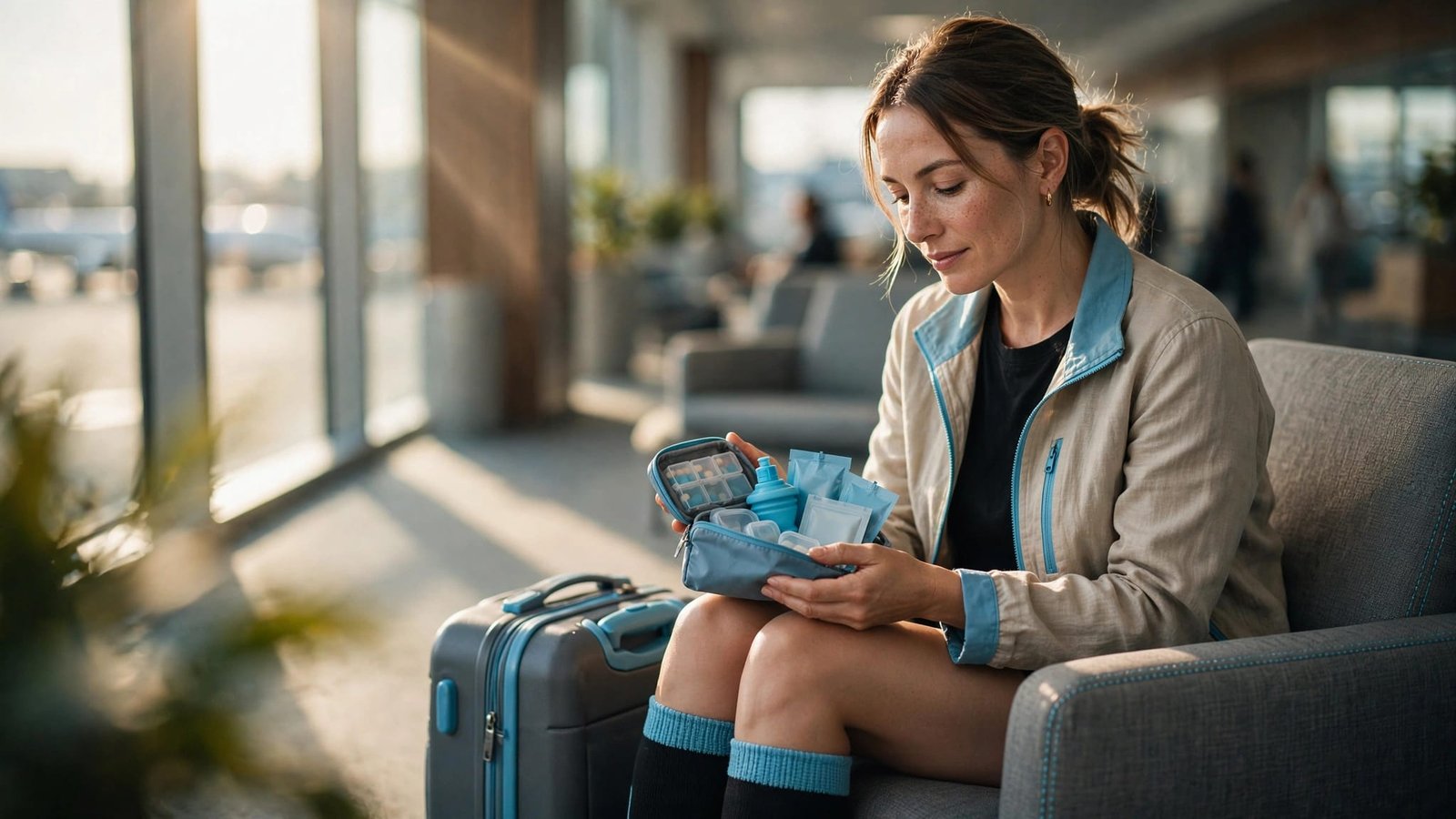
    Your medication plan starts with your carry-on bag. Never put essential medication, medical equipment, or a full day’s supplies only in checked luggage. Bags can be delayed, exposed to extreme temperatures, or sent somewhere else.

    Keep each medication in its original container when possible. Prescription labels help airport staff, Disney Cast Members, and medical professionals identify what you have if a question comes up.

    Medical marijuana has separate travel and destination rules, so verify them before departure.

    Bring medication and supplies through airport security

    TSA rules allow prescription medication and medically necessary liquids through security. These items can be larger than the usual 3.4-ounce liquid limit, but they may need additional screening.

    Tell the TSA officer that you are carrying medically necessary medication, gel packs, liquid nutrition, or cooling supplies. Keep everything together in one easy-to-reach pouch instead of spreading it across several bags.

    A good carry-on setup includes:

    • Your medication, a few extra days of doses, and a written list of prescription medications.
    • A doctor’s note if your medication, device, or supplies may raise questions during screening.
    • Insulated medication cases, cold packs, or an approved insulin cooling case.
    • Backup batteries, charging cords, medical equipment, and any supplies needed for a medical device.
    • Familiar comfort items, headphones, snacks, and communication supports for children who need them.

    Ask your pharmacy team how temperature sensitive medications should be stored during travel. Some medications cannot freeze. Others should not sit directly against an ice pack. A cold medication that freezes can be just as concerning as one that gets too warm.

    Pack for a full park day, not a short outing

    Florida heat, afternoon storms, and long waits for transportation can change a simple plan. Carry the medication you may need that day, plus a backup dose if your medical team recommends one.

    FRIO wallets can help with insulin and other medications that need temperature control because they use evaporative cooling. An insulated case with cold packs may work better for other needs. The right option depends on your medication’s required temperature range.

    Never leave medication in a parked car, on a sunny stroller, or in an outside pocket of a park bag. Florida heat can build fast.

    Keep a small thermometer in your cooling bag if your medication has a strict storage range. It gives you real information instead of a guess.

    Disney World Medication Storage at Disney Resort Hotels

    Many Disney Resort hotel rooms have a small beverage cooler. It may help with drinks and snacks, but Disney says these coolers can look like a mini-refrigerator without being suitable for medication storage.

    That detail matters. A mini fridge that feels cold isn’t always holding a stable, medication-safe temperature.

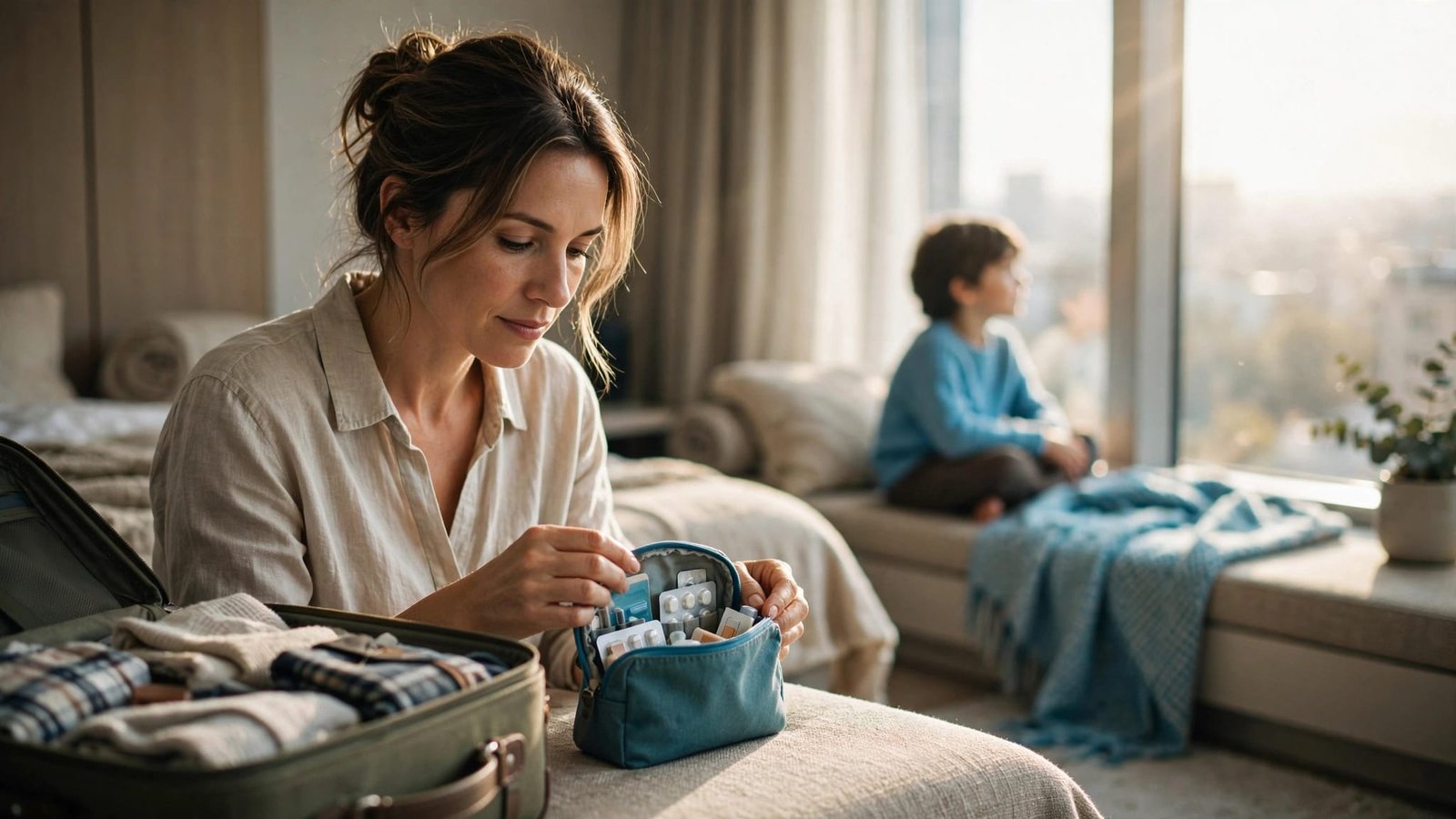
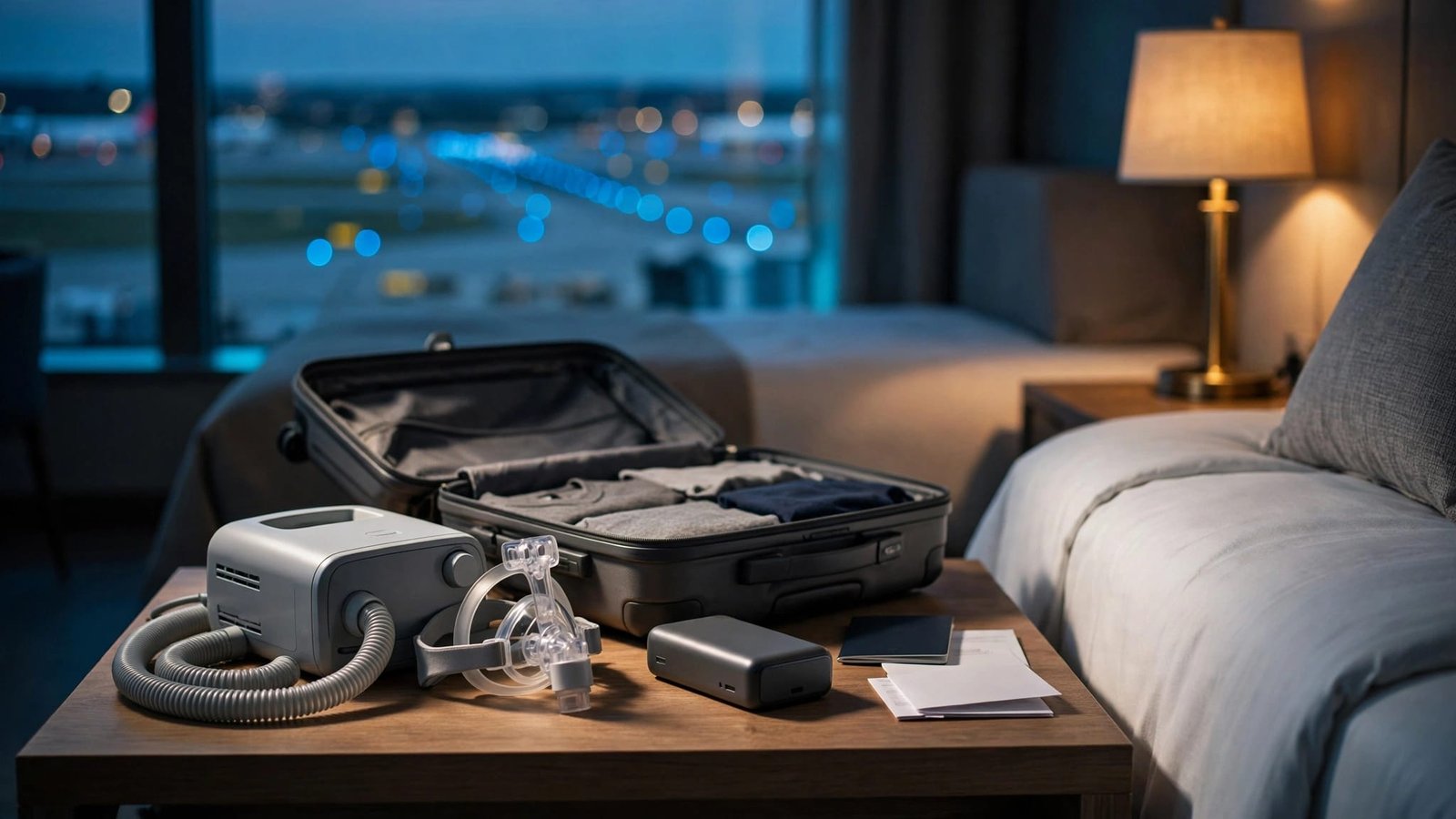
    A hotel room with luggage, morning light, and one person preparing for travel.

    If your medication needs true refrigeration, call Disney before your trip. Explain whether it is medication, medical equipment, or another medically necessary supply, then share its required temperature and space needs. Ask Disney or the resort concierge to confirm the available storage option for your resort, then note the conversation.

    That request matters, but don’t assume a standard beverage cooler will meet your needs. Bring your own insulated travel case for the airport and any transition time.

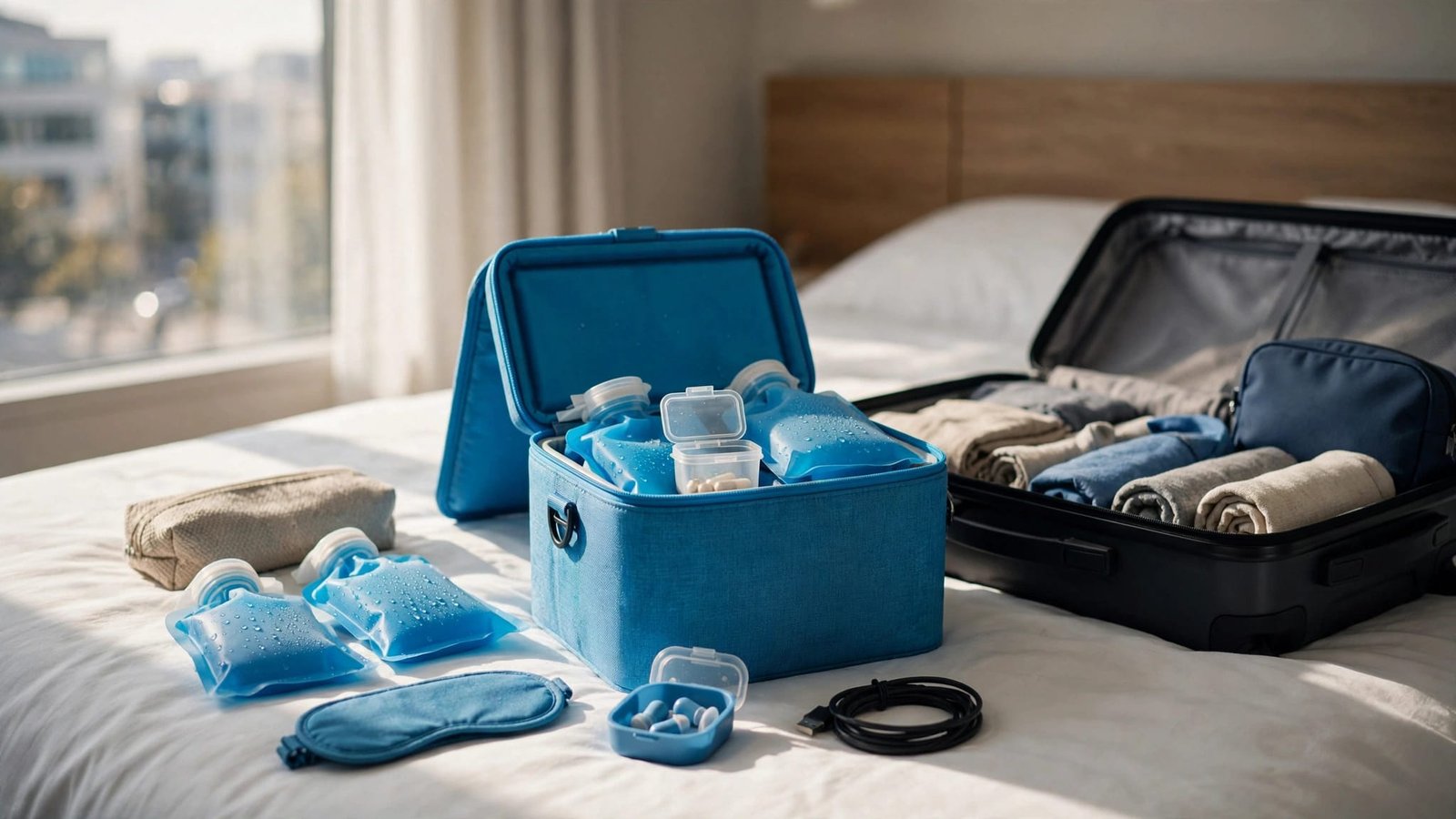
    A hotel mini fridge sits beside an insulated medical bag on a wooden counter.

    What to do when your room is not ready

    Arriving early shouldn’t leave you standing in the lobby with medication that needs to stay cold. Contact your resort before arrival, then ask Bell Services about refrigerated storage if your room isn’t ready. Use luggage services for non-medical baggage, keeping medication separate.

    Be clear and direct. Tell the Cast Member that the item is medication, that it needs to stay cold, and when you’ll need it back. Keep the medication labeled in a closed bag or container, then ask how pickup will work.

    Bell Services procedures can differ by resort and staffing. Contact guest services if the room or storage arrangement is unclear, rather than arriving without a plan.

    Keep a small supply with you, even when the rest is stored. Delays happen. Buses run late. A room may take longer than expected. Your day should not depend on retrieving every dose from one location.

    For medications that don’t need cooling, a room safe can be a good option. Keep them away from bathroom humidity, direct sunlight, and places where children may find them.

    If cooling fails or plans change

    Power outages and equipment problems are uncommon, but a backup plan brings peace of mind. If the resort’s refrigeration fails, move the medication to your insulated case, use cold packs if appropriate, and call the front desk right away.

    Do not guess whether medication is still safe after a temperature problem. Check the manufacturer’s instructions or call your pharmacy or pharmacist. Many medications have different rules for room-temperature storage, and the answer may depend on how long it was outside the recommended range.

    The most dependable plan has two cooling options: one managed by the resort or First Aid, and one you carry yourself.

    Use First Aid for Refrigerated Medication in the Parks

    You do not have to carry every cooled medication through the parks all day. Disney’s First Aid centers can refrigerate medications and medical equipment that need it.

    Locations are available at Magic Kingdom, EPCOT, Disney’s Hollywood Studios, and Disney’s Animal Kingdom, the four main theme parks. Find the closest location in the My Disney Experience app, or ask a Cast Member at guest services when you enter the park.

    Bring medication in its original container or another clearly labeled container. Tell the staff when you need access, especially if you need a dose at a certain time.

    The center can also provide a private area for treatment or a medical break. The Disney park medical overview also notes that sharps containers are available for used needles.

    Disney lists insulin, antibiotics, tube-feeding supplies, oxygen tanks, and certain device batteries among items the center may refrigerate. Do not plan to store breast milk, special dietary food, or other non-medical items there.

    Over the counter medications and park policies

    The park medical team may have limited basic supplies, but don’t assume Tylenol, Benadryl, or other common medications will be free or available when you need them. Bring medications your family uses regularly, in amounts that cover your trip.

    Resort gift shops and nearby stores may carry common items, but availability can change. A concierge can help locate a nearby pharmacy, but a familiar medication in your park bag is more helpful than searching after a headache, allergy concern, or fever starts.

    Medical marijuana is not allowed at Walt Disney World, even with a medical card. Don’t bring medical marijuana or assume a card creates an exception. Ask your prescribing provider about legal, travel-safe options before your trip, and don’t assume CBD oil is acceptable.

    Common questions about medication and park policies

    Can medication be stored at First Aid during a park day?

    Yes. Ask the Cast Member whether the center can hold it, and explain when you need access.

    Can a medical card create an exception for cannabis?

    No. Current park rules do not create an exception for medical marijuana. Ask your provider about legal, travel-safe options before leaving home.

    Support Routines for Children With Autism and Medical Needs

    Medication storage is part of the bigger routine. Children who rely on medical equipment, familiar timing, favorite snacks, communication devices, or calming tools may have a harder day when an important item is buried in a backpack.

    Keep medication, headphones, charging cords, and comfort items in predictable places. A small pouch for devices and cables helps. Families often remember the tablet and forget the charger.

    Build in breaks before your child reaches their limit. A quiet meal, a ride back to the hotel, or a slower afternoon can be the right choice. You don’t need to stay until park closing for the day to be successful.

    The Disney World With Autism Guide PDF includes practical planning support for families who need more structure around park days, breaks, and accessibility needs. The Disney World With Autism Guide on Amazon is another helpful option to keep with your trip planning materials.

    A medication schedule should be simple enough for every caregiver to follow. Write down medication names, dose times, storage needs, and your child’s usual reactions. Keep a copy in the room and another copy in your carry-on.

    Frequently Asked Questions

    Can Disney Resort hotel room coolers store medication?

    Not always. Many room beverage coolers are not designed to maintain the stable temperature some medications require, so confirm your storage options with Disney before traveling.

    What should I do if my room is not ready and my medication needs refrigeration?

    Ask Bell Services whether refrigerated storage is available for your labeled medication. Keep a small supply with you and confirm how and when you can retrieve the stored medication.

    Can Disney First Aid refrigerate medication during a park day?

    Yes, First Aid centers at Magic Kingdom, EPCOT, Disney’s Hollywood Studios, and Disney’s Animal Kingdom may refrigerate medications and medical equipment that need it. Bring the medication in its original or clearly labeled container and tell staff when you need access.

    What happens if medication gets too hot or freezes?

    Do not guess whether it is still safe to use. Check the manufacturer’s instructions or contact your pharmacy or pharmacist, since safety depends on the medication and how long it was outside its recommended temperature range.

    A Calm Plan Makes the Trip Easier

    Disney World medication storage works best when you have a plan for every part of the day. Keep essential medication with you, confirm resort refrigeration before arrival, and use First Aid in the parks.

    A stable routine gives your family more room to enjoy the moments that matter. When medication needs are handled, you can focus on the rides, meals, character moments, and memories.

  • Disney World Ride Breakdowns: What to Do Next

    Disney World Ride Breakdowns: What to Do Next

    You have waited in the Florida heat, reached the entrance, and then an unexpected attraction closure interrupts your plans. It can feel like a major setback, especially when the attraction was a must-do for your family. Most ride stops are short, but a Disney World ride breakdown can still disrupt your plans. Check the app,…

    You have waited in the Florida heat, reached the entrance, and then an unexpected attraction closure interrupts your plans. It can feel like a major setback, especially when the attraction was a must-do for your family.

    Most ride stops are short, but a Disney World ride breakdown can still disrupt your plans. Check the app, decide whether to wait, and choose a nearby backup so one closure doesn’t control your park day.

    Key Takeaways

    • A Disney World ride breakdown can result from safety sensors, weather, guest disruptions, loading needs, or mechanical issues, and a “101” status only means the attraction is temporarily unavailable.
    • Follow Cast Member instructions, stay seated with restraints fastened, and check My Disney Experience for updates before deciding whether to wait or move on.
    • Keep nearby backup attractions in mind, especially indoor options, and avoid building your entire day around one ride reopening at a specific time.
    • Lightning Lane and DAS do not prevent closures, so keep reservation details visible, ask a Cast Member about missed return windows, and keep your phone charged.
    • Flexible plans with breaks, snacks, quiet spaces, and clear choices can make unexpected closures easier for children, including children with autism.

    Why Disney World Rides Stop So Often

    Not every instance of ride downtime indicates mechanical issues. Disney theme park attractions have many safety sensors, moving ride vehicles, computers, special effects, and loading systems. If something does not work as expected, the ride may pause or close while Cast Members reset it.

    A family speaks with a cast member outside a closed theme park attraction.

    Safety systems and B-mode

    Complex attractions have many pieces that must work together. Star Wars Rise of the Resistance, Rock ‘n’ Roller Coaster, Test Track, Tiana’s Bayou Adventure, and Expedition Everest all rely on detailed ride systems and show elements.

    Sometimes an attraction continues in B-mode. This means the ride is still safe to operate, but part of the usual show is missing or changed.

    Some animatronics may not move as expected. A scene may be dimmed or partially skipped, with other animatronics remaining still.

    This fallback mode is not the same as a full closure. You may still get to ride safely, even if the experience is not running at its normal level.

    Weather, guest disruptions, and Omnimovers

    Central Florida weather can shut down exposed outdoor attractions quickly. Lightning is a common reason for weather-related closures.

    Rain and wind can also cause a delayed opening at the start of the operating day. An attraction may reopen after the weather passes, but there is no guaranteed timetable.

    Safety concerns can also stop an attraction. A dropped phone, a hat on the track, someone standing up, an unbuckled restraint, a medical issue, or a cleanup situation all require a response. One small safety concern can pause an entire ride.

    Omnimovers, including Haunted Mansion and Spaceship Earth, stop more often because their vehicles keep moving during loading and unloading. Cast Members may pause them to help a guest transfer, load a mobility device, or exit safely.

    What does “101” mean at Disney World?

    You may hear Cast Members or frequent Disney visitors use the term “101.” It usually means an attraction is temporarily unavailable.

    A 101 status does not tell you how long these temporary closures will last. The ride could reopen in minutes, or stay closed for the rest of the day. Check the My Disney Experience app, but do not build your afternoon around a reopening that has not happened yet.

    What to Do During a Disney World Ride Breakdown

    Your best next step depends on where you are when the attraction stops. Take a breath before changing your entire plan.

    1. Listen to Cast Member instructions first. They’ll explain whether the pause is brief, the queue is closing, or guests need to exit.
    2. Stay seated and keep restraints fastened if you’re already on the attraction. Don’t unbuckle, stand up, or try to leave your ride vehicle.
    3. Check My Disney Experience once you’re clear of the immediate situation. It may show whether the attraction is closed and provide updates after reopening.
    4. Don’t wait outside the entrance indefinitely. If the attraction has closed and no reopening information is available, choose a nearby backup.
    5. Keep any Lightning Lane reservation visible in the app. A closure may change your return time or provide instructions for a replacement experience, but neither is guaranteed.
    6. Ask a Cast Member for help if the closure caused you to miss a scheduled return window. They can’t promise the same outcome every time, but they can explain your available options.

    If the attraction is only paused and you’re already close to boarding, waiting may make sense. If the entrance is closed or the app shows the attraction isn’t operating, it’s usually time to move on.

    A good Disney plan has a nearby second choice. It doesn’t depend on one ride working at one exact time.

    Don’t let a closure take over the rest of your park day. Grab a snack, visit a nearby indoor attraction, shop for a few minutes, or take a bathroom break. If they’re reasonably close to your location, Haunted Mansion or Pirates of the Caribbean could also be backup choices. You may find the original attraction is open again when you circle back later.

    Lightning Lane, DAS, and Missed Return Times

    Lightning Lane Multi Pass can help with a few important rides, but it cannot prevent downtime. It is a paid option, separate from Disability Access Service (DAS), and adds timed return windows to your day.

    When a reserved attraction closes, check the My Disney Experience app before making assumptions. Disney may update the reservation or offer instructions for using a different experience. The exact option can vary by attraction and timing.

    If your family has a few true priorities, Multi Pass may be helpful. It can be a good fit at EPCOT when Remy’s Ratatouille Adventure, Frozen Ever After, or Soarin’ Around the World matter most. Still, a packed schedule can become another clock to watch.

    A digital queue sign at a theme park entrance with cyan lighting.

    DAS is also separate from that reservation system. It is for eligible guests who cannot tolerate a traditional queue. A ride closure affects everyone, and it does not guarantee an immediate replacement return time.

    Keep your phone charged. Your phone may hold tickets, mobile food orders, maps, attraction wait times, reservation details, and family messages. Put a portable charger, charging cord, headphones, and devices in one small pouch. Families often remember the tablet and forget the cable.

    For a broader look at ride priorities before you travel, review these Disney World attraction guides. During your actual visit, the My Disney Experience app is the source that matters most.

    Plan Around Downtime Without Chasing Every Ride

    Starting at rope drop is often wise for attractions prone to interruptions. If a major ride is open early, you have another chance later if something goes wrong. Avoid making a high-risk attraction your final plan of the night.

    Use this simple approach when building your day:

    ParkAttractions to prioritize earlyNearby backup idea
    Magic KingdomTiana’s Bayou Adventure, Seven Dwarfs Mine Train, Space MountainHaunted Mansion, Pirates of the Caribbean, or a Fantasyland attraction
    EPCOTTest Track, Remy’s Ratatouille Adventure, Frozen Ever AfterSoarin’ Around the World, Living with the Land, or an indoor pavilion break
    Hollywood StudiosRise of the Resistance, Rock ‘n’ Roller CoasterStar Tours, Toy Story Mania!, or a show
    Animal KingdomExpedition Everest, Avatar Flight of PassageNa’vi River Journey, Festival of the Lion King, or animal trails

    The goal isn’t to race across the park whenever a wait time changes. Keep your plans grouped by area.

    For Rock ‘n’ Roller Coaster, consider another rope drop attempt if it matters to your family. Families comfortable splitting up can also check whether the attraction offers a single rider line, though availability varies.

    At Magic Kingdom, stay in Fantasyland if you have a return time there. Avoid sending your family back and forth between distant areas all day. Those extra steps add up quickly.

    Guest reports can reveal patterns, including these recent Disney World ride reports, but they can’t predict today’s operating status. Every visit is different.

    Keep Changes Easier for Kids With Autism

    A sudden ride closure can be harder than a long wait, especially when your child expected one specific experience. Prepare for changes before beginning the park day.

    Use a simple “change” card, picture, or phrase. Then offer two clear choices: “That ride is closed. We can get a snack or choose a familiar ride.” Two choices feel more manageable than a long explanation.

    Keep one or two true priorities for each visit. Build in time for food, shade, bathrooms, quiet indoor spaces, and returning to the hotel if needed. These are valid parts of the plan, not missed opportunities. A calmer outing is often better than pushing through distress to fit in every attraction.

    For more planning support, the Disney World With Autism Guide PDF and the Disney World with Autism guide on Amazon include practical ideas for flexible plans, accessibility needs, and family breaks.

    Frequently Asked Questions

    What does “101” mean at Disney World?

    “101” usually means an attraction is temporarily unavailable. It does not indicate how long the closure will last, so check My Disney Experience for updates.

    What should I do if a Disney World ride breaks down while I am on it?

    Listen to Cast Member instructions, stay seated, and keep your restraint fastened. Do not stand up, unbuckle, or attempt to leave the ride vehicle unless directed.

    Will Disney give me another Lightning Lane if my reserved attraction closes?

    Disney may update your reservation or provide instructions for a replacement experience. The exact option depends on the attraction and timing, so check the app and ask a Cast Member for help.

    Should I wait for a closed attraction to reopen?

    Wait if the ride is only briefly paused and you are already near boarding. If the entrance is closed or the app shows that the attraction is not operating, choose a nearby backup and return later if convenient.

    How can I help my child handle an unexpected ride closure?

    Prepare a simple “change” phrase, picture, or card before the park day and offer two clear alternatives. Include breaks, food, shade, bathrooms, and quiet indoor spaces so the plan can change without creating extra pressure.

    A Flexible Plan Makes the Difference

    A Disney World ride breakdown is frustrating, but it doesn’t have to ruin your day. Most stops come down to safety systems, weather, loading needs, or mechanical issues that must be handled before guests can ride again.

    Keep your phone charged, identify nearby backups, and protect time for breaks. Flexible Disney visits make it easier to adjust plans without losing the fun.

  • SeaWorld Orlando Autism Guide for First-Time Families

    SeaWorld Orlando Autism Guide for First-Time Families

    A theme park day can be exciting for families visiting with a child with autism spectrum disorder or other special needs. Crowds, heat, loud announcements, changing plans, and long waits can build up fast, even when your child has looked forward to the visit for weeks. This SeaWorld Orlando autism guide helps you plan around…

    A theme park day can be exciting for families visiting with a child with autism spectrum disorder or other special needs. Crowds, heat, loud announcements, changing plans, and long waits can build up fast, even when your child has looked forward to the visit for weeks.

    This SeaWorld Orlando autism guide helps you plan around your child’s real needs, not an unrealistic schedule. A slower day with a few favorite animals, planned breaks, and clear next steps can be a wonderful family vacation day.

    Start with a flexible plan, then let your child’s energy guide the rest.

    Key Takeaways

    • Review SeaWorld Orlando’s current accessibility and sensory information before your visit, then create a simple plan with only one or two priorities.
    • Stop at Guest Services early to discuss the Ride Accessibility Program (RAP) or Special Access if your child cannot safely wait in a traditional queue.
    • Plan for sensory needs throughout the park, including heat, crowds, announcements, enclosed spaces, applause, and animal-area sounds—not only thrill rides.
    • Use quiet rooms, shaded benches, animal exhibits, snacks, and familiar comfort items as planned reset options before your child becomes overwhelmed.
    • Keep the day flexible and leave early if needed; a successful visit is based on your child’s comfort rather than completing every attraction.

    Plan for a SeaWorld Orlando Visit Before Leaving Home

    SeaWorld Orlando is a Certified Autism Center through IBCCES. Team members receive training in autism awareness, communication, sensory needs, and emotional awareness. That doesn’t mean every moment will be quiet or predictable. It does mean the park has programs and tools that can help your family feel more supported.

    Before your trip, review SeaWorld’s current guest accessibility information. Park procedures, attraction availability, and operating hours can change, so check again close to your travel date.

    SeaWorld also publishes an Orlando accessibility guide with ride information and sensory details. The sensory guide uses a 1-to-10 scale to help families think through sound, lighting, motion, crowds, and other possible triggers. It can also help you preview a required riding position for certain rides.

    A number on a chart isn’t a yes-or-no answer. Your child may handle a fast ride but struggle with an enclosed pre-show. Another child may love the lights and sounds but need space when a crowd gathers. Use the guide as a planning tool, then trust what you already know about your child.

    Before leaving the hotel, keep the preview simple. Show a few park photos, explain the first stop, and share only the next step.

    • Pack noise-reducing headphones, comfort items, charging cords, and devices in one small pouch.
    • Bring a portable charger because your phone may hold tickets, maps, food orders, and family messages.
    • Use a simple visual plan with a few choices, such as “see dolphins,” “ride one ride,” “have lunch,” and “take a break.”
    • Choose one or two must-do experiences for the whole day, not a long list that turns into pressure.

    If your family visits several attractions that use IBCCES programs, the IBCCES Accessibility Card may be helpful to explore before your trip. Ask SeaWorld directly how current accommodations work for your visit.

    Start at Guest Services and Ask About RAP

    Arrive early enough that you do not need to rush through security and immediately join a line. Once inside the park, make Guest Services your first stop if your child may need support with traditional attraction queues.

    Two adults and a child arrive together at a bright, welcoming theme park entrance.

    SeaWorld’s Ride Accessibility Program, often called RAP, provides Special Access for guests who cannot wait in a standard queue because of a disability. You do not need to share your child’s full medical history. Explain the practical issue instead.

    You might say that your child’s special needs make a crowded line unsafe, especially when sensory processing disorder affects waiting. You can also explain that your child needs room to move during a wait. IBCCES training can support the conversation, but it does not replace describing the specific queue barrier.

    An Undercover Tourist overview of SeaWorld RAP notes that families have not typically needed to provide a doctor’s note. Still, the park’s current policy governs, and the service desk makes the final decision.

    The basic process usually looks like this:

    1. Visit the service desk in person and explain the queue-related challenge your child experiences.
    2. Receive a RAP or Special Access sheet that explains ride access and boarding procedures.
    3. Go to the attraction entrance or the marked RAP location and ask a team member for a return time.
    4. Spend the wait time somewhere else, then return at the assigned time for boarding instructions.

    The return time is often based on the current standby wait. It gives your family a different place to wait. It is not a virtual queue or unlimited immediate ride access.

    A RAP return time is most helpful when you use the wait for something your child already enjoys, such as a snack, an animal exhibit, a quiet room break, or time with a favorite device.

    RAP and Special Access are for listed rides and attractions. They do not usually apply to shows, restaurant lines, merchandise checkouts, parades, or character meet-and-greets.

    What the Ride Accessibility Program Reviews

    RAP is not based on a diagnosis alone. Each attraction has manufacturer safety rules, and SeaWorld reviews each guest’s physical and mental safety requirements for that ride, including the required riding position.

    For some attractions, that includes boarding safely and keeping the required riding position. Guests may also need to use the restraint device correctly, follow directions, and exit during an emergency. Some rides have transfer requirements, including the ability to reach and maintain the required riding position safely. Others may require enough upper-body control to stay safely positioned.

    This can feel disappointing if a child cannot ride something they were excited about. Still, the goal is safety, not exclusion. Ask the team member to explain the requirement in plain language. It is okay to ask follow-up questions before your child sees the loading area.

    Major rides that families often ask about include Manta, Mako, Kraken, Pipeline, and Journey to Atlantis. The current RAP sheet at the service desk is the best place to confirm which attractions are included. It also shows where access requests are handled, which entrance to use, and what riding position each ride requires.

    Smaller attractions may have a different Special Access process. If an entrance is not staffed, a team member may direct you to the exit or another marked access point. Ask about boarding and the required riding position before waiting, so your family does not stand in the wrong place.

    Plan Around Sensory Needs, Not Only Rides

    The biggest surprise for first-time families is that sensory overload can happen outside roller coasters. A child may skip every thrill ride and still feel overwhelmed by bright sun, strollers, speakers, crowds, animal smells, and sudden applause.

    Use the sensory guide to consider the whole park. It can help you compare attractions before your trip. Your family can also plan low-pressure animal experiences between bigger moments.

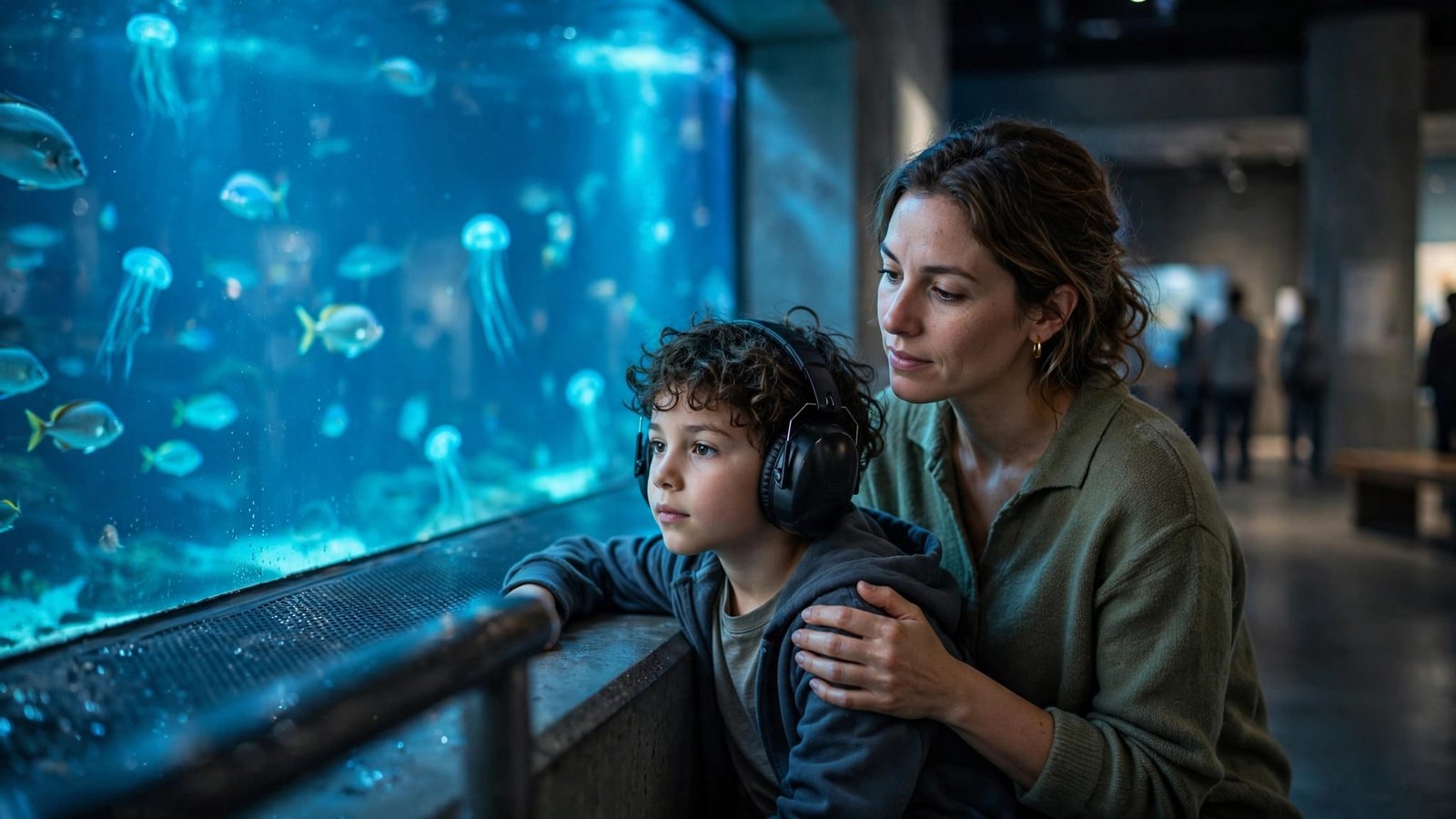
    Child in headphones watching dolphins through a large aquarium window.

    Here is a practical way to think about a few popular areas.

    Park areaSensory considerationsA calmer approach
    Dolphin CoveOpen sun, birds, crowd noise, water splashing, and occasional loud reactionsVisit early, stand away from the busiest railings, and use noise-reducing headphones if needed
    Shark EncounterA darker, enclosed space with echoing sounds and people moving through a shared pathGo during a less busy time and leave before it becomes too crowded
    Manatee viewing areasDimmer lighting, water sounds, indoor temperature changes, and slower pacingUse this as a seated or slower break between high-energy experiences
    Turtle TrekA pre-show and 3D theater experience that may include sound, darkness, and visual effectsReview the sensory rating first and skip it if enclosed theaters are difficult

    Dolphin Cove is often a good place to slow down, especially when there is no active presentation. It is still an outdoor space with plenty of movement. Let your child watch from a distance if that feels better. There is no need to stand at the front.

    SeaWorld materials have identified a lower-sensory outdoor area near Dolphin Cove in the past. Ask Guest Services to identify the current low sensory area when you arrive. Locations and access can change with park operations.

    Antarctica: Empire of the Penguin can be another area to plan carefully. The cold temperature, dim environment, bright visual effects, and enclosed spaces may feel exciting for some children and uncomfortable for others. If your child wants to see penguins but not ride, ask a team member about the best way to access animal viewing that day.

    Attractions and shows both need planning for volume, applause, exits, and crowd movement. Sitting near an exit can make a big difference. Your family can also leave early if the sound level becomes too much.

    Use Quiet Rooms Before Things Feel Too Big

    A quiet room is not only for a full sensory overload. It can be a place to reset before your child reaches that point.

    SeaWorld Orlando lists quiet rooms near the Information and Reservations Counter, close to the park entrance, and inside the Child Care Facility in Sesame Street Land. They are generally first-come, first-served. Ask a team member or the service desk about current access and availability when you arrive.

    A parent and child stand calmly outside a colorful family attraction.

    The Sesame Street Land quiet room can be especially helpful for younger children who need a break after rides, character interactions, or a busy meal. Give yourself extra time to walk there. Waiting until your child is already overwhelmed can make every step feel harder.

    Guest Services is also the place to ask about complimentary noise-reducing headphones. Availability and checkout procedures may change, so confirm how the program works that day and where the headphones need to be returned.

    Keep your child’s familiar noise-reducing headphones in the park bag if they are comfortable. Park-provided headphones may have a different fit or texture. New headphones may not work well on a hot day.

    If a quiet room is occupied, do not panic. Look for a less busy outdoor table, a shaded bench away from the main walkway, or an animal-viewing area where your child can face away from the crowd. A five-minute break can be enough to help everyone reset.

    Build a SeaWorld Day That Can Change

    The best autism-friendly park plan has room to change. Your child may love an exhibit longer than expected. A ride could be temporarily closed. Florida weather may interrupt the afternoon. Those moments do not mean the day is off track.

    Start with one priority in the morning. Many families choose a favorite animal exhibit or one ride before crowds and heat build. After that, stay in the same general area instead of crossing the park repeatedly.

    If you receive a RAP return time or use Special Access, use that wait for something nearby. A snack, bathroom break, dolphin viewing, or quiet room visit can make the time feel purposeful instead of like another delay.

    Avoid stacking too many timed commitments. A packed schedule can become another source of stress, especially when your child’s special needs make a break necessary as a scheduled return time arrives. Ask team members what flexibility is available if your family has a difficult moment.

    Keep communication short and clear. “We are waiting for the ride.” “First snack, then dolphins.” “The ride is closed. We can choose sharks or a break.” A simple change card or picture on your phone can help when words are hard to find.

    A small tech pouch can save the day. Put the portable battery, cable, noise-reducing headphones, tablet, and any communication device together. Families often remember the device and forget the charger.

    Food breaks matter too. Do not wait until everyone is hungry and tired. Pick an earlier or later meal time when possible, and choose seating with space around your table. Familiar snacks can also help while you decide what comes next.

    If you drove to the park, keep the ride back to the hotel calm. Use a familiar playlist, set the car temperature before pulling out, and give one simple next step: “We are going back to rest now.” A nearby hotel can make that reset much easier.

    Leaving early is always a valid choice. A good SeaWorld day is not measured by closing time.

    If Disney Is Also Part of Your Orlando Trip

    SeaWorld and Disney are different parks, but many autism travel basics carry over. Familiar routines, clear choices, quiet breaks, flexible plans, and a charged phone can help at either park.

    If your family is adding Disney World days, these planning resources can help you prepare: the Disney World with Autism PDF guide and the Disney autism travel guide on Amazon.

    Disney’s disability process, rides, and app tools differ from SeaWorld’s access process. Treat each park as its own plan, even when your park bag and daily routine look similar. For a fuller look at Disney’s access process, calming spaces, and park-by-park planning, our Disney World autism guide is a helpful next step.

    Frequently Asked Questions

    What should we do first when we arrive at SeaWorld Orlando?

    Visit Guest Services early if your child may need support with traditional attraction queues. You can also ask about current quiet room locations, sensory resources, and noise-reducing headphones.

    Does SeaWorld’s RAP let us skip attraction lines?

    No. RAP or Special Access usually provides a return time based on the current standby wait, allowing your family to wait somewhere else. It generally applies to listed rides and attractions, not shows, restaurants, merchandise lines, or character meet-and-greets.

    Can RAP override a ride’s safety requirements?

    No. SeaWorld still reviews the required riding position, restraint use, transfer needs, and other safety requirements for each attraction. Ask a team member to explain the requirements before your child waits or enters the loading area.

    Where can my child take a quiet break?

    SeaWorld lists quiet rooms near the Information and Reservations Counter, near the park entrance, and inside the Child Care Facility in Sesame Street Land. They are generally first-come, first-served, so ask a team member about current availability and consider a shaded bench or less crowded outdoor area as a backup.

    How should we plan our first SeaWorld day?

    Choose one or two must-do experiences, schedule breaks before they become urgent, and keep the rest of the day open. Use simple language, nearby activities, familiar snacks, and a flexible plan so your child can guide the pace.

    A Calmer First Day at SeaWorld Orlando

    A successful SeaWorld Orlando visit does not need every coaster, show, exhibit, or photo opportunity. It needs a pace your child can manage and flexibility when the day changes.

    Use Guest Services early and plan pauses before they feel urgent. Let your SeaWorld Orlando autism guide support your family’s choices. Comfort, flexibility, and family confidence matter more than completing every attraction.

  • Disney World Mobile Order Guide for Autism Families

    Disney World Mobile Order Guide for Autism Families

    Busy food lines can turn a good Disney day into a hard moment fast. This guide helps your family choose food, pay ahead with online ordering, and wait somewhere more comfortable. Mobile Order won’t solve every mealtime challenge. It can, however, remove one more crowded line from the day and give your family more control…

    Busy food lines can turn a good Disney day into a hard moment fast. This guide helps your family choose food, pay ahead with online ordering, and wait somewhere more comfortable.

    Mobile Order won’t solve every mealtime challenge. It can, however, remove one more crowded line from the day and give your family more control over when food is prepared.

    Key Takeaways

    • Disney World Mobile Order lets you choose food, select an arrival window, pay ahead, and wait somewhere more comfortable instead of standing in a busy ordering line.
    • Set up the My Disney Experience app, payment method, and Disney Dining Plan before your park day, and bring a portable charger for Mobile Order and other essential app features.
    • Schedule meals around sensory breaks, DAS return times, Lightning Lane reservations, and your child’s usual routine. Leave flexibility for changes in hunger, ride timing, or the need for a quieter break.
    • Review menus early for familiar foods and allergy information, but speak with a Cast Member about serious allergies, cross-contact concerns, or requests the app cannot support.
    • If pickup windows are full, check nearby restaurants, adjust the meal time, use snacks or a resort food court, and ask a Cast Member for help instead of waiting in a crowded area.

    Why Disney World Mobile Order Can Lower Mealtime Stress

    Quick Service restaurants can be loud, busy, and full of people waiting close together. For many autism families, that combination is harder than the meal itself.

    With Mobile Order in the My Disney Experience app, online ordering lets you choose a participating restaurant, select an arrival time, build the meal, and pay before reaching the counter. You do not need to stand in the regular ordering line while deciding what everyone wants.

    This creates breathing room. Your child can sit in the shade, explore a quieter nearby area, use headphones, or take a short break while the food is prepared.

    Mobile Order also helps when familiar foods matter. You can review menus ahead of time instead of making choices under pressure. A child who prefers plain fries, chicken tenders, fruit, or a specific drink may feel better knowing what to expect.

    Mobile Order is separate from DAS and Lightning Lane, and Disney Genie does not replace it or accessibility planning. Treat each return time as one more appointment, not a reason to pack your day too tightly.

    Avoid scheduling food pickup during a DAS return time, a Lightning Lane reservation, or a time when your child usually needs a break. A calmer pace is often more helpful than squeezing in one more attraction.

    Set Up the My Disney Experience App Before Your Park Day

    Download the My Disney Experience app and sign in before you arrive at Walt Disney World. Link your tickets, confirm your payment method, and make sure the Disney Dining Plan is connected before using online ordering. Let this mobile ordering app update at your hotel, since Disney Genie itinerary features may use the same phone.

    Disney’s official Mobile Food and Beverage Ordering page lists participating locations and payment options across the theme parks and resort hotels. Availability, menus, and hours can change, so check the app on the day of your visit.

    A family reviews a smartphone app outside a quick-service restaurant.

    Bring a portable charger every day. Your phone may hold park tickets, maps, DAS return times, dining reservations, family messages, and Mobile Order details. A dead battery can make a manageable day feel much harder.

    Keep devices, headphones, charging cords, and your battery pack in one small pouch. It is easy to remember the tablet and forget the cable.

    If your child uses AAC, picture supports, or a familiar food list, keep those easy to reach too. A few photos of preferred meals or snacks can make choices easier when words are hard to find.

    How to Place an Order Through the App

    The online ordering process is simple once you have done it once. Start through the “+” button in the My Disney Experience app, then choose “Order Food.” You may also find Mobile Order through the app menu or a restaurant’s page.

    1. Choose from participating Quick Service restaurants. The app can show locations near you or let you browse by park, resort hotel, Disney Springs, or water park. Magic Kingdom choices include Casey’s Corner, while Woody’s Lunch Box is another option.
    2. Pick an arrival time window. Choose “As Soon as Possible” if your family is ready to eat soon. Choose “Schedule for Later” when you want to plan ahead for a later meal.
    3. Add food and review each item. Look closely at included sides, toppings, and drinks. Some meals have customization options in the app, but not every request will appear.
    4. Select a payment method and submit the order. You can select the Disney Dining Plan when applicable. You’ll get an order confirmation and can return to the order screen later.
    5. Wait until you are near the restaurant and inside your selected time window. Then tap “I’m Here, Prepare My Order.” The kitchen does not start making the food until you take this step.
    6. Watch for the ready notification. Head to the Pick Up Counter only after the app tells you your food is ready.

    That last step matters. Compare your Disney Genie attraction plans with your meal time. Do not press “I’m Here” while you are still across the park or boarding a ride. Once the kitchen begins your order, you want to be close enough to pick it up before food gets cold.

    Pick Restaurants and Arrival Times Around Your Family

    Mobile Order is available at participating Quick Service restaurants in all four theme parks, many resort hotels, the water parks, and select Disney Springs restaurants. It does not replace table-service dining reservations. If Table Service To Go appears in the app at that location, families can use it instead.

    Popular choices include Casey’s Corner at Magic Kingdom, Woody’s Lunch Box at Disney’s Hollywood Studios, and Satu’li Canteen at Disney’s Animal Kingdom. At EPCOT, check the app before meals because festival booths, restaurant hours, and crowds can change your options.

    A smart online ordering plan is often simple:

    • Look at menus during a calm moment, such as breakfast at the resort or while waiting for transportation.
    • Schedule lunch before the busiest rush, or after it, if your family can handle a later meal.
    • Pick a restaurant near your next attraction or your planned break area.
    • Check whether planned meals fit your Disney Dining Plan credits and your family’s appetite.
    • Keep familiar snacks in your bag in case the timing shifts.

    Disney’s “Schedule for Later” option is helpful when a child needs predictability. You can tell them, “We will get lunch after this ride,” rather than making a decision in a crowded restaurant.

    Still, leave room for changes. A child may not be hungry at the planned time or may need a sensory break. A ride may take longer than expected. Your plan should support your family, not turn lunch into another clock to watch.

    An empty restaurant pickup counter with mobile order signs and cool blue lighting.

    Food Allergies, Selective Eating, and Custom Requests

    For food allergies, review the menu in the app before you are hungry or rushed. Some participating restaurants show allergy-friendly options or ingredient information. This can help with simple needs, but don’t rely on a basic modification field for a serious allergy.

    If your child has multiple allergies, a medically necessary restriction, or needs help with cross-contact questions, speak with a Cast Member before you tap “I’m Here, Prepare My Order.” Ask what the kitchen can safely prepare and whether a chef conversation is needed.

    Mobile Order works best when the request is clearly supported in the app. It may not cover every combination, such as several allergens plus extensive ingredient changes. In that situation, a Cast Member can help you decide whether Mobile Order is the right choice for that meal.

    Selective eating deserves the same respect. Choose simple menu items, bring safe snacks, and don’t build your entire day around trying unfamiliar foods. A familiar meal in a quiet spot can be a win.

    For more practical support beyond food planning, the Disney World with Autism Guide on Etsy includes planning ideas for park days, breaks, and accessibility needs.

    Paying With Disney Dining Plan Credits, Gift Cards, or Apple Pay

    Disney accepts credit cards, debit cards, a Disney Gift Card, Disney Rewards Redemption Cards, Apple Pay, and eligible Disney Dining Plan credits for Mobile Order.

    If you use the Disney Dining Plan, review the order before final checkout. The app should show which items can use meal credits or snack credits. Select the credits you want to apply, then pay any remaining balance with your saved payment method.

    A quick-service meal credit may simplify payment decisions during the day. Look at the menu first, then use snack credits for foods your family prefers, not only the highest-priced items.

    For a helpful example of using credits in the app, see this Disney Dining Plan Mobile Order guidance.

    What to Do When Mobile Order Times Are Full

    Lunch pickup windows can fill early, especially at popular restaurants between noon and 2 p.m. Do not panic if no available arrival time appears.

    Check another nearby quick-service location near Magic Kingdom or Disney Springs. Look for a slightly earlier or later window, then compare it with Disney Genie plans and other itinerary commitments. Refresh the app after a few minutes, since availability can change as other guests adjust orders.

    A full window does not mean your family has to wait hungry in a crowded restaurant.

    Use snacks to bridge the gap, or use available Disney Dining Plan credits at a backup location when eligible. Resort food courts can also be a good backup during a quieter midday hotel break. Table Service To Go may offer another option if it appears in the app.

    If online ordering is unavailable, your payment fails, or the setup feels confusing, ask a Cast Member for help. You do not have to solve every problem while standing in a busy walkway.

    The Amazon edition of the Disney World autism travel guide is another helpful resource for families who want a flexible plan that includes meals, breaks, and realistic park priorities.

    Frequently Asked Questions

    What is Disney World Mobile Order?

    Mobile Order is a feature in the My Disney Experience app that lets you choose food and pay before arriving at a participating Quick Service restaurant. When you are nearby and within the selected time window, tap “I’m Here, Prepare My Order,” then pick up the food when the app says it is ready.

    How do I place a Mobile Order?

    Open the My Disney Experience app, choose “Order Food,” select a participating restaurant, and pick an arrival time. Add your meals, review the order, select a payment method, and submit it. Wait until you are near the restaurant before telling the kitchen to prepare the order.

    Can I use the Disney Dining Plan, gift cards, or Apple Pay with Mobile Order?

    Disney accepts eligible Disney Dining Plan credits, Disney Gift Cards, credit cards, debit cards, Disney Rewards Redemption Cards, and Apple Pay. Review the checkout screen to confirm which credits apply and pay any remaining balance with your selected payment method.

    What should I do if all Mobile Order times are full?

    Check another nearby Quick Service restaurant or look for an earlier or later arrival window. You can also use familiar snacks, try a resort food court or Table Service To Go when available, refresh the app, or ask a Cast Member for help.

    Can Mobile Order handle food allergies and selective eating?

    The app may show allergy-friendly choices and some customization options, but it cannot support every allergy or ingredient request. For serious allergies or cross-contact concerns, speak with a Cast Member before tapping “I’m Here, Prepare My Order,” and choose simple familiar foods when selective eating is a concern.

    A Calmer Meal Can Support a Calmer Disney Day

    Disney World mobile order gives autism families a simple way to reduce lines, limit last-minute decisions, and choose a better place to wait. It works best when you check menus early, protect your phone battery, and avoid stacking too many timed commitments.

    Your family does not need to eat every meal at the perfect time or visit every popular restaurant. A calm meal, a familiar snack, and a real break can be exactly what your Disney day needs.

  • Disney Hotels vs. Vacation Rentals for Autism Families

    Disney Hotels vs. Vacation Rentals for Autism Families

    A Walt Disney World vacation can be wonderful. The wrong room can make mornings and returns from the theme parks harder. When families compare the Disney hotels autism families may consider, they’re really comparing recovery time, routines, transportation, privacy, and flexibility. For a child on the autism spectrum, the right room can help the sensory…

    A Walt Disney World vacation can be wonderful. The wrong room can make mornings and returns from the theme parks harder. When families compare the Disney hotels autism families may consider, they’re really comparing recovery time, routines, transportation, privacy, and flexibility. For a child on the autism spectrum, the right room can help the sensory system recover after a busy day.

    The right answer isn’t always the closest hotel or biggest house. An on-site Disney hotel can make midday breaks, transportation, and plan changes easier. A vacation rental may provide a kitchen, separate bedrooms, and the quiet your family needs to sleep well.

    Start with your family’s daily needs, then weigh the lodging details that matter most. Eligible military families may also include Shades of Green in the comparison.

    Key Takeaways

    • Compare Disney hotels and vacation rentals based on your family’s daily needs, including breaks, sleep, meals, transportation, privacy, and sensory recovery.
    • On-site Disney resorts can make midday breaks and transportation easier, while vacation rentals usually provide more control over kitchens, separate bedrooms, noise, and personal space.
    • Family Suites, Fort Wilderness cabins, moderate resorts, deluxe resorts, The Swan and Dolphin, and Shades of Green may each fit different budgets and support needs.
    • Look beyond the nightly rate by considering cleaning fees, parking, tolls, gas, transportation time, and resort fees when comparing total costs.
    • A flexible sensory plan matters as much as the address: preview the trip, schedule breaks, identify an exit plan, and review current Disney accessibility information before visiting.

    Disney hotels autism families often choose for easier breaks

    Being on Disney property is less about extra perks and more about reaching a familiar base quickly. A child on the autism spectrum may benefit from returning quickly for quiet time when the day feels too intense.

    Still, buses, boats, the monorail, and Skyliner lines can be crowded at peak times. Review Disney’s neurodivergent guest resources before booking, so you know what support is available in the parks and at your resort.

    Palm trees and a quiet path lead through a warmly lit resort courtyard at dusk.

    Compare Disney resorts with nearby rentals based on your family’s actual daily needs. On-site lodging shortens the route to a familiar room, while a rental usually offers more control over meals, noise, and space.

    Some families use the term hybrid resorts for lodging that combines resort services with suite, cabin, or villa-style living space. The term is descriptive, not necessarily an official Disney tier. Eligible military families should also include Shades of Green when comparing on-site lodging and total costs.

    What your family needs mostDisney hotelVacation rental
    A fast midday resetDisney transportation can bring you back without driving.You may need to drive, park, and walk back to the home.
    Familiar mealsFood courts and mini-fridges are convenient, but may be busy.A kitchen makes preferred foods and meal routines easier.
    Space to spread outFort Wilderness Resort has cabin-style options with more residential space and outdoor surroundings; standard rooms are compact.Separate bedrooms and living space give everyone room to decompress.
    Less shared noiseAsk for a quiet building or higher floor away from pools.A private house can be calmer, though nearby pools and neighbors still matter.
    Simple transportationNo rental car is required for many Disney Resort stays.A rental car gives more control, but adds traffic, tolls, and parking.
    Predictable total costSome value resorts, including All-Star Music, may cost less, but colorful theming and pool activity may not suit every child.Nightly rates may look lower until cleaning, parking, and resort fees are added.

    There isn’t one universal quiet winner. A large Disney resort might be busy near the lobby and food court, but peaceful near a far building. A rental can be calm indoors, then have a loud shared pool or busy road outside.

    Before you book, watch current resort walk-through videos in short clips. Show your child the lobby, room layout, pool area, food court, and transportation stop. Familiar pictures can make the first arrival feel less unknown.

    When an on-site Disney resort is the better fit

    An on-site stay helps when a child on the autism spectrum needs a quick break from the parks. The on-site resorts many families choose are not always the most expensive ones. They are the ones that make breaks feel possible.

    Larger families may want to compare Disney’s Art of Animation Resort and Disney’s All-Star Music Resort, two value resorts with Family Suites. Their Family Suites include a bedroom, additional sleeping space, two bathrooms, and a kitchenette. An All-Star Music suite can support autistic children’s routines, with one child settling early while another watches a familiar show.

    These value resorts are colorful, busy, and heavily themed. For children on the autism spectrum, giant character figures, pool noise, and crowded food courts can feel exciting or overwhelming. Requesting a room away from the main pool can help.

    For a quieter option, consider moderate resorts such as Port Orleans Resort, French Quarter. It has a smaller, more compact layout than many Disney resorts. Among moderate resorts, the walk to the food court, bus stop, and pool is manageable for many families.

    Cabins at Fort Wilderness Resort offer a full kitchen, a separate bedroom, and outdoor space. They can be a strong option for families managing selective food routines or children who need room to move. Families may describe cabin, villa, or suite-style stays as hybrid resorts, not an official Disney classification, because they combine resort amenities with extra living space. Because Fort Wilderness Resort is large and wooded, families with a child who may wander need a clear safety plan and close supervision.

    Deluxe resorts and Disney Vacation Club villas cost more, but location can make a real difference. Some deluxe resorts may reduce transportation time. Disney’s Contemporary Resort is within walking distance of Magic Kingdom, while the monorail can ease breaks at Magic Kingdom or EPCOT.

    The Swan and Dolphin are another middle-ground choice. They are independently operated hotels inside Walt Disney World, not Disney-operated resorts, with convenient access to EPCOT and Disney’s Hollywood Studios. Eligible military families may also want to compare Shades of Green for eligibility, location, and total cost.

    A resort-only trip can also be a good first step. A few nights with pool time, resort dining, Disney Springs, and no park tickets may help your child get used to the setting without the pressure of a full park day.

    When a vacation rental is the better fit

    A vacation rental rarely wins on convenience. It often wins on control.

    Hybrid resorts, meaning suite-style or villa-style stays with extra space, can offer a middle ground. They may reduce the work of managing a separate rental, but not every nearby suite property provides the same setup.

    A full kitchen lets you bring the breakfast your child eats at home. It can also support picky eaters, familiar meal routines, and grocery storage. Laundry helps after a wet pool day or a spilled snack. Separate bedrooms can protect sleep, especially for a child on the autism spectrum when siblings have different schedules. A private living room gives your child a place to reset without everyone sitting in the dark.

    For some families, a rental car is a comfort. You control the temperature, music, departure time, and who shares the ride. That can feel easier than waiting for a busy Disney bus after fireworks.

    The trade-off is the drive. Check the actual route to each park before booking, because listing distance is not actual travel time. Traffic near Lake Buena Vista, Kissimmee, I-4, and park exits can add time. That matters after fireworks or a long park day.

    Look beyond the nightly rate, too. Cleaning fees, booking fees, parking, tolls, gas, and grocery runs all affect the total. Eligible military families can also compare the on-property option, Shades of Green. It isn’t a vacation rental, but it belongs in the broader lodging comparison. A lower-priced rental can cost more than expected once every extra charge is included.

    Ask practical questions before reserving:

    • Is the pool shared or private, and how close is it to the house? Ask whether pool noise carries into bedrooms.
    • Are there stairs, balconies, busy roads, or unsecured doors that could increase wandering risk?
    • Can you share recent photos of the bedrooms and kitchen, and confirm there is storage for familiar foods?
    • Is there a quiet bedroom where your child can sleep and decompress safely, away from the main living area?

    A rental is often the better fit when food routines, sleep, and personal space matter more than being close to the parks.

    A simple sensory plan matters more than the address

    The lodging choice supports the plan, but no room can fix a packed schedule. Good vacation planning means fewer priorities, a clear exit plan, and respect for your child’s sensory system.

    1. Preview the trip in simple pieces for a child on the autism spectrum. Show photos or short videos of the airport, hotel room, security screening, park entrance, and one favorite attraction.
    2. Use a short, flexible visual plan. Try “breakfast, bus, one ride, snack, hotel break.” Avoid promising an exact ride order when weather and closures can change the day.
    3. Pick one or two must-do experiences each morning. At EPCOT, Remy’s Ratatouille Adventure, Frozen Ever After, and Soarin’ are spread far apart. Don’t spend the day crossing the park to chase every reservation.
    4. Plan for waiting differently. Disney’s current Disability Access Service information explains eligibility and registration. DAS is for guests whose disability makes a conventional queue hard to tolerate. Eligibility depends on disability-related queue needs, not an autism spectrum diagnosis alone. DAS isn’t automatic for autism, and it isn’t a no-wait pass.
    5. Decide what leaving looks like before your child’s sensory overload peaks. That may mean returning to the hotel, taking quiet time with a snack, using a ride-share, or ending the park day early.

    When DAS is active, a return time is requested through the My Disney Experience app. Your family can wait elsewhere rather than standing in the standby line. Keep a portable charger with you every day. Your phone may hold tickets, maps, food orders, messages, and return times.

    Lightning Lane Multi Pass is separate from DAS and costs extra. It can help when your family has a few true must-do rides. It can also create another clock to watch. Buy it only when scheduled return windows will make the day easier.

    A slower day with one favorite ride and a calm hotel break is a successful Disney day.

    Food, transportation, and planning support

    Quick-service meals at Walt Disney World often give families more control than a long table-service meal. Review menus and dining options ahead of time, mobile order when your child is ready, and take food to a quieter outdoor table or back to your room.

    At EPCOT, Sunshine Seasons has a wide range of familiar meal choices. At Hollywood Studios, Docking Bay 7 can be fun for Star Wars fans, but review the menu first if your child on the autism spectrum prefers familiar foods. Bring safe snacks anyway. Hunger and heat can make a small problem feel much bigger.

    Review the Sunshine Seasons menu before your visit, and plan mobile-order timing around your child’s usual routine. Transportation planning can also protect the day’s rhythm. Check current Disney transportation details, allow extra time, and identify a quiet place to pause if plans change.

    Keep headphones, a familiar device, charging cords, and a portable charger together in one small pouch. Families often remember the tablet and forget the cable. A fully charged phone is not an extra on a Disney day.

    Check Disney’s current official resources for dining, transportation, and accessibility policies before your trip. Details can change, so use third-party guides as supplemental planning help, not as official policy.

    For more first-person sensory planning ideas, Izzy’s Guide to Disney World for Autistics offers helpful perspective on pacing and dining.

    A special-needs travel planner can support vacation planning around your child’s actual needs. They can help compare lodging, transportation, ticket options, and dining choices. Eligible military families may also compare Shades of Green after confirming current eligibility requirements and bringing a valid military ID.

    These third-party guides can supplement that research. Consider the Disney World with Autism Guide PDF or the Disney World with Autism guide on Amazon.

    Frequently Asked Questions

    Are Disney hotels or vacation rentals better for autism families?

    Neither option is best for every family. Disney hotels make park breaks and transportation easier, while vacation rentals often provide more space, familiar meals, privacy, and control over the environment.

    Which Disney resorts offer more space for larger families?

    Disney’s Art of Animation Resort and Disney’s All-Star Music Resort offer Family Suites with separate sleeping areas, two bathrooms, and a kitchenette. Fort Wilderness cabins also provide a full kitchen, a separate bedroom, and outdoor space.

    Are vacation rentals cheaper than Disney hotels?

    A rental’s nightly rate may look lower, but cleaning fees, booking fees, parking, tolls, gas, and grocery runs can increase the total. Compare the full trip cost, including transportation time and convenience, before booking.

    Does Disney’s Disability Access Service automatically apply to autistic guests?

    No. DAS eligibility depends on whether a disability makes a conventional queue difficult to tolerate, not on an autism diagnosis alone. Review Disney’s current DAS information because policies and registration details can change.

    How can families make a Disney hotel room quieter?

    Request a room away from pools, food courts, elevators, and other busy areas, and ask about a higher floor or quieter building. Watch current resort walk-through videos and preview the room, transportation stop, pool, and food court with your child before the trip.

    Choose the stay that gives your family room to reset

    The best place to stay is the one that supports your child’s needs after the excitement wears off. Disney hotels make park breaks easier, while vacation rentals offer more space, familiar meals, and privacy.

    Choose the option that makes mornings calmer, meals more familiar, sleep more reliable, and resets more realistic. Value resorts, suite or cabin stays, and vacation rentals can all work, depending on your family’s needs. A Disney trip does not need to look like anyone else’s vacation to be a wonderful one.

  • Disney Autism Summer Tips for Cooler, Calmer Days

    Disney Autism Summer Tips for Cooler, Calmer Days

    At Walt Disney World, summer heat can turn a happy morning into too much, fast. Glare, crowds, noise, thirst, and changed plans can challenge special needs travelers. This is especially true for a family with an autistic child who has sensory sensitivities. These Disney autism summer tips start with travel planning that protects your child’s…

    At Walt Disney World, summer heat can turn a happy morning into too much, fast. Glare, crowds, noise, thirst, and changed plans can challenge special needs travelers. This is especially true for a family with an autistic child who has sensory sensitivities.

    These Disney autism summer tips start with travel planning that protects your child’s comfort before the day reaches a breaking point. You don’t need to race from ride to ride to enjoy a meaningful Disney World vacation.

    A successful day isn’t measured by the number of attractions you complete. Plan fewer priorities, use the cooler hours well, and make breaks part of the plan, not a last resort.

    Key Takeaways

    • Prepare at home with simple visual schedules, familiar sensory tools, and a park bag that includes cooling, communication, hydration, and comfort items.
    • Use cooler morning hours for one or two priorities, then plan indoor meals, resort breaks, shade, water, and clothing changes before heat and sensory overload build.
    • Learn how DAS, Rider Switch, and stroller-as-wheelchair accommodations may support your family, but confirm current Disney procedures before your trip.
    • Identify quiet break areas and a family meeting point in advance, and remember that leaving early or choosing a smaller plan can still make the day successful.

    Disney Autism Summer Tips Start Before You Leave

    Make the trip feel familiar at home

    A Disney trip has many new sounds, smells, people, and routines. Summer weather adds another layer. Give your child a preview before you arrive.

    Watch ride-through videos together. Look at photos of your resort, transportation options, and the park entrance. Talk through security, bag checks, buses, monorails, and what a summer storm might look like.

    Children with autism and children with cognitive disabilities may process transitions differently. A visual schedule can help, but keep it simple. “Breakfast, bus, one ride, snack, break” is easier to process than an hour-by-hour plan. Include pictures of a hotel room, a favorite snack, headphones, the pool, and your chosen park.

    An occupational therapist can help your family identify comfortable cooling, communication, and regulation tools before the trip. Practice using cooling towels, portable fans, sunglasses, or headphones before you leave. Disney isn’t the best place to find out a new sensory tool feels uncomfortable.

    A parent and child arrange picture cards for a theme park trip at a bright desk.

    Pack for comfort, not just convenience

    Your park bag should make it easy to meet needs quickly. Keep communication supports where you can reach them without digging under ponchos and snacks.

    Choose tools based on your child’s sensory profile, not on what works for another child. A small tech pouch belongs in every park bag. Families often remember the tablet and forget the charging cable.

    • Bring a portable charger, charging cord, headphones, and any needed device in one pouch.
    • Pack familiar snacks, refillable water bottles, and any safe foods your child will reliably eat.
    • Carry a low-tech backup, such as picture cards for “wait,” “break,” “bathroom,” “food,” and “all done.”
    • Include a spare shirt, cooling towel, sunscreen, hat, medication, and a small comfort item, such as familiar sensory toys.

    Keep one adult in charge of the bag and one adult in charge of the next step. Too many directions can make a tense moment harder.

    Build the Day Around Cooling, Not Attractions

    The best summer park day often starts early. Arrive close to opening if your family’s sleep schedule allows it. Use that cooler stretch for one or two priority attractions, but don’t let posted wait times or long lines override water, shade, indoor cooling, or a planned resort break.

    Then slow down before the heat peaks. An indoor lunch, a resort break, pool time, a Disney water park day, or a quiet hotel room can reset the whole day. Leaving the park for a few hours isn’t wasted ticket money. It may be what makes the evening possible.

    Heat, glare, sweat, and wet clothing can become harder to tolerate with sensory sensitivities. Plan cooling and clothing changes before discomfort becomes urgent.

    Use a simple response plan when heat starts building.

    What you noticeWhat to do next
    Flushed cheeks, sweat, irritability, or silenceFind shade, offer water, and reduce demands right away.
    Headphones come off or small noises feel biggerMove indoors, lower conversation, and offer a familiar device or fidget.
    Your child says “all done” or tries to leaveTreat it as useful communication, not a problem to push through.

    Ask a quick-service location for ice water if you need it. A refillable bottle is helpful, but an icy cup can cool hands and face as well as help with hydration.

    Choose lightweight clothing that your child already likes. Follow any individualized sensory or clothing recommendations from an occupational therapist rather than testing something new. A soft shirt, comfortable shoes, and a familiar hat are better than a brand-new outfit that feels scratchy by lunchtime. Bring a spare shirt because a dry shirt after rain, sweat, or a water ride can change the mood quickly.

    The best break happens before your child has to ask for one. Heat and sensory overload together can take longer to recover from than a planned 30-minute reset.

    Don’t build every day around fireworks. Some families enjoy the evening shows. Others do better with dinner at the resort, a shower, pajamas, and an early bedtime. Both are good Disney days.

    Use DAS, Stroller Tags, and Rider Switch Wisely

    Disney’s official Disability Access Service information explains the current process and eligibility details. DAS is intended for guests with a developmental disability, such as autism, who cannot wait in a conventional queue for an extended period.

    During registration, explain how cognitive disabilities affect waiting in a conventional queue. A diagnosis alone does not guarantee approval, even for guests with cognitive disabilities. The challenge may be sensory overload from unpredictable noise levels, difficulty understanding an uncertain wait, elopement concerns, or trouble staying regulated in long lines.

    Families can pre-register online for the video conversation up to 60 days before a visit. The requesting guest must attend the video chat, including an autistic child. A parent or guardian participates for a minor. Disney generally does not require a doctor’s note; eligibility is decided during registration, so check guest services for current rules.

    Once DAS is active, use the My Disney Experience app to request an attraction return time. Your family waits somewhere else instead of standing in the standby line and tracking long wait times. You can generally hold one DAS return time at a time.

    The registered guest must be present and ride with the group. DAS parties are typically limited to four people total, although Disney may consider immediate-family exceptions. Check the details before your trip because procedures can change.

    Don’t add more clock-watching than your family can handle

    Lightning Lane Multi Pass is separate from the Disability Access Service (DAS) and costs extra. It can help when your family has a few true must-do rides and can handle scheduled return windows.

    For example, EPCOT may be a good day to consider it if Remy’s Ratatouille Adventure, Frozen Ever After, or Soarin’ Around the World are high priorities. Check the app before purchasing because prices, participating attractions, and return times change.

    You don’t need every paid add-on for a successful vacation. A packed schedule of return times can create more pressure when your child needs a break or a ride closes.

    Ask a Cast Member about the Rider Switch program if one child cannot or does not want to ride. One adult can stay with the child while another rides. With the Rider Switch program, the waiting adult can then take a turn without everyone repeating a full standby wait.

    If your child needs to remain in a familiar stroller for safety, sensory needs, or mobility, ask Guest Relations about a stroller as a wheelchair tag. Confirm the stroller as a wheelchair tag with Disney before your trip, since procedures can change.

    Find Quiet Break Areas Before You Need One

    Every park has busy times, but you can still identify calmer places ahead of time. Use the My Disney Experience app, ask guest services, or visit a Guest Experience Team location when you arrive.

    Before the day gets difficult, identify two possible quiet break areas in advance. First Aid stations, Baby Care Centers, companion restrooms, shaded seating, resort lobbies, and quieter corners near less-busy walkways can all help. First Aid is there for medical needs, so always ask before settling in for a longer break.

    A family of three rests together in a shaded theme park area.

    Companion restrooms may offer privacy, but they aren’t necessarily quiet spaces. An indoor attraction or air-conditioned show may offer a better reset when your child needs lower stimulation without leaving the park.

    Choose a family meeting point before splitting up. When a child with cognitive disabilities is having trouble processing a change, use a short, consistent phrase or visual cue, such as, “We are going to our calm spot.” Your child doesn’t need a long explanation during a hard moment.

    If leaving the park is the right choice, leave. A Disney day has not failed because it ended early.

    Choose a Resort and Meals That Support Your Routine

    Where you stay affects every summer afternoon. A Disney Resort hotel can make midday breaks easier because you can return to your room without a long drive or parking garage. An off-site hotel may be better if your family needs a quieter setting, a full kitchen, or more space.

    Disney’s Port Orleans Resort, French Quarter can work well for families who prefer a smaller moderate-resort layout. Disney’s Art of Animation Resort may help larger families because its family suites include extra sleeping space, two bathrooms, and a kitchenette.

    For meals, mobile ordering gives you more control. Review menus during a calmer moment, make dietary requests in advance where available, and order familiar food. Choose a pickup time when your child is ready. You can often take food to a quieter outdoor table or back to the resort.

    Character dining can be wonderful, but a character buffet can also be loud and unpredictable. Garden Grill at EPCOT is a family-style character meal where you remain at your table. Compared with a character buffet, that setup may feel more predictable for some families, though it still has activity and noise.

    For vacation planning, keep your notes in one place with a Disney World with Autism Guide PDF or the Disney autism travel guide on Amazon.

    Let a Smaller Plan Be the Successful Plan

    One park per day is often easier than Park Hopper tickets. Moving between theme parks can mean extra transportation, security lines, walking, and decisions. During the summer months, that extra movement can drain energy quickly, especially with long lines along the way.

    At Magic Kingdom, stay in one area for a while instead of crossing the park for every attraction. At EPCOT, remember that Frozen Ever After, Soarin’, and Remy’s Ratatouille Adventure are spread far apart.

    Choose one or two priorities each morning. Check crowd levels and wait times during planning, but treat both as rough guides, not guarantees. Group nearby attractions together. Leave room for snacks, bathrooms, shade, and a change of plans.

    A smaller plan gives your family permission to slow down, and it can still make a successful family vacation. A rest day after two or three park days can be a smart choice, especially at Walt Disney World. Pool time, laundry, a quiet breakfast, a resort-only trip, or Disney Springs can be enough.

    Frequently Asked Questions

    What is the best way to manage Disney heat with an autistic child?

    Start early, use shade and air-conditioned spaces, and offer water before your child asks for it. Pack familiar clothing, cooling tools, a spare shirt, and a planned resort or indoor break.

    Should my family apply for Disney’s Disability Access Service?

    DAS may help a guest with autism or another developmental disability who cannot wait in a conventional queue for an extended period. Eligibility is determined during registration, so explain your child’s specific challenges and check Disney’s current process before your visit.

    Where can my child take a quiet break at Disney World?

    Look for shaded seating, indoor attractions, resort lobbies, Guest Experience Team locations, and other calmer areas identified before the day becomes difficult. First Aid stations and Baby Care Centers may help with specific needs, but ask Cast Members before using them for an extended break.

    Is it better to leave the park during the hottest part of the day?

    For many families, a resort break, pool visit, quiet hotel room, or indoor meal can protect the rest of the day. Leaving the park is not a failed plan if it helps your child recover and enjoy the evening—or get the rest they need.

    A Cooler Day Is a Calmer Day

    Summer Disney trips can be enjoyable when the plan respects your child’s real needs. Early mornings, water, shade, familiar tools, and regular breaks can protect everyone’s energy.

    DAS, Rider Switch, stroller accommodations, and paid add-ons can help, but they don’t replace a flexible pace. A calmer family matters more than a longer attraction list.

    Your best Disney memories may come from a favorite ride, a quiet snack in the shade, or the moment your child feels safe enough to enjoy the day.

  • Disney World Autism Communication for Non-Speaking Kids

    Disney World Autism Communication for Non-Speaking Kids

    Non-speaking autistic children communicate in many ways. AAC, pictures, gestures, signs, eye gaze, facial expressions, and body language all count. A strong Disney World autism communication plan does not ask your child to communicate like anyone else. It gives them familiar ways to say yes, no, help, break, hungry, and all done during a busy…

    Non-speaking autistic children communicate in many ways. AAC, pictures, gestures, signs, eye gaze, facial expressions, and body language all count.

    A strong Disney World autism communication plan does not ask your child to communicate like anyone else. It gives them familiar ways to say yes, no, help, break, hungry, and all done during a busy Walt Disney World day.

    A little preparation can make park days feel more comfortable, flexible, and family-focused.

    Key Takeaways

    • Use the communication methods your child already knows, including AAC, pictures, gestures, signs, eye gaze, and body language. Avoid introducing a brand-new system during the Disney trip.
    • Prepare charged devices, visual supports, familiar snacks, sensory tools, and a low-tech communication backup for heat, rain, battery loss, or unexpected changes.
    • Include simple ways to request help, breaks, food, water, quiet, headphones, the bathroom, and leaving before distress becomes overwhelming.
    • Use short, clear information with Cast Members and explain that your child may use AAC or need extra processing time. Review current Disney accessibility policies, including DAS procedures, before traveling.
    • Build a flexible park day with choices, rest periods, sensory breaks, and permission to leave early. Communication access and comfort matter more than completing every ride.

    Build a Disney World Autism Communication Plan Before You Travel

    Start with the communication methods your child already knows. Disney World is not the place to introduce a brand-new app, picture system, or sign. Practice any new tool at home first.

    Think through the moments that may be hardest. Waiting for transportation, walking through security, hearing a loud ride, choosing food, or leaving a favorite activity can bring big feelings. Write down the words, symbols, gestures, or signs that help your child share what they need.

    Keep the messages short and familiar:

    • “Break,” “help,” “bathroom,” “water,” and “hungry.”
    • “Too loud,” “scared,” “wait,” and “all done.”
    • “More,” “no,” “yes,” and “change.”
    • “Hotel,” “stroller,” “noise canceling headphones,” and “quiet.”

    Include your child in the planning when possible. Let them choose a comfort item, preferred snack, or a few rides they want to see. The goal is not a packed itinerary. The goal is a Disney day where your child has ways to be understood.

    Three people plan a vacation with an AAC tablet and visual schedule cards.

    ### Prepare the AAC Device, Apps, and Backup Options

    If your child uses a speech-generating device or tablet, set it up before you leave home. Fully charge it, install updates early, and make favorite communication pages easy to find. Download anything that needs Wi-Fi before the trip.

    Florida heat and sudden rain can be hard on electronics. Bring a protective case, charging cable, portable battery, and weather-safe pouch. Put devices, headphones, cords, and chargers together in one small pouch.

    Families often remember the tablet and forget the cable.

    A low-tech backup matters, too. Printed picture cards, a small communication board, handwritten cards, gestures, and sign language can help if a device gets wet, is lost, overheats, or runs out of battery.

    Create Visual Supports for Changes, Waiting, and Choices

    A simple visual schedule can make a big day easier to understand. Use pictures or icons for hotel, bus, security, ride, snack, bathroom, break, and hotel again.

    First-then boards also work well. “First security, then bus.” “First ride, then snack.” Keep the plan flexible by including a change card. It can show that a ride closed, rain started, or it is time to leave early.

    During a stressful moment, broad questions can feel like too much. Offer two realistic choices instead. “Do you want headphones or a break?” “Do you want the stroller or to walk?”

    Use Communication Supports for Sensory Needs, Safety, and Daily Routines

    Behavior is communication. Children with sensory processing disorder, or children who are simply overwhelmed, may show distress in different ways. Your child may be communicating that they are hot, scared, in pain, tired, overwhelmed, or ready to leave. Watch for your child’s own signs, especially when speech is not their primary communication method.

    Busy walkways, loud music, character crowds, strong smells, heat, and sudden changes can create sensory overload at theme parks. Identify quiet spaces and break areas before distress escalates. A shaded table, First Aid, or a return to the resort may be the right next step.

    Disney’s accessibility planning guide is helpful for reviewing park access and support options before your visit.

    A break is not lost park time. It is often what makes the next part of the day possible.

    Make Breaks, Bathrooms, Food, and Comfort Items Easier to Request

    Add easy-to-find AAC buttons or picture choices for bathroom, water, familiar foods, shade, quiet, headphones, stroller, rest, and leaving. Keep them available before your child reaches a breaking point.

    Bring familiar snacks and specialized food items if they help your child eat comfortably. Disney allows guests to bring food and nonalcoholic drinks for personal use, with a few safety restrictions. A refillable water bottle, preferred snacks, sunscreen, poncho, and cooling item can reduce pressure during a long park day.

    Photos of familiar meals can also help with mobile ordering. Your child may point to a photo of chicken tenders, fries, fruit, or another preferred item. This can be easier than choosing in a noisy quick-service restaurant.

    Check in often. Offer water before thirst, shade before overheating, and a snack before hunger becomes a crisis.

    Add a Simple Safety Card for Caregivers and Cast Members

    A short communication card can be especially useful for a child with additional needs. It can explain that your child uses AAC, gestures, pictures, sign language, or a combination of supports. It can also explain that they may need extra processing time.

    Include only practical information:

    • Your child’s name or preferred identifier and a caregiver phone number.
    • Their communication method and any wandering risk that applies.
    • What helps during distress, such as a quiet space, headphones, or reduced talking.

    A Sunflower Lanyard may be an optional identifier for some families. It does not replace close supervision or determine eligibility for Disney services.

    The card gives caregivers and Cast Members a fast, respectful way to understand what may help. It does not replace supervision.

    Use the Plan During Queues, Attractions, and Cast Member Conversations

    Keep communication supports visible and easy to reach. A picture board buried under ponchos will not help when a queue feels too long.

    Guest Relations and other guest services can help when the app feels confusing or an attraction plan changes. Disney’s guest disability services information is also useful for reviewing current support options before you arrive.

    If your stroller is needed for safety, regulation, or mobility, ask about the appropriate stroller as wheelchair tag. It allows the stroller to be used where strollers are usually parked.

    A child uses a communication tablet beside a theme park path.

    ### Make Lines and Ride Transitions More Predictable

    Use simple visual steps for security, entering a queue, waiting, boarding, riding, exiting, and choosing what comes next. A timer can help some children, but it can add stress for others. Use what already works at home.

    Prepare for ride effects before getting in line. Show a photo or short ride video if that helps. Explain darkness, loud sounds, smells, water, drops, or sudden movement in clear language.

    Disability Access Service, often called DAS, is a queue accommodation for guests whose developmental disability makes waiting in a conventional line difficult. Eligibility is based on functional needs, not diagnosis alone.

    The registration interview happens through a video chat. Non-speaking status or AAC use alone does not automatically qualify someone for DAS. You don’t need to bring a doctor note for the process.

    Before the video chat, describe how the guest manages functional waiting difficulties. Explain what happens during a conventional queue, rather than presenting a diagnosis alone.

    If approved, each return time is managed through the My Disney Experience app. DAS is separate from paid Lightning Lane services. Current policies generally allow the registered guest and up to three additional guests to ride together. Virtual queue procedures can differ by attraction, so check the current app. Review the official DAS details before your trip because procedures can change.

    Rider Switch can help accommodate adults or siblings who are not riding.

    Give Cast Members Clear, Short Information

    One adult can speak while another supports the child. Too many voices and directions can make a stressful moment harder.

    Cast Members can explain procedures and point you toward help. You know your child’s communication style, sensory needs, and calming supports best.

    Simple requests work well:

    • “My child uses AAC and needs extra processing time.”
    • “Can you show us where to wait?”
    • “The ride changed, and we need help with the next step.”

    Tell Cast Members when your child needs extra processing time. Keep the message short and give them time to respond.

    Pack a Printable Disney Communication Checklist and Helpful Resources

    Test every device, printed board, and charging cable before departure. If you’re visiting multiple theme parks, divide supplies between a travel bag and park bag.

    For extra planning support, the Disney World With Autism Guide PDF can serve as a family guide with DAS, sensory, and park-day ideas. The related Disney autism travel ebook offers another helpful resource for planning at home.

    Printable Park-Bag and Travel Checklist

    • Pack the AAC device or tablet, communication board, printed cards, visual schedule, first-then board, and change card.
    • Use a visual schedule for park-specific plans, such as stops at Magic Kingdom or Epcot.
    • Bring a portable charger, charging cable, backup battery, protective case, and headphones in one pouch.
    • Include familiar snacks, a refillable water bottle, comfort item, sensory tools, sunscreen, and weather gear.
    • Carry medications, stroller supplies, tickets, identification, and emergency contact details.
    • If it is already part of the child’s routine, consider a Sunflower Lanyard as an optional identifier. It doesn’t replace supervision.
    • Keep a low-tech communication backup in a separate, easy-to-reach location when practical.

    A charged phone matters, too. It may hold tickets, park maps, mobile orders, messages, and the current DAS return time through the My Disney Experience app.

    Frequently Asked Questions

    What communication methods can a non-speaking autistic child use at Disney World?

    A child may communicate with AAC, picture cards, gestures, signs, eye gaze, facial expressions, or body language. The best plan uses familiar methods your child already understands and uses at home.

    Should we introduce a new AAC app before our Disney trip?

    It is best not to introduce a completely new communication system during the trip. If you want to use a new app or board, practice it at home first and bring a familiar low-tech backup.

    What should we include in a Disney communication board?

    Add practical messages such as help, break, bathroom, water, hungry, too loud, scared, more, no, yes, change, and all done. Include choices for headphones, stroller, quiet, snack, rest, and leaving when those supports are useful.

    How can we help our child communicate during sensory overload?

    Watch for your child’s individual signs of distress and offer simple choices, such as headphones or a break. Move to a shaded or quiet area, reduce talking, and give your child extra processing time.

    Does using AAC automatically qualify a child for DAS?

    No. AAC use or non-speaking status alone does not automatically qualify someone for Disney’s Disability Access Service. Eligibility focuses on functional difficulty with waiting in a conventional queue, and current procedures should be reviewed before the trip.

    A Disney Day That Makes Room for Communication

    A successful Disney World autism communication plan is not about doing every ride. It is about creating a flexible theme park vacation where your child has trusted ways to say yes, no, help, break, and all done.

    Use the communication methods your child already knows. Keep technology charged, bring a backup, and build in rest days when your trip length allows. Shorter park visits or an early return to the resort can also support a better day.

    Communication access and comfort matter more than a packed itinerary.

K&S The Travel Crusaders uses Accessibility Checker to monitor our website's accessibility.