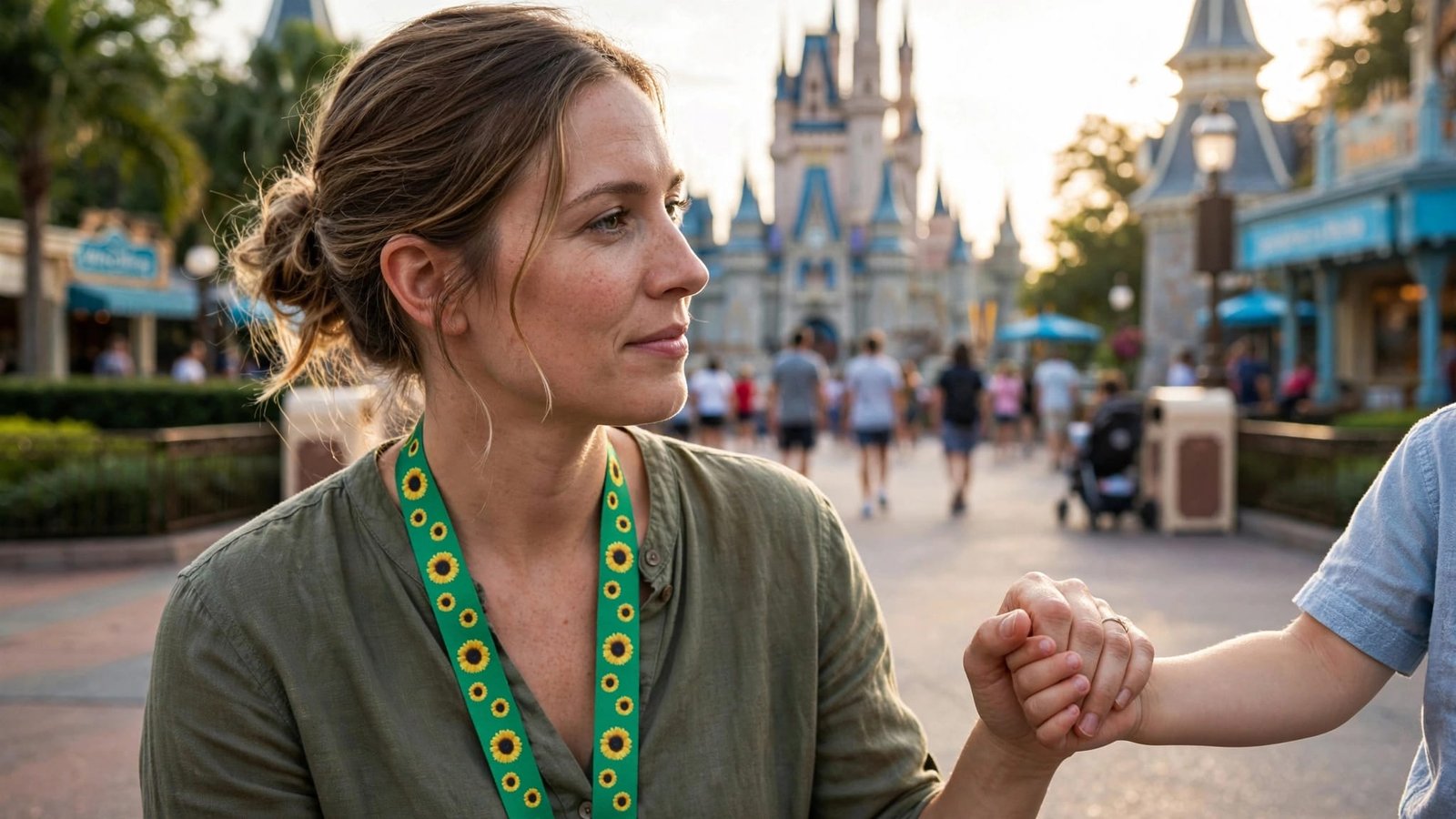
A sunflower lanyard from the Hidden Disabilities Sunflower program can help communicate that you need extra patience, but it won’t change your Disney World attraction access. Families researching Disney sunflower lanyards often find advice that mixes airport support, Disney accessibility services, and policies at different resorts.
You deserve clear expectations before arriving with your child, travel companion, or your own support needs. The lanyard can be a useful communication tool, while Disney’s Disability Access Service requires a separate eligibility conversation.
Start by understanding what the sunflower communicates, then build a vacation plan around the support you need.
Key Takeaways
- Wearing the symbol is voluntary and doesn’t require a formal diagnosis.
- The lanyard doesn’t provide priority lanes, immediate ride access, or automatic Disney Disability Access Service approval.
- Don’t assume every Cast Member recognizes the symbol. Explain what assistance would help.
- Walt Disney World DAS registration uses live video chat, and Disney reviews each guest’s eligibility individually.
Your family can use the lanyard alongside other planning tools, but your park-day plan should work without relying on recognition or approval.
What Do Disney Sunflower Lanyards Communicate?
A Voluntary Signal for Non-Visible Disabilities
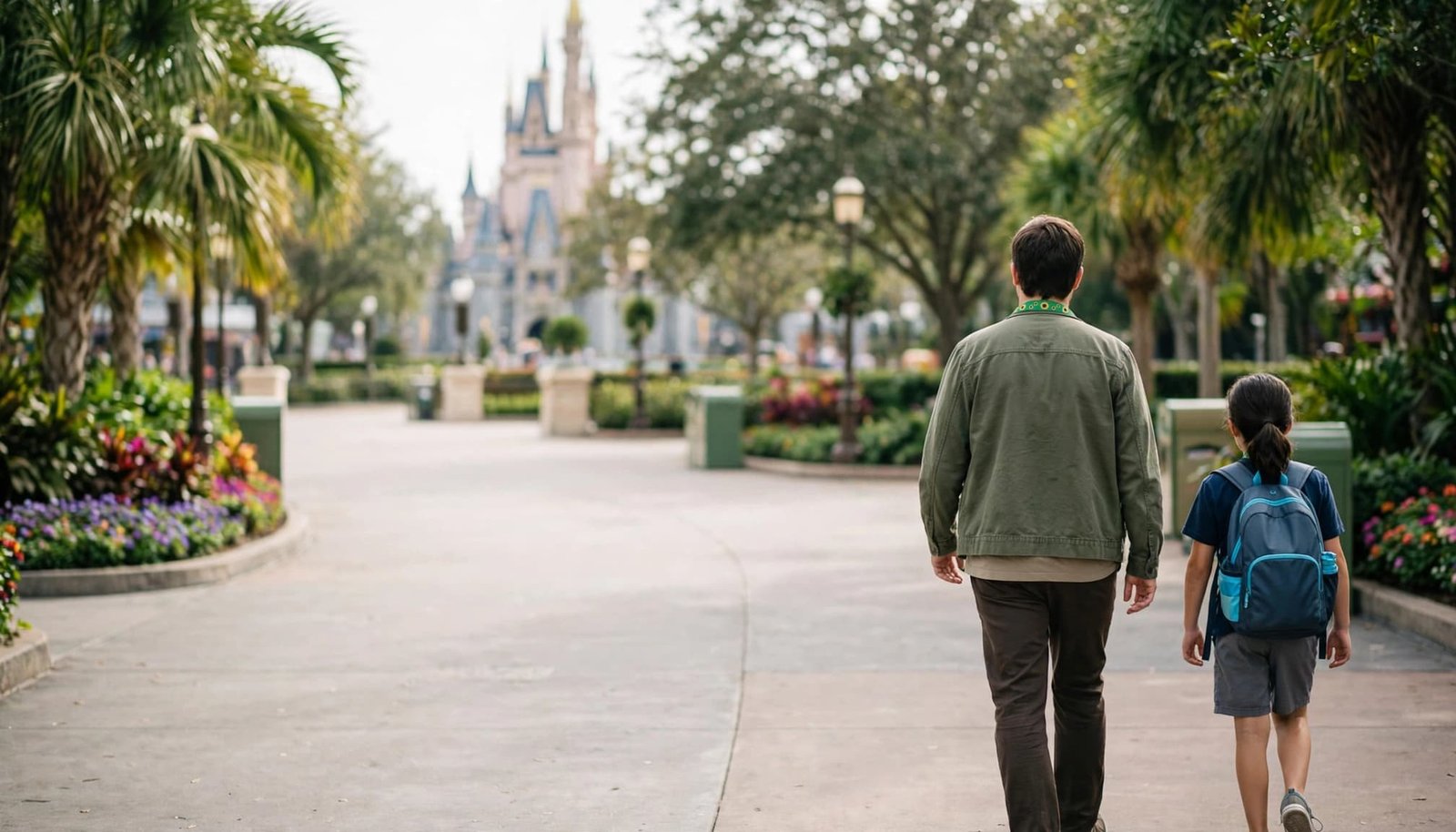
The green lanyard with yellow sunflowers is part of the Hidden Disabilities Sunflower program. It signals that the wearer may have a disability or condition that isn’t immediately apparent.
Autism is one reason someone might wear it. Other hidden disabilities and conditions are included, too. The Hidden Disabilities Sunflower program describes the symbol as a voluntary way to communicate a possible need for support, understanding, or more time.
It doesn’t identify your diagnosis. You decide whether wearing it feels helpful, comfortable, and appropriate for your visit.
A Travel Tool With International Roots
The program began at Gatwick Airport in the United Kingdom in May 2016. It has since grown into a global network of participating airports, businesses, and other organizations, including in the United States.
That international reach can help international travelers communicate in public spaces and other unfamiliar settings. However, recognition varies across organizations, locations, and individual employees.
A lanyard recognized during your flight may not receive the same response at your hotel or theme park. Keep a simple way to explain your needs available, whether that’s spoken language, an AAC device, or a short communication card.
Will Disney Cast Members Recognize the Lanyard?
Plan for Different Levels of Awareness
Don’t build your Disney World visit around an assumption that every Cast Member understands the sunflower symbol. You shouldn’t treat it as proof of resort-wide staff training or guaranteed assistance.
Participating organizations may receive materials from the Hidden Disabilities Sunflower program. That doesn’t mean every Disney employee has completed staff training.
If someone doesn’t recognize your lanyard, focus on the help you need. You can request extra assistance, such as slower directions, time to process information, or guidance toward a less crowded place to pause.
Make Requests Clear and Personal
A short explanation is often easier than sharing your full medical history. You might say, “I need one instruction at a time,” or “My child needs extra time to respond.”
Share only what feels necessary. Your companion can help communicate if that’s your preference, but autistic adults should remain involved in decisions about their own support.
You can ask for clearer communication even when a Cast Member doesn’t recognize the sunflower symbol.
Ask what options are available at that location. A request for help and approval for an accessibility service are separate conversations.
What the Lanyard Doesn’t Provide at Disney World
This symbol doesn’t grant access to disability priority lanes or let your group skip attraction queues. It isn’t a priority pass, and it doesn’t register you for Disney’s Disability Access Service, commonly called DAS.
You still need valid theme park admission. The lanyard doesn’t replace a ticket, create a reservation, or provide a paid Lightning Lane product.
It also doesn’t promise priority boarding on Disney transportation, a quiet room, or immediate assistance. Ask about the support available for your situation rather than assuming the symbol provides it.
Families sometimes use the phrase “Disney sunflower lanyards” as though it refers to a Disney-issued access program. The Sunflower symbol and Disney’s accessibility procedures are separate.
This distinction matters when you’re budgeting and planning your day. Don’t schedule attractions around access that hasn’t been approved, and don’t buy a lanyard expecting it to secure approval.
The same caution applies to sensory needs. A lanyard won’t reduce fireworks noise, Florida heat, crowded walkways, or unexpected attraction closures. Those parts of the visit still need a practical plan.
How Walt Disney World DAS Works
Eligibility and Video Registration
Disney describes DAS as support for guests who cannot wait in a conventional attraction queue for an extended period because of a developmental disability, such as autism or a similar disability.
A diagnosis alone doesn’t guarantee eligibility. Disney reviews the guest’s queue-related needs through its own conversation.
Under the current Walt Disney World DAS requirements, registration uses live video chat. You can begin up to 60 days before a park visit, including the day you visit. Listed chat hours are 7:00 a.m. to 8:00 p.m. Eastern Time.
In-person DAS registration isn’t available at Walt Disney World. The guest needing DAS must be present. An adult age 18 or older handles registration for a child.
Return Times and Your Travel Party
If approved, DAS lets the registered guest request an attraction return time through My Disney Experience. That time is generally comparable to the attraction’s standby wait.
Your family can spend that waiting period somewhere more comfortable. Returning doesn’t mean immediate boarding, and some additional waiting can remain.
DAS generally includes the registered guest and up to three companions. The registered guest must be present and ride with the group.
Our first-visit DAS guide offers additional planning support. Confirm Disney’s current requirements before your conversation, and keep park admission linked to your account.
DAS and paid Lightning Lane products are separate systems. Choose paid options only when they fit your needs and budget.
Do You Need a Diagnosis or Medical Paperwork?
You don’t need a formal diagnosis to wear a sunflower lanyard. Someone who is self-diagnosed or awaiting assessment can use it to communicate support needs.
An autism diagnosis doesn’t determine DAS eligibility. The lanyard isn’t a disability ID or a substitute for Disney’s registration conversation, and it doesn’t strengthen or replace that process.
Walt Disney World’s current DAS process doesn’t require medical paperwork, a doctor’s note, or diagnostic records. Disney’s guidance about DAS documentation addresses that common family concern.
Before the call, think about what happens in a conventional queue. Describe your or your child’s actual difficulties, including communication needs, safety concerns, or distress in confined waiting spaces.
Keep your explanation honest and personal. Don’t rehearse exaggerated answers or use a script intended to secure approval.
A planning guide can help you prepare for the process. It can’t determine which accommodation Disney will offer. Have a workable park-day plan whether or not DAS is approved.
Airports and Other Disney Resorts Have Different Rules
Check Your Airport Before Traveling
The Hidden Disabilities Sunflower program began in the United Kingdom and operates at participating airports in the United States, including O’Hare, Midway, and Boston Logan. It can help travelers with hidden disabilities signal they may need extra time or support. The organization’s U.S. participation news tracks the program’s presence across the United States.
Distribution arrangements vary. Some participating airports offer lanyards, but don’t assume every airport or public transportation network provides them free.
Check your departure airport and any connection points before travel. Ask where to obtain a lanyard and what assistance the airport offers.
The symbol doesn’t exempt you from security screening, passport control, customs, or boarding procedures. Request any required travel assistance separately.
Confirm Each Disney Destination’s Process
Walt Disney World, Disneyland Resort in California, and Disneyland Paris each have distinct accessibility procedures. These theme parks have separate rules, so advice about one shouldn’t be treated as instructions for another.
For California trips, review the Disneyland Resort DAS information. Walt Disney World DAS registration doesn’t transfer to Disneyland Resort.
For Disneyland Paris, check current requirements for accessibility passes and accepted documentation before departure. Don’t assume a sunflower lanyard replaces those requirements.
Recognition of the symbol also shouldn’t be assumed across Disney locations. Ask about available support directly.
Plan for Comfort Beyond the Lanyard
For special needs travel, a comfortable Disney day starts with your family’s routines and preferences. Choose manageable park hours, familiar meals, realistic attraction goals, and time away from busy areas.
Identify where you could spend a waiting period before requesting an attraction return time. For a neurodivergent traveler, shaded seating, a familiar snack, or a slower activity may work better than another crowded queue.
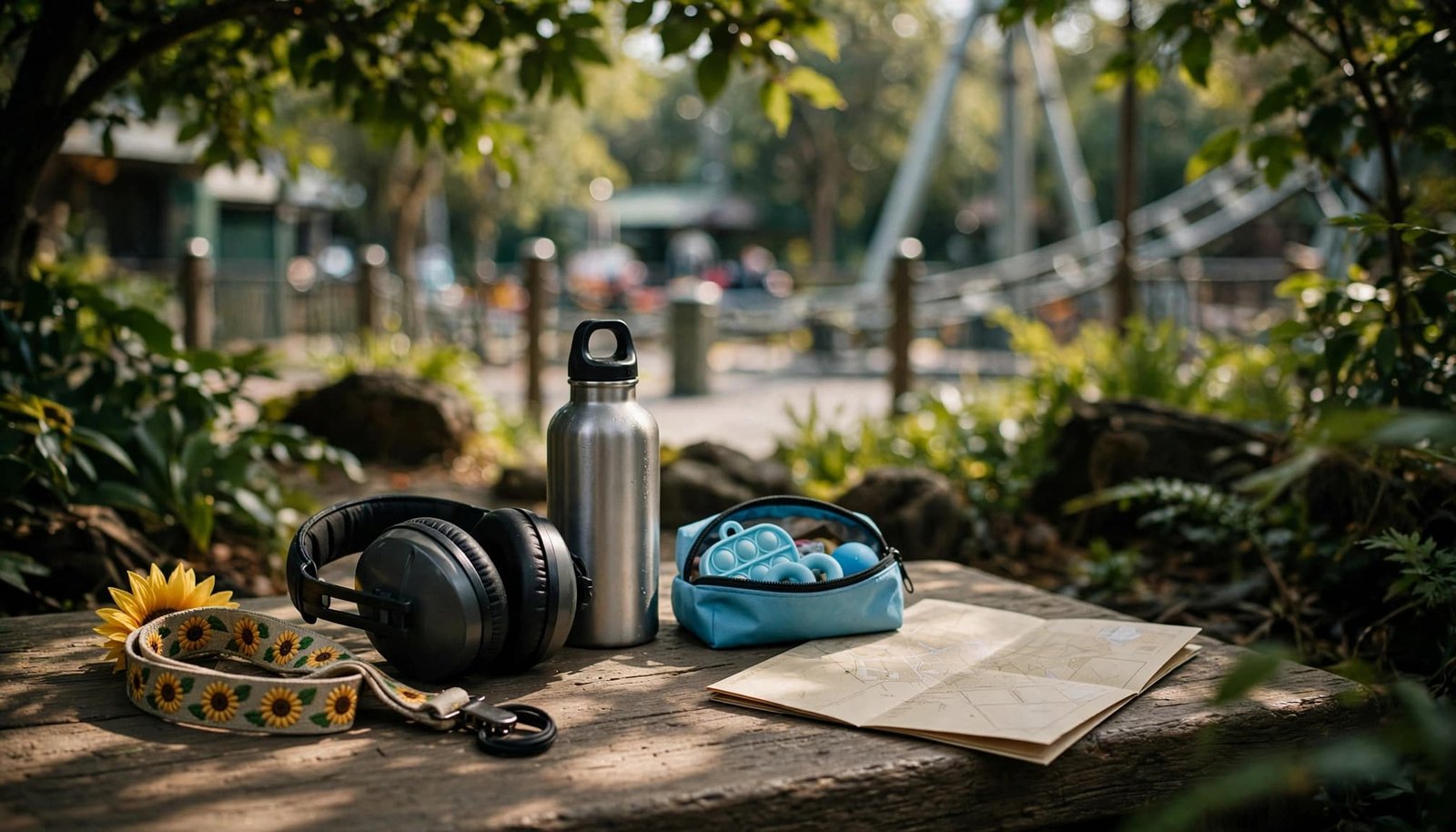
If your traveler has hidden disabilities, familiar comfort items can help make the day more manageable. Ear defenders, an AAC device, a small sensory item, and a portable phone charger may deserve space in your park bag.
Our Disney World autism travel guide covers sensory preparation and flexible planning to help make your visit more disability inclusive. Use it to build around your child’s needs rather than trying to complete every attraction.
For additional family planning support, our ebook about visiting Disney with autistic children is available as a Disney World autism guide PDF on Etsy and through our Disney autism guide on Amazon.
Our Trip Rescue travel shop offers practical supplies, including stroller options and cleaning supplies for those unexpected sick-on-vacation moments. Select what your family needs, and check current product details before ordering.
At K&S The Travel Crusaders, our planning draws on firsthand family experience, real-world travel planning, and Kellie Neff’s B.A. in Child Development. Based in Concord, New Hampshire, we help families nationwide plan vacations around their individual needs.
Frequently Asked Questions
Should My Child Wear the Lanyard All Day?
Only if it’s comfortable and helpful for them. The symbol is voluntary, and wearing it isn’t necessary to ask for support. Respect your child’s preferences, including sensory discomfort or a wish for privacy.
Can an Autistic Adult Use the Sunflower Lanyard?
Yes. The Hidden Disabilities Sunflower program includes adults with non-visible disabilities. Choose how much information you want to share, and tell companions how you’d like them to help with communication during your visit.
What If DAS Isn’t Approved?
Ask Disney which other supports may fit your needs. Keep your plans flexible with shorter visits, carefully chosen attractions, and breaks. A lanyard doesn’t change the eligibility decision, but you can still explain your needs and ask for assistance.
Build Your Visit Around Your Needs
The symbol can make communicating easier, but Disney World attraction access follows separate procedures. Knowing that difference helps you arrive with realistic expectations.
Review current DAS requirements and make clear requests. Build in time to rest and lean on your support network.
Your family’s comfort matters more than completing a crowded itinerary.
If you’d like personalized help, K&S The Travel Crusaders can help you build a Disney vacation plan that fits your family’s pace and support needs.
Leave a Reply