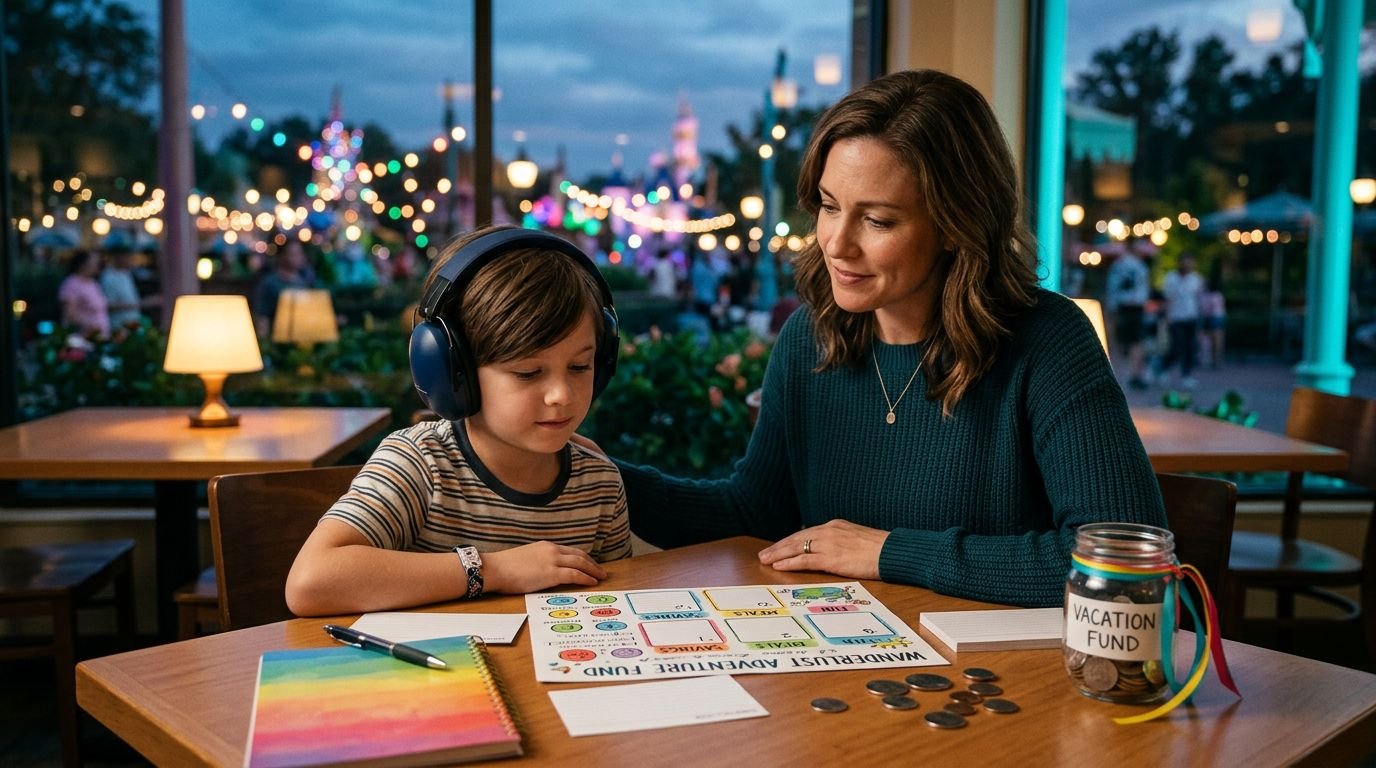
A Disney trip can be exciting, but it can also feel expensive before you even book the hotel. For parents of children on the autism spectrum, the budget needs to cover more than tickets and meals. It needs room for breaks, familiar food, transportation that feels manageable, and changes in the plan.
When it comes to disney vacation budgeting autism families can feel more confident with a plan built around comfort, not squeezing every possible activity into one day. A calmer trip is often the better value for neurodivergent travelers and their loved ones.
Start with the costs that matter most to your family, then leave room for the unexpected.
Key Takeaways
- Build your Disney budget around your child’s daily rhythm rather than a packed park schedule, especially when visiting walt disney world.
- A resort that makes breaks easier can be worth more than the lowest nightly room rate if it helps prevent sensory overload.
- DAS is free for eligible guests, though tickets and other services still add to the overall trip cost.
- Quick-service meals, grocery delivery, and a portable charger can reduce daily stress and surprise spending.
- Set aside a contingency fund for weather, missed plans, comfort items, and transportation changes.
Disney Vacation Budgeting Autism Families Can Use
Disney costs add up quickly when you combine park tickets, lodging, flights or gas, food, airport transfers, souvenirs, and optional add-ons. Start with the big numbers first. Don’t begin with snacks or souvenirs when the hotel and tickets will shape most of the trip.
A simple budget should include these categories:
| Budget Category | What to Include |
|---|---|
| Travel | Flights, gas, parking, rental car, airport transfers |
| Lodging | Room rate, taxes, parking, groceries, resort fees if applicable |
| Park days | Tickets, Park Hopper upgrades, water park options |
| Food | Quick-service meals, snacks, grocery delivery, special meals |
| Park support | Special needs stroller rental, portable charger, cooling items, headphones |
| Extras | Lightning Lane, souvenirs, photos, unexpected transportation |
| Flex fund | Rain gear, replacement clothing, early ride-share, medical needs, visual schedule supplies |
The most important line in the budget is the flex fund. Set aside money that you do not plan to spend. Florida rain, an early park exit, a favorite snack, or a forgotten comfort item can change the day fast.
A lower total cost is not always the better deal if it removes your family’s ability to rest, reset, or change plans.
Choose the number of park days based on energy. A four-park marathon may sound like a good value, but it can become costly if everyone is overwhelmed by day three. For many families visiting Walt Disney World, four to six nights gives enough breathing room for park days and resort time.
A one-park-per-day ticket is often the better fit when visiting disney theme parks. Park Hopper tickets add flexibility, but they can also add pressure. Moving between parks takes time, requires more transportation, and may not match a child who needs a predictable routine.

Pick a Resort That Supports Real Breaks
Your hotel is not only a place to sleep. It is where your child can have quiet time, eat familiar food, change clothes after rain, and recover after a busy park day.
An off-site hotel may have a lower nightly rate. Before booking, look at the full cost. Add parking, rental car costs, fuel, travel time, and the possibility of paying for a ride-share when your child needs to leave quickly.
Choosing the right disney resort can change your entire experience. On-site Disney resorts cost more in many cases, but disney transportation can make the trip feel much easier. You can return for a midday break without driving, parking, and walking through a large lot. That convenience matters when someone is tired, overstimulated, or done for the day.
Disney’s Port Orleans Resort, French Quarter is often a comfortable moderate option because of its smaller layout. The food court, bus stops, and hotel pool are usually easier to reach than at larger resorts. Disney’s Art of Animation Resort can work well for larger families because its family suites include extra sleeping space, two bathrooms, and a kitchenette.
A kitchenette can save money, but it can also reduce stress. Familiar breakfast foods, preferred snacks, and cold drinks are easier to keep on hand. You do not have to solve every food issue inside a crowded park.
For more step-by-step support, the Disney World with Autism guide on Etsy includes planning ideas for families who want a more comfortable Disney trip.
Keep Food Costs Flexible and Familiar
Food is one of the easiest Disney expenses to underestimate. Theme park meals, drinks, snacks, and character dining can raise the daily total quickly. They can also become difficult when your child is hungry at an unexpected time.
Quick-service restaurants are often the easier option for autism families. You have more control over timing, menu choices, seating, and how long the meal lasts. Mobile ordering in the My Disney Experience app lets you review the menu at a calmer moment instead of deciding while standing in a long line, making it much easier to accommodate specific dietary needs without added stress. Many of these locations also sit near quieter outdoor seating or transition zones, providing a welcome break from loud environments.
Bring familiar snacks into the park. Protein bars, crackers, fruit snacks, electrolyte packets, and refillable water bottles can prevent a small hunger issue from becoming a difficult moment. Budget for snacks before you leave home, then buy only the treats your family truly wants.
Disney dining plans can be helpful for families who like to prepay and know they will use their meal credits. They are not always a savings. Large portions, heat, schedule changes, and selective eating can leave credits unused. Pay out of pocket if your family prefers smaller meals, grocery breakfasts, and a flexible dinner plan.
A well-chosen character meal can be a meaningful memory, but it does not need to happen every day. Select one experience that fits your child and your budget, and let the rest of the meals stay simple.
The Amazon Disney autism travel guide can also help parents think through meals, park pacing, and sensory needs before travel day.
Budget for DAS and Other Disney Park Tools
Disney’s disability access service, commonly called DAS, is free for guests who qualify. It is not a ticket upgrade, and it does not replace park admission. Still, it can make a major difference for autistic guests who cannot wait in a conventional queue for an extended time.
At Walt Disney World, DAS registration uses live video chat. The guest requesting the service must be present during the conversation. For a child, the child needs to be visible on camera. Disney does not require a doctor’s note, and current DAS registration can be completed up to 60 days before your visit.
Review the official Walt Disney World DAS details before your trip because eligibility and procedures can change. Current rules generally allow a DAS party of up to four people, and the registered guest must be present and ride with the group.
Once you are in the park, you can use your das pass within the My Disney Experience app to request a return time. Your family waits elsewhere instead of staying in the standby line. Plan for a portable charger. Your phone will handle your das pass return times, park maps, mobile food orders, dining reservations, and communication.
Lightning Lane Multi Pass is separate from DAS and has an added cost. You don’t need to buy it every day. Consider it only for parks where your family has a few must-do attractions and can manage scheduled return windows. A paid tool is only worth it if it lowers stress. Families can also utilize rider switch options so adults can take turns on attractions without waiting in line twice, and you can request a stroller as a wheelchair tag if your stroller is needed as a medical device in attraction queues.
Disney vacation budgeting autism families should include the cost of comfort items, too. A portable charger, noise cancelling headphones, cooling towel, rain ponchos, favorite fidget items, and a change of clothes can be more useful than one more paid ride reservation.
Plan Park Days Around Energy, Not Pressure
Trying to get your money’s worth can turn a Disney day into a race. That feeling is expensive in its own way. It can lead to last-minute food purchases, ride-shares back to the hotel, unused reservations, and a family that feels worn out by sensory overload.
Choose one or two priority experiences each morning, especially those that tie into your child’s special interests. Keep attractions close together when possible. If you review the attraction details for a Fantasyland return time at Magic Kingdom, stay nearby for rides, snacks, and a quiet break. Do not schedule something in Tomorrowland right after if you can avoid it.
EPCOT needs the same care. Remy’s Ratatouille Adventure, Frozen Ever After, and Soarin’ Around the World are popular, but they are spread across a large park. Add time for walking, bathroom stops, indoor breaks, and early evening rest instead of pushing through until the fireworks.
A resort day is not wasted money. After two or three park days at Walt Disney World, a slow morning, pool time, laundry, and a trip to Disney Springs may help everyone enjoy the rest of the vacation. Your ticket budget should support a trip your child can handle, not a schedule that looks impressive on paper.
Protect Your Budget With A Small Backup Plan
Keep a small amount available for the things you hope will not happen. That might include a ride-share when Disney transportation feels like too much, replacement rain gear, a quiet meal back at the resort, medication and first aid items, or locating quiet spots and companion restrooms when sensory needs change suddenly.
Check cancellation rules before you make deposits. Look closely at airfare, hotel packages, ticket dates, and travel insurance. Policies differ, and some changes can cost more than families expect. Working with a knowledgeable travel agent can help you navigate these fine details and protect your investments from unexpected changes.
You also do not have to solve every issue alone. Guest services locations, cast members, and Guest Relations teams can help with park questions, DAS concerns, stroller as wheelchair tags, and attraction changes.
Frequently Asked Questions
Is DAS free for guests visiting Walt Disney World?
Yes, Disney’s Disability Access Service is free for eligible guests. However, you still need to purchase standard park tickets and budget for other necessary travel expenses.
Can I register for DAS in advance of my trip?
Yes, current rules allow eligible guests to complete DAS registration via live video chat up to 60 days before your visit. The person needing the service, including children, must be present during this video call.
What should I include in my Disney autism vacation budget?
Beyond tickets and lodging, your budget should account for comfort items, portable chargers, familiar snacks, sensory tools, and a flex fund. A dedicated backup fund helps cover unexpected transportation needs or quiet meals away from the parks.
Are Disney resort hotels worth the extra cost for autism families?
On-site resorts generally cost more, but the convenience of Disney transportation makes midday breaks much easier. Returning to your room for a quiet rest without driving or parking can prevent sensory overload and save energy for later.
A Comfortable Disney Trip Is a Successful One
Effective disney vacation budgeting autism families works best when the plan includes space to pause. Spend on the things that make your child feel safe, rested, and supported. Skip the upgrades that create more pressure than enjoyment.
The best memory from visiting disney theme parks may not be the longest park day. It may be the day your family had enough time, enough snacks, and enough calm to enjoy being together.