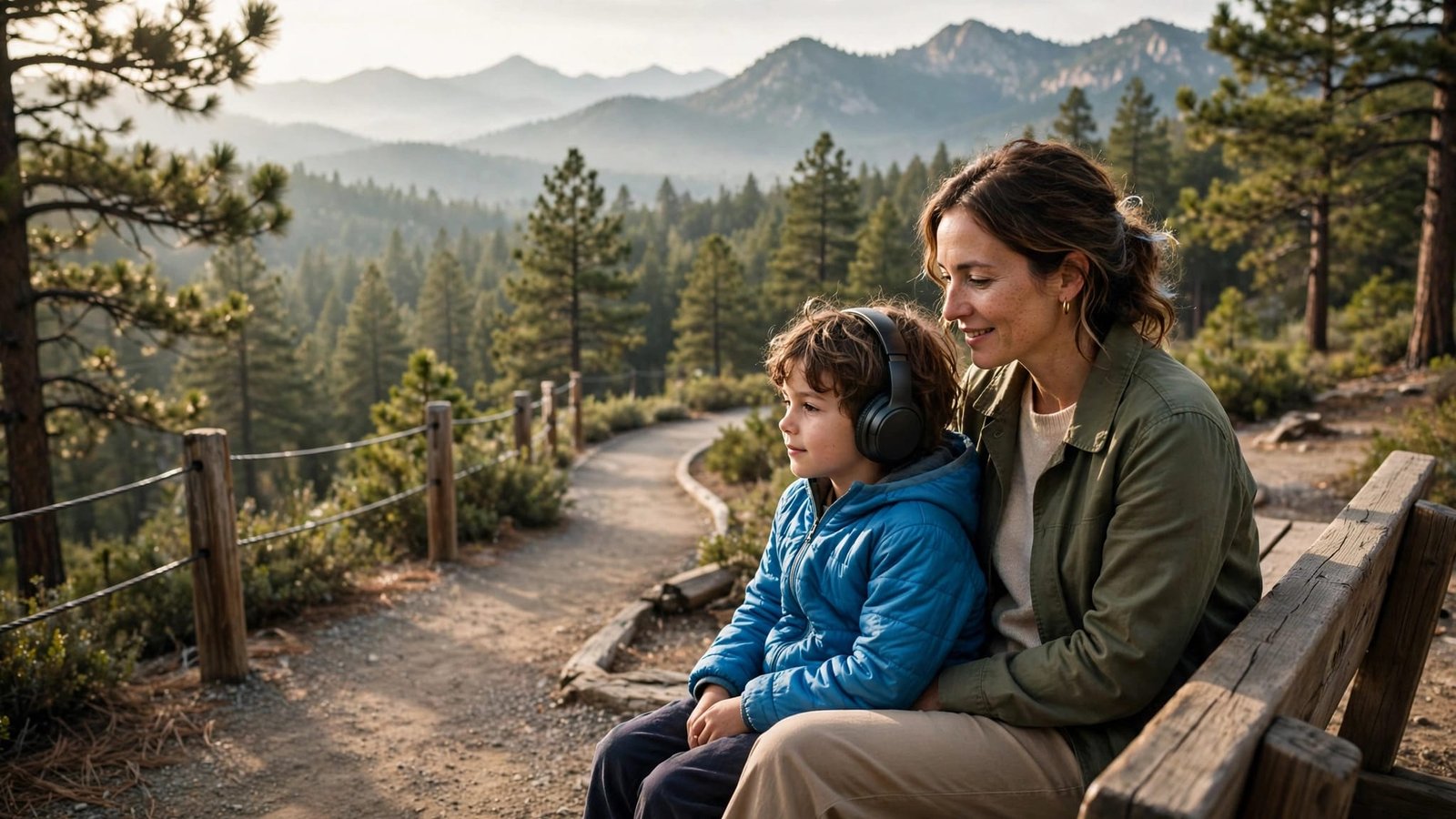
Plan national parks trips around your child’s autism-related needs, a manageable pace, and room to take breaks. As you consider the Access Pass, think about the park, lodging, and daily schedule too.
Your vacation doesn’t need a packed itinerary to feel special. A comfortable, flexible plan gives your family room to enjoy nature at a pace that works for you.
Key Takeaways
- Plan around your child’s sensory, communication, mobility, food, and routine needs.
- Check current National Park Service information for park facilities, routes, conditions, and accessibility details.
- Keep the schedule manageable, plan breaks, and let your family leave early or change plans.
- Choose familiar supports and lodging that fit your child’s sleep, sensory, bathroom, and safety needs.
Planning an Accessible National Park Visit
Every autistic child experiences unfamiliar places differently. A child on the autism spectrum may enjoy open space. Changing weather, insects, unexpected sounds, or uneven ground may feel difficult.
A useful starting point is what already helps your child feel comfortable. Include sensory needs, communication supports, mobility, familiar meals, and daily routines in the plan.
Before choosing a destination, check current details with the National Park Service and compare official park information. Sequoia National Park and Death Valley may have different facilities, routes, and conditions, so review each park’s details.
Review accessibility information about facilities and support for needs such as cognitive disabilities. Contact a visitor center with questions. If the park publishes a sensory guide, review it to plan for autism-related needs.
Our guide to autism-friendly national parks explores how park choices, facilities, lodging, and pacing can support a more manageable family visit.
Keep the Day Manageable
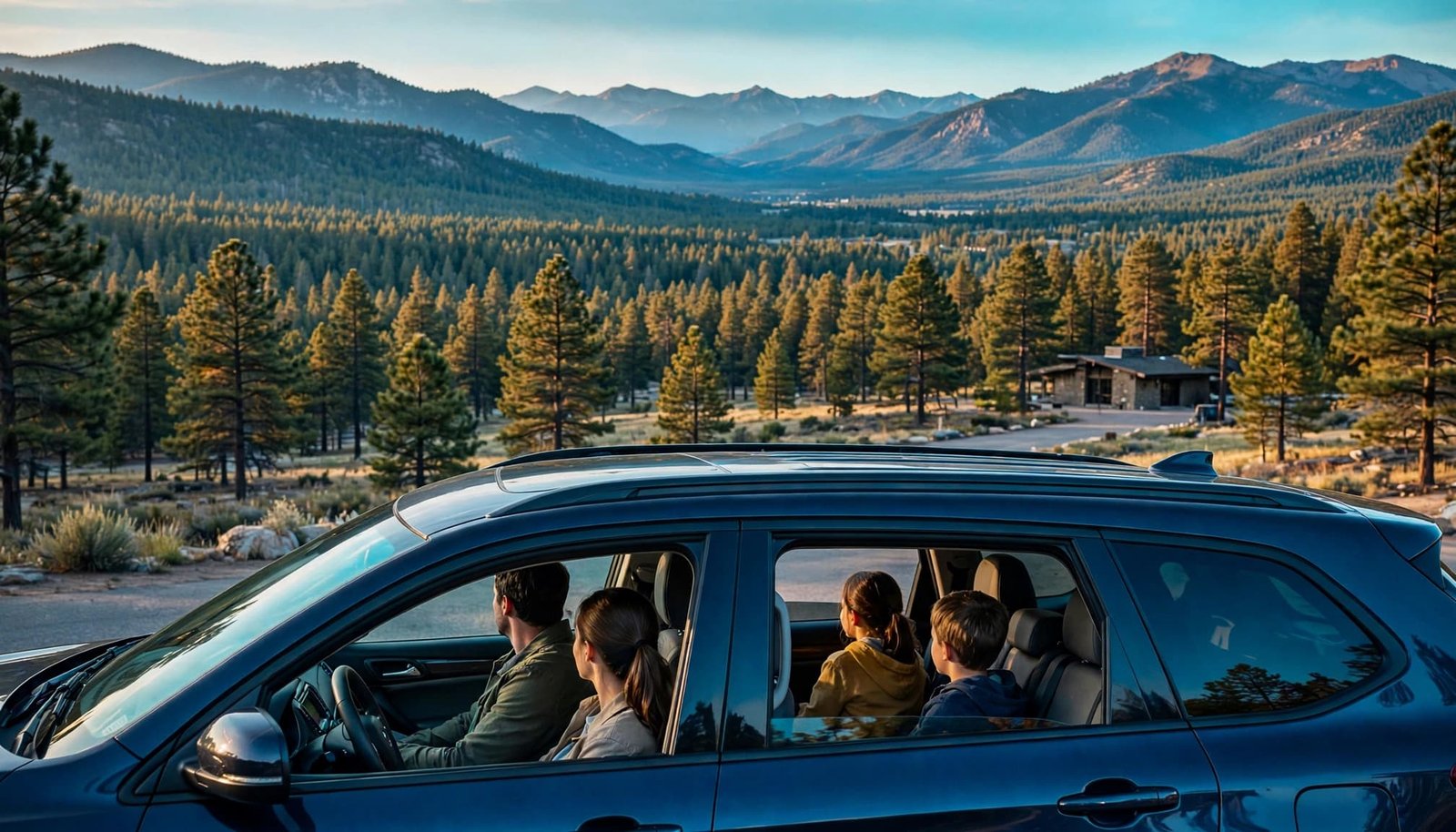
One main experience can give the day enough structure without filling every hour. A short walk, a scenic drive, or time at a familiar stopping point may be enough for your family.
Breaks work best when they’re part of the plan, not something you take only after the day becomes overwhelming. Returning to the car or spending a quiet afternoon at the hotel can still be part of an enjoyable vacation.
Leaving early is a valid family choice. Your child doesn’t need to complete every activity for the visit to matter.
Familiar Supports Can Make Unfamiliar Places Easier
Choose supports that fit your neurodiverse child’s preferences. A sensory kit with headphones, preferred snacks, comfort items, or fidget toys can help make a new experience feel more familiar. A simple visual plan or social stories can preview the day’s sequence.
If meltdown or elopement is a concern, choose a calm reset option, such as the car or an available quiet space. Agree on a clear supervision or meeting plan.
For children who use a tablet or communication device, pack charging equipment and a familiar printed backup to help keep communication available.
Choose a Comfortable Place to Rest
Lodging affects how easily your family can recover after an outing. Check accessibility details that matter to your family, such as room layout, noise, familiar food, space, and the return route.
Camping also needs to fit your child’s sleep, sensory, bathroom, and safety needs. A tent, RV, or hotel offers a different experience, and the right choice depends on your family.
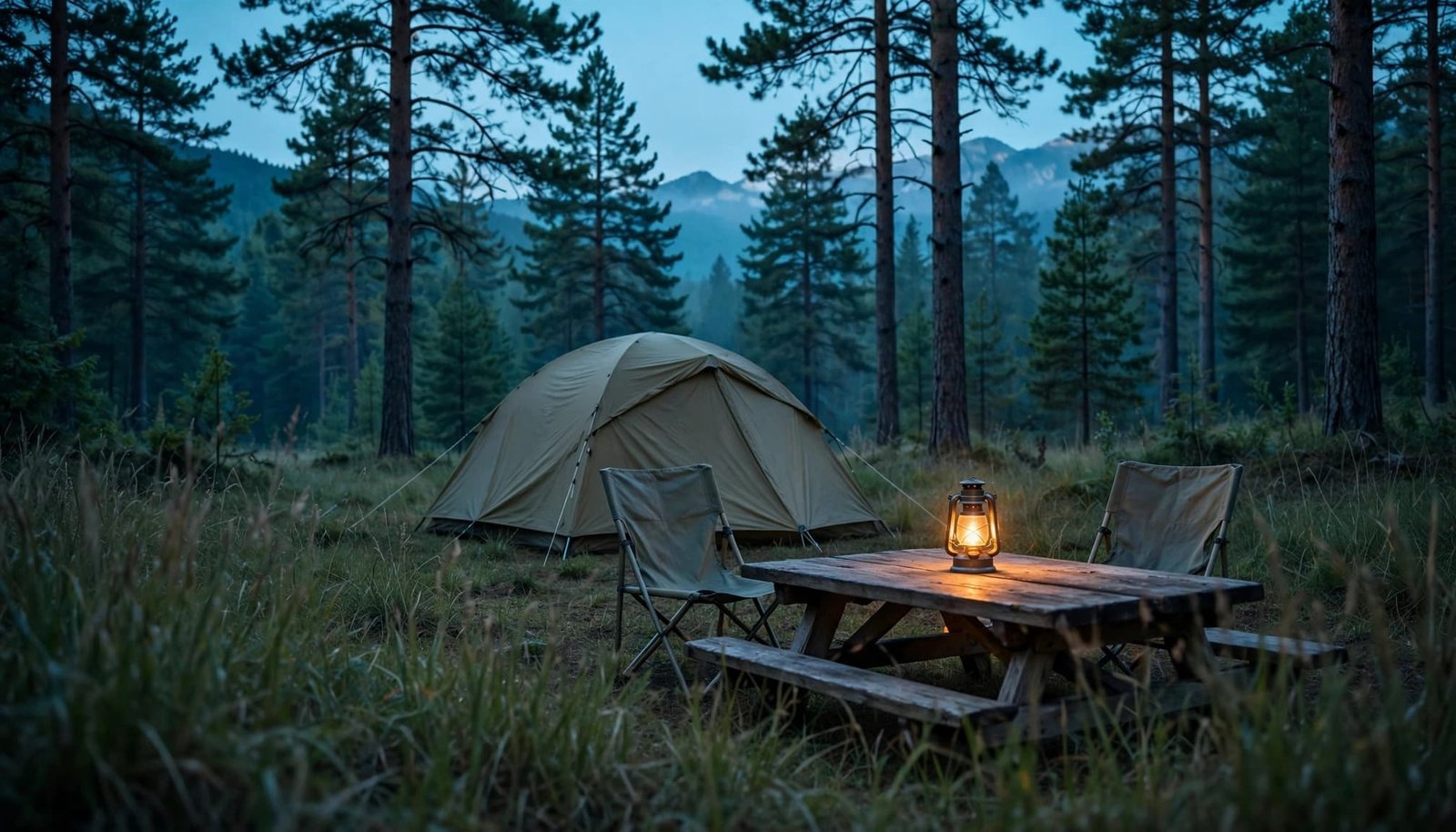
A campground with a straightforward route back to the car can make changing plans easier. Access to familiar food and nearby services can also support a more comfortable stay.
Before booking, check current lodging distances from park destinations, routes, weather, and services. Don’t assume these details are alike at Yellowstone National Park and Death Valley. Use current National Park Service information to verify relevant conditions and facilities.
Resources for Your Family’s Travel Plans
At K&S The Travel Crusaders, our approach draws on firsthand family experience with autism and real-world vacation planning. We focus on trips that fit your family’s comfort, needs, and pace.
If a nearby attraction advertises a “Certified Autism Center” designation, verify its current status through IBCCES. Don’t assume that designation applies to a national park.
If Disney is also on your travel list, our Disney World with Autism: The Complete Family Guide is available as an Etsy PDF planning guide and through our Amazon Disney autism guide listing. These are Disney-focused resources for park days, breaks, and accessibility planning.
Our Trip Rescue Shop also carries practical travel supplies, including strollers and cleaning supplies for unexpected illness while you’re away.
Frequently Asked Questions
How can I choose a national park for my autistic child?
Compare official park information about facilities, routes, and conditions. Contact a visitor center with questions, and review any sensory guide the park provides.
How much should we plan for a day at a national park?
Choose one main experience, such as a short walk or scenic drive, and leave time for breaks. Returning to the car or resting at the hotel can be part of the plan.
What supports can help my child feel more comfortable?
Pack items that suit your child’s preferences, such as headphones, familiar snacks, comfort items, or fidget toys. A simple visual plan or social story can preview the day’s sequence.
What should we consider when choosing lodging?
Check room layout, noise, familiar food, space, and the route back from park destinations. For camping, consider your child’s sleep, sensory, bathroom, and safety needs.
Let the Visit Fit Your Family
A national park vacation can include big views, a short outing, and plenty of time to rest. The most useful plan respects your child’s needs and leaves room for changes.
Comfort and flexibility give your family space to enjoy being together. Even a short outing or a restful day can make time in nature meaningful.
Leave a Reply