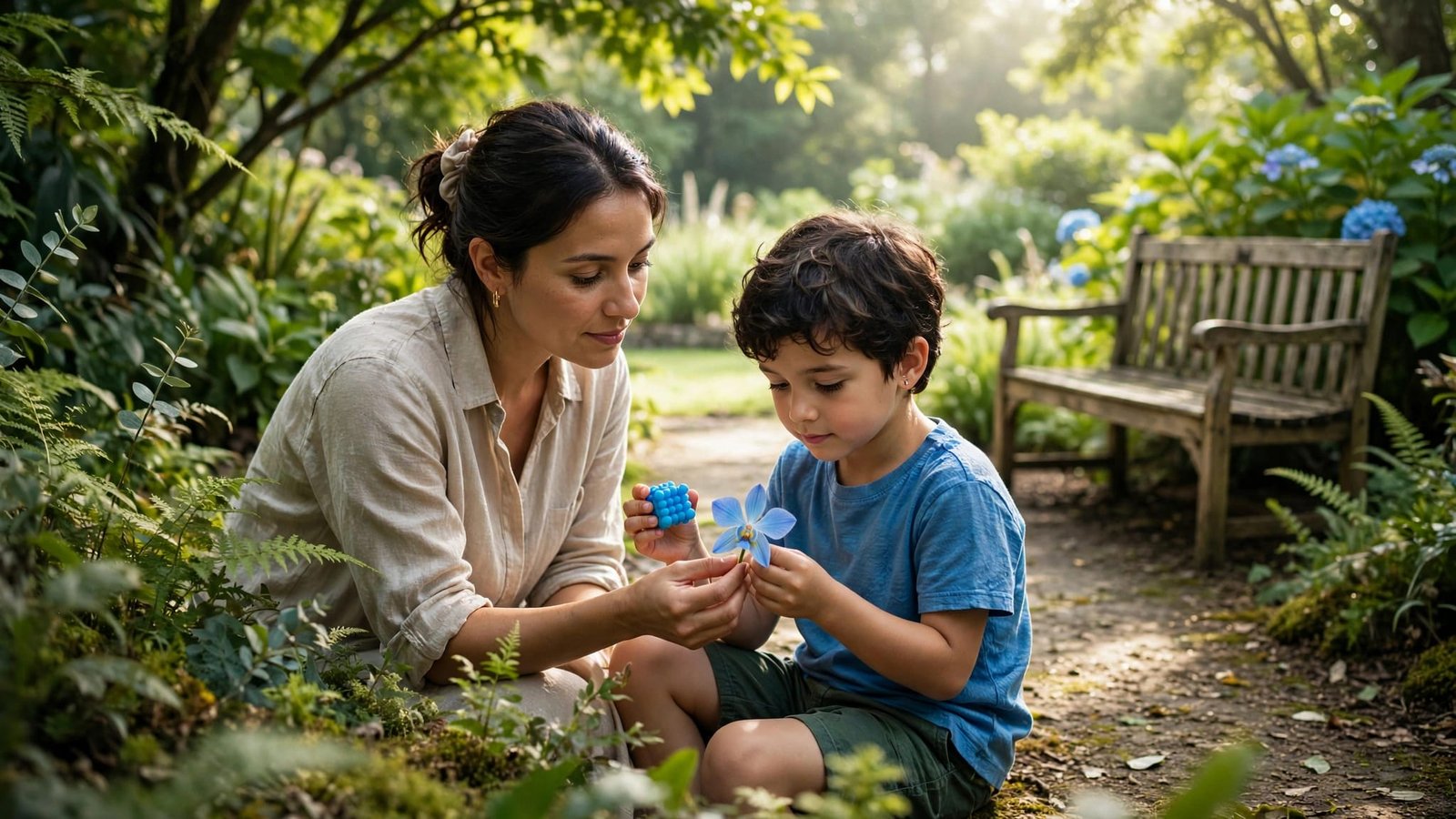
Autism-friendly garden visits work best when you choose a manageable route, bring familiar supports, and leave room for breaks. Your child should be able to explore at their own pace, with a clear way to pause or leave.
Botanical gardens offer space to move and enjoy nature, but fountains, heat, insects, and crowds can add unexpected challenges. We recommend planning around your child’s comfort and communication needs, rather than trying to see every garden.
Start with the features that help your family feel prepared.
Key Takeaways
- Choose shaded paths, predictable routes, accessible restrooms, and a comfortable place to take a break.
- Use photos, a simple visual schedule, and familiar communication tools to prepare for arrival and transitions.
- Sensory-friendly sessions offer useful accommodations, but your child’s preferences should guide the visit.
- One enjoyable garden area can be enough. An early exit is a successful choice when your child needs it.
What Makes Autism-Friendly Garden Visits Comfortable?
Kogan and colleagues’ 2018 study estimated autism affected about 1 in 40 U.S. children, using 2016 survey data. That is a historical estimate; current CDC surveillance estimates identify about 1 in 31 children aged eight.
Signs often appear within the first two years of life, but individual support needs vary. An autism spectrum disorder diagnosis alone doesn’t tell you which garden features your child will enjoy.
Look for Shade and Predictable Routes
Thoughtful garden design can make an unfamiliar visit easier. Clear sightlines from the entrance help families understand the space before moving through it. Repeated layouts across smaller garden rooms add predictability.
The Els Center of Excellence Sensory Arts Garden in Jupiter, Florida, offers useful design examples. Covered entries, hedges that block glare from parked cars, shaded areas, and ground lighting for evening events address different lighting needs.
Make Sensory Experiences Optional
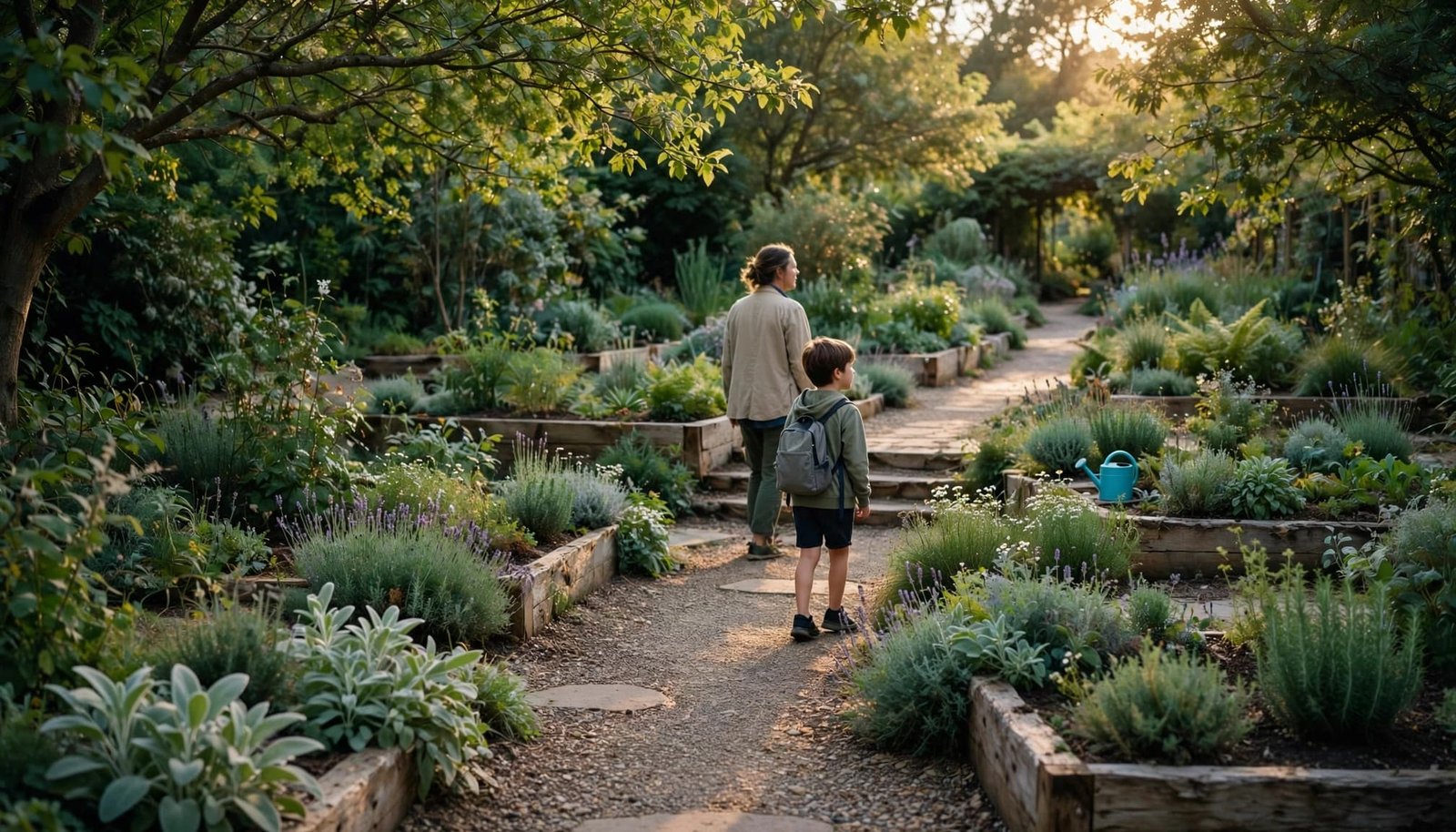
A helpful sensory garden offers choice. Fragrant plants, textured leaves, edible herbs, raised beds, accessible pathways, and quiet seating support different interests.
Natural sounds deserve attention, too. Wind, water, and pollinators may feel pleasant to one child and uncomfortable to another. Fountains and wind chimes should be easy to bypass. Children vary in sensory processing. A child who is hypersensitive to a sound or scent may need a route that bypasses it.
A single-path labyrinth removes route choices and can reduce uncertainty for some visitors. Designs that move from stimulating outer edges toward a quieter center offer a gradual transition. Children still need an easy way to stop.
Gardens With Sensory-Friendly Sessions
These Florida programs offer concrete supports beyond a quieter path or shaded bench.
Selby Gardens’ Tranquil Tuesdays
Marie Selby Botanical Gardens in Sarasota offers complimentary after-hours admission through Tranquil Tuesdays. The program welcomes neurodiverse and sensory-sensitive individuals, their families, and caregivers away from daytime crowds and noise.
The listed session runs from 5:15 to 6:15 p.m. Advance registration is required for every attendee, including accompanying family members and caregivers.
A sensory map identifies interactive areas and stronger sensory experiences. Noise-canceling earmuffs, sensory kits, and wheelchairs are available without charge.
These supports are also available through the Welcome Center during regular hours. Wheelchairs are first-come, first-served. Regular daytime admission isn’t included in the event’s complimentary-admission offer.
Naples Botanical Garden’s Sensory-Friendly Saturday
Naples Botanical Garden offers free admission from 4 to 6 p.m. during Sensory-Friendly Saturday, with RSVP required.
The program includes hands-on activities and an air-conditioned take-a-break space. Preparation materials include a visual schedule, a parent/caregiver guide, and a social experience story.
These resources can help your child understand arriving, exploring, resting, and leaving. Activities remain optional, even during a session designed for sensory needs.
How Staff Training Supports Families
CARD-USF’s Autism Friendly Business Initiative began in 2008. It provides customized training, technical assistance, educational materials, and public visibility for participating businesses.
Staff preparation matters alongside physical accommodations. Clear directions and help finding a quieter space make the garden community more inclusive. They can help visitors with disabilities feel a sense of belonging.
Prepare a Visit Your Child Can Follow
Preparation should make the outing easier without giving your child more information than they need.
Preview the Whole Journey
Show a few useful photos: parking, the entrance, a path, the bathroom, and the place where you’ll take a break. Include the journey there if transportation is difficult.
Keep the visual schedule short: arrive, visit one garden, snack, break, leave. Add a “change” card and an “all done” option.
Use your child’s usual communication system throughout the outing. A printed choice board provides a backup if an AAC device or tablet loses power.
If several adults are coming, agree on supervision and early signs of overload before arrival. One adult should know who is supporting each transition.
Pack Familiar Comfort and Care Items
Bring headphones, sunglasses, water, familiar food, medication, spare clothing, and a comfort item your child already uses. Keep communication tools easy to reach.
Include your child’s bathroom, mobility, and temperature needs. A supportive stroller can provide a familiar place to rest when walking becomes tiring.
Our Trip Rescue Shop offers travel supplies, including stroller options and cleaning supplies for those difficult moments when someone gets sick on vacation.
Choose supplies around your family’s needs. A garden outing doesn’t need a new collection of sensory products, and unfamiliar tools can add another adjustment.
Choose Sensory Plants With Safety in Mind
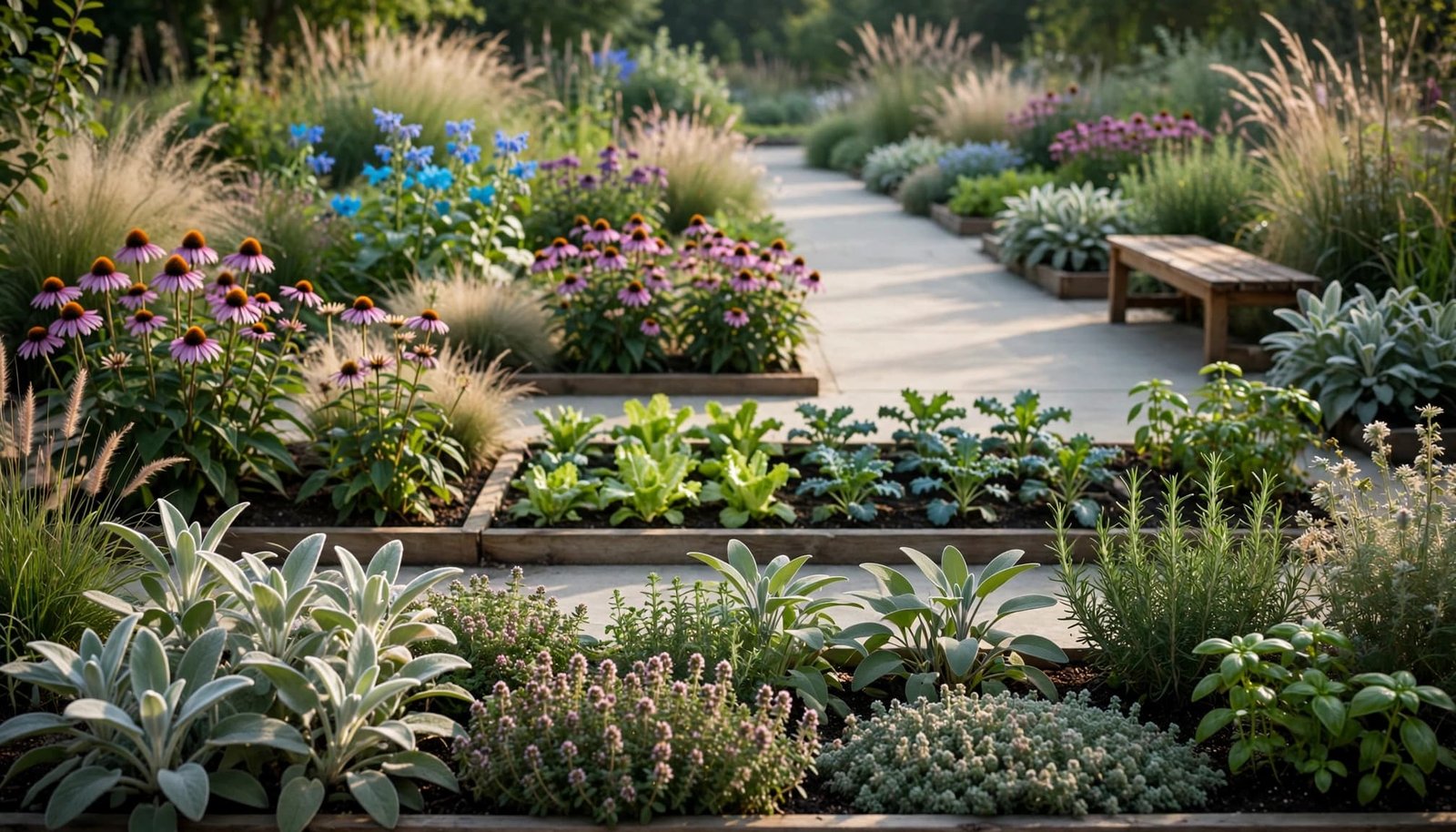
Plant choices should invite exploration without requiring every visitor to touch, smell, or taste. Raised beds can bring plants within reach, while smooth, accessible pathways provide room for mobility devices.
These examples offer different sensory experiences.
| Sense | Plant examples | Practical consideration |
|---|---|---|
| Sight | Delphinium, coneflowers, zinnias, sunflowers | Height adds interest; delphinium is toxic and unsuitable for tasting. |
| Sound | Pigsqueak and ornamental grasses | Grasses rustle; rubbing pigsqueak leaves can produce a squeak. |
| Touch | Lamb’s ears and woolly thyme | Soft textures suit optional, supervised exploration. |
| Smell | Anise hyssop and chocolate cosmos | Keep strong scents away from unavoidable routes. |
| Taste | Fruits, vegetables, edible herbs, and edible flowers | Offer only correctly identified plants grown for eating. |
The safest selection depends on the child, the setting, and how plants will be used. Avoid thorny flowers and prickly plants near exploration areas. Where children may mouth plants, prioritize nontoxic choices throughout.
Never encourage tasting from a public display without staff permission. A plant’s appearance doesn’t establish that it’s edible or free of treatments.
Maintenance matters, too. Overgrown branches, slippery leaves, uneven paving, and plants spilling across paths can make an accessible route harder to use.
A sensory garden should offer a way around strong smells and sounds, not require every visitor to pass through them.
Keep the Garden Day Flexible
Choose one main experience, such as a children’s garden or a short shaded loop. Leave the conservatory, café, and additional trails optional.
Begin with an arrival routine your child knows. Offer a bathroom stop, explain the first activity, and show where you’ll rest. Schedule breaks before your child reaches their limit.
Outdoor spaces aren’t automatically quiet or safe. Watch for maintenance equipment, traffic, open water, insects, changing weather, and paths that lead toward exits. For a child who may wander, assign supervision clearly.
A shaded bench can provide relief, but it doesn’t offer the privacy or sound control of an enclosed room. Use the type of break your child needs.
If overload builds, reduce demands and offer familiar communication choices. Leaving the garden or returning to your hotel can protect the rest of the day.
For longer outdoor vacations, our autism-friendly national park planning offers related guidance on family-paced outings.
Bring a Comfortable Garden Routine Home
A sensory garden can be as small as one flowerpot. Start with a plant your child enjoys rather than trying to include all five senses.
Watering, carrying a small container, and moving around a garden provide opportunities to practice gross motor skills. Picking suitable produce or handling seeds can involve fine motor skills.
A familiar routine also leaves room for small discoveries. Tomatoes ripen, buds open, and leaves grow while the basic activity stays predictable.
Offer participation without pressure. Your child may prefer watching plants rather than handling soil. Gardening can be an enjoyable family activity without becoming a therapy assignment.
Planning a Garden Stop During a Vacation?
Keep a botanical garden visit separate from another demanding outing when possible. Protect familiar meals, transportation routines, and recovery time.
Our personalized special needs travel planning draws on firsthand family experience and real-world travel planning. We help families coordinate vacations around their individual needs.
If Disney is part of your trip, our 57-page guide offers another planning resource. Find our Disney World autism ebook on Etsy or our Disney autism guide on Amazon.
Frequently Asked Questions
What Color Is Calming for Autism?
There isn’t one calming color for every autistic person. Some children prefer muted greens or blues, while others enjoy brighter colors. Prioritize your child’s preferences, comfortable lighting, shade, and reduced glare rather than choosing a garden by color alone.
What Activities Can Children Try in a Sensory Garden?
Offer one simple choice at a time. Your child might enjoy noticing flower colors, listening to grasses, touching an approved soft leaf, or watering a container. Let them watch, participate, or decline. Public gardens may restrict touching and picking to designated areas.
Can One Garden Support Sensory-Sensitive and Sensory-Seeking Visitors?
Yes, when experiences are separated and optional. Sensory-sensitive visitors may prefer shade, quieter seating, and low-fragrance routes. Sensory-seeking visitors may enjoy movement and hands-on activities. Preferences can overlap or change during the visit, so both groups need choices and comfortable exits.
A Garden Visit That Works for Your Family
A comfortable visit gives your child time to explore, communicate, and rest. Thoughtful preparation and flexible expectations help you respond when their needs change.
You don’t need to finish every path for the outing to matter. One enjoyable garden area and a supported journey home can be a meaningful family day.
Leave a Reply