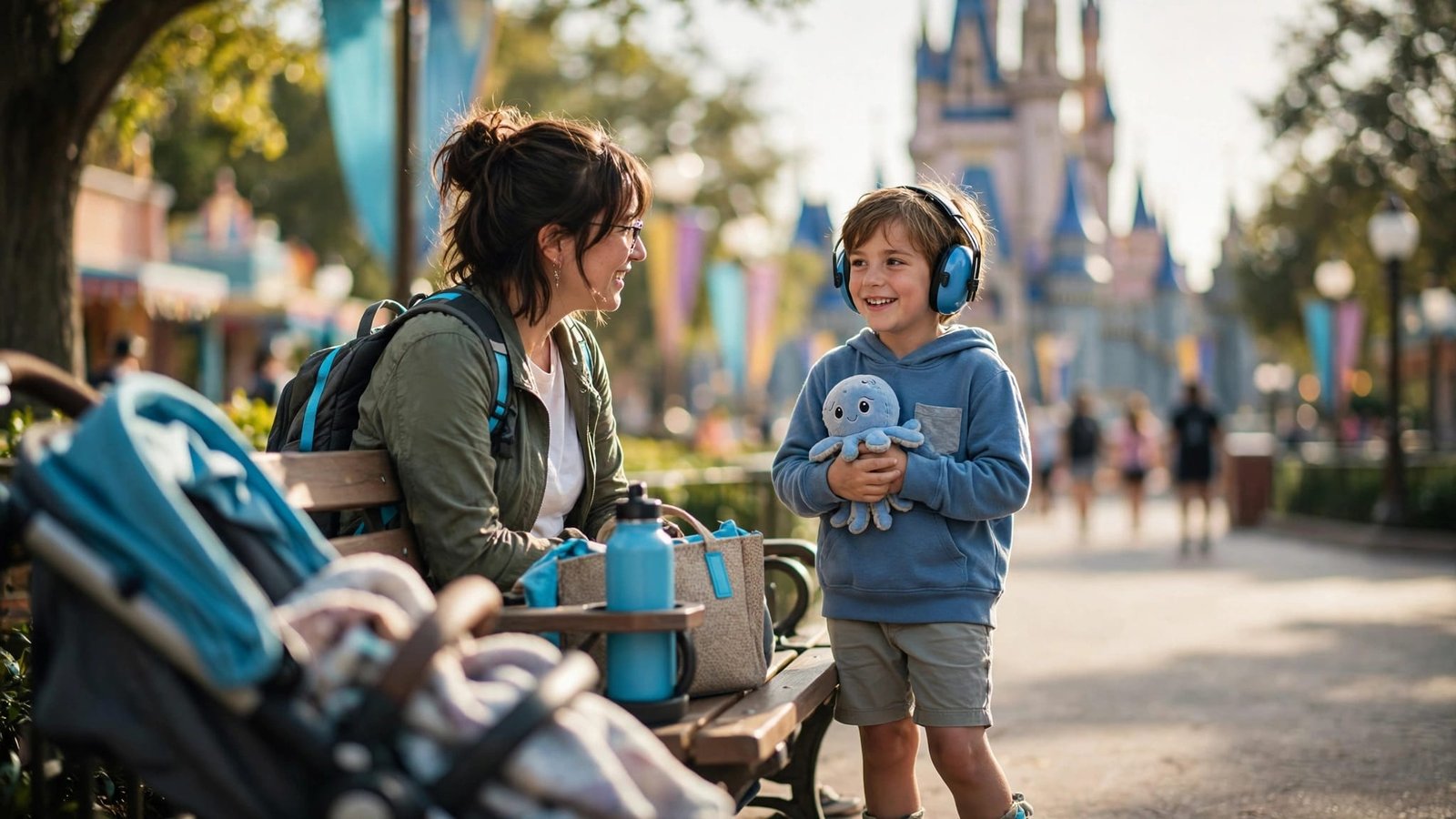
Plan your second Disney trip around your child’s current interests, sensory needs, and preferred supports. When planning Disney with autism in mind, treat the first visit as useful information, not a template. Autism support needs can change over time.
Your autistic child may now prefer different characters, need longer breaks, or want more independence. Start fresh, while keeping the familiar routines that still help.
Begin with what your child enjoys today, then build the reservations, accessibility arrangements, and park days around those needs.
Key Takeaways
- Choose today’s favorites instead of automatically repeating the first trip.
- Plan DAS separately from sensory breaks, stroller accommodations, and paid attraction options.
- Protect time for familiar meals, hotel breaks, and changes of plan.
Start With Your Child’s Current Interests
Separate Familiar Favorites From Parent Favorites
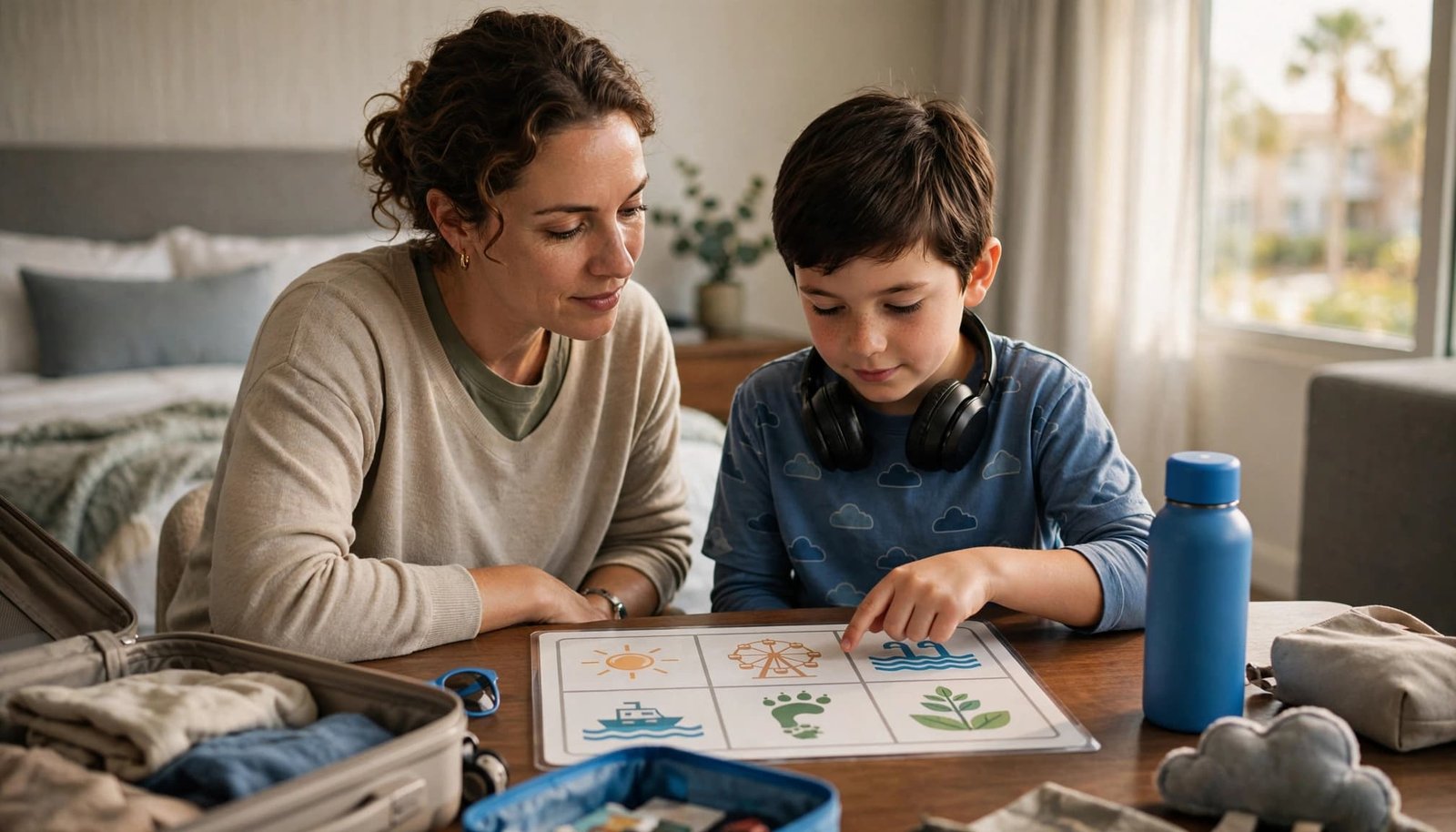
Review photos and plans from the first trip together, but use them as clues, not a template. Notice which experiences your child asks about, skips, or wants to discuss now.
For your neurodivergent child, offer manageable choices through their preferred communication method, such as speech, pictures, gestures, or their usual device. Don’t ask them to plan an entire vacation.
A favorite character meal may no longer interest them. An attraction they avoided before may now feel exciting. Leave space for both changes without treating either as a problem.
Our approach to a child-led Disney park day keeps those choices central.
Update Support Needs Alongside Interests
Enjoying faster rides doesn’t mean your child needs less help with crowds, meals, or transitions. Review these needs separately.
Write a short profile covering communication, food, sleep, mobility, sensory preferences, and early signs of overload. Include what helps your child recover.
Keep supports available even when your child wants greater independence. Agree on how they can request help without a lengthy conversation.
A new interest doesn’t automatically mean a familiar support is no longer needed.
Share the updated profile with every adult traveling. Photos and plans from the last trip can help, but your child’s current interests and needs should guide the next one.
Plan Disney With Autism on a Fresh Timeline
Give each planning stage a clear purpose, and start fresh rather than assuming last trip’s preparation still fits. This keeps preparation manageable without filling every evening with Disney decisions.
- Around 60 days before your first park visit, begin Disney’s live video DAS registration if appropriate. Have the guest requesting DAS present. Choose one or two current priorities per park day, and leave other attractions optional.
- About 30 days before departure, prepare for the transitions your child will face now. Refresh a visual schedule to reflect current interests and actual transitions, with hotel photos or short attraction videos if helpful. Use the visual schedule to preview security, transportation, meals, and leaving the park. Review familiar foods and identify backup meals.
- Two days before travel, pack communication tools, medications, chargers, and comfort items. Assign adult responsibilities for return times, siblings, and transportation. Agree on a meeting place and an early-exit plan.
Keep preparation comfortable. Some children enjoy detailed previews; others feel more anxious with repeated countdowns.
Before adding paid extras, decide what your family will use. A convenient hotel or another rest day may offer more comfort than another scheduled attraction window.
Understand DAS Before Your Return Visit
Register Based on Today’s Waiting Needs
Disney’s Disability Access Service rules describe DAS as support for guests who can’t wait in a conventional queue for an extended period because of a developmental disability, such as autism.
Registration is through live video chat with a Cast Member, available as early as 60 days before a park visit.
The guest requesting DAS must be present for the video chat. Before the video chat, prepare examples of the child’s current needs, including difficulty waiting in line. Explain how those needs affect the visit. No proof of diagnosis is required, but autism doesn’t guarantee approval.
A previous DAS approval doesn’t guarantee another. The standard registered party is the DAS guest plus three others, or four people total.
Know What Access Allows
DAS provides a return time comparable to the current standby wait. It doesn’t provide immediate ride access, and some waiting remains after returning.
At Disney World, request a return time through My Disney Experience after entering the park. A party can hold one active DAS return time. Request another return time 10 minutes after redeeming the previous one. Guest Relations can assist with app difficulties.
The DAS guest must experience the attraction with the party.
DAS is valid for the ticket’s length or up to one year, whichever comes first. Disney World and Disneyland DAS registrations are separate and don’t transfer between resorts. At Disneyland, use the Disneyland app.
Have a Practical Plan Without DAS
If DAS isn’t approved, explain your child’s queue difficulties while waiting in line. Ask which other accommodations address them. Disney’s attraction queue accommodations include options such as Attraction Queue Re-Entry in appropriate situations.
Plan a day your family can manage without assuming every wait will be shorter.
Rider Switch lets one adult stay with a non-rider while another group rides. The waiting adult then uses the designated return entrance without repeating the full standby wait. Follow the attraction’s Cast Member instructions for the returning group.
This can help when your child’s interests have changed and siblings want different attractions.
A stroller-as-wheelchair tag allows an approved stroller to remain with a guest in attraction queues. Request this accommodation through Guest Relations. Follow attraction-specific instructions for boarding and stroller collection.
DAS, Rider Switch, stroller accommodations, and paid Lightning Lane services address different needs. One doesn’t automatically include the others.
Lightning Lane Multi Pass and Single Pass are paid options. They aren’t required for a comfortable vacation, and they don’t replace sensory planning.
Match Sensory Supports to Your Child Now
Review the Experience Beyond the Ride Theme
A child may love a character but dislike that character’s attraction. Separate the subject from the physical experience.
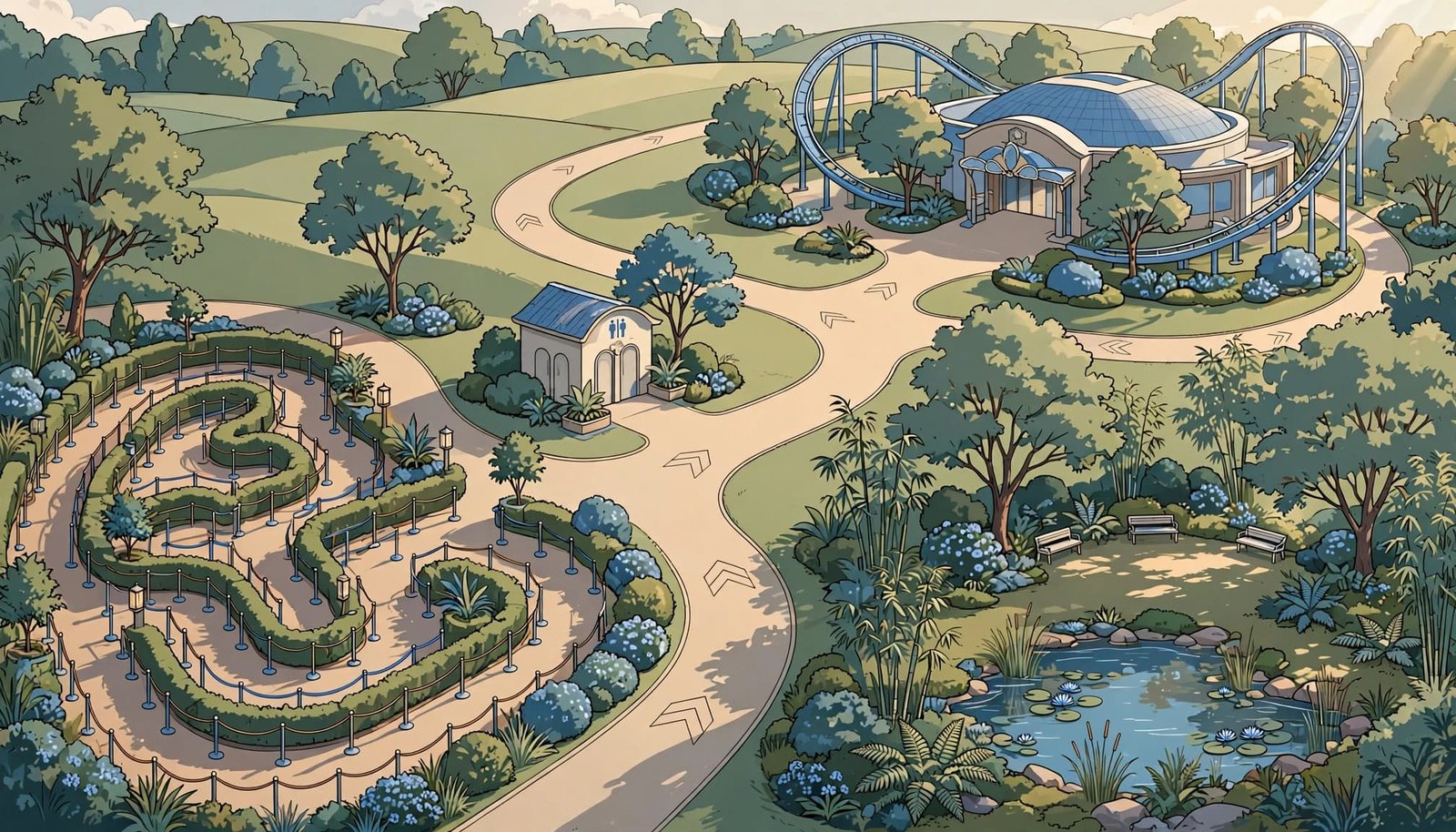
Disney’s neurodivergent guest resources include sensory planning information. Attraction guides describe elements such as scents, lighting effects, noise, darkness, motion, surprise elements, and experience duration.
Review those neurodivergent resources alongside your child’s individual reactions. Ask whether your child wants a preview, and stop the video if they’ve had enough.
Plan one priority, then a nearby break. Avoid crossing the park repeatedly to recreate an old schedule. Keep a comfortable alternative nearby if an attraction closes.
Plan Restroom and Recovery Stops
Identify quieter break locations before your child needs them. Disney’s accessibility guides list break areas by park. Cast Members can also direct you to a suitable place or First Aid when assistance is needed.
Companion restrooms are larger, single-stall, gender-neutral spaces. Some have manual flush toilets. Many park restrooms use loud automatic flushers, so keep headphones accessible if those sounds are difficult.
Respond to your child’s early signs of sensory overload. Waiting until they are overwhelmed can make recovery harder.
A break may mean sitting somewhere shaded, eating a familiar snack, or returning to the hotel. Let the support match the need.
Make Hotel and Travel Time Part of the Plan
Choose a hotel around the return trip’s needs, not only last trip’s memories. Consider sleeping arrangements, familiar food storage, transportation, and how easily you can leave the park.
A nearby room makes midday recovery more practical. Several miles of walking, heat, and transportation waits can drain energy before the evening.
Disneyland hotel benefits can change, so check the current Disneyland hotel Lightning Lane benefit and confirm which perks apply to your stay.
Protect downtime even when your child is excited about more attractions. Our ideas for balancing pool and park time can help you plan recovery around available energy.
For flights, a sunflower lanyard can signal that someone may need additional assistance, but it doesn’t guarantee faster check-in or security screening. Tell travel companions what the sunflower lanyard communicates and what support your child may need.
Practice the travel sequence your child will experience, including waiting and unexpected delays.
Pack Familiar Supports and Useful Planning Resources
Pack the items your child already uses successfully. Keep communication tools, headphones, familiar snacks, medications, a change of clothes, and a portable charger easy to reach.
Bring a low-tech communication backup if your family relies on a device. Include a simple way to communicate “break,” “help,” and “finished.”
Our Trip Rescue Shop offers travel items, including a stroller and cleaning supplies for unexpected sick-on-vacation moments. Choose what fits your family’s needs.
For preparation at your own pace, our 57-page Disney planning guide PDF for a Disney World autism trip includes family-focused planning ideas. You can also find our Disney planning guide for autism travel on Amazon.
These resources support planning for sensory needs, breaks, transportation, and flexible days. Disney’s official pages remain the source for DAS policy.
Frequently Asked Questions
Should We Return if Our Child Likes Different Things?
Different interests can give your family a useful new direction. Choose parks and experiences around those interests before buying tickets or committing to dining reservations.
If the current appeal is mainly the hotel, pool, or transportation, a shorter trip with fewer park days may fit better.
What if Our Child Rejects a Previous Favorite?
Accept the choice and move to an agreed alternative. Avoid using the cost of the trip or a happy photograph as pressure to participate.
A ride enjoyed last time can remain optional. Your child can also change their mind again during the trip.
Build the Return Trip Around Your Family Today
The first trip gives you experience. Your child’s current needs and choices give the second trip its direction.
Keep the supports that help, update the activities, and protect room for rest. A comfortable return visit can look different from the vacation you remember.
We offer personalized Disney vacation planning to help your family bring those details together with less stress.
Leave a Reply