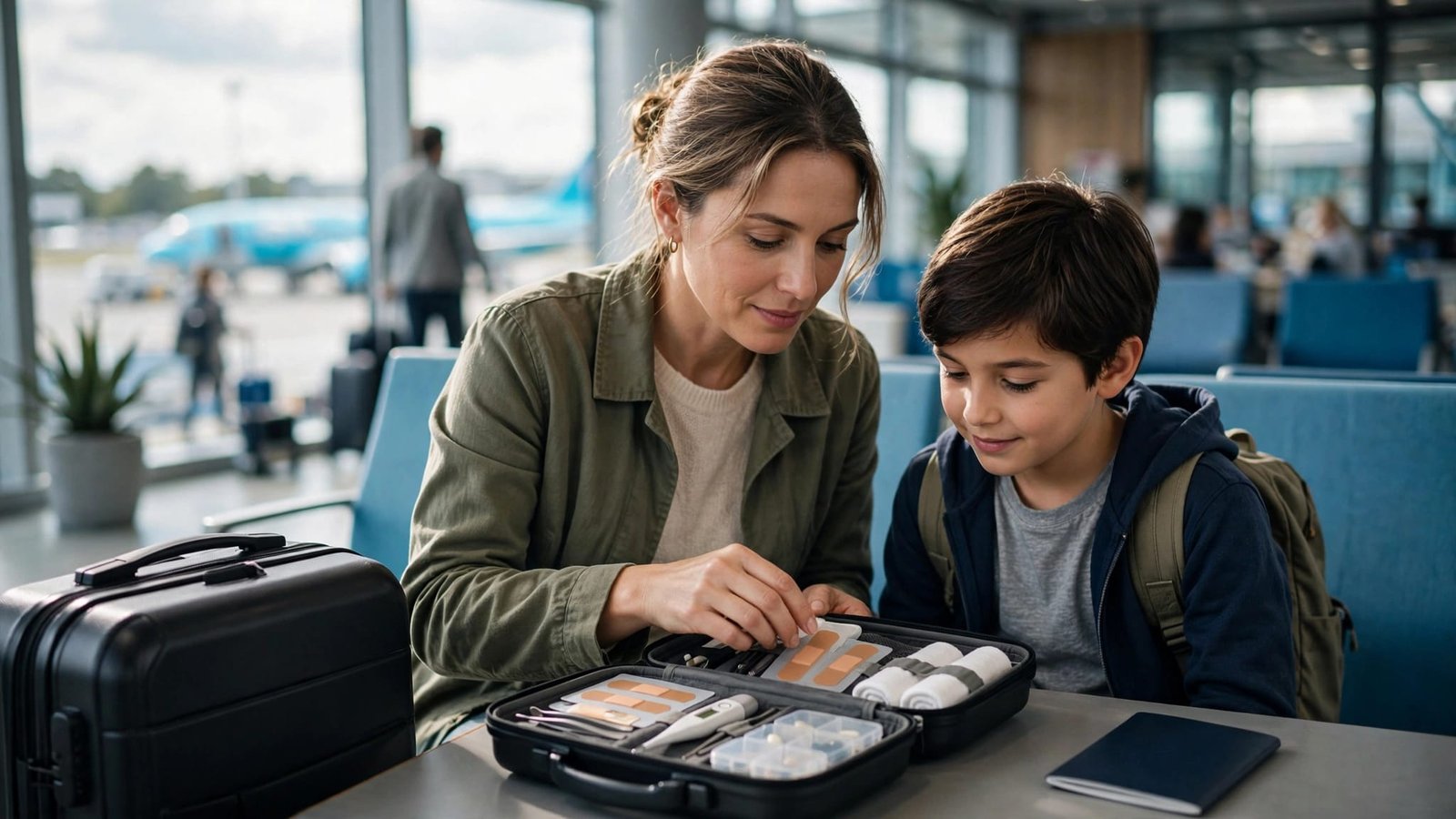
Traveling with epilepsy is possible for many children and adults when the trip supports their treatment, routines, and safety needs. Start with your epilepsy care team, then build the vacation around a written medical plan.
For families and caregivers, preparation can make unfamiliar places feel more manageable. Medication, transportation, and emergency information should be easy to access, even when plans change.
Begin with these practical steps, then leave room for rest and time together.
Key Takeaways for Your Family
- Keep daily and rescue medication with you, along with extra supply for delays and prescription records.
- Get written instructions for time-zone changes, missed doses, rescue medication, and emergency care.
- Give caregivers the same seizure action plan, and choose transportation and accommodations that support your traveler’s routine.
Tailor these precautions to the individual traveler and their clinician’s guidance. Preparation can’t guarantee a seizure-free vacation.
1. Make a Medical Plan for Traveling With Epilepsy
Schedule Your Pre-Trip Appointment
Arrange a visit with your neurologist, GP, or epilepsy nurse about eight weeks before departure. Bring your itinerary, transportation plans, and expected activities.
Discuss recent seizures, medication changes, sleep disruption, and whether the destination provides suitable access to care. Ask about swimming, heat, altitude, or strenuous outings when those activities are part of your trip.
The CDC’s guidance for travelers with chronic illnesses supports preparing medical records and medication plans before international travel.
Request a doctor’s letter listing diagnoses, medication names, doses, allergies, and necessary equipment. Include generic medication names, since brand names can differ abroad.
Write Down Medication Timing
Ask your prescriber or pharmacist for an outbound and return medication schedule. Changes across time zones can make familiar morning and evening routines confusing.
The instructions should include when each dose is due, food requirements, and what to do after a missed dose or vomiting. Don’t double a dose unless the medicine’s instructions or your clinician directs it.
Record doses immediately after they’re given, including the date, time, and time zone. Give every caregiver access to that record.
A medication alarm tells you a dose is due. A shared record tells the next caregiver whether it was given.
2. Prepare for Destination Rules and Insurance
Medication Rules and Travel Vaccinations
Some anti-seizure medicines are restricted or classified as controlled substances abroad. Destination and transit-country rules may require permits, supporting documents, or limits on the amount you can carry.
Include medication import arrangements in your pre-trip preparation. A prescription doesn’t automatically make a medicine legal in another country.
Most vaccines don’t affect epilepsy or seizure control, but your travel clinician should review your treatment and vaccination needs. Some malaria-prevention medicines can trigger seizures. Mefloquine, for example, isn’t suitable for people with seizures.
Discuss malaria prevention with your medical team instead of choosing a medicine yourself.
Read the Pre-Existing Condition Clause
When applying for travel insurance, disclose epilepsy honestly during the application or medical screening process. Disclosure alone doesn’t guarantee coverage for seizure-related expenses.
Read the policy’s definition of a pre-existing condition, its exclusions, and any waiver requirements. A waiver may remove an exclusion if you meet its conditions.
Compare coverage for emergency medical care, evacuation, cancellation, and trip interruption. Medication changes or recent symptoms may affect eligibility.
Keep the insurer’s written coverage decision and assistance number with your documents. Don’t rely only on a policy summary or the phrase “medical coverage.”
3. Pack Medication Where You Can Reach It
Keep anti-seizure medication and prescribed rescue treatment in your carry-on bag, never only in checked luggage. Bring an extra supply for unexpected delays, within applicable import limits.

Use original packaging with its pharmacy label, and carry prescription copies or your doctor’s letter. Photos of labels are helpful backups, but printed records still matter if your phone stops working.
Keep rescue medication accessible during the flight, car ride, and daily outings. If a carry-on must be gate-checked or placed with checked luggage, remove medication and essential medical documents first.
Ask your pharmacist about storage temperatures. A parked car, hot stroller basket, or unsuitable hotel refrigerator can create storage problems.
Pack a medical ID bracelet or necklace stating epilepsy. Add a wallet card or phone medical ID with emergency contacts.
Our Trip Rescue Shop travel supplies include strollers, comfort items, and cleaning supplies for unexpected sick-on-vacation moments. Keep these practical extras separate from your essential medication pouch.
Choose supplies that support your usual routine. New equipment or unfamiliar products can add extra work during an already busy travel day.
4. Make Airport and Transportation Days Easier
Airport Security and VNS Devices
Under TSA’s medically necessary liquid rules, medication liquids above 3.4 ounces (100 mL) are allowed in reasonable quantities. Declare them before screening.
Travelers with a vagus nerve stimulator can carry their VNS Therapy ID Card and request a pat-down instead of walking through a metal detector. Tell the officer about the implanted device before screening begins.
Keep device information and any prescribed VNS magnet accessible. Follow the manufacturer’s device-specific instructions.
Flights, Road Trips, and Cruises
Tell the airline about epilepsy when booking if support or a discussion about recent seizures is needed. Medical clearance may be requested in some circumstances.
The Air Carrier Access Act protects travelers with disabilities on covered flights. Epilepsy alone doesn’t create a routine requirement for a medical certificate.
Choose connections that allow time for meals, medication, and bathroom breaks. On road trips, keep supplies in the passenger area.
For cruises, include the ship’s medical center and possible shore-based care in your emergency plan. Don’t assume a ship can provide ongoing specialist treatment.
5. Build Comfortable Days After Arrival
Protect Sleep and Choose Suitable Activities
Sleep loss and disrupted routines deserve attention when traveling with epilepsy. Keep the arrival day light, and allow recovery time after overnight flights or time-zone changes.
Regular meals, water, and familiar bedtime routines support a more comfortable trip. Fatigue doesn’t need to become a reason to push through another activity.
Choose lodging with an easy route back for rest. A quieter room away from elevators or entertainment areas may help your family settle.
For swimming, follow the care team’s recommendations and arrange close supervision by someone who knows the traveler’s seizure plan. A lifeguard doesn’t replace individual supervision.
Support Sensory Needs Without Making Assumptions
Autism-related sensory discomfort isn’t automatically a seizure trigger. Plan around the individual’s known seizure patterns and sensory needs, and follow the care team’s guidance on seizure triggers.
For theme parks, consider attraction warnings, waiting conditions, motion, and lighting effects with the care team. Our Disney World epilepsy planning offers more family-focused preparation.
Families also managing autism can use our Disney World With Autism PDF guide or Disney autism ebook on Amazon for sensory supports, breaks, and flexible park planning.
These resources support vacation preparation. Your traveler’s medical team remains responsible for treatment guidance.
6. Give Every Caregiver an Emergency Role
Carry a Clear Seizure Action Plan
Use the Epilepsy Foundation’s seizure action plan resources with your clinician. Describe usual seizures, expected recovery, instructions for prescribed emergency treatment, and emergency thresholds.
Give copies to travel companions who may separate from the main group. Keep another copy at your accommodation.
Include the doctor’s office, pharmacy, insurer, hotel address, and emergency contacts. Record the destination’s emergency number: 911 works in the United States, 112 across the European Union, and 000 in Australia.
Agree on responsibilities before an outing. One adult stays with the traveler, another requests help, and another supports siblings when available.
Know What to Do During a Seizure
Companions should learn seizure first aid before departure.
- Stay with the person, time the seizure, and clear nearby hazards.
- Cushion the head during a convulsive seizure and turn the person onto their side when safe. Don’t restrain them or put anything in their mouth.
- Follow prescribed rescue medication instructions and remain nearby during recovery. Don’t offer food, drink, or oral medicine until they’re fully alert.
Call emergency services for a seizure lasting five minutes or longer, repeated seizures without recovery, breathing difficulty, serious injury, or a seizure in water. Follow any earlier emergency threshold in the action plan.
Frequently Asked Questions
Is It Okay to Fly With Epilepsy?
Many people with epilepsy can fly. Your care team should assess recent seizures, treatment changes, and whether you’re fit to travel. Choose flight times that support sleep and medication routines, and keep rescue medication accessible throughout the journey.
Does Standard Travel Insurance Cover Seizures?
Travel insurance policies vary. Some cover epilepsy-related claims, while others exclude them unless you meet waiver requirements. Check the policy contract for coverage. Declaring epilepsy doesn’t, by itself, remove a pre-existing condition exclusion.
Can Someone With Epilepsy Travel Alone?
Some adults travel independently with epilepsy. Suitability depends on seizure patterns, recovery needs, and medical advice. For a family trip, a companion who knows first aid and rescue medication instructions can provide support. Travelers going alone need an individualized emergency and communication plan.
A Vacation Built Around Your Family
A useful safety plan keeps medication, instructions, and support available when your family needs them. It also gives everyone permission to rest or change the day.
Your clinicians guide treatment and travel fitness. Our special needs travel planning can help coordinate lodging, transportation, and a comfortable pace around that medical plan.
You don’t need a full itinerary to enjoy meaningful time together.
Leave a Reply